What Is a PVC Roofing Membrane? A Practical Guide
What Is a PVC Roofing Membrane? A Practical Guide
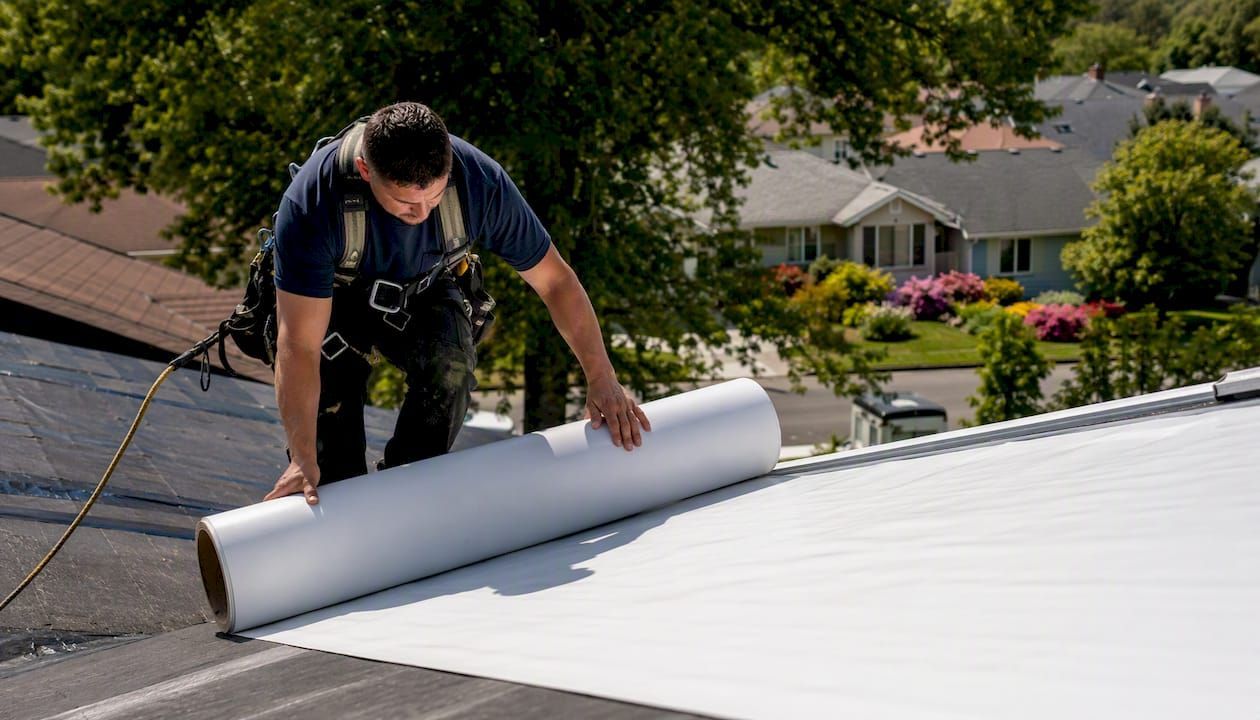
A PVC roofing membrane is a heat-weldable, single-ply polyvinyl chloride sheet installed on low-slope and flat roofs. It is the go-to material where chemical exposure, grease, or demanding durability requirements rule out cheaper alternatives. Manufacturers like Carlisle and GAF produce PVC systems tested to ASTM standards, and the Vinyl Roofing Division (VinylRoofs.org) publishes technical guidance that contractors and specifiers rely on.
Quick verdict: PVC makes the most sense for restaurants, food-processing facilities, labs, and any building where rooftop grease or chemicals are a real concern. For a standard commercial flat roof with no chemical exposure, TPO often delivers similar performance at a lower installed cost. If you're weighing options, here's the short version:
- Pros: Superior chemical and grease resistance, heat-welded watertight seams, cool-roof reflectivity, and flexible performance down to −40°F.
- Pros: Lifespan of 20–30 years with proper installation and maintenance.
- Caution: PVC is chemically incompatible with bituminous materials and some polystyrene insulation products, and older formulations can become brittle over time.
What a PVC roofing membrane is made of
PVC membranes are thermoplastic sheets built in layers. The core is polyvinyl chloride compounded with plasticizers (to keep the sheet flexible), UV stabilizers, and fire-retardant additives. A reinforcing scrim, typically woven polyester or fiberglass, sits between the top and bottom PVC plies to add tensile strength and puncture resistance. That scrim is what separates a roofing-grade membrane from a simple vinyl sheet.
Commercial roofing guides describe typical thicknesses ranging from 45 to 90 mil, with 60 mil being the most common commercial specification. Thicker sheets resist puncture better and generally carry longer warranties.
One detail worth knowing: older PVC membranes used low-molecular-weight plasticizers that migrated out of the sheet over time, causing brittleness. Modern formulations use high-molecular-weight plasticizers that stay in the matrix far longer. If you're evaluating bids on an older building, ask specifically about the membrane's plasticizer chemistry.
Key composition points:
- Polyester or fiberglass scrim reinforcement for tensile strength
- Plasticizers for flexibility, UV stabilizers for weathering resistance
- Typical thickness: 45–90 mil (60 mil is standard for most commercial work)
- Top ply often includes a lacquer or acrylic coating for added UV protection
Key properties that make PVC worth the price
PVC's chemical resistance is its clearest competitive advantage. Grease, oils, and many industrial chemicals that degrade other membranes have little effect on a properly formulated PVC sheet. That's why flat-roof specialists consistently recommend PVC for restaurants, food-processing plants, and chemical storage facilities.
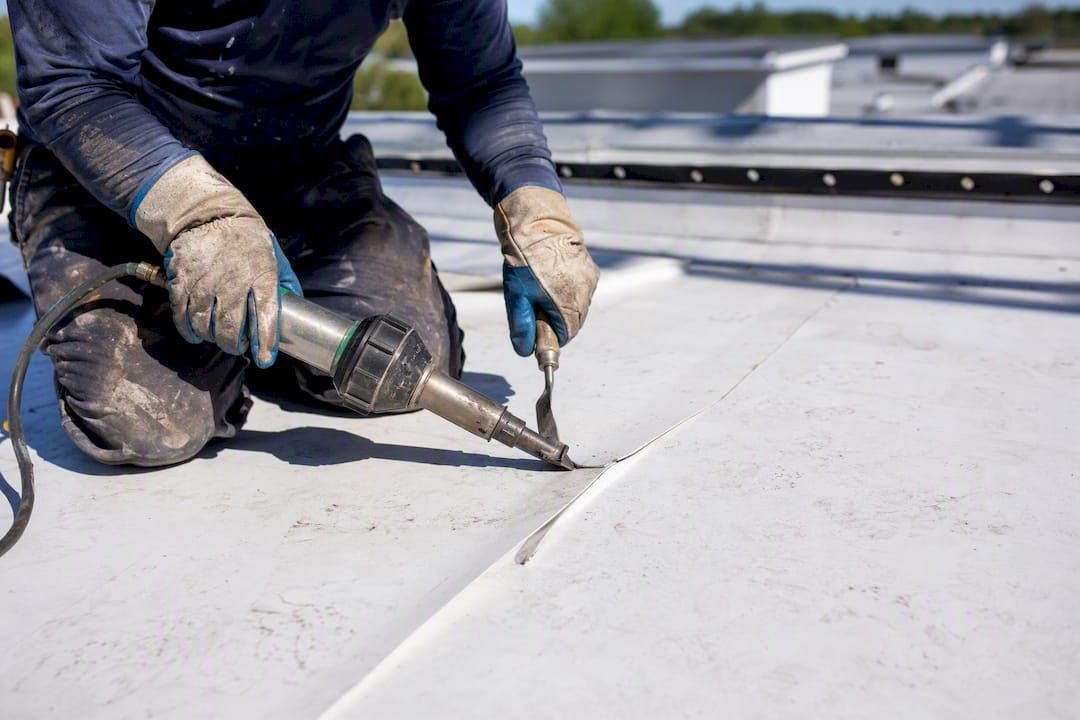
Heat-welded seams are the other defining feature. A hot-air welder fuses two overlapping sheets into a single continuous bond. The weld is actually stronger than the surrounding membrane, which means a properly installed PVC roof has no mechanical weak points at the seams. Compare that to EPDM, where seams rely on adhesive tape and are a known failure point.
FacilitiesNet's guidance on PVC roofing highlights flexibility down to −40°F as a practical advantage in cold climates, where membranes that stiffen can crack during thermal cycling. PVC also comes in white and light-gray formulations that meet Energy Star and Cool Roof Rating Council standards, reflecting solar heat rather than absorbing it. For a building in Northern California, that reflectivity can meaningfully reduce cooling loads. Pairing a cool PVC roof with a well-maintained HVAC system compounds the energy savings.
The SPRI white paper on PVC membranes positions select engineered configurations as capable of 30+ year service lives, supported by the material's recyclability and long-term performance data.
How PVC roofs are installed
There are four main attachment methods, and the right one depends on the building's structure, insulation type, and local wind-uplift requirements.
- Induction welded: — Fasteners with a metal plate are driven through the insulation; an induction tool heats the plate from above, bonding the membrane to it without penetrating the sheet. Common for re-roofing over existing systems.
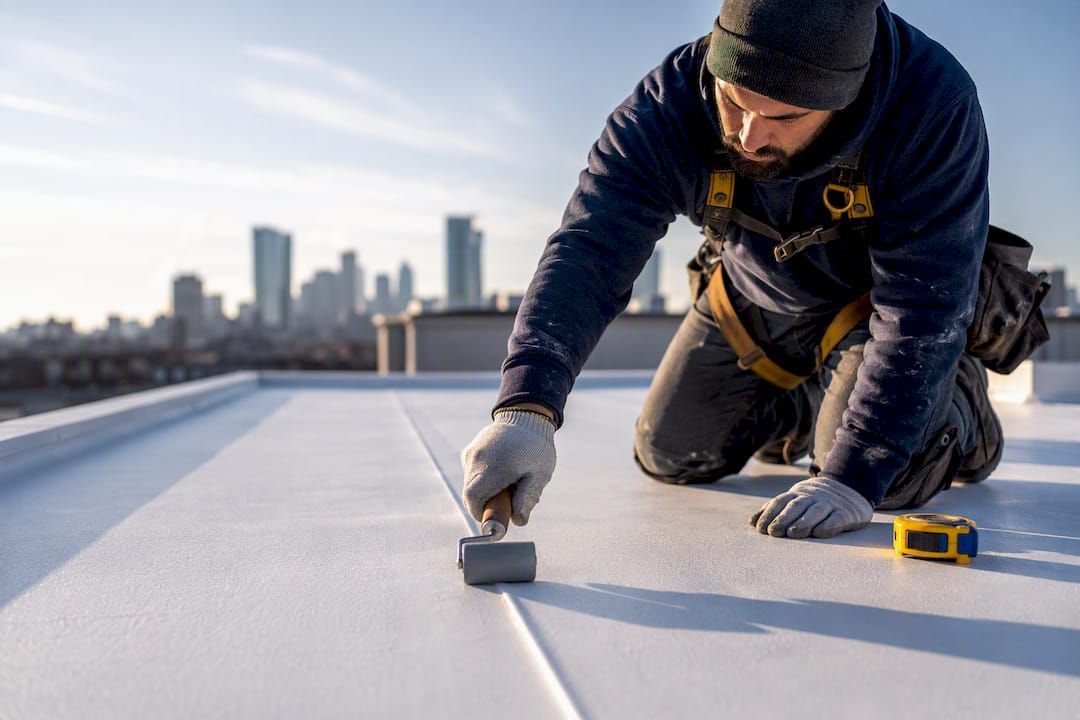
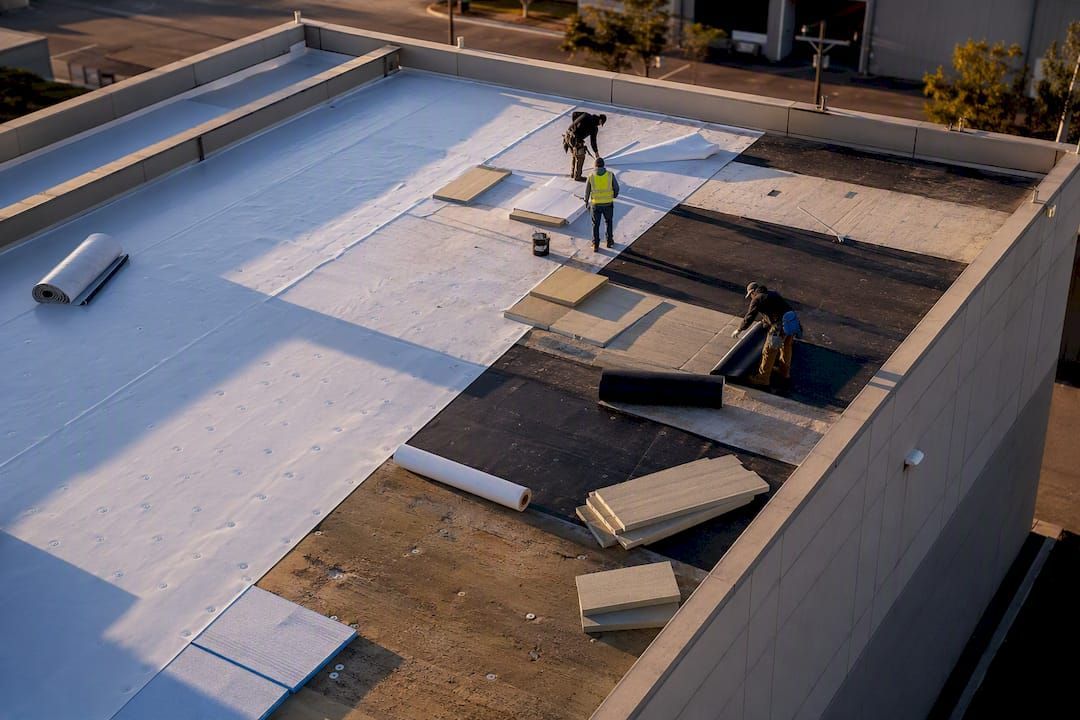
Seams are always heat-welded using a hot-air gun or an automated welder. A properly made weld is 1.5–2 inches wide and fuses the two plies into one. Flashings at walls, curbs, and penetrations use factory-coated PVC flashing material welded to the field membrane, creating a continuous waterproof assembly.
Pro Tip: Hire a manufacturer-certified installer. Carlisle, GAF, and other major manufacturers offer certification programs, and many warranties are void if the work is done by an uncertified crew. Seams and flashings are where failures happen, so ask to see the installer's certification before signing a contract.
Where PVC membranes are commonly used
PVC is specified most often where the roof faces something other than just rain and sun. Restaurants are the clearest example: rooftop grease exhaust from kitchen vents would degrade TPO or EPDM over time, but PVC handles it. The same logic applies to food-processing plants, hospital laundry facilities, labs, and any building with chemical storage or rooftop process equipment.
Beyond chemical exposure, PVC suits:
- Solar installations: The membrane's durability and heat-welded attachment points support rooftop solar panel systems without compromising waterproofing.
Expected lifespan, installed cost, and maintenance
A properly installed PVC flat roof lasts 20–30 years, with installed costs running roughly $8–14 per square foot depending on system thickness, attachment method, and regional labor rates. That range puts PVC 30–50% above TPO on a per-square-foot basis, which is a real number to factor into your budget.
Warranties typically run 10–20 years from major manufacturers, with longer terms available on thicker membranes and fully adhered systems. A roof maintenance plan extends that service life by catching small problems before they become expensive ones.
Routine maintenance checklist:
- Inspect seams, flashings, and penetrations every 1–2 years (commercial) or after major storms.
- Clear debris from drains and scuppers to prevent ponding water.
- Clean the membrane surface with mild soap and water; avoid petroleum-based solvents.
- Patch small punctures or tears with compatible PVC patch material and a heat welder.
- Document all inspections and repairs to support warranty claims.
When PVC might not be the right choice
PVC has real limitations, and a contractor who doesn't mention them isn't giving you the full picture.
Plasticizer migration is the most discussed long-term risk. Older membranes used plasticizers that gradually left the sheet, leaving it stiff and prone to cracking. Laboratory analysis of field specimens after 11 years showed evidence of dehydrochlorination and plasticizer loss, with degradation accelerated by UV exposure and direct contact with incompatible insulation. Modern high-molecular-weight plasticizers have largely addressed this, but the risk is worth understanding when evaluating older roofs.
Bitumen incompatibility is non-negotiable. PVC cannot be in direct contact with asphalt or coal-tar products. If you're re-roofing over an existing built-up or modified bitumen system, a separation layer is required. Skip it and the plasticizers in the PVC will leach into the bitumen, causing both materials to degrade.
Cost is a straightforward limitation. If your building has no chemical exposure and a tight budget, TPO delivers comparable reflectivity and welded seams at a lower price.
Other limitations:
- Some extruded polystyrene (XPS) insulation products can accelerate plasticizer migration; verify compatibility with the membrane manufacturer before specifying.
- PVC is not the easiest membrane to recycle at end of life, though industry programs are expanding.
Pro Tip: On an older PVC roof, press firmly on the membrane surface near a seam or flashing. If it feels stiff or cracks under light pressure, that's early embrittlement. Call for a professional inspection before the next heating season.
PVC vs. TPO vs. EPDM: which one fits your roof?
| Dimension | PVC | TPO | EPDM |
|---|---|---|---|
| Best for | Chemical/grease exposure, cool-roof mandates, complex details | Standard commercial flat roofs, budget-conscious projects | Low-slope residential, simple geometries, cold climates |
| Expected lifespan | 20–30 years | 20–30 years | 20–30 years |
| Seam type | Heat-welded (strongest) | Heat-welded | Adhesive tape (weaker) |
| Reflectivity | High (white/light gray) | High (white standard) | Low (black standard; white available) |
| Compatibility issues | Incompatible with bitumen, some XPS | Generally compatible | Incompatible with petroleum products |
| Installed cost | $8–14/sq ft | Lower (30–50% less than PVC) | Lowest of the three |
For a deeper look at how these materials stack up across commercial roofing applications, the differences in long-term cost become clearer once you factor in maintenance frequency.
Rules of thumb:
- Choose PVC when grease, chemicals, or rooftop food-service equipment is involved.
- Choose TPO when budget is the primary driver and chemical exposure is not a factor.
- Choose EPDM for simple low-slope residential roofs or when a black membrane is acceptable.
Sustainability and end-of-life considerations
PVC's environmental story is more nuanced than critics or advocates usually admit. The SPRI white paper argues that a 30-year service life and recyclability through industry programs make PVC a defensible choice from a lifecycle standpoint. A roof that lasts three decades and gets recycled at the end beats a cheaper membrane replaced twice in the same period.
Industry stewardship programs, including those run by the Vinyl Sustainability Council and manufacturer take-back initiatives, document mechanical and chemical recycling pathways for PVC roofing material. These programs are growing but not universally available, so check with your manufacturer about end-of-life options in your region.
On the energy-efficiency side, white PVC membranes reduce rooftop surface temperatures significantly compared to dark membranes, lowering cooling loads and contributing to urban heat island mitigation. In California's climate, that's a practical benefit, not just a marketing claim.
How to tell if PVC is right for your roof
Run through this checklist before your contractor meeting:
- Is there grease exhaust, chemical exposure, or food-service equipment on the roof? PVC is the clear choice.
- Does the building need to meet a cool-roof reflectivity standard? White PVC typically qualifies.
- Is the roof over a terrace, green roof, or solar installation? PVC's weldability and root resistance make it well-suited.
- What is the existing roof system? If it's built-up asphalt or modified bitumen, a separation layer is required.
- What insulation is specified? Confirm compatibility with the membrane manufacturer if XPS is involved.
- What is the planned hold period? If you're selling in five years, the cost premium over TPO may not pay back.
Questions to ask your contractor:
- What membrane brand and formulation are you specifying, and what plasticizer type does it use?
- Are you manufacturer-certified for this system, and does the warranty require it?
- How will seams be tested after installation (e.g., probe testing, holiday detection)?
- What is the warranty term, and what does it cover — labor, material, or both?
- Is there a separation layer specified between the PVC and any existing bituminous material?
What contractors watch for during inspections and repairs
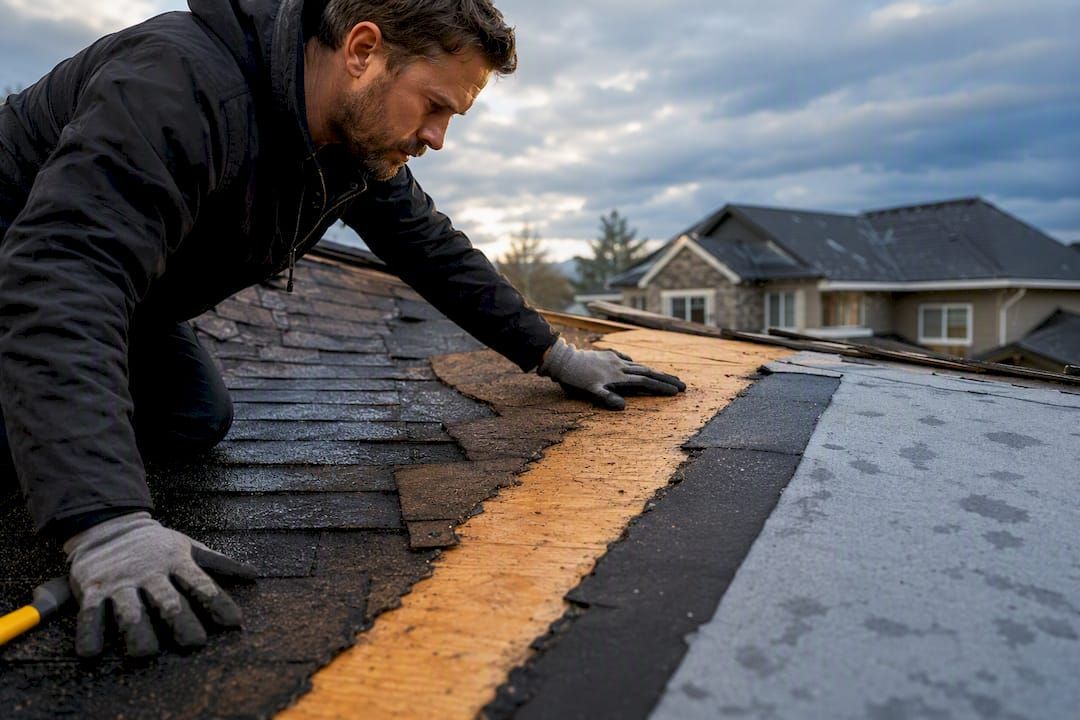
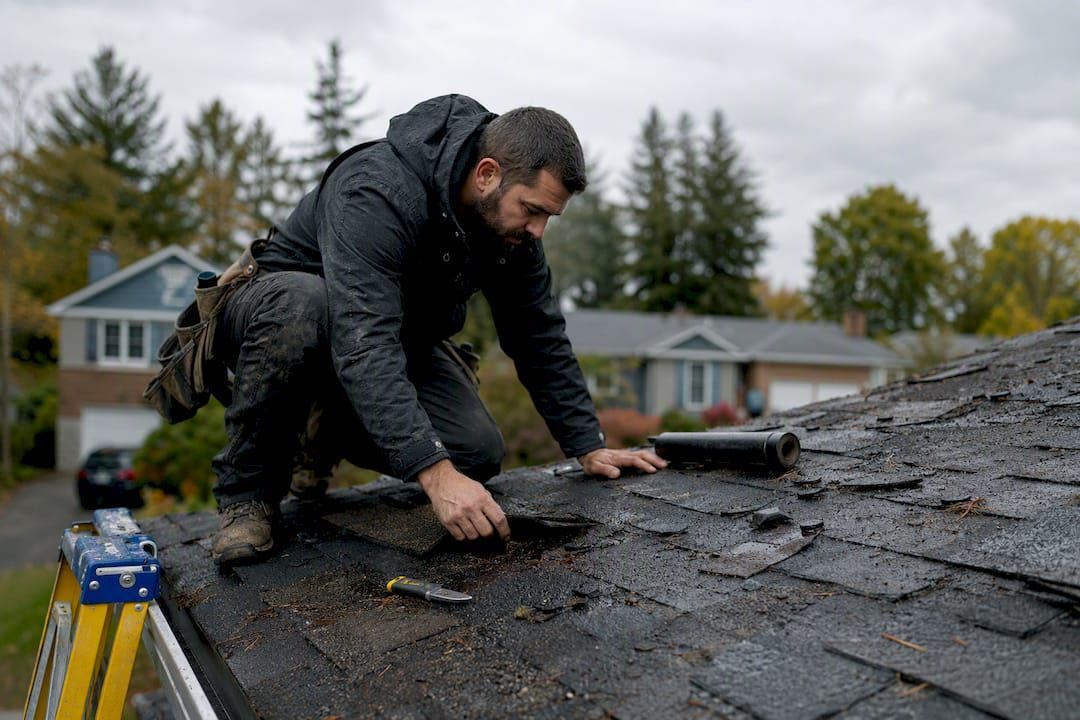
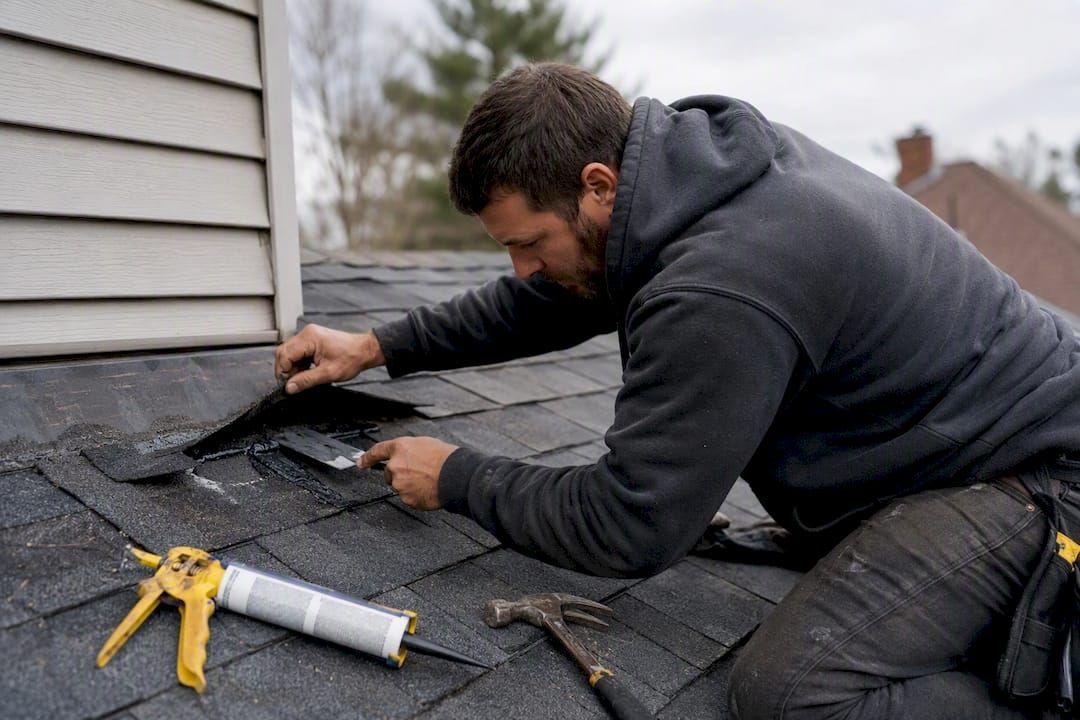
Most PVC roof failures don't start in the middle of the field membrane. They start at flashings, transitions, and seams, where two materials meet or where the membrane wraps a curb or penetration. Experienced installers know this, and a good inspection prioritizes those details over a quick walk across the flat field.
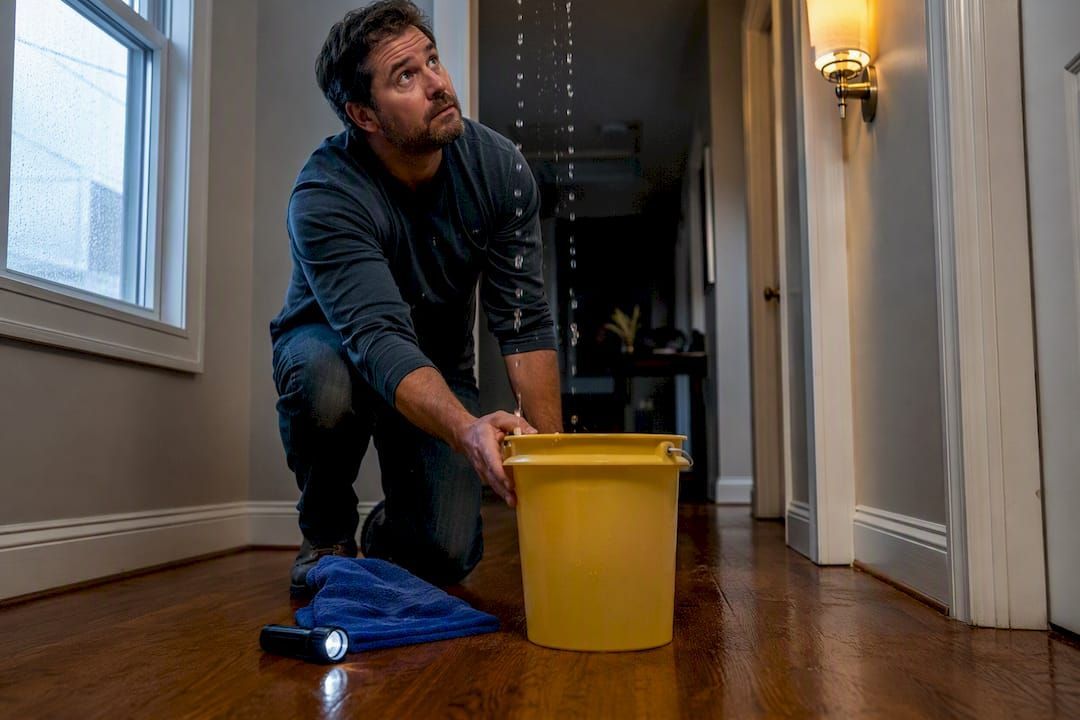
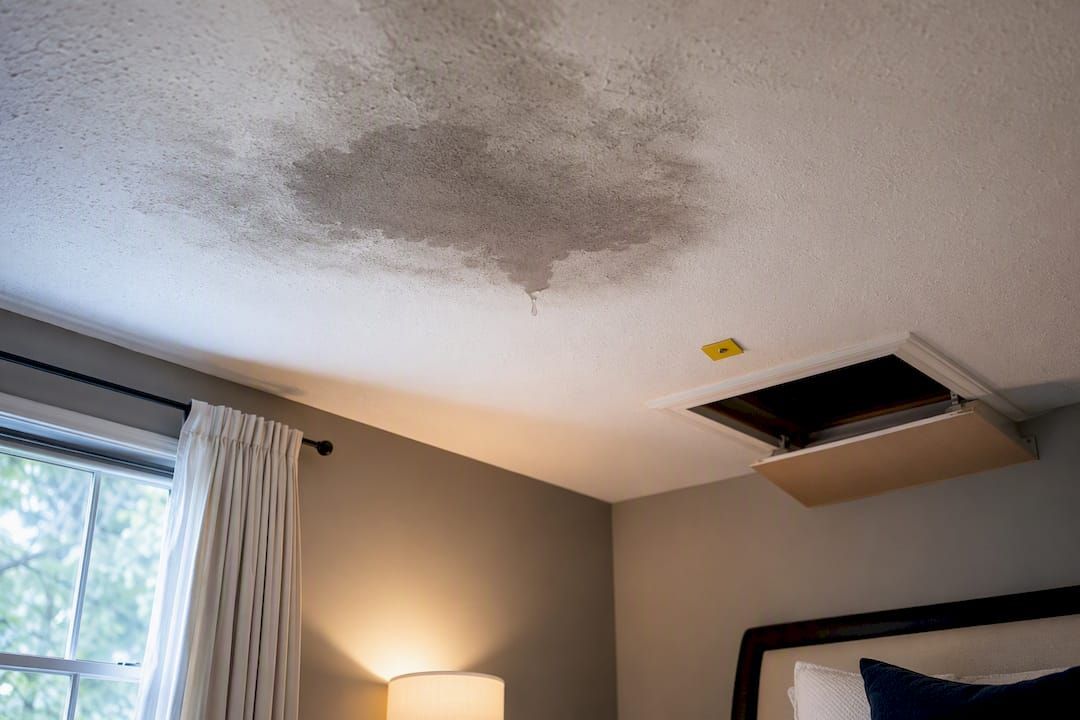
Common repairs on PVC roofs include patching punctures with compatible PVC material, re-welding seam edges that have lifted, and replacing flashing at curbs or pipe boots where the original weld has separated. These are straightforward fixes when caught early. Left alone, a lifted flashing edge can allow water to track under the membrane for months before it shows up as an interior leak.
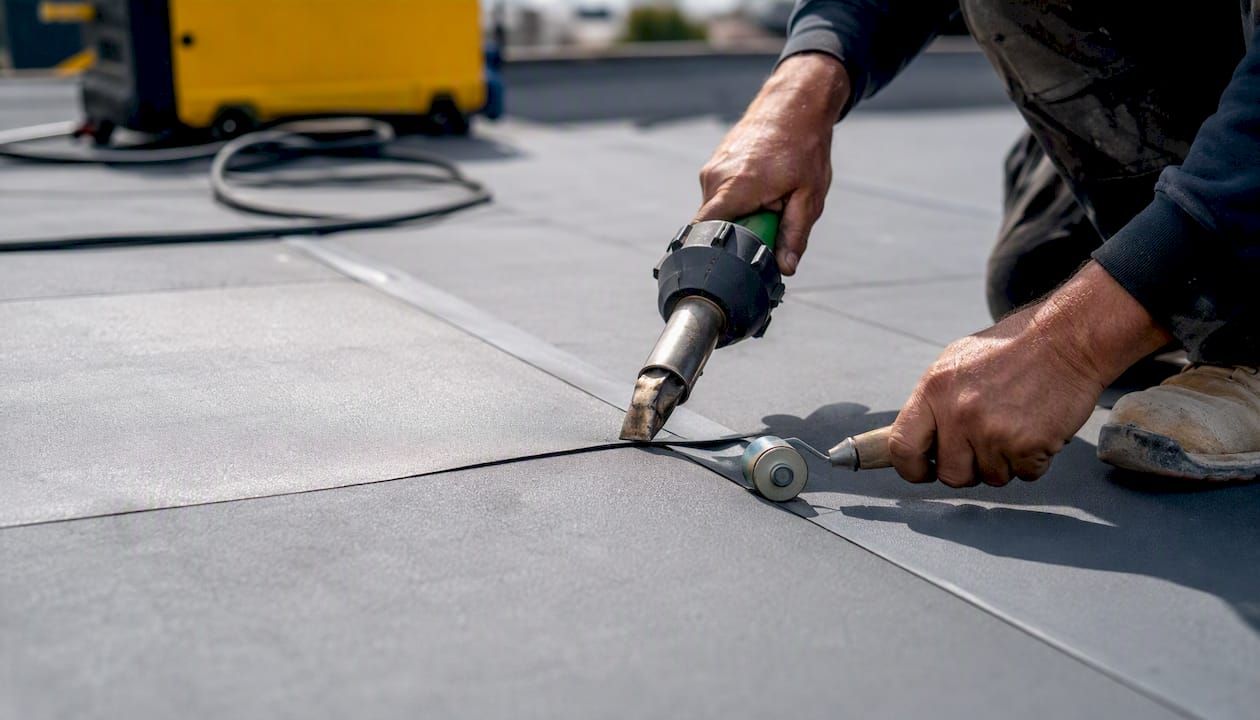
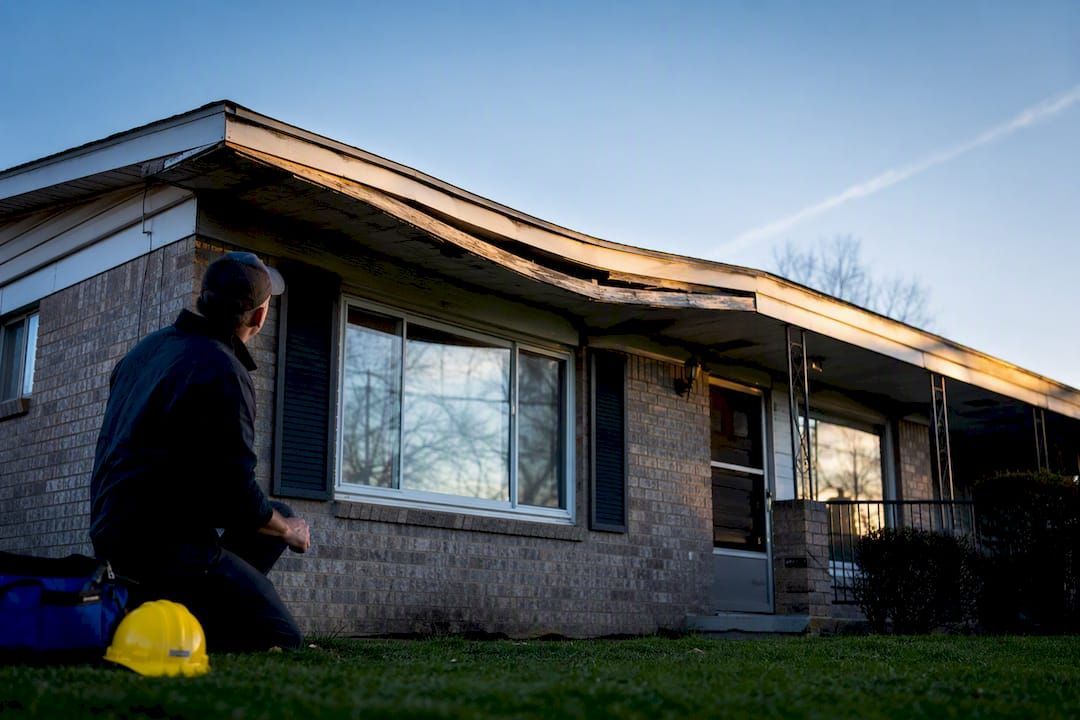
Pro Tip: Schedule a formal inspection every 1–3 years for commercial roofs, and always after hail or a major wind event. Keep a written log of each inspection and any repairs made. Manufacturers often require documented maintenance history to honor a warranty claim.
Visual signs to watch for:
- Cracking or brittleness near seams or flashings (early plasticizer loss)
- Surface chalking or discoloration (UV degradation of the top ply)
- Seam edges that have lifted or separated
- Soft spots or blistering in the field membrane (moisture trapped below)
- Rust staining around fastener rows (mechanically fastened systems)
A roof maintenance plan that includes documented inspections is the single most reliable way to extend a PVC roof's service life and protect your warranty.
Key Takeaways
A PVC roofing membrane is the strongest single-ply choice for chemical exposure, cool-roof performance, and complex roof details, with a 20–30 year service life when properly installed and maintained; select engineered configurations may reach 30+ years according to industry sources.
| Point | Details |
|---|---|
| Best use case | PVC outperforms alternatives where grease, chemicals, or cool-roof reflectivity requirements are present. |
| Installed cost | Expect $8–14 per square foot installed; roughly 30–50% more than TPO for comparable systems. |
| Lifespan | 20–30 years with proper installation; select engineered configurations may reach 30+ years. Seam and flashing quality determines where in that range you land. |
| Key limitation | Direct contact with bituminous materials or incompatible XPS insulation accelerates degradation — always verify compatibility. |
| Upstateroofingpros | Upstateroofingpros installs and inspects PVC and TPO systems across Northern California; contact them for a quote or inspection. |
The part most guides skip about PVC roofing
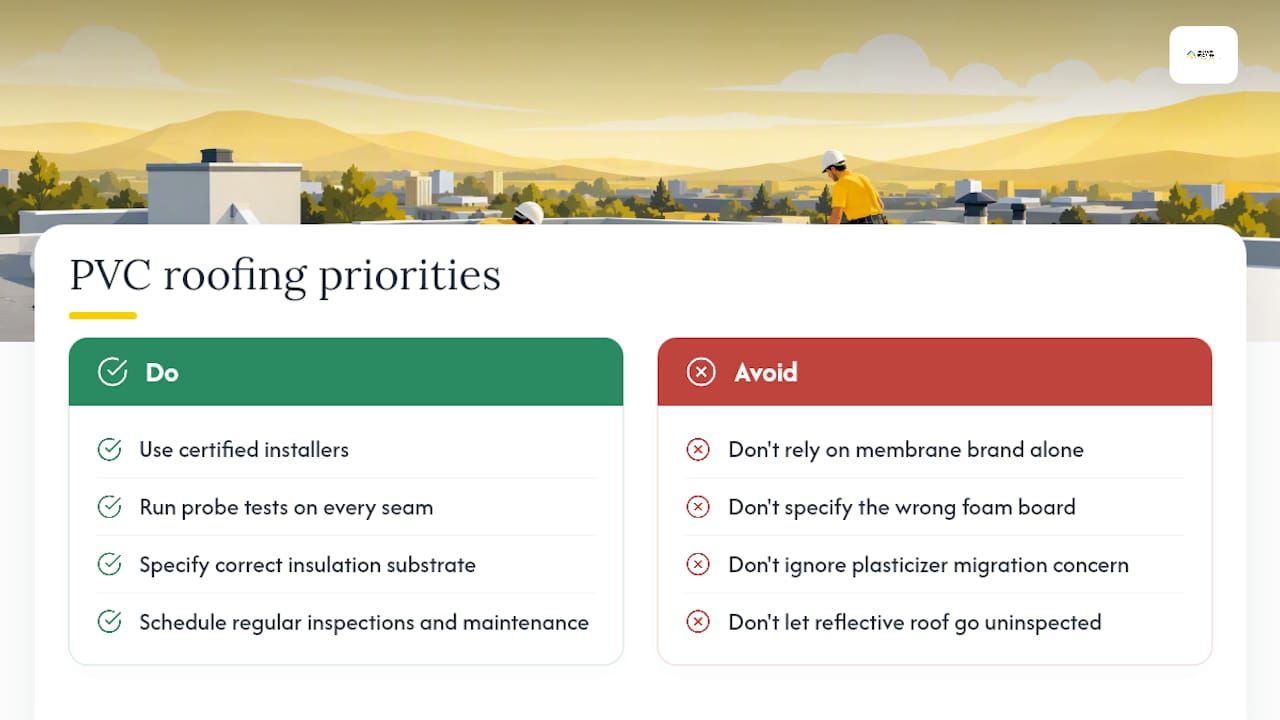
PVC gets recommended for chemical resistance so often that the installation quality conversation gets buried. The membrane brand matters less than most buyers think. A premium Carlisle or GAF sheet installed by an uncertified crew with inconsistent welds will fail faster than a mid-tier membrane installed by a crew that runs probe tests on every seam.
The plasticizer migration concern is real but often overstated for modern systems. What's underappreciated is how much the insulation substrate matters. Specify the wrong foam board under a PVC membrane and you can accelerate the exact degradation mechanism that makes older PVC roofs brittle, regardless of how good the membrane itself is. That detail rarely makes it into a sales conversation.
The cool-roof argument for PVC is genuinely strong in California's climate, but it's worth pairing with a realistic maintenance commitment. A reflective membrane that goes uninspected for a decade will cost more to restore than the energy savings ever returned.
Upstateroofingpros handles PVC and flat-roof work across Northern California
If your building has a low-slope or flat roof and you're deciding whether PVC is the right system, the fastest next step is a professional inspection, not more research. Upstateroofingpros works with commercial and residential property owners across Northern California on roof inspections, PVC and TPO installations, roof repairs, and full roof replacements. The team is fully licensed, uses manufacturer-certified installation methods, and can tell you within one site visit whether your existing roof needs a patch, a repair, or a full reroof.
Contact Upstateroofingpros to schedule an inspection or get a quote on a new PVC or TPO system for your property.
Useful sources and further reading
The following sources were used to research and verify the claims in this article:
- Durability and Degradation of PVC-P Roofing Membrane—Example of Dynamic Fatigue Testing
- White Paper: PVC Roofing Membranes_A Resilient Sustainable Solution (SPRI)
- PVC Roofing Guide (2026) | Commercial Roof Guide
- TPO vs. PVC Membrane 2026: Cost, Chemical, Lifespan | TRB
- PVC Flat Roof: Cost, Lifespan, Pros and Cons (2026)
- PVC Roofing Guide for Building Owners | Flat Roof Report
Recommended
Recent Posts