Moss and Algae Roof Damage: What Homeowners Must Know

August 10, 2026

Share this article

Moss and Algae Roof Damage: What Homeowners Must Know

Yes, moss can actively damage your roof over time. Algae is mostly cosmetic. That distinction matters because the right response is completely different depending on which one you're looking at.

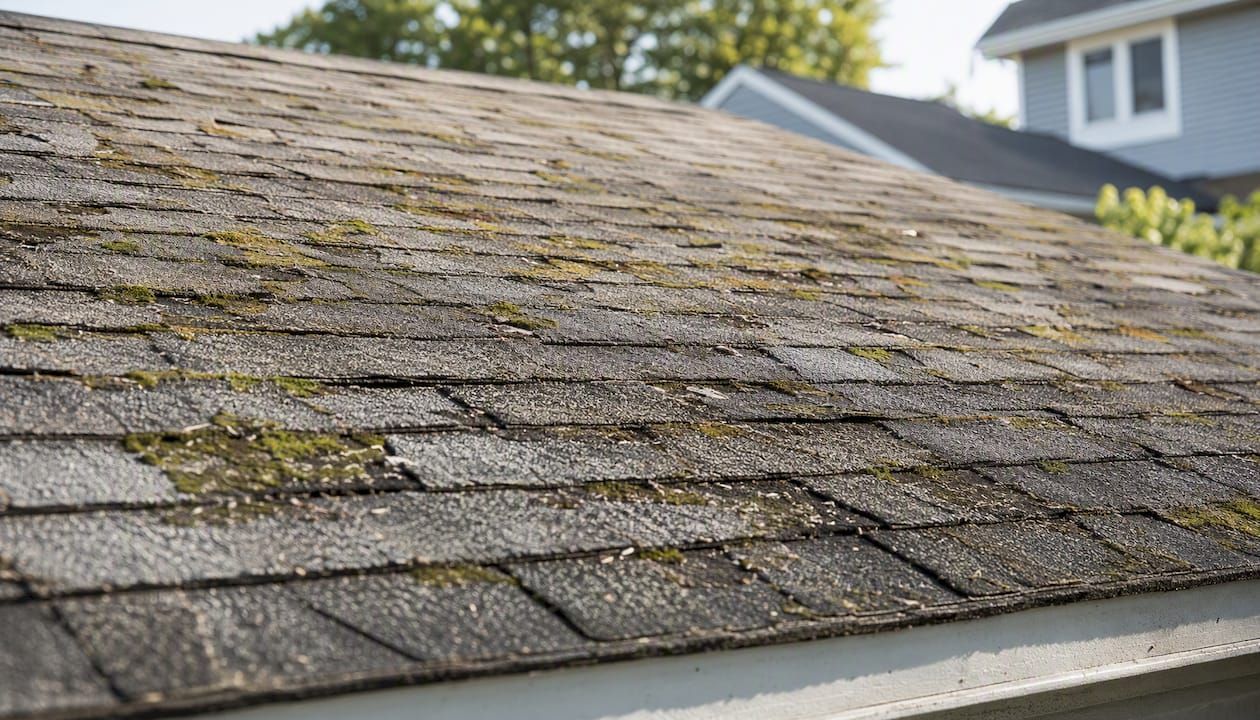
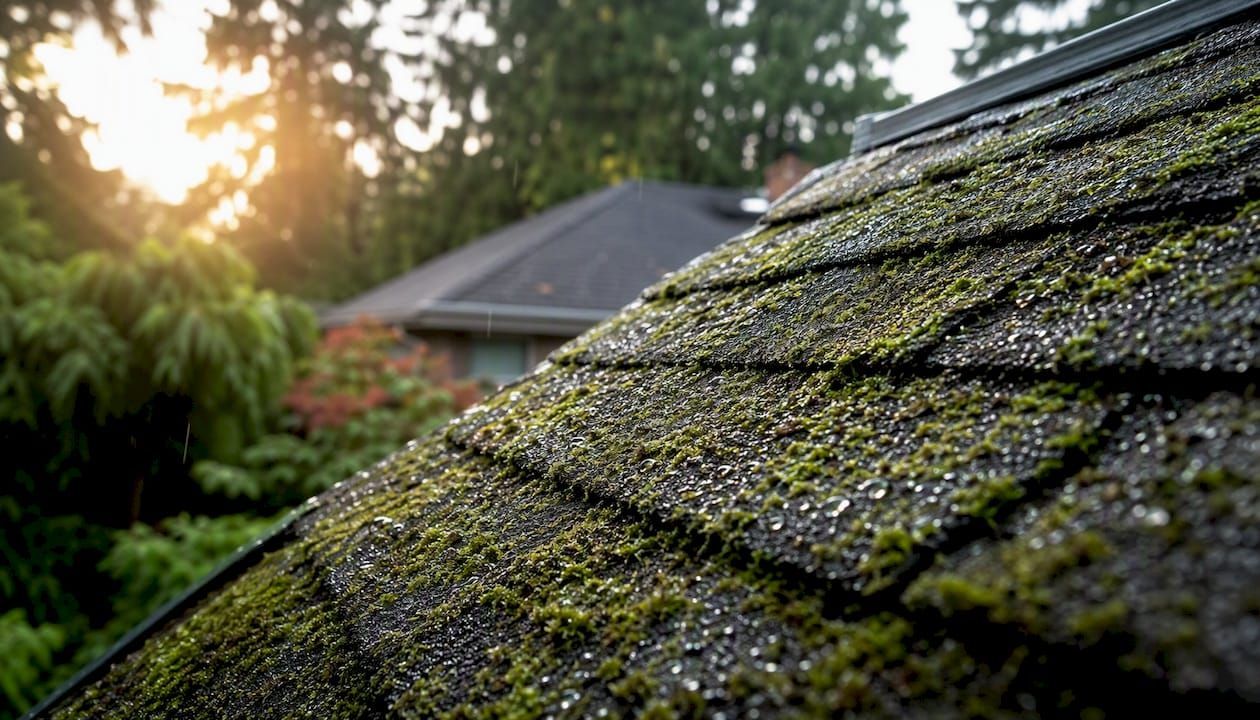
Moss holds moisture against shingles, lifts tab edges, accelerates granule loss, and in cold climates drives frost damage that can eventually cause leaks or deck rot. Black algae streaking, caused by the cyanobacteria Gloeocapsa magma , is primarily an appearance problem on standard asphalt shingles, though it signals the shaded, damp conditions where moss will follow.

Three things to do right now:

  • Walk the perimeter and scan north- and east-facing slopes with binoculars for green or brown moss blankets, lifted shingle tabs, or dark streaks.
  • Check your gutters for granule buildup, which signals shingle wear that moss may be accelerating.
  • If you spot lifted tabs, interior stains, or extensive moss coverage on any slope, schedule a professional inspection before the next rain season.


Key Takeaways

Moss causes real structural damage over time; algae is mostly cosmetic but signals conditions where moss will follow. Act on moss early, and prevention is straightforward.

Point Details
Moss vs. algae verdict Moss causes structural damage through moisture retention and tab lifting; algae is primarily cosmetic on standard asphalt shingles.
Never pressure wash Pressure washing strips granules, forces water under tabs, and can void manufacturer warranties on asphalt shingles.
Zinc strips prevent regrowth Zinc strips typically prevent regrowth for several years; copper lasts longer but costs more.
Red flags need a pro Lifted tabs, interior stains, sagging deck, or extensive moss coverage on any slope require professional assessment.
Upstateroofingpros next step Schedule a roof inspection with Upstateroofingpros for a full condition assessment, safe soft-wash, and prevention installation across Northern California.

What are moss, algae, and lichens — and why does your roof get them?

These three organisms look similar from the ground but behave very differently on a roof.

Moss is a non-vascular plant that anchors into shingle surfaces with root-like structures called rhizoids. It needs moisture and shade to establish, which is why north- and east-facing slopes are almost always the first to show growth. Algae (specifically Gloeocapsa magma ) is a cyanobacterium that produces a dark pigmented sheath, creating the black streaks homeowners often mistake for dirt or mold. It spreads via airborne spores and can travel across an entire neighborhood. Algae stains are difficult to fully remove and often require repeat treatments. Lichens are a symbiotic combination of fungus and algae, and they are the most tenacious of the three. Their root-like structures penetrate shingle surfaces more aggressively than moss alone.

Roofs attract these organisms when three conditions overlap: shade from overhanging trees, trapped debris in valleys and gutters, and consistent moisture. Spores arrive by wind and on animals. Once one roof in a neighborhood shows algae, nearby roofs typically follow within a few seasons.

Pro Tip: Algae appears first as faint dark streaks running vertically down shingles, usually in late summer after humid months. Moss shows up as raised, textured green or brown patches, typically in winter or early spring after prolonged wet weather. If you see streaks, watch for moss within one to two seasons.

  • Algae: flat, dark streaks, no texture, appears first
  • Moss: raised, spongy patches, green or brown, appears after algae
  • Lichens: crusty, tightly bonded to the shingle surface, hardest to remove


How do moss and algae actually damage roofing materials?

The moss and algae roof damage effects range from purely cosmetic to structurally serious, depending on the organism and how long it's been left untreated.

Moisture retention is the primary mechanism. Moss acts like a sponge, holding water against asphalt shingles long after rain stops. That sustained contact accelerates granule loss and asphalt degradation, stripping the UV-protective layer that gives shingles their service life.

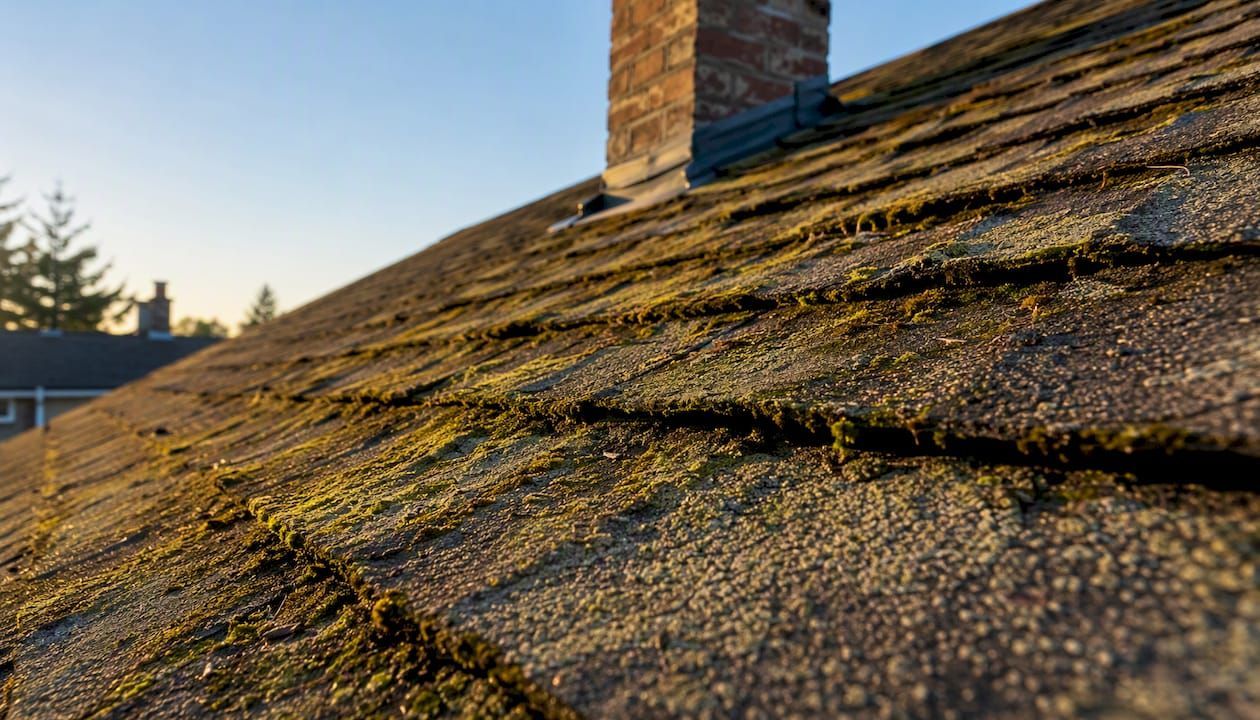
Tab lifting and wind uplift. As moss grows thicker, it physically wedges under shingle edges, curling tabs upward. A lifted tab is a wind-damage vulnerability and an open path for water to travel laterally under the shingle, toward the deck.

Granule loss and UV exposure. Granules are the shingle's first line of defense against sun degradation. Algae, moss, and lichens release acids and attachment structures that slowly degrade the asphalt surface and pry loose granules. Once granules are gone, the underlying asphalt bakes and cracks faster.

Freeze–thaw damage. In climates with freezing winters, water retained by moss expands as it freezes, widening micro-cracks in the shingle. This is less of a concern in Northern California's lower elevations, but foothill and mountain properties face it regularly.

Algae's actual impact. Gloeocapsa magma is primarily an aesthetic concern for standard asphalt shingles, but it signals conditions that favor moss. On reflective or cool-roof systems, algae staining can reduce solar reflectance and affect energy performance.

Fire risk. Dry moss and accumulated roof debris are ember-ignition fuel. Dried moss on a roof can ignite from wildfire embers or sparks, a serious concern in Northern California's fire-prone areas. Overhanging branches compound this by dropping additional debris and shading the roof to keep moss moist.


How should you inspect your roof for moss and algae damage?

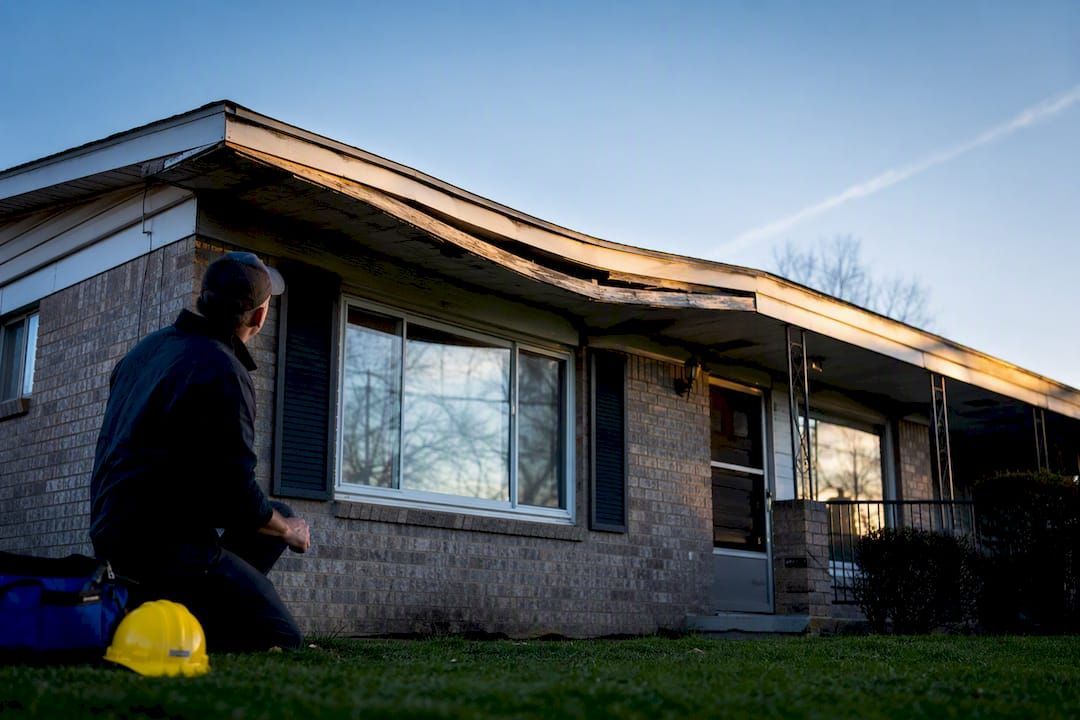
Safety first: never walk a steep or wet roof. Most of what you need to see is visible from the ground with binoculars or from the top of a stable ladder at the eave.

What to look for:

  • Concentrated moss blankets on north- or east-facing slopes
  • Lifted, curling, or buckled shingle tabs
  • Granules collecting in gutters or at downspout outlets
  • Dark streaks running vertically down shingles (algae)
  • Blocked valleys where debris and moisture accumulate
  • Sagging areas or soft spots visible along the roofline

Use a roof inspection checklist to track what you find each season. Check after major storms, after fall leaf drop, and any time you have tree work done nearby.

Red flags that require a professional:

  • Extensive moss coverage on any roof slope
  • Visible shingle lifting or curling across multiple rows
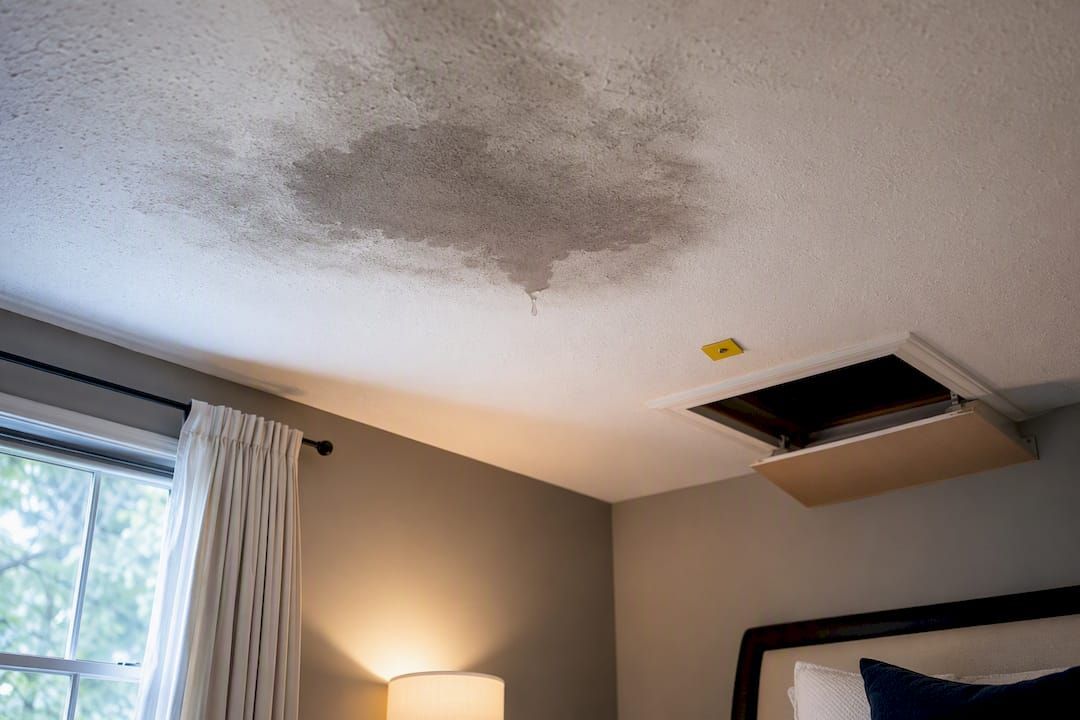
  • Interior water stains or active ceiling leaks
  • Sagging roof deck or soft spots when viewed from the attic
  • Any sign of rot near valleys, eaves, or penetrations

Pro Tip: Photograph every problem area with your phone's date stamp on. Keep a simple maintenance log — date, what you saw, what action you took. This record is useful for warranty claims, insurance, and giving a roofer an accurate history before they arrive.


What are the safest ways to remove moss and algae?

Soft-wash is the right method. Pressure washing is not. Industry guidance is clear that pressure washing asphalt shingles causes granule loss and likely premature roof failure — it also forces water under tabs and can void manufacturer warranties.

Chemical soft-wash (DIY approach):

  • Mix household chlorine bleach with water, typically in a 1:1 to 1:2 bleach-to-water ratio.
  • Apply with a low-pressure garden sprayer; let it dwell for 15–20 minutes.
  • Rinse gently with a garden hose from the top down — never spray upward under tabs.
  • Wet and cover nearby plants before application; rinse them thoroughly after.
  • Wear gloves, eye protection, and non-slip footwear.

Avoid aggressive scrubbing or stiff brushes. Mechanical removal should be limited to gentle brushing or a leaf blower after chemical treatment — scrubbing strips granules just as pressure washing does.

When to call a pro instead of DIY:

  • Roof pitch steeper than 6:12
  • Shingles already brittle, cracked, or near end of life
  • Moss coverage is heavy and widespread
  • You're not comfortable on a ladder

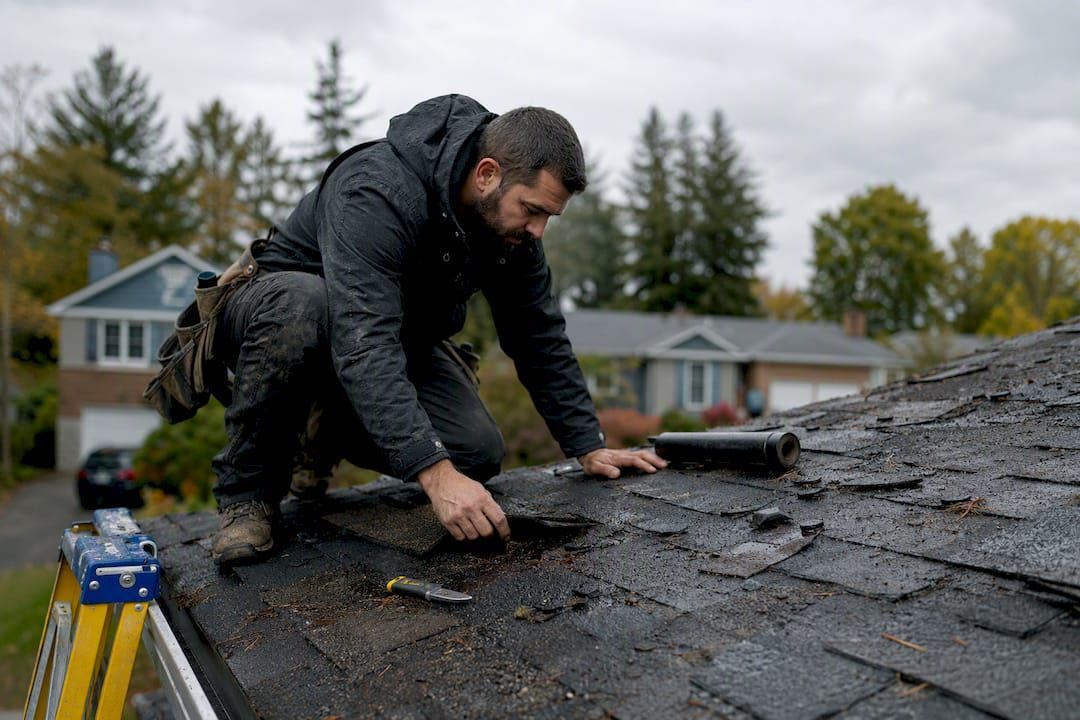
Professional contractors use biodegradable soft-wash products formulated for roofing, inspect for underlying shingle damage during the process, and can install zinc or copper ridge strips at the same visit.

Pro Tip: If your roof is older than 15 years and shows significant moss, have a roofer assess shingle condition before any cleaning. Cleaning a roof that's already at end of life can accelerate failure rather than extend it.


What prevention steps actually keep moss and algae from coming back?

The most effective prevention combines physical changes to the roof environment with material upgrades.

Primary prevention steps:

Built-in material solutions:

  • Zinc or copper ridge strips release trace metals with each rain, suppressing organism growth down-slope. Zinc strips typically prevent regrowth for several years; copper lasts longer but costs more…
  • Algae-resistant shingles with copper-treated granules are now standard on many manufacturer lines and are worth specifying at replacement.
  • Some metal flashings create mineral wash-off patterns that suppress growth on the shingles directly below them.

Seasonal maintenance checklist:

  1. Spring: inspect for winter damage, clear debris from valleys and gutters, check for new moss patches.
  2. Summer: trim branches that have grown over the roof since spring; check for algae streaks after humid stretches.
  3. Fall: clear leaves before they mat down and hold moisture; schedule a professional roof maintenance visit if moss was present the prior year.
  4. Winter (or wet season): monitor gutters for blockage after storms; check attic for moisture or staining after heavy rain.


When should you call a professional roofer?

Some moss situations are manageable with a careful DIY soft-wash. Others are not. Call a licensed roofer when:

  • Moss or algae coverage is extensive and you cannot safely access the roof.
  • You see lifted, curling, or missing shingles alongside the growth.
  • Interior stains or active leaks have appeared.
  • The roof deck feels soft or shows visible sagging.
  • The roof is past its expected service life and you need an honest condition assessment.

A professional inspection covers the full picture: shingle condition, flashing integrity, decking, gutters, attic ventilation, and drainage. Pros can perform a safe soft-wash, install ridge strips, make spot repairs, or advise on roof replacement if the damage has progressed too far for repair alone. For moss-related leaks, leak detection and repair should happen before the next rain, not after. Costs vary by roof size, pitch, and damage extent, so get a written assessment before any work begins.


What we see on Northern California roofs every season

Shaded slopes and nearby oak or pine trees are the single biggest driver of repeat moss problems in this region. Homeowners often treat the moss once and consider it resolved, but without trimming the overhanging branches or installing zinc strips, the same slope is re-colonized within two to three seasons. The pattern is consistent: algae streaks appear first, moss follows, and by the time a homeowner notices lifted tabs, the shingles have already lost meaningful service life.

The sequence that actually protects a roof is inspection first, then targeted soft-wash, then prevention installation. Skipping the inspection means cleaning a roof that may already need repair, which wastes money and delays the real fix.


Upstateroofingpros can protect your roof from moss and algae damage

Moss-related damage caught early is almost always a repair. Caught late, it becomes a replacement. Upstateroofingpros serves homeowners across Northern California with roof inspections that go beyond a visual scan, professional soft-wash cleaning, shingle repair, zinc and copper strip installation, and gutter cleaning to eliminate the debris conditions that feed moss. For roofs where damage has reached the deck, the team handles roof repair and full replacement with algae-resistant shingle options.

Before your visit, save your photos and any maintenance notes. Call or submit a request online to schedule an inspection. The team will assess your roof's condition, explain exactly what they find, and give you a clear path forward.


Sources

Recommended

Recent Posts

August 25, 2026
Learn essential steps for a storm damage roof inspection, from documenting issues to choosing the right professional—act quickly!
August 23, 2026
Discover what you can expect to pay for roof leak repairs in 2026, from small fixes to larger projects, and avoid budget surprises.
August 21, 2026
Discover effective strategies for TPO roof repair. Learn how to identify leaks, limit damage, and when to call a professional for help.
August 18, 2026
Discover why roofs require ice protection to prevent winter leaks. Learn how proper insulation and membranes guard your home against water damage.

August 18, 2026
Discover the most common causes of flat roof failures and learn proactive steps to protect your building from costly damage.
August 14, 2026
Discover how roof insulation stabilizes your home’s temperature and saves you money on energy bills, cutting costs by up to 20%.
August 11, 2026
Discover how reflective roofing materials can significantly reduce cooling costs, extend roof life, and improve energy efficiency for your building.
August 10, 2026
Discover how TPO heat welding creates watertight seams that prevent leaks, ensuring a durable waterproof membrane for your projects.
August 4, 2026
Discover what a PVC roofing membrane is and why it's ideal for roofs exposed to chemicals and grease. Learn about its benefits and applications.
August 2, 2026
Discover replacement picture window prices ranging from $300 to $2,500. Get tips on comparing quotes and choosing the best options for your home.
Show More