Find Active Ceiling Water Stains in 48 Hours for Homeowners
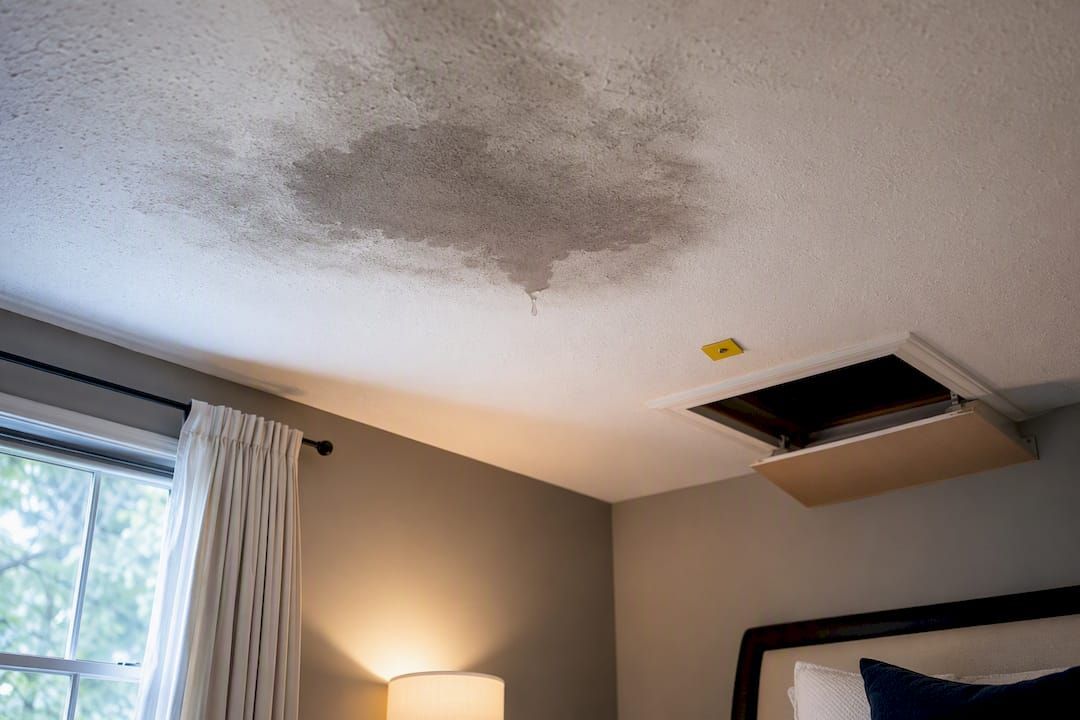
That brown ring on your ceiling almost always means water reached the drywall from your roof, a pipe, your HVAC system, or condensation trapped behind the surface. If it's wet, spreading, sagging, or smells musty, contain the water immediately and stop using anything nearby. If it's dry and stable, you have time to run a couple of quick tests before deciding what to fix.
TL;DR:
- Active water leaks are indicated by wet, sagging drywall, moldy odors, and increasing stain size, requiring immediate containment and removal of water sources.
- Roof leaks usually worsen during rain with curling shingles or missing flashing, while plumbing leaks correlate with bathroom or laundry use regardless of weather.
- Moisture and leak tests, including tape and moisture meter checks, are essential to distinguish between ongoing leaks and old stains before repairs.
- Proper fixing involves stopping the water source, thoroughly drying the area with fans and dehumidifiers, and applying staged cosmetic repairs to prevent recurrence.
- Regular maintenance of gutters, roofs, attic ventilation, and HVAC systems helps prevent future ceiling water stains and their underlying causes.
How Fast Should You Assess Ceiling Water Stains?
Before you grab a paint roller, spend five minutes checking whether the situation is an emergency or a wait-and-see problem. Touch the stain gently with the back of your hand or a paper towel. Wet, soft, or spongy drywall means water is actively present right now, not just a memory of a past leak.
Look for these red flags at the same time:
- Active dripping or a visibly wet edge around the stain
- Sagging, bulging, or bubbling paint or drywall texture
- A musty or earthy smell near the affected area
- Discoloration that has grown noticeably in the last day or two
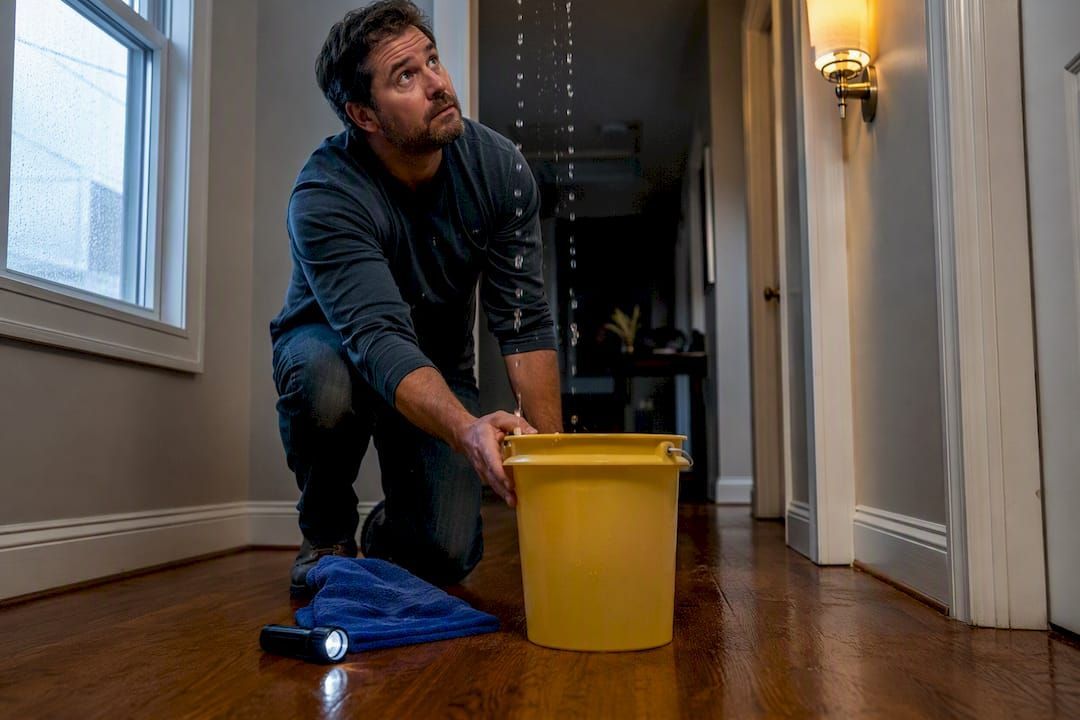
If you spot sagging or dripping, put a bucket under the worst point, move furniture and electronics out of the way, and shut off the water supply to any fixture directly above the stain. If you can't isolate a single fixture and the ceiling is actively dripping, shut off the main water valve to the house. Cut power to any light fixture or outlet near the wet area at the breaker, since water and electricity are a dangerous combination.
Pro Tip: Take a photo with your phone's timestamp visible in frame (or just note the date in your camera roll) the moment you notice the stain. That single habit gives you a documented timeline if you end up filing an insurance claim later.
What Causes Ceiling Water Stains?
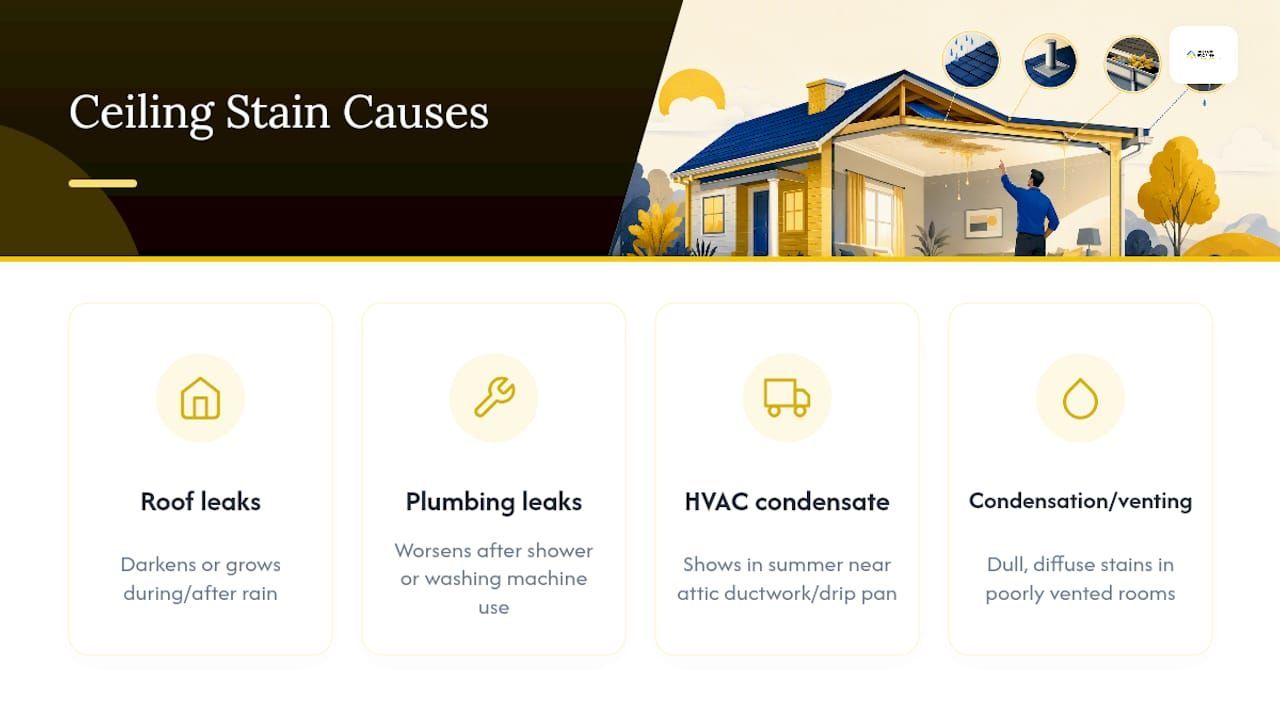
Ceiling stains come from four main sources, and where the stain sits combined with when it appears usually points straight to the culprit.
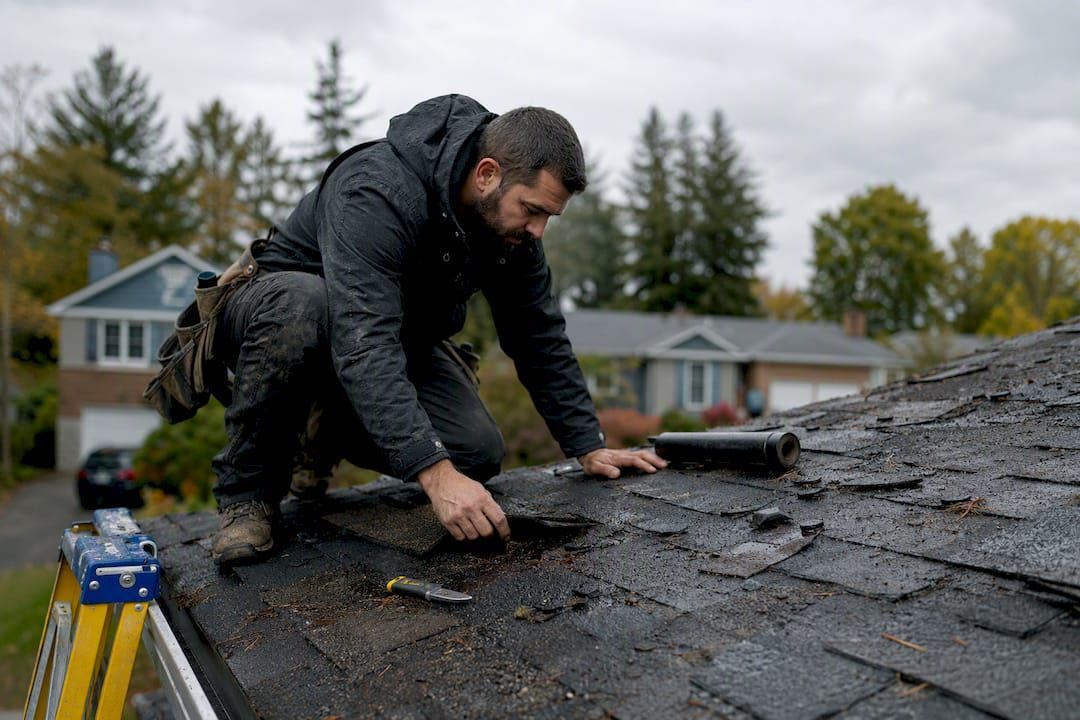
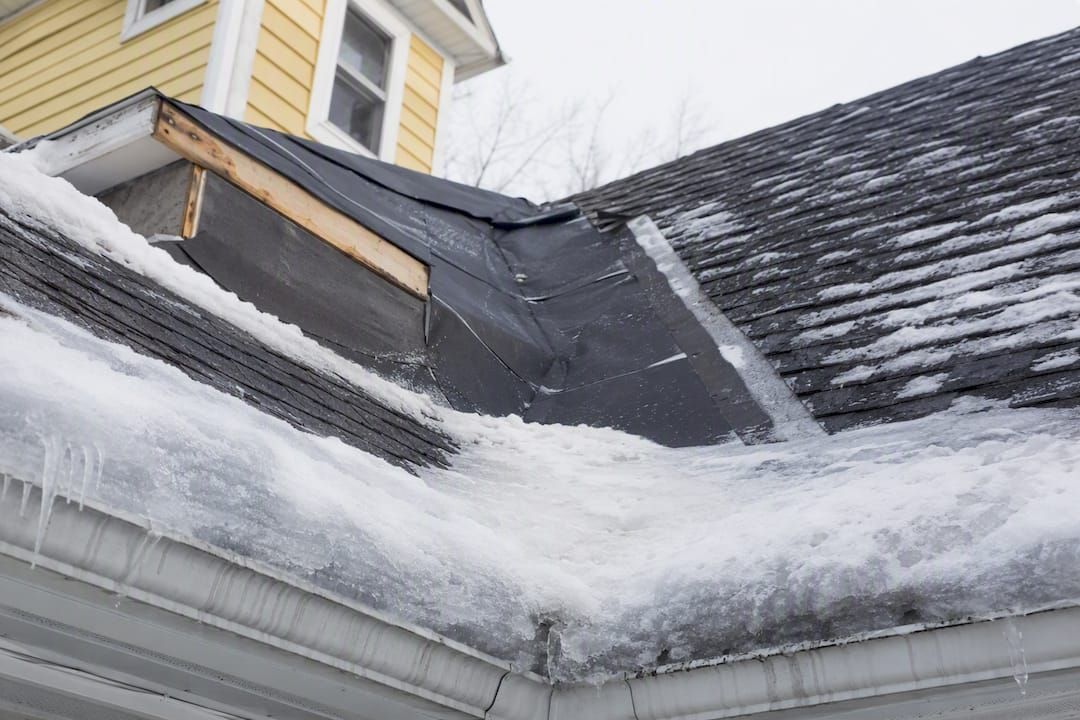
Roof leaks show up when the stain darkens or grows during or right after rain, and stays put in dry weather. Common triggers include curling or missing shingles, cracked flashing around chimneys and vents, and worn seals on flat or low-slope sections. Shingles curl mainly from age, heat cycling, and trapped moisture underneath, and once they lift at the edges, wind-driven rain gets under them fast.
Plumbing leaks tend to sit directly beneath a bathroom, kitchen, or upstairs laundry area and grow steadily regardless of weather. A stain that only appears or worsens after someone showers or runs the washing machine is a strong plumbing signal. According to SERVPRO, a stain that correlates with rain points to the roof, while one tied to bathroom use points to plumbing.
HVAC and condensate issues happen when an attic air handler sits above the stained room and its drip pan or condensate line clogs or overflows. These stains often appear in summer, when the AC runs hardest, and cluster near ductwork rather than exterior walls.
Condensation and ventilation problems cause a duller, more diffuse stain rather than a sharp ring, usually in rooms with poor exhaust fans or gaps in attic insulation. Humid climates and bathrooms without functioning vent fans are the usual suspects here.
How Do You Tell If a Ceiling Stain Is Active or Old?
You don't need to guess, and you shouldn't. Two cheap tools settle the question almost every time.
- Run the 48-hour tape test. Place painter's tape around the entire perimeter of the stain, write the date on it, and photograph the area from the same spot. Check it again at 24 hours and again at 48. If the stain grows past the tape line or darkens noticeably, that pattern indicates an active leak still feeding the ceiling. If nothing changes, you're likely looking at a past event.
- Take a moisture meter reading. A basic pin or pinless meter costs around $35 and gives you a number instead of a guess. Press it against the stained area, then test a dry section of ceiling nearby for comparison. A meaningfully higher reading on the stain confirms moisture is still present, even if the surface looks dry to the eye.
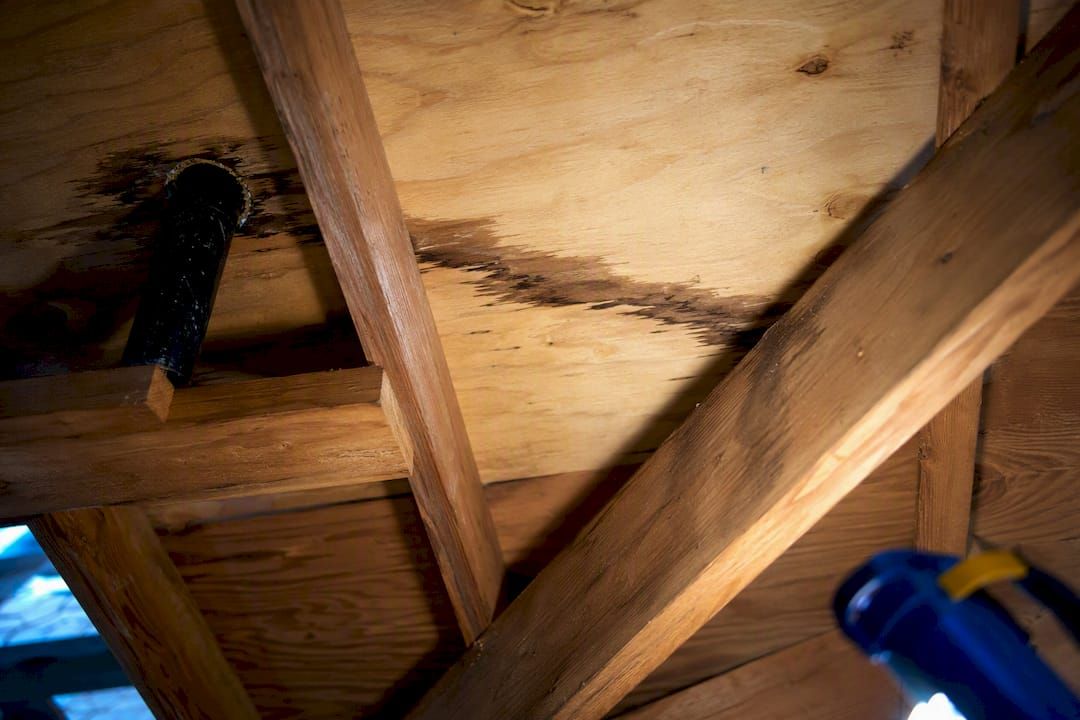
- Check the attic if it's safely accessible. Look for damp insulation, dark streaking on rafters, daylight coming through roof sheathing, or a musty smell concentrated near the stain's location. Photograph anything unusual before you touch it.
Mold can start colonizing damp material in as little as 24 to 48 hours under the right conditions, so a musty smell near a stain deserves fast attention even if the drywall feels dry. If your tests still leave you unsure, professional leak-detection services use infrared thermal imaging and more sensitive moisture probes to trace water paths inside walls and ceilings that consumer tools can't reach.
How Do You Fix a Ceiling Water Stain the Right Way?
Fixing the stain itself is the easy part. Fixing it in the right order is what actually keeps it from coming back.
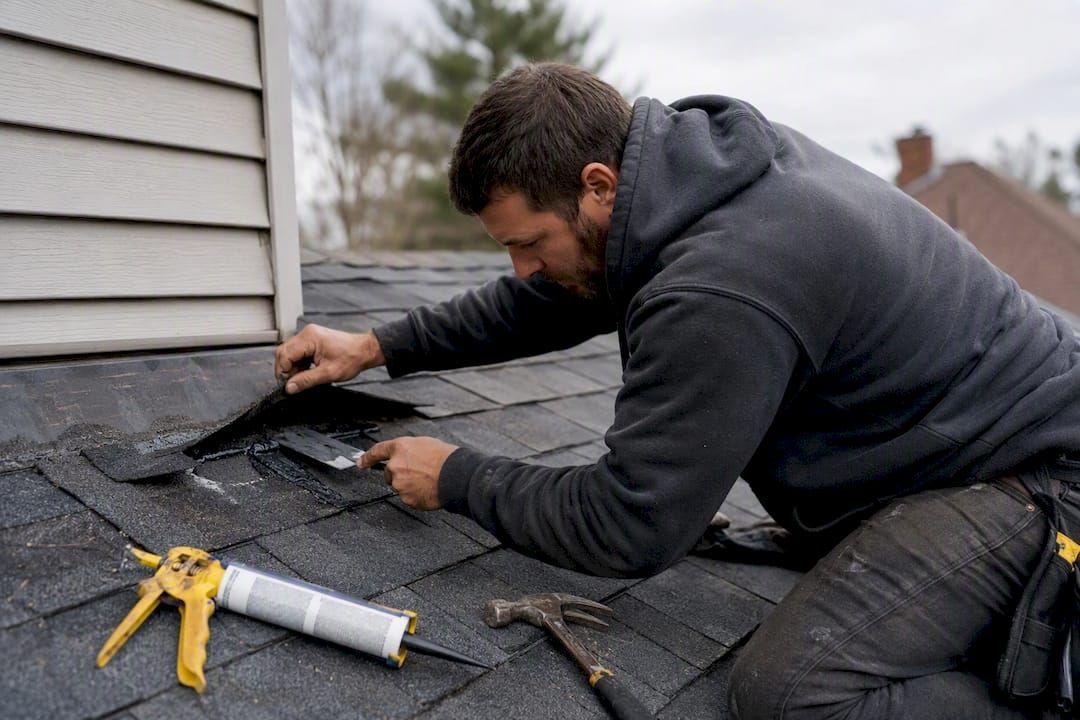
Step one is always stopping the source , not painting over the symptom. For roof-related stains, that means patching damaged shingles or resealing flashing. For plumbing, it usually means replacing a wax ring, tightening a supply line, or repairing a leaking trap. For HVAC, clearing a clogged condensate line often solves it in minutes.
Step two is drying the assembly completely. Run fans and a dehumidifier in the room for at least a couple of days. If insulation above the stain is saturated, it usually needs to come out entirely, since wet insulation holds moisture against the drywall and stalls drying no matter how many fans you run. Under professional-grade air movers and dehumidifiers, moderately damaged ceiling sections often reach acceptable dryness in two to five days, while passive air drying alone takes considerably longer and raises mold risk the whole time.
Step three is the cosmetic repair , and skipping ahead to this step before the first two is the most common mistake homeowners make.
| Repair Stage | What It Involves | Why You Can't Skip It |
|---|---|---|
| Clean | Wipe away loose debris, dust, and flaking paint | Primer won't bond to a dirty surface |
| Stain-block | Apply a shellac or oil-based stain-blocking primer | Regular primer lets tannin stains bleed through |
| Repaint | Match sheen and color, apply two coats | Uneven sheen makes the patch obvious under light |
Restoration guides consistently warn that painting over a stain before the source is fixed and the area is dry almost guarantees the stain reappears, often worse than before, because trapped moisture keeps working behind the new paint.
When Should You Call a Roofing or Restoration Professional?
Some situations are DIY territory. Others aren't, and treating them like a paint touch-up job just delays a bigger repair bill.
- The ceiling is sagging, soft, or crumbling to the touch
- Visible mold has appeared on or near the stain
- The affected area exceeds 10 square feet
- You can't identify where the water is actually coming from
- The water involved is contaminated (sewage backup, for example)
A roofing inspection typically covers the shingles, flashing, valleys, and attic ventilation to trace the exact entry point, while a leak detection and repair visit goes further with moisture mapping when the source isn't obvious from a visual check alone. Plumbers handle supply-line and drain issues, and water-restoration companies step in once mold, saturated insulation, or structural drying is involved.
On the insurance side, most homeowners policies cover sudden, accidental water damage like a burst pipe or a storm-damaged roof, but they generally exclude gradual seepage caused by deferred maintenance. Photograph the stain, date every observation, and keep any contractor estimates. That paper trail matters if you end up filing a claim.
How Do You Prevent Ceiling Water Stains From Coming Back?
Most repeat stains trace back to the same handful of neglected maintenance tasks. A short seasonal routine closes most of the gaps.
- Clean and inspect gutters twice a year , and again after major storms, since clogged gutters back water up under roof edges. Upstateroofingpros' gutter repair guidance covers the basics if you're handling this yourself.
- Walk the roofline after severe wind or hail and look for lifted, curled, or missing shingles before the next rain finds them.
- Check attic ventilation and insulation coverage once a year. Poor airflow traps moisture and accelerates shingle aging from underneath.
- Run bathroom exhaust fans during and after every shower , and aim for indoor humidity between 30% and 50% year round.
- Service your HVAC system annually and clear the condensate drain line, especially before peak cooling season.
- Check under sinks and around toilets monthly for slow drips that haven't reached the ceiling yet.
Pro Tip: Keep a simple spreadsheet or note on your phone logging gutter cleanings and roof checks by date. When you eventually sell the house, that maintenance record is worth real money to a buyer's inspector.
Why Roof Diagnosis Takes More Than a Flashlight
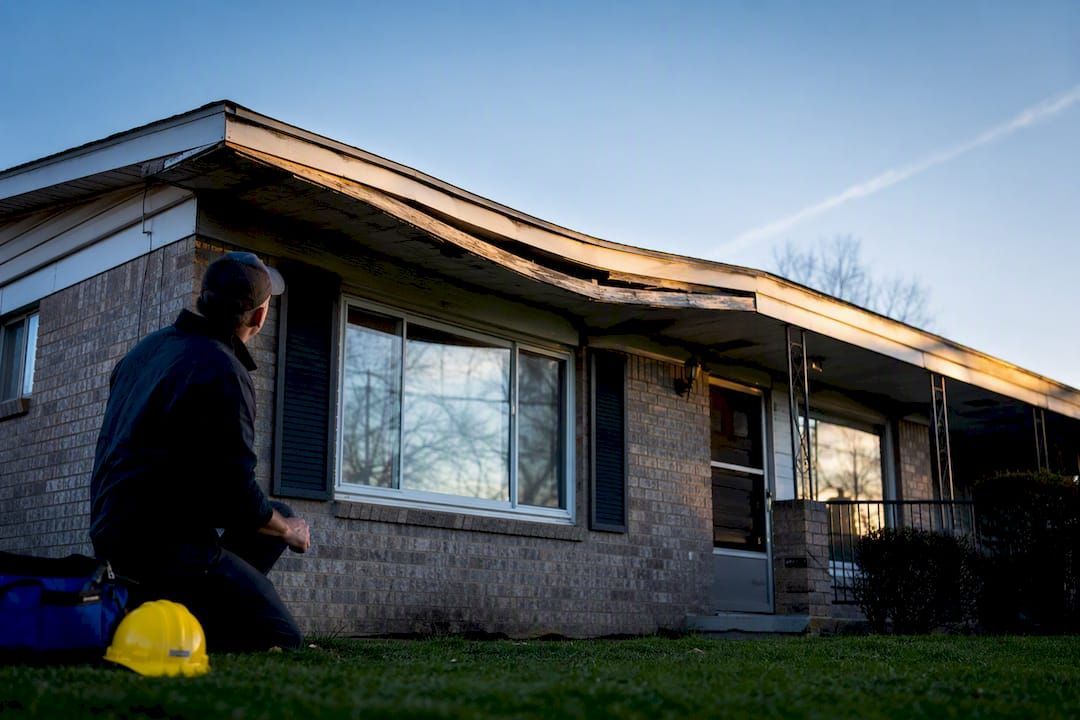
Tracing a roof-related ceiling stain to its exact source takes more than looking up from the attic floor. A proper roof inspection involves walking the entire roof surface, checking flashing at every penetration point, examining valleys where debris collects, and accessing the attic to look for staining on rafters and sheathing that doesn't match the interior stain's location exactly, since water often travels sideways before it drips down.
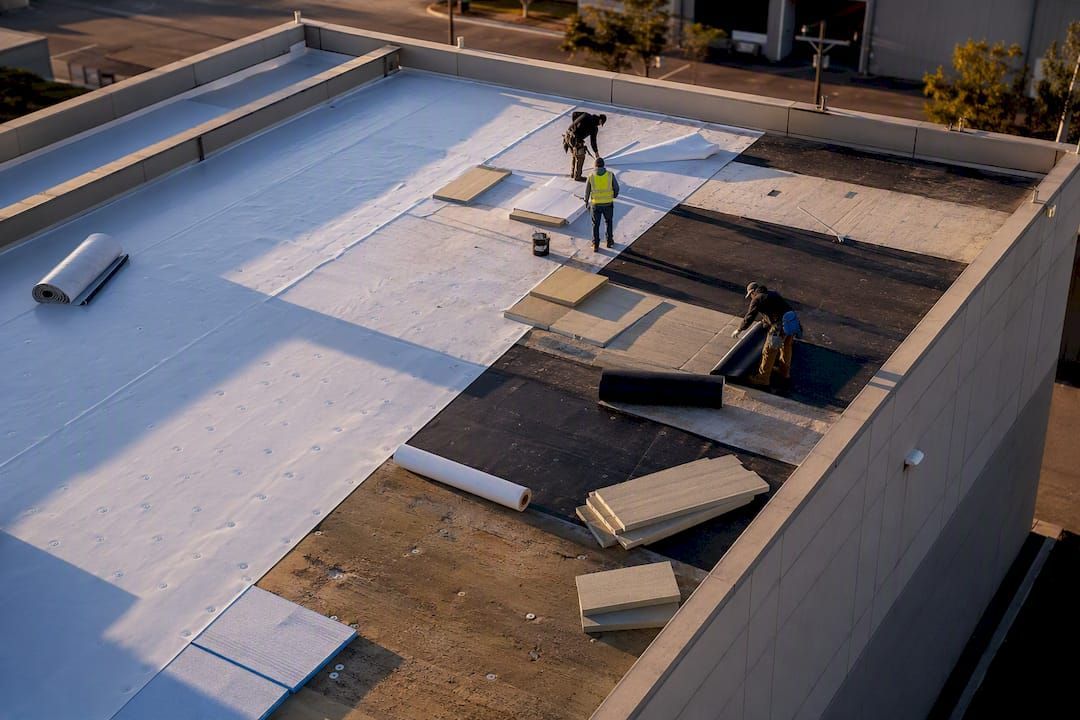
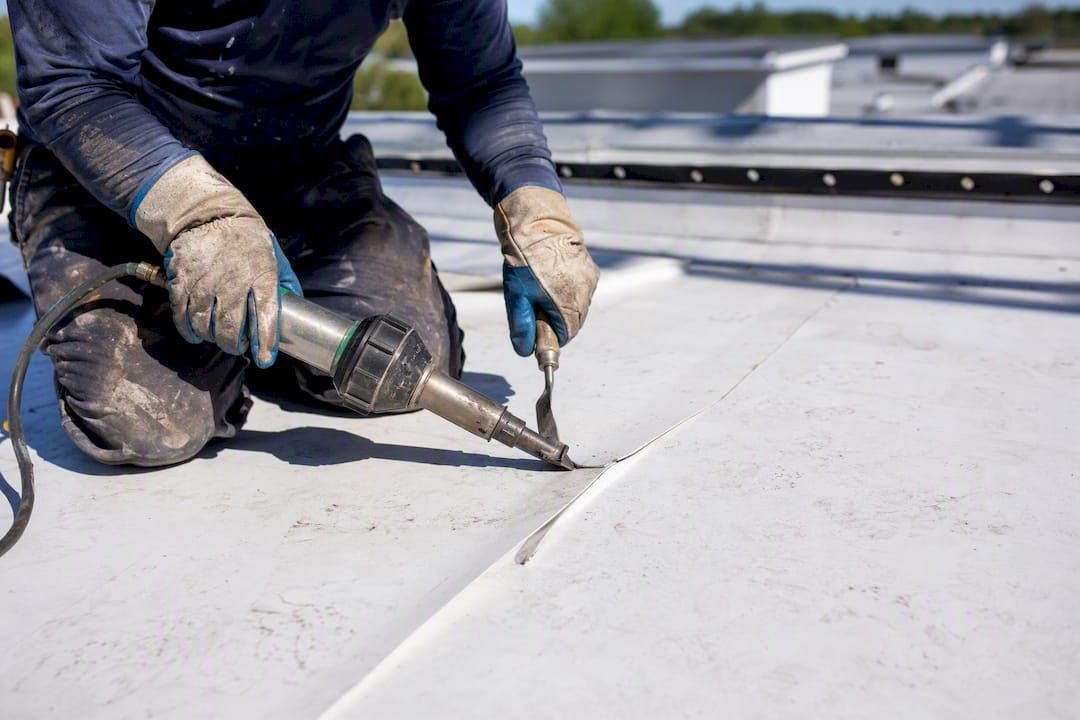
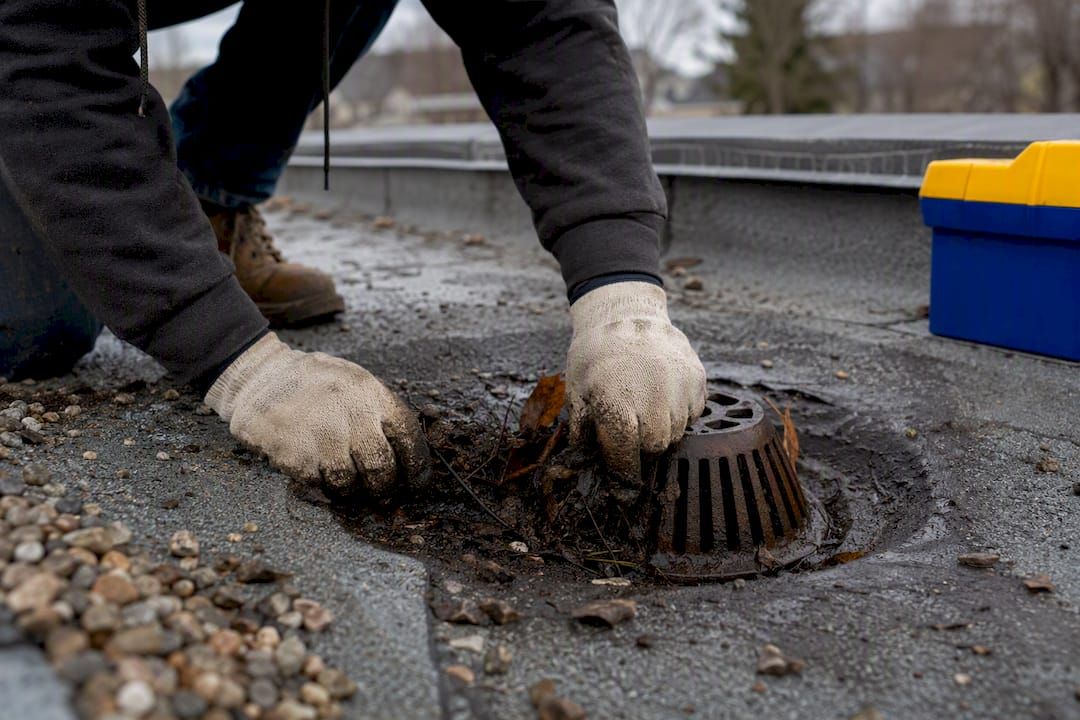
On flat and low-slope sections, the diagnostic process shifts toward checking membrane seams and drain points, since flat roofs fail differently than pitched ones. Upstateroofingpros technicians who find a compromised flashing seal or a cracked pipe boot typically resolve the leak with a targeted roof repair rather than a full replacement, since most single-source leaks don't require tearing off the whole roof system.
Why Most Ceiling Stain Advice Gets the Order Wrong
Most articles on this topic jump straight to painting techniques and stain-blocking primer brands, treating the ceiling like the problem instead of the messenger. That's backwards. The stain is just where the evidence surfaced. The actual problem is somewhere else entirely, and painting over it without running a tape test or a moisture check is how homeowners end up repainting the same spot three times in two years.
The conventional advice also underplays how cheap real diagnosis is. A $35 moisture meter and forty-eight hours of patience will tell you more than a contractor quote based on a five-minute look. That doesn't mean skip the professional. It means arrive at that call with actual data instead of a hunch, which changes the conversation and often the price you're quoted.
If there's one habit worth building, it's treating every new stain as a timeline, not a color problem. Date it, photograph it, test it. The repair sequence only works when it starts with the source, and you can't fix a source you haven't found.
— Cesar
Sources
For deeper reading beyond this guide, USAA's overview of water damage coverage explains what homeowners policies typically include and exclude. Fixr's ceiling repair cost guide and Thumbtack's drywall repair pricing breakdown both cover cost ranges and diagnostic tests in more detail than covered here.
- Does homeowners insurance cover water damage? | USAA
- Ceiling repair cost guide | Fixr
- How fast does mold grow after water damage? | ServiceMaster Restore
- Drywall & ceiling repair cost guide | Thumbtack
- Water stains on the ceiling: common causes and solutions | BobVila
- Water stains on ceilings & walls: causes & solutions | SERVPRO