Common Flat Roof Failure Causes and How to Stop Them Early
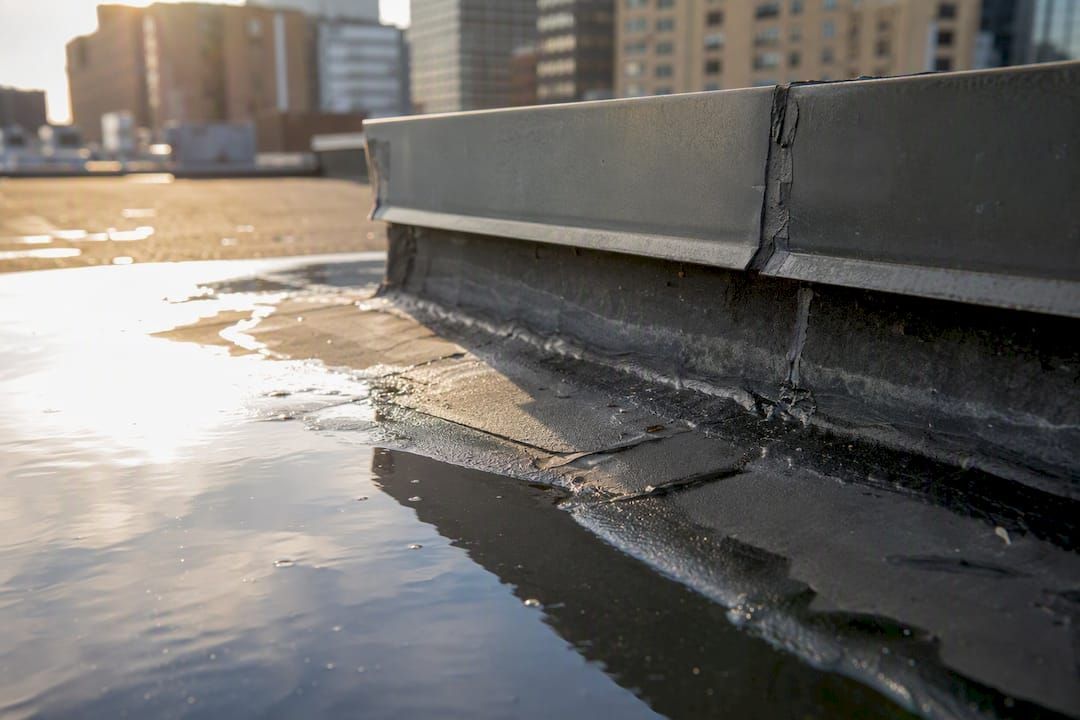
Most flat roof failures trace back to two things: water sitting where it shouldn't and detailing that was never built to shed it. The National Roofing Contractors Association defines ponding as water still standing 48 hours after rain, and it's the single most common condition inspectors find on commercial roofs. If you own or manage a building right now, walk the roof, check the drains, and clear anything blocking water from moving off the surface.
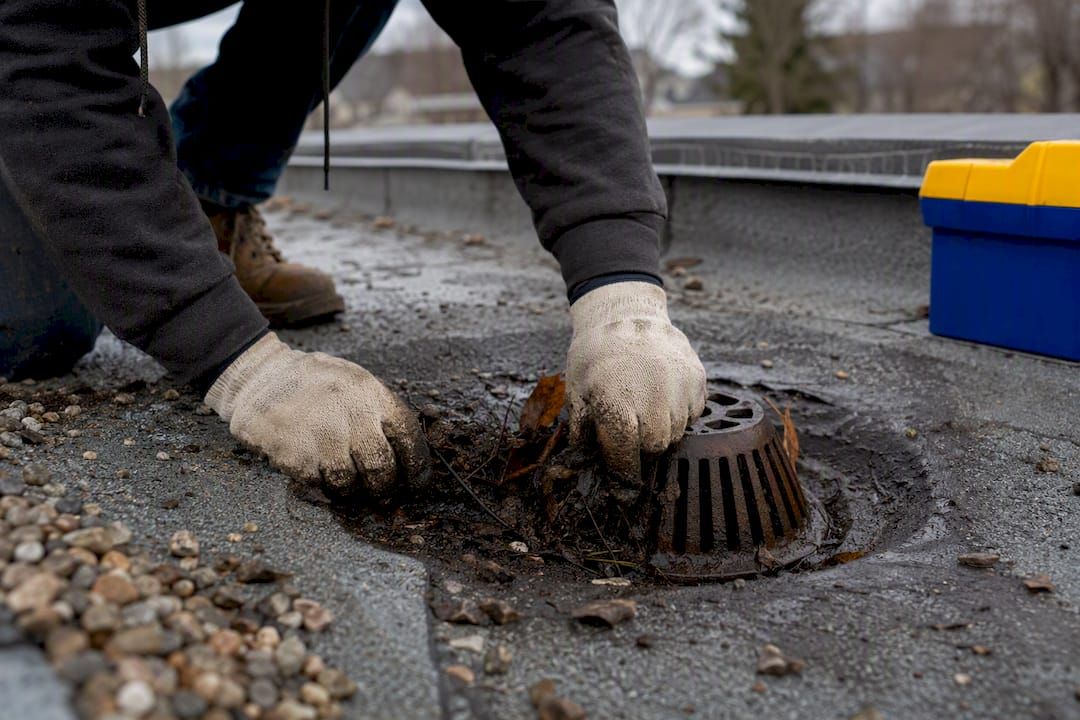
- Check all drains, scuppers, and gutter outlets for debris
- Note any pooled water still visible two days after the last rain
- Call for an inspection if you see standing water, soft decking, or stains inside
Pro Tip: Keep a phone photo log of every drain and low spot on your roof. Comparing shots month to month shows you exactly where water is starting to linger before it becomes a leak.
Key Takeaways
Most flat roof failures start at drains, seams, and flashings, not the membrane itself, so fixing drainage first prevents the majority of repeat leaks.
| Point | Details |
|---|---|
| Ponding is the top warning sign | Water standing more than 48 hours accelerates damage and can void your warranty. |
| Flashings cause most leaks | Over half of typical roof leaks start at flashings and penetrations, not the open membrane. |
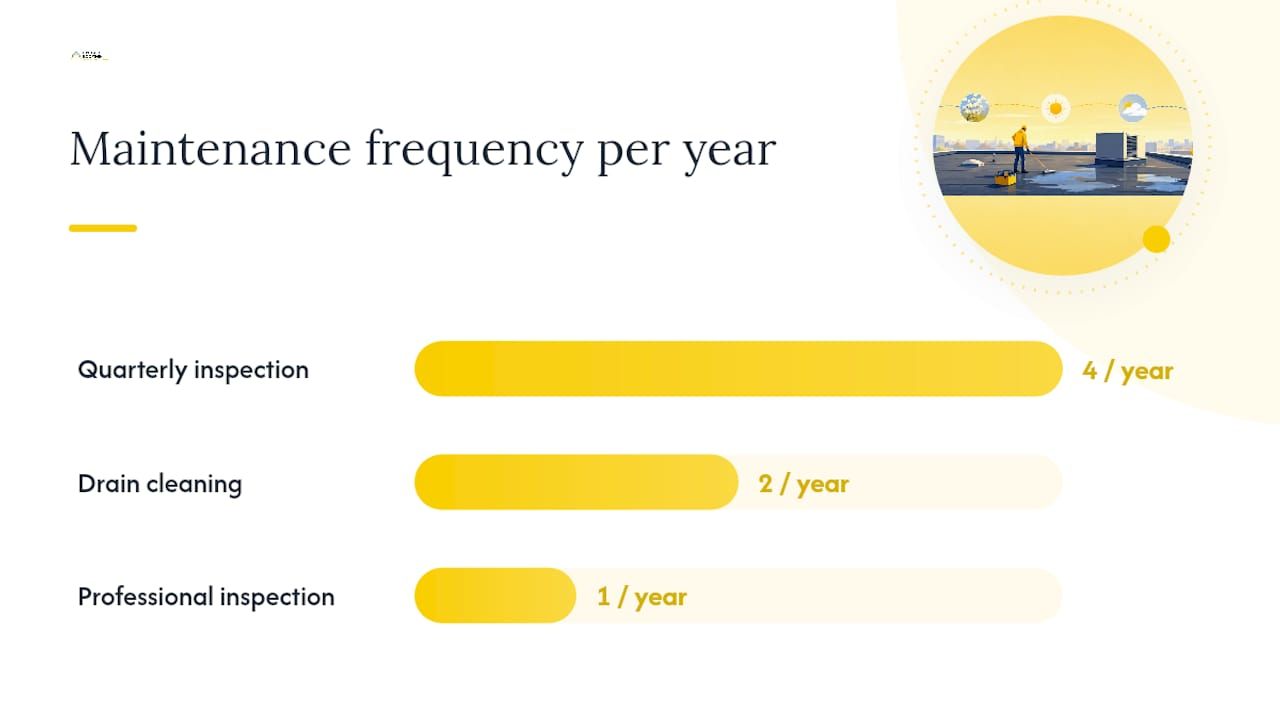
| Inspect on a schedule | Check quarterly, clean drains twice a year, and get a professional inspection annually. |
| Patch jobs without drainage fixes recur | Repairing a leak without correcting slope or drainage usually means paying for it again. |
| Escalate at clear triggers | Structural deflection, recurring ponding, or soft decking mean it's time to call a licensed roofer. |
What Are the Most Common Causes of Flat Roof Failure?
Flat roofs don't usually fail because the membrane wore out. They fail because water finds a weak point and that weak point gets worse every time it rains. Here are the ten causes that show up most often on service calls, roughly in order of how frequently they're the actual root cause.
- Ponding water. Standing water beyond 48 hours accelerates membrane breakdown, adds structural weight, and can void manufacturer warranties. Sign: dark rings or algae on the membrane. Fix now: clear the nearest drain path.
- Poor drainage design. Insufficient slope, undersized drains, and missing overflow paths cause many recurring leaks that patching never actually solves. Sign: the same wet spot returns after every storm.
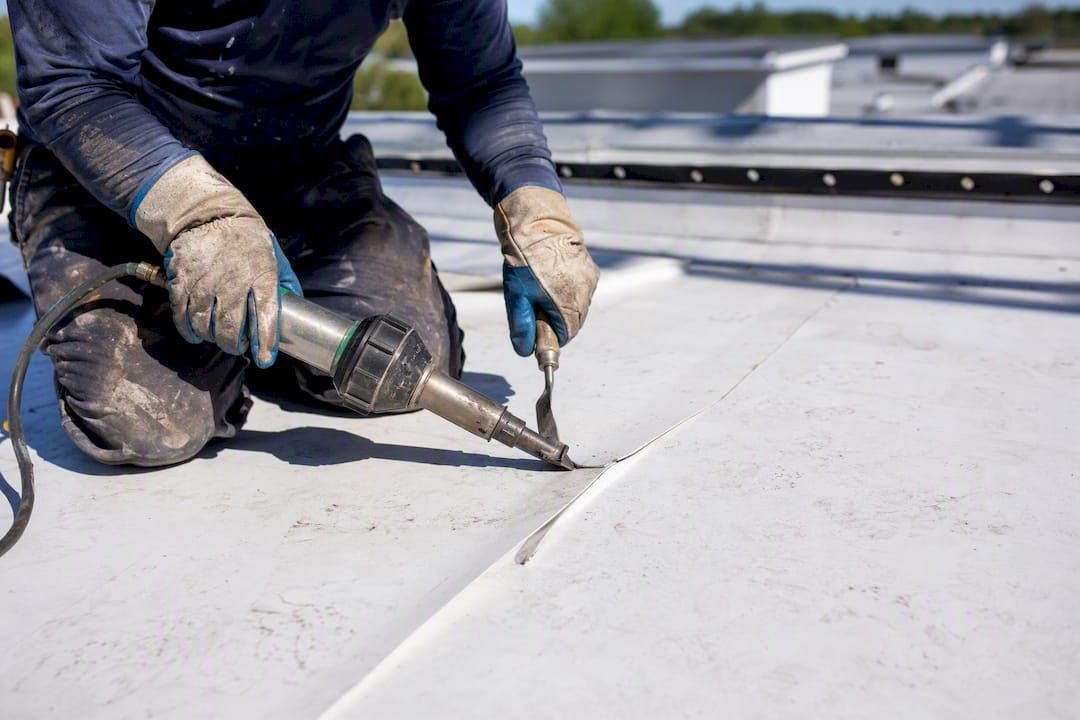
- Seam failures. On single-ply systems like TPO, EPDM, and PVC, seams fail more often than the field membrane itself because they're the weakest structural point. Sign: raised or peeling seam tape.
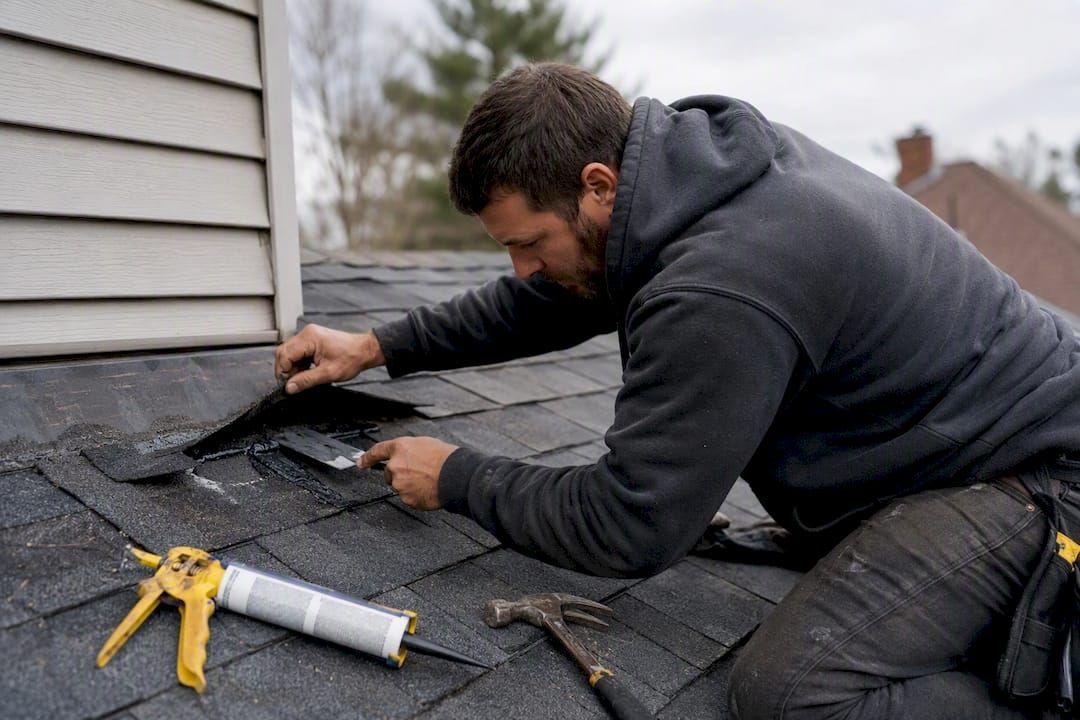
- Flashing and penetration failures. Flashings cover under 10% of a typical roof but account for more than half of all leaks, especially at parapet walls and equipment curbs. Sign: cracked sealant or lifted metal edges.
- Installation and detailing defects. Wrong upstand heights, missing movement joints, and poor mechanical terminations are a common root cause of long-term failure that only shows up years later.
- UV exposure and thermal cycling. Repeated expansion and contraction stresses seams and fasteners long before the membrane visibly ages.
- Foot traffic and mechanical damage. Membrane puncture resistance varies by thickness. A 60 mil TPO handles roughly 130 pounds of point load versus 100 pounds for 45 mil, and EPDM punctures more easily than either.
- Clogged drains and gutters. Leaves and grit choke drain bowls quietly until a storm turns a minor nuisance into standing water across the whole field.
- Structural deflection and insulation compression. Equipment loads and aging decking create low spots that gravity keeps filling with water.
- Chemical incompatibility and wind uplift. Incompatible sealants degrade seams from the inside, and unrated edge terminations let wind peel membrane from the perimeter in.
Pro Tip: Ponding is the great multiplier. It doesn't just damage the membrane directly. It sits on seams and flashings until they give out too, so fixing drainage first usually stops two or three other failure modes at once.
What Are the Early Warning Signs of a Failing Flat Roof?
Catching a flat roof problem early is almost always cheaper than catching it late. Watch for these signs, both on the roof and inside the building below it:
- Standing water still visible more than 48 hours after rain
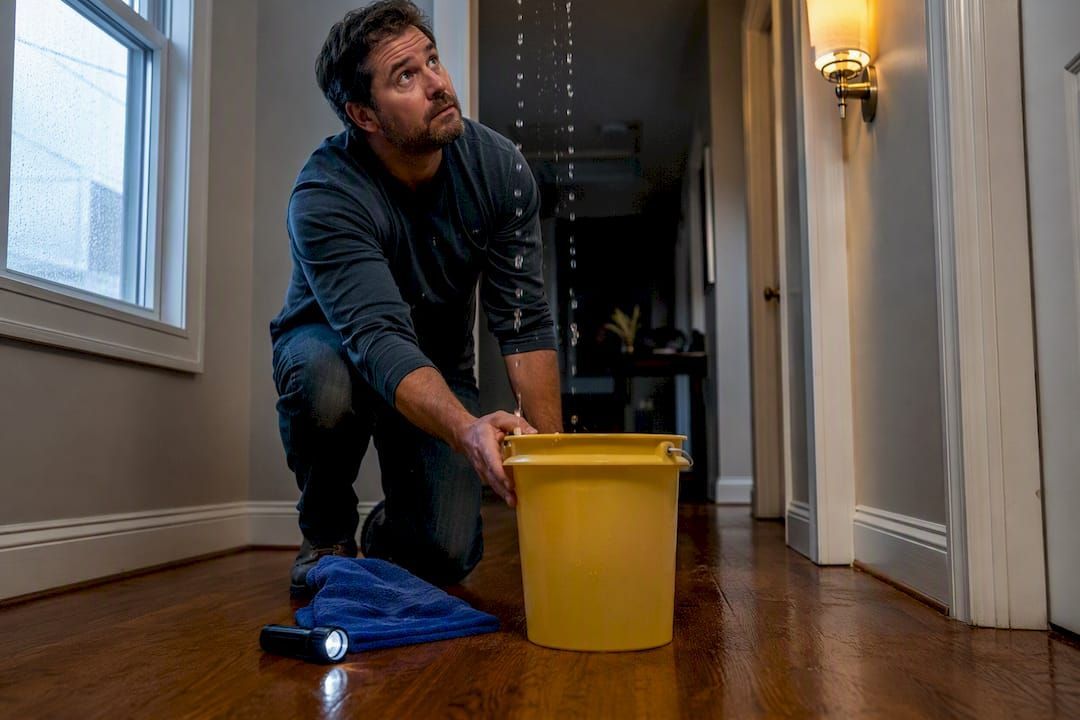
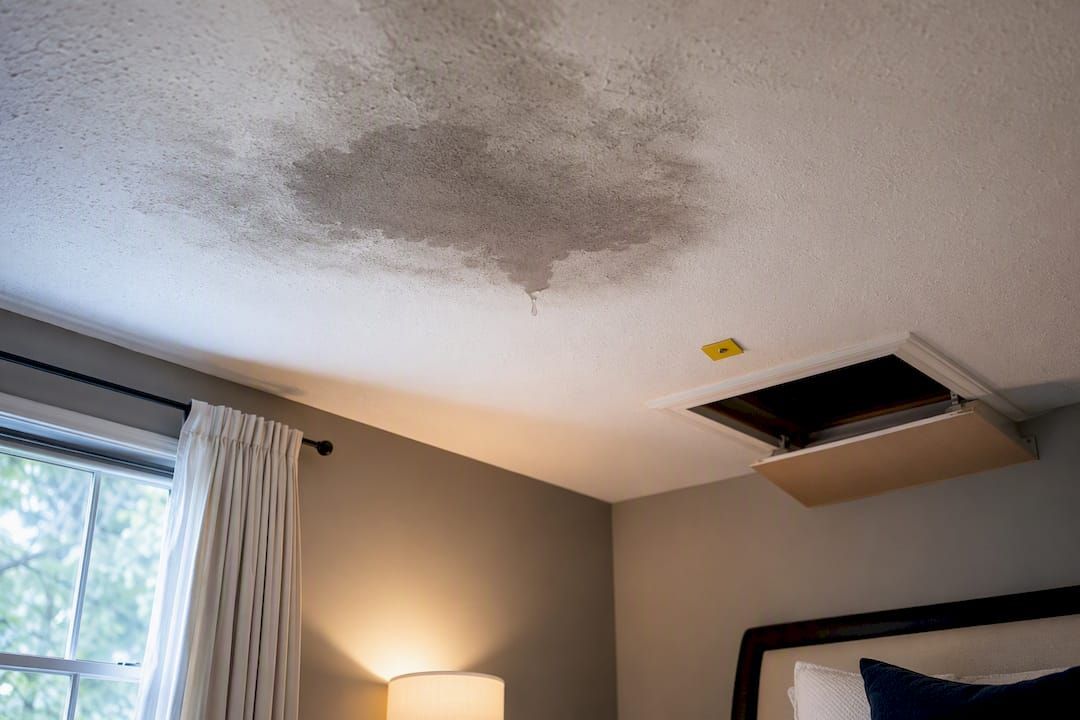
- Ceiling stains, active drips, or a musty smell near the roofline
- Blisters or bubbles under the membrane surface
- Split or lifted seams, especially near drains and equipment
- Loose or cracked flashing at walls, curbs, and vent pipes
- Soft, spongy, or visibly sagging decking
- Rising indoor humidity or mold near the roof perimeter
When you document a problem, photograph drain inlets, ponded areas, seams, and flashing junctions from a consistent angle, and note the date and roof location on each shot. Inspect right after major storms, again before the first freeze/thaw cycle, and any time a contractor has been walking the roof for HVAC or solar work.
How Do You Inspect and Diagnose a Flat Roof Problem?
A useful inspection follows the water, starting at the edges and working toward the field:
- Perimeter and drains first. Clear debris, check scupper flow, and note any standing water and its depth.
- Membrane field. Scan for blisters, discoloration, and granule loss across the open surface.
- Seams and laps. Press along every seam line looking for lift, gaps, or exposed adhesive.
- Penetrations and curbs. Check flashing at every pipe, vent, and equipment base, since these are where detailing failures cause the majority of leaks.
- Interior check. Look under the roof deck for staining, damp insulation, or mold that hints at hidden moisture no one has spotted from above yet.
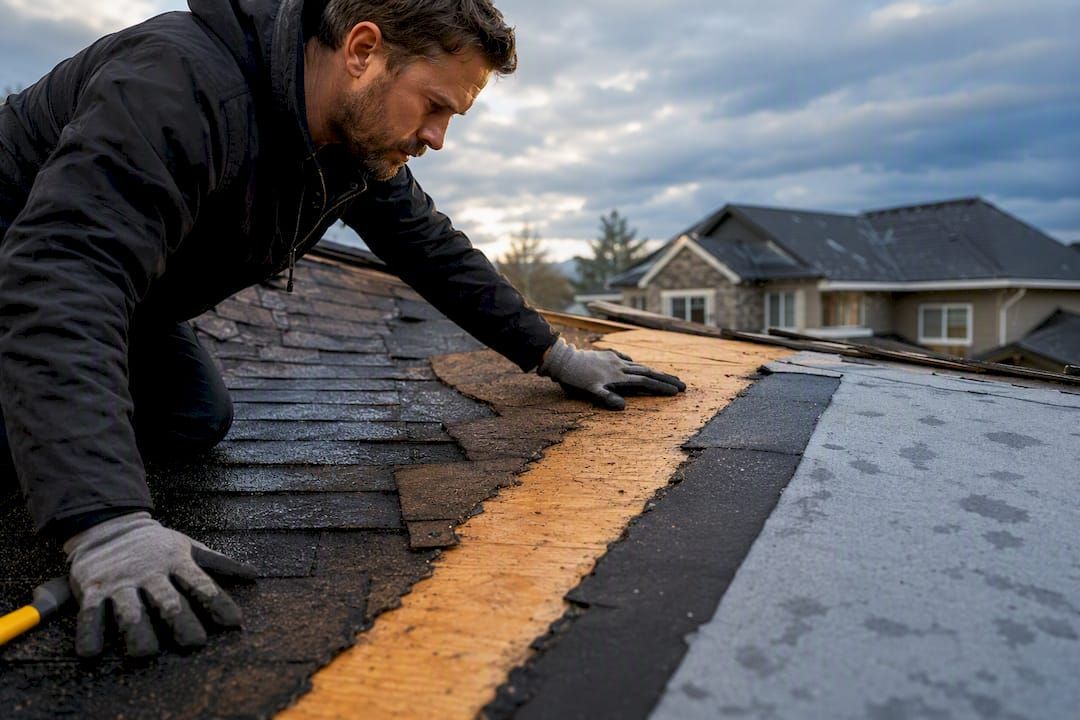
Never walk a wet, icy, or high-wind roof, and skip the inspection entirely if there's active lightning or the surface can't support your weight safely. Log each problem spot with a photo, a rough measurement of pond depth, and its location relative to a drain or HVAC unit, so you can track whether it's getting worse over time.
Pro Tip: A simple spreadsheet with photo timestamps and pond locations turns a vague "the roof leaks sometimes" into a paper trail that gets a contractor to the actual root cause faster.
What Maintenance Prevents Flat Roof Failure?
Consistent maintenance is what separates a roof that lasts 20 years from one that needs emergency patches by year eight.
- Do a visual inspection every three months, focused on drains and low spots.
- Clean drains, scuppers, and gutters twice a year and again after any major storm.
- Inspect the roof after any contractor, HVAC technician, or solar installer has been walking on it.
- Schedule a full professional inspection annually, ideally before the wet season starts.
- Repair small seam lifts and flashing gaps immediately, before they widen into active leaks.
Beyond scheduling, a few habits do most of the heavy lifting:
- Keep rooftop equipment on proper stands so it doesn't compress insulation and create a new low spot
- Use flexible, code-rated flashing at every penetration rather than caulk alone
- If you're already re-roofing, ask about tapered insulation to restore positive slope permanently
- Read your membrane warranty before applying any coating, since some warranties are voided by unauthorized products or standing water left unaddressed
A structured roof maintenance plan catches most of this automatically, but if you spot soft decking, a sagging deck line, or a leak that returns after a patch, that's your signal to stop DIY-ing it and call a licensed contractor.
When Should You Call a Professional Roofer?
Some problems are a weekend fix. Others need a licensed crew before they become a structural issue. Call a professional when you see structural deflection, ponding that returns every time despite clearing drains, an interior leak that reappears after a patch, or any decking that feels soft underfoot.
Before you sign anything, ask:
- Are you licensed and insured, and can I see proof?
- Can you show references from a similar flat roof project?
- What exactly does the warranty cover, and for how long?
- Will you address the underlying slope or drainage issue, or just patch the surface?
- What does the inspection report look like, and what's the expected timeline?
Watch for red flags: a lowball bid with no actual diagnostic step, a vague or short warranty, or a contractor who recommends caulk-and-adhesive-only terminations at the perimeter instead of proper mechanical fastening.
Pro Tip: Any bid that skips a drainage assessment entirely is a bid that's planning to patch a symptom, not fix the cause.
How Much Do Flat Roof Repairs Typically Cost?
Costs scale with how far the damage has spread and whether the underlying drainage problem gets fixed along with the visible symptom.
- Drain clearing and minor debris removal: roughly $200 to $400
- Flashing repairs at curbs and penetrations: roughly $800 to $2,500 depending on curb size and membrane type
- Tapered insulation re-slope during a re-roof: roughly $3.00 to $5.00 per square foot added to the base cost
- Full replacement: varies widely based on membrane type, square footage, and how much saturated insulation needs to come out
Patching a leak without fixing the drainage or detailing that caused it almost always means paying for the same repair again within a year or two. If you're facing repeated failures on the same section, a full leak detection and repair assessment is usually cheaper long term than another round of spot patches.
Who Handles Flat Roof Repairs and Inspections in the Region?
Upstate Roofing works on flat and low-slope systems across Northern California, and the crews doing that work are fully licensed with practical experience across TPO, EPDM, and modified bitumen systems. Services relevant to the failure causes above include:
- Roof inspections with documented findings on drainage, seams, and flashing condition
- Leak detection and repair for recurring or hard-to-trace leaks
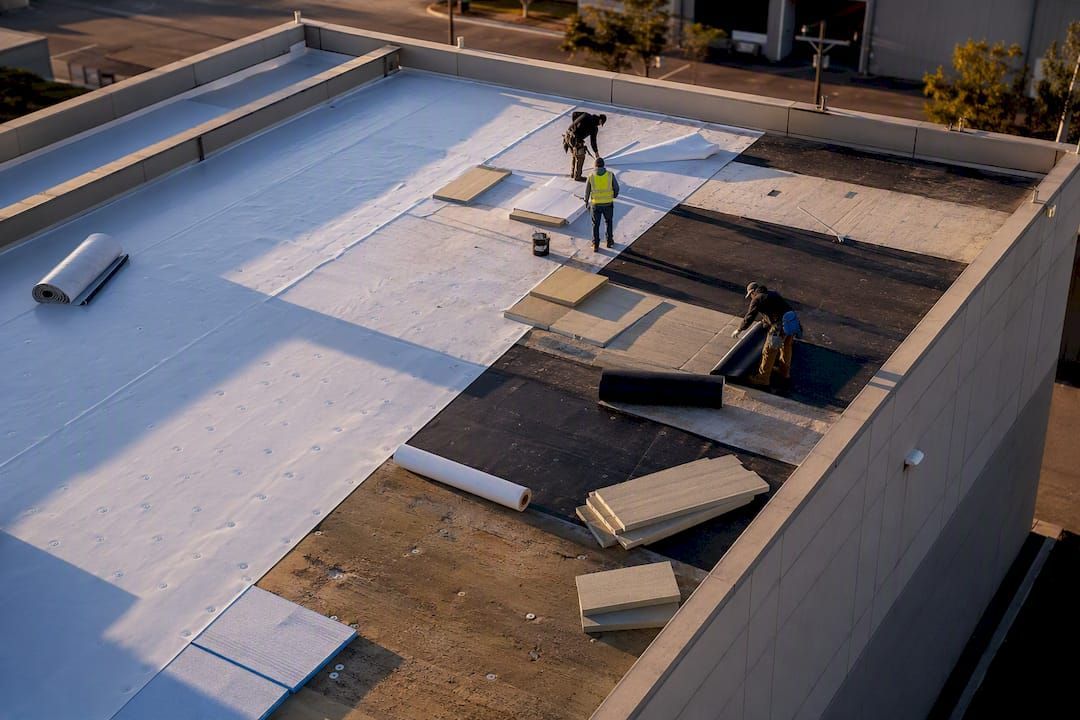
- Tapered insulation re-slope and full flat roof replacement
- Ongoing maintenance plans, plus gutter cleaning to keep edge drainage clear
- Warranty support, with full terms detailed on the roof warranty page
For readers dealing with a persistent low spot or a leak that keeps reappearing after a DIY patch, a drainage system evaluation often reveals the slope or capacity issue driving the whole problem.
A Field Perspective on Preventing Flat Roof Failures
The roofs we see fail early almost always have the same story: someone patched the leak but never touched the drainage. Fix the slope and the flashings first. Schedule an inspection before the next storm season.
Frequently Asked Questions
What is the most common cause of flat roof failure? Ponding water combined with poor drainage design causes the majority of flat roof problems, since standing water accelerates seam and flashing damage that would otherwise progress slowly.
How often should a flat roof be inspected? Do a visual check quarterly, inspect after every major storm, and schedule a full professional inspection at least once a year, ideally before the rainy season.
Can I fix flat roof ponding myself? Clearing debris from drains is a reasonable DIY task, but if the ponding returns after clearing, the slope or drain placement itself is likely the problem and needs a professional assessment and guidance on temporary leak fixes in the meantime.
How long does a typical flat roof last? Lifespan depends heavily on membrane type and maintenance history, but roofs with clogged drains, unresolved ponding, or deferred flashing repairs tend to fail years before their rated lifespan.
Does a small leak always mean I need a full roof replacement? No. Most early leaks trace to a specific seam, flashing, or drainage issue that a targeted repair can fix, and replacement usually only becomes necessary once insulation is saturated across a large area.
Sources
- Common Commercial Roof Problems | Flat Roof Report
- 8 Detailing Mistakes That Compromise Flat Roof Integrity (And How to Avoid Them) | ArticleCube
- Flat Roof Maintenance Guide For Homeowners: Prevent Leaks, Pooling & Costly Repairs - Solar Roofing Guide
- Why Flat Roofs Leak and How Drainage Prevents It