U.S. Homeowners: Inspect Sagging Roofs This Week to Avoid Paying Twice

September 12, 2026

Share this article

U.S. Homeowners: Inspect Sagging Roofs This Week to Avoid Paying Twice

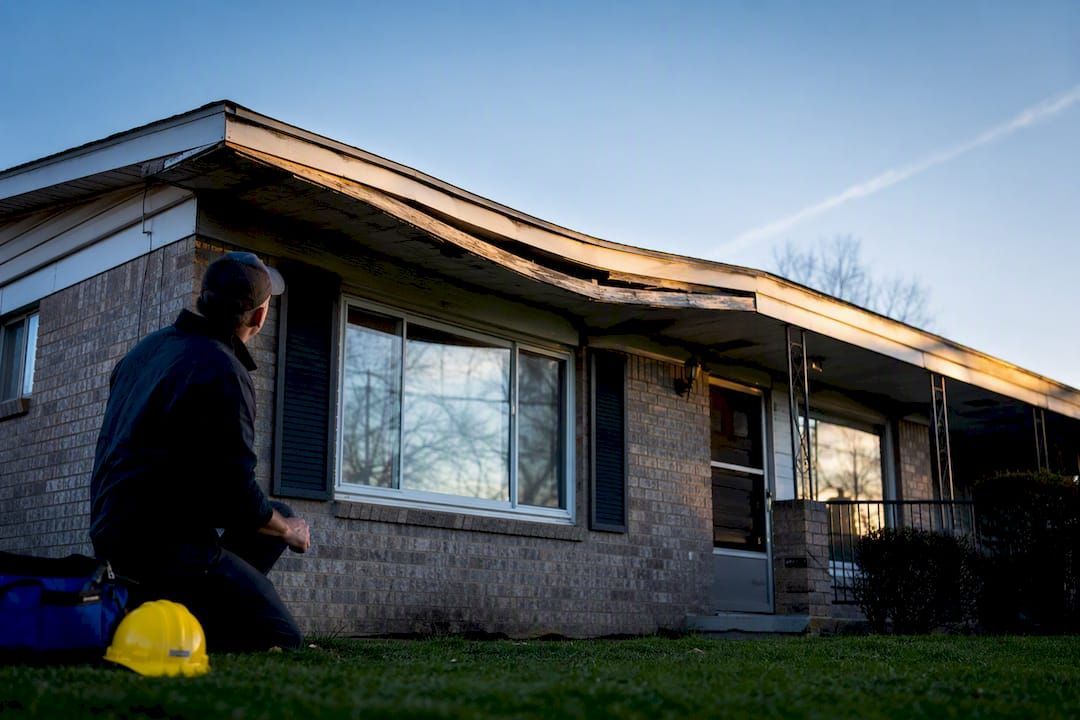
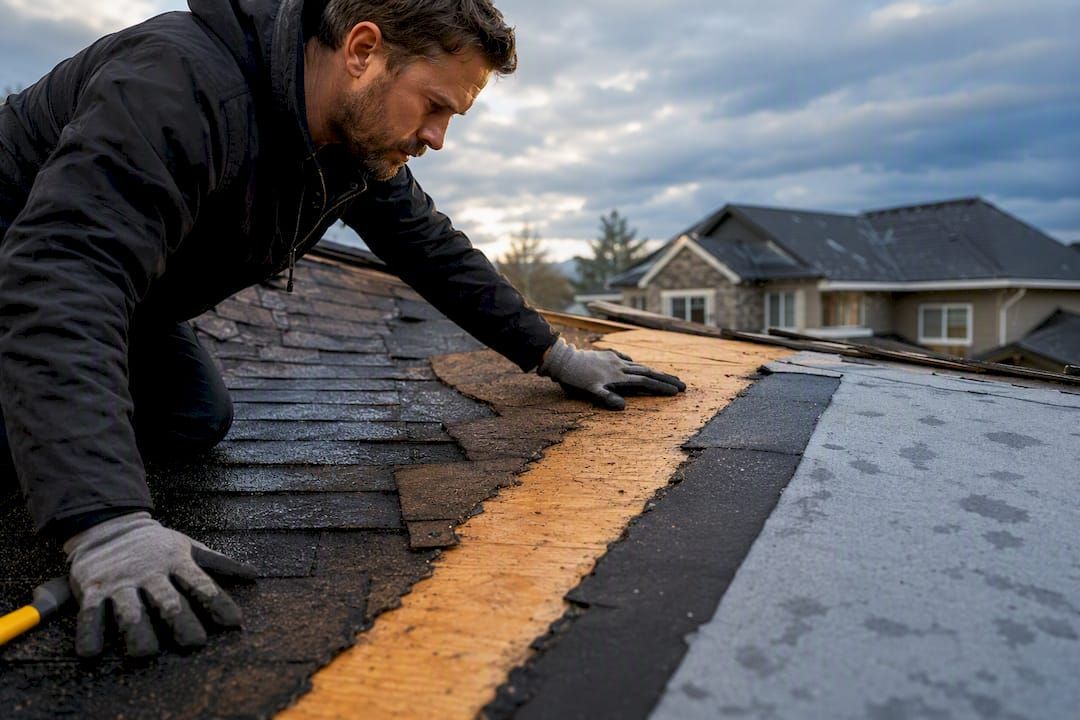
A visible sag anywhere on your roofline is a structural warning, not a cosmetic flaw you can leave for next season. Photograph the affected area today, note the date, and keep people and vehicles clear of the space directly below it. Call a structural engineer or an experienced roofing contractor for an inspection this week, because sagging problems get worse and costs climb the longer they sit.


TL;DR:

  • Sagging caused by water damage, rotted framing, missing rafter ties, or foundation shifts worsens over time, increasing repair costs and safety risks.
  • Early signs include exterior dips, interior cracks, and attic bowing, with attic inspection providing the clearest evidence of the problem.
  • Professional diagnosis requires a licensed engineer to identify failed components before any structural repair takes place.
  • Repair costs range from simple deck replacements to full structural rebuilds, depending on the extent of damage and underlying cause.
  • Immediate inspection and documentation are essential, with non-structural fixes risking further damage and higher long-term costs.

Upstateroofingpros
Get Your Roof Inspected Early
Upstate Roofing provides professional roof inspections to help identify sagging, leaks, and other roofing concerns before they worsen.
Request a roof inspection

What Are the Signs of a Sagging Roof?

From the street, look for a dip near the ridge, a bowed center span, or a roofline that no longer runs straight from gable to gable. Inside the house, new ceiling cracks, doors that suddenly stick, or gaps opening up around window trim often show up before the roof itself looks visibly off.

The attic tells the real story. Bowed rafters or trusses, gaps opening at joint connections, water stains on the decking, and creaking that wasn't there last year all point to a structural weak point rather than a settling house.

  • Exterior: dipped ridge, uneven roofline, visible center sag from the curb
  • Interior: fresh ceiling cracks, sticking doors, widening trim gaps
  • Attic: bowed framing, separated joints, water staining, new creaking sounds

Pro Tip: Take attic photos from the same three or four spots every time, standing in the same corner and aiming at the same rafters, so you can actually compare progression instead of guessing.

What Causes a Roof to Sag?

Sagging almost never has one cause. It's usually a mechanical failure that's been building for years before it became visible.

  • Water infiltration : long-term leaks delaminate the roof deck, and plywood layers separate and lose their strength
  • Damaged framing : rotted, undersized, or storm-damaged rafters and trusses can no longer carry the load they were built for
  • Missing rafter ties : when rafter ties or ceiling joists get cut or removed during a renovation, the roof pushes outward instead of holding its shape, a problem engineers call roof thrust
  • Excess load : heavy snow accumulation, stored materials in the attic, or a roof that was undersized from the start
  • Foundation movement : settling elsewhere in the house can transfer uneven loads up into the roof framing

That last one surprises a lot of homeowners. If you're also seeing diagonal cracks near windows or doors that won't latch right, the roof might be reacting to something happening at the foundation, not a framing defect up top.

How Serious Is a Sagging Roof, Really?

Sagging is progressive by nature. Moisture keeps working on exposed wood, rot keeps spreading, and what starts as a localized soft spot can turn into a full structural repair within a season or two.

The safety risks are real: partial collapse, walls bulging outward under roof thrust, and load paths that fail without much warning. A sag that appears suddenly after a heavy storm, or creaking that's gotten noticeably louder, deserves a same-week call, not a wait-and-see approach.

What this actually costs you by waiting : a targeted deck repair addressed early often runs a fraction of what a full structural rebuild costs once rot spreads into the rafters and trusses. Early intervention on progressive sagging is consistently cheaper than letting it reach the framing.

On insurance, know this before you call your agent: standard homeowners policies generally don't cover roof sag from normal wear, aging materials, or deferred maintenance. Coverage typically kicks in only when a sudden, named peril, like a fallen tree or wind event, caused the damage.

What Do Professionals Check During an Inspection?

A proper inspection doesn't stop at "yes, it's sagging." It identifies exactly which components failed and why.

  • Condition of rafters, trusses, and the ridge beam
  • Roof deck integrity, looking for delamination or soft spots
  • Presence and condition of rafter ties and ceiling joists
  • Load-bearing walls and points where the roof transfers weight down
  • Signs of rot, moisture intrusion, or previous patch jobs that masked the real problem

Ambiguous or severe sagging calls for a licensed structural engineer to lead the diagnosis before anyone touches a hammer. Once the cause is confirmed and it's a straightforward repair, an experienced roofing contractor can usually take it from there. Either way, expect documented measurements, photos, and, for anything structural, an engineering sketch or stamped report that permitting offices will want to see.

What Are the Repair Options and What Do They Cost?

Repair scope depends entirely on how far the damage has spread, and pricing follows that same logic. A localized deck replacement where the framing underneath is still sound is the least invasive and least expensive option; a full structural rebuild is the most.

  • Deck replacement : strip shingles, replace the plywood, re-fasten, done, when rafters and trusses tested sound
  • Sistering : bolt new lumber alongside a damaged rafter or truss rather than replacing the whole member
  • Added bracing or purlins : reinforce a span that's carrying more load than it was designed for
  • Engineered ridge beams or knee walls : restore a proper load path when thrust or bearing failure caused the sag
  • Full replacement : necessary when damage is widespread or multiple framing members have failed

Contractors don't try to force decades-old bowed rafters perfectly straight. Scribing new sistered lumber to match the existing arc is the realistic, lower-risk approach professionals actually use, rather than jacking everything back to a theoretical flat line.

Cost swings widely based on scope. A contained deck repair sits at the low end; anything involving engineered structural elements, permit fees, and difficult roof pitch or access pushes the number up fast. Get a written, itemized estimate before you agree to anything, and compare it against typical leak repair cost ranges if water damage is part of the scope.

How Do You Pick the Right Pro for the Job?

For anything ambiguous or severe, start with a licensed structural engineer, not a roofer, since a proper diagnosis prevents money spent fixing the wrong problem. Once the cause is confirmed, hire a roofing contractor with actual experience in structural framing repair, not just shingle replacement.

  1. Ask if they'll provide an engineered scope of work for anything touching structural members
  2. Confirm they'll pull permits and schedule required inspections
  3. Request examples of similar structural repairs they've completed
  4. Get warranty terms in writing before signing anything

Red flags to walk away from: a contractor who won't put a scope in writing, anyone promising to "jack it back up" without an engineered plan, or a demand for full payment before work starts.

Pro Tip: Require dated before-and-after photos as part of the contract. It protects you if a dispute comes up later and it's the easiest way to confirm the work matches what was promised.

What Should You Do Right Now?

While you're waiting on that inspection appointment, a few things matter more than others.

  • Photograph the sag from several angles, date each shot, and keep the originals somewhere safe
  • Restrict access to rooms directly under the affected span
  • Skip the attic if you hear active creaking; that's not a sound to investigate yourself
  • Clear gutters and remove any extra stored weight from the attic or roof
  • If heavy snow is sitting on the roof, get it cleared by a professional rather than climbing up yourself

What Does an Engineered Fix Actually Look Like?

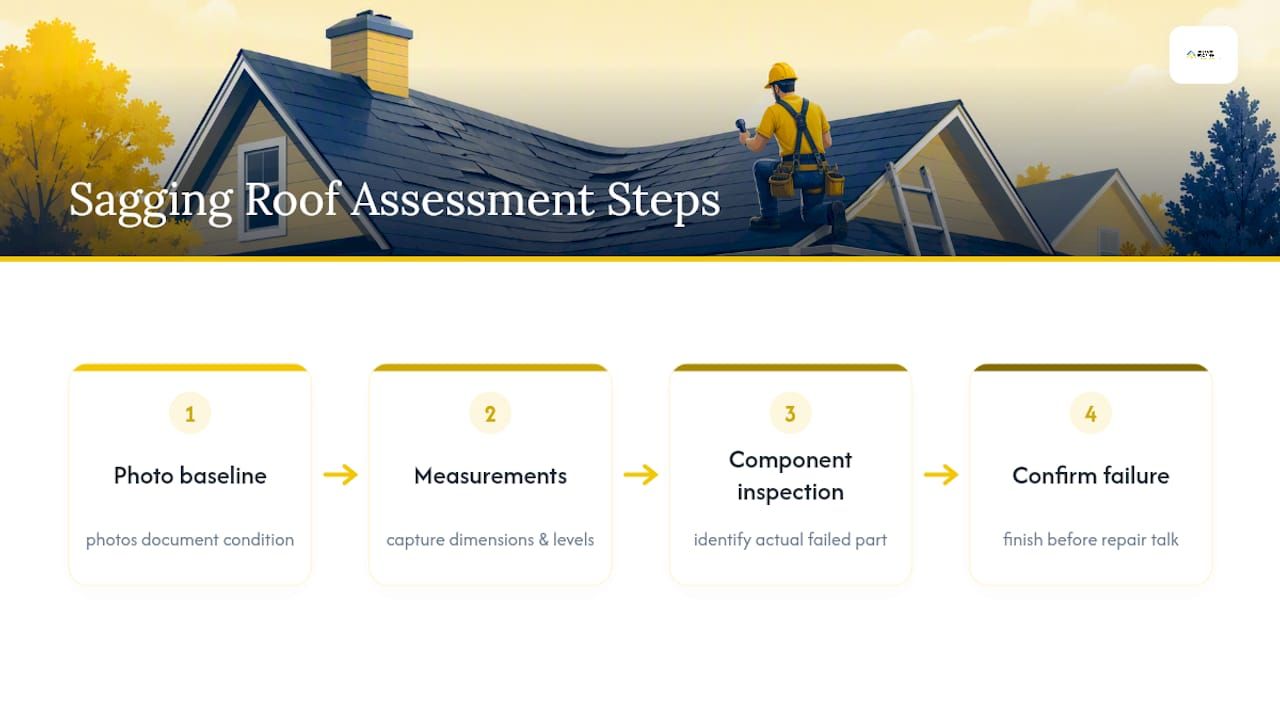
A professional roofing company approaches sagging roof calls with a documented process: photo baseline, measurements, and an inspection that identifies the actual failed component before any repair talk starts. That sequence matters because guessing at the cause is how homeowners end up paying twice.

Depending on what the inspection finds, repairs may include deck repair when framing is sound, sistering when specific rafters or trusses have failed, or an engineered ridge solution when roof thrust is pushing walls outward. Licensed crews often work with TPO and various roofing materials, and some offer structural repairs backed by warranty coverage and ongoing maintenance plans for homeowners who want to catch the next problem before it becomes a sag.

Why Most Sagging Roof Advice Undersells the Urgency

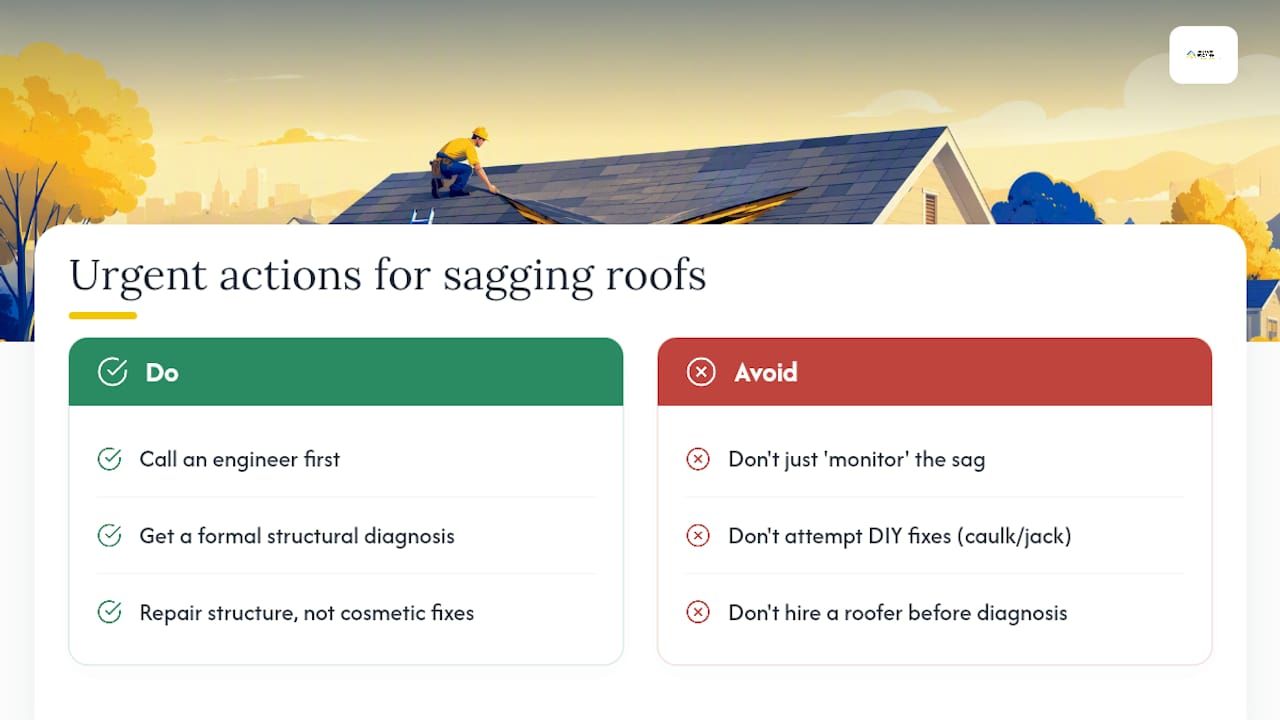
Most articles on this topic hedge. They call a sag "worth monitoring" or suggest homeowners "keep an eye on it," and that framing does real damage, because a sag doesn't monitor itself. It gets worse while you watch.

The research here is consistent on one point: a sagging roof is a symptom of a load path that has already partially failed, whether that's rotted decking, a missing rafter tie, or a truss carrying more than it was built for. There is no scenario where sag reverses on its own, and there is no meaningful DIY fix. A homeowner with a caulk gun and a jack post can make things worse, not better, by masking a symptom instead of restoring the structure underneath it.

Where I'd push back on conventional wisdom: too many guides treat the engineer and the roofer as interchangeable first calls. They're not. An engineer's job is diagnosis without a financial stake in the repair scope; a roofer's job is execution once that scope is defined. Homeowners who skip the engineer on a severe or ambiguous sag often end up paying a contractor to guess, then paying again when the guess is wrong. Get the diagnosis right first. Everything else, cost, timeline, materials, follows from that one decision.

— Cesar

Get a Structural Roof Inspection Before the Sag Gets Worse

Some roofing contractors provide homeowners with a documented inspection including dated photos and measurements before any repair recommendation is made, so the failure cause is clear before committing to a fix.

Every inspection includes a written estimate, engineered recommendations when structural work is needed, and support pulling any required permits. If the fix is contained to the deck, you get a straightforward repair plan. If it's a rafter tie, a failed truss, or something bigger, you get an engineered structural repair with warranty coverage attached, not a patch that hides the problem for another season. For cases where the damage has spread too far to justify repair, the team also handles full roof replacement. Schedule a professional roof inspection this week and get a clear answer on what your roof actually needs.

Sources

FAQ

Is It Expensive to Fix a Sagging Roof?

Cost depends entirely on scope: a localized deck repair with sound framing underneath costs far less than a job requiring sistered rafters, engineered bracing, or full replacement. Get a written estimate after inspection rather than assuming a worst-case number.

Will Insurance Cover a Sagging Roof?

Usually not, if the sag comes from age, wear, or deferred maintenance. Coverage typically applies only when a sudden covered peril like a storm or fallen tree caused the damage, so document the cause carefully before filing a claim.

How Serious Is a Sagging Roof?

It's serious enough to warrant a professional inspection right away. A visible sag signals that primary support elements may be failing, and the risk includes wall bulging and partial collapse if left unaddressed.

How Do You Brace a Sagging Roof?

Bracing isn't a homeowner project. A qualified contractor or engineer adds temporary shoring to stabilize the structure, then implements a permanent fix like sistered framing or an engineered ridge beam once the actual cause is confirmed. An engineered plan is typically built into every structural repair by qualified contractors.

Recommended

Recent Posts

September 14, 2026
Decide whether to repair or replace your roof with the 25%/50% cost test, 60%/80% lifespan checks, and a concise inspection checklist for homeowners.
September 9, 2026
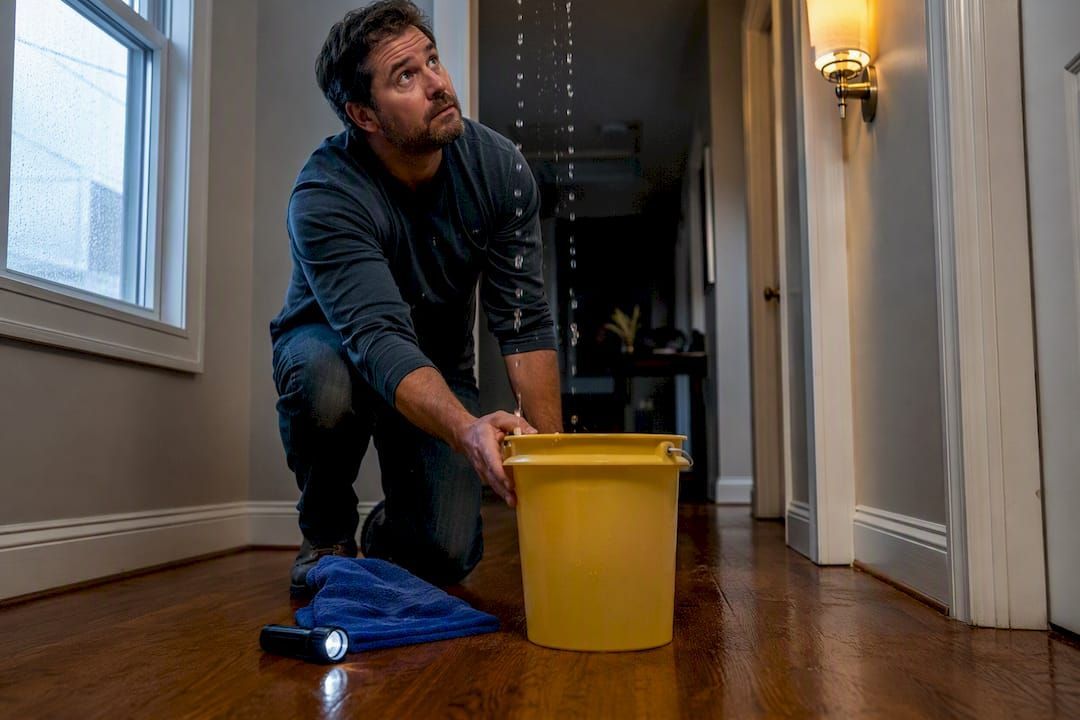
Act fast after a roof leak. Protect people and wiring, photograph damage for claims, stabilize now, and schedule permanent repairs.
September 7, 2026
Get 2026 U.S. TPO roofing costs by specification: $5.50–$14 per sq ft, 45, 60, 80 mil options, attachment effects, insulation choices, and contractor bid...
September 5, 2026
Estimate U.S. commercial roof replacement budgets: $4.00–$18.00 per sq ft, single ply often $5.50–$8.00. Learn how code driven insulation, lifecycle cost,...
September 2, 2026
Assess ceiling water stains fast with five minute checks, a 48 hour tape test, and a $35 moisture meter to find active leaks and stop recurring stains.
August 25, 2026
Learn essential steps for a storm damage roof inspection, from documenting issues to choosing the right professional—act quickly!
August 23, 2026
Discover what you can expect to pay for roof leak repairs in 2026, from small fixes to larger projects, and avoid budget surprises.
August 21, 2026
Discover effective strategies for TPO roof repair. Learn how to identify leaks, limit damage, and when to call a professional for help.
August 18, 2026
Discover why roofs require ice protection to prevent winter leaks. Learn how proper insulation and membranes guard your home against water damage.
August 18, 2026
Discover the most common causes of flat roof failures and learn proactive steps to protect your building from costly damage.

Show More