
Roof Leak Repair Cost: What You'll Actually Pay in 2026

August 23, 2026

Share this article

Roof Leak Repair Cost: What You'll Actually Pay in 2026

Most roof leak repairs typically cost several hundred to nearly two thousand dollars, with the bulk of jobs landing near the mid-range depending on what's actually failing up there. A worn vent boot is a cheap fix. Rotted decking under a chimney is not. The real number depends on the leak's cause, how hard your roof is to access, and whether water has already reached the wood underneath your shingles.

  • Small, isolated repairs tend to be relatively inexpensive.
  • Moderate repairs involving flashing or underlayment replacement generally cost a medium amount.
  • Larger localized fixes including decking, valleys, or multiple spots often cost significantly more.

One thing catches homeowners off guard almost every time: many contractors bill the inspection separately from the repair itself. Ask upfront whether that diagnostic fee gets credited toward the job if you hire them.

Key Takeaways

Roof leak repair costs scale with the failure's location and hidden damage, not just the visible symptom, so an accurate quote requires a hands-on inspection.

Point Details
Typical repair range Most jobs cost $400 to $1,800, with small fixes as low as $150 and major repairs reaching $4,000.
Flashing costs more than shingles Chimney and valley flashing repairs often run $300 to $1,500 due to complex joint work.
Inspection fees may be credited Ask upfront whether the diagnostic fee applies toward the repair cost if you hire that contractor.
Speed limits damage Tarping within 24 hours and prompt inspection after rain helps avoid interior repair costs stacking on top of the roof bill.
Local help available Upstate Roofing offers leak detection, emergency tarping, and itemized repair quotes across Sacramento and Roseville.

Roof Leak Repair Cost by Project Size

Not every leak costs the same, and the price tiers below reflect why. Homeowner cost data compiled by Angi shows repair bills scaling almost entirely with how much of the roof system got compromised, not just the size of the hole.

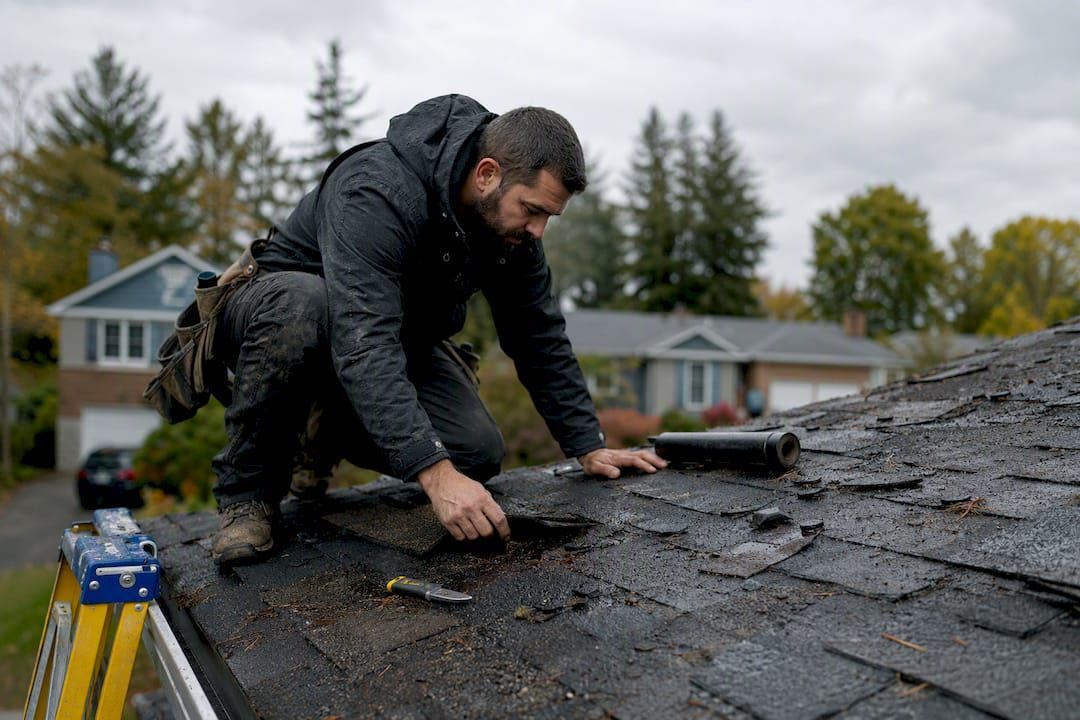
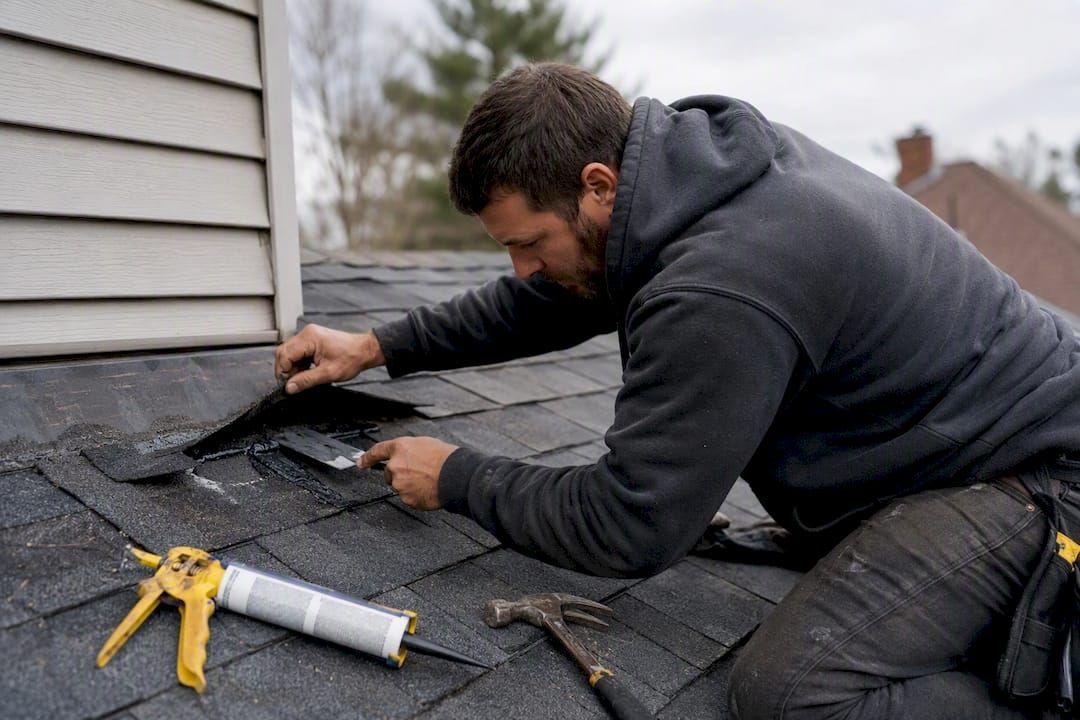
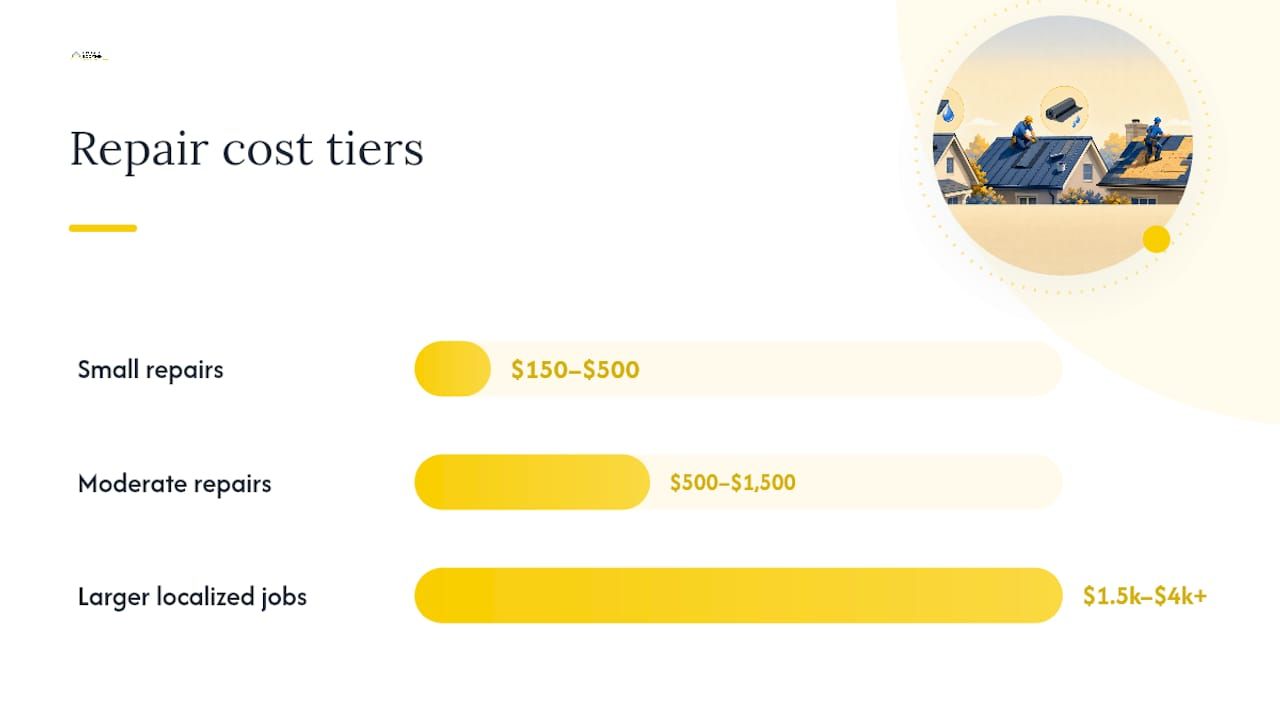
Small repairs cover a single shingle swap, a cracked vent boot, or a small patch of spot flashing. Materials are cheap, the labor takes an hour or two, and most crews can knock these out in a single visit. Expect $150 to $500 .

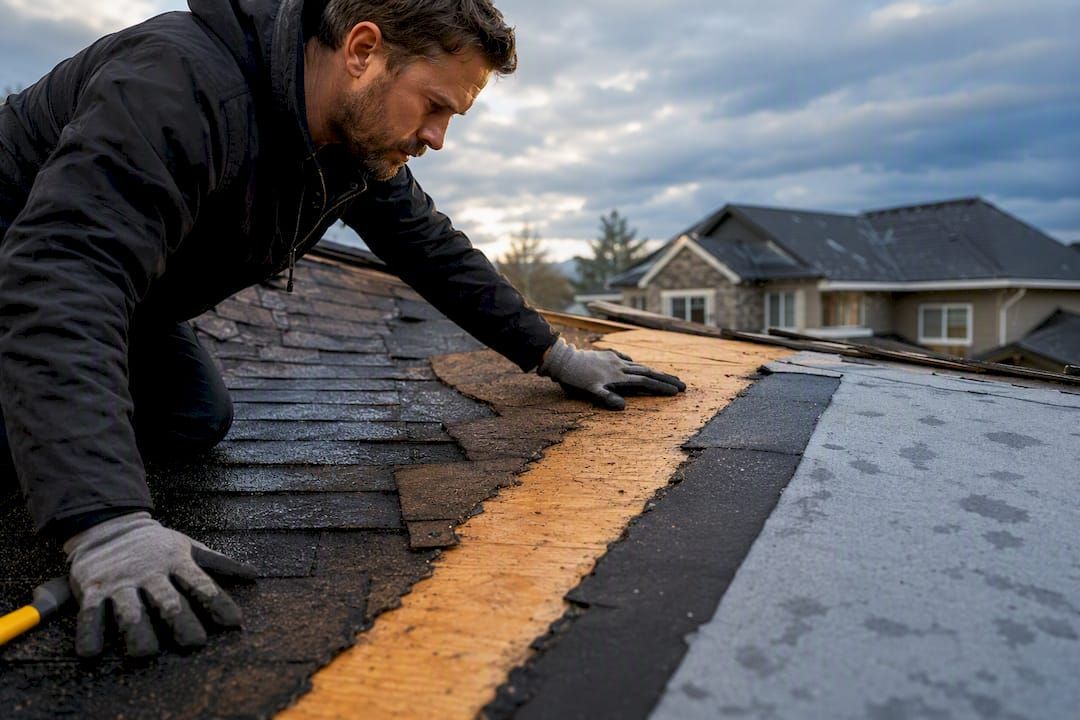
Moderate repairs step up when a section of flashing needs full replacement, or when the crew has to pull back shingles to patch underlayment. This tier often includes minor decking repair if a small area got soft from prolonged moisture. Budget $500 to $1,500 .

Larger localized jobs show up when decking needs to be cut out and replaced, when a valley or skylight perimeter has failed, or when several separate leaks need attention on the same visit. These jobs run $1,500 to $4,000 or more , especially on steep or multi-story homes.

Your roof material affects repair costs. Asphalt shingle repairs generally cost less; tile, slate, and metal roofing usually require pricier materials and more labor. Steep pitches or multiple stories add cost due to safety equipment and time needed.

What a Chimney Flashing Leak or Skylight Leak Actually Costs

Where the leak starts changes the math more than almost anything else. Here's how the common culprits stack up, based on ranges reported by The Roofing Brief:

  • Chimney flashing repair typically costs a few hundred to around a thousand dollars. Step flashing at roof joints may require removing and rebuilding embedded counter flashing; costs increase if flashing is severely damaged.
  • Vent pipe boot and single shingle repairs are among the least expensive leak fixes and can sometimes be handled safely by experienced homeowners on low-pitch roofs.
  • Skylight leak repairs vary widely, with costs influenced by whether only the seal needs replacement or if the frame requires resealing and reflashing.
  • Valley repairs tend to be more intensive and costly because valleys handle significant water flow and suffer higher wear.

Ice dams complicate all of the above. Melting snow that refreezes at the eaves can force water backward under shingles, so a leak that looks like a simple flashing problem in January sometimes turns out to be ice-dam backup once a crew gets eyes on the attic.

What Actually Drives Your Final Quote

Two quotes for the same-looking leak can differ by hundreds of dollars, and it rarely comes down to a contractor just charging more.

  1. Roof pitch and height. A steep roof or a third story means fall protection, which slows the crew and adds labor hours.
  2. Hidden damage. Once a roofer opens up the area, wet decking, soaked insulation, or interior drywall damage can add real cost that wasn't visible from the ground.
  3. Diagnostic complexity. Leaks that require moisture meters or infrared scanning to trace take longer to pin down before repair even starts.
  4. Timing. Emergency or after-hours calls typically carry a surcharge, a pattern confirmed across multiple cost guides tracking scheduled versus emergency pricing.
  5. Contractor overhead. Licensing, insurance, workmanship warranties, and disposal fees are baked into a legitimate quote, even when they're not itemized as separate lines.

Pro Tip: Ask your contractor to separate "known repair" costs from "if we find rot" contingency pricing before work starts. A clear split protects you from surprise change orders once the roof is opened up.

Leak Detection Costs and Emergency Stopgaps

A professional leak detection visit typically includes a full roof surface exam, an attic check for moisture staining, and sometimes a controlled water test to reproduce the leak location. This diagnostic work is what separates a guess from a fix that actually holds.

  • Inspection fees are often billed separately from the repair, and many contractors credit that fee toward the job if you move forward with them.
  • Emergency tarping buys time on an active leak, and it works best when installed within about 24 hours of noticing water intrusion. It is a stopgap, not a repair, and permanent work should follow within a few weeks.
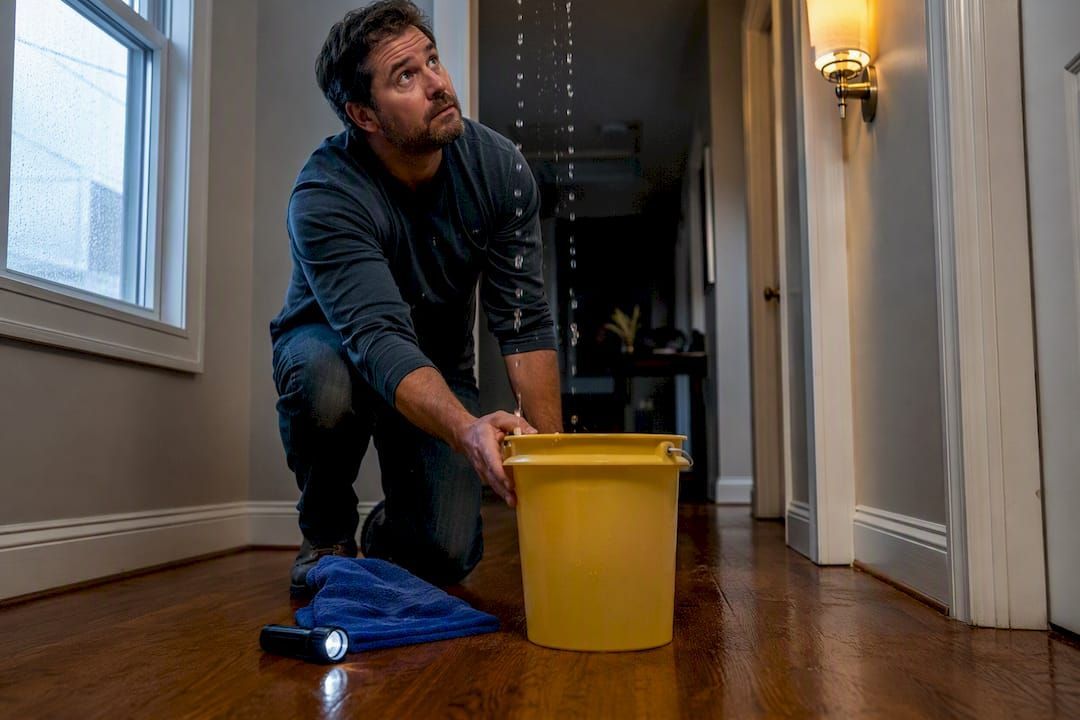
  • Acting fast matters financially: once water reaches decking, insulation, or drywall, interior repair costs stack on top of the roof repair itself, sometimes multiplying the total bill.

When Repeated Repairs Mean It's Time to Replace

A roof that needs its third flashing repair in five years is telling you something. Recurring leaks in the same general area usually mean the underlayment or decking underneath has failed more broadly than any single patch can fix.

Watch for these signals:

  • Your roof is past 20 years old and repairs are becoming more frequent, not less.
  • Shingles are curling, cracking, or losing granules across large sections, not just near the leak.
  • Underlayment has visibly failed in more than one spot when a contractor opens the roof.
  • Cumulative repair quotes over a year or two start approaching a meaningful fraction of a full replacement estimate.

At that point, a maintenance plan paired with a replacement conversation usually saves more money long term than another round of patchwork.

Your Pre-Contractor Checklist

Before anyone climbs a ladder, do a little homework. It puts you in a stronger position to compare bids honestly.

  1. Photograph the interior damage — stains, bubbling paint, or drips — with a date and time stamp.
  2. Note when the leak appears , since leaks that only show up during heavy rain point to different causes than slow, constant drips.
  3. Ask about license and insurance before anyone gets a quote.
  4. Ask what the warranty covers and for how long, both on materials and workmanship.
  5. Request an itemized scope , not a single lump number.
  6. Ask if emergency fees apply to your timeline.
  7. Ask how they handle disposal and whether it's included in the quote.

Pro Tip: Get every quote broken out by scope items rather than as one flat number. It's the fastest way to spot a lowball bid missing real work.

If a bid is dramatically lower than the others with no explanation for the gap, treat that as a reason to get a second opinion, not a reason to celebrate.

What Homeowners Miss Before We Even Get on the Roof

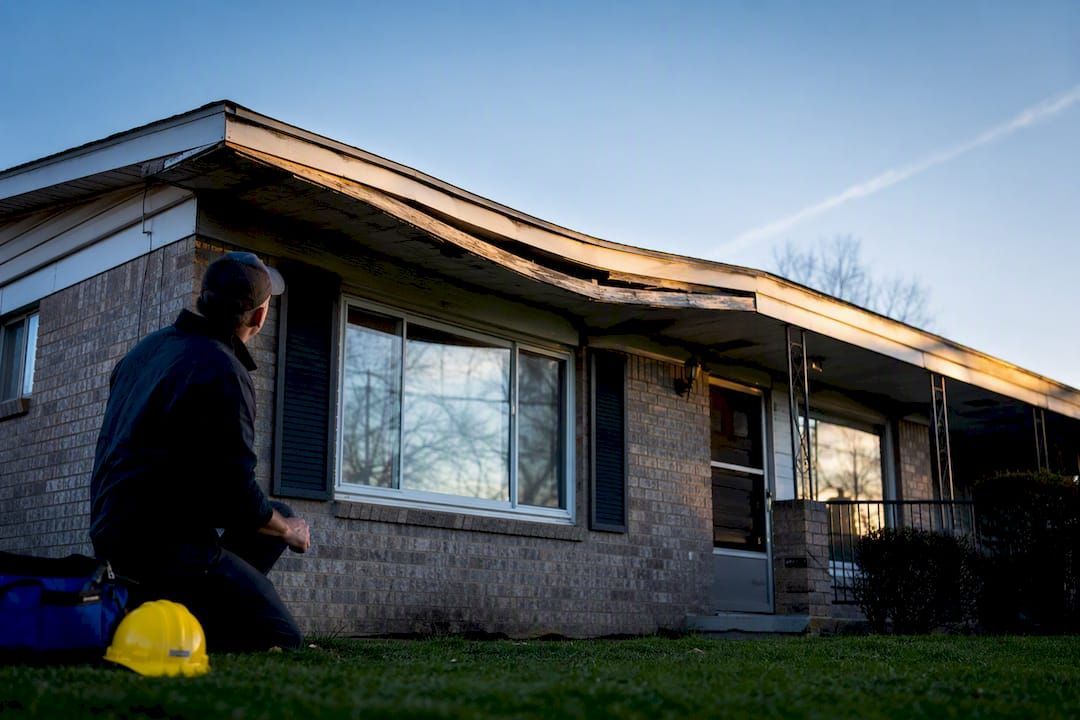
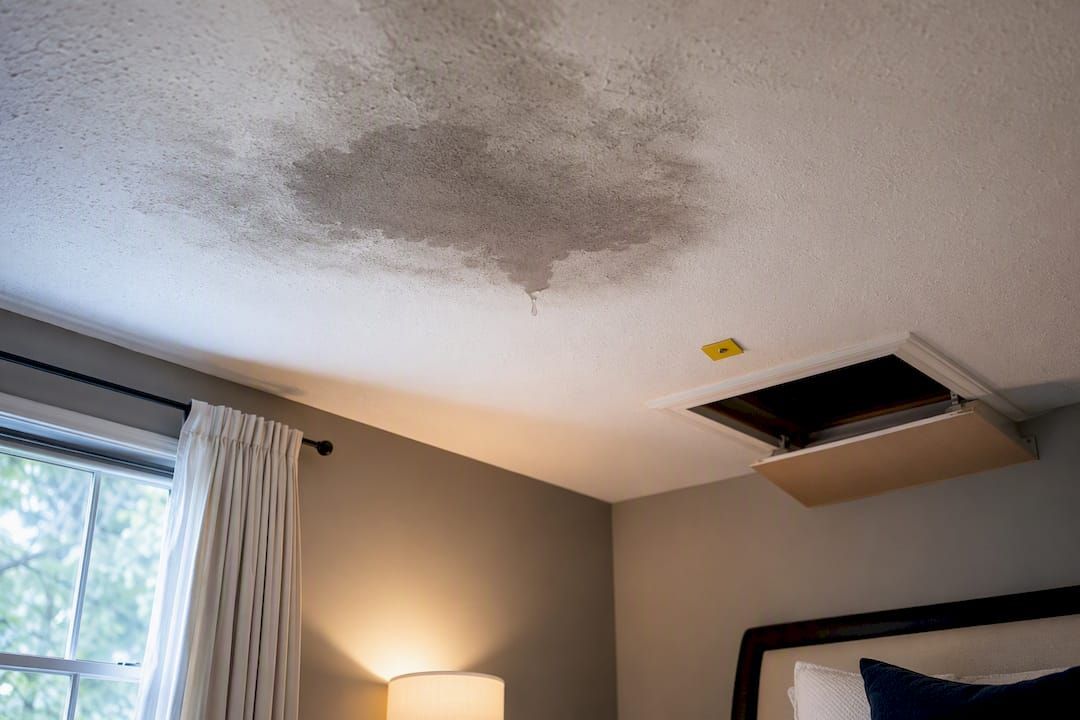
Water rarely drips straight down from where it enters. A stain over your kitchen can trace back to a chimney flashing failure ten feet away, which is why interior damage alone is a poor guide to the real problem.

A quick attic check with a flashlight, looking for dark streaks on the decking or damp insulation, tells you more than the ceiling stain does. If you can safely get up there, do it before you even call anyone. It also helps to schedule an inspection promptly after rain rather than waiting for a dry stretch, since active leaks are far easier to trace than dried ones.

— Cesar

Get a Local Inspection and a Real Number, Not a Guess

Every range in this article is a starting point. The number that matters is the one tied to your actual roof, and that only comes from someone standing on it. Upstate Roofing serves homeowners across Sacramento, Roseville, and the surrounding areas with leak detection, emergency tarping, and full repair work built around an itemized quote, not a phone estimate.

A visit typically starts with a roof and attic inspection, moves into a written scope of work, and ends with a quote that spells out materials, labor, and warranty coverage before anyone signs anything. If the damage points to a pattern of recurring failures rather than a one-off leak, we'll tell you that too, instead of patching the same spot a fourth time.

If water is actively coming in, start with our roof leak detection and repair page to request an inspection, or head to our roof repair page to get a quote scheduled this week.

Sources

Recommended

Recent Posts

August 25, 2026
Learn essential steps for a storm damage roof inspection, from documenting issues to choosing the right professional—act quickly!
August 21, 2026
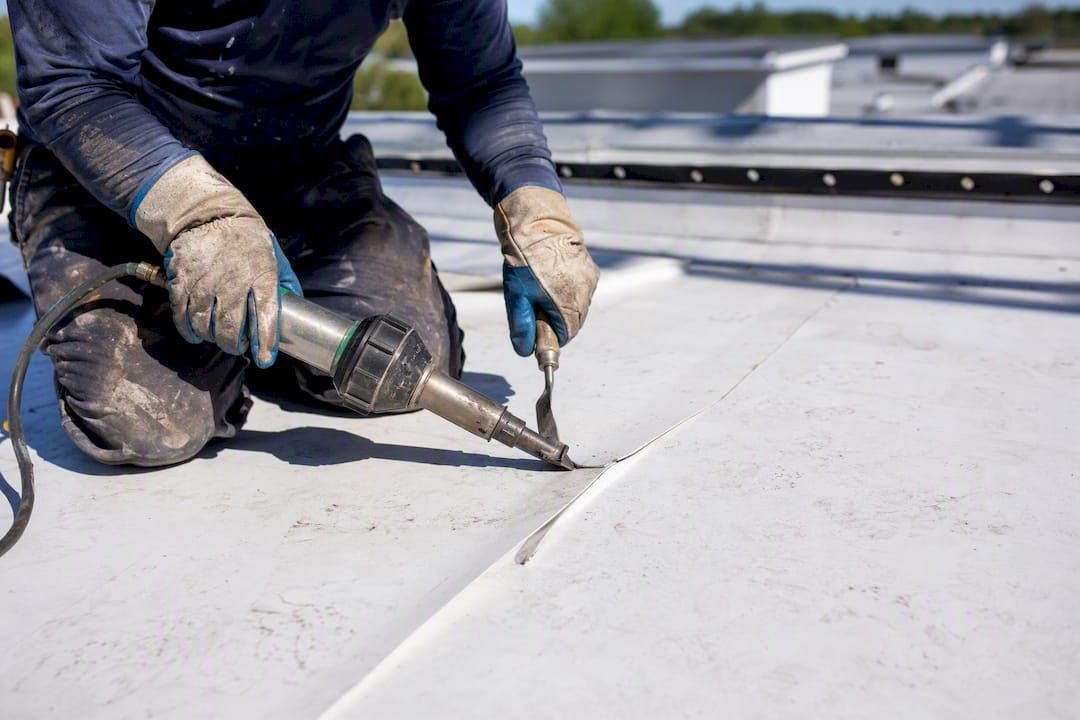
Discover effective strategies for TPO roof repair. Learn how to identify leaks, limit damage, and when to call a professional for help.
August 18, 2026
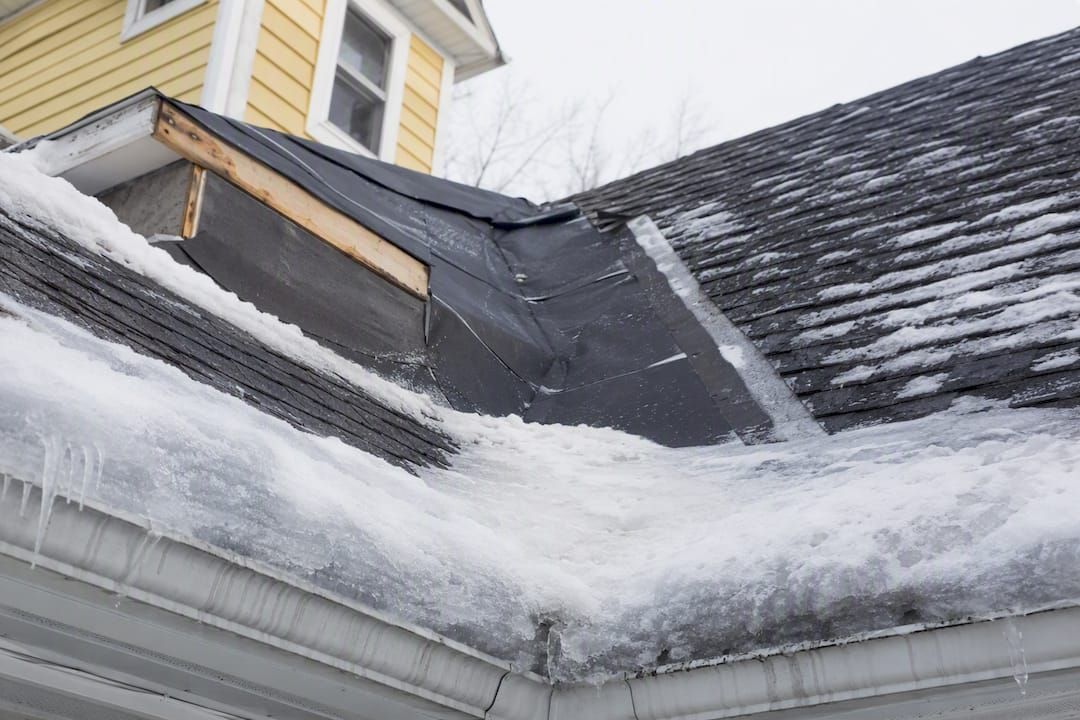
Discover why roofs require ice protection to prevent winter leaks. Learn how proper insulation and membranes guard your home against water damage.
August 18, 2026
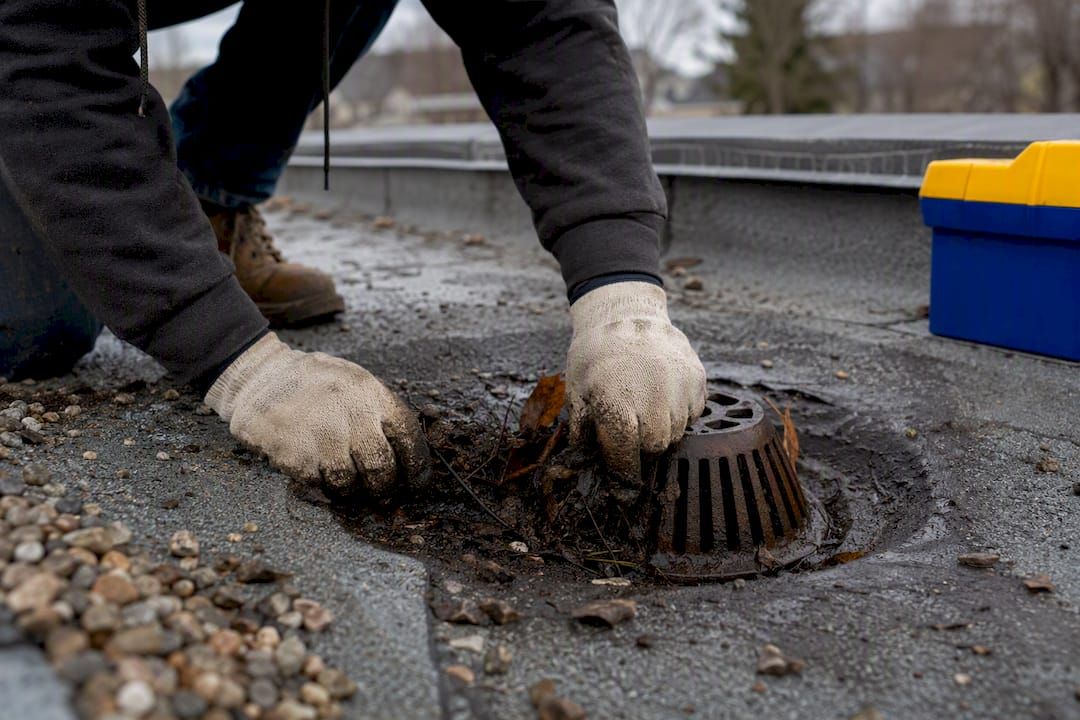
Discover the most common causes of flat roof failures and learn proactive steps to protect your building from costly damage.

August 14, 2026
Discover how roof insulation stabilizes your home’s temperature and saves you money on energy bills, cutting costs by up to 20%.
August 11, 2026
Discover how reflective roofing materials can significantly reduce cooling costs, extend roof life, and improve energy efficiency for your building.
August 10, 2026
Discover how TPO heat welding creates watertight seams that prevent leaks, ensuring a durable waterproof membrane for your projects.
August 10, 2026
Learn how moss and algae can damage your roof's integrity and appearance. Discover crucial steps homeowners must take to protect their homes.
August 4, 2026
Discover what a PVC roofing membrane is and why it's ideal for roofs exposed to chemicals and grease. Learn about its benefits and applications.
August 2, 2026
Discover replacement picture window prices ranging from $300 to $2,500. Get tips on comparing quotes and choosing the best options for your home.
Show More