Homeowners: 25%/50% and 60%/80% Tests to Repair or Replace Your Roof
Homeowners: 25%/50% and 60%/80% Tests to Repair or Replace Your Roof
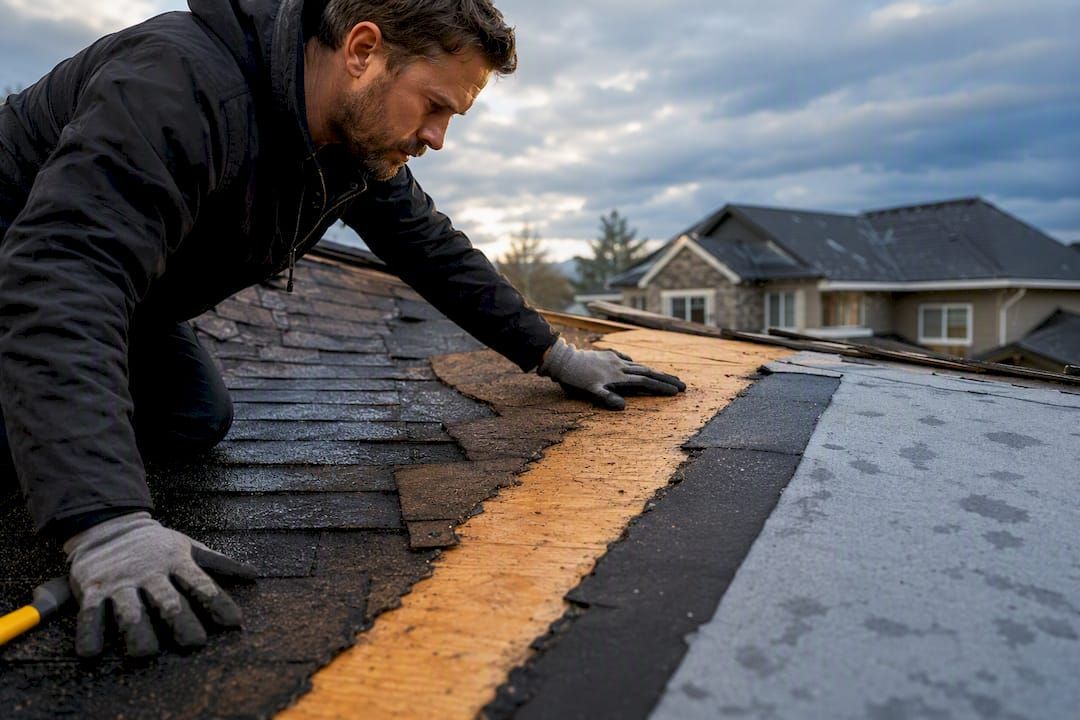
Repair your roof if it is comfortably within its expected lifespan, the damage affects a small portion of the surface, and the repair cost is significantly lower than replacement. The rest of this guide walks through exactly how to check each of those conditions before you sign anything.
TL;DR:
- Repair is suitable only if the damage is limited to a small area, the roof surface has many years of life left, and repair costs are significantly lower than replacement.
- Widespread granule loss, multiple leaks, sagging, or daylight through the roof usually indicate replacement is necessary, especially when the roof's age exceeds 80% of its material lifespan.
- The decision should consider the cumulative repair costs over several years, typically avoiding patching if total expenses approach half the cost of a full replacement.
- A professional roof inspection should include attic checks, surface photos, and decking condition reports to accurately assess whether repair or replacement is needed.
- Replacement offers opportunities for energy efficiency upgrades and resets warranties, but it requires proper planning and does not typically improve the home's thermal performance unless these upgrades are explicitly added.
Roof Repair vs. Replacement: What Factors Actually Matter?
Before you call a contractor, gather five pieces of information. They'll tell you almost everything you need to know.
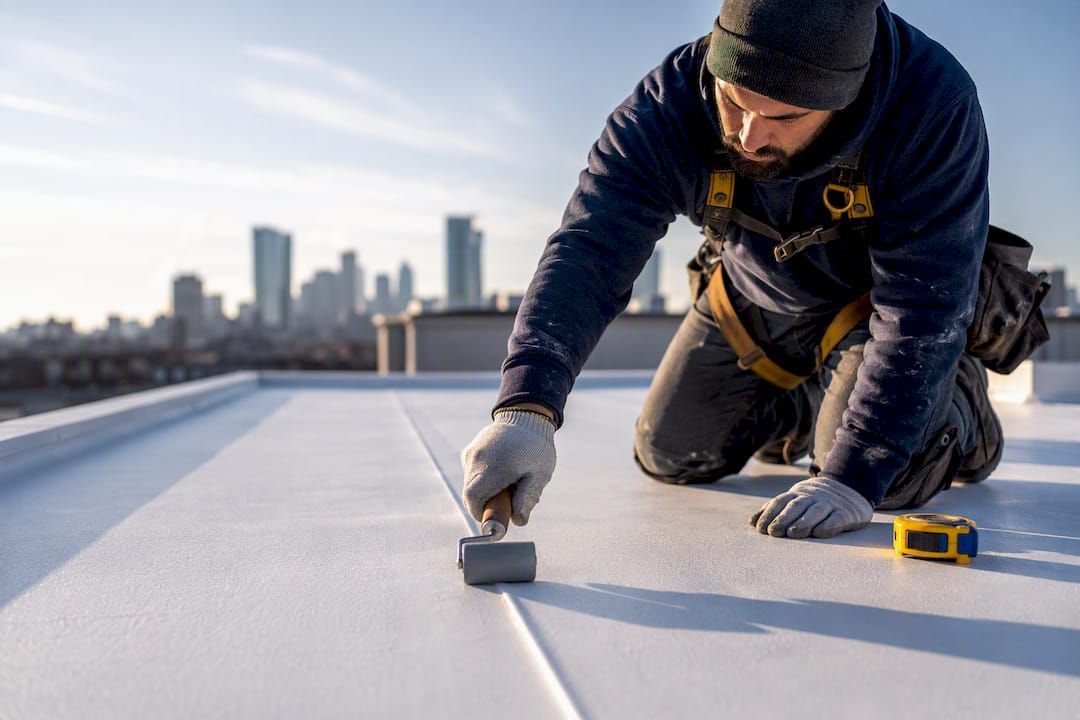
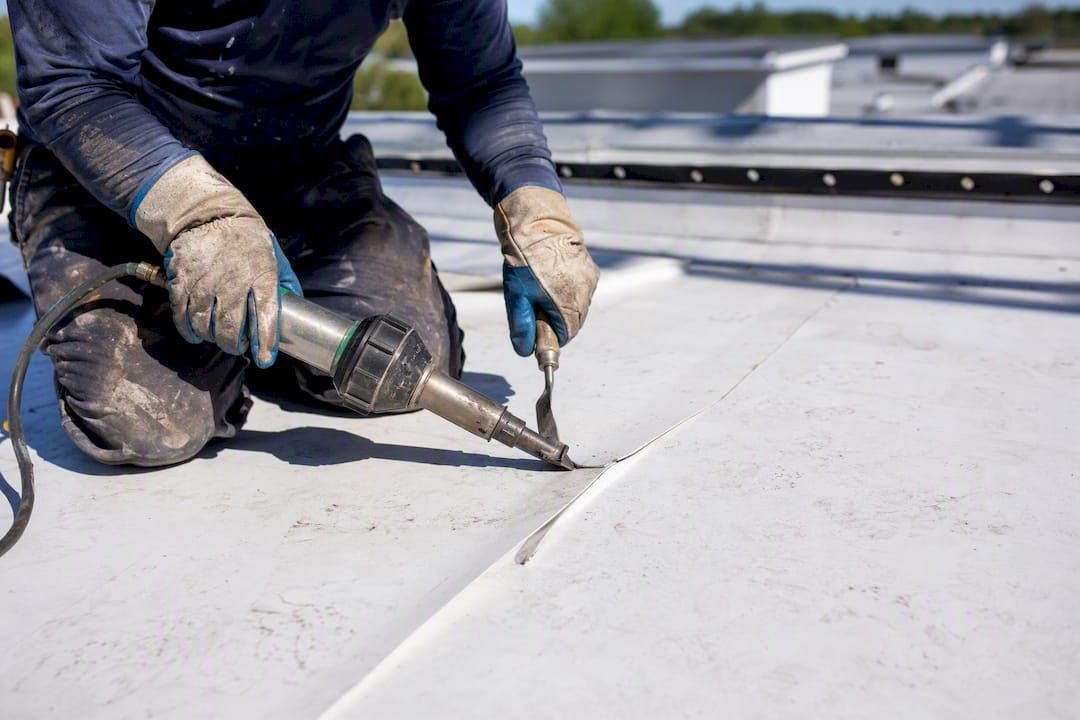
- Age relative to material lifespan. Architectural asphalt shingles typically last 25 to 30 years, 3-tab asphalt closer to 20, standing-seam metal 40 to 70 years, tile 50-plus years, and low-slope membrane systems like TPO 20 to 30 years. Check your permit history or the original install date to estimate age.
- Damage pattern. Is the problem confined to one slope or flashing point, or does it show up in multiple, unrelated spots? Widespread issues almost always point toward replacement.
- Repair history. Two or three patch jobs in the last five years is a warning sign, not a coincidence.
- How long you're staying put. A homeowner selling in two years has different math than one settling in for 15, as explained in When to Replace Your HVAC System: A Homeowner's Checklist.
- Insurance and code exposure. Recent hail or wind events may be covered, and local code updates sometimes require upgrades you wouldn't need for a simple patch.
Pull these together before you get quotes. Contractors give better advice when you already know your roof's age and history.
When Is a Roof Repair Usually Enough?
A repair makes sense when the problem is contained and the roof underneath still has good years left. In practice, that covers a narrow but common set of situations.
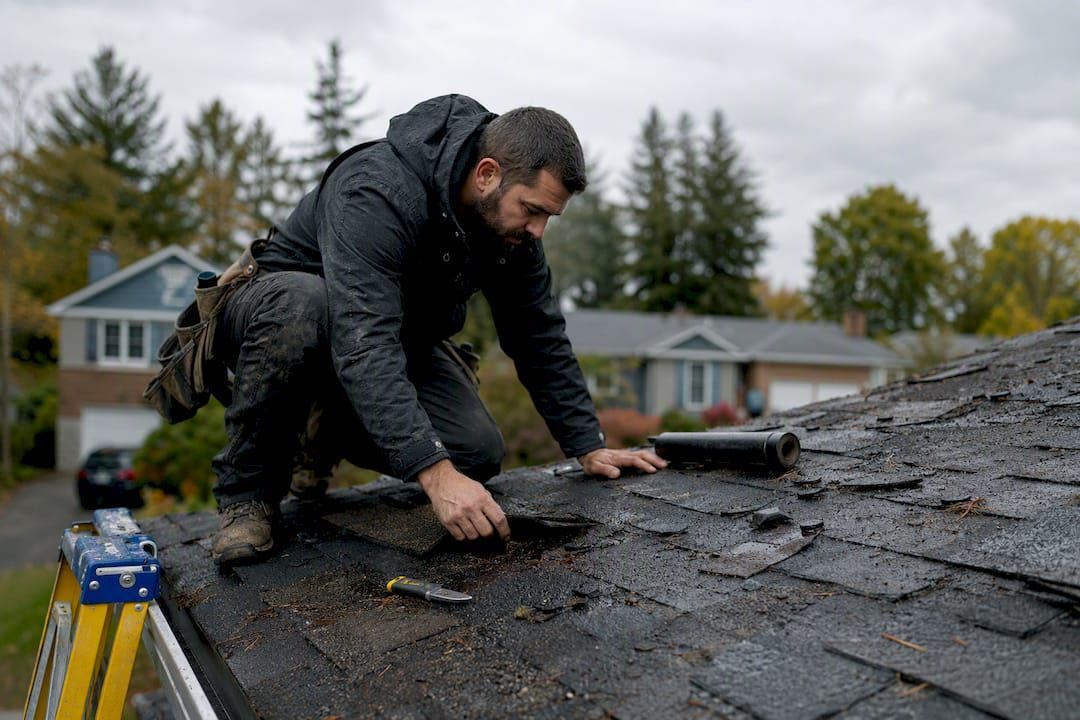
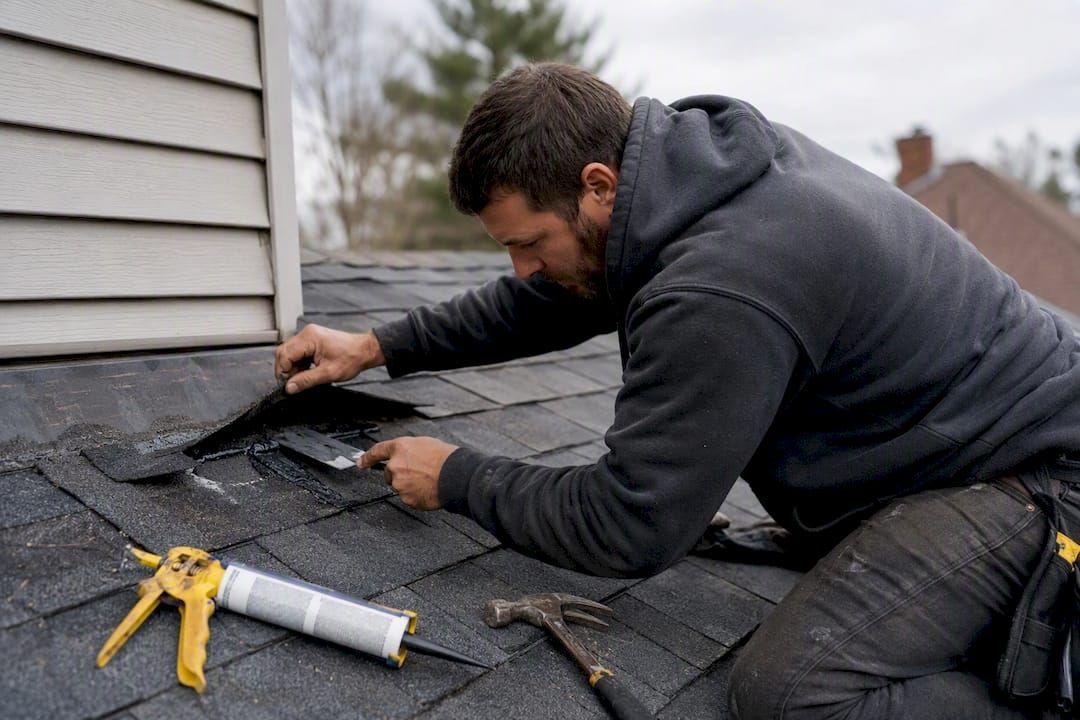
- A single active leak traced to one penetration point (a vent boot, skylight seal, or chimney flashing).
- Storm damage limited to a small section, like a handful of lifted or cracked shingles after a wind event.
- Isolated impact damage from a fallen branch or hail on one slope only.
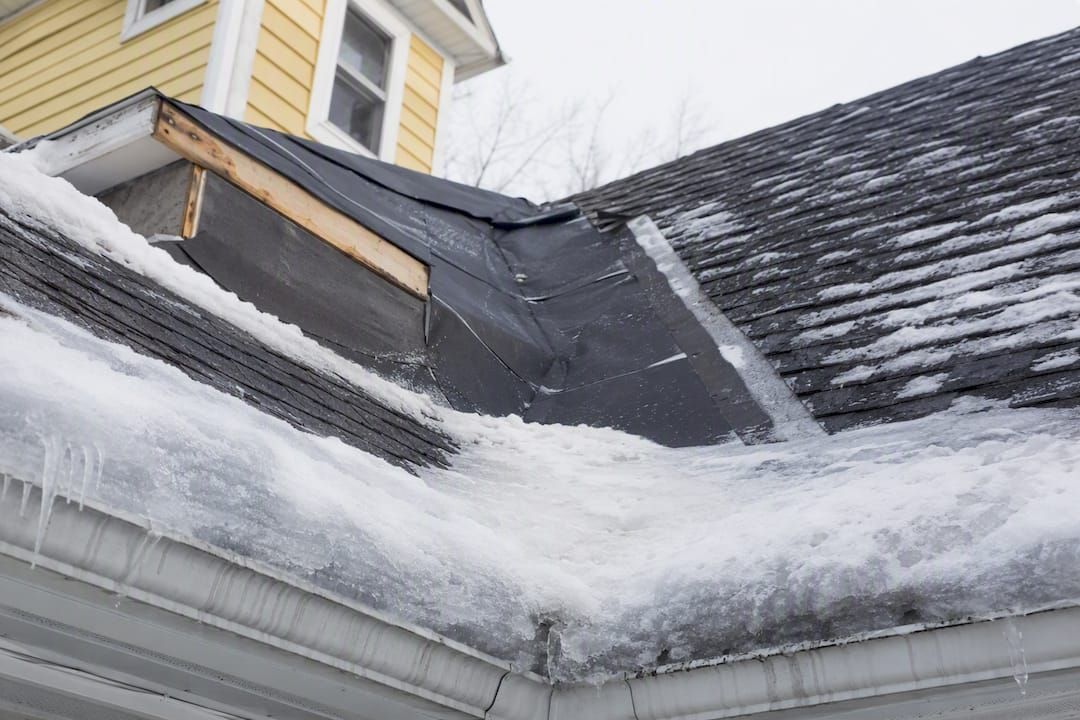
- Flashing failure around a dormer or valley with no sign of rot underneath.
Repair only holds up long term when the decking is dry and solid, attic ventilation is working, and the area hasn't already been patched more than once. If a roofer pulls back shingles and finds soft or discolored decking, that's not a repair anymore. Repair costs for these scenarios generally run from a few hundred dollars to a few thousand, depending on scope and materials, according to SquareDash's cost data.
Pro Tip: Get a written scope of work that specifies exactly which shingles, flashing, or decking sections are being replaced, plus a limited warranty on that specific repair area. A verbal "we'll patch it up" leaves you with no recourse if the same spot leaks again next season.
When Should You Replace Instead of Repair?
Some signs leave no ambiguity.
- Granule loss across multiple slopes, not just one patch
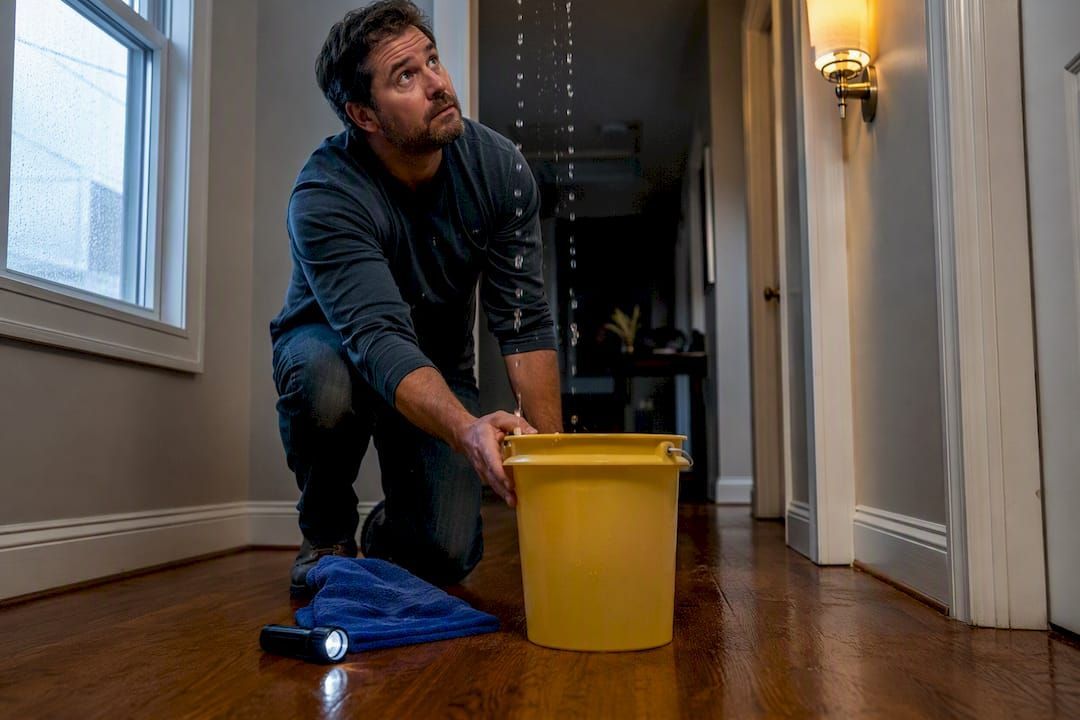
- Two or more active leaks in different areas of the house
- Any visible sag, which usually signals structural or decking failure
- Daylight visible through the roof deck from inside the attic
- Roof age at or beyond roughly 80% of its material's expected lifespan
The financial test backs this up. Industry guidance generally treats a repair estimate at 25% of replacement cost as a caution point, and 50% as a strong signal to replace instead. A lifespan-percent framework works the same way: repair is usually fine under about 60% of expected life, but past 80%, you're extending a system that's already failing in multiple places.
Replacement also resets the clock. You get a full manufacturer warranty, current building code compliance, and often a bump in resale value that a patchwork roof can't match. Insurers sometimes factor in the new roof's age when calculating premiums, too.
How Do the 25% and 50% Repair Rules Work?
The math is simpler than it sounds. Get a repair estimate, then compare it against a rough replacement quote for the same roof. If the repair lands under 25% of that replacement figure, it's usually a safe bet.
- Add up repairs from the last five to ten years before comparing, not just the current estimate.
- A Remodeling Magazine analysis found that repeated repairs on an aging roof often cost more over a five to ten year window than one replacement would have.
- For a 2,000 square foot roof, full replacement typically falls in the mid-five to low five-figure range depending on material, while individual repairs usually run from a few hundred to a few thousand dollars.
- If cash flow is tight, ask about financing, check whether storm damage is covered under your policy, and consider scheduling replacement in the off-season when contractors often have more flexible pricing.
Run the cumulative math before you commit to "just one more patch." A maintenance history that tracks capital costs over time usually makes the 25%/50% comparison obvious in hindsight.
What Should a Roof Inspection Include?
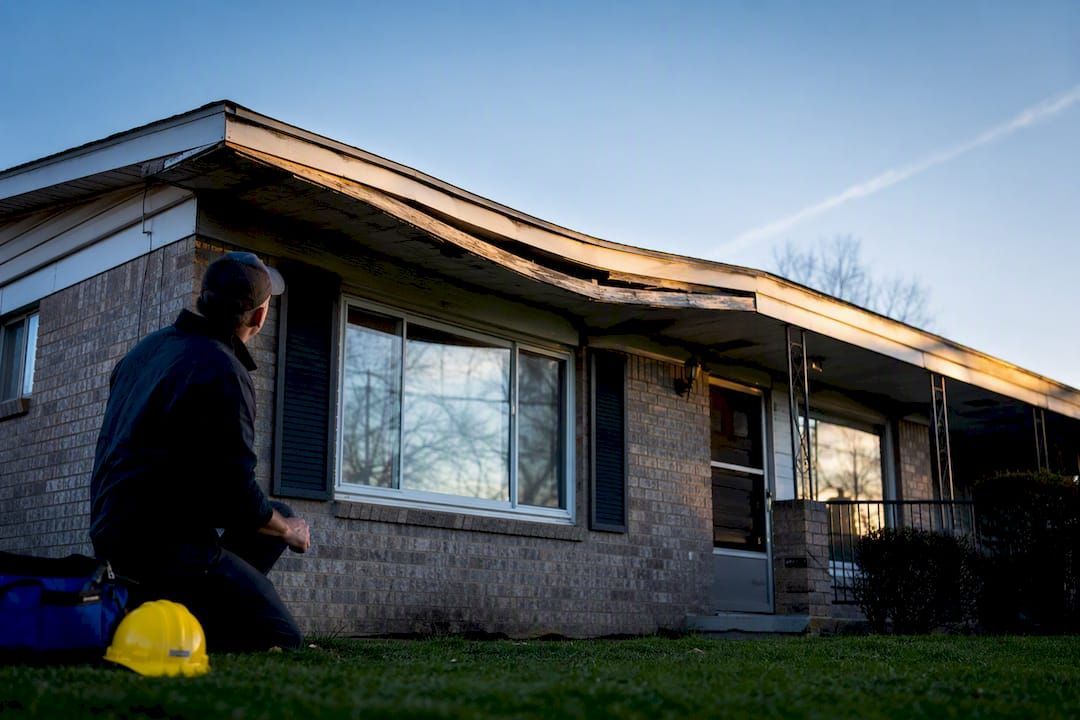
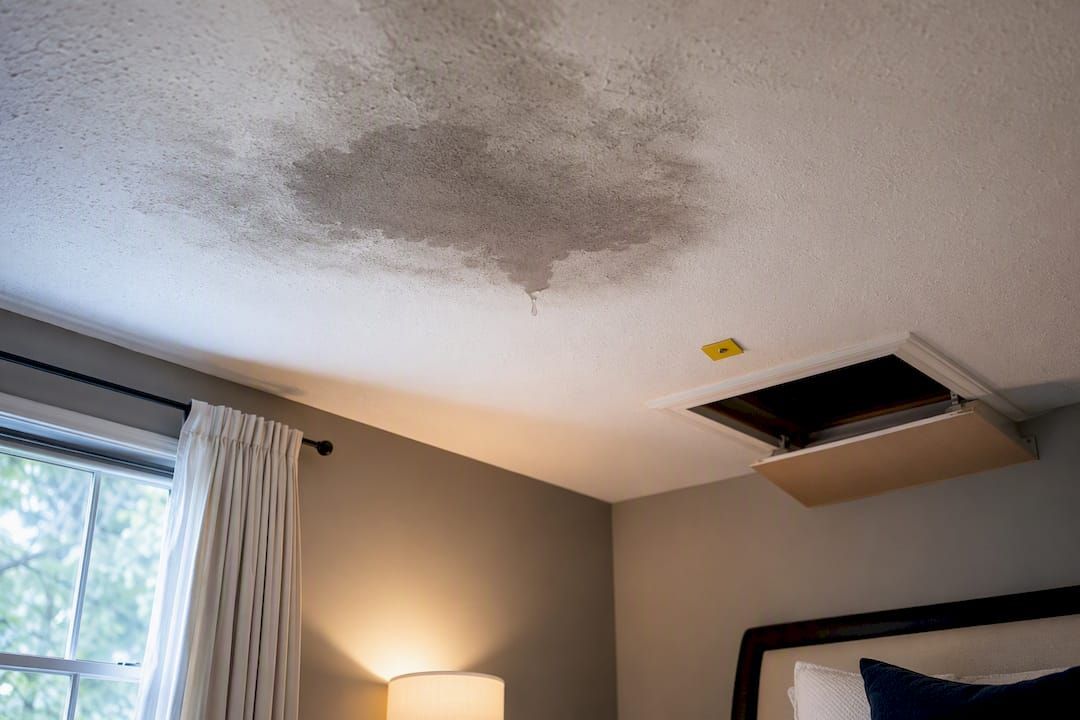
Start with what you can safely check from the ground and inside the house. Look in your attic for water stains, dark streaks, or actual daylight coming through the decking. Check your gutters for a buildup of granules, which signals shingles are wearing thin. Never climb onto the roof yourself to inspect it up close.
- Ask for close-up photos of shingles, flashing, and decking condition, not just a drive-by estimate.
- Confirm the contractor is licensed and carries liability and workers' compensation insurance.
- Request references from jobs completed in the last year, ideally similar in scope to yours.
- Get a written estimate that specifies tear-off versus overlay, materials, and warranty terms.
- Ask directly what happens if they find rotted decking once they open up the roof.
A legitimate professional inspection covers attic checks, surface inspection, and a decking condition report, not just a quick look from the driveway.
Pro Tip: If an estimate comes in dramatically lower than others with no explanation, ask what's excluded. Cheap bids often skip decking replacement or proper ventilation work, then hit you with change orders once the tear-off starts.
How Long Does Roof Repair vs. Replacement Take?
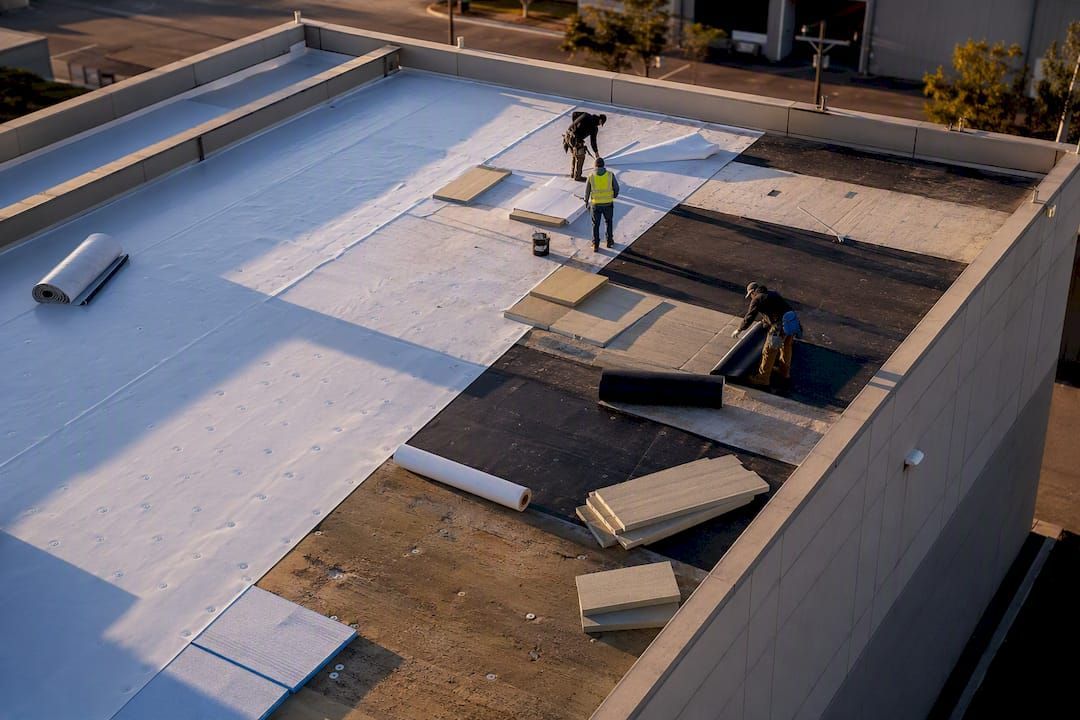
Repairs are fast. Most isolated jobs, like flashing replacement or patching a storm-damaged section, take a few hours to a day. Full replacement is a bigger commitment: active tear-off and installation usually takes two to five days, but the full roof replacement timeline, including permits, material delivery, and scheduling, often runs one to three weeks.
- Schedule replacement during dry, mild-weather months when possible to avoid delays from rain or extreme heat.
- Permits and inspections can add several days depending on your local jurisdiction.
- If you're waiting on a decision or a contractor's schedule, a tarp or emergency flashing can prevent further water intrusion in the meantime.
- Never attempt temporary roof repairs yourself in wet or icy conditions; that's when most fall-related injuries happen.
How Does Climate Affect the Repair or Replacement Decision?
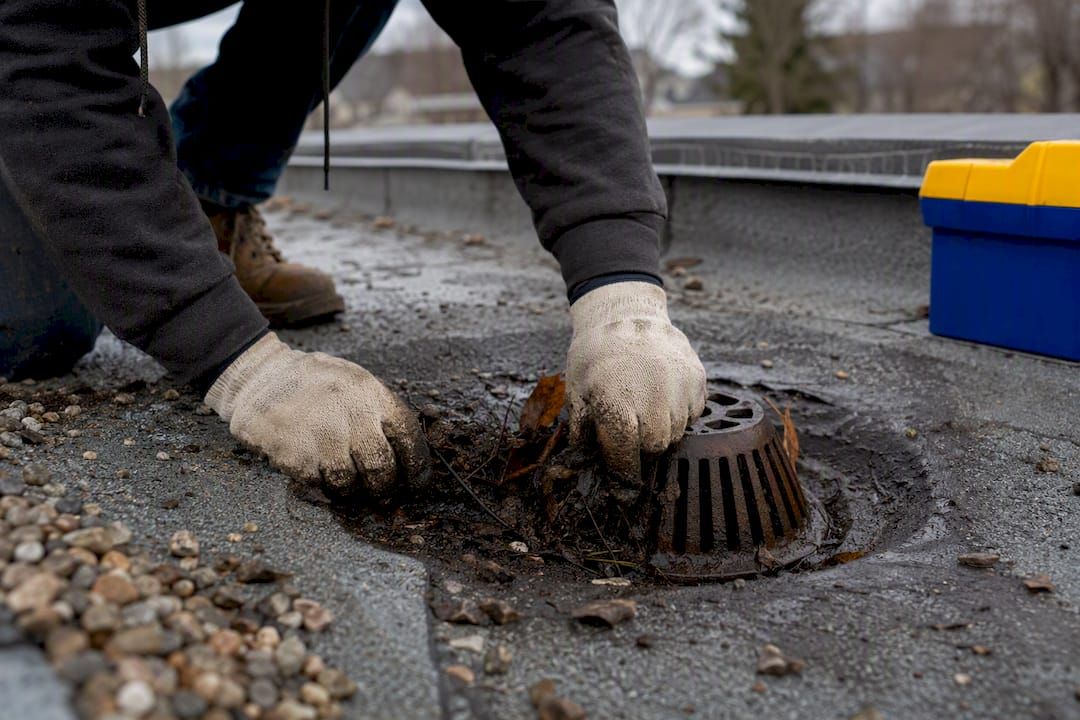
Climate changes both the math and the urgency. In regions with heavy snow load, sagging or ponding water on a low-slope roof is a much more immediate structural concern than the same issue in a dry climate, and it usually tips the decision toward replacement faster.
Homeowners in hurricane and high-wind zones face a different calculation. Wind can lift the adhesive seal across large sections of a roof without a single missing shingle, which means the damage looks minor from the ground but is actually widespread. Fixr's research on asphalt shingle failure modes points out that ground inspections routinely undercount storm damage for exactly this reason, so a close inspection after any major wind event matters more than a visual scan.
Intense UV exposure in hot, sunny climates accelerates granule loss and shingle brittleness, shortening the practical lifespan of asphalt roofs even when the manufacturer's rating suggests more years remain. Freeze-thaw cycles in colder climates work differently, driving moisture into small cracks and widening them each winter, which turns a minor repair candidate into a replacement candidate faster than in milder regions.
If you're in a wildfire-prone or high-wind area, it's also worth asking about resilience programs like FORTIFIED Home, which can factor into both the replacement decision and potential insurance savings. Local climate doesn't just affect how fast a roof wears out. It changes which damage signs deserve urgent attention versus which ones can wait for a scheduled repair.
Does Repairing or Replacing Affect Your Roof Warranty?
This is where a lot of homeowners get caught off guard. Most manufacturer warranties on shingles and roofing systems are tied to proper installation by a certified contractor, and unauthorized repairs by a different company can sometimes void portions of that coverage.
If your roof is still under its original warranty, check the paperwork before authorizing any repair work, especially if it's not from the original installer. Some manufacturer warranties specifically require that repairs use matching materials and approved methods, or the warranty on the surrounding area becomes void.
Replacement resets this entirely. A full tear-off and replacement starts a new manufacturer warranty, typically covering materials for 25 to 50 years depending on the product line, plus a separate workmanship warranty from the contractor covering the installation itself. That workmanship warranty is often more valuable than the material warranty, since most roof failures trace back to installation issues, not defective shingles.
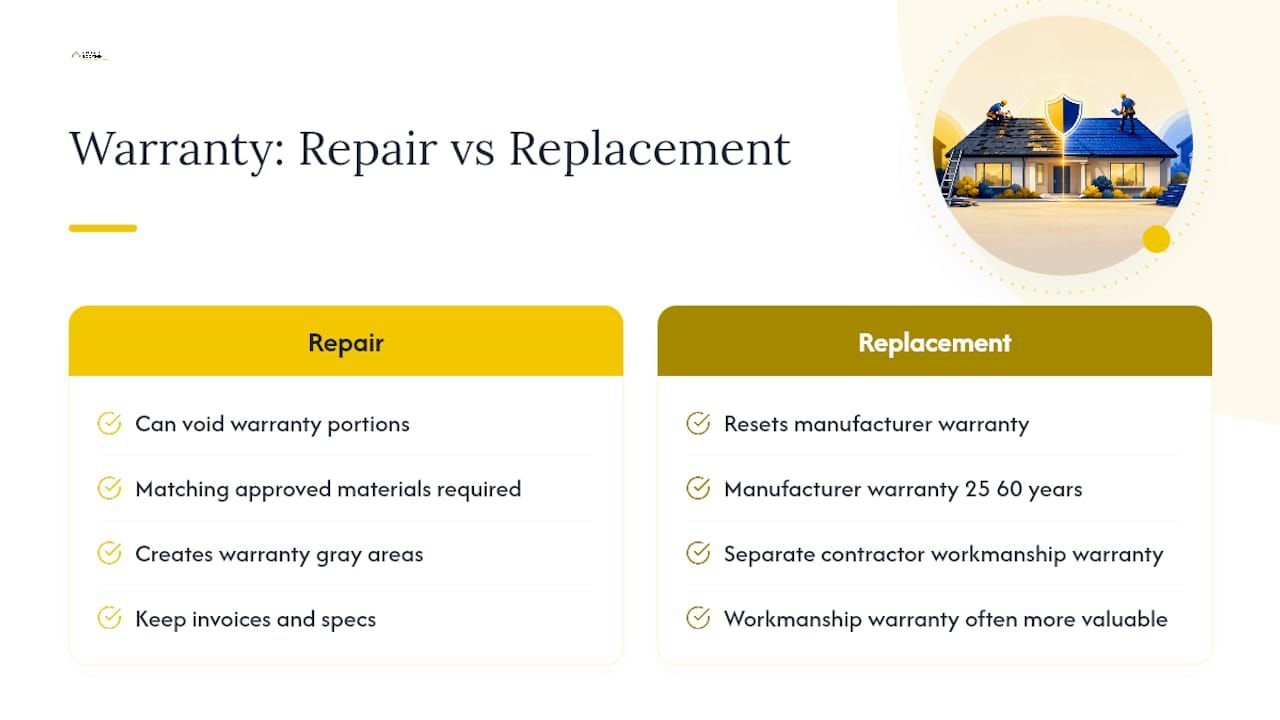
One nuance worth knowing: patching a roof that's still under warranty with a different contractor's materials can create a gray area if a leak shows up later. The manufacturer may argue the failure originated at the repair point, not the original installation. Keep every invoice and material spec sheet from any repair work, even small ones, so you have documentation if a warranty dispute ever comes up.
What Happens to Old Roofing Materials During Replacement?
A full tear-off generates a real amount of waste. A typical 2,000 square foot asphalt shingle roof produces several tons of old shingles, underlayment, and sometimes decking material, all of which has to go somewhere.
Asphalt shingles are increasingly recyclable, most commonly ground down and reused as an additive in asphalt pavement. Not every hauler or landfill offers this option, so it's worth asking your contractor directly whether they route old materials to a recycling facility or straight to a landfill. Some municipalities also have specific disposal requirements or fees for construction debris, which a licensed local contractor should already know.
Metal roofing has the best environmental profile at end of life since it's almost entirely recyclable and often has real scrap value, which can occasionally offset a small part of removal costs. Tile roofing, when it's damaged beyond repair, is harder to recycle but individual tiles are sometimes salvaged and resold for repair work on other tile roofs in the area.
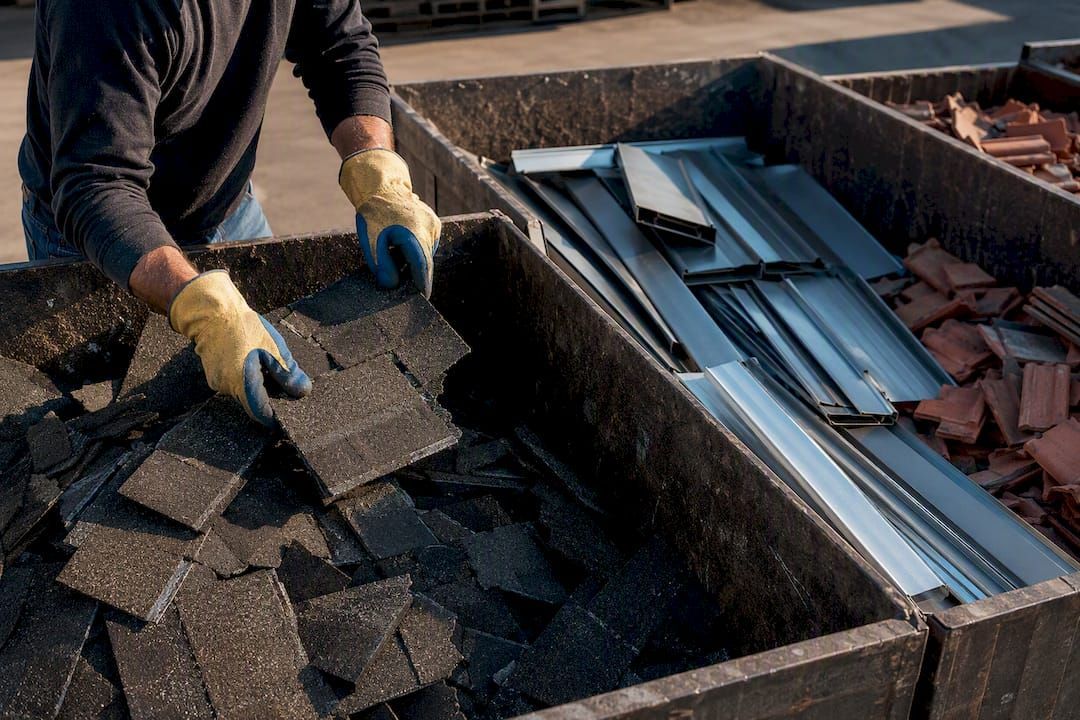
If sustainability matters to you, ask two direct questions before hiring: where does the old material go, and does the new material itself have recycled content or a take-back program at the end of its life. A contractor who can't answer either question probably hasn't set up that side of the process, which isn't necessarily a red flag on quality, but it does mean you'll need to specify it yourself if it matters to your decision.
Can You Improve Energy Efficiency With a New Roof?
Repairs generally don't change your home's energy performance much, since you're restoring a small section rather than touching insulation or ventilation across the whole roof. Replacement is a different story. It's one of the few times you can upgrade the entire system at once, and skipping that opportunity is one of the more common regrets homeowners mention after the fact.
During a full replacement, you can add or upgrade attic insulation, install ridge and soffit ventilation that actually balances airflow, or switch to reflective or "cool roof" shingle products that reduce attic heat buildup in hot climates. GAF Solar Shingles integrate solar generation directly into the roofing material itself, an option that doesn't exist with a standard repair or even most standalone solar panel installs, since it replaces the roofing surface and the energy system in one product.
None of these upgrades are available if you're patching a section of an existing roof; you're working within the constraints of what's already there. If lowering utility bills or improving comfort in extreme temperatures is part of your motivation, that's a strong argument for replacement even when a roof's condition is borderline between the two options.
An Editorial Take on the Repair-or-Replace Decision
Most homeowners overthink the damage and underthink the math. They'll spend an hour on a ladder photographing missing shingles, then skip the far more useful exercise of adding up what they've already spent on that roof over the last five years. That cumulative number, not the current estimate, is usually what should drive the decision.
The other blind spot is warranty status. Homeowners assume a working roof under warranty is protected no matter who touches it, and that assumption occasionally costs them the exact coverage they thought they had. If your roof is still under a manufacturer warranty, that paperwork deserves five minutes of attention before any repair crew steps on your property.
Contractors who push replacement on every job deserve skepticism, but so do the ones who patch the same roof three times in four years without ever mentioning the decking might be the real problem. A good inspection tells you which one you're dealing with, and that's the entire reason this decision shouldn't be made from a driveway.
— Cesar
Ready for a Professional Roof Inspection?
If you've run through the age, damage, and cost checks above and you're still not sure which way to go, that's exactly what a professional inspection is for. Licensed, detailed roof inspections that document decking condition, ventilation, and damage extent are available to help you make a decision based on facts instead of guesswork.
We recommend getting more than one estimate before committing to either path, but if you want a straightforward, no-pressure assessment, request a roof inspection and we'll walk you through exactly what we find. If the damage turns out to be isolated, our team can move forward with roof repair. If it's more extensive, we'll lay out clear options for full roof replacement, including GAF Solar Shingle and TPO options for homeowners looking to upgrade energy performance at the same time.
Sources
FAQ
Is It Better to Repair or Replace a Roof?
It depends on age and damage scope: repair if the roof is well under its expected lifespan with damage under 30% of the surface, and replace if it's near or past its lifespan or repair costs approach 25% to 50% of replacement cost.
How Do I Know if My Roof Needs Repair or Replacement?
Check the roof's age against its material lifespan, look for widespread granule loss, multiple leaks, sagging, or daylight in the attic, and get a professional inspection that reports on decking condition before deciding.
How Much Should a 2,000 Sq Ft Roof Cost?
A full replacement for a 2,000 square foot roof typically falls in the mid-five to low five-figure range depending on materials, while isolated repairs usually run from a few hundred to a few thousand dollars.
Can a Repair Void My Roof's Existing Warranty?
Yes, in some cases. Many manufacturer warranties require repairs to be performed by an approved contractor using matching materials, so unauthorized patch jobs can void coverage on the surrounding area.
Does Roof Replacement Improve Energy Efficiency?
Replacement lets you upgrade insulation, balance attic ventilation, and choose reflective or solar-integrated materials like GAF Solar Shingles, none of which are practical to add during a standard repair.
Recommended
Recent Posts