

Roof Leak Warning Signs Every Homeowner Should Know
Roof leak warning signs are observable indicators that moisture has breached your roofing system, and catching them early is the difference between a minor repair and a major structural overhaul. Water damage rarely announces itself loudly. It creeps through shingles, travels along rafters, and soaks into insulation for weeks before you notice a stain on your ceiling. Industry experts recommend scheduling a professional inspection at least twice a year to catch problems before they compound. This guide walks you through every major sign, inside and out, so you can act before the damage gets expensive.
1. What are the most common roof leak warning signs on the exterior?
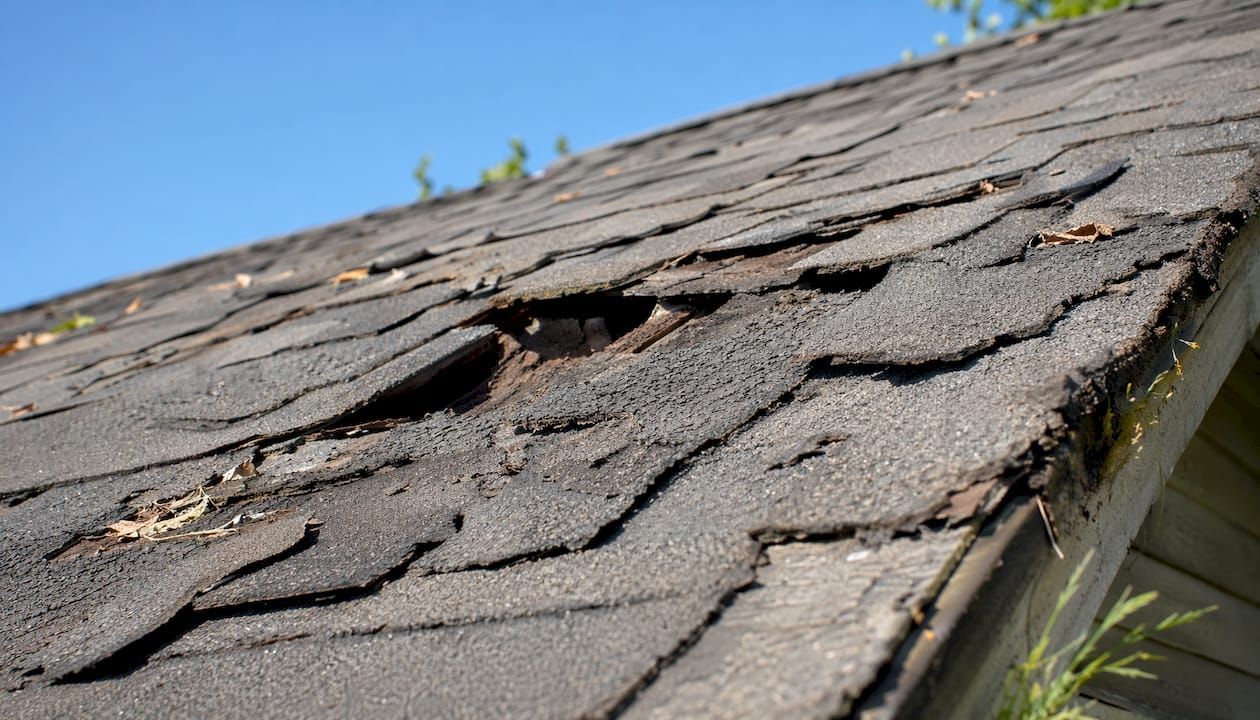
The exterior of your roof is the first place to look when you suspect a problem. Most signs of roof damage appear on the surface long before water reaches your living space.
| Exterior Warning Sign | Common Cause | Urgency Level |
|---|---|---|
| Missing or cracked shingles | Wind, impact, or age | High |
| Curling or buckling shingles | Moisture imbalance or aging | Medium-High |
| Granules in gutters | Advanced shingle wear | Medium |
| Damaged or lifted flashing | Thermal movement, corrosion | High |
| Moss or algae growth | Moisture retention, shade | Medium |
| Gaps around vent pipes | Sealant failure or movement | High |
Shingle granules protect the asphalt layer underneath from UV damage. Granule loss visible in gutters is a definitive sign of advanced wear, leaving the asphalt exposed to cracking and accelerated deterioration. Once you see coarse, sand-like material collecting in your downspouts, the shingles are past their prime.
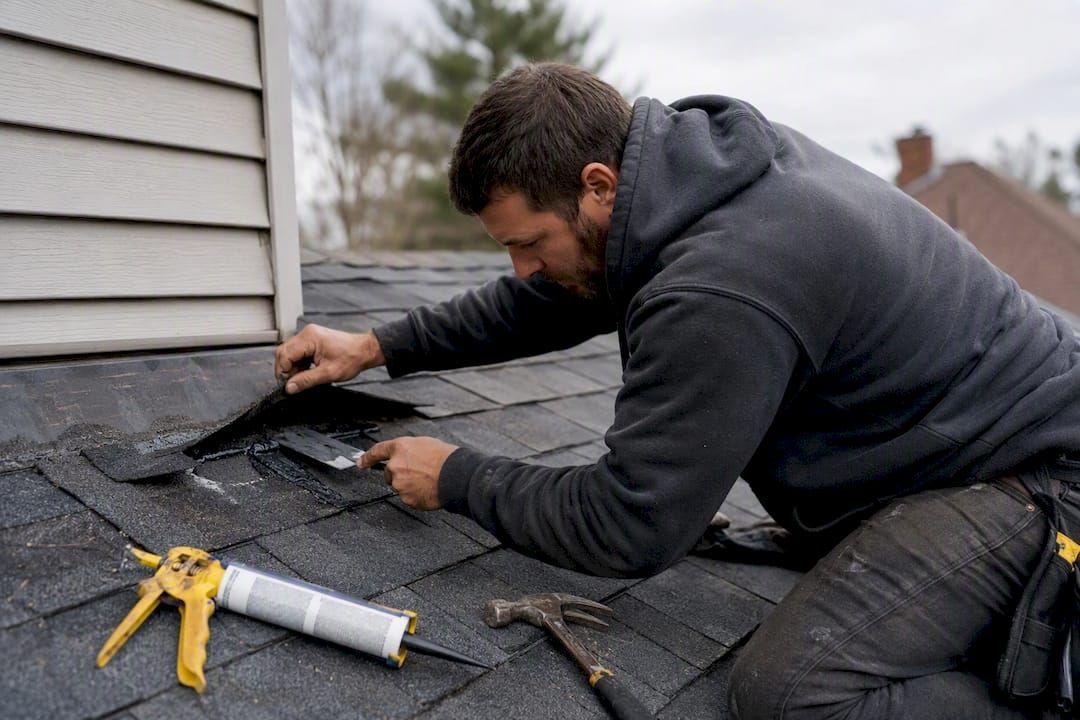
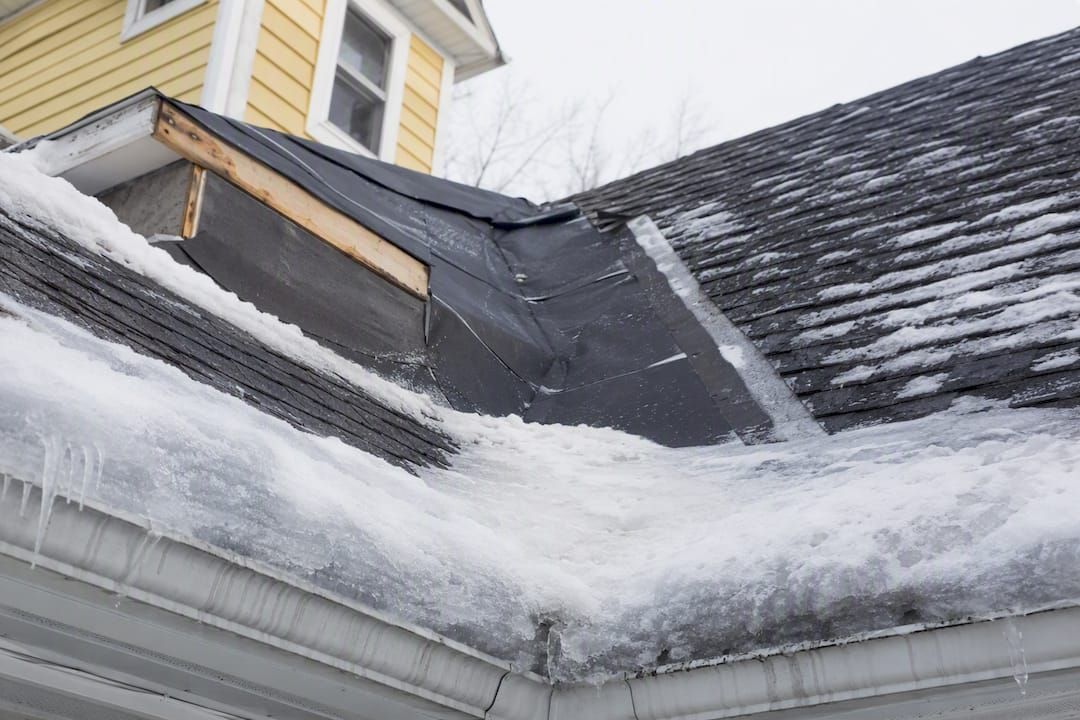
Flashing is the thin metal strip that seals the joints between your roof and vertical surfaces like chimneys, skylights, and vents. Flashing failures cause most roof leaks before the primary roofing material itself fails. A lifted or corroded flashing strip is a direct water entry point, even if every shingle around it looks perfect.
Moss and algae growth signals that moisture is sitting on your roof surface longer than it should. The root systems of moss physically lift shingles over time, creating gaps where water can enter. Debris accumulation in valleys, where two roof planes meet, causes the same problem by blocking drainage.
Pro Tip: Inspect your roof from the ground using binoculars. You can spot missing shingles, granule loss, and visible moss without setting foot on a ladder. Leave any close-up or hands-on inspection to a licensed professional.
2. How to recognize interior signs of a roof leak early
Interior signs of a leak often appear after water has already been traveling through your structure for some time. Catching them early limits the damage significantly.
Key interior indicators to watch for:
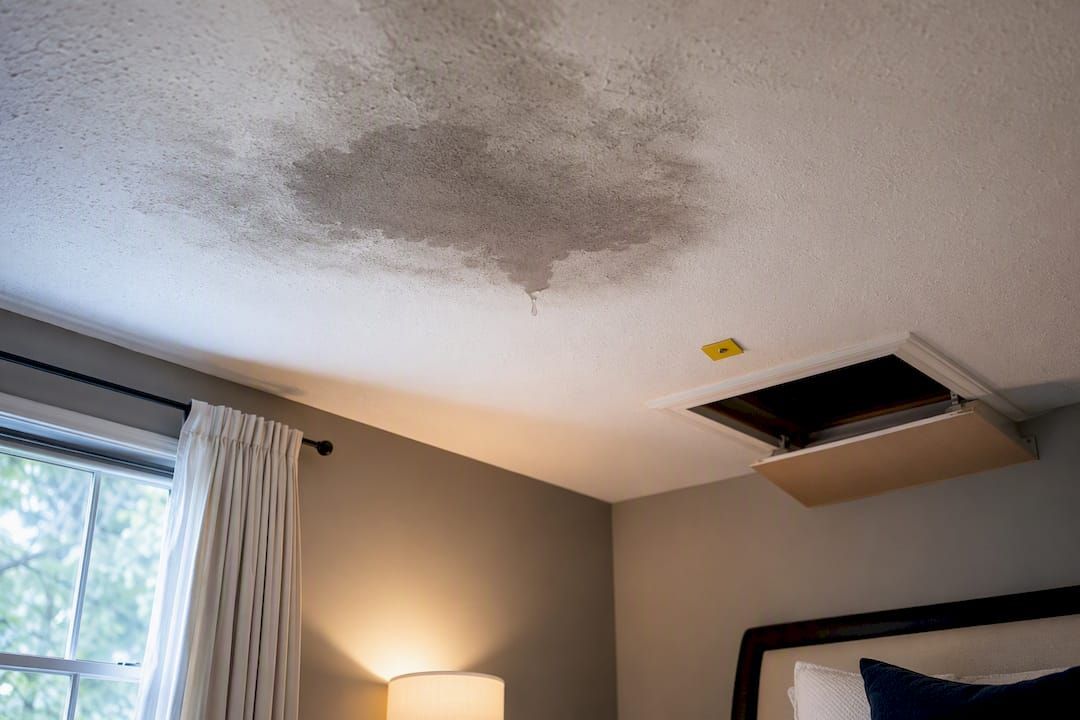
- Ceiling water stains: Brown or yellow rings on your ceiling, especially ones that grow larger after rain, signal active water intrusion above.
- Bubbling or peeling paint: Moisture trapped behind wall or ceiling finishes pushes the paint away from the surface. This often appears near exterior walls or below the roofline.
- Sagging drywall: Drywall that bows downward has absorbed significant water. This is a late-stage sign that requires immediate attention.
- Musty odors: A persistent damp smell in your attic or upper rooms points to mold or mildew growing inside wall cavities or insulation.
- Inconsistent heating or cooling: Wet insulation loses its thermal performance. If certain rooms feel harder to heat or cool, saturated insulation above may be the cause.
One detail most homeowners miss: water travels along roof decking and rafters before it pools and drips through the ceiling. The stain you see in your living room may be several feet away from the actual breach in your roof. Chasing the stain directly to find the leak source almost always leads you to the wrong spot.
IKO notes that attic condensation can mimic leak signs almost exactly. Stains, mold, and mildew caused by poor ventilation or inadequate insulation look identical to water intrusion damage. If you see signs but cannot connect them to a specific rain event, condensation may be the culprit rather than a roof breach.
3. Why some roof leaks stay hidden and how to detect them proactively
Many roof leaks remain hidden for weeks or months while water soaks into attic insulation and structural members. By the time a ceiling stain appears, the leak has usually been active for a long time. This is why visible interior damage is a late-stage warning, not an early one.
The attic is your best early detection zone. Go up there with a flashlight after a heavy rain and look for these specific signs:
| Detection Method | What to Look For | DIY or Professional |
|---|---|---|
| Attic visual inspection | Dark staining on decking, damp insulation, daylight through roof boards | DIY |
| Ceiling and wall scan | Water stains, bubbling paint, sagging drywall | DIY |
| Hose testing | Systematically wet roof sections while a helper watches inside | Professional recommended |
| Thermal imaging | Temperature differences revealing hidden moisture | Professional only |
| Physical flashing check | Lifted, cracked, or corroded metal at joints | Professional recommended |
Nail pops create small, hidden water entry points that are nearly impossible to spot from the ground. When roofing nails back out of the decking due to thermal expansion and contraction, they leave a tiny gap that channels water directly into the structure. These are common on roofs installed during extreme temperature conditions.
Hose testing is the most reliable DIY-adjacent method for finding elusive leaks. You or a helper runs water over specific roof sections while someone inside watches for drips. Work from the bottom of the roof upward, section by section, to isolate the source. This method takes patience but works well when the leak only appears during rain.
Pro Tip: Check your attic after every significant storm, not just when you notice interior damage. Catching dark staining or damp insulation early gives you time to repair before the structure is compromised. A roof inspection checklist can help you stay organized.
4. Common causes of roof leaks and how they show up as warning signs
Understanding what causes leaks helps you connect the dots between what you see and what needs fixing. Each cause produces a recognizable pattern of symptoms.
- Flashing failures: Lifted, cracked, or corroded metal around chimneys, skylights, and vents. You will see stains directly below these features on interior ceilings.
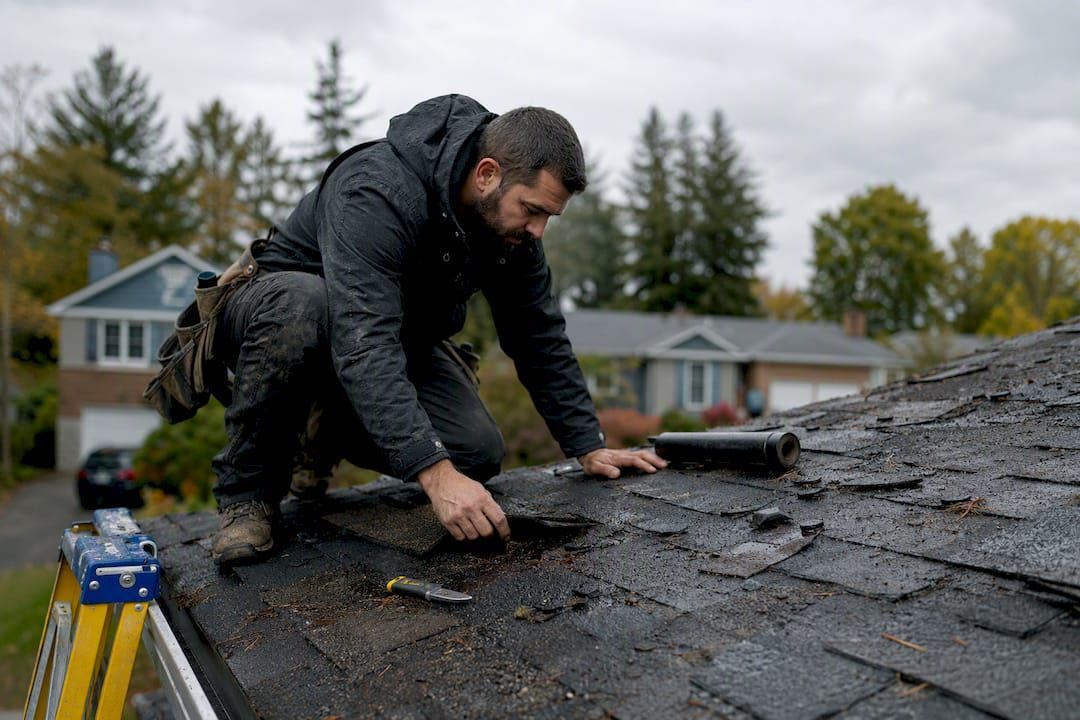
- Vent boot deterioration: Plumbing vent boots last only 10–15 years, far shorter than the 20–30 year lifespan of asphalt shingles. A cracked rubber gasket around a vent pipe is a predictable and common leak source.
- Nail pops: Small raised bumps on the shingle surface indicate nails backing out underneath. Water enters through the gap left behind.
- Clogged gutters: When gutters overflow, water backs up under the bottom row of shingles. This causes rot in the roof decking and fascia over time. Gutter cleaning is one of the most overlooked forms of roof protection.
- Moss and debris in valleys: Organic material holds moisture against the roof surface and accelerates shingle breakdown in the areas where water volume is highest.
- Structural sagging: A roofline that dips or waves indicates decking failure, often caused by long-term moisture exposure. This is a serious structural sign that goes beyond a simple leak repair.
- Pest damage: Squirrels, raccoons, and birds exploit weak points in soffits and fascia. Unusual scratching sounds or visible holes in the roofline are warning signs of roof problems that compound quickly.
The most overlooked cause is vent boot failure. Because the boots are rubber, they degrade faster than the surrounding shingles. A roof that looks perfectly healthy from the street can be actively leaking through a cracked boot that costs very little to replace if caught early.
5. When to call a professional instead of inspecting yourself
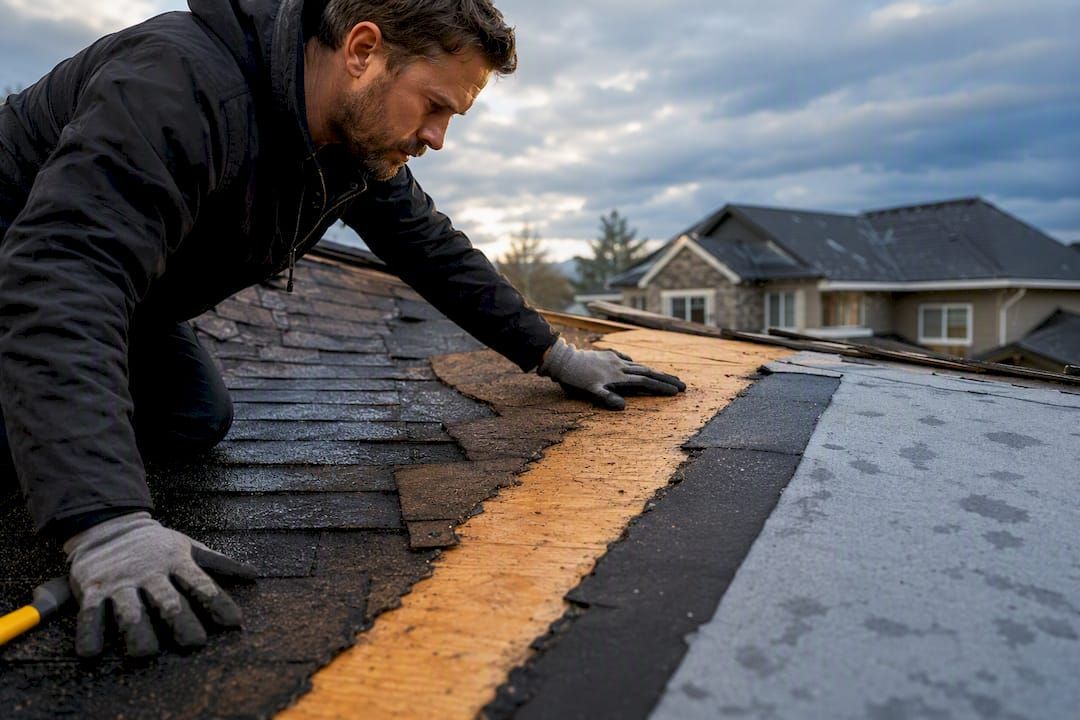
Some roof leak indicators are safe to observe from the ground or from inside your attic. Others require a licensed roofer with the right equipment and safety gear.
Call a professional immediately if you notice sagging drywall, because the ceiling may be holding a significant amount of water and could collapse. Structural sagging along the roofline also requires professional evaluation, since the decking or framing may be compromised. Any sign of active mold growth inside your attic or walls warrants both a roofer and potentially an air quality assessment.
Professional inspections twice per year are the single most effective way to catch problems before they become expensive. Professionals use thermal imaging, moisture meters, and systematic hose testing to find leaks that are completely invisible to the untrained eye. The cost of two inspections per year is a fraction of what a single structural repair costs after a leak has been ignored for a season.
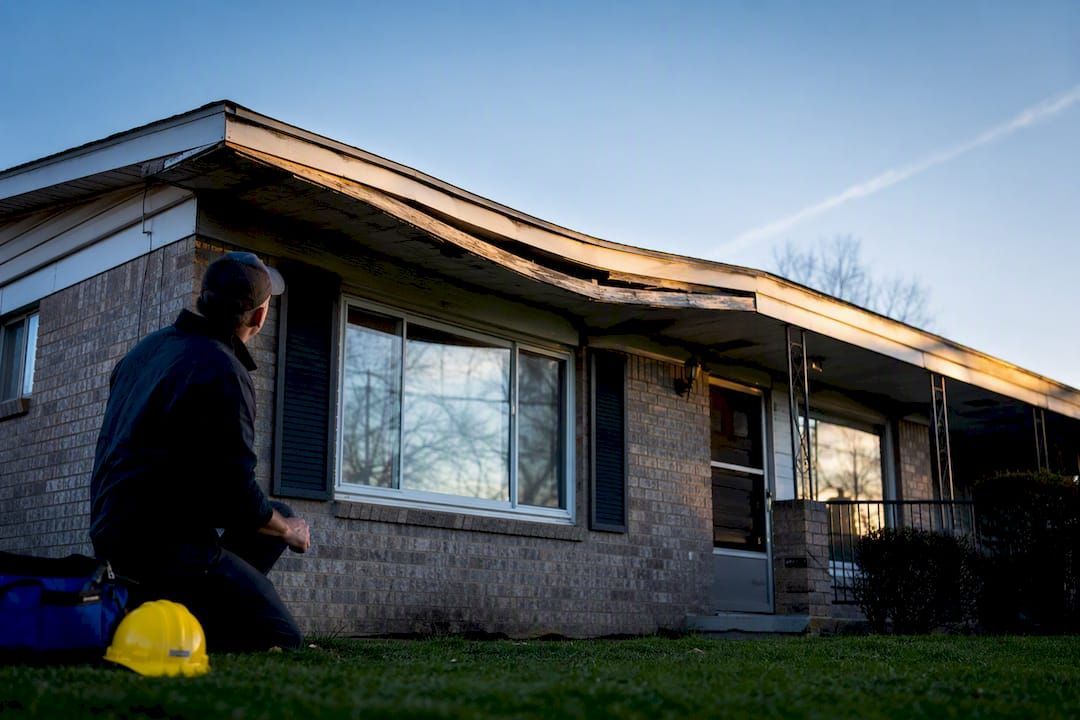
After a major storm, a visual check from the ground is always worth doing. Look for missing shingles, debris in gutters, and any visible damage to flashing. If anything looks off, schedule a professional follow-up rather than climbing up yourself. Roof surfaces are slippery and steep pitches create serious fall risks for homeowners without proper equipment.
Key takeaways
Catching roof leak warning signs early is the most cost-effective way to protect your home from structural water damage.
| Point | Details |
|---|---|
| Exterior signs come first | Missing shingles, granule loss, and flashing damage appear before interior stains develop. |
| Interior stains are late-stage | By the time you see a ceiling stain, water has likely been traveling through your structure for weeks. |
| Leak source and stain location differ | Water travels along rafters and decking, so the stain is often far from the actual breach. |
| Vent boots fail first | Rubber vent boots last 10–15 years, making them a predictable leak source on otherwise healthy roofs. |
| Twice-yearly inspections prevent major damage | Professional inspections twice per year catch hidden problems before they become structural repairs. |
What I've learned after years of watching homeowners miss the obvious signs
The most common mistake I see is homeowners waiting for a drip before they take action. By the time water is dripping onto your floor, the damage is already significant. The real warning signs showed up months earlier, and they were easy to miss because they did not feel urgent.
The condensation versus leak confusion is real and it trips up a lot of people. I have seen homeowners spend money chasing a "leak" that was actually attic condensation caused by a blocked soffit vent. IKO's guidance on distinguishing condensation from true leaks is worth reading before you assume the worst. The fix for condensation is ventilation, not a roof repair.
The other thing I want homeowners to understand is that vent boots are the silent killers of otherwise healthy roofs. A 15-year-old roof with intact shingles can be actively leaking through a cracked rubber boot that costs under $50 to replace. If your roof is more than 10 years old, have those boots checked specifically. Most homeowners have never heard of them.
My honest recommendation: do your ground-level visual check after every major storm, get into your attic with a flashlight twice a year, and schedule a professional inspection on the same schedule. That routine catches the vast majority of problems while they are still inexpensive to fix. Waiting until you see a stain on your ceiling is waiting too long.
— Cesar
Upstateroofingpros can find and fix your roof leak
If you spotted any of the warning signs covered here, the next step is a professional assessment before the damage spreads further.
Upstateroofingpros provides leak detection and repair services across Sacramento, Roseville, and nearby areas, using proven methods to locate leaks that are invisible from the ground. The team handles everything from flashing repairs and vent boot replacements to full roof repair for water-damaged decking and structural components. Scheduling an inspection after spotting warning signs is the fastest way to get a clear picture of what your roof needs and what it will cost to fix it right.
FAQ
What are the first signs of a roof leak?
The earliest signs are usually exterior: missing or curling shingles, granules collecting in gutters, and lifted flashing around chimneys or vents. Interior stains appear later, after water has already been traveling through the structure.
How do I know if my ceiling stain is from a roof leak?
A stain that grows larger after rain and has a brown or yellow ring pattern is a strong indicator of active water intrusion from above. Stains that appear without a rain connection may be caused by attic condensation rather than a roof breach.
Can a roof leak without any visible damage to shingles?
Yes. Flashing failures, cracked vent boots, and nail pops all create water entry points that are invisible from the ground and unrelated to shingle condition. A roof can look perfectly intact and still be actively leaking.
How far can water travel from the actual leak source?
Water frequently travels several feet along roof decking and rafters before dripping through the ceiling. The interior stain is rarely directly below the breach, which is why professional detection methods are more reliable than visual guesswork.
How often should I have my roof inspected for leaks?
Industry experts recommend professional inspections twice per year, plus an additional check after any major storm. This schedule catches most problems while they are still minor repairs rather than structural replacements.