

Why Flat Roofs Leak More: Causes and Prevention
Why flat roofs get a bad reputation for leaks
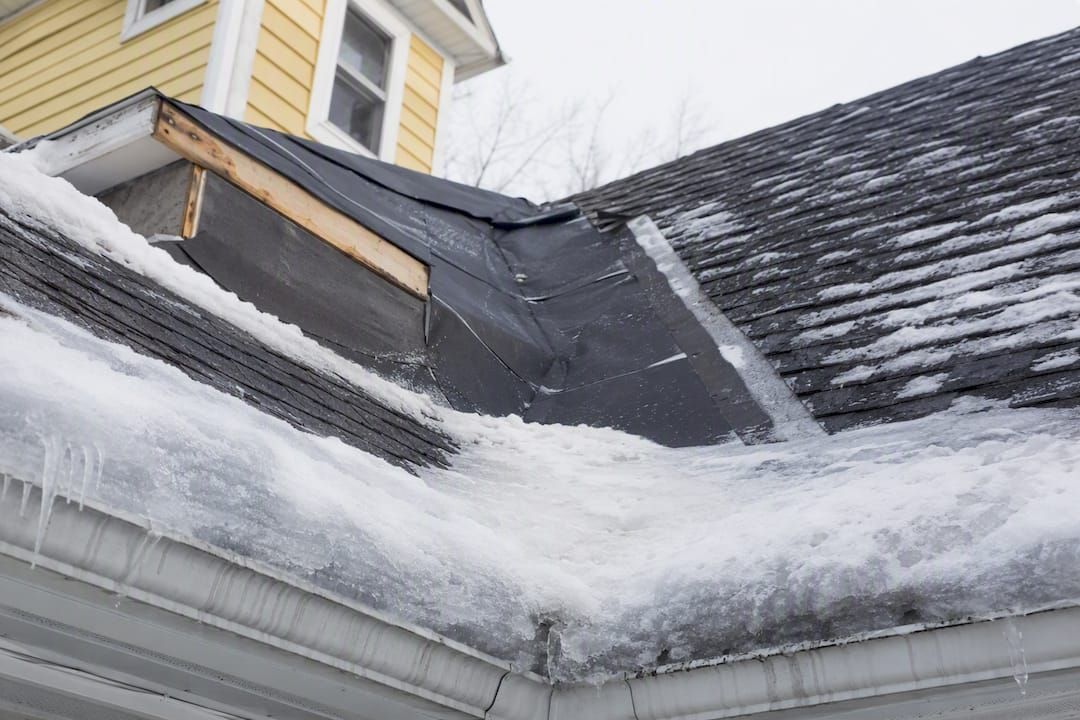
Flat roofs are not inherently leakier than pitched roofs. The real issue is that they fail differently, and those failures are easier to miss. A pitched roof sheds water by gravity the moment rain hits it. A flat roof, or more accurately a low-slope roofing system, depends entirely on engineered drainage to move water off its surface. When that drainage path is compromised, even slightly, water sits where it should not.
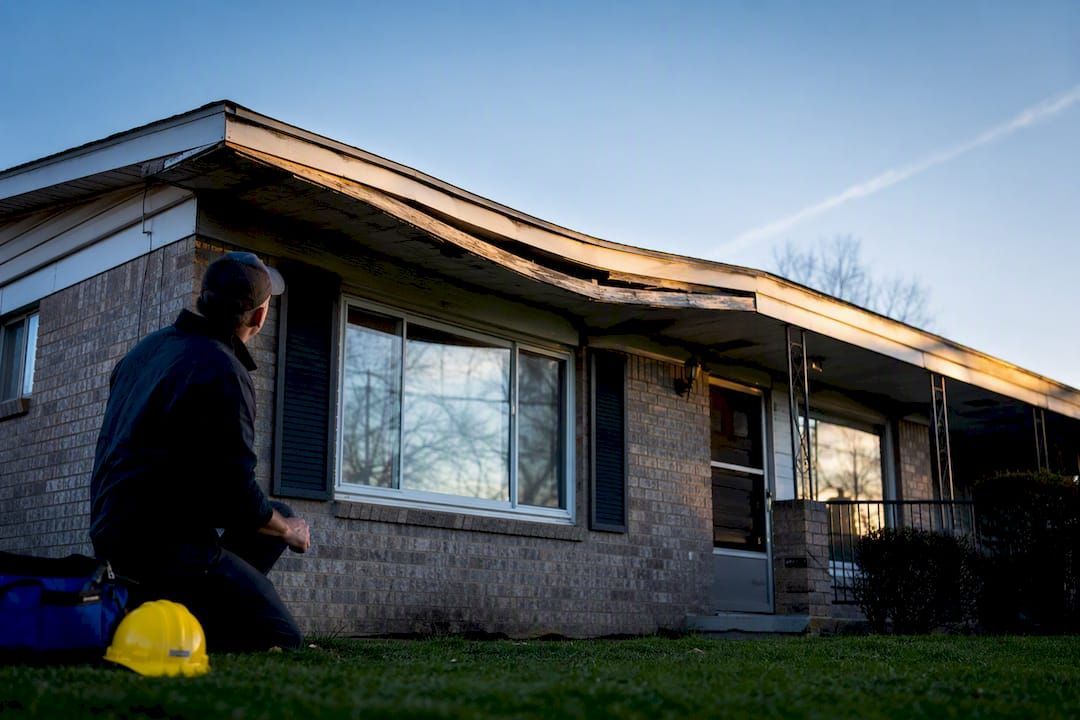
Industry standards recommend inspecting flat roofs at least twice per year and after major storms. Most homeowners skip this, which is exactly why small problems compound into expensive ones.
The failure modes that define flat roofs are specific: flashing separations at parapets and penetrations, seam fatigue from thermal expansion, and drainage blockages that create ponding. None of these are inevitable. They are predictable, and they are preventable.
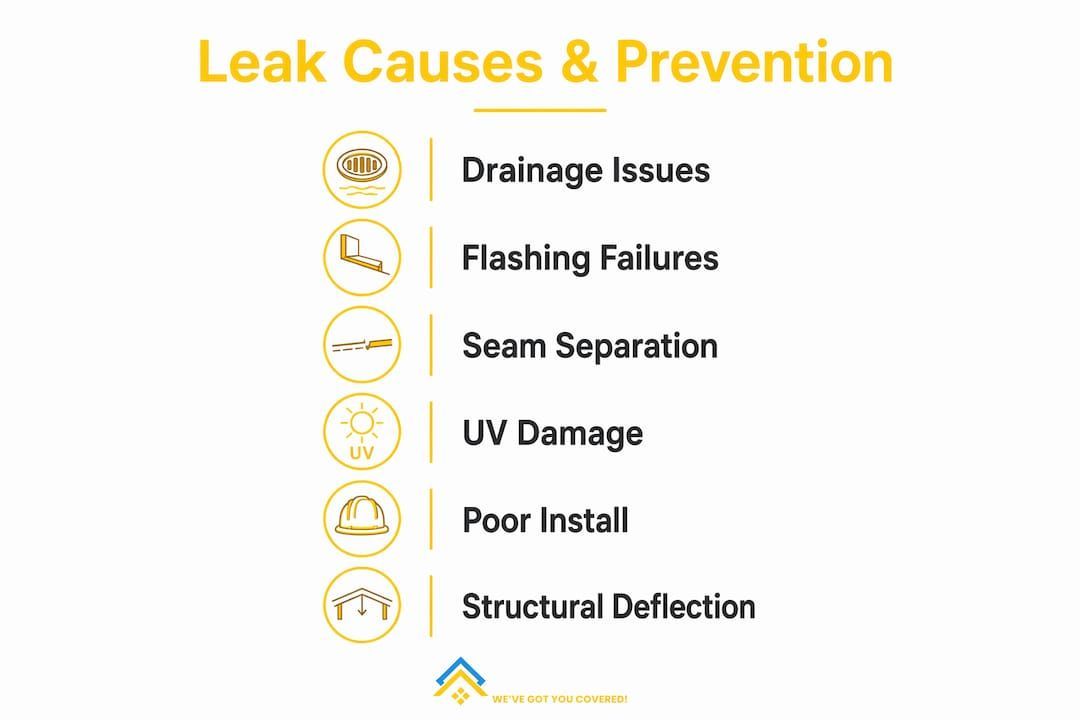
Key flat roof leak triggers at a glance:
- Drainage blockages causing ponding water
- Flashing failures at parapets, HVAC units, and vents
- Seam separation from temperature-driven expansion and contraction
- UV degradation of membrane materials
- Poor installation quality, including insufficient membrane overlap
- Deferred maintenance allowing small gaps to become systemic failures
Stat to know: The NRCA defines ponding as standing water that remains beyond two days after rain stops. Any roof that consistently fails this threshold is at risk of warranty exclusion and accelerated membrane failure.
1. Drainage blockages and ponding water
Clogged drains are the most common trigger for flat roof leaks. Leaves, dirt, and debris accumulate on flat surfaces faster than on pitched roofs, and when they reach the drain, water has nowhere to go. Even shallow ponding adds lateral pressure against seams, fatigues adhesives through repeated heat-and-cool cycles, and keeps the membrane saturated longer than it was designed to tolerate.
Ponding water voids warranties from every major manufacturer, including GAF, Carlisle SynTec, Firestone, Sika Sarnafil, and Versico. They exclude it because decades of claim data show it shortens membrane life by 50–70%.
2. Flashing failures at transitions and penetrations
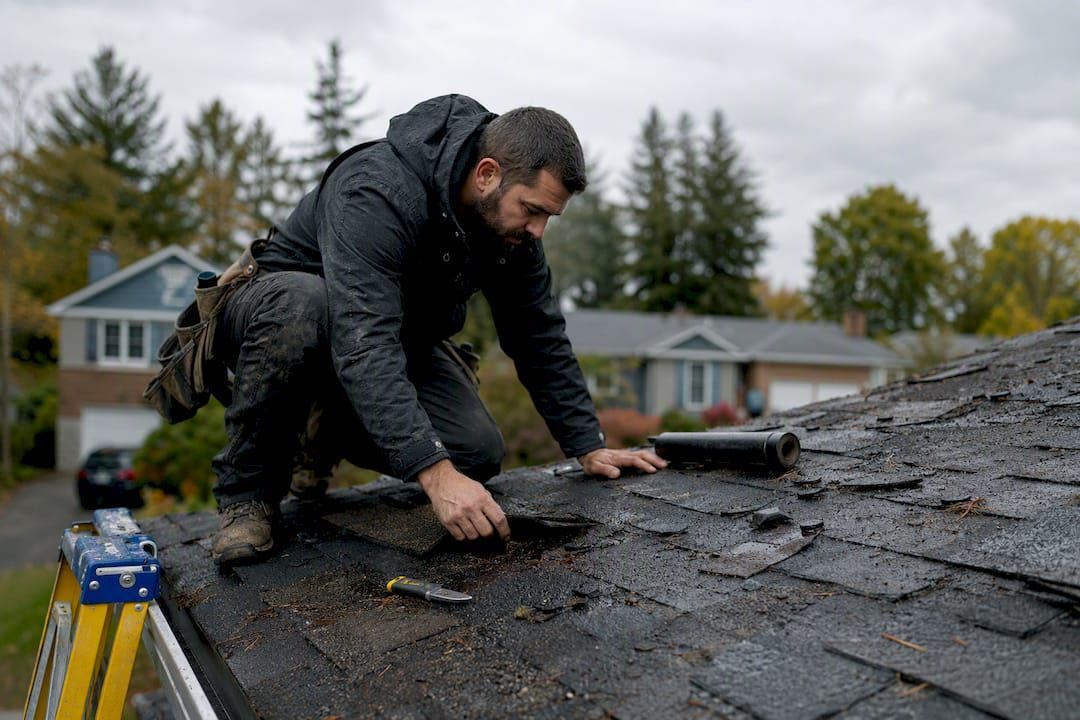
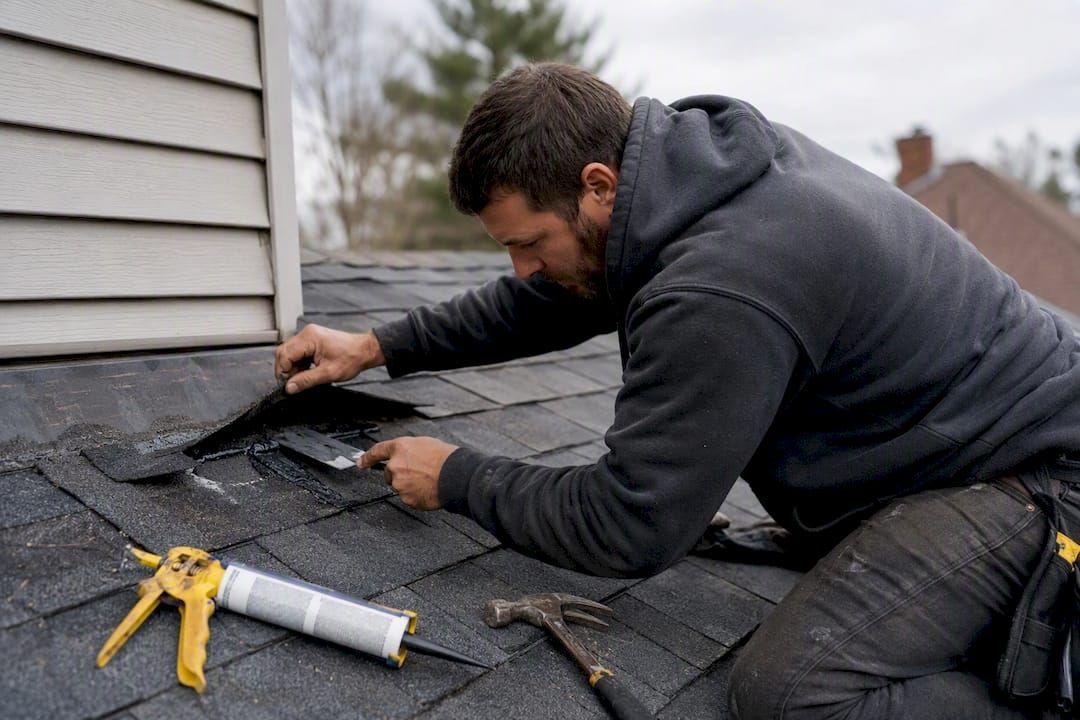
Water rarely enters through the middle of a flat roof membrane. It finds its way in at transitions: where the membrane meets a parapet wall, an HVAC curb, a vent pipe, or a skylight frame. These are the points where two different materials meet and move differently under temperature changes.
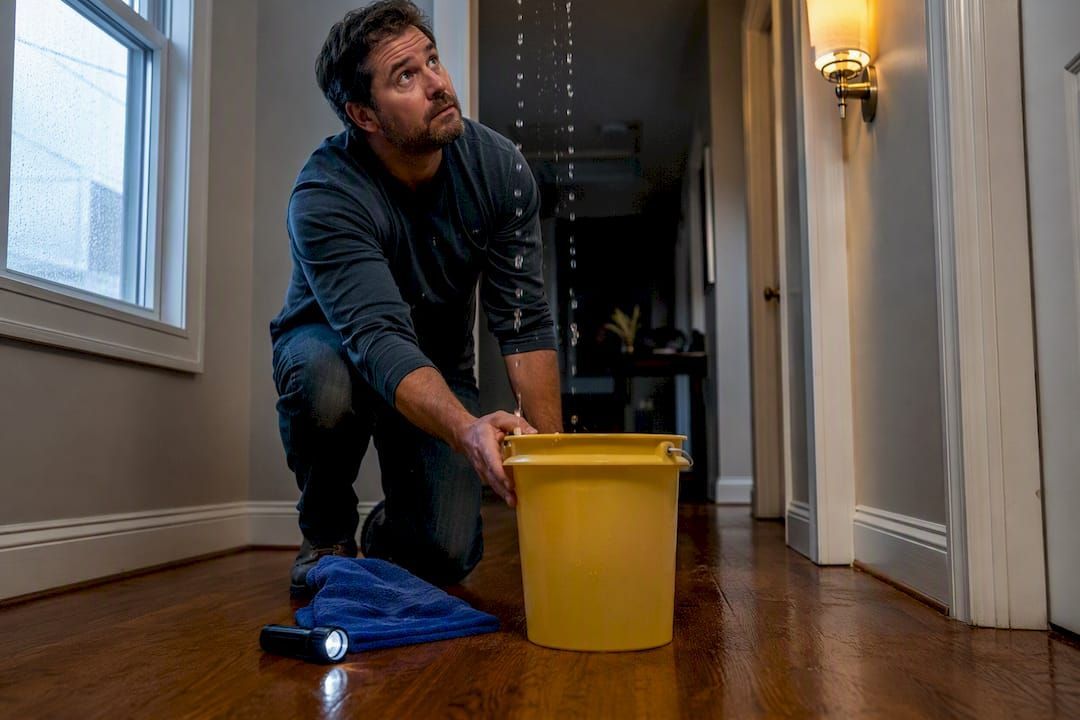
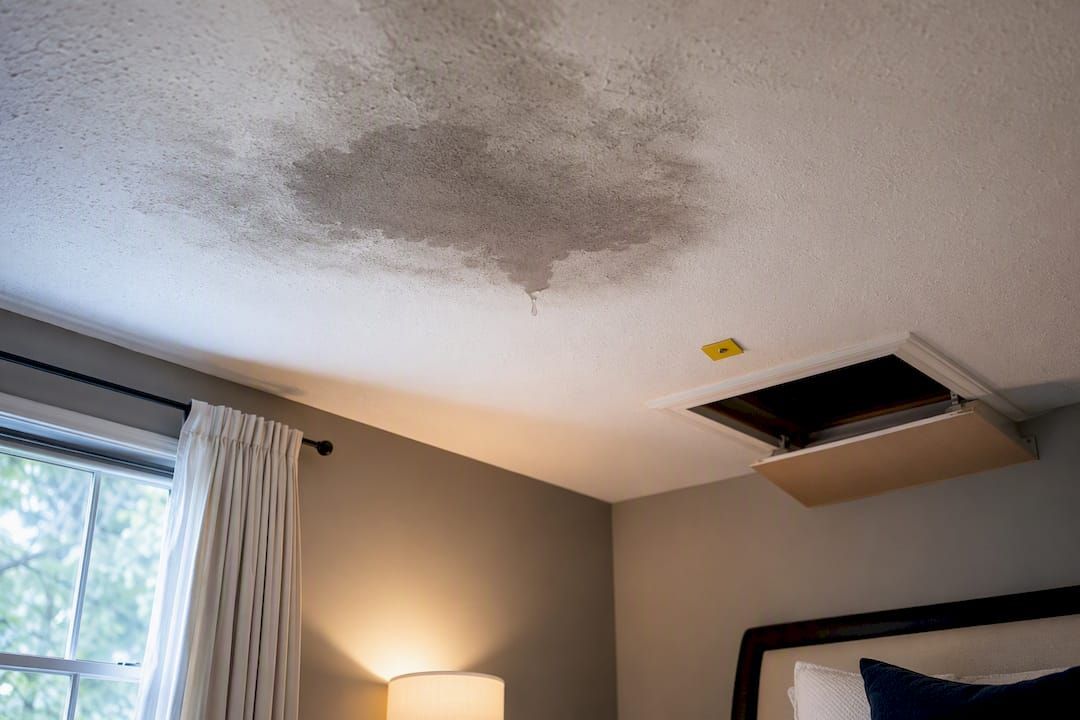
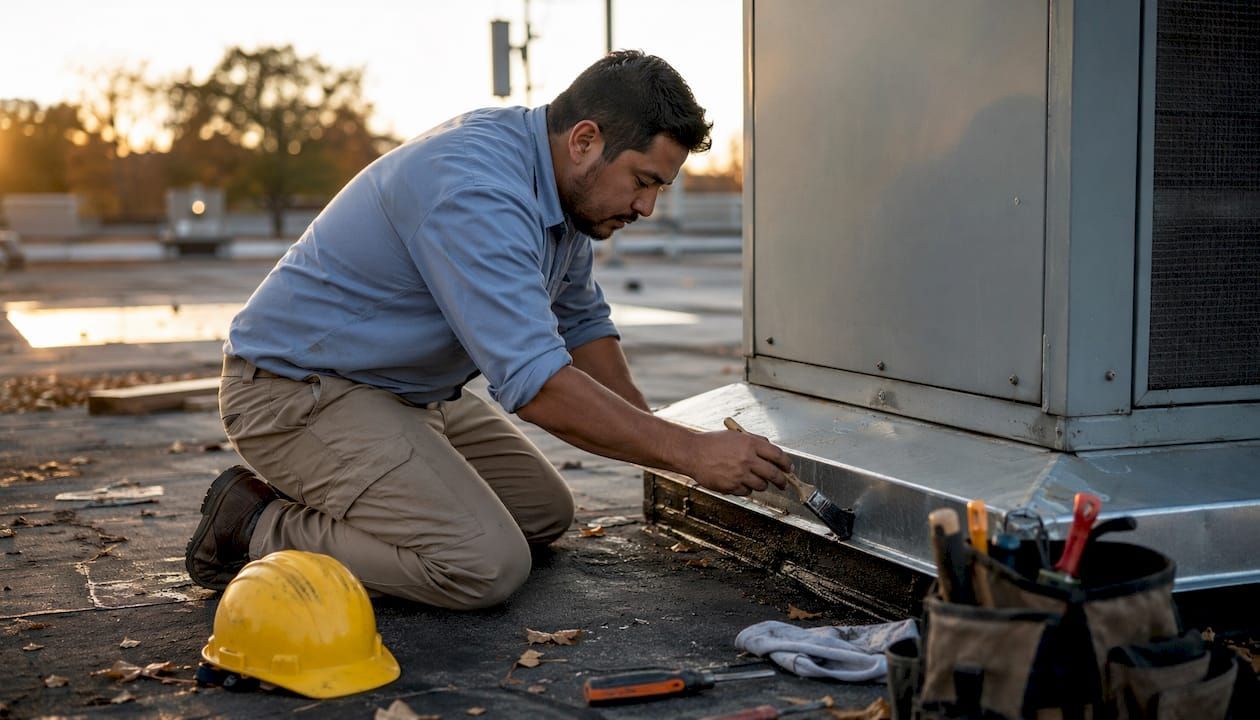
Leaks often start at high-stress penetrations like HVAC units and parapet flashings. Once water enters at a flashing gap, it can migrate 10–20 feet through insulation layers before showing up as a ceiling stain inside, which makes the actual entry point hard to trace without a trained eye.
3. Seam failures from thermal cycling
Every flat roof membrane expands in heat and contracts in cold. On a pitched roof, gravity helps water clear before that stress builds. On a flat roof, water lingers at seams, adding hydrostatic pressure on top of the thermal movement. Temperature-driven expansion and contraction stress flat roof seams more than pitched roofs because there is less natural runoff and more sustained pressure.
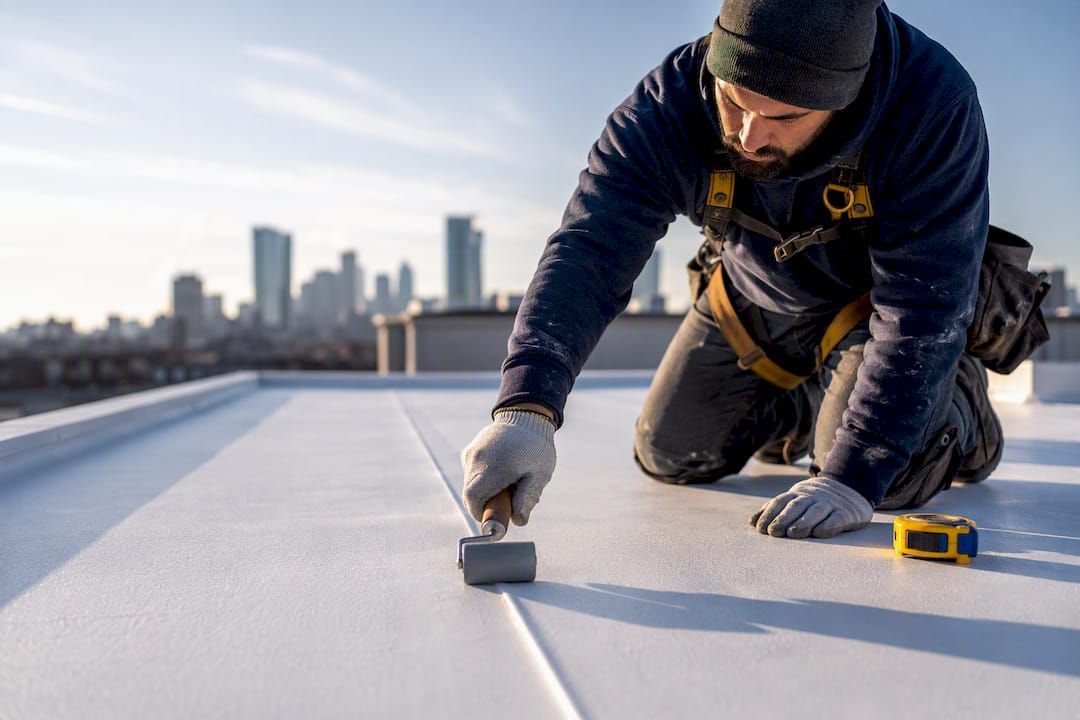
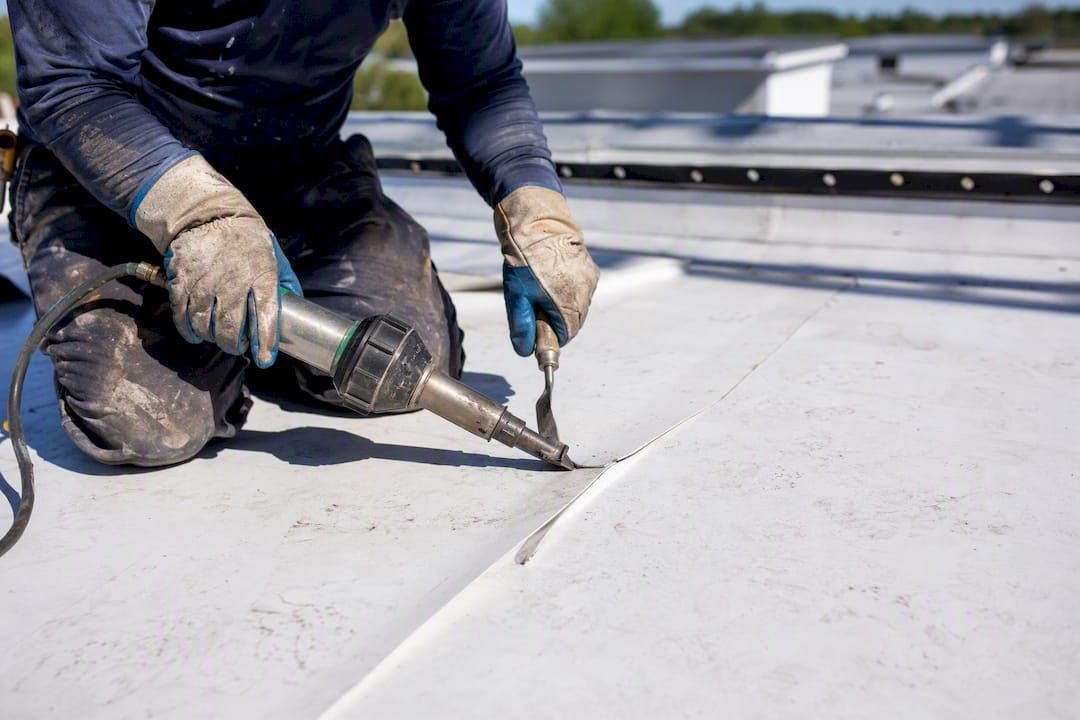
Over years, this cyclical stress causes adhesive fatigue and seam separation. On TPO systems, heat-welded seams are the primary failure point. On EPDM, glued or taped seams degrade as the adhesive breaks down. On modified bitumen, torch-applied seams can lift at the edges when the surface granules erode and expose the underlying asphalt.
4. UV degradation of membrane materials
Flat roofs absorb direct UV radiation across their entire surface with no slope to deflect it. Over time, this breaks down membrane elasticity, causes surface cracking, and accelerates material aging. TPO membranes are particularly sensitive because the white reflective surface actually accelerates UV degradation of the membrane underneath when it is wet.
EPDM black membranes tolerate UV better, but chronic ponding still causes seam degradation as water sits on seam tape and adhesives, reducing EPDM service life by 15–50%. Modified bitumen loses its surface granules first, then the exposed asphalt cracks. Built-up roofing (BUR) sees its top coating break down, allowing water to penetrate the felt layers beneath.
5. Poor installation quality
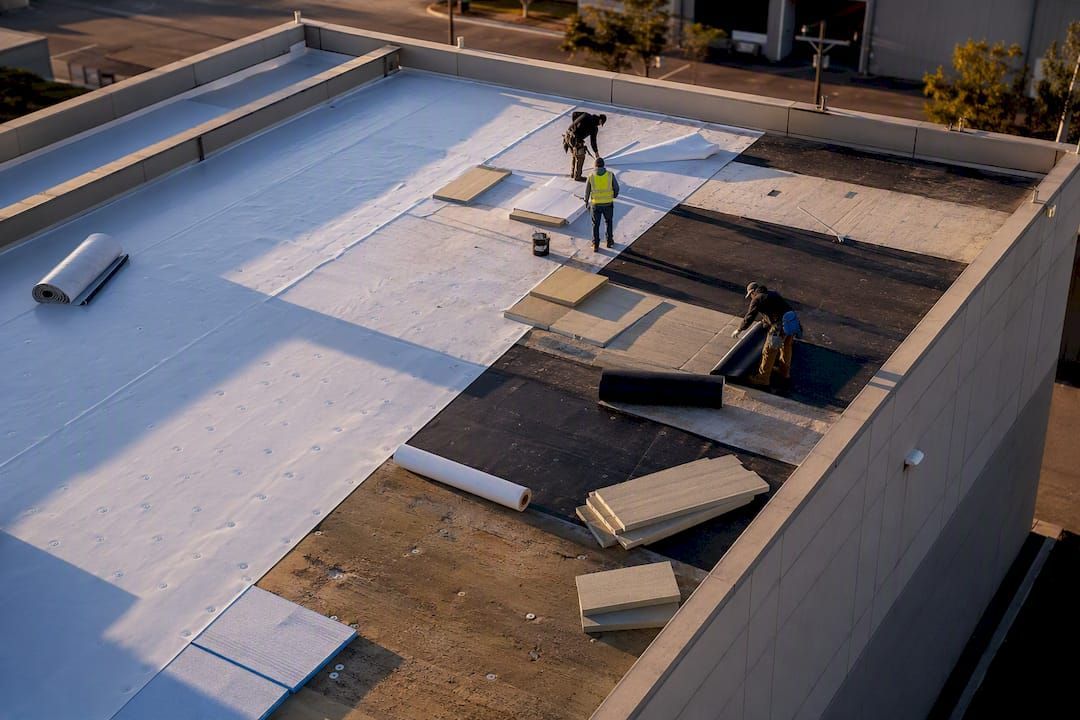
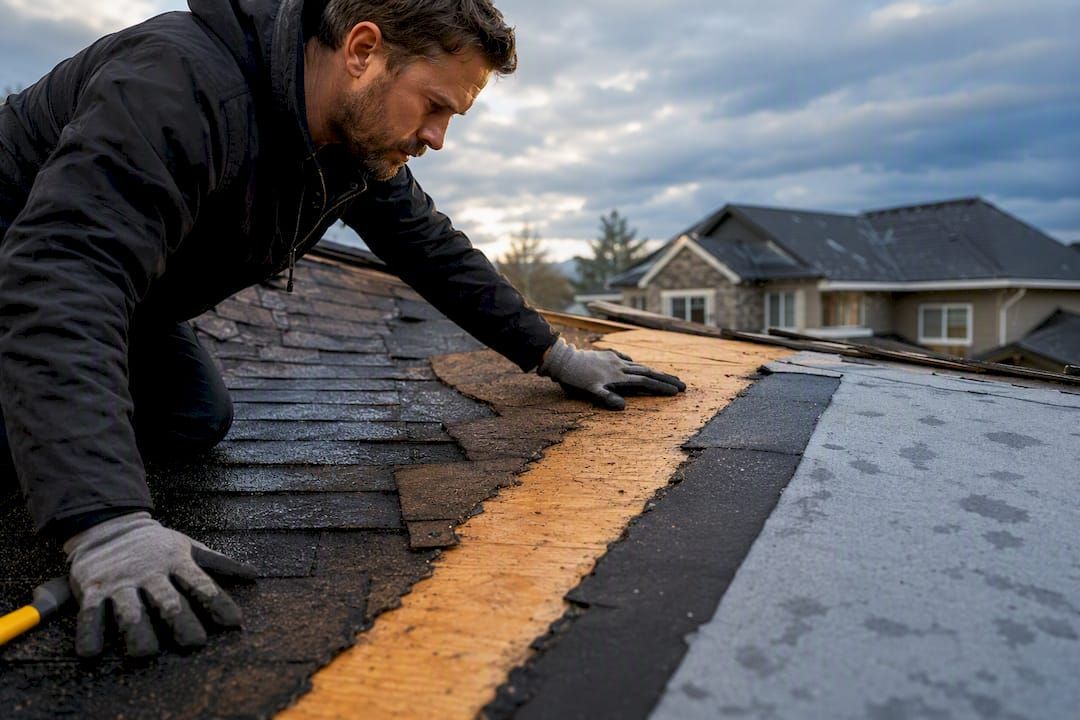
Flat roofs are less visible than pitched roofs, which means installation shortcuts are harder for a homeowner to catch. Common errors include insufficient membrane overlap at seams (the minimum for most systems is 3 inches), inadequate fastener density at roof perimeters, poor surface preparation before membrane application, and skipping base flashing or termination bars at critical transitions.
Installing a new membrane over existing wet insulation is one of the worst mistakes a contractor can make. It traps moisture inside the assembly, where it continues degrading the deck and insulation while the surface looks perfectly fine. These installation deficiencies create roofs that leak prematurely and repeatedly, because patching one spot does nothing about the underlying problem.
6. Structural deflection creating new low spots
A flat roof that drained correctly when it was installed may pond years later simply because the structure has shifted. Steel joists, wood trusses, and concrete slabs all deflect under sustained load over time. As rooftop equipment is added or insulation gets heavier, deflection increases. A joist that sags half an inch over 30 years can redirect drainage away from the designed outlet and create a persistent low spot.
Structural deflection is the second most common cause of ponding after insufficient original slope. It shows up as ponding in the middle of roof bays, away from drains, and it cannot be solved by clearing debris alone.
How to inspect and maintain a flat roof to prevent leaks
Biannual inspections are the single most effective thing you can do for a flat roof. Schedule one in spring and one in fall, when temperature transitions create the most movement in roofing materials. Add a check after any major storm.
What to look for during each inspection:
- Seams and membrane edges for lifting, gaps, or fish-mouth openings
- All flashings at parapets, HVAC curbs, vents, and skylights
- Drain screens and scuppers for debris blockage
- Membrane surface for blisters, cracks, or soft spots underfoot
- Any staining, algae patches, or sediment rings that indicate where water regularly pools
Pro Tip: Prioritize the areas around HVAC units and parapet walls first. These high-stress penetrations account for the majority of active leaks on flat roofs, and they are the spots most likely to be missed during a quick visual scan.
Sealants around roof penetrations have a few years of service life. Schedule their replacement proactively rather than waiting for a visible leak, because by the time water shows up inside, the insulation below is often already compromised. Clearing drains and removing debris should happen at least twice a year, and more often if your property has nearby trees. A roofing maintenance plan that schedules these tasks automatically removes the guesswork.
Why drainage design determines whether a flat roof lasts
Three numbers govern flat roof drainage: minimum slope of 1/4 inch per foot, two-way drainage coverage on every area, and drain sizing matched to local rainfall intensity. Miss any one of them and ponding follows.
Every primary flat roof drain must have a secondary overflow drain positioned at least 2 inches above the primary drain level. This is required under IPC 1106. If the primary drain clogs and no overflow exists, water accumulates until it exceeds the structural load capacity of the deck. The NRCA tracks 1–2 commercial roof collapses per year from this exact failure mode.
Drainage design best practices:
- Maintain a minimum slope of 1/4 inch per foot to all drain outlets
- Install secondary overflow drains or scuppers per IPC 1106
- Size drains to match your regional design storm intensity
- Use tapered polyiso insulation to retrofit insufficient slope on older roofs
- Test drain flow during every inspection, not just visually check the screen
- Keep scuppers and gutters clear of leaves and sediment year-round
Tapered polyiso insulation is the standard fix for roofs built before 2010, many of which were constructed to the older 1/8 inch per foot slope standard. Tapered insulation systems cost $2.50–$5.50 per square foot installed and can reduce membrane failures by 50–70% by eliminating chronic ponding. For a deeper look at roof drainage solutions, Upstateroofingpros offers assessments tailored to your specific roof geometry and local rainfall data.
Expert advice from Upstateroofingpros on keeping flat roofs leak-free
The team at Upstateroofingpros sees the same pattern repeatedly: a homeowner patches a visible leak, the repair holds for one season, and then a new leak appears two feet away. That cycle happens because patching addresses symptoms while the root cause, whether a failed flashing detail, a clogged drain, or a compromised seam, keeps running.
What Upstateroofingpros recommends for flat roof owners:
- Address root causes, not just visible wet spots
- Schedule professional inspections twice yearly, not just when something goes wrong
- Replace sealants at penetrations on a fixed schedule, not reactively
- Upgrade drainage design if the roof was built before 2010
- Consider material upgrades when membranes show widespread cracking or seam separation
Pro Tip: When you call a roofer about a flat roof leak, ask them to name the exact failure mechanism before they quote a repair. If the answer is "flat roofs just do this," that is not a diagnosis. A real answer names the specific failed component: a lifted flashing lap, a cracked pipe boot, a seam split at a particular location.
Ignoring subtle signs like soft spots underfoot, recurring stains in the same ceiling location, or algae patches on the membrane surface leads to saturated insulation and deck damage that costs far more to fix than the original leak would have. Early leak detection and repair is almost always the more affordable path. For DIY guidance on minor repairs between professional visits, understanding what you can safely handle yourself versus what requires a licensed contractor protects both your roof and your warranty.
Upstateroofingpros offers professional flat roof inspections and repair services across Sacramento, Roseville, and surrounding areas. If your flat roof has shown any of the warning signs covered here, a scheduled inspection is the fastest way to know exactly what you are dealing with before a small problem becomes a structural one.
Key Takeaways
Flat roofs leak not because of their shape, but because drainage failures, flashing gaps, and deferred maintenance go undetected longer than on pitched roofs.
| Point | Details |
|---|---|
| Drainage is the root cause | Insufficient slope, clogged drains, and missing overflow drains cause most flat roof failures. |
| Ponding voids warranties | Ponding water voids warranties from every major manufacturer. |
| Flashings fail first | Penetrations and parapet transitions are where water enters, often far from where it appears inside. |
| Sealants need scheduled replacement | Sealants around penetrations last 3–5 years and should be replaced proactively, not after a leak. |
| Biannual inspections prevent most failures | Spring and fall inspections, plus post-storm checks, catch problems before they become systemic. |