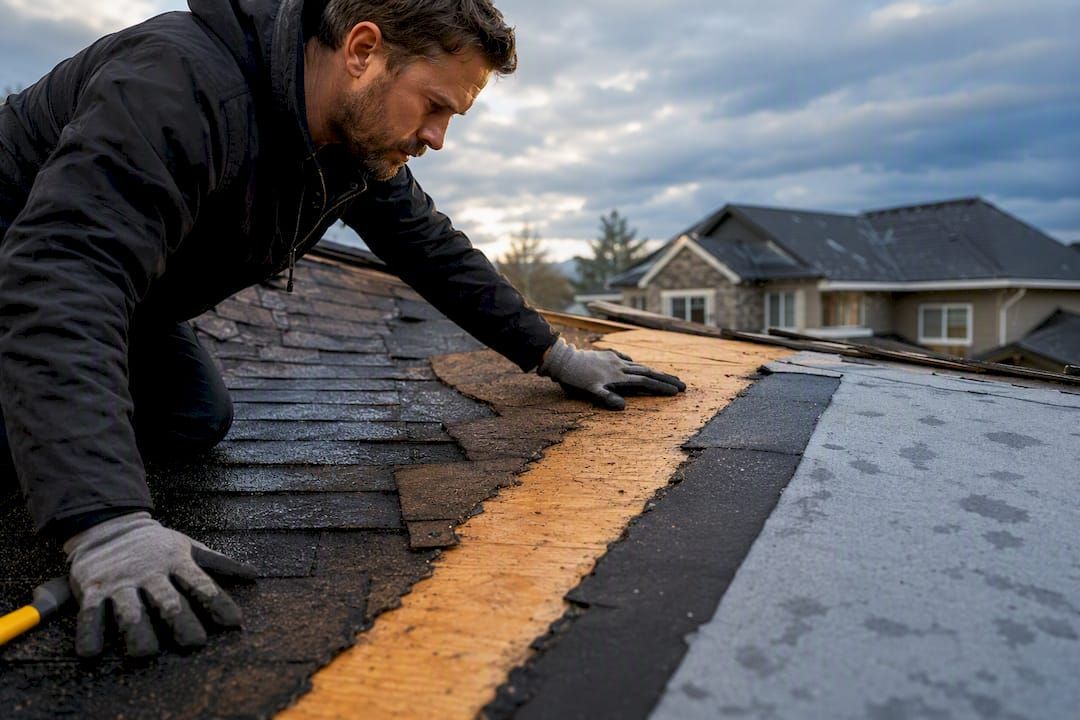
What Is Roof Overlay? A Homeowner's Guide for 2026

July 14, 2026

Share this article

What Is Roof Overlay? A Homeowner's Guide for 2026

A roof overlay is defined as the installation of a new layer of asphalt shingles directly over an existing single-layer roof, without removing the old shingles first. Under IRC Section R908, the International Residential Code limits roofing to a maximum of two shingle layers total. This method saves money upfront and cuts project time, but it comes with real trade-offs that every homeowner and property manager should understand before signing a contract. This guide covers the roof overlay definition, how it works, its benefits and risks, and how it compares to a full tear-off replacement.

What is roof overlay, and how does it work?

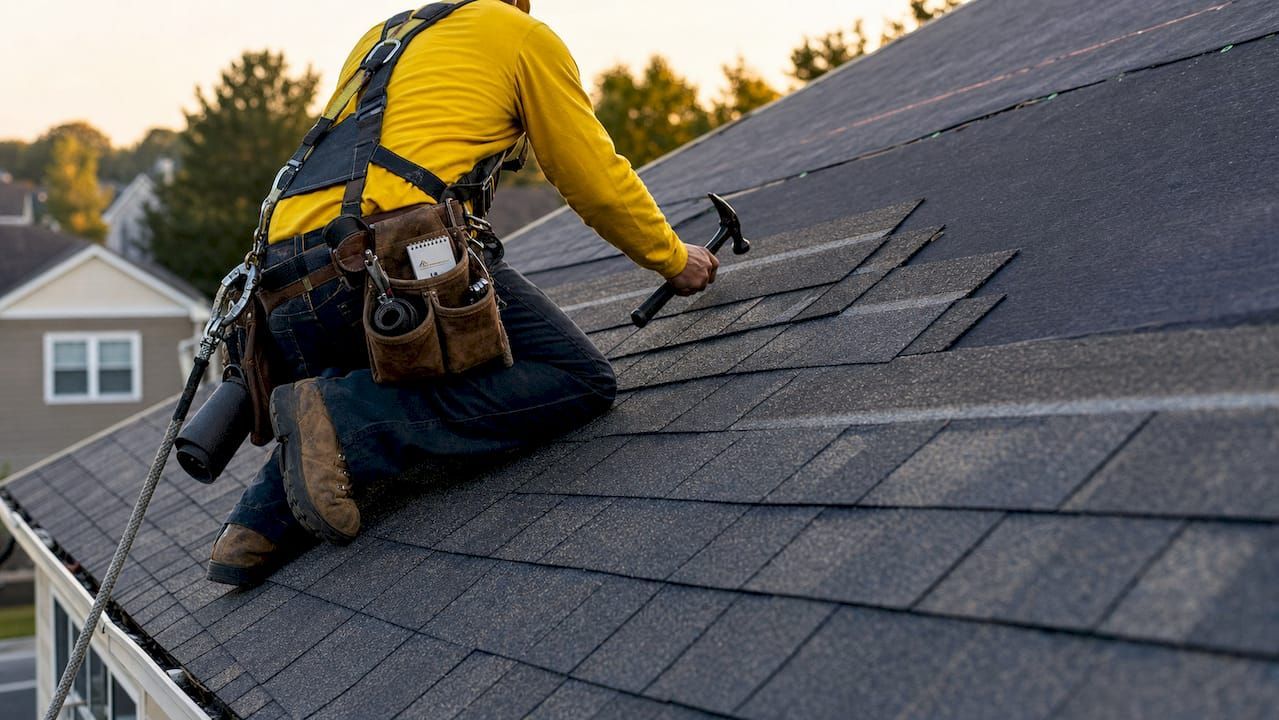
A roof overlay, also called a "re-roof" or "lay-over," is the process of nailing new asphalt shingles on top of an existing single layer of shingles. The old shingles stay in place and act as a base for the new layer. No tear-off occurs, which means the old material, underlayment, and any debris beneath it remain on the roof deck.

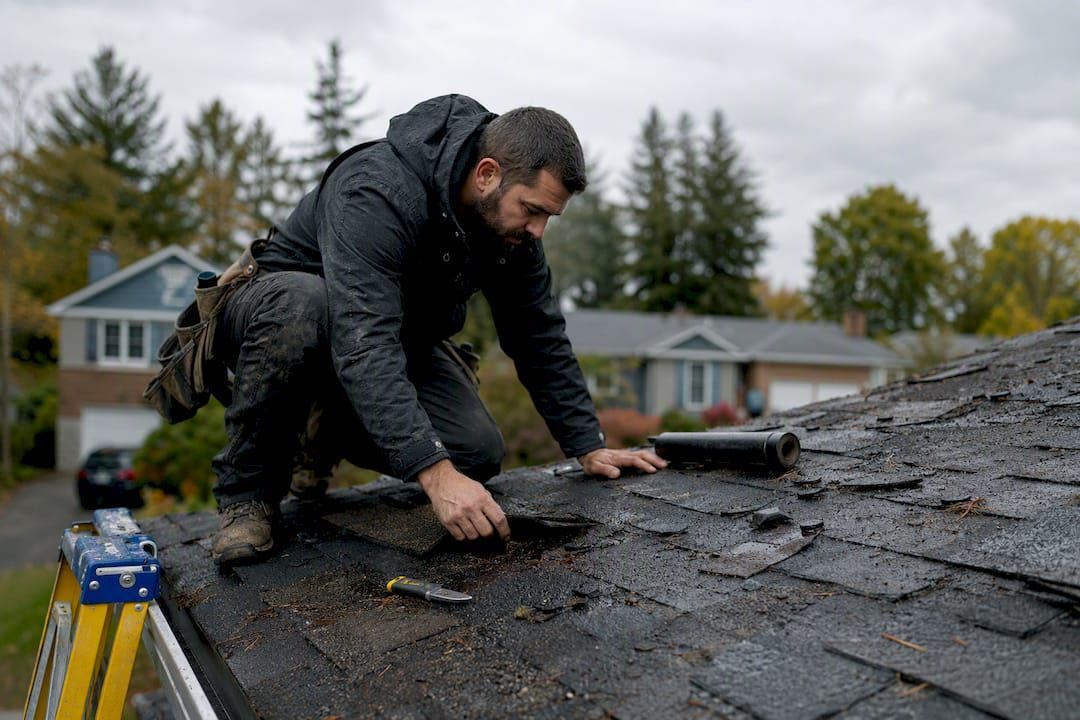
The process starts with a visual inspection of the existing roof surface. A contractor checks for obvious damage, curling, or missing shingles. If the existing layer appears reasonably flat and structurally sound, new shingles go directly over it. The new layer is nailed through both the old shingles and into the roof deck below.

Building permits are required for overlay work in most jurisdictions, just as they are for full replacements. The permit process triggers an inspection, which verifies that the installation meets local code. Skipping a permit is a code violation and can create serious problems when you sell the home.

What are the benefits of a roof overlay?

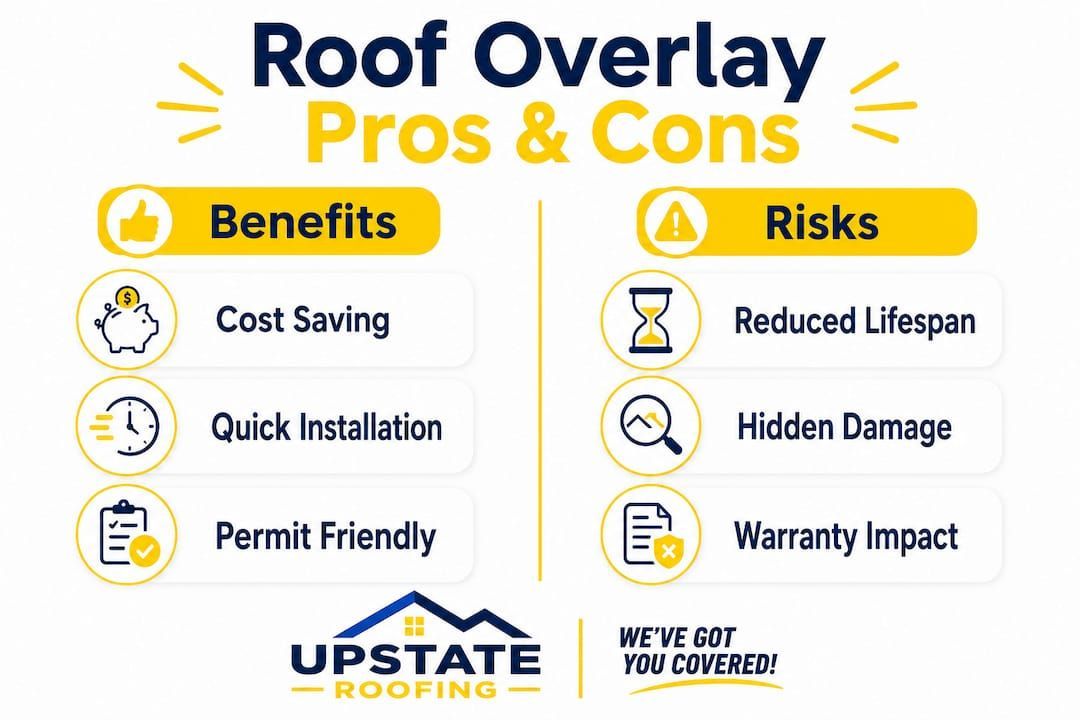
Roof overlays offer genuine advantages in the right situation. The most obvious benefit is cost. Overlays eliminate tear-off labor and disposal costs entirely, which can represent a significant portion of a full replacement budget. For homeowners on a tight timeline or budget, that savings matters.

The main benefits of choosing an overlay include:

  • Lower upfront cost. No dumpster rental, no disposal fees, and less labor time on the job.
  • Faster installation. A crew can complete an overlay in a fraction of the time a full tear-off requires.
  • Less disruption. No heavy equipment tearing off shingles means less noise, mess, and debris around your property.
  • Code-compliant option. When conditions are met and only one existing layer is present, overlays are legal under the IRC and many local codes.
  • Short-term protection. An overlay can extend the life of an aging roof by several years while you plan for a full replacement.

Pro Tip: An overlay works best as a planned bridge to a full replacement, not as a permanent solution. Budget for the full tear-off within 10 years.

Experts advise viewing overlays as a temporary delay measure rather than a permanent fix. That framing helps you make a smarter financial decision from the start.

What are the risks and downsides of roof overlays?

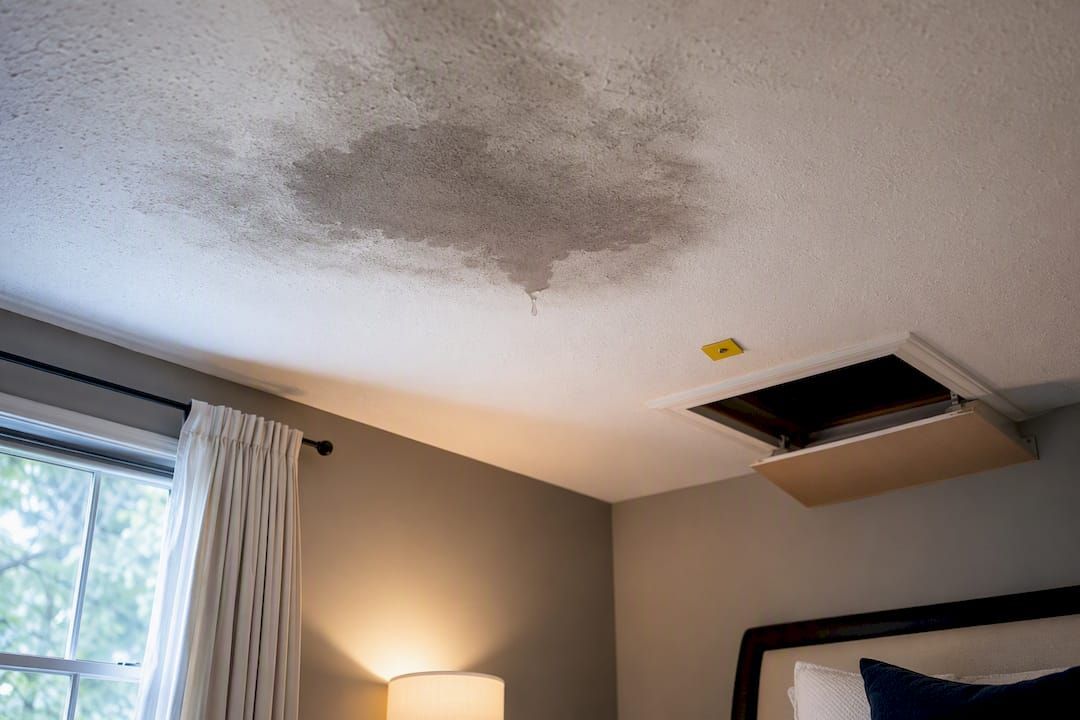
The risks of a roof overlay are significant and often underestimated. The biggest problem is what you cannot see. An overlay covers the existing roof completely, so any rot, mold, or moisture damage in the decking stays hidden and continues to worsen.

The most common risks include:

  1. Reduced shingle lifespan. New shingles installed over old ones lose 20–40% of their expected lifespan compared to a full tear-off installation. Heat trapped between layers degrades shingles faster.
  2. Hidden deck damage. Overlays prevent inspection and repair of the roof deck. Rot, mold, and moisture damage worsen silently beneath the new layer.
  3. Moisture and heat buildup. The sandwich of old underlayment, new underlayment, and two shingle layers traps heat and moisture that accelerates deck deterioration.
  4. Added structural weight. A second shingle layer adds significant weight. Older or snow-prone roof structures may not safely support that load.
  5. Voided manufacturer warranties. Many manufacturers reduce or void warranty coverage when new shingles are installed over an existing layer.
  6. Higher long-term costs. Although cheaper upfront, overlays often lead to higher total costs because the shortened lifespan forces a full tear-off sooner than expected.

"An overlay covers the existing roof so underlying issues are not visible or remediated. Hidden rot and moisture damage continue to worsen beneath the new shingles, often leading to premature and costly failures that a full tear-off would have caught and corrected."

Understanding these risks does not mean an overlay is always the wrong choice. It means you need a professional inspection first, every time.

How does roof overlay compare to full roof replacement?

The core difference between an overlay and a full tear-off is what happens to the old roof. A tear-off removes every layer of shingles, exposes the deck, and allows the contractor to inspect and repair the sheathing before installing new underlayment and shingles. A full replacement resets the entire roofing system from the deck up.

Factor Roof overlay Full tear-off replacement
Upfront cost Lower (no disposal or tear-off labor) Higher (includes removal and disposal)
Installation time Shorter Longer
Deck inspection Not possible Full inspection and repair available
Shingle lifespan Reduced by 20–40% Full manufacturer-rated lifespan
Manufacturer warranty Often voided or limited Full warranty typically available
Structural weight Adds a second layer of load Returns to single-layer load
Resale value impact Lower (buyers and inspectors notice) Higher (clean, documented replacement)
Code compliance Allowed if only one existing layer Always permitted

A tear-off allows deck inspection and repair, replacement of underlayment, and removal of hidden damage. That process produces a longer-lasting and higher-quality roofing system. The overlay saves money today but often costs more over the full life of the roof.

Pro Tip: If you plan to sell your home within five years, a full tear-off almost always delivers better return on investment. Buyers and home inspectors flag overlays, and lenders sometimes require tear-offs before approving loans.

Aesthetics also differ. Old shingles that are curling or uneven create bumps and ridges under the new layer. That affects both appearance and how well the new shingles lie flat and seal properly.

What building codes govern roof overlays in 2026?

IRC Section R908 is the federal baseline for roofing layers in the United States. It restricts any new roof covering to a maximum of two total layers. A third layer is prohibited almost everywhere in the country. That rule applies whether you are using standard three-tab shingles or architectural shingles.

Local jurisdictions frequently go further. States like Florida, California, Oklahoma, and the city of Chicago either prohibit overlays entirely or restrict roofs to a single layer. Florida's strict wind resistance requirements make overlays particularly problematic. California's seismic and fire codes add additional restrictions in many counties.

Key code and structural factors to know:

  • Maximum two layers. The IRC sets the national ceiling. Local codes may be stricter.
  • Permit required. Most jurisdictions require a permit for overlay work, just as for full replacements.
  • Structural capacity. Even when codes allow a second layer, regional snow loads or original framing may not safely support the added weight.
  • Roof pitch matters. Low-slope roofs face additional drainage and moisture concerns with multiple layers.
  • Local amendments override IRC. Always verify with your local building department before assuming an overlay is permitted.

The permit and inspection process exists to protect you. A licensed contractor handles permit applications and coordinates inspections as part of the job. If a contractor suggests skipping the permit to save time or money, that is a red flag.

How to decide if a roof overlay is right for your home

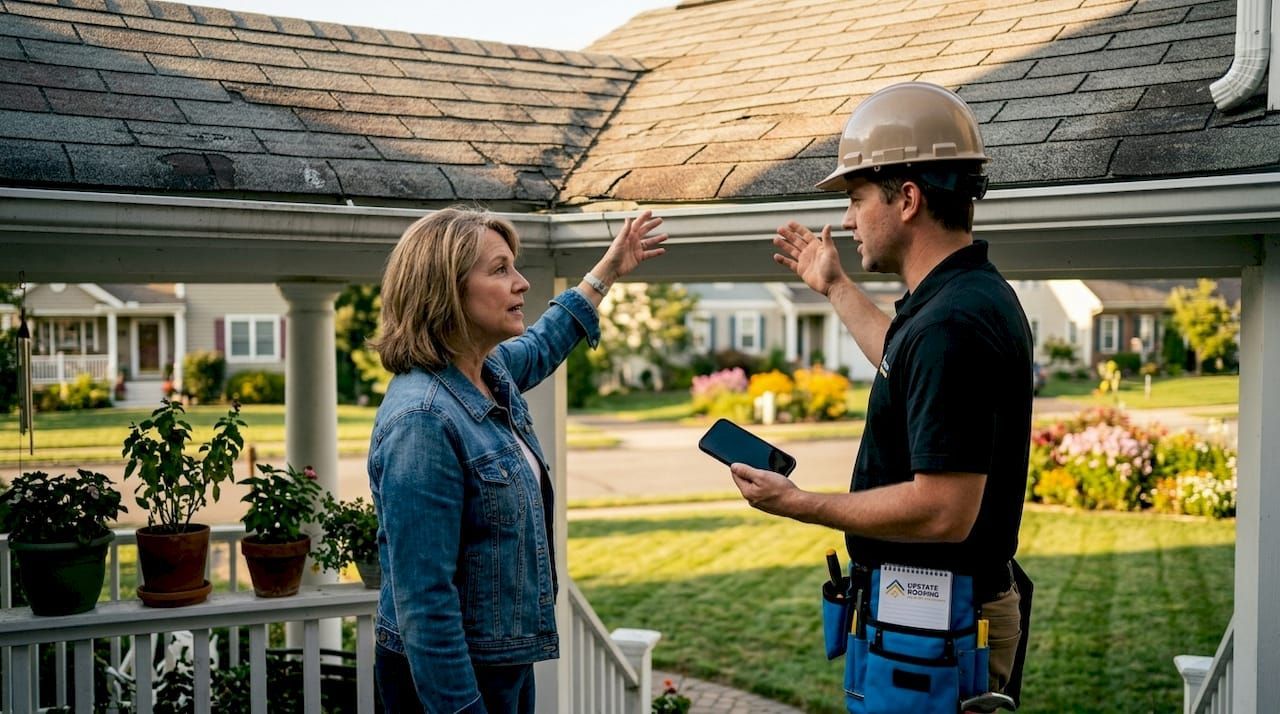
The decision starts with the condition of your existing roof. An overlay is only appropriate when the current single layer is flat, structurally sound, and free of significant damage. If any of the following conditions exist, a full tear-off is the correct choice:

  • The existing roof already has two layers of shingles.
  • Shingles are severely curled, buckled, or missing in multiple areas.
  • You have visible or suspected deck damage, soft spots, or sagging.
  • Your local code prohibits overlays or requires a single-layer roof.
  • The roof framing is older and may not support added weight.
  • You want a full manufacturer warranty on the new shingles.

A professional roof inspection is the only reliable way to evaluate overlay eligibility. A qualified inspector checks the deck from the attic, measures moisture levels, and identifies hidden damage that a visual surface check misses entirely.

Pro Tip: Ask your inspector to check the attic for signs of moisture intrusion, dark staining on the sheathing, or soft spots in the decking. Those findings alone can rule out an overlay before you spend a dollar on materials.

Insurance and resale value are also factors. Some insurers treat overlays differently than full replacements when calculating coverage. Check your policy before committing to an overlay, especially if your roof is already aging.

Key takeaways

A roof overlay is a code-regulated, cost-saving option that works only under specific conditions and always carries trade-offs in lifespan, warranty coverage, and long-term cost.

Point Details
Overlay definition New shingles installed over one existing layer, permitted under IRC Section R908.
Lifespan reduction Overlays reduce new shingle lifespan by 20–40% due to trapped heat and moisture.
Warranty risk Many manufacturers void or limit warranties when shingles are installed over an existing layer.
Code limits The IRC caps roofing at two total layers; many states ban overlays entirely.
Best decision tool A professional roof inspection is required before choosing overlay or full tear-off.

My take after years of inspecting overlay roofs

I have walked hundreds of roofs where an overlay was installed years earlier, and the pattern is consistent. The new shingles look fine from the street. The homeowner thinks the problem is solved. Then we pull back a corner or check the attic, and the decking tells a different story. Rot, dark staining, soft spots. The overlay did not create those problems, but it guaranteed nobody would find them until they became expensive.

The upfront savings on an overlay are real. I am not dismissing that. For a homeowner who needs to protect their home for three to five years while saving for a full replacement, an overlay can be a reasonable short-term decision. But I have never seen an overlay that performed as well as a proper tear-off over the same period. The physics are against it. Trapped heat and moisture always win eventually.

My honest advice: if your roof has one layer, the deck is solid, and your local code allows it, an overlay is a legitimate option. Get the inspection first. Understand that you are buying time, not a permanent solution. And budget for the full replacement within the next decade. Treating an overlay as a final answer is the most expensive mistake I see homeowners make.

— Cesar

Upstateroofingpros can help you choose the right roofing solution

Deciding between an overlay and a full replacement is not a decision you should make from a website alone. Upstateroofingpros brings licensed professionals to your property for a thorough inspection that checks the deck, attic, and existing shingle condition before recommending any course of action.

Whether your home needs a targeted roof repair or a complete tear-off replacement, Upstateroofingpros handles permits, inspections, and installation with premium materials and documented workmanship. The team serves Sacramento, Roseville, and surrounding areas with a track record of quality residential roofing. Contact Upstateroofingpros to schedule your inspection and get a clear, honest assessment of your roof's condition and your best options.

FAQ

What is the roof overlay definition in simple terms?

A roof overlay is a new layer of asphalt shingles installed directly over an existing single layer, without removing the old shingles first. It is permitted under IRC Section R908 as long as the total layer count does not exceed two.

Does a roof overlay void the shingle warranty?

Many manufacturers reduce or void warranty coverage when new shingles are installed over an existing layer. Always check the manufacturer's installation requirements before choosing an overlay to protect your warranty rights.

How long does a roof overlay last compared to a full replacement?

An overlay typically reduces the expected lifespan of new shingles by 20–40% compared to a full tear-off installation. The trapped heat and moisture between layers accelerate shingle and deck deterioration.

Can you put a second overlay on a roof that already has two layers?

No. IRC Section R908 prohibits a third shingle layer, and a full tear-off is required before any new roofing can be installed. Many local codes are even stricter and prohibit overlays entirely.

Is a roof overlay a good option for my home?

An overlay is a reasonable short-term option when your roof has only one existing layer, the deck is structurally sound, and your local code permits it. A professional inspection is required to confirm eligibility before any work begins.

Recommended

Recent Posts

July 12, 2026
Learn how TPO installation works to enhance your roof’s durability. Discover the step-by-step process for a successful roofing project.
July 10, 2026
Discover the critical role of building envelope roofing. Understand how it impacts energy efficiency, indoor air quality, and the durability of your home.
July 10, 2026
Discover how to increase home value roofing upgrades can boost resale prices and appeal to buyers in 2026. Invest wisely today!
Worker in a yellow safety vest painting a house exterior under blue siding
July 7, 2026
Discover the critical role of building envelope roofing. Understand how it impacts energy efficiency, indoor air quality, and the durability of your home.
Construction worker in a yellow vest writes on plans at an outdoor table with a blue hard hat nearby.
July 5, 2026
Discover the role of roofing contractor license for protection against costly mistakes. Learn how it ensures safety and legality in roofing work.
Woman writing on papers at an outdoor table beside a mug and black folder in a sunny garden
July 3, 2026
Understand what does a roofing bid include. Get detailed insights into materials, costs, and timelines to protect your budget.
Woman reading a book at a café table with stacked books and a backpack nearby.
June 30, 2026
Explore the types of roofing insulation for commercial buildings. Discover how the right insulation can reduce energy costs and improve compliance.
Woman working outdoors at a wooden table, reading papers with colorful pens and a coffee mug nearby
June 28, 2026
Discover how to hire a licensed roofing contractor with confidence. Follow our expert steps to ensure quality work and avoid costly mistakes.
Roofing worker in a yellow safety vest repairing shingles at sunset.
June 26, 2026
Discover why roof maintenance reduces capital costs and saves you money. Prevent costly repairs with proactive inspections and repairs.
Worker in a hard hat and safety vest applying white coating to a flat rooftop with a roller
June 23, 2026
Discover why commercial roofs need coatings in 2026. Extend roof life, reduce cooling costs, and save on replacements. Learn more!
Show More