
The Role of Building Envelope Roofing in Your Home

July 7, 2026

Share this article

The Role of Building Envelope Roofing in Your Home

The building envelope is defined as the physical barrier separating a building's conditioned interior from the outdoor environment, and roofing is its most critical component. The role of building envelope roofing goes far beyond keeping rain out. Your roof controls heat transfer, manages moisture, and carries structural loads that affect every system inside your home. Building envelopes act as complex gatekeepers controlling heat, moisture, air, and structural loads. That complexity means a poorly performing roof affects your energy bills, your indoor air quality, and the long-term durability of your entire structure.

What is the role of building envelope roofing?

Roofing systems form the primary barrier against rain and snow and significantly affect thermal performance in a building envelope. That single fact explains why roofing decisions ripple through every other building system, from your HVAC unit to your interior walls.

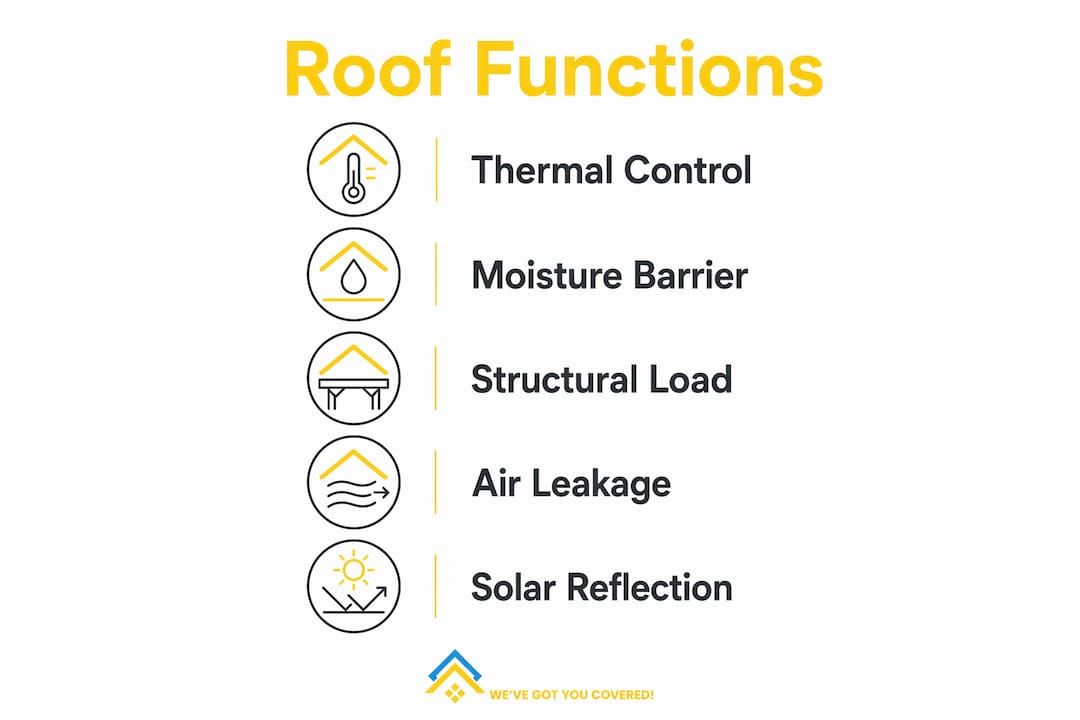
The roof performs three core functions simultaneously. First, it regulates thermal conditions by slowing heat transfer between the outside air and your living space. Second, it manages moisture by shedding water, blocking vapor, and preventing condensation from forming inside wall assemblies. Third, it distributes structural loads, including wind uplift, snow weight, and the mechanical stress of expansion and contraction caused by temperature swings.

Roof materials and layering determine how well each function performs. A standard asphalt shingle roof, for example, sheds water effectively but offers limited thermal resistance on its own. Adding continuous insulation beneath the roof deck dramatically changes the thermal equation. The roof assembly, not just the outer surface, defines building envelope performance.

What specific functions does roofing perform in a building envelope system?

A well-designed roof assembly handles several distinct jobs at once. Understanding each one helps you make better decisions about repairs, replacements, and upgrades.

Thermal control is the most misunderstood function. Heat moves through a roof by conduction through solid materials, convection through air gaps, and radiation across open cavities. In an uninsulated framed wall cavity, radiation accounts for about 75% of heat transfer, and the same physics apply to roof assemblies. Continuous insulation can reduce heat transfer by 90% or more. That is not a marginal improvement. It is a fundamental shift in how much energy your home needs to stay comfortable.

Moisture management works in layers. The outer surface sheds bulk water. An underlayment beneath the shingles catches any water that penetrates. An air barrier limits the movement of humid air into the assembly. A vapor retarder controls diffusion. Each layer targets a different moisture pathway, and a gap in any one of them creates conditions for mold, rot, and structural decay.

Structural load distribution is the function homeowners notice least until something fails. Your roof transfers wind loads, snow loads, and the weight of rooftop equipment down through the wall framing and into the foundation. Proper fastening, decking thickness, and rafter sizing all contribute to this function.

  • Thermal insulation layer: slows conductive and radiant heat transfer
  • Air barrier: stops convective heat loss and moisture-laden air movement
  • Vapor retarder: limits moisture diffusion into the assembly
  • Waterproofing membrane: sheds bulk water and protects the structure
  • Structural deck: distributes mechanical loads across the framing

Pro Tip: When replacing your roof, ask your contractor about adding continuous rigid insulation above the roof deck. This single upgrade eliminates thermal bridging through rafters and delivers measurable reductions in heating and cooling costs.

How does building envelope roofing impact energy efficiency?

Roofing choices directly determine how hard your HVAC system works. A roof that leaks heat in winter or absorbs solar radiation in summer forces your heating and cooling equipment to run longer cycles. That translates directly into higher utility bills and shorter equipment life.

Reflective roofing materials reduce solar heat gain, lowering cooling loads especially in hot climates. This matters significantly in Sacramento and the surrounding region, where summer temperatures routinely exceed 100°F. A cool roof coating or light-colored membrane can meaningfully reduce attic temperatures, cutting the load on your air conditioner during peak hours.

Upgrading building envelope performance can allow for downsizing HVAC equipment, producing capital cost savings. A smaller, correctly sized system runs more efficiently and lasts longer than an oversized unit cycling on and off to compensate for a leaky envelope.

Roofing upgrade Primary energy benefit
Continuous rigid insulation above deck Reduces conductive heat loss and gain year-round
Reflective or cool roof coating Lowers solar heat gain and summer cooling loads
Air barrier membrane Stops convective heat loss and infiltration
Vapor retarder layer Prevents moisture-driven energy losses in assemblies

Blower door testing and infrared thermography effectively identify and quantify air leakage pathways in the building envelope. These diagnostic tools locate the specific spots where conditioned air escapes, so repairs target real problems rather than guesswork. Homeowners who want to understand their energy efficient roofing options before committing to an upgrade benefit most from running these tests first.

Pro Tip: Schedule an infrared roof scan in the early evening after a warm day. The temperature differential between wet and dry insulation shows up clearly on the thermal camera, revealing hidden moisture damage that a visual inspection would miss entirely.

What are the common vulnerabilities in building envelope roofing?

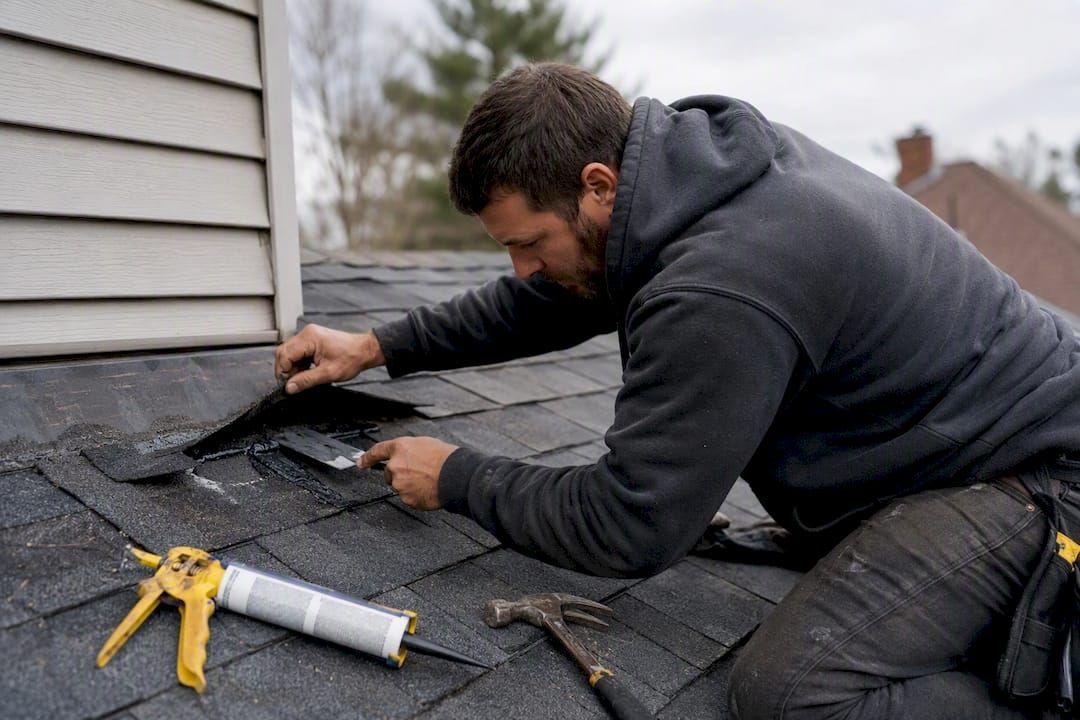
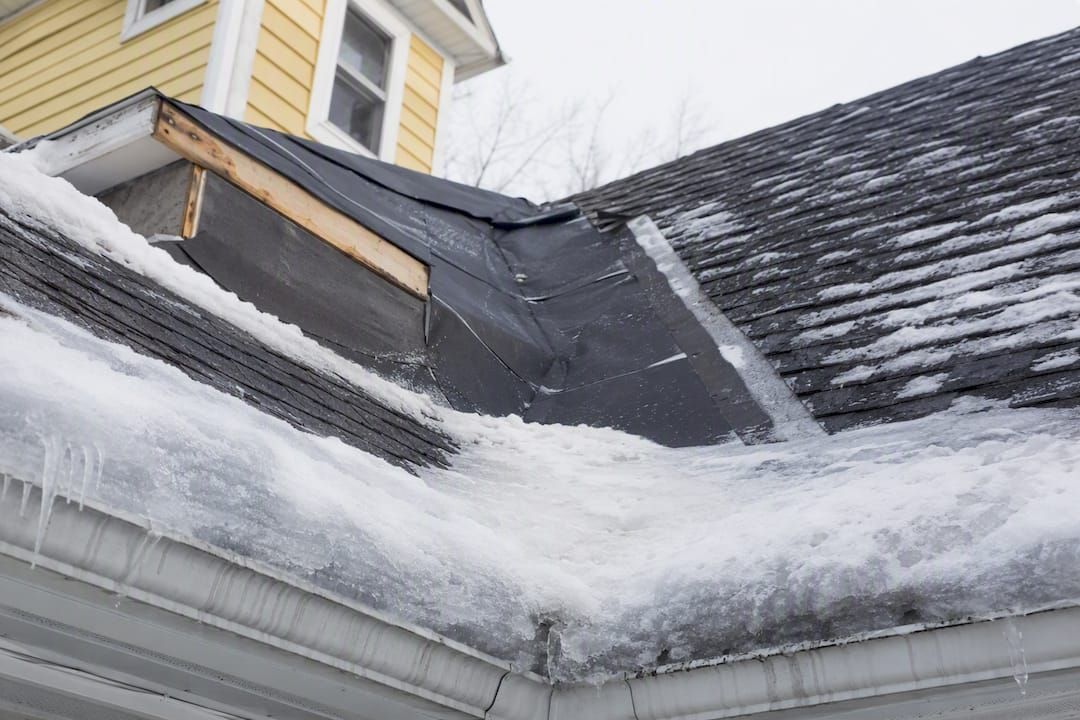
Most roof failures do not start with the membrane. Sealant breakdown and roof-to-wall joints are the most common failure points leading to leaks rather than broad roof membrane failures. Thermal movement causes sealant to compress and stretch with every temperature cycle. Over years, that movement breaks the bond, and water finds its way in through gaps that are often invisible from the ground.

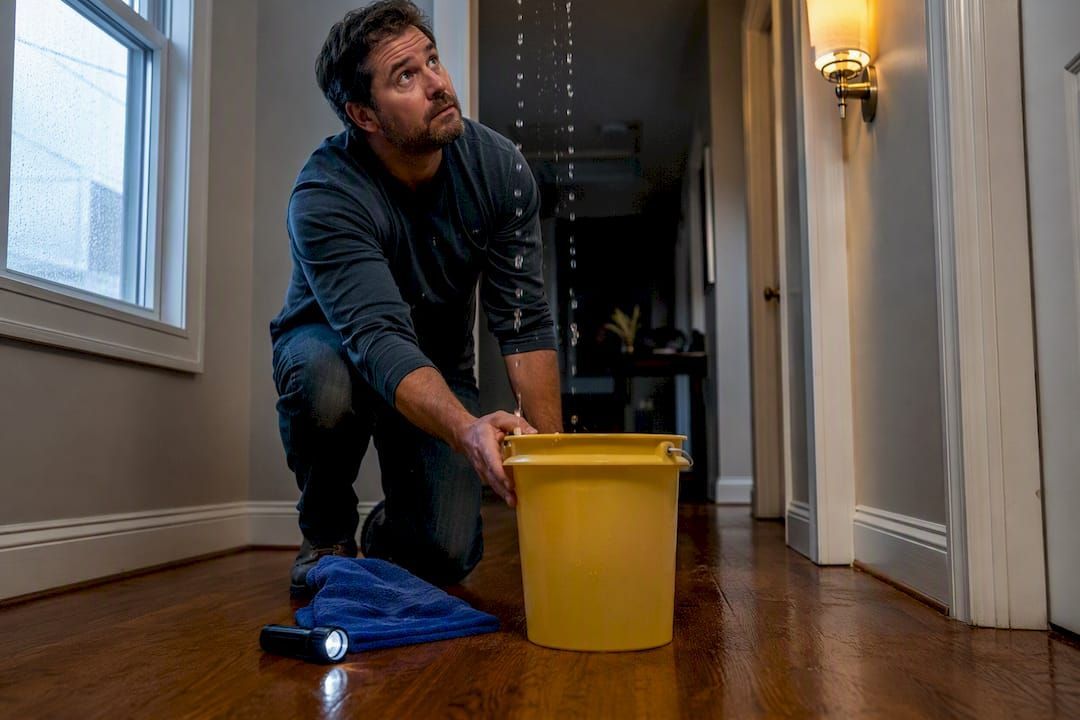
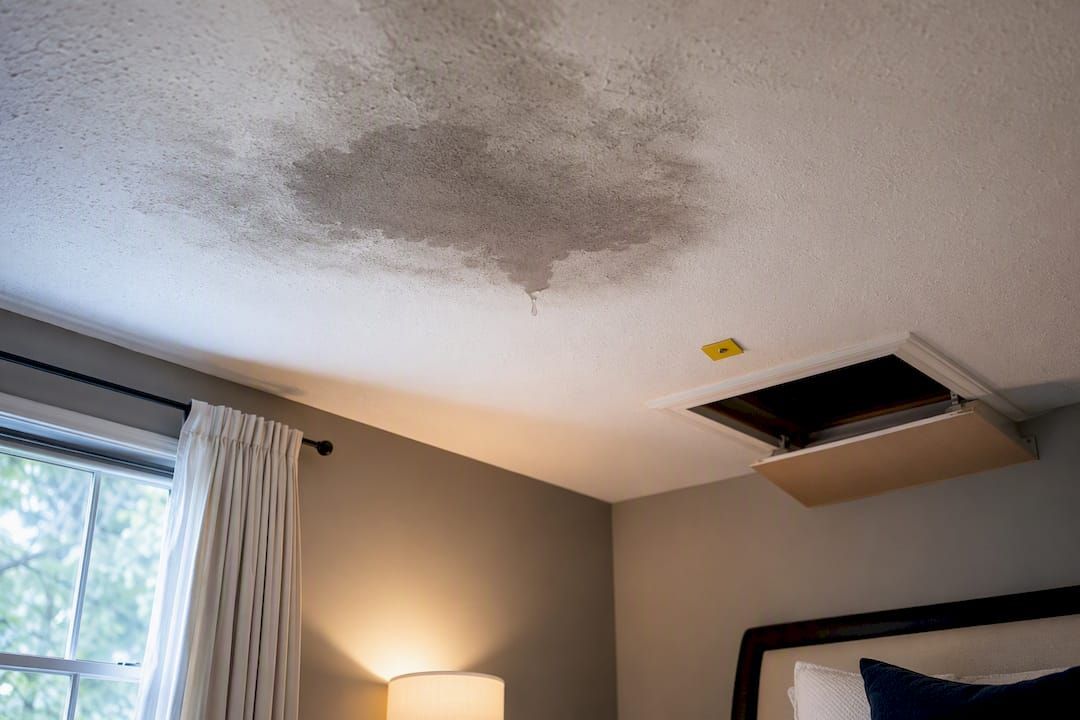
Moisture can migrate far from leak points within envelopes, so locating staining alone is unreliable. A water stain on a ceiling two rooms away from the actual entry point is a common scenario. Chasing the stain without diagnostic testing leads to repairs in the wrong location and continued damage.

The most vulnerable areas in any roofing system follow a predictable pattern:

  1. Roof-to-wall transitions where the roof plane meets a vertical surface
  2. Penetrations for pipes, vents, skylights, and HVAC equipment
  3. Sealant joints at flashing edges and counterflashing laps
  4. Valley intersections where two roof planes meet and concentrate water flow
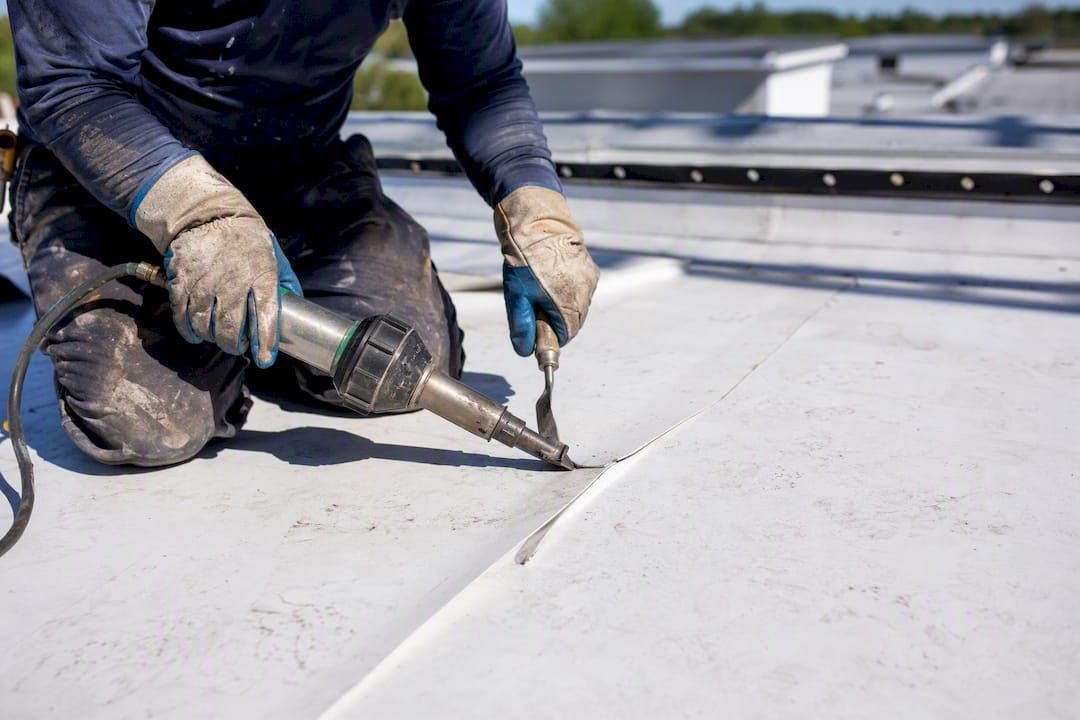
  5. Parapet walls on flat or low-slope commercial roofs

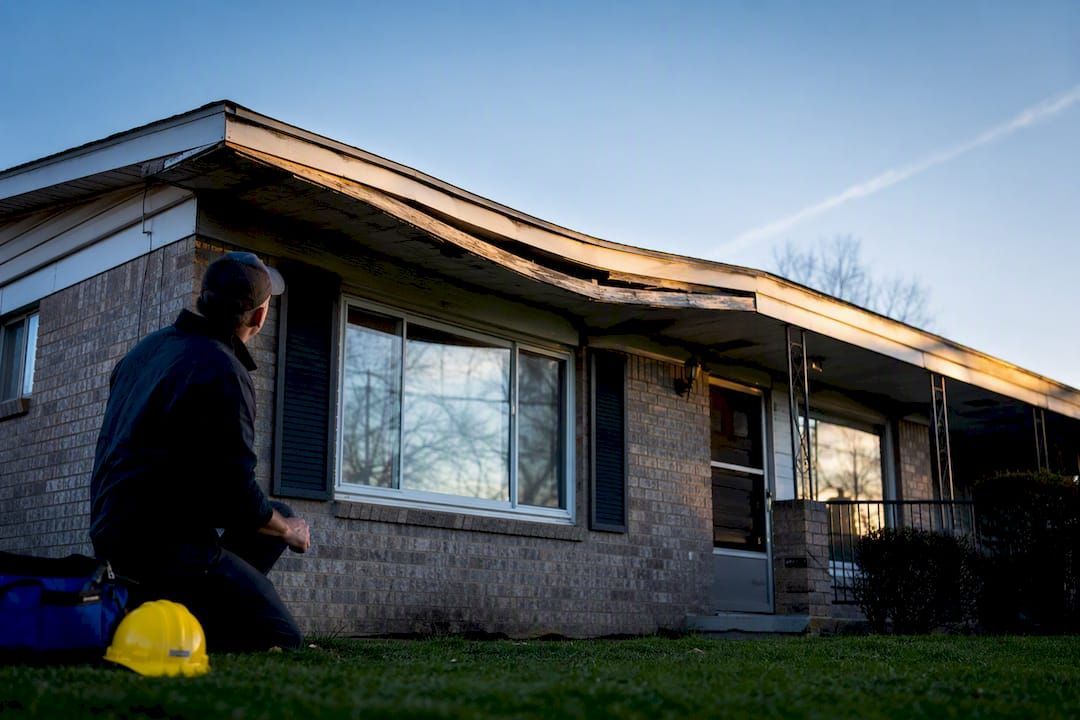
Annual basic visual inspections of roof penetrations, sealant joints, and exterior surfaces are standard maintenance practice, with immediate follow-up after major weather events. A thorough roof inspection checklist covers each of these zones systematically. Skipping annual inspections is the single most common reason homeowners face expensive repairs that could have been caught early.

Proactive maintenance also protects your energy performance. Air leaks at failed sealant joints allow conditioned air to escape and outdoor air to infiltrate, raising energy costs without any visible sign of damage. A roofing maintenance plan that schedules regular inspections and sealant renewal keeps both moisture and energy losses under control.

How do you integrate roofing into a whole-building envelope design?

Poorly coordinated envelope design leads to increased energy consumption, moisture damage, and structural deterioration. That outcome is avoidable, but only when roofing is treated as part of a connected system rather than a standalone trade.

The roof does not operate in isolation. It connects to exterior walls at the eave and rake, to the foundation through the wall framing, and to interior systems through the ceiling plane. Each connection point is a potential weak link. Coordinating the air barrier, vapor retarder, and insulation layers across all these interfaces requires deliberate detailing before construction or renovation begins.

Digital modeling tools like Building Information Modeling (BIM) allow designers and contractors to identify conflicts between trades before work starts. A BIM model can flag a location where a mechanical penetration interrupts the air barrier plane, allowing the team to design a proper seal before the roof deck is installed. Retrofitting that detail after the fact costs significantly more and rarely achieves the same performance.

Approach Benefit Limitation
Coordinated interface detailing Eliminates thermal bridging at transitions Requires multi-trade collaboration upfront
BIM digital modeling Identifies conflicts before construction Adds design time and cost to planning phase
Retrofit roofing with insulation Improves thermal resistance in existing buildings Access constraints may limit continuous coverage
Whole-envelope air barrier upgrade Reduces infiltration across all components Requires careful sequencing with other trades

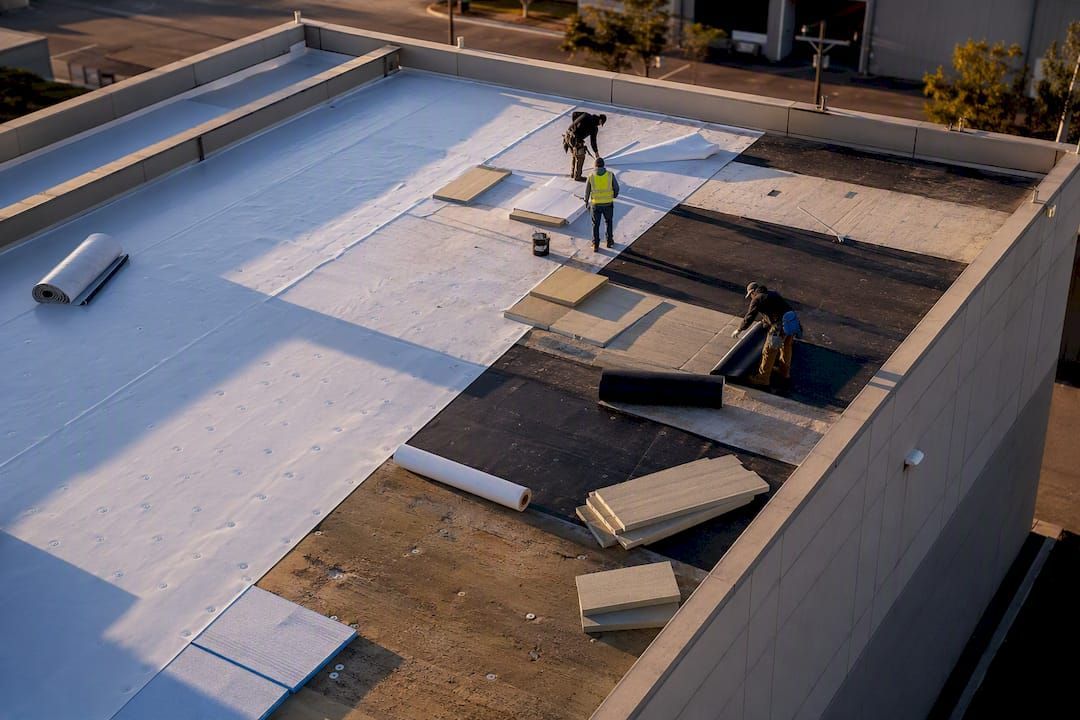
Retrofitting roofing alongside insulation and air barrier improvements delivers compounding benefits. Each upgrade reinforces the others. A new roof membrane without improved insulation leaves thermal bridging in place. New insulation without an air barrier still allows convective losses. The importance of building envelope coordination is that all layers must work together to achieve real performance gains.

Sound insulation, indoor air quality, and structural resilience all improve when the roof envelope is properly detailed. A continuous air barrier reduces outdoor noise infiltration. Controlled moisture management prevents mold growth that degrades air quality. Proper load paths through the roof framing protect the structure during high-wind events.

Key Takeaways

The building envelope roofing system is the primary driver of a home's thermal performance, moisture control, and structural resilience, and neglecting any one of its layers undermines all three.

Point Details
Roofing controls heat, moisture, and loads All three functions must perform together for the envelope to work effectively.
Continuous insulation delivers major gains Adding insulation above the roof deck can reduce heat transfer by 90% or more.
Sealant joints fail before membranes Inspect roof-to-wall transitions and penetrations annually, not just the surface.
Reflective materials cut cooling costs Cool roof coatings lower solar heat gain and reduce HVAC demand in hot climates.
Envelope upgrades right-size HVAC Improving roofing performance can allow for smaller, more efficient HVAC equipment.

What I've learned after years of watching roofs fail at the wrong spots

Most homeowners think about their roof only when water appears inside. That reactive mindset is the most expensive way to manage a building envelope. By the time a stain shows up on a ceiling, moisture has typically been migrating through the assembly for months, sometimes years.

The insight that changed how I think about roofing is this: the roof is an active system, not a passive cover. It responds to temperature, humidity, wind, and UV exposure every single day. Sealants compress and relax. Fasteners work loose. Flashing shifts. A roof that performed well at installation is not the same roof five years later without maintenance.

The most common mistake I see is treating minimum building codes as the performance target. Codes set a floor, not a ceiling. Owners who exceed code with continuous thermal resistance and proper air barrier detailing see the difference in their utility bills within the first year. Those who stop at code compliance often find themselves retrofitting expensive fixes a decade later.

The second mistake is delaying envelope design decisions until late in a project. Envelope design is foundational for high-performance buildings. Late-stage coordination issues lead to costly lifecycle disputes and deterioration. Get the roofing, insulation, and air barrier details locked in early, and the rest of the building performs better as a result.

My honest advice: schedule a professional inspection every year, run diagnostic testing if you suspect air or moisture issues, and treat every roof-to-wall joint as a potential failure point. The roof is not just a cover. It is the top layer of a system that determines how comfortable, efficient, and durable your building will be for decades.

— Cesar

How Upstateroofingpros supports your building envelope

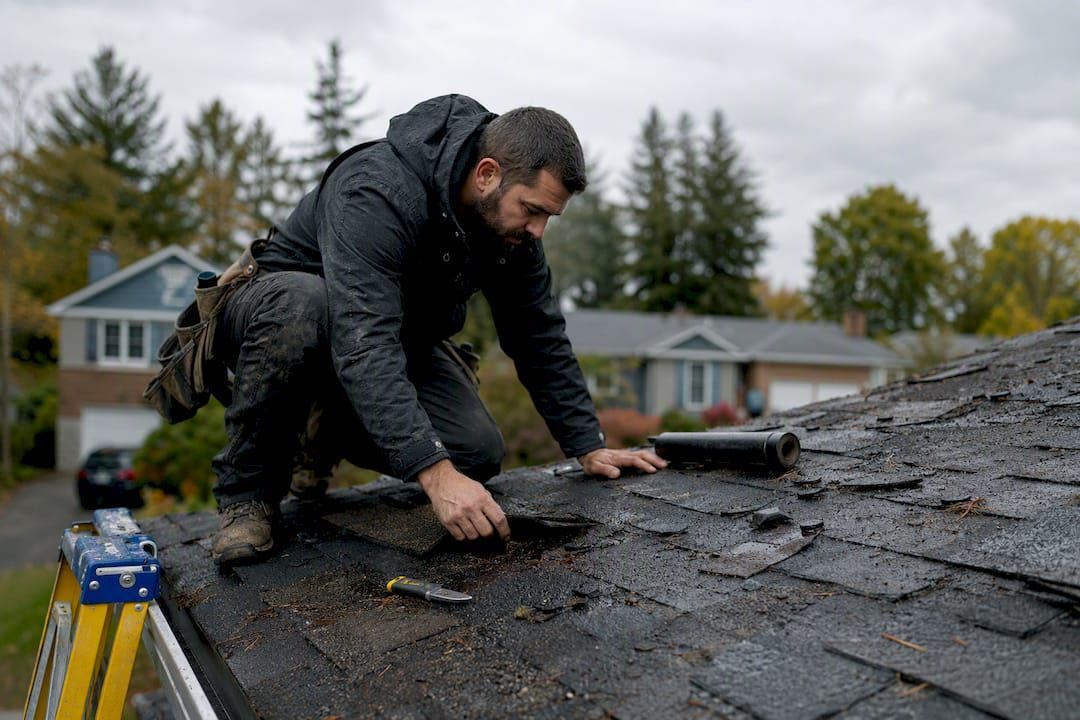
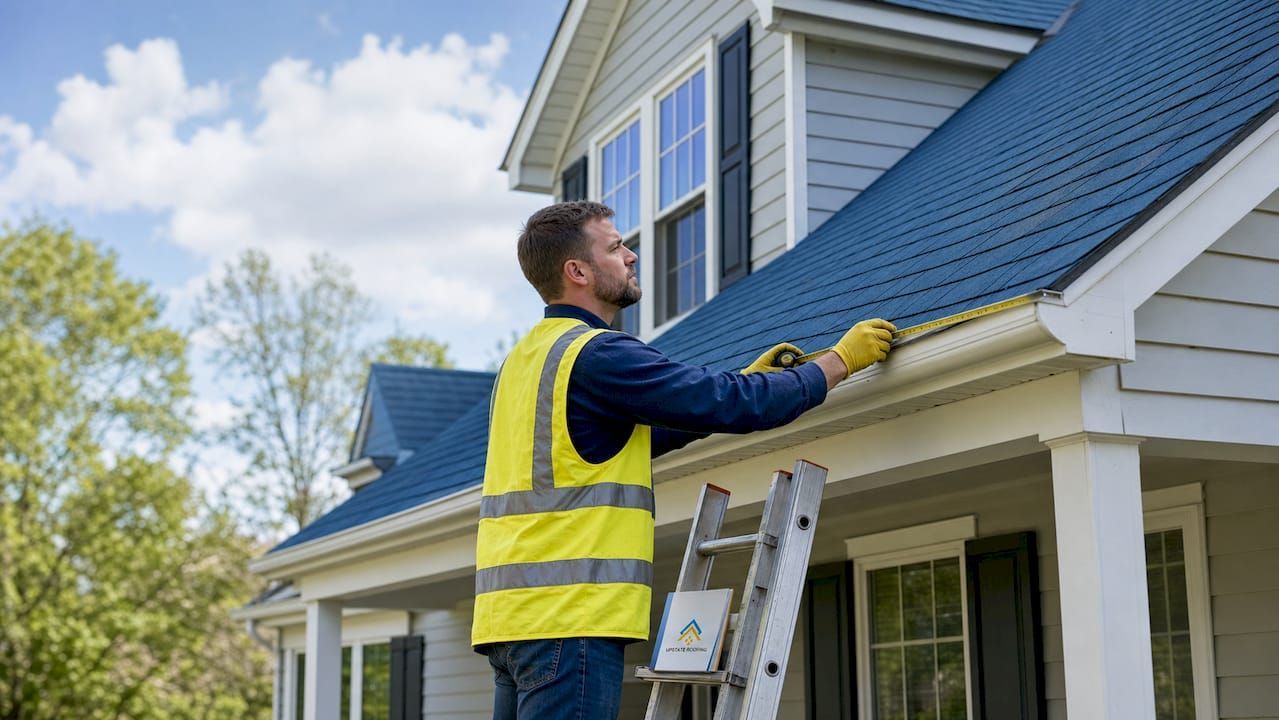
Your roof is only as strong as the team maintaining it. Upstateroofingpros provides professional roof inspections that systematically evaluate every vulnerable zone in your building envelope, from sealant joints and penetrations to flashing transitions and deck condition.

When inspection reveals damage, the Upstateroofingpros team handles expert roof repair with licensed professionals and premium materials. For roofs that have reached the end of their service life, full roof replacement restores envelope performance from the deck up. Whether you manage a single-family home or a commercial property in the Sacramento and Roseville area, Upstateroofingpros delivers the expertise your building envelope needs to perform at its best.

FAQ

What is the building envelope in roofing?

The building envelope is the physical barrier between a building's interior and the outdoor environment. Roofing is the top layer of this system, controlling heat transfer, moisture, and structural loads.

Why does roofing affect my energy bills?

A roof that lacks continuous insulation or has air leaks forces your HVAC system to work harder. Reflective materials and proper insulation reduce heating and cooling demand, which lowers utility costs directly.

Where do most roof leaks actually start?

Sealant breakdown at roof-to-wall joints and penetrations causes most leaks, not failures in the main roof membrane. Inspecting these transition zones annually prevents the majority of water intrusion problems.

How often should I inspect my roof envelope?

Annual visual inspections of penetrations, sealant joints, and exterior surfaces are the industry standard, with an additional check after any major storm or high-wind event.

Can a better roof reduce my HVAC equipment size?

Yes. Upgrading building envelope performance reduces the heating and cooling load enough to allow for smaller, correctly sized HVAC equipment, which saves money on both installation and operating costs.

Recommended

Recent Posts

July 5, 2026
Discover the role of roofing contractor license for protection against costly mistakes. Learn how it ensures safety and legality in roofing work.
July 3, 2026
Understand what does a roofing bid include. Get detailed insights into materials, costs, and timelines to protect your budget.
June 30, 2026
Explore the types of roofing insulation for commercial buildings. Discover how the right insulation can reduce energy costs and improve compliance.
June 28, 2026
Discover how to hire a licensed roofing contractor with confidence. Follow our expert steps to ensure quality work and avoid costly mistakes.
June 26, 2026
Discover why roof maintenance reduces capital costs and saves you money. Prevent costly repairs with proactive inspections and repairs.
June 23, 2026
Discover why commercial roofs need coatings in 2026. Extend roof life, reduce cooling costs, and save on replacements. Learn more!
June 21, 2026
Discover why commercial roofs stay flat. Learn how this design impacts costs, space, and maintenance decisions for smart property management.
June 19, 2026
Discover what roof warranty covers and learn how to protect your investment. Avoid costly surprises with our comprehensive homeowner's guide.
commercial roof repair in sacramento
June 5, 2026
Discover why roof maintenance prevents downtime for property owners. Learn effective strategies to protect your investment and avoid costly damage.
tpo roofing companies in sacramento
June 2, 2026
Discover our comprehensive TPO roofing installation overview for 2026. Learn essential steps and tips for a successful, energy-efficient roofing project!
Show More