
Why Roof Maintenance Prevents Downtime for Property Owners

June 5, 2026

Share this article

Why Roof Maintenance Prevents Downtime for Property Owners

Roof maintenance is the single most effective strategy for preventing unplanned property downtime caused by water intrusion, structural damage, and system failures. In the roofing industry, this practice is formally called a preventive maintenance program , and it stands in direct contrast to reactive repair. When a ceiling stain appears, the damage has already been happening for weeks or months beneath the membrane. The financial and operational consequences of that delay are severe. This article breaks down exactly why roof maintenance prevents downtime, what the data says about costs, and how homeowners and property managers can build a program that protects their investment.

Why does roof maintenance prevent downtime?

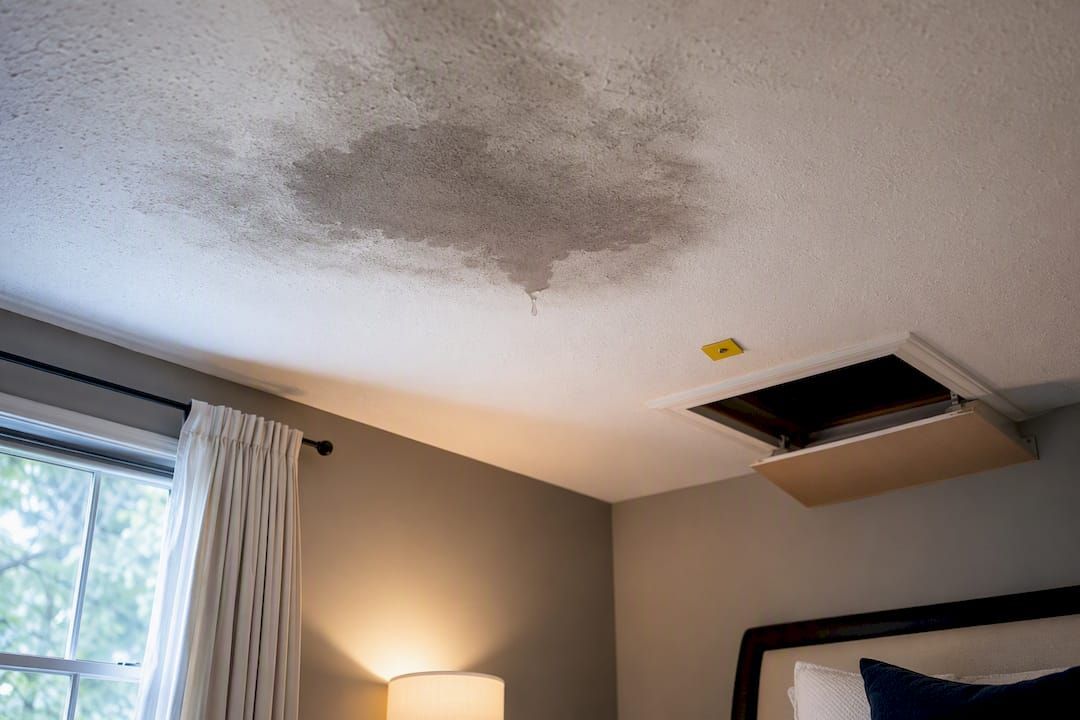
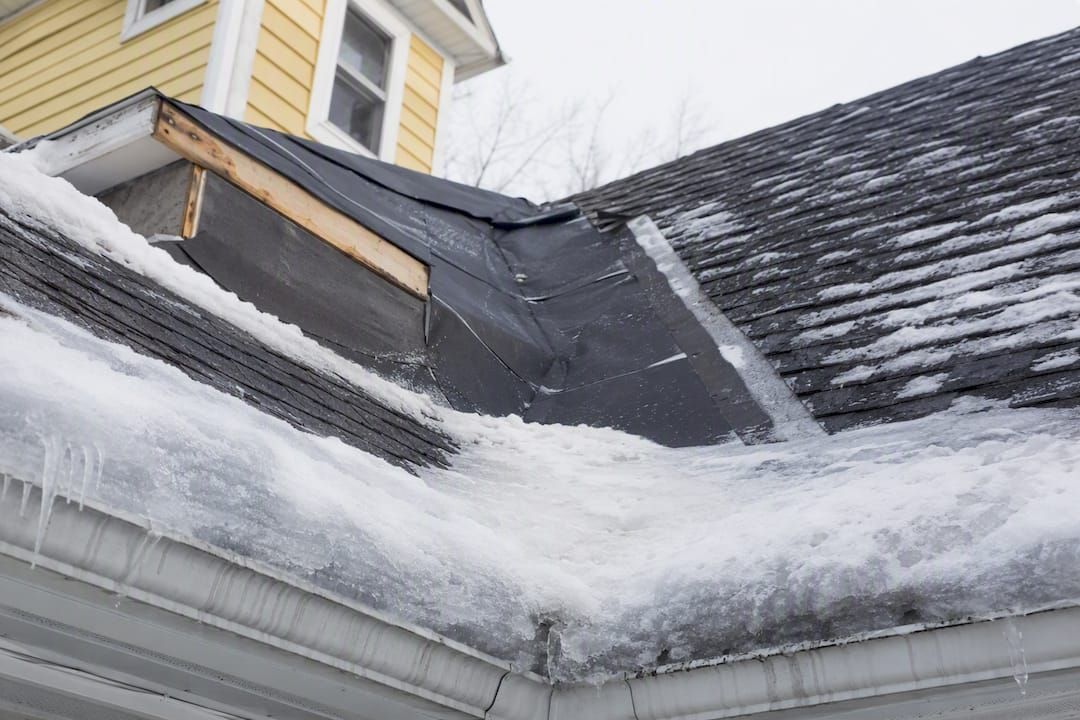
Proactive roof maintenance prevents operational downtime by catching leaks and system degradation before interior water intrusion occurs. That timing is everything. Reactive repairs, by definition, happen after damage is already visible, which means insulation is saturated, drywall is compromised, and in commercial properties, operations are disrupted.

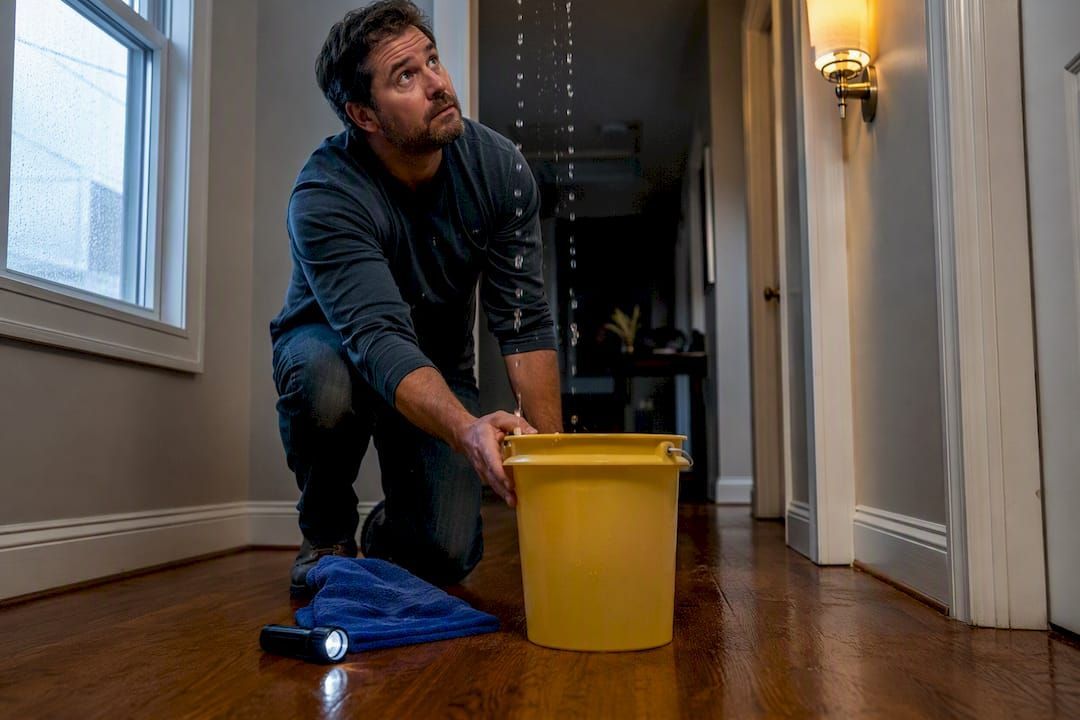
Think of inspections as leading indicators and leaks as lagging indicators. By the time a leak is visible, active infiltration has likely been underway long enough to require membrane and insulation remediation. That kind of repair forces closures, displaces occupants, and triggers insurance claims. A scheduled inspection costs a fraction of that outcome.

The roof upkeep importance extends beyond just the roof itself. Water that enters through a compromised membrane travels horizontally before it drops, meaning the visible stain on a ceiling tile is rarely directly below the actual breach. This makes reactive repairs more expensive and more disruptive than they appear at first glance.

How does roof failure lead to downtime and damage?

Roof failures follow predictable pathways, and understanding them is the first step toward preventing them. The most common sequence starts at the perimeter, not the roof field.

Most big leaks originate at perimeter details and penetrations , not at the flat membrane surface. HVAC curbs, vents, skylights, and parapet flashings are the highest-risk points on any roof.

Here is how failure typically escalates:

  • Flashing failure at penetrations. Flashing failures at roof penetrations are the most common source of active leaks. When sealant around an HVAC curb or skylight cracks, water enters the building envelope with every rain event.
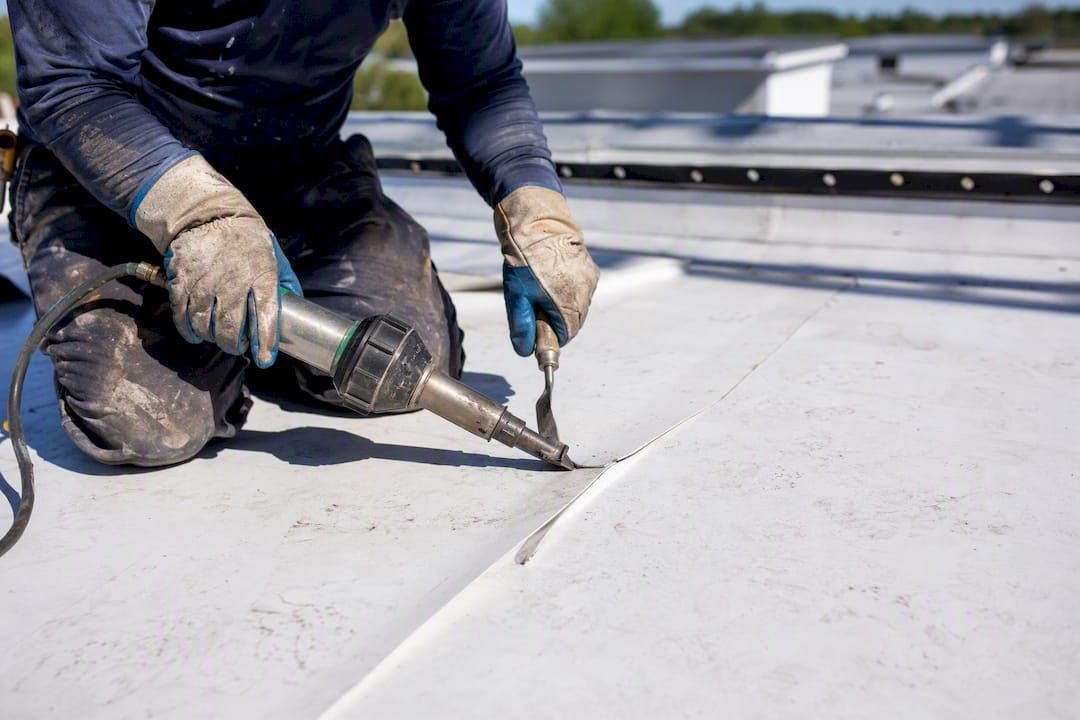
  • Membrane degradation. TPO, EPDM, and modified bitumen membranes all degrade over time. Ponding water accelerates this process, softening adhesives and creating micro-tears that expand seasonally.
  • Insulation saturation. Once water passes the membrane, it saturates rigid insulation boards. Wet insulation loses its R-value, forcing HVAC systems to work harder and increasing energy costs before a single visible stain appears.
  • Structural load increase. Saturated insulation and standing water add significant weight to a roof deck. In extreme cases, this contributes to deck deflection or failure.
  • Interior damage cascade. Ceiling tiles, electrical systems, inventory, and equipment are all at risk once water reaches the interior. For commercial properties, this triggers operational shutdowns and liability exposure.

The signs of roof neglect are not always dramatic. Blistering membrane surfaces, rusted flashing, and clogged drains are quiet precursors to the kind of failure that forces a property out of operation for days or weeks.

What are the key preventive maintenance and inspection practices?

A structured preventive maintenance program addresses the failure pathways above before they activate. The following sequence reflects industry best practice for both residential and commercial properties.

  1. Schedule biannual inspections. Inspect in spring after freeze-thaw cycles and in fall before heavy rain season. These are the two periods when existing vulnerabilities are most likely to worsen. Biannual inspection programs extend roof lifespan by 8 to 12 years compared to reactive programs.
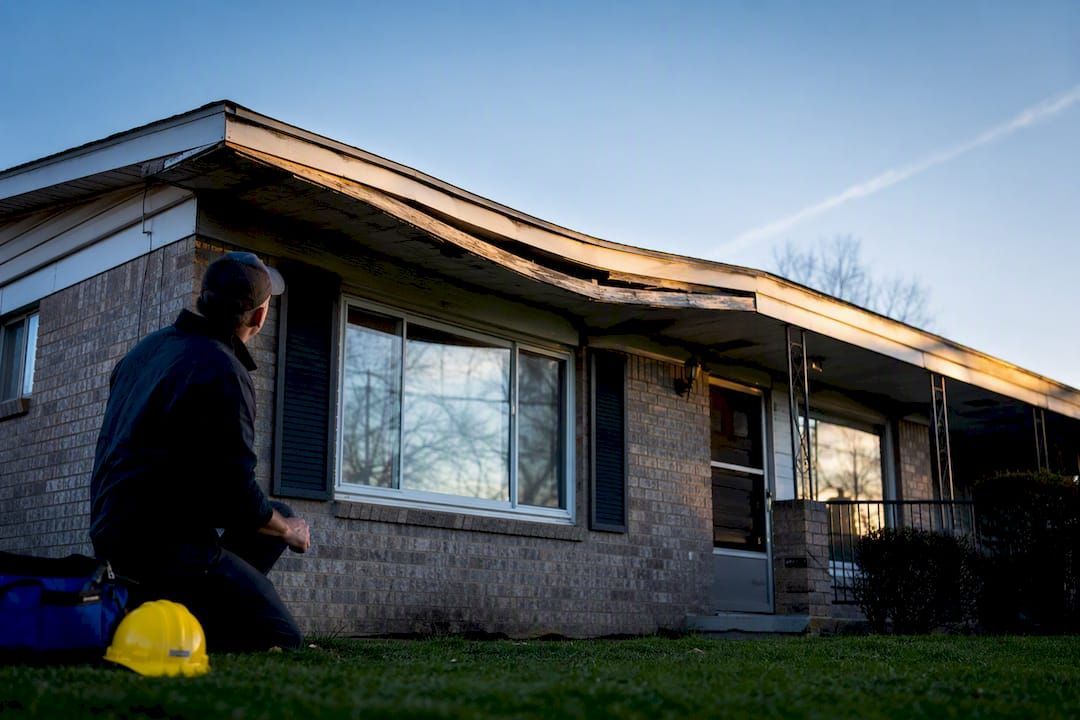
  2. Add triggered inspections after weather events. Any storm with winds above 50 mph, hail, or heavy debris warrants an immediate inspection. Waiting until the next scheduled visit after a major weather event is one of the most common and costly mistakes property managers make.
  3. Clear drainage systems. Gutters, scuppers, and interior drains must be free of debris. Drainage maintenance is one of the highest-return tasks in any maintenance program because ponding water is both a symptom and a cause of membrane failure.
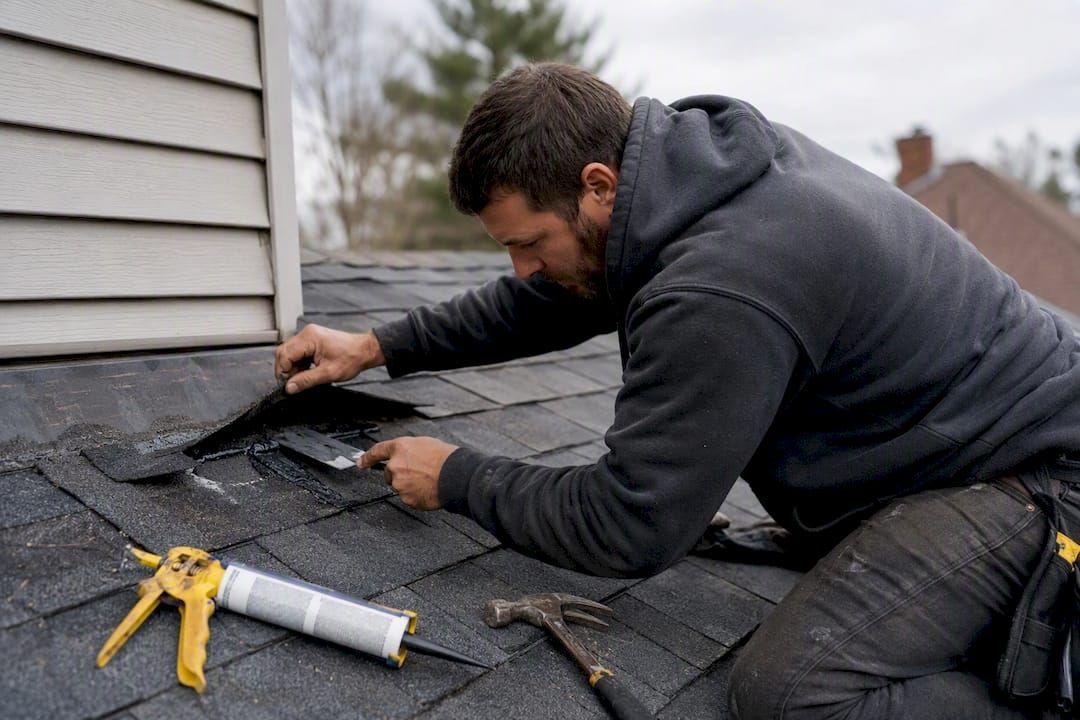
  4. Inspect and reseal all penetrations. HVAC curbs, pipe boots, vent flashings, and skylights should be checked at every visit. Resealing these points costs under $200 in most cases and prevents the most common leak pathway.
  5. Conduct thermal imaging surveys. Infrared thermography detects moisture trapped in insulation that is completely invisible to a visual inspection. A thermal survey costing $500 to $1,500 can reveal damage that would cost $50,000 or more to remediate if left undetected.
  6. Document everything. Photograph conditions at every inspection, log repair dates, and maintain a record of all work performed. This documentation protects warranties and supports insurance claims.

Pro Tip: Schedule your fall inspection in October rather than November. Roofing contractors are less booked, temperatures are still workable for sealant application, and you have time to complete repairs before the heaviest rain months.

Combining interior and exterior inspection data is also critical. Interior ceiling stains or moisture readings should always be cross-referenced with exterior conditions to avoid fixing only the surface symptom while an active breach continues beneath the membrane.

How do preventive maintenance costs compare with reactive repair expenses?

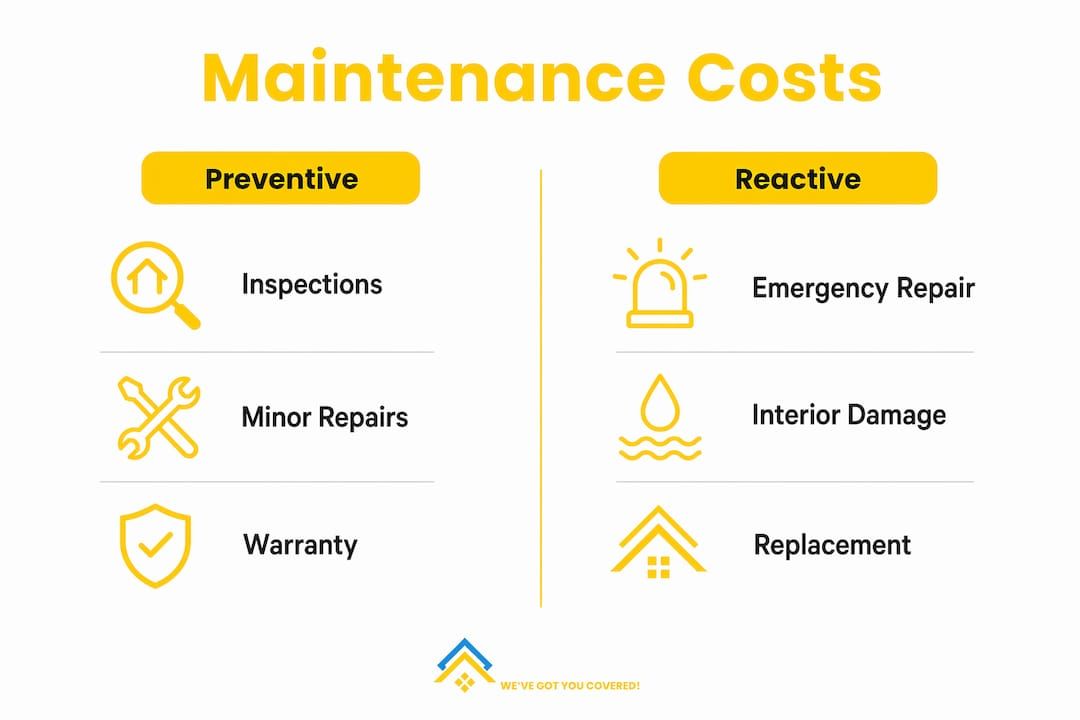
The financial case for preventive maintenance is straightforward. The numbers make it impossible to argue for a wait-and-see approach.

Cost Category Preventive Maintenance Reactive Repair
Annual inspection $230 average per visit Not applicable
Thermal imaging survey $500 to $1,500 Not applicable
Minor flashing repair $150 to $400 Not applicable
Emergency leak remediation Not applicable $3,000 to $15,000+
Full membrane replacement Delayed 8 to 12 years Triggered prematurely
Operational downtime Near zero Days to weeks

The math is clear. A biannual inspection program with minor repairs costs roughly $1,000 to $2,500 per year for most residential and light commercial properties. A single emergency repair event, including interior remediation, can exceed $15,000 and that figure does not account for lost revenue, displaced tenants, or insurance deductibles.

The benefits of roof maintenance also extend to warranty protection. Most roofing manufacturers, including GAF, require documented inspections to keep material warranties valid. A property that skips inspections may find its warranty voided precisely when it needs it most. Working with a qualified contractor like Upstateroofingpros to maintain warranty compliance is one of the most financially sound decisions a property owner can make.

How to implement an effective roof maintenance plan

Building a maintenance program does not require a large budget or a facilities team. It requires consistency, documentation, and the right professional relationships.

  • Set a fixed inspection calendar. Two professional inspections per year is the baseline. Add a monthly DIY walkthrough where you check for visible debris, standing water, and any obvious damage to gutters or flashing from ground level.
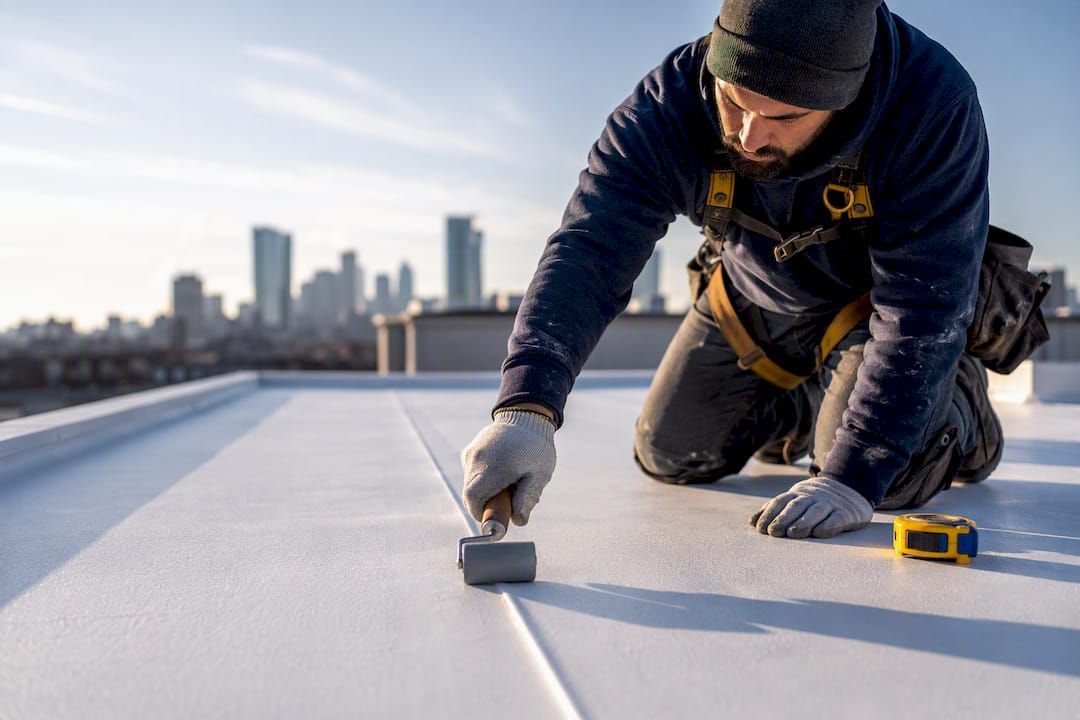
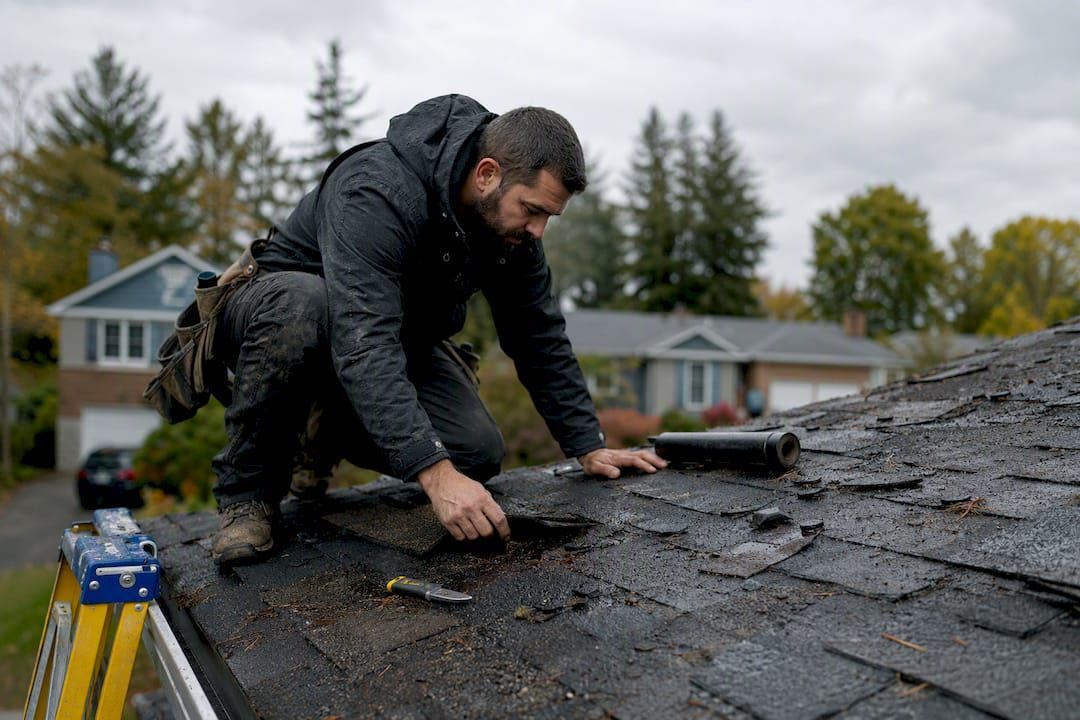
  • Hire a licensed roofing contractor for professional inspections. DIY checks catch obvious problems, but a licensed contractor identifies membrane stress, flashing separation, and drainage issues that require trained eyes and sometimes equipment. Upstateroofingpros offers structured maintenance plans designed specifically to minimize downtime risk.
  • Maintain a maintenance log. Record every inspection date, findings, repairs made, and contractor contact information. This log is your first line of defense in a warranty dispute or insurance claim.
  • Prepare for seasonal weather. In Sacramento and the surrounding areas, the transition from dry summers to wet winters is the highest-risk period. Clear all drains and inspect all penetrations before October. Review your commercial roof inspection checklist to make sure nothing is missed.
  • Address repairs immediately. A small flashing gap identified in October costs a few hundred dollars to fix. The same gap left until February, after three months of rain, can cost ten times that amount and force interior remediation.

Pro Tip: Ask your roofing contractor to provide a written condition report after every inspection, not just an invoice. That report becomes part of your maintenance log and is often required by insurers when processing claims.

Roof care to minimize downtime is not a one-time project. It is an ongoing commitment that pays returns every year the roof performs without incident.

Key takeaways

Roof maintenance prevents downtime because it identifies and resolves vulnerabilities before water intrusion triggers the cascade of interior damage, operational disruption, and emergency repair costs that define reactive maintenance.

Point Details
Timing is the core advantage Proactive inspections catch issues weeks or months before visible leaks force costly closures.
Perimeter details are the highest risk Flashing at HVAC curbs, skylights, and vents causes the majority of active leaks.
Thermal imaging adds detection depth Infrared surveys reveal hidden moisture that visual inspections miss, preventing large-scale failures.
Preventive costs are a fraction of reactive Annual maintenance runs $1,000 to $2,500 versus $15,000 or more for emergency remediation.
Documentation protects warranties Inspection records keep manufacturer warranties valid and support insurance claims when needed.

What I've learned after years of watching roofs fail

I have seen the same scenario play out more times than I can count. A property owner skips two or three inspection cycles because the roof looks fine from the ground. Then a wet winter arrives, and what started as a hairline crack in the flashing around an HVAC curb becomes a $20,000 remediation project that shuts down a section of the building for two weeks.

The uncomfortable truth is that the roof field, the flat open membrane that everyone worries about, almost never fails first. It is always the perimeter. The flashing at a parapet wall. The boot around a plumbing vent that was never resealed after the last HVAC service. These are the details that get overlooked because they are not dramatic, and they are exactly where the money goes when a roof fails.

The other thing I have learned is that property managers who treat roof inspections as a budget line item to cut during slow years are the same ones calling for emergency service in February. The $230 inspection is not an expense. It is the cheapest insurance policy you can buy for a $30,000 to $100,000 asset sitting above everything you own.

My advice is simple. Build the inspection schedule into your annual calendar before the year starts. Find a contractor you trust, get a written condition report every time, and act on the small repairs immediately. The roof that never makes the news is the one that gets maintained.

— Cesar

Protect your property with professional roof maintenance

Upstateroofingpros provides licensed roof inspections, maintenance programs, and leak detection services across Sacramento, Roseville, and surrounding areas. Their team identifies the perimeter details, drainage issues, and membrane conditions that cause the most expensive failures, before those failures happen. Whether you need a one-time inspection to establish a baseline or a structured annual maintenance plan that keeps your warranty intact and your property operational, Upstateroofingpros has the experience and tools to deliver it. Schedule your inspection today and stop paying emergency repair rates for problems that a $230 visit could have prevented.

FAQ

Why does roof maintenance prevent downtime?

Roof maintenance prevents downtime by identifying leaks, flashing failures, and drainage problems before they cause interior water intrusion. Once water enters a building, remediation typically forces operational disruption that a routine inspection would have avoided entirely.

How often should a roof be inspected?

Professional inspections should occur twice per year, typically in spring and fall, plus after any major storm event. This schedule is the standard recommended by roofing industry programs and is required by most manufacturer warranties to remain valid.

What are the signs of roof neglect?

Signs of roof neglect include interior ceiling stains, blistering or cracked membrane surfaces, rusted or separated flashing, clogged gutters, and ponding water that remains 48 hours after rain. Any of these conditions signals active or imminent water intrusion risk.

How much does a roof inspection cost compared to repairs?

A professional roof inspection averages $230 as of 2026, while emergency leak remediation and interior repairs routinely exceed $3,000 to $15,000 or more. The inspection cost is less than 10% of the average emergency repair bill.

What is thermal imaging and why does it matter for roof maintenance?

Thermal imaging uses infrared cameras to detect moisture trapped in roof insulation that is invisible to the naked eye. Surveys costing $500 to $1,500 can identify damage that would cost $50,000 or more to fix if left undetected, making it one of the highest-return tools in any preventive maintenance program.

Recommended

Recent Posts

tpo roofing companies in sacramento
June 2, 2026
Discover our comprehensive TPO roofing installation overview for 2026. Learn essential steps and tips for a successful, energy-efficient roofing project!
residential roof repair in sacramento
June 1, 2026
Discover how residential roof layers explained can save you money. Understand your roof's components for smarter repairs and lasting protection!
Residential roof inspection sacramento
June 1, 2026
Discover what does roof replacement involve and learn essential steps for a successful project. Make informed choices and protect your investment!
commercial roof inspections in sacramento
June 1, 2026
Discover why commercial buildings need roof surveys to prevent costly repairs, ensure structural integrity, and protect warranties. Act now!
commercial roof gutter
May 31, 2026
Discover vital commercial gutter system maintenance tips for property managers. Protect your building and ensure compliance with our expert guide!
May 31, 2026
Discover why roofs leak after rain and learn effective fixes to prevent costly damage. Protect your home with expert insights today!
May 30, 2026
Discover the roofing maintenance plan benefits: extend your roof's lifespan, lower costs, and prevent emergencies. Invest wisely in your home!
May 29, 2026
Discover the critical role of building manager roof inspection. Learn how proactive checks save money and protect your property.
May 28, 2026
Discover the best roof coating types for commercial buildings. Enhance durability, cut costs, and boost energy efficiency with our 2026 guide!
May 27, 2026
Ensure your home is protected with our roof inspection checklist for homeowners in 2026. Catch issues early and save money!
Show More