
The Role of a Roofing Contractor License Explained
A roofing contractor license is an official certification that authorizes a contractor to legally perform roofing work, confirming they meet state professional and safety standards. The role of roofing contractor license requirements goes far beyond paperwork. Licensing protects you from financial loss, legal liability, and substandard work that can compromise your home's structure. Upstateroofingpros holds full licensing and insurance because those credentials are the first line of defense between a homeowner and a costly roofing disaster.
What are the licensing requirements for roofing contractors?
Roofing contractor requirements vary by state, but the core elements are consistent across most jurisdictions. A contractor must demonstrate field experience, pass trade exams, carry general liability insurance, and maintain active workers' compensation coverage. State-mandated roofing licenses require proof of both liability and workers' compensation insurance. That requirement exists specifically to give you access to recovery funds and formal complaint mechanisms if something goes wrong.
Most states require a license for any roofing work valued above $500 to $1,000. Handyman exemptions never apply to roofing, regardless of project size. Roofing sits in the same mandatory licensing category as electrical, plumbing, and HVAC work. That classification reflects how much structural risk a poorly installed roof carries.
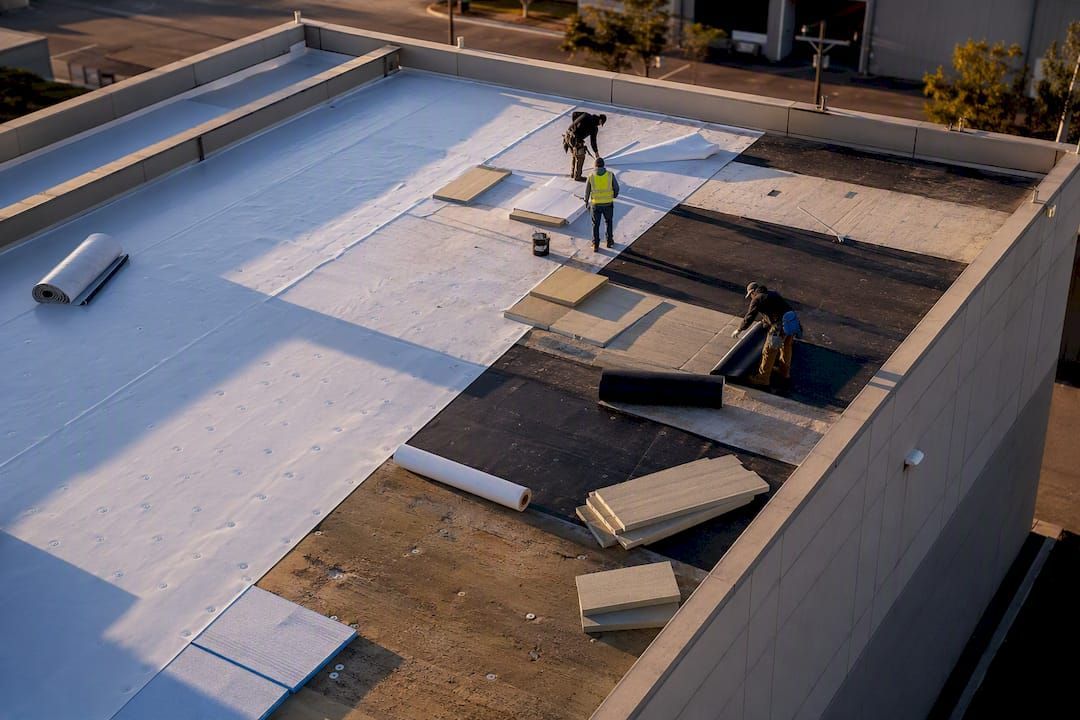
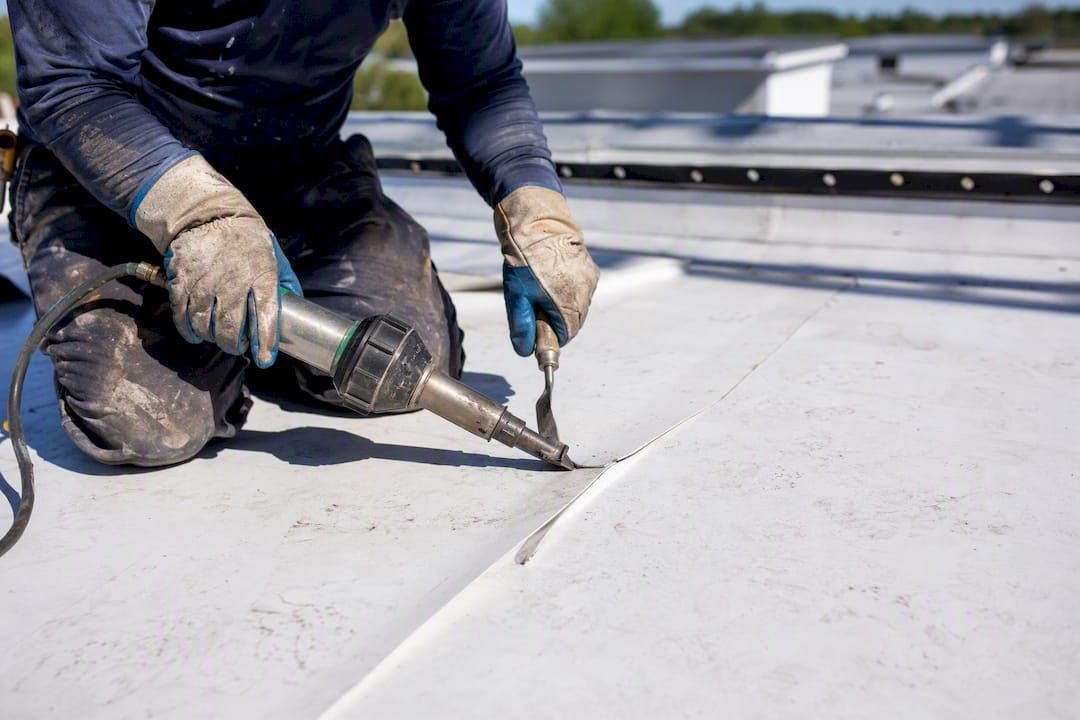
Some states issue roofing-specific license classifications that go beyond a general contractor's license. A contractor working on commercial TPO roofing, for example, may need a separate classification from one doing residential shingle replacement. Always confirm the license type matches the work being performed on your property.
- Experience: Most states require 2–4 years of documented field experience before a license application is accepted.
- Trade exam: Applicants must pass a written exam covering building codes, safety standards, and roofing techniques.
- Liability insurance: Covers property damage caused by the contractor during the project.
- Workers' compensation: Protects you from medical liability if a worker is injured on your roof.
- Bonding: Provides a financial guarantee that the contractor will complete the work as contracted.
Pro Tip: Ask for the contractor's license number before signing any contract. Cross-check it against your state licensing board's online database the same day. A legitimate contractor will hand over that number without hesitation.
What are the risks of hiring an unlicensed roofing contractor?
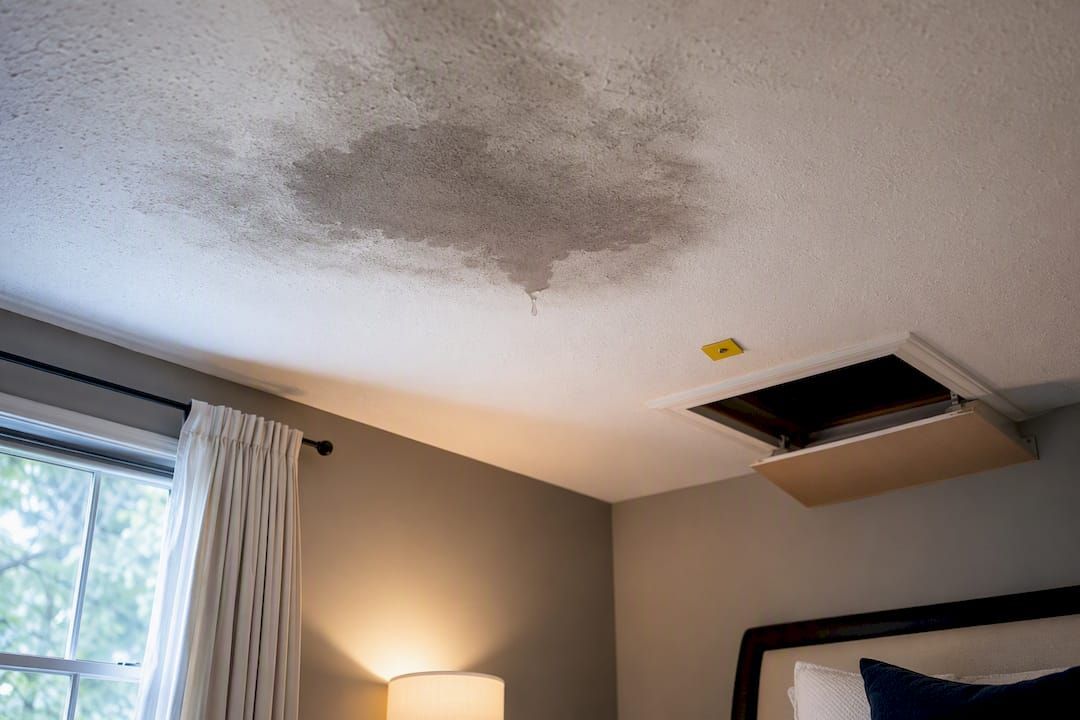
Hiring an unlicensed contractor is one of the most expensive mistakes a homeowner can make. Average financial losses from failed or abandoned projects with unlicensed workers range from $35,000 to $75,000. That figure covers incomplete work, structural repairs, and the cost of hiring a licensed contractor to fix the damage. The financial exposure does not stop there.
The hidden cost most homeowners never see coming: If an uninsured worker falls off your roof and sustains a serious injury, you, as the property owner, can be held legally responsible for their medical bills. Legal and medical liabilities for uninsured workers can escalate costs from $100,000 to over $500,000. Your homeowner's insurance policy may not cover the claim if the contractor was unlicensed.
Unlicensed contractors also skip the permit process. Work without permits leads to insurance claim denials and building code violations. That means when you file a claim after a storm, your insurer can deny it because the roof was never inspected or approved. You are left paying out of pocket for repairs on a roof that was never legally installed.
Manufacturer warranties carry the same risk. Material warranties are voided when roofing is installed by an unlicensed or uncertified contractor. A $15,000 premium shingle system loses its 30-year warranty the moment an unlicensed crew installs it. You pay for premium materials and receive zero coverage.
The legal exposure compounds further when permits are involved. Homeowners who hire unlicensed contractors often become de facto general contractors, bearing legal responsibility for code violations and project defects. That means the city can hold you accountable for the contractor's mistakes.
The four most common consequences of hiring unlicensed roofing contractors:
- Financial losses from abandoned or failed projects, averaging $35,000 to $75,000.
- Medical and legal liability for worker injuries on your property.
- Insurance claim denials due to unpermitted work.
- Voided manufacturer warranties on all installed materials.
How do you verify a roofing contractor's license?
Verification takes less than ten minutes and protects you from the risks listed above. State licensing boards provide online searchable databases where you can check a contractor's license status, active classification, and any disciplinary history. Use the official state board website, not a third-party directory. Contractors can present forged or expired documents, and only the state database reflects the current truth.
Here is what to confirm before signing any contract:
- License status: Confirm the license is active, not expired or suspended.
- License classification: Verify it covers the specific type of roofing work on your project.
- Contracting entity match: The name on the license must match the company name on your contract.
- Insurance certificates: Request current certificates of liability and workers' compensation directly from the insurer, not just a copy from the contractor.
- Complaint history: Check the licensing board for any disciplinary actions or unresolved complaints.
- Manufacturer certifications: For premium materials like GAF Solar Shingles, confirm the contractor holds the manufacturer's installer certification.
| Verification Step | Where to Check | What to Look For |
|---|---|---|
| License status | State licensing board website | Active, not expired or suspended |
| License classification | State licensing board website | Matches your project type |
| Insurance coverage | Contractor's insurer directly | Current policy dates and coverage limits |
| Complaint history | State licensing board | No unresolved disciplinary actions |
| Manufacturer certification | Manufacturer's contractor locator | Valid installer certification for materials used |
Pro Tip: Storm-chaser contractors flood neighborhoods after major weather events. They often carry out-of-state licenses that are not valid in your jurisdiction. Always verify the license is active in your specific state before any work begins.
Homeowners should rely exclusively on official state licensing board websites rather than contractor-provided documents to confirm license validity. A contractor who resists this process is a contractor worth walking away from.
How to obtain a roofing contractor license: an overview
Understanding how contractors get licensed helps you evaluate their qualifications with confidence. The process is demanding by design. States set high bars because roofing failures carry serious structural and safety consequences.
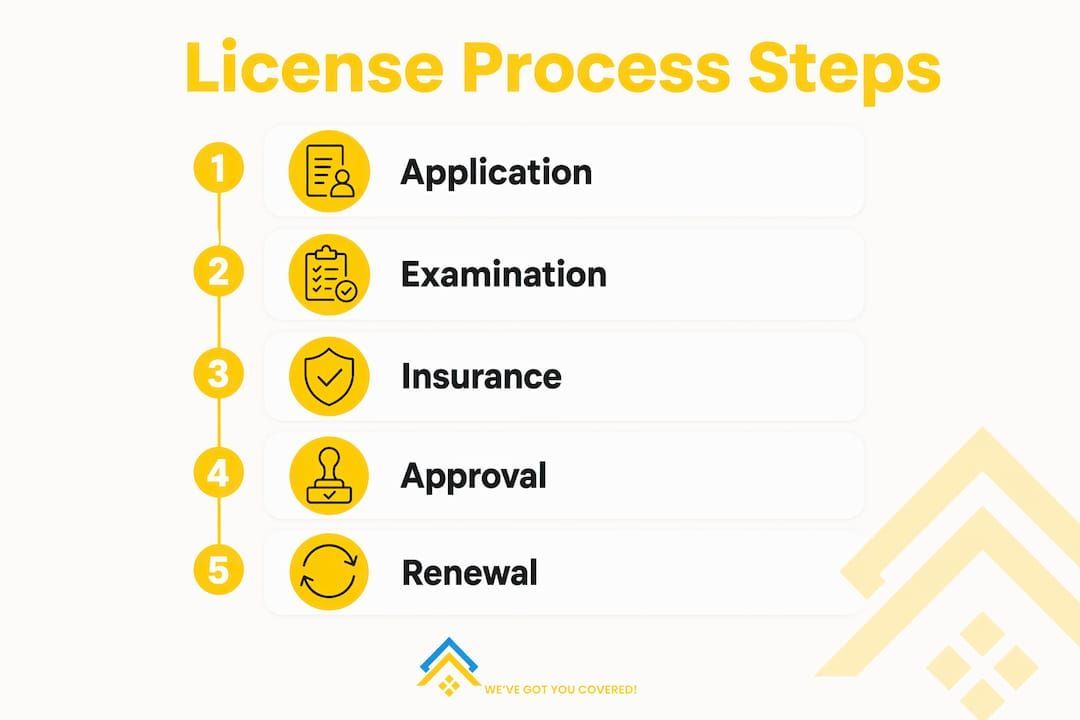
- Meet experience prerequisites. Most states require 2–4 years of documented work experience in roofing before an application is accepted. Some states accept formal trade school training as a partial substitute.
- Pass the required trade exam. Applicants sit for a written exam covering state building codes, roofing materials, installation techniques, and safety regulations. Some states require separate business and law exams in addition to the trade test.
- Secure insurance and bonding. Before a license is issued, the contractor must provide proof of general liability insurance and workers' compensation coverage. Bonding requirements vary by state but typically range from $5,000 to $25,000.
- Submit the application and fees. The completed application goes to the state licensing board along with supporting documents and the required fee. Processing times vary from a few weeks to several months.
- Maintain the license through renewal. Renewal and continuing education are commonly required to keep skills current and maintain legal compliance. Many states mandate renewal every one to two years, with proof of completed coursework.
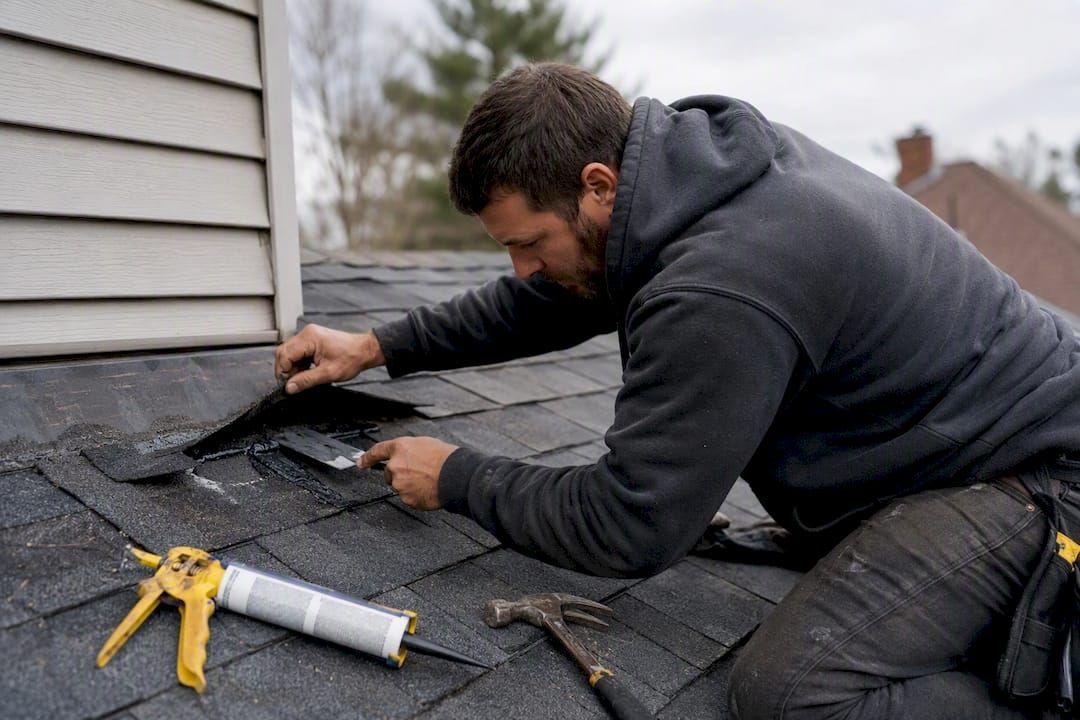
Licensed contractors must also fix underlying structural issues, such as rotted decking, before completing a roofing installation. That requirement exists because the permit and inspection process forces accountability at every stage of the project. An unlicensed contractor has no such obligation and no oversight.
Key Takeaways
A roofing contractor license is the single most reliable indicator that a contractor meets the professional, legal, and safety standards required to protect your home and your investment.
| Point | Details |
|---|---|
| Licensing confirms legal authorization | A valid license proves the contractor meets state standards for experience, exams, and insurance. |
| Unlicensed work creates serious financial risk | Failed projects with unlicensed contractors cause average losses of $35,000 to $75,000. |
| Warranties require licensed installation | Manufacturer material warranties are voided when an unlicensed contractor performs the installation. |
| Verification must use official sources | Always check license status through your state licensing board's online database, not contractor documents. |
| Permits protect you legally | Licensed contractors pull required permits, shielding you from code violations and insurance claim denials. |
What licensing has taught me about protecting homeowners
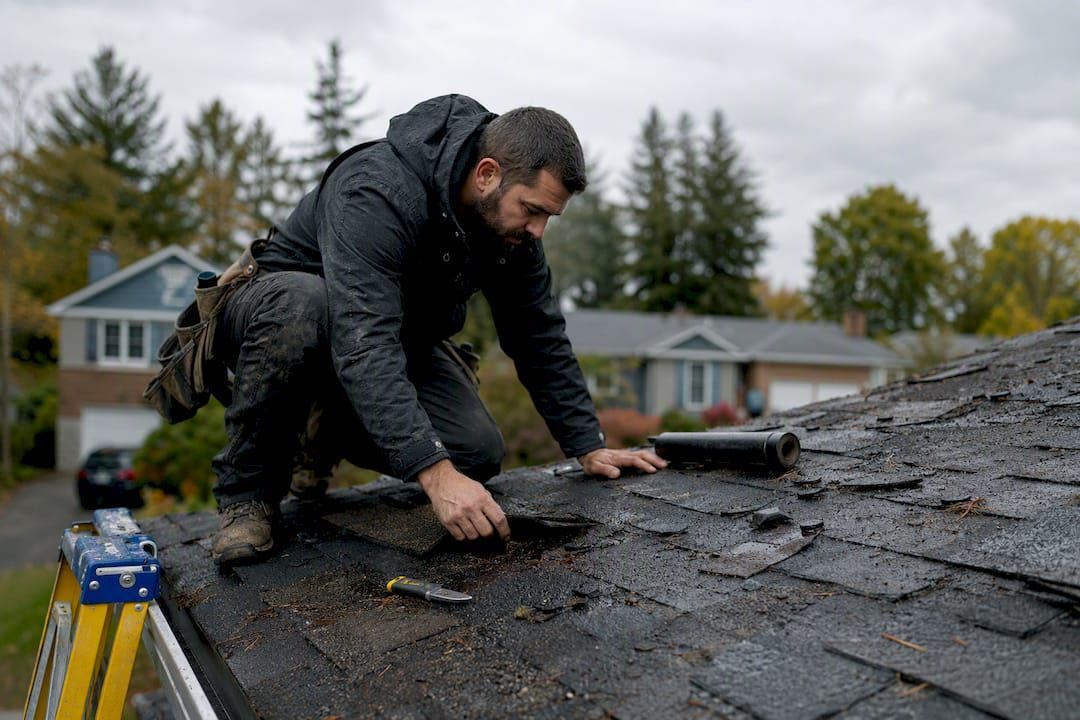
Working in roofing long enough, you see the same story repeat itself. A homeowner gets a quote that is $3,000 cheaper than everyone else. They skip the license check. Six months later, they are calling us to fix a roof that was never permitted, never inspected, and installed with materials that now carry no warranty. The money they saved is gone, and then some.
The biggest misconception I encounter is that a license is just a formality. Homeowners assume that if a contractor shows up with a crew and equipment, they must be legitimate. That assumption is wrong and expensive. Licensing is the mechanism that forces accountability. It means the contractor passed an exam, carries insurance, and can be reported to a regulatory body if something goes wrong.
I also see homeowners trust verbal assurances over documentation. A contractor saying "I'm fully licensed" costs nothing. A license number you can verify on your state board's website is worth everything. Before any roofing project, pull the license number, check it yourself, and confirm the insurance certificates come directly from the insurer. That ten-minute process has saved homeowners I know from six-figure mistakes.
Choose contractors who treat licensing as a point of pride, not a bureaucratic hurdle. The ones who push back on verification questions are telling you something important.
— Cesar
Upstateroofingpros: licensed roofing you can verify
Upstateroofingpros carries full licensing and active insurance on every project, from roof repair to complete roof replacement. Every job is permitted, inspected, and backed by manufacturer warranties that remain valid because our installers hold the certifications required to honor them.
Property owners in Sacramento, Roseville, and surrounding areas trust Upstateroofingpros because our credentials are verifiable, not just claimed. Our services cover residential and commercial roofing, leak detection, roof inspections, GAF Solar Shingles installation, and TPO roofing. You can check our license status through the California Contractors State License Board before you call. We expect you to. Contact Upstateroofingpros today to schedule a professional roof inspection and get a written estimate from a contractor whose credentials hold up to scrutiny.
FAQ
What does a roofing contractor license do?
A roofing contractor license legally authorizes a contractor to perform roofing work and confirms they meet state standards for experience, insurance, and competency. It also gives homeowners access to formal complaint mechanisms and recovery funds if the work fails.
What happens if I hire an unlicensed roofer?
Hiring an unlicensed roofer exposes you to average financial losses of $35,000 to $75,000 from failed projects, plus potential medical liability for worker injuries and insurance claim denials for unpermitted work. Manufacturer warranties on installed materials are also voided.
How do I verify a roofing contractor's license?
Search your state licensing board's official online database using the contractor's license number. Confirm the license is active, matches the contracting entity's name, and covers the classification of work being performed on your property.
Do all roofing projects require a licensed contractor?
Most states require a licensed contractor for any roofing work valued above $500 to $1,000, and handyman exemptions never apply to roofing regardless of project size. Roofing is classified alongside electrical and plumbing as work that always requires proper licensing.
How often do roofing contractors need to renew their license?
Most states require license renewal every one to two years, often with proof of completed continuing education. Renewal requirements keep contractors current on building codes, safety standards, and new roofing materials and techniques.