Why Commercial Roofs Need Coatings: 2026 Guide
Why Commercial Roofs Need Coatings: 2026 Guide
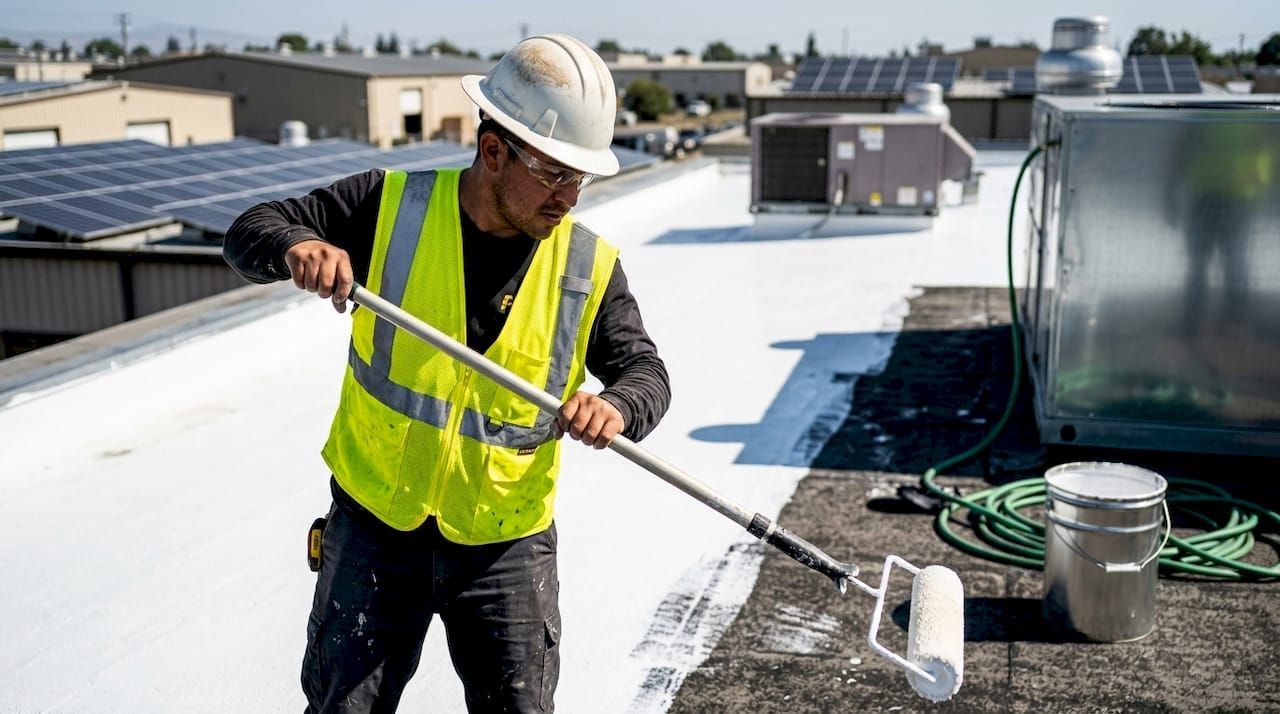
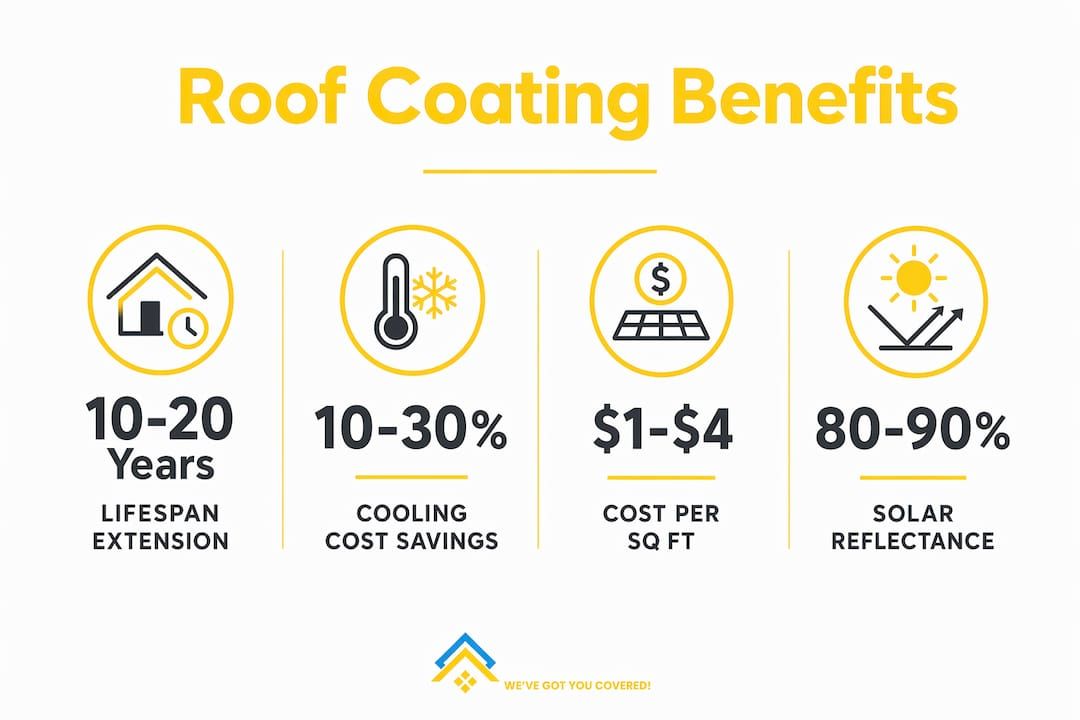
Commercial roof coatings are liquid-applied membranes that form a protective, waterproof, and reflective barrier over an existing roof surface. Understanding why commercial roofs need coatings comes down to three hard facts: coatings extend roof life by 10–20 years, cut cooling costs by 10–30%, and cost a fraction of full replacement. For property managers and building owners watching maintenance budgets, that combination is difficult to ignore. This guide covers the mechanisms, the economics, and the decision criteria you need to evaluate coatings for your building in 2026.
Why do commercial roofs need coatings?
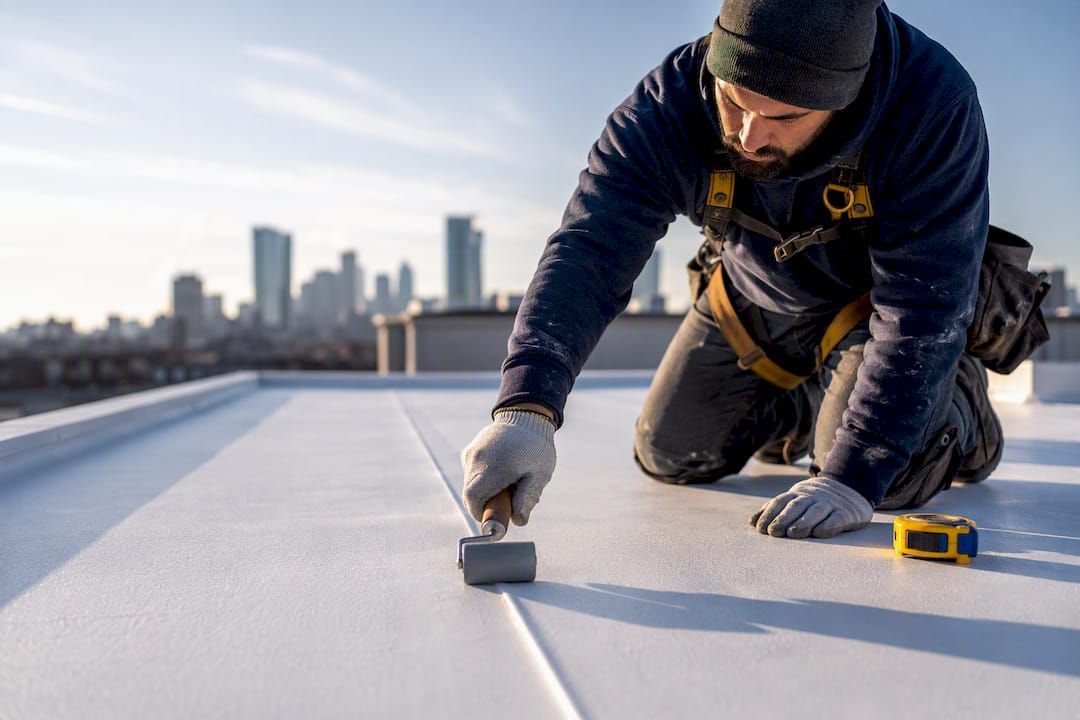
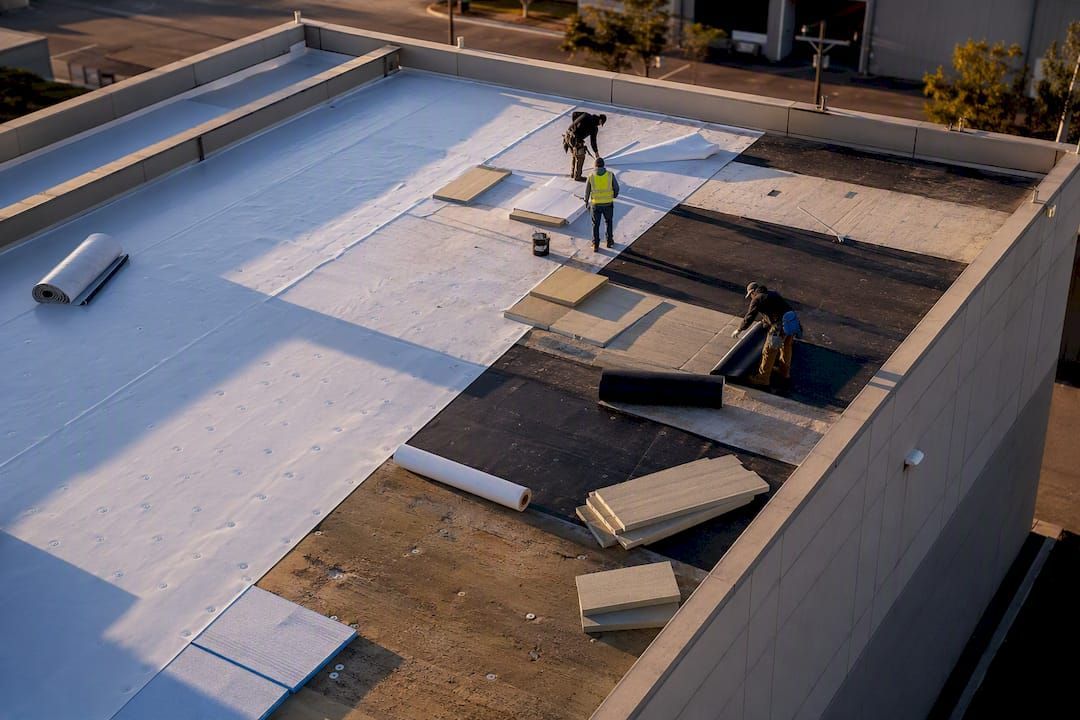
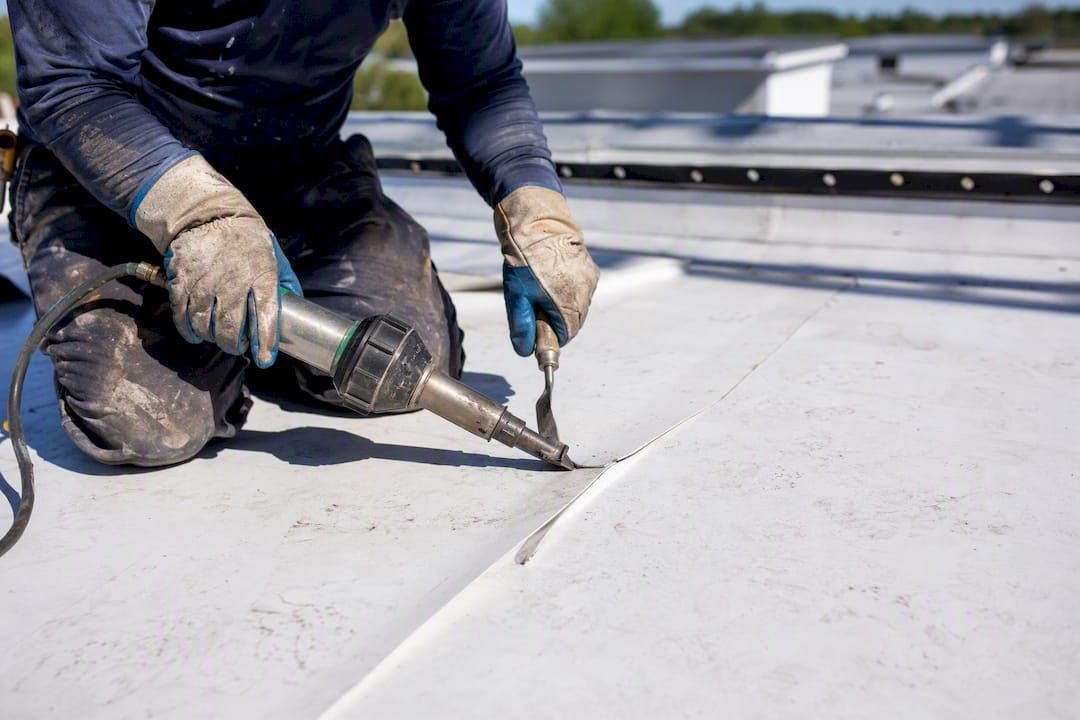
A commercial roof coating is the industry's standard term for a fluid-applied restoration membrane, sometimes called a roof restoration coating or elastomeric coating. These products cure into a monolithic, seamless layer that bonds directly to the existing roof membrane. That seamless bond is the key. Unlike traditional repairs that patch individual problem spots, a coating covers the entire roof surface, eliminating seams and lap joints where water most commonly enters.
Commercial roofs face four primary threats: UV radiation, thermal cycling, ponding water, and physical abrasion. Without protection, UV rays break down membrane polymers over time, causing brittleness and cracking. Thermal cycling, the daily expansion and contraction of roofing materials as temperatures rise and fall, stresses seams and flashings until they fail. A properly applied coating addresses all four threats simultaneously, acting as a sacrificial layer that takes the punishment so the underlying membrane does not.
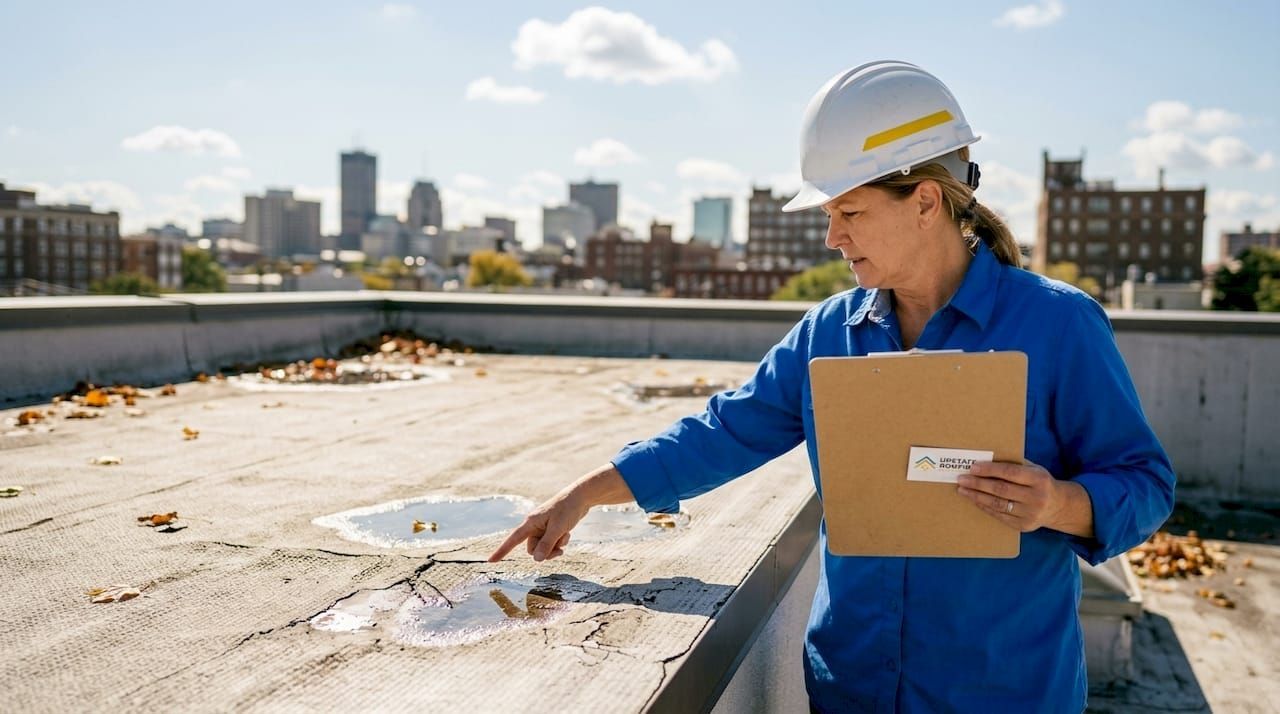
The cost argument alone justifies the investment. Coating application costs$1–$4 per square foot, compared to $5–$15 per square foot for full roof replacement. That gap represents tens of thousands of dollars on a typical commercial building. Coatings also eliminate tear-off labor, disposal fees, and the business disruption that comes with a full replacement project.
How do commercial roof coatings extend the lifespan of roofs?
A professionally applied coating extends roof service life by 10–20 years when the underlying roof is structurally sound. That figure is not marketing language. It reflects the coating's ability to shield the existing membrane from the two forces that degrade it fastest: UV radiation and moisture intrusion.
Coatings work through three core mechanisms:
- Waterproofing: The cured membrane creates a seamless, monolithic surface with no joints or seams. Water has nowhere to penetrate, which stops the leak-freeze-expand cycle that destroys insulation and decking.
- UV protection: Reflective coatings bounce solar energy away before it can break down membrane polymers. This dramatically slows the oxidation and embrittlement that shortens roof life.
- Thermal stress reduction: By keeping the roof surface cooler, coatings reduce the magnitude of daily thermal cycling. Less expansion and contraction means less stress on seams, flashings, and penetrations.
Coatings typically cure to 20–40 mils thickness. That may sound thin, but the chemistry of modern elastomeric and silicone products delivers exceptional flexibility and adhesion at that thickness. The coating moves with the roof rather than cracking under thermal stress.
Pro Tip: Schedule coating application in late spring or early fall when temperatures are moderate and humidity is low. Proper cure conditions directly affect adhesion strength and long-term performance.
Coatings are most effective as a proactive maintenance tool, not a last resort. Applying a coating to a roof that still has 8–12 years of service life remaining locks in that protection and resets the maintenance clock. Waiting until the roof is failing limits your options and increases the risk that coating alone cannot solve the problem.
For a detailed walkthrough of the process, the commercial roof coating guide from Upstateroofingpros covers each step property managers need to manage a coating project from inspection to completion.
What are the energy efficiency benefits of reflective roof coatings?
Reflective coatings, commonly called cool roof coatings, are the most direct way to reduce a commercial building's cooling load. Reflective coatings reduce surface temperatures by 50–80°F on peak summer days. That temperature drop translates directly into lower demand on HVAC systems and reduced electricity bills.
The mechanism is solar reflectance. High-performance reflective coatings bounce 80–90% of solar energy away from the building rather than absorbing it. The metric used to measure this performance is the Solar Reflectance Index, or SRI. Reflective coatings carry SRI values of 90–110, which places them at the top of the performance range for commercial roofing products. Higher SRI values mean cooler roof surfaces and measurable energy savings.
| Metric | Standard Dark Roof | Reflective Coated Roof |
|---|---|---|
| Peak surface temperature | 150–180°F | 70–110°F |
| Solar energy reflected | 5–15% | 80–90% |
| SRI value | 0–25 | 90–110 |
| Cooling cost reduction | Baseline | 10–30% |
The actual savings you see depend on two variables: your building's insulation quality and your local climate. A poorly insulated building in Sacramento will see larger absolute dollar savings than a well-insulated building in a cooler region, because the roof temperature differential has more impact on interior conditions. Buildings in hot, sun-intensive climates like California's Central Valley consistently see the upper end of the 10–30% cooling cost reduction range.
Pro Tip: Pair a reflective coating with an energy-efficient roofing upgrade to maximize savings. Improved insulation combined with a high-SRI coating delivers compounding benefits that neither solution achieves alone.
Cool roof coatings also reduce the urban heat island effect, which is increasingly relevant for commercial property owners seeking sustainability certifications like LEED or ENERGY STAR. A high-SRI coating can contribute directly to those certification points.
When should a commercial roof be coated versus replaced?
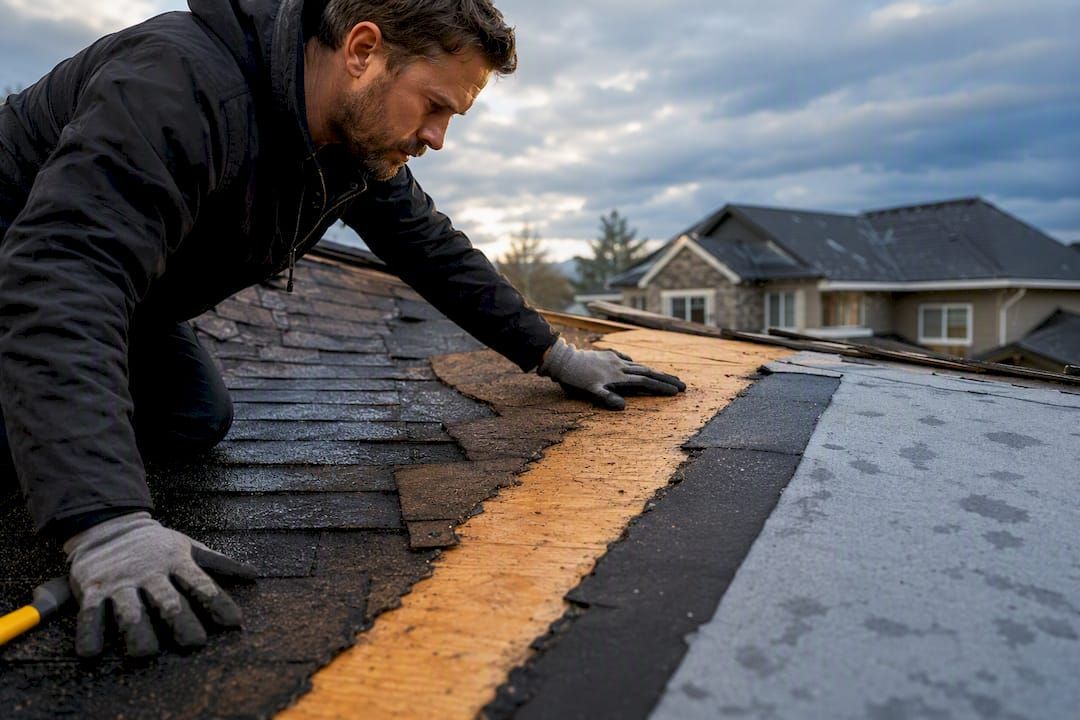
The single most important rule in commercial roofing: a coating is only as effective as the roof beneath it. Applying a coating to a failing roof does not save the roof. It delays the inevitable while adding cost.
The industry standard decision criteria are clear. Coatings are appropriate when:
- Less than 25% of the roof area requires repair before coating
- The existing membrane is intact with no widespread delamination
- Roof insulation is dry, with moisture content below 5% by weight
- The roof structure is sound with no sagging or deck deterioration
When those conditions are not met, replacement is the financially wiser choice. If over 25% of the roof has significant damage, the cost-value of coating diminishes rapidly. You end up spending money on a coating that cannot compensate for the underlying failures.
| Condition | Coat | Replace |
|---|---|---|
| Less than 25% damage | Yes | No |
| Dry insulation (below 5% moisture) | Yes | No |
| Widespread delamination | No | Yes |
| Saturated insulation | No | Yes |
| Roof past service life | No | Yes |
| Structurally sound deck | Yes | No |
The diagnostic tools that determine which path to take are infrared moisture scanning and core testing. Infrared scanning identifies wet insulation beneath the membrane without cutting into the roof. Core samples confirm moisture content and insulation condition at specific locations. Data-driven inspections prevent costly errors, protect warranties, and give you defensible numbers when presenting a capital plan to ownership or a board.
A professional roof inspection before any coating decision is not optional. It is the foundation of every sound maintenance decision.
What types of commercial roof coatings are available?
Four coating types dominate the commercial market. Each has a distinct performance profile, and matching the right product to your roof type and climate is critical.
- Silicone coatings: Silicone offers elongation of 200–250% and outstanding UV resistance. It handles thermal movement without cracking and performs well in ponding water conditions. Silicone is the top choice for low-slope commercial roofs in high-UV climates.
- Acrylic coatings: Water-based and easy to apply, acrylics deliver strong reflectivity and UV resistance. They are cost-effective in dry climates but lose performance in areas with frequent ponding water or freeze-thaw cycles.
- Elastomeric coatings: A broad category that includes both silicone and acrylic products. The term refers to any coating with high elongation and elastic recovery. Elastomeric products are the workhorses of commercial roof restoration.
- Aluminum coatings: Asphalt-based with aluminum flake pigment, these coatings provide good reflectivity and UV protection at a lower price point. They are commonly used on metal roofs and built-up roofing systems.
Surface preparation determines whether any of these products perform as intended. The existing roof must be clean, dry, and free of loose material before coating. Contamination, moisture, or inadequate primer will cause adhesion failure regardless of product quality. Professional application by a licensed contractor is the only way to guarantee that preparation standards are met. For a full breakdown of product options, the roof coating types guide from Upstateroofingpros covers each material in detail.
What are the maintenance requirements and long-term costs?
Coatings are not a one-time fix. They are a maintenance strategy that requires periodic attention to deliver their full lifecycle value. A properly applied coating typically requires re-coating every 10–15 years, depending on the product, climate, and roof traffic. Regular inspections, ideally twice per year, catch minor coating wear before it becomes a leak.
The long-term economics favor coatings over repeated replacement cycles. Consider a 100,000-square-foot commercial roof. Replacement costs $500,000–$1,500,000. A coating cycle costs $100,000–$400,000 and extends service life by 10–20 years. Over a 30-year period, two coating cycles cost less than one full replacement in most scenarios.
There is also a tax advantage that most property managers overlook. Coatings are legally classified as maintenance, which means the cost is expensed in the year applied rather than depreciated over decades. That immediate deduction improves cash flow in the year of application, a real financial benefit compared to capitalizing a full replacement. A roof maintenance plan that includes scheduled coating inspections and re-coating intervals keeps this tax advantage working across multiple budget cycles.
Coatings also reduce environmental waste. Tear-off roofing generates millions of tons of landfill material annually across the United States. Coating an existing roof eliminates that waste entirely.
Key takeaways
Commercial roof coatings extend service life by 10–20 years, cut cooling costs by 10–30%, and cost $1–$4 per square foot, making them the most cost-effective maintenance tool available for structurally sound commercial roofs.
| Point | Details |
|---|---|
| Lifespan extension | Professional coatings add 10–20 years to a sound roof at a fraction of replacement cost. |
| Energy savings | Reflective coatings with SRI values of 90–110 reduce cooling costs by 10–30%. |
| Coating candidacy | Apply only when less than 25% of the roof is damaged and insulation moisture is below 5%. |
| Tax advantage | Coatings are expensed as maintenance in the year applied, not depreciated like a replacement. |
| Inspection first | Infrared scanning and core testing must confirm roof condition before any coating decision. |
What I've learned after years of commercial roof assessments
The biggest mistake I see property managers make is treating a coating as a budget shortcut rather than a maintenance investment. They wait until the roof is actively leaking, then ask whether a coating can fix it. By that point, the answer is usually no. The roof has wet insulation, widespread membrane failure, or structural damage that no coating can address. The coating window has closed, and now they face the full replacement cost they were trying to avoid.
The property managers who get the most value from coatings are the ones who schedule inspections proactively, before problems become visible from inside the building. They use infrared scans to confirm insulation is dry, get core samples to verify moisture content, and apply coatings when the roof still has years of serviceable life remaining. That approach turns a $1–$4 per square foot maintenance expense into a decision that defers a $5–$15 per square foot replacement by a decade or more.
The tax classification point also gets underutilized. Expensing a coating in the current year versus depreciating a replacement over decades is a meaningful cash flow difference. If you are presenting a capital plan to ownership, that distinction belongs in your analysis. It often tips the decision toward coating when the numbers are close.
My honest advice: treat your commercial roof the same way you treat your HVAC system. Schedule it, inspect it, and address small issues before they become large ones. A coating applied at the right time is one of the highest-return maintenance decisions you can make on a commercial property.
— Cesar
Upstateroofingpros: your commercial roof coating partner
Choosing the right time to coat, and the right product to use, requires more than a visual inspection from the ground. Upstateroofingpros provides professional roof inspections that include moisture scanning and condition assessments, giving you the data you need to make a defensible coating decision.
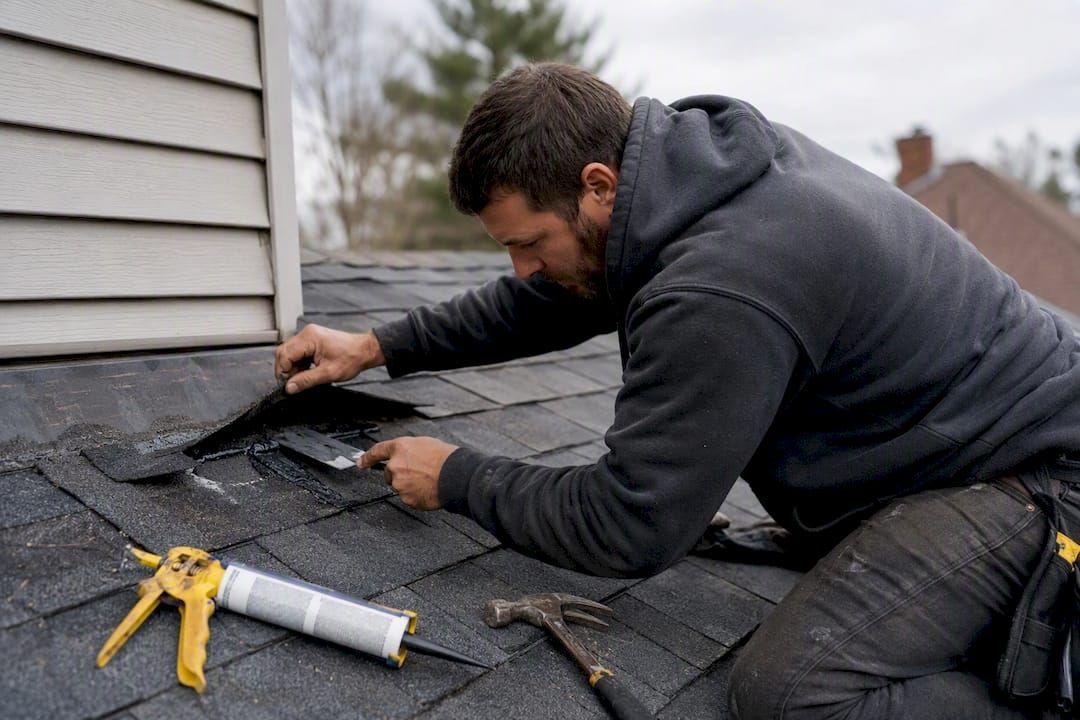
If your roof needs repairs before a coating can be applied, the roof repair team at Upstateroofingpros handles everything from membrane patching to flashing replacement. For roofs that have passed the point where coating makes sense, Upstateroofingpros offers full commercial roof replacement with licensed crews serving Sacramento, Roseville, and surrounding areas. Contact Upstateroofingpros to schedule an assessment and get a clear picture of your roof's condition and your best path forward.
FAQ
How long does a commercial roof coating last?
A professionally applied commercial roof coating lasts 10–20 years on a structurally sound roof, after which re-coating restores full protection. Lifespan depends on the product type, climate, and roof traffic.
Can a coating stop an active roof leak?
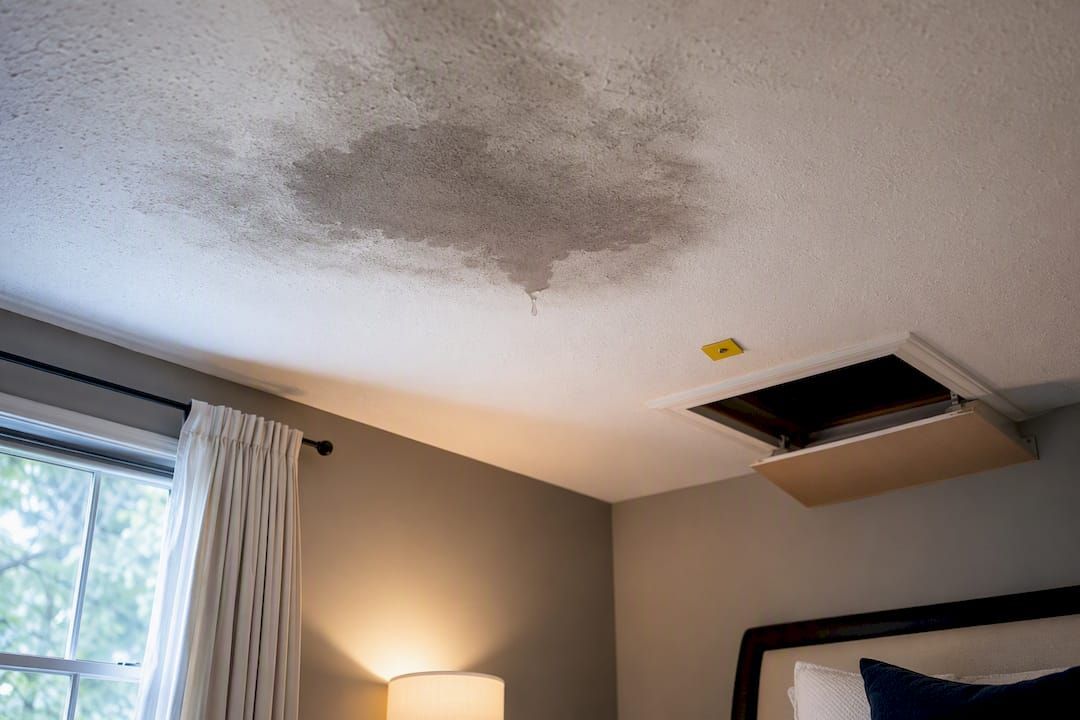
A coating is not a repair for active leaks. Leaks must be identified and repaired before coating application. Applying a coating over an active leak traps moisture and accelerates deterioration.
What is the SRI value of a reflective roof coating?
Reflective commercial roof coatings carry SRI values of 90–110, which means they reflect 80–90% of solar energy. That performance level reduces peak roof surface temperatures by 50–80°F compared to uncoated dark roofs.
Is a roof coating tax deductible?
Roof coatings are classified as maintenance expenses, allowing full cost expensing in the year applied rather than long-term depreciation. This treatment provides a cash flow advantage over full roof replacement.
How do I know if my roof qualifies for a coating?
Your roof qualifies if less than 25% of the surface requires repair, insulation moisture content is below 5% by weight, and the membrane shows no widespread delamination. A professional infrared inspection and core testing confirm eligibility before any coating is applied.
Recommended
Recent Posts