
Roofing Upgrades That Increase Home Value in 2026

July 10, 2026

Share this article

Roofing Upgrades That Increase Home Value in 2026

A new roof is one of the highest-return investments a homeowner can make before selling. Roofing improvements, the industry term for any upgrade that replaces, repairs, or enhances your roof system, directly raise resale value by improving curb appeal, satisfying appraisers, and removing the biggest red flag buyers find during inspections. A new asphalt shingle roof adds an average $15,247 to resale value, with sellers typically recouping 60–70% of the project cost. Beyond the appraisal number, a solid roof speeds up the sale and prevents buyers from demanding credits of $5,000 to $15,000. Upstateroofingpros works with homeowners across Roseville and Sacramento to plan roofing upgrades that deliver real, measurable returns.

How does roofing increase home value?

A roof upgrade raises home value through two channels: direct appraisal impact and indirect financial benefits. Appraisers classify homes by condition, and a new roof moves a property from "fair" to "good" or "excellent." That shift prevents downward appraisal adjustments that can kill financing and force price reductions.

The indirect benefits are just as significant. Homes with new roofs sell 5–15% faster, which cuts carrying costs like mortgage payments, taxes, and utilities during the listing period. Buyers also pay more confidently when they know the roof is new. That confidence removes the uncertainty about maintenance costs that causes buyers to lowball or walk away.

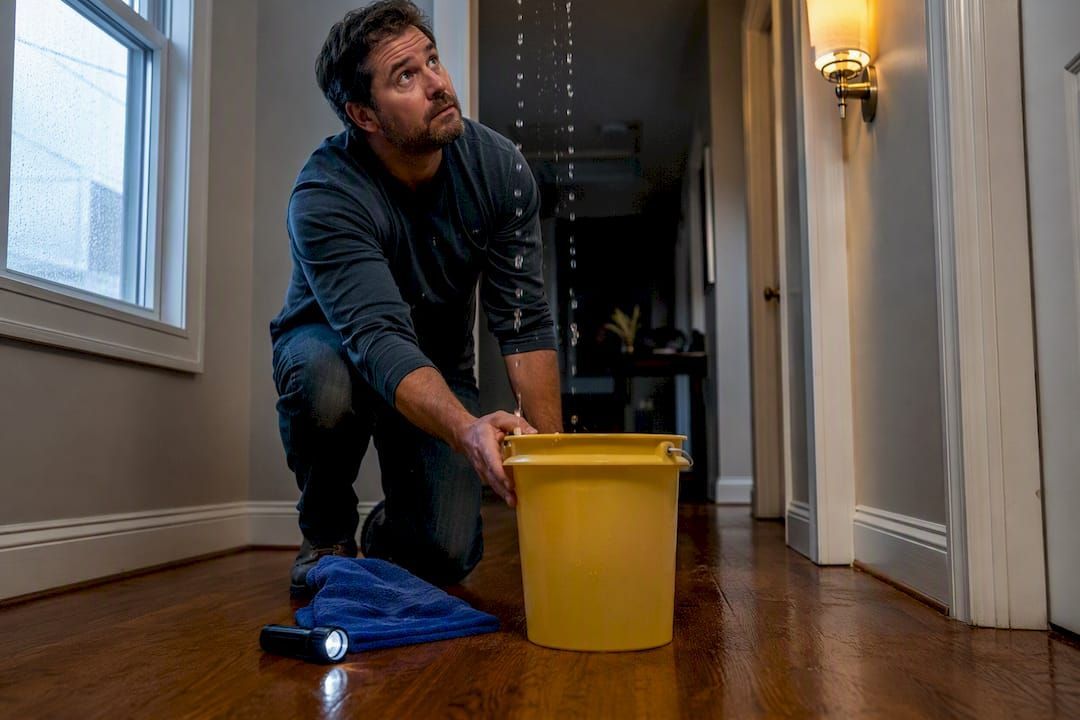
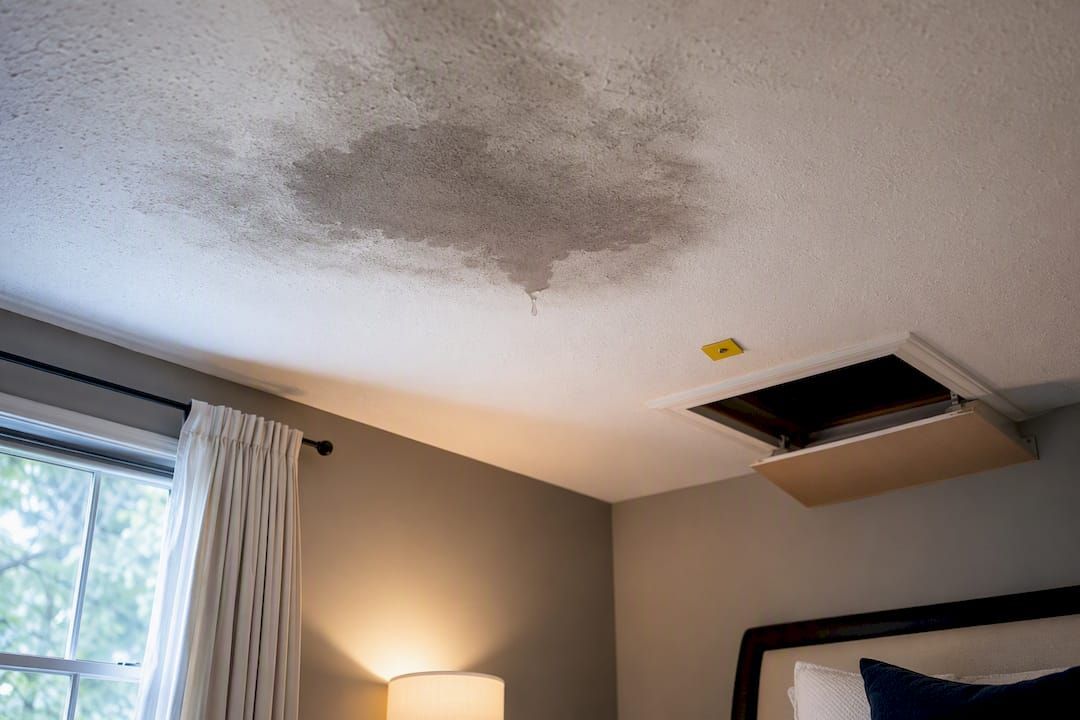
A failing roof is the top deal killer in residential sales. Roof condition triggers buyer credits ranging from $5,000 to $15,000 when inspectors flag problems. Replacing an aging roof before listing eliminates that negotiation entirely.

Which roofing materials and colors best increase home value?

Material choice determines both your upfront cost and your return at sale. Architectural asphalt shingles deliver the best ROI at 60–70% and appeal to the widest range of buyers. Rubber roofing reaches a similar ROI ceiling. Metal roofs cost more upfront but last 40–70 years and reduce cooling energy use by up to 15%, making them a strong long-term play.

Material Avg. Cost per Sq. Ft. Lifespan ROI % Energy Benefit
Architectural asphalt shingles $3–$5 25–30 years 60–70% Moderate
Standing seam metal $10–$18 40–70 years 45–60% High (up to 15% cooling savings)
Rubber (synthetic) $4–$8 30–50 years Up to 70% Moderate
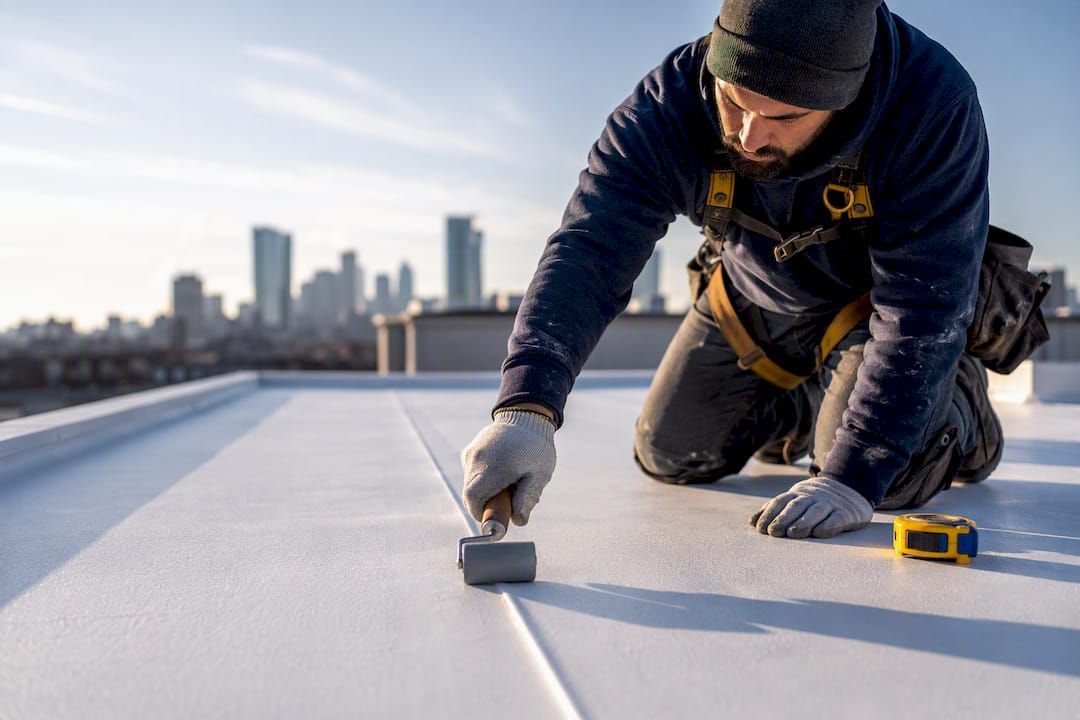
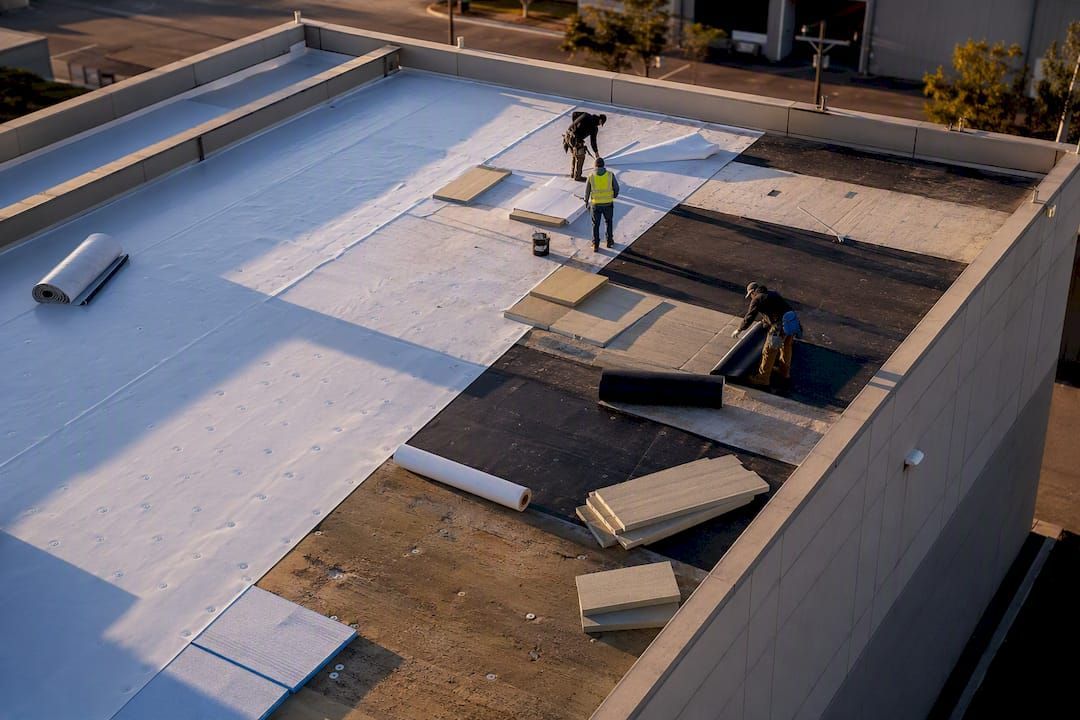
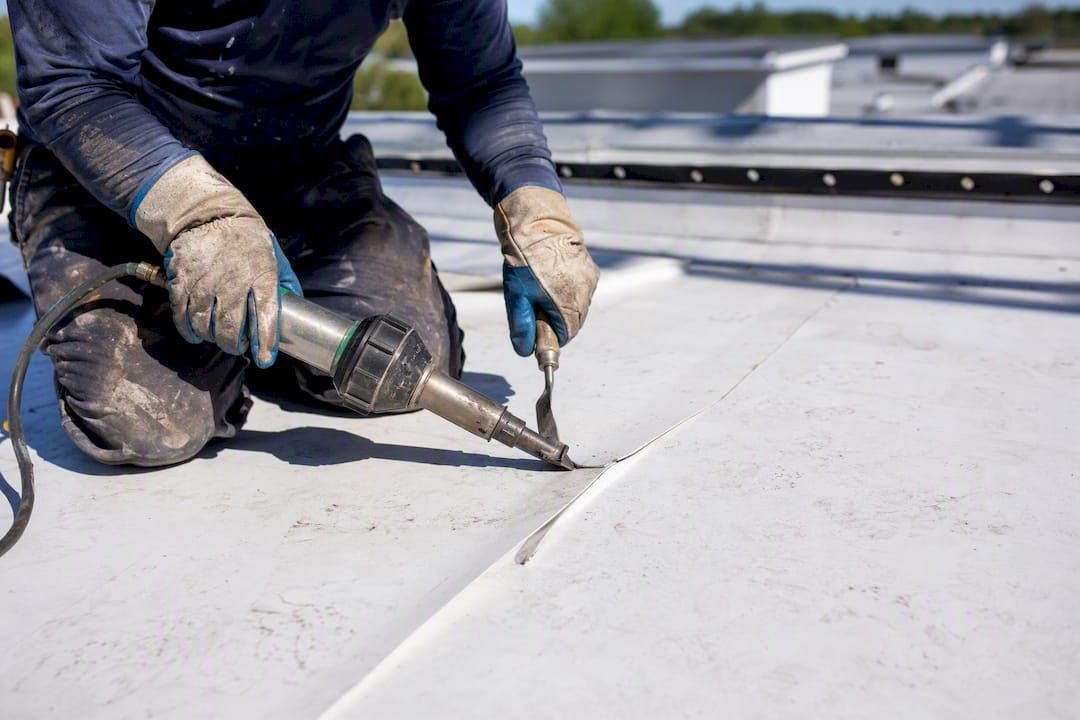
TPO (flat/low-slope) $5–$10 20–30 years 50–65% High (reflective surface)

Color is a factor most homeowners underestimate. Neutral tones like charcoal gray, slate blue, and weathered wood brown photograph well and appeal to the broadest buyer pool. Bright or unconventional colors can polarize buyers and reduce perceived value, even on a brand-new roof. The best roofing colors for home value match or complement the dominant palette in your neighborhood.

Pro Tip: Before selecting a material or color, pull three to five recent comparable sales in your neighborhood and note what roofing those homes had. If every comp has standard asphalt shingles, installing a premium metal roof will likely not recover its full cost at sale.

Check the long-term value comparison between asphalt and metal roofing to understand which fits your holding period.

How do energy-efficient roofing upgrades add financial value?

Energy efficiency is now a selling point, not just a utility benefit. Buyers increasingly factor monthly operating costs into their purchase decisions, and a roof that cuts cooling bills is a concrete, quantifiable advantage. Cool roofing materials and reflective coatings reduce cooling costs by up to 15%, particularly in hot climates like California and Florida. That saving compounds over years of ownership before the home ever hits the market.

Insurance premium reductions add another layer of financial value. Impact-resistant shingles and metal roofing can lower home insurance premiums by up to 25%. That reduction is real money in the homeowner's pocket every year, and it becomes a marketing point when selling.

The best energy-efficient upgrades vary by climate zone:

  • Hot and dry climates (California, Arizona, Nevada): Light-colored or white TPO roofing, standing seam metal with reflective coatings, and GAF Solar Shingles for dual energy generation and savings.
  • Hot and humid climates (Florida, Gulf Coast): Impact-resistant architectural shingles rated for high wind, combined with ventilated roof decks to reduce attic heat buildup.
  • Mixed climates (Pacific Northwest, Mid-Atlantic): Dark-colored metal or asphalt shingles that absorb winter heat while still meeting Energy Star reflectance thresholds.
  • Cold climates (Midwest, Northeast): Insulated roofing systems with ice-and-water shield underlayment to prevent ice dams and reduce heating loss.

Explore energy-efficient roofing options that cut utility bills for a deeper breakdown by material and region.

Step-by-step guide to planning roofing upgrades for resale

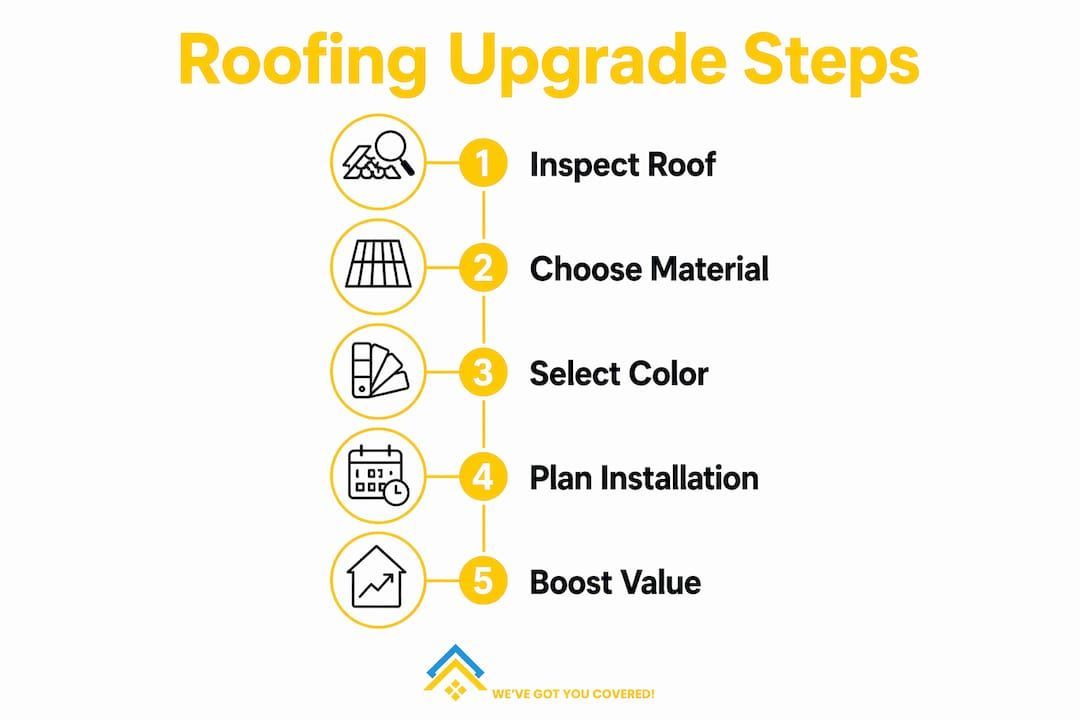
A roofing project planned without a clear strategy wastes money. Follow these steps to maximize your return.

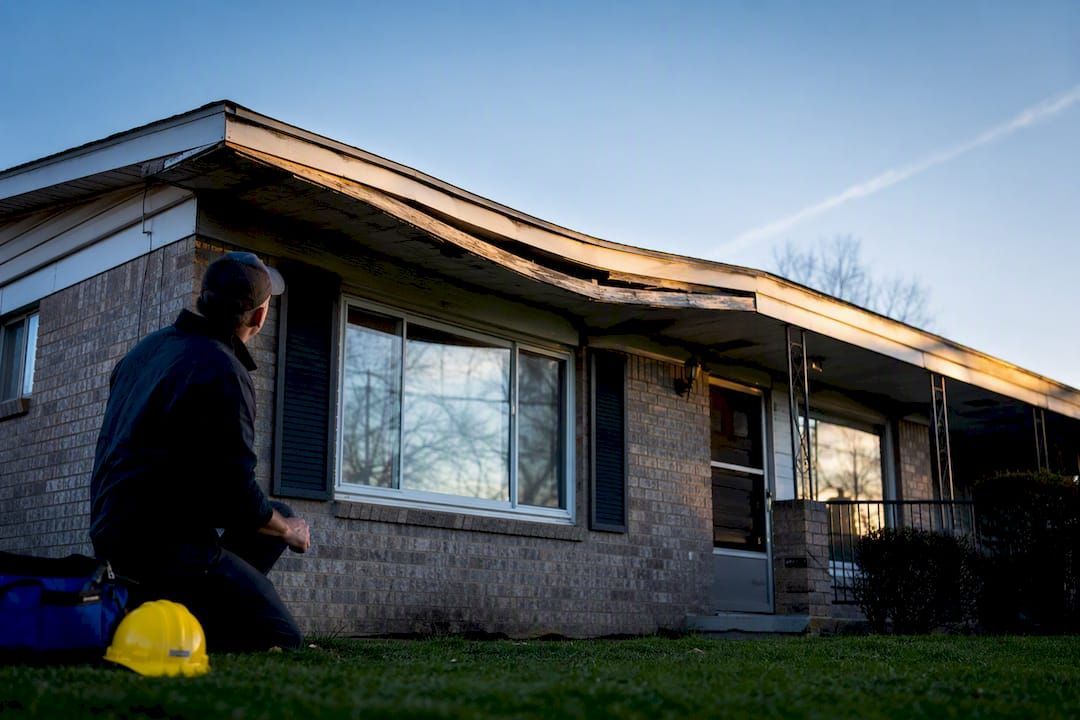
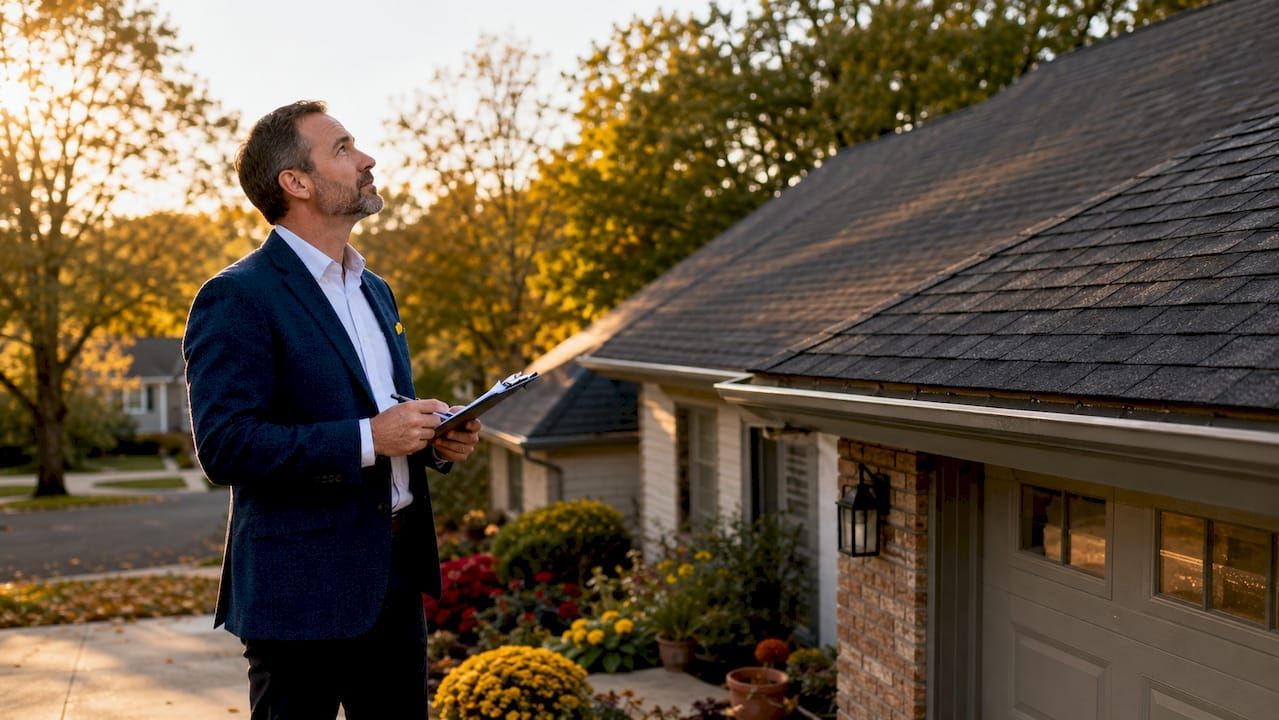
  1. Assess your roof's current condition. Get a professional inspection before deciding between repair and full replacement. A pre-listing roof inspection identifies issues that could trigger buyer credits or kill a deal at closing.

  2. Set a budget aligned with your timeline. If you plan to sell within two years, prioritize materials with the highest short-term ROI, like architectural asphalt shingles. If you plan to stay 10 or more years, matching material to holding period justifies the higher cost of metal or synthetic options.

  3. Choose materials based on market comps, not personal preference. Your neighborhood sets the value ceiling. Over-improving beyond local standards reduces your ROI percentage even if the roof itself is excellent.

  4. Hire a licensed contractor and secure a transferable warranty. Buyer confidence rises sharply when a roof comes with a manufacturer warranty that transfers to the new owner. Upstateroofingpros installs roofs with full manufacturer-backed warranties on every project.

  5. Pull permits and document everything. Permit records prove the work was done to code. Buyers and their lenders require this documentation, and missing permits can delay or derail a closing.

Decision Point Key Criteria Typical Timeline
Repair vs. replace Roof age, inspection findings, repair cost vs. replacement cost 1–2 weeks
Material selection Market comps, holding period, climate zone 1 week
Contractor selection License, warranty, references, written estimate 1–2 weeks
Installation Weather, permit approval, material lead times 1–5 days
Pre-sale inspection 6–12 months before listing 1 day

Pro Tip: Schedule your roof inspection at least six months before you plan to list. That window gives you time to address findings without rushing, which prevents contractors from charging premium rates for urgent work.

Common mistakes that reduce roofing ROI

Most homeowners who lose money on roofing upgrades make the same avoidable errors.

  • Over-investing in premium materials. A slate or high-end metal roof in a neighborhood of mid-range homes will not recover its cost. Neighborhood value ceilings cap what buyers will pay regardless of material quality.
  • Skipping the pre-sale inspection. Buyers conduct their own inspections. If your roof has hidden issues, they will find them and demand credits. A proactive roof inspection lets you fix problems on your terms and at your price.
  • Ignoring energy efficiency. Choosing the cheapest material without considering reflectance or insulation value leaves money on the table. Buyers in California and similar markets actively ask about energy performance.
  • Accepting poor installation quality. A premium material installed incorrectly looks bad and fails early. Visible flashing gaps, uneven shingle lines, and poor ridge cap work all reduce curb appeal and raise buyer concerns.
  • Replacing too late. A roof replaced the week before listing signals desperation to buyers and gives them no time to verify quality. Replace at least three to six months before listing so the roof has time to settle and you have documentation ready.

Key Takeaways

A new or upgraded roof increases home value by improving appraisal condition ratings, reducing buyer negotiation leverage, and delivering energy savings that compound over time.

Point Details
Asphalt shingles lead on ROI Architectural asphalt shingles return 60–70% of cost and appeal to the widest buyer pool.
Energy upgrades add indirect value Cool roofs and impact-resistant shingles cut cooling costs and insurance premiums by up to 25%.
Timing matters Replace your roof at least three to six months before listing to maximize buyer confidence.
Match material to market Neighborhood value ceilings determine the right material; over-improving reduces ROI.
Inspections prevent deal killers A pre-sale inspection removes the risk of last-minute buyer credits of $5,000 to $15,000.

What I've learned about roofing and home value after years in the field

Most homeowners think about roofing ROI the wrong way. They focus entirely on the resale number and miss the compounding benefits that accrue before the sale. The insurance premium reduction from impact-resistant shingles, the lower cooling bills from a reflective metal roof, and the avoided emergency repair costs from a well-maintained system all add up to real money over a five-year ownership period.

The single biggest mistake I see is timing. Homeowners wait until they are ready to list, then rush a replacement. That rush costs them in two ways: contractors charge more for urgent work, and buyers are skeptical of a brand-new roof installed right before sale. A roof replaced 12 months before listing tells a completely different story.

Color and material selection also matter more than most people admit. I have seen beautiful, expensive roofs hurt a sale because they clashed with the neighborhood aesthetic. Buyers want a home that fits in, not one that stands out for the wrong reasons. Charcoal and weathered wood tones consistently perform well across most American markets.

My honest advice: treat your roof as a financial instrument, not just a structural component. Plan it with the same discipline you would apply to a kitchen renovation. Know your market, know your timeline, and choose materials that serve both.

— Cesar

Upstateroofingpros can help you get the most from your roof

Upstateroofingpros serves homeowners across Roseville, Sacramento, and nearby areas with licensed roof replacement, repair, inspection, and maintenance services. Every project uses premium materials backed by manufacturer warranties that transfer to the new owner, which is one of the strongest signals you can give a buyer.

Whether you need a full roof replacement before listing, a targeted roof repair to address inspection findings, or a professional pre-sale inspection to understand your roof's current condition, Upstateroofingpros delivers the documentation and quality that buyers and their lenders require. Contact the team today to schedule an assessment and get a clear picture of what your roof upgrade will return at sale.

FAQ

How much value does a new roof add to a home?

A new asphalt shingle roof adds an average of $15,247 to resale value, with sellers typically recouping 60–70% of the project cost. In competitive markets, a new roof can support a 1–3% increase in asking price.

What roofing material has the best ROI?

Architectural asphalt shingles offer the best return on investment at 60–70%, making them the top choice for most homeowners focused on resale value. Rubber roofing reaches a similar ROI ceiling with added durability benefits.

Do energy-efficient roofs increase home value?

Yes. Cool roofing materials and reflective coatings reduce cooling costs by up to 15%, and impact-resistant options can lower insurance premiums by up to 25%. Both savings make the home more attractive to cost-conscious buyers.

What color roof adds the most value?

Neutral tones like charcoal gray, slate blue, and weathered wood brown consistently appeal to the widest buyer pool and photograph well in listings. The best color matches the dominant palette of comparable homes in your neighborhood.

When should I replace my roof before selling?

Replace your roof at least three to six months before listing to give buyers confidence in the work quality and to have permit documentation ready. Replacing too close to the listing date can raise buyer suspicion and limit your negotiating position.

Recommended

Recent Posts

July 14, 2026
Discover what roof overlay is and how it can save you money and time. Learn about its benefits, risks, and comparisons to roof replacement.
July 12, 2026
Learn how TPO installation works to enhance your roof’s durability. Discover the step-by-step process for a successful roofing project.
July 10, 2026
Discover the critical role of building envelope roofing. Understand how it impacts energy efficiency, indoor air quality, and the durability of your home.
Worker in a yellow safety vest painting a house exterior under blue siding
July 7, 2026
Discover the critical role of building envelope roofing. Understand how it impacts energy efficiency, indoor air quality, and the durability of your home.
Construction worker in a yellow vest writes on plans at an outdoor table with a blue hard hat nearby.
July 5, 2026
Discover the role of roofing contractor license for protection against costly mistakes. Learn how it ensures safety and legality in roofing work.
Woman writing on papers at an outdoor table beside a mug and black folder in a sunny garden
July 3, 2026
Understand what does a roofing bid include. Get detailed insights into materials, costs, and timelines to protect your budget.
Woman reading a book at a café table with stacked books and a backpack nearby.
June 30, 2026
Explore the types of roofing insulation for commercial buildings. Discover how the right insulation can reduce energy costs and improve compliance.
Woman working outdoors at a wooden table, reading papers with colorful pens and a coffee mug nearby
June 28, 2026
Discover how to hire a licensed roofing contractor with confidence. Follow our expert steps to ensure quality work and avoid costly mistakes.
Roofing worker in a yellow safety vest repairing shingles at sunset.
June 26, 2026
Discover why roof maintenance reduces capital costs and saves you money. Prevent costly repairs with proactive inspections and repairs.
Worker in a hard hat and safety vest applying white coating to a flat rooftop with a roller
June 23, 2026
Discover why commercial roofs need coatings in 2026. Extend roof life, reduce cooling costs, and save on replacements. Learn more!
Show More