
What Is Roof Deck Repair and What It Costs

May 20, 2026

Share this article

What Is Roof Deck Repair and What It Costs

Most homeowners picture roof damage as missing shingles or a visible leak stain on the ceiling. What is roof deck repair, then? It's the process of restoring the structural wood layer beneath your shingles, which is the actual foundation everything else depends on. This layer absorbs water, carries the weight of your roofing materials, and ties your entire roof structure together. When it fails, no amount of new shingles or fresh sealant will save you. Understanding what roof deck repair involves, what it costs, and how to stay ahead of it can protect your home from failures that are far more expensive than the repair itself.

Key takeaways

Point Details
Roof deck is structural The decking is the wood substrate under your shingles, not just a surface layer.
Damage isn't always visible Soft spots, attic stains, and loose fasteners often signal problems before leaks appear indoors.
Repair is layered work Fixing only the wood without restoring underlayment and flashing leads to repeat leaks.
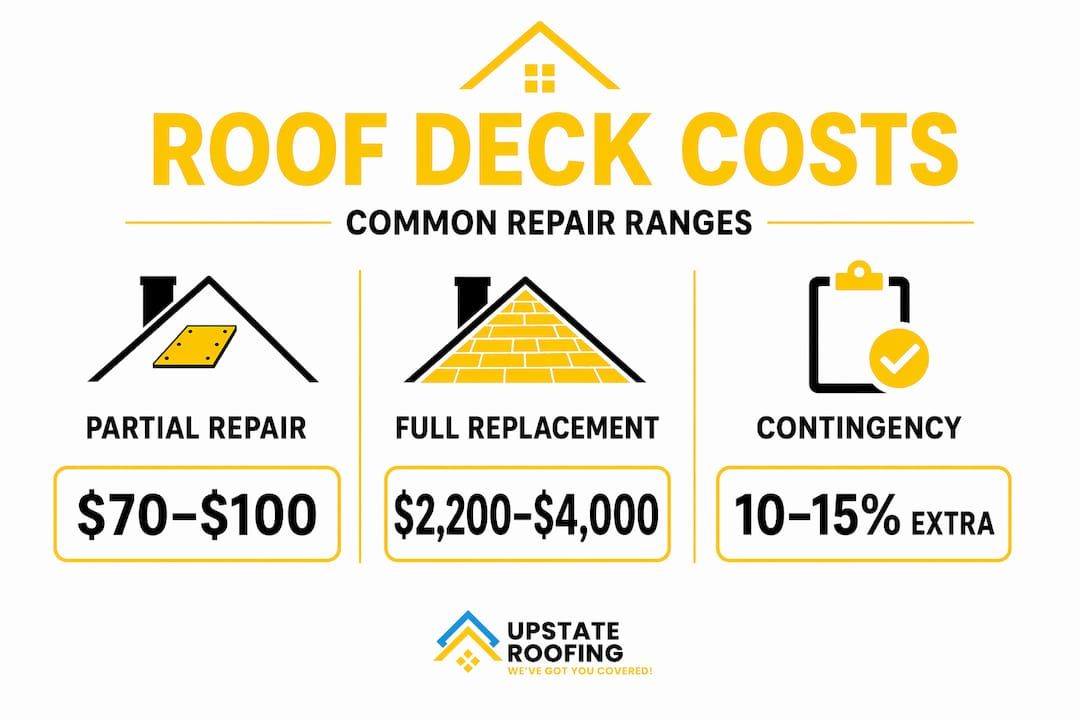
Costs vary by scope Partial repairs run $70 to $100 per sheet; full replacement for a medium home can reach $8,000.
Maintenance prevents major costs Regular inspections, clear drainage, and attic ventilation keep the deck intact for decades.

What is roof deck repair and why does it matter?

The roof deck, also called roof sheathing, is the rigid panel layer nailed across your rafters or trusses. It distributes load from snow, wind, and foot traffic across the frame, provides the nailing surface for underlayment and shingles, and acts as a diaphragm that resists lateral forces during high winds. Without a solid deck, the entire roofing system above it is structurally compromised regardless of how new or expensive the shingles are.

Most residential decks use plywood or oriented strand board (OSB). Plywood is made from cross-layered wood veneers, which gives it consistent strength and better resistance to edge swelling from moisture. OSB is pressed from wood strands and adhesive, and it tends to cost less but can absorb water faster when the protective edge coating is damaged. Both are code-compliant in most jurisdictions. For a deeper comparison of materials used in roofing systems, commercial roofing materials include similar structural considerations that apply to residential work as well.

Pro Tip: Ask your roofer which material they're installing and why. If they can't explain the difference, that's a red flag worth paying attention to.

Code requirements are not optional. IRC 2024 minimum thickness mandates at least 3/8-inch OSB or plywood for 16-inch rafter spacing and 7/16-inch for 24-inch spacing, with 1/2-inch being the standard for most roofs to maintain warranty compliance. Going thinner to save money can void your shingle warranty and create liability issues during resale.

Signs and causes of roof deck damage

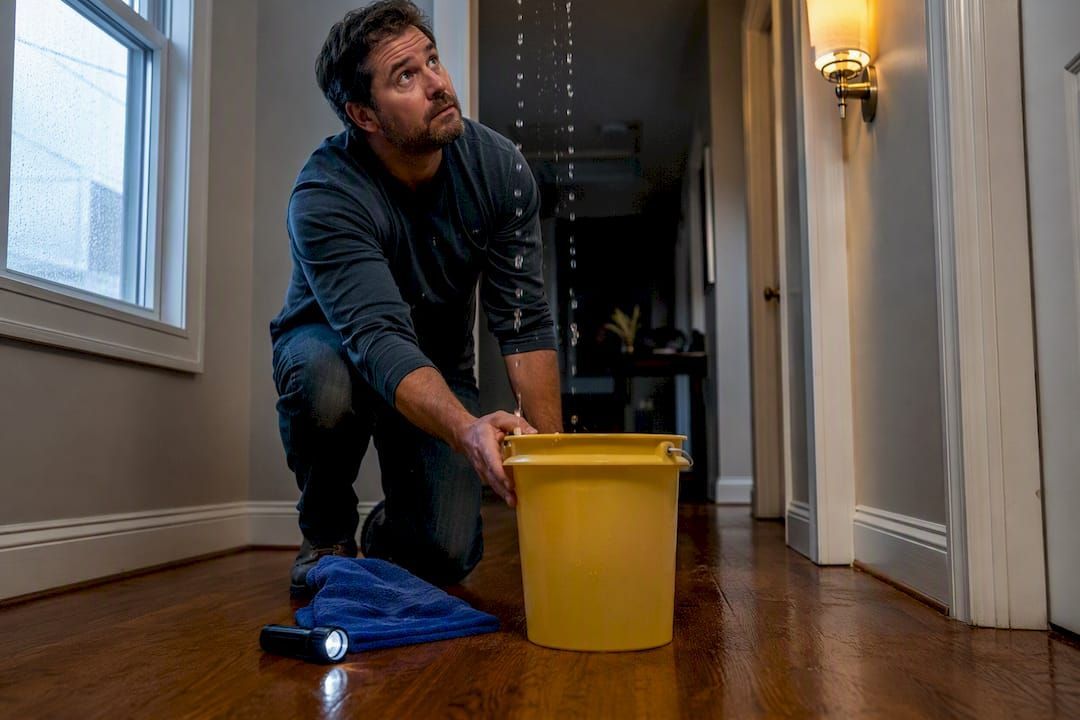
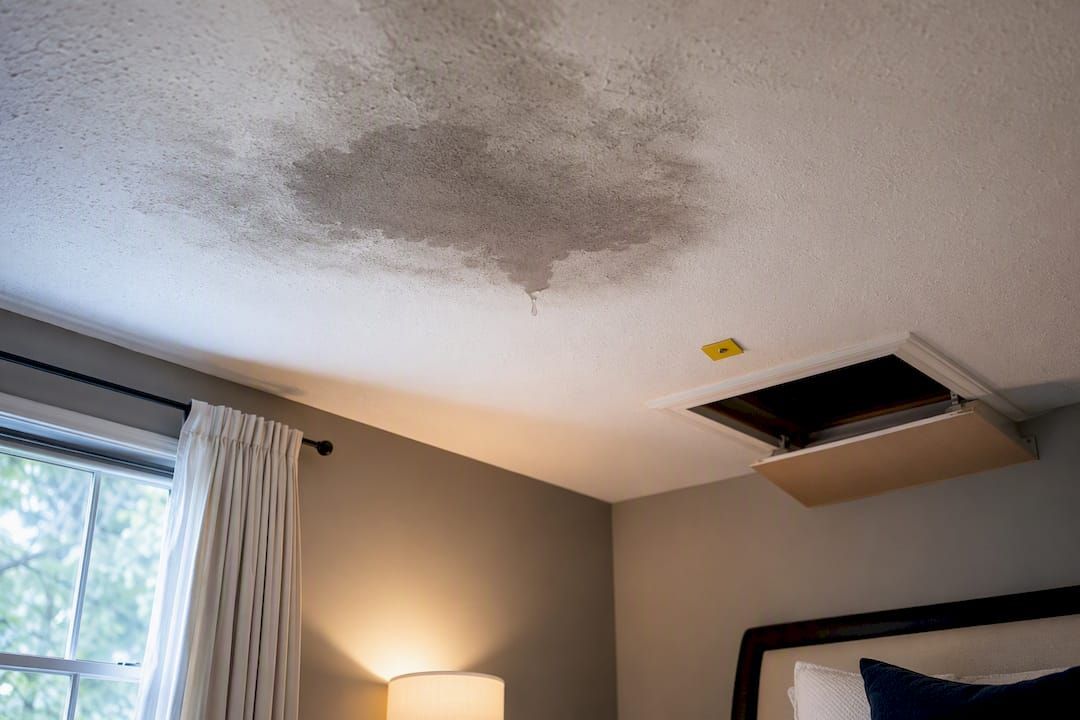
The tricky part about roof deck issues is that they usually don't announce themselves loudly. By the time you see water dripping into a room, the damage has often been building for months or years.

The most telling signs to look for include:

  • Sagging or wavy roof surface visible from the ground or gutter line
  • Soft or spongy panels you can feel when walking carefully on the roof
  • Displaced or buckled shingles that aren't linked to obvious storm damage
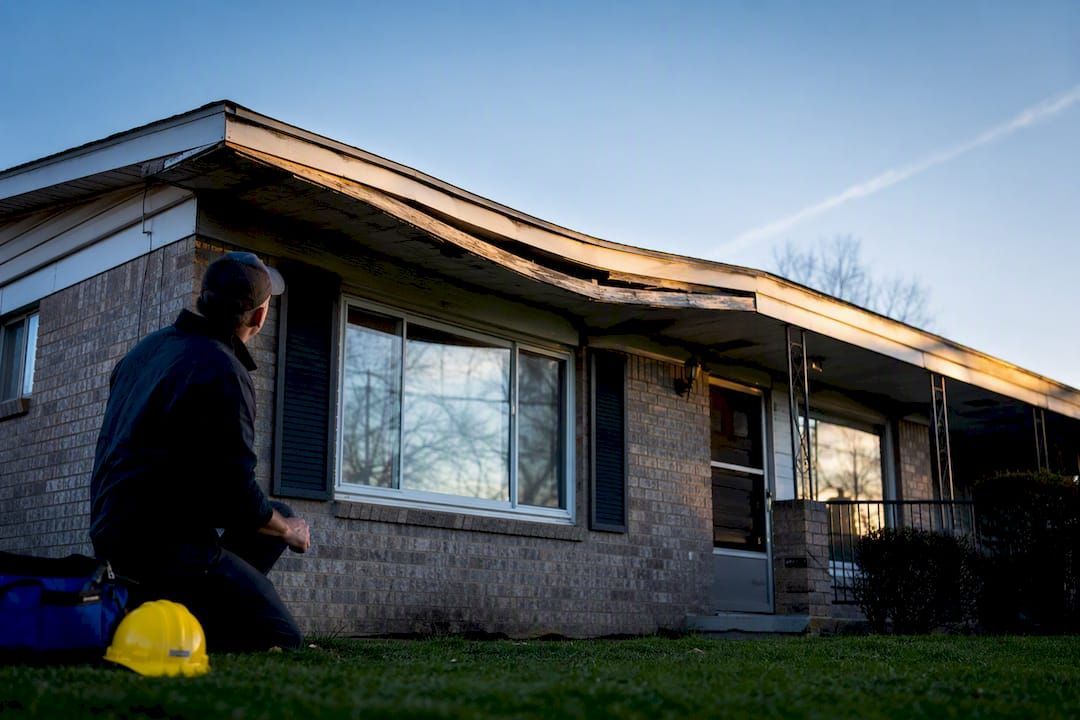
  • Water stains, mold, or delaminated panels visible from the attic

Roof deck damage signs include sagging, soft or spongy panels, delamination, water stains, and mold, according to National Roof Authority. Inspecting from the attic with a flashlight is often more revealing than looking at the exterior surface.

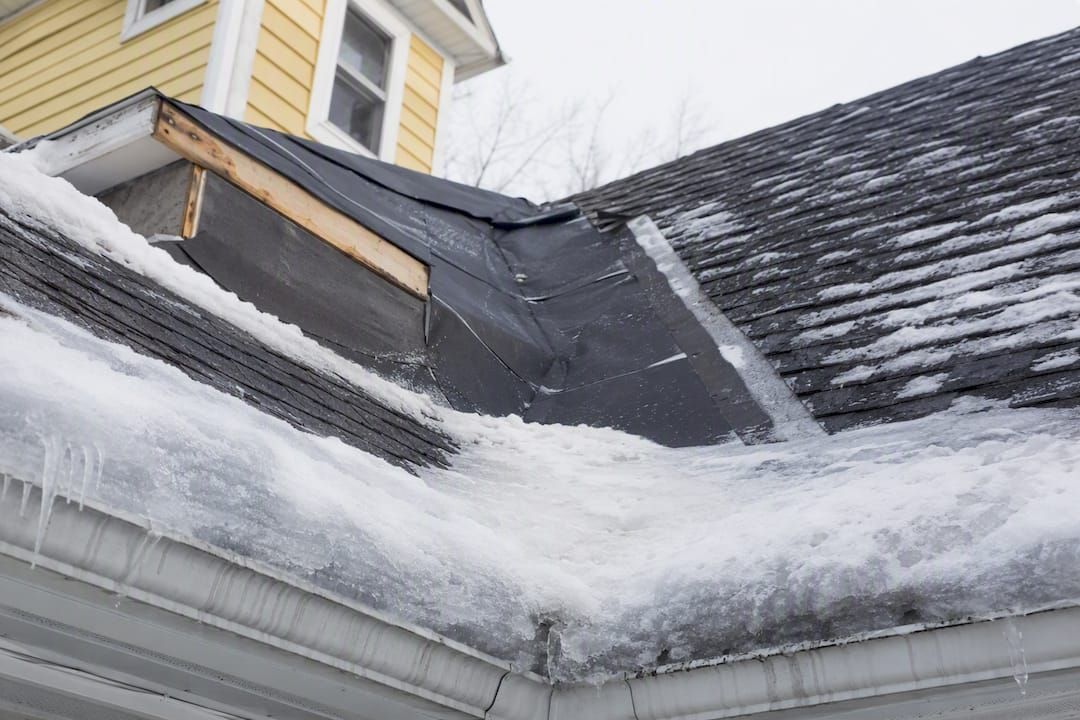
Moisture is the leading cause of deterioration. Ice dams trap water under shingles during winter and force it into the deck. Poor attic ventilation creates condensation year-round. Slow roof leaks from cracked flashing or aged underlayment saturate the wood for years before the damage becomes obvious. When nail withdrawal from decking occurs during high-wind events, the connection between the sheathing and rafters weakens without any visible signs from inside the home. These missed or loose fasteners, known as "shiners," require a specialized inspection to find.

Storm damage, fallen branches, and long-term UV exposure on improperly sealed edge cuts also contribute. The difference between long-term deterioration and sudden accidental damage matters a great deal when you file an insurance claim, which is covered in the cost section below.

How to repair a roof deck: methods and process

Understanding how to repair roof deck problems starts with knowing there is no single fix. The method depends on how much of the deck is compromised, whether the damage is isolated or widespread, and what condition the surrounding layers are in.

Here is how a professional repair process typically unfolds:

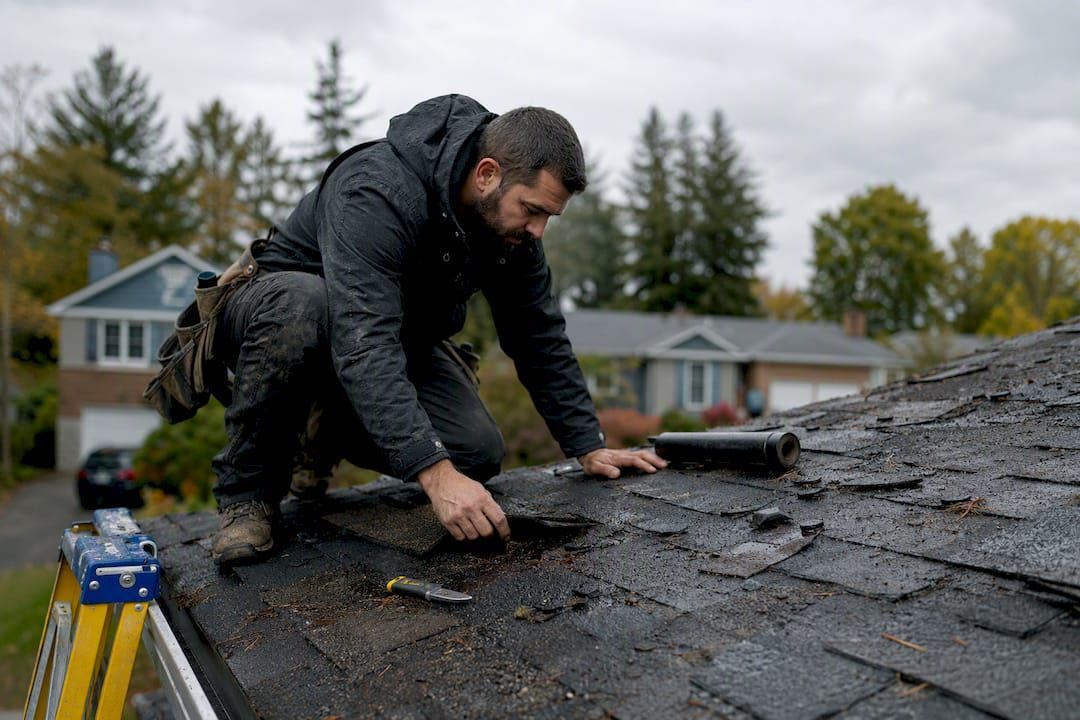
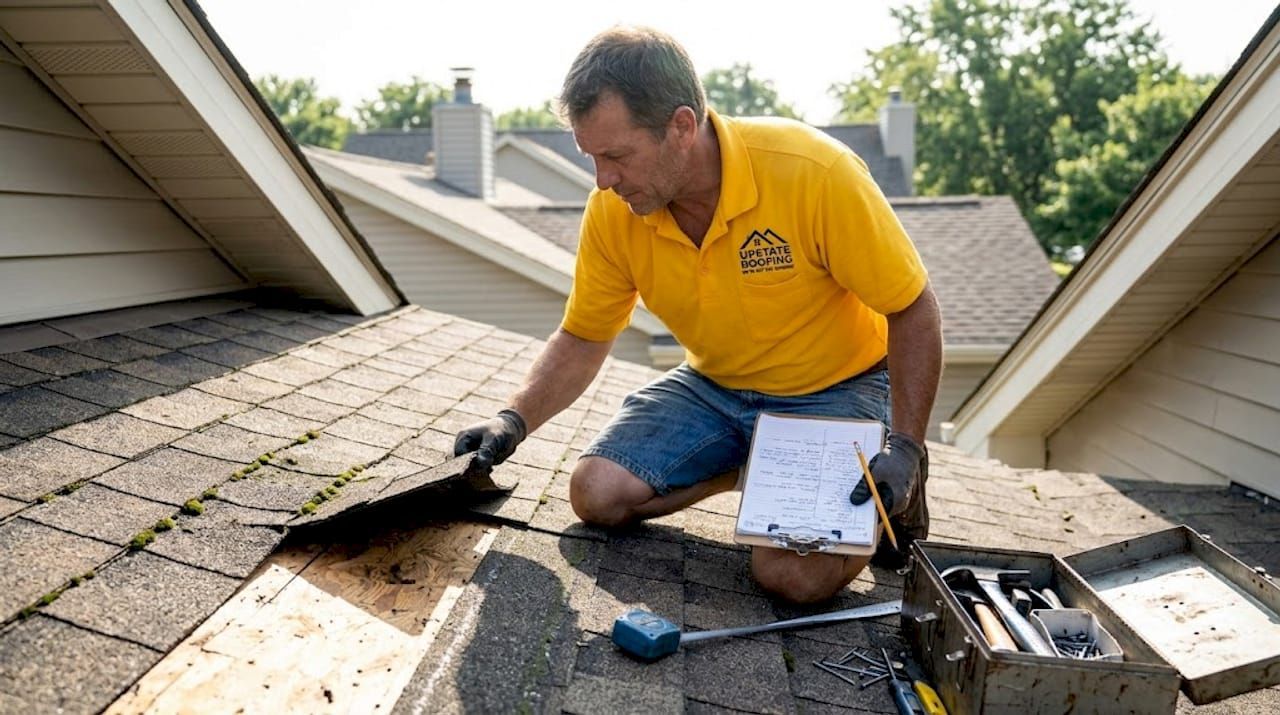
  1. Initial inspection. A licensed contractor examines the deck from both the attic and roof surface, probing for soft spots, checking fastener integrity, and assessing moisture levels. This step should happen before any shingles are removed.
  2. Marking the damage. Damaged sections are identified and measured. Isolated panels can often be replaced without disturbing the surrounding structure.
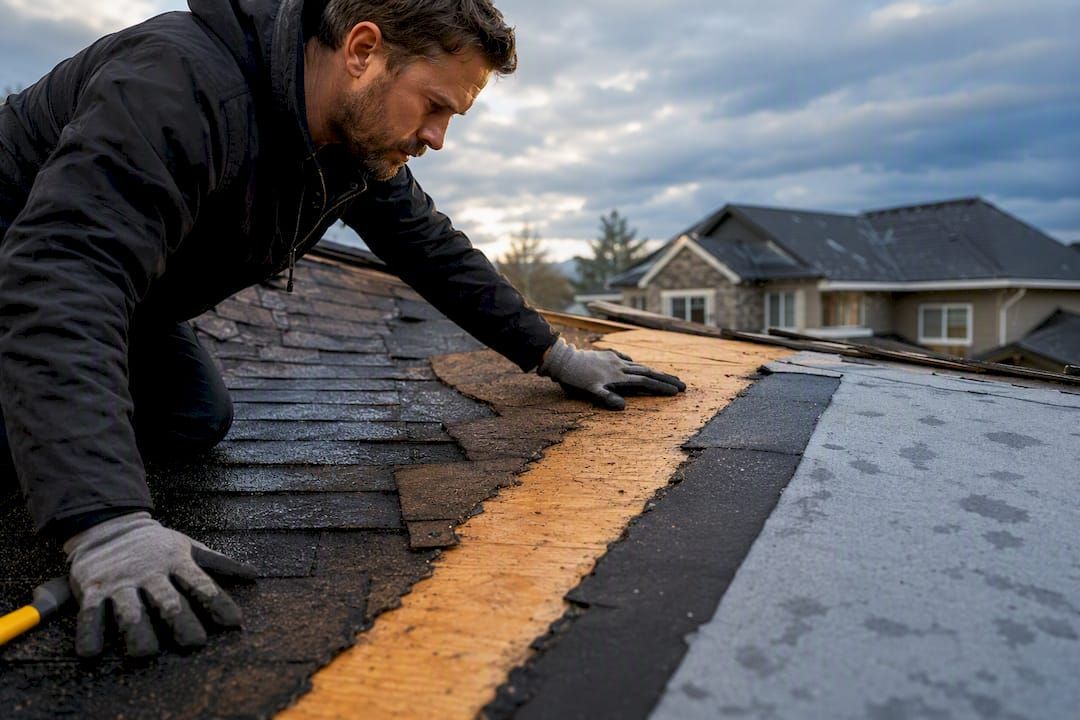
  3. Partial panel replacement. The roofer cuts out the compromised section, installs blocking between rafters if needed for edge support, and sisters in a new panel matched to existing thickness. Fasteners are placed at code-specified intervals.
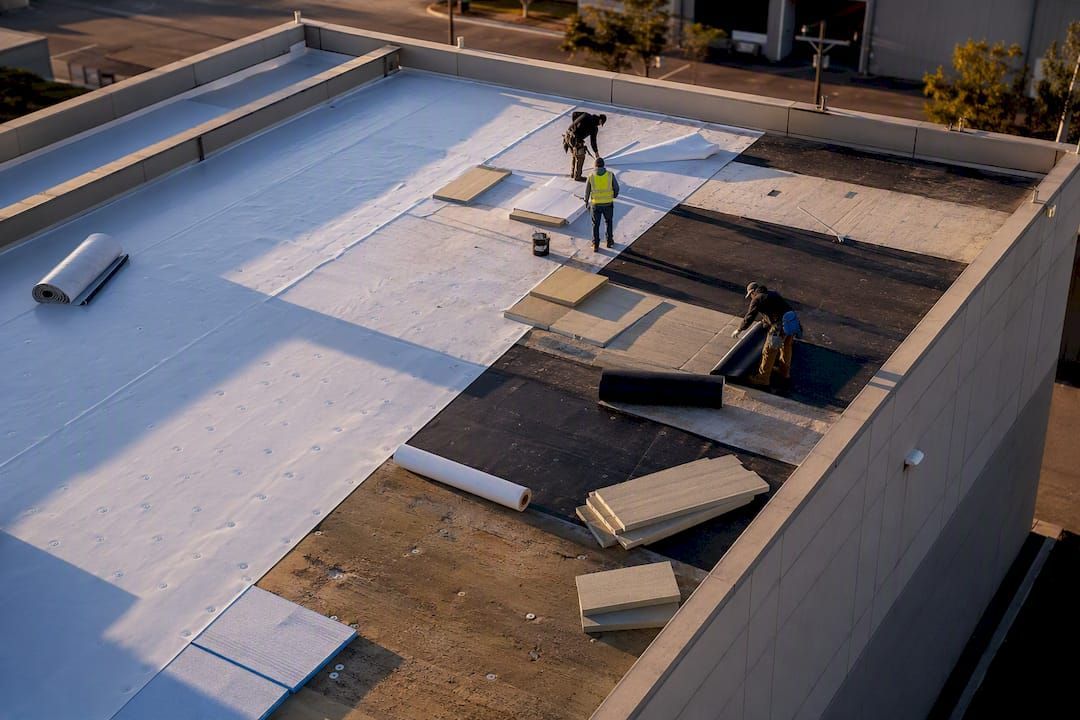
  4. Full deck replacement. When damage covers a large area or the deck fails to meet current code (common in older homes), the entire sheathing layer is removed and replaced. This is standard during a full roof replacement project.
  5. Restoring the layers above. Roof deck repair involves restoring the decking, underlayment, flashing, and ventilation together. Replacing only the wood while leaving damaged felt or compromised flashing is one of the most common mistakes contractors make and one of the main reasons homeowners end up with recurring leaks.
  6. Final inspection and documentation. Code-compliant repairs require proper fastening schedules and, in many jurisdictions, a permit for structural work. Documentation protects you with your insurer and during future property sales.

Pro Tip: Before any re-roofing job begins, ask your contractor specifically: "What is your process for identifying and pricing deck repairs?" A vague answer usually means surprise charges later.

The layered nature of roof repair means that skipping steps creates a false sense of completion. New shingles on a damaged deck are cosmetic work, not structural repair.

Cost factors and budgeting for roof deck repair

The cost of roof deck repair catches many homeowners off guard, especially when it comes up mid-project during a re-roofing job. Here is what you should know before any work begins.

Repair Type Cost Range Notes
Partial panel replacement $70 to $100 per sheet Includes materials and labor for 4x8 ft panels
Full deck replacement (1,500 to 2,000 sq ft home) $3,000 to $8,000+ Labor is the largest cost contributor
OSB (materials only) $20 to $35 per sheet Less expensive, more moisture-sensitive
Plywood (materials only) $30 to $50 per sheet More durable in humid conditions

According to current data, partial roof deck replacement costs $70 to $100 per sheet installed, while full replacement for a medium home runs $3,000 to $8,000 or more depending on deck size, accessibility, and material choice.

A few additional cost factors to keep in mind:

  • Labor accounts for most of the bill. On multi-sheet replacements, labor can represent 60% or more of the total cost.
  • Permit fees vary by municipality. Structural sheathing replacement often requires a building permit, which adds $100 to $400 to the project.
  • Contract language protects you. Common contractor disputes arise from surprise deck repair charges added mid-project. Your contract should specify per-sheet pricing upfront before work starts.
  • Insurance may cover storm damage. Homeowners insurance typically covers accidental damage from storms or fallen trees but not gradual deterioration. Take dated photos before any repair work begins to support your claim.

Budget a contingency of 10 to 15 percent on top of your re-roofing estimate specifically for deck repairs. Roofers cannot always see the full extent of deck damage until shingles are removed, so surprises happen. Having that buffer ready prevents delays and keeps the project moving.

Roof deck maintenance tips to prevent damage

The most cost-effective approach to roof deck repair is preventing the conditions that make it necessary. A consistent maintenance routine keeps small problems from becoming structural ones.

Routine roof deck maintenance includes regular inspections, clearing drainage pathways, sealing minor damage, and confirming proper ventilation to prevent rot. Here is how that looks in practice:

  • Schedule a roof inspection every one to two years. Professional roof inspections catch early-stage deck problems before they spread, especially after harsh winters or storm seasons.
  • Check your attic after heavy rain. Look for fresh water stains, new mold growth, or any panel swelling along the underside of the deck.
  • Keep gutters and drains clear. Standing water backed up against the fascia or eaves accelerates edge rot on the decking.
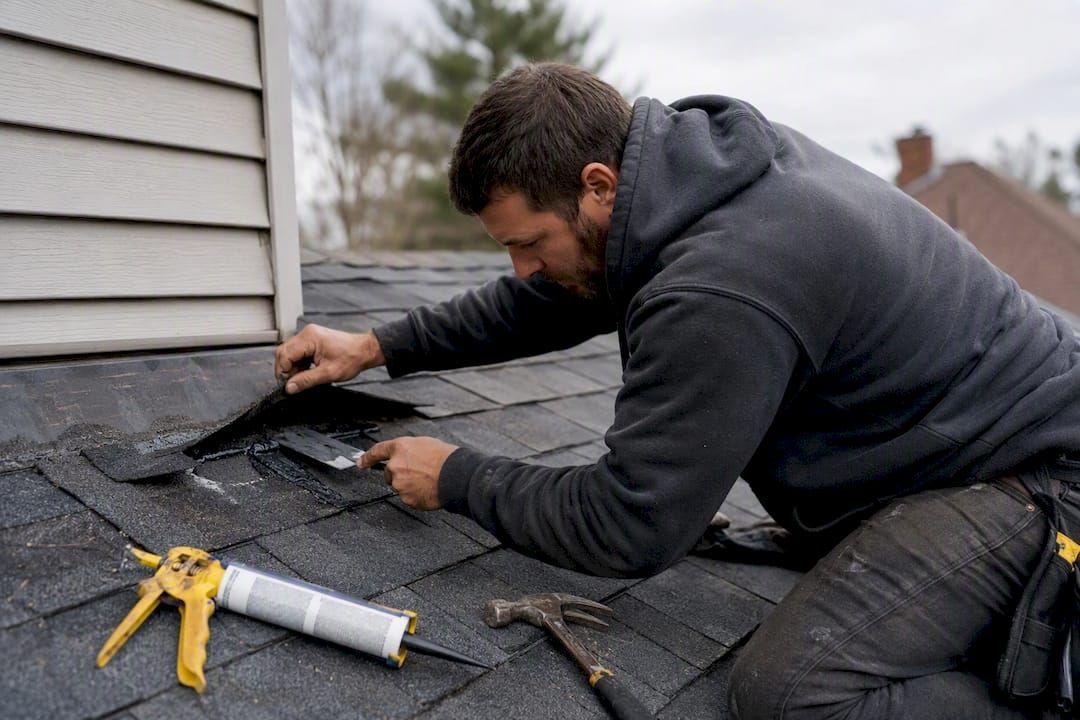
  • Repair flashing promptly. Cracked or displaced flashing around chimneys, vents, and skylights is the most common entry point for moisture that eventually reaches the deck.
  • Maintain attic ventilation. A well-ventilated attic reduces condensation buildup that slowly degrades the underside of the sheathing from within.
  • Seal any exposed cuts or edges. When panels are cut during repairs or installations, exposed edges should be sealed to prevent rapid moisture absorption.

Pro Tip: If you can smell mildew in your attic even without visible stains, that is often a sign of early-stage deck moisture accumulation. Don't wait for visible water damage to act.

Permits are not always required for minor maintenance or sealing work, but structural sheathing replacement typically is. Always check with your local building department before a contractor starts any structural repairs.

My honest take on roof deck repair

I've seen a pattern over the years that frustrates me every time. Homeowners spend serious money on new shingles and find themselves dealing with leaks again within two years. Almost always, the story is the same: the deck was compromised, the contractor skipped the full assessment, and the repair was incomplete before the new surface went on.

What I've learned is that roof deck repair gets underestimated because it's invisible work. Nobody walks around their house admiring the sheathing. But it is the most structurally significant layer in the entire roofing system, and treating it as an afterthought is how expensive failures happen.

The insight that most homeowners miss is this: a deck inspection should never be a formality. When a roofer says "the deck looks fine" without going into the attic or probing the surface for soft spots, that's not an inspection. That's a shortcut.

I've also seen the contract issue play out badly too many times. A homeowner agrees to a re-roofing price, the crew pulls back the shingles, and suddenly there's an unexpected charge for 15 sheets of replacement decking at a price that was never discussed. At $70 to $100 per sheet installed, that's real money. Get the per-sheet price in writing before the job starts, no exceptions.

The good news is that a properly repaired and maintained deck can last 30 to 40 years. The investment in doing it right, including proper fastening, code-compliant thickness, and restored moisture barriers, pays for itself many times over. Roof leak detection at the first sign of trouble is far cheaper than the structural repair that follows if you ignore the warning signs.

— Cesar

Upstateroofingpros can handle your roof deck repair

When your roof deck needs attention, the contractor you choose makes all the difference. Upstateroofingpros brings licensed expertise and a commitment to complete structural assessment, not just surface-level patching.

The team at Upstateroofingpros performs thorough deck inspections and repairs covering every layer of the roofing system, from sheathing replacement to underlayment and flashing restoration. Every project includes transparent, upfront pricing with per-sheet deck repair costs specified in the contract before work begins. For storm damage situations, Upstateroofingpros also assists homeowners through the insurance documentation process. Whether you need a partial repair, a full deck replacement, or a professional roof inspection before deciding next steps, the team is ready to give you an honest assessment and a durable result. Reach out to Upstateroofingpros today to schedule your evaluation.

FAQ

What exactly is roof deck repair?

Roof deck repair is the process of restoring or replacing the structural wood sheathing layer that sits directly on your rafters beneath the shingles. It includes patching damaged panels, replacing compromised sections, and restoring the moisture barriers above the deck.

How do I know if my roof deck is damaged?

Signs of roof deck damage include a sagging or wavy roof surface, soft spots underfoot when walking on the roof, water stains in the attic, and visible mold or delaminated panels on the underside of the sheathing.

How much does roof deck repair cost?

Partial repairs run $70 to $100 per sheet for a standard 4x8-foot panel installed. Full deck replacement for a 1,500 to 2,000 square foot home typically costs between $3,000 and $8,000 depending on materials, labor rates, and extent of damage.

Does homeowners insurance cover roof deck damage?

Insurance covers accidental damage caused by storms, wind, or fallen trees, but not gradual deterioration from age or lack of maintenance. Document all damage with dated photos before repairs begin to support your claim.

How often should roof deck maintenance be done?

A professional inspection every one to two years is the standard recommendation. After any major storm, a follow-up attic check for new stains or soft panels is also worth doing to catch moisture intrusion early.

Recommended

Recent Posts

commercial roof repair in sacramento
June 5, 2026
Discover why roof maintenance prevents downtime for property owners. Learn effective strategies to protect your investment and avoid costly damage.
tpo roofing companies in sacramento
June 2, 2026
Discover our comprehensive TPO roofing installation overview for 2026. Learn essential steps and tips for a successful, energy-efficient roofing project!
residential roof repair in sacramento
June 1, 2026
Discover how residential roof layers explained can save you money. Understand your roof's components for smarter repairs and lasting protection!
Residential roof inspection sacramento
June 1, 2026
Discover what does roof replacement involve and learn essential steps for a successful project. Make informed choices and protect your investment!
commercial roof inspections in sacramento
June 1, 2026
Discover why commercial buildings need roof surveys to prevent costly repairs, ensure structural integrity, and protect warranties. Act now!
commercial roof gutter
May 31, 2026
Discover vital commercial gutter system maintenance tips for property managers. Protect your building and ensure compliance with our expert guide!
May 31, 2026
Discover why roofs leak after rain and learn effective fixes to prevent costly damage. Protect your home with expert insights today!
May 30, 2026
Discover the roofing maintenance plan benefits: extend your roof's lifespan, lower costs, and prevent emergencies. Invest wisely in your home!
May 29, 2026
Discover the critical role of building manager roof inspection. Learn how proactive checks save money and protect your property.
May 28, 2026
Discover the best roof coating types for commercial buildings. Enhance durability, cut costs, and boost energy efficiency with our 2026 guide!
Show More