


The Real Role of Gutters on Your Roof and Home
Most homeowners treat gutters as an afterthought. They are easy to ignore until water is pouring down your siding, your basement is flooding, or you notice your fascia boards rotting away. The role of gutters on roof systems is far more significant than most people realize. Gutters are not decorative trim. They are water management infrastructure that protects your roof edges, siding, foundation, and landscaping from the slow but relentless damage that uncontrolled rainwater causes. This guide breaks down exactly how gutters work, what goes wrong without them, and how to keep yours performing year after year.
Key takeaways
| Point | Details |
|---|---|
| Gutters protect multiple systems | A functioning gutter directs water away from your roof edge, siding, foundation, and soil simultaneously. |
| Downspouts are the bottleneck | Oversized gutters still overflow if downspouts cannot move water fast enough during heavy rain. |
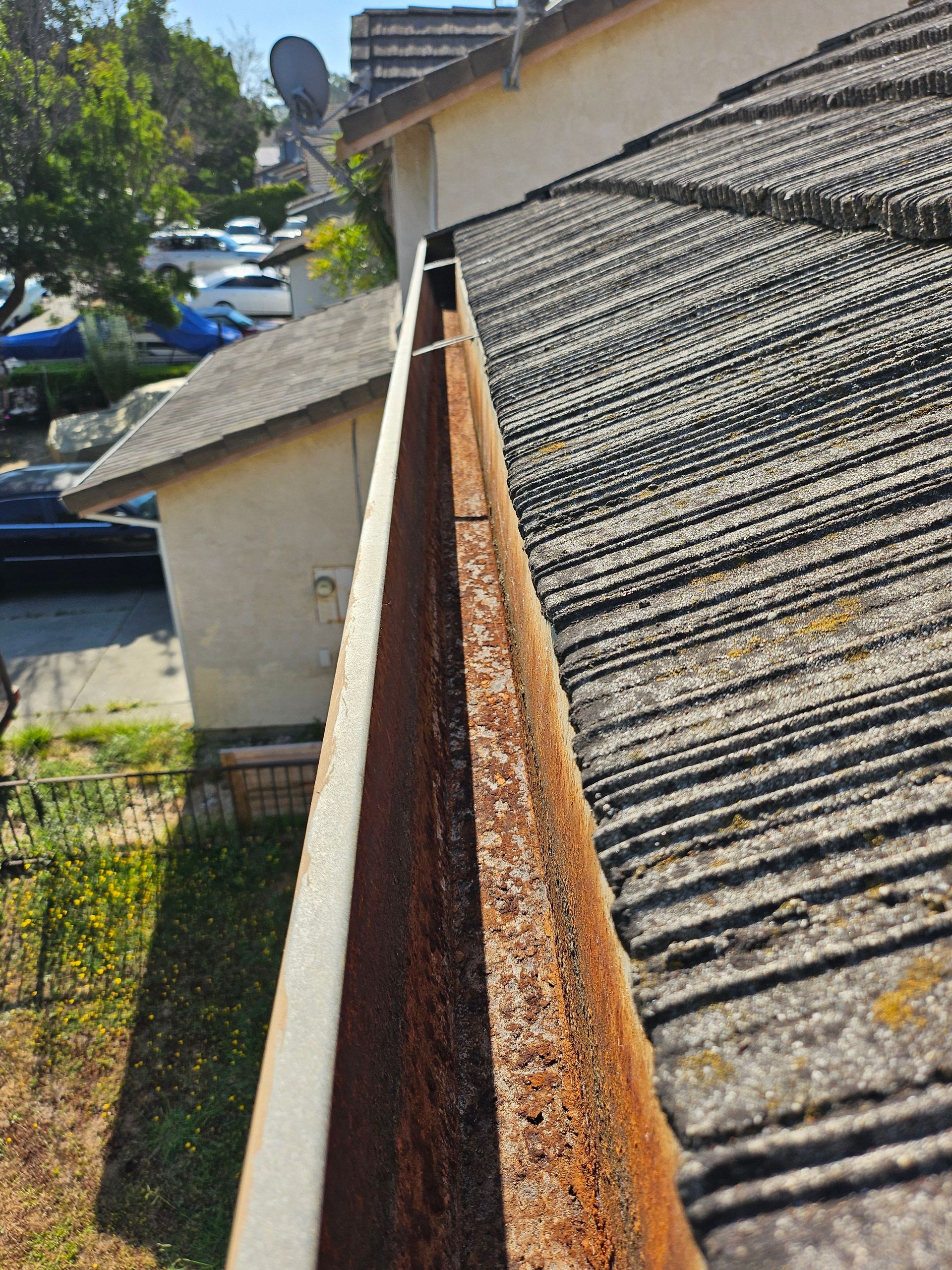
| Proper slope matters | Incorrect gutter pitch causes standing water, which accelerates corrosion and defeats the system's purpose. |
| Maintenance prevents expensive damage | Clogged gutters are a leading cause of basement flooding, roof rot, and mold growth in homes. |
| Not every home needs gutters | Dry climates, sandy soils, and wide overhangs can reduce or eliminate the need depending on local conditions. |
How the role of gutters on roof drainage actually works
When rain hits your roof, gravity does exactly one thing: pulls every drop toward the lowest edge. Without a collection system at that edge, water cascades off in sheets, soaking everything directly below. Gutters collect rainwater and channel it through downspouts to discharge points that are safely away from your foundation.
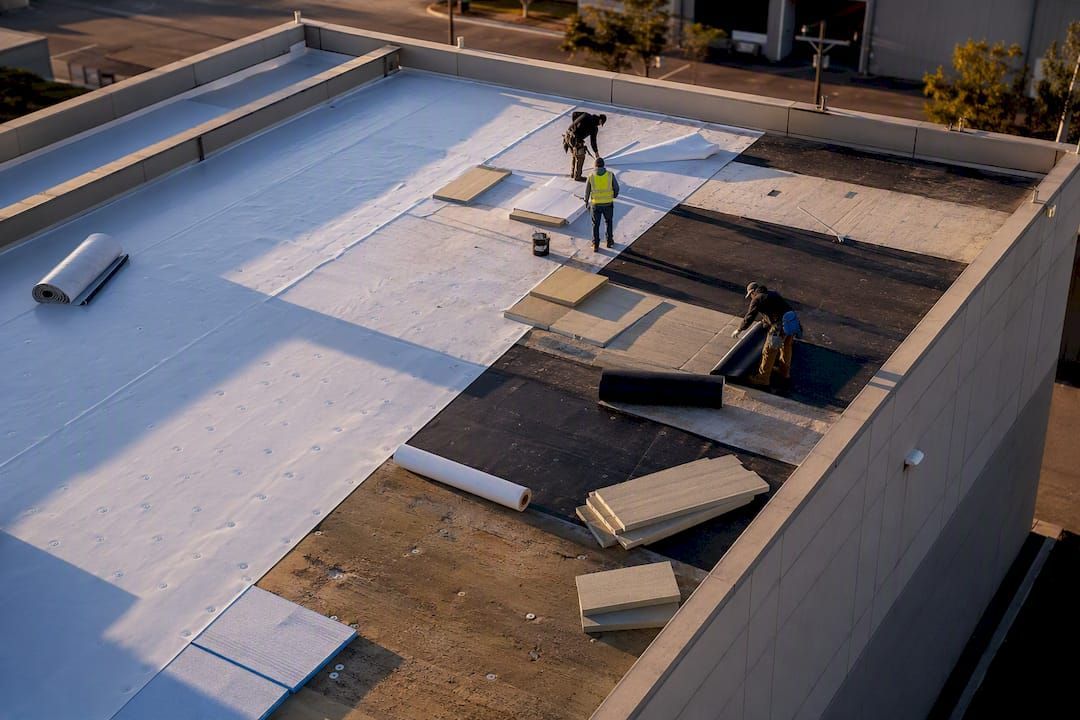
The basic system has three parts working together. The gutter trough runs along the roof eaves, capturing runoff. Downspouts carry that water vertically down the side of the house. Splash blocks or underground drain pipes then move the water horizontally away from the structure. On flat or low-slope commercial roofs, scuppers serve a similar function, acting as overflow outlets built into the parapet wall.
Here is what a properly functioning roof gutter system controls on every rainstorm:
- Roof edge saturation: Water that lingers at the roof edge soaks into the wood decking, sheathing, and fascia boards underneath.
- Siding exposure: Uncontrolled cascades hit siding at full force, working water behind panels and trim over time.
- Foundation contact: Sheet flow off the eaves lands right at the base of the house, where it saturates soil and pushes moisture against your foundation.
- Erosion at grade: Repeated water impact strips away soil and mulch from landscaping beds directly below the roofline.
Pro Tip: Check where your downspouts discharge after every major storm. Extensions or splash blocks that have shifted even a few inches can redirect water back toward the foundation instead of away from it.
What happens to your home without working gutters
The damage from missing or damaged gutters does not happen all at once. It compounds quietly over months and years, which is exactly why so many homeowners underestimate it until the repair bill arrives.
Here is the sequence of damage that plays out without a functioning gutter system:
- Foundation cracks and shifting. Water that pools along the base of your home creates hydrostatic pressure against foundation walls. Over time, this causes hairline cracks that widen, allowing moisture intrusion into crawl spaces and basements.
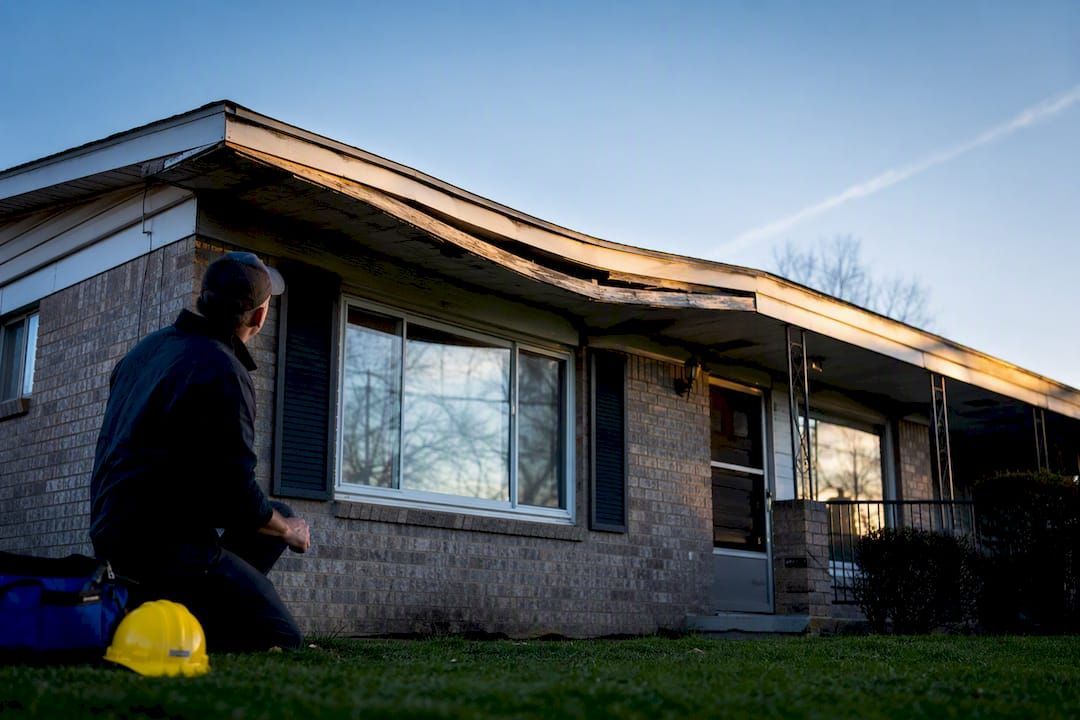
- Fascia and soffit rot. The fascia board is the flat board running behind your gutters. When water runs over it repeatedly, wood rot sets in within a few seasons. Soffit damage follows, and suddenly you have compromised ventilation and potential entry points for pests.
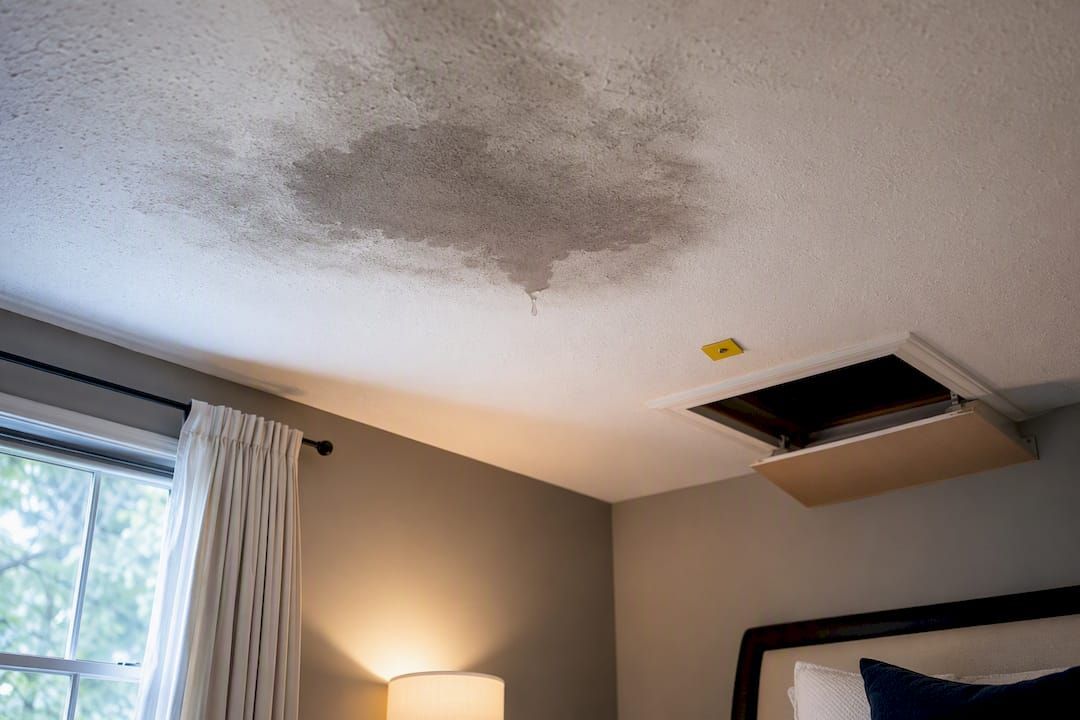
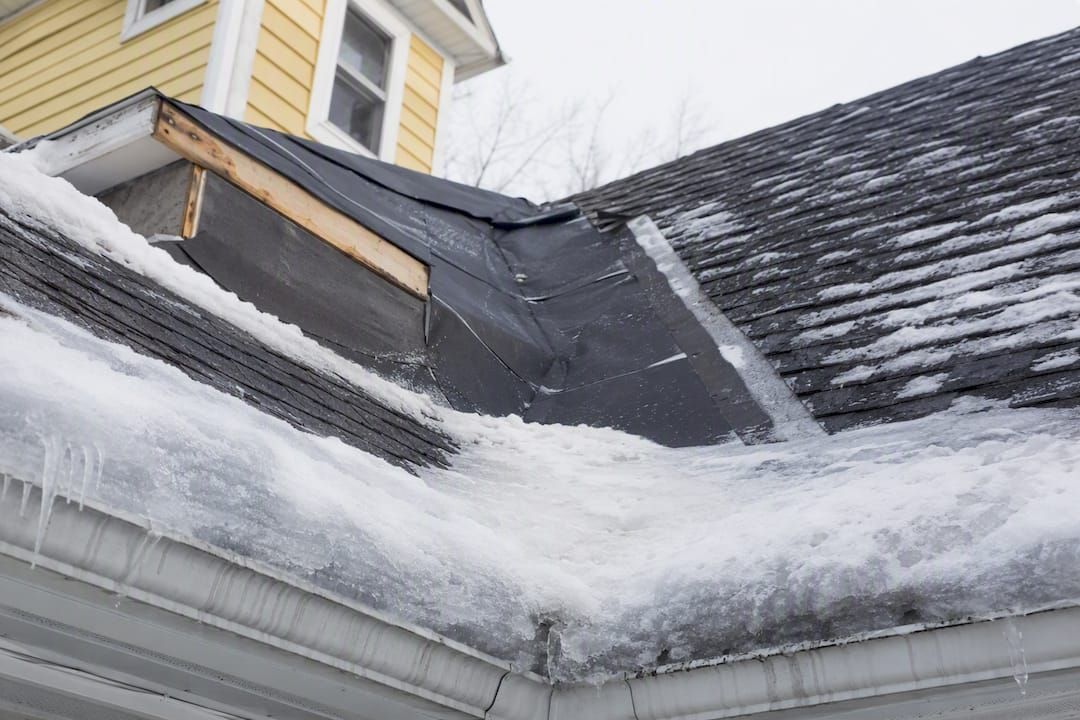
- Roof deck damage. Water that backs up at the eave line seeps under shingles and into the wood decking. Mold and rot in the roof deck are among the costliest repairs a homeowner can face.
- Landscape erosion. The force of water falling from a roofline without gutters can strip a flower bed down to bare soil within a single summer. Beyond aesthetics, eroded soil exposes roots and creates drainage channels that funnel more water toward the house.
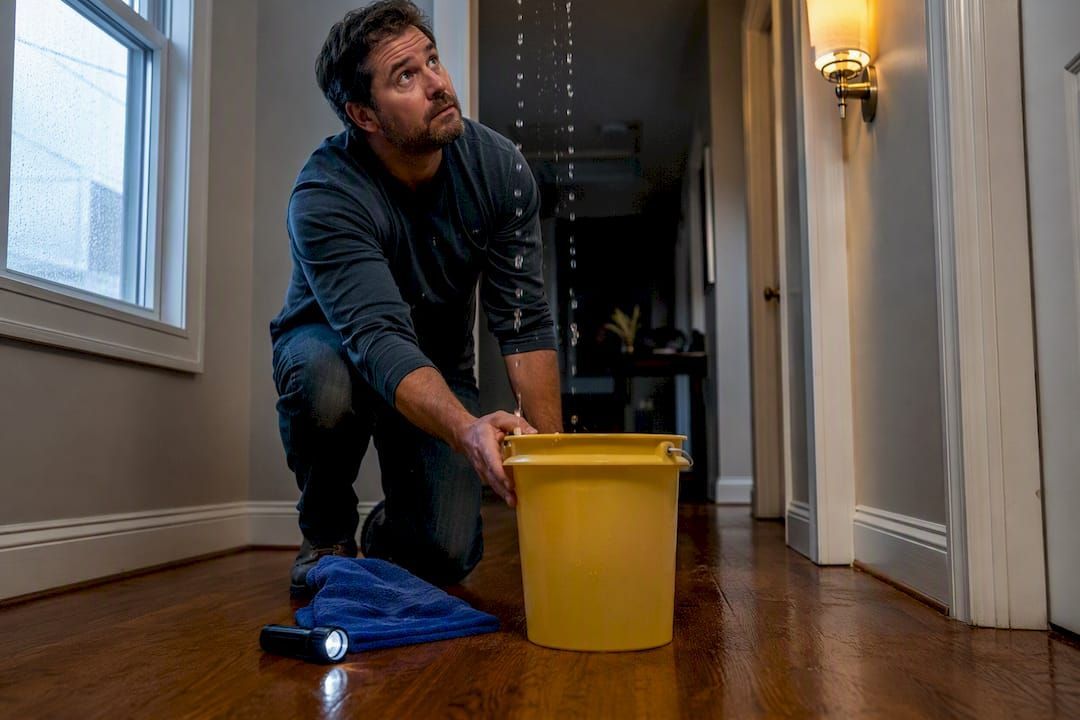
- Basement flooding. Saturated soil around a foundation eventually finds the path of least resistance inside. Basement flooding from surface water is directly linked to poor or absent roof drainage.
According to research, foundation moisture intrusion and costly structural repairs are significantly more common in homes where gutters are missing or chronically clogged. The repair costs for foundation work typically run into the tens of thousands of dollars. A gutter system that costs a fraction of that becomes a very clear investment.
Gutter design and performance factors
Knowing that gutters matter is one thing. Understanding what makes a gutter system actually work well is what separates homeowners who have no problems from those who replace water-damaged fascia every few years.
| Design Factor | What It Affects | Common Mistake |
|---|---|---|
| Gutter width (4", 5", 6") | Volume capacity for rainfall runoff | Using 4" gutters on large or steep roofs |
| Downspout count and size | Rate of water discharge | Too few downspouts for total gutter length |
| Gutter slope (pitch) | Whether water flows or pools inside | Installing gutters level instead of angled |
| Drip edge flashing | Prevents water from slipping behind the gutter | Omitting or incorrectly overlapping drip edge |
| Downspout discharge point | Final direction of water away from home | Extensions too short or missing entirely |
Sizing gutters without accounting for local rainfall intensity and total roof area is one of the most common installation errors. A 5-inch gutter is standard for most residential roofs, but a steep roof with a large square footage in a region that gets heavy summer storms often needs 6-inch gutters across the board.
Downspouts are the bottleneck in the entire system. Even a perfectly sized gutter channel overflows during peak rain if water cannot exit through the downspout fast enough. Most professionals recommend one downspout for every 30 to 40 linear feet of gutter, but local rainfall data should drive that calculation.
Pitch matters more than most homeowners know. A gutter installed level looks clean but creates standing water that breeds mosquitoes, accelerates corrosion, and provides no drainage benefit. The correct slope is roughly a quarter inch of drop for every 10 feet of run toward the nearest downspout.
Drip-edge flashing integration is the installation detail that fails silently. When the drip edge is missing or installed incorrectly, water follows the back face of the fascia directly into the wood rather than dripping cleanly into the gutter trough. This is a hidden damage pathway that often goes undetected until rot is severe.
Pro Tip: If you are installing gutter guards, factor in that many guard types reduce the effective intake capacity of the gutter. Guards affect water flow, so sizing up by one gutter width is often the right call.
Maintaining gutters to protect your roof long term
A gutter system that was properly installed will fail on schedule if it is not maintained. Debris buildup, physical damage, and seasonal shifts all degrade performance quickly. Routine gutter cleaning prevents overflow, roof damage, basement flooding, and mold growth inside the home.
Watch for these signs that your gutters need attention:
- Sagging sections: Gutters pulling away from the fascia signal that fasteners have loosened or that the weight of debris and standing water has deformed the trough.
- Visible overflow during rain: If water spills over the front lip during a storm, you have a clog, an undersized system, or a blocked downspout.
- Staining on siding: Long vertical streaks below the gutter line indicate consistent overflow or a leak at a joint.
- Peeling paint or soft wood on fascia: Water is getting behind the gutter and soaking the wood repeatedly.
- Pooling water near the foundation: The downspout discharge is not moving water far enough away from the house.
For most homes in areas with deciduous trees, inspections and debris removal should happen at least twice a year: once in late fall after leaves drop and once in early spring after winter debris accumulates. Homes near pine trees may need quarterly cleaning because pine needles compact quickly inside gutter troughs and cause blockages faster than leaf debris.
Pro Tip: After cleaning, run a garden hose from the far end of each gutter run toward the downspout. You will immediately see whether the pitch is correct and whether the downspout is flowing freely. A professional roof maintenance plan can include this check as part of a broader annual inspection.
Do you actually need gutters on your home
Not every home in every climate requires a traditional gutter system. The honest answer depends on several factors specific to your property. Building codes require that roof water be directed away from structures, but the method is not always mandated as gutters specifically. This creates real flexibility for homeowners in certain situations.
When gutters are non-negotiable: Homes with heavy rainfall, steep roof pitches, clay-heavy soils, or properties on slopes have no practical alternative. Clay soils drain poorly, which means water at the foundation stays there. Steep roofs accelerate runoff velocity, making controlled collection critical. In these situations, gutters are not optional.
When gutters may be less critical: Homes in dry climates with fewer than 20 inches of annual rainfall, sitting on sandy fast-draining soil, with roof overhangs wider than 18 to 24 inches can sometimes manage without traditional gutters. The wide overhang throws water further from the foundation, and fast-draining soil absorbs it before hydrostatic pressure builds.
Alternatives worth knowing: French drains, graded landscaping that directs water away from the house, and rain chains offer partial solutions in low-risk situations. Proper drainage design that coordinates roof, soil, and surface grading can substitute for gutters in specific conditions, but it requires careful planning that is property-specific.
My take on gutters after years in roofing
I have inspected hundreds of homes where the visible roof looked fine but the real damage was hidden at the eaves, behind the fascia, and along the foundation. Every single time, gutters were either absent, clogged for seasons, or installed with no pitch at all.
What I have learned is that homeowners rarely connect foundation cracks or basement dampness to their gutters. They call a foundation specialist, spend thousands on waterproofing, and then the problem returns the next wet season because nobody addressed what was happening at the roofline. The water source was never fixed.
The other mistake I see constantly is cutting corners on installation. A gutter hung without proper pitch, without a drip edge, or with one undersized downspout for 60 linear feet of trough is not protecting your home. It is giving you a false sense of security while damage accumulates out of sight.
My advice is simple: treat your gutters like you treat your roof. They are part of the same water management system, and they fail together when either one is neglected. Spend the money on correct sizing, proper installation details, and twice-yearly cleaning. That combination costs far less than what you will pay to repair what gutters were supposed to prevent.
— Cesar
Protect your home with professional gutter services
Your gutters do more work than any other exterior system on your home, and they rarely get the attention they deserve until something fails. At Upstateroofingpros, we design and install gutter systems sized to your specific roof area and local rainfall patterns, with every installation detail executed correctly from drip edge to downspout discharge. Whether you need a new gutter installation built for your home's exact dimensions, a thorough gutter cleaning service before storm season, or a full roof inspection to check for water damage already in progress, our licensed team has the experience to handle it right. Do not wait for the evidence of failure to appear on your siding or in your basement. Contact Upstateroofingpros today.
FAQ
What is the main role of gutters on a roof?
Gutters collect rainwater and snowmelt running off the roof and channel it through downspouts away from the home's foundation, siding, and landscaping. Without this system, uncontrolled water runoff causes foundation damage, wood rot, erosion, and basement flooding.
How do gutters work with downspouts to drain water?
The gutter trough collects water at the roof edge and gravity moves it toward the downspout opening. Downspouts carry water vertically to discharge points at ground level, where extensions or splash blocks direct it further away from the foundation.
How often should gutters be cleaned?
Most homes need gutter cleaning at least twice a year, in late fall and early spring. Homes near pine trees may need cleaning every three months because pine needles compact and clog gutters faster than leaf debris.
Can a home go without gutters?
Homes in dry climates with sandy fast-draining soil and wide roof overhangs can sometimes manage without traditional gutters. However, homes with heavy rainfall, steep roofs, or clay-heavy soil need gutters to prevent foundation damage and structural water intrusion.
What causes gutters to overflow even when they look clean?
Downspouts are the most common cause of overflow in otherwise clean gutters. If the downspout is undersized, partially blocked, or if there are too few downspouts for the total gutter length, water backs up and spills over the front lip during heavy rain.