
The Role of Building Manager Roof Inspection Explained

May 22, 2026

Share this article

The Role of Building Manager Roof Inspection Explained

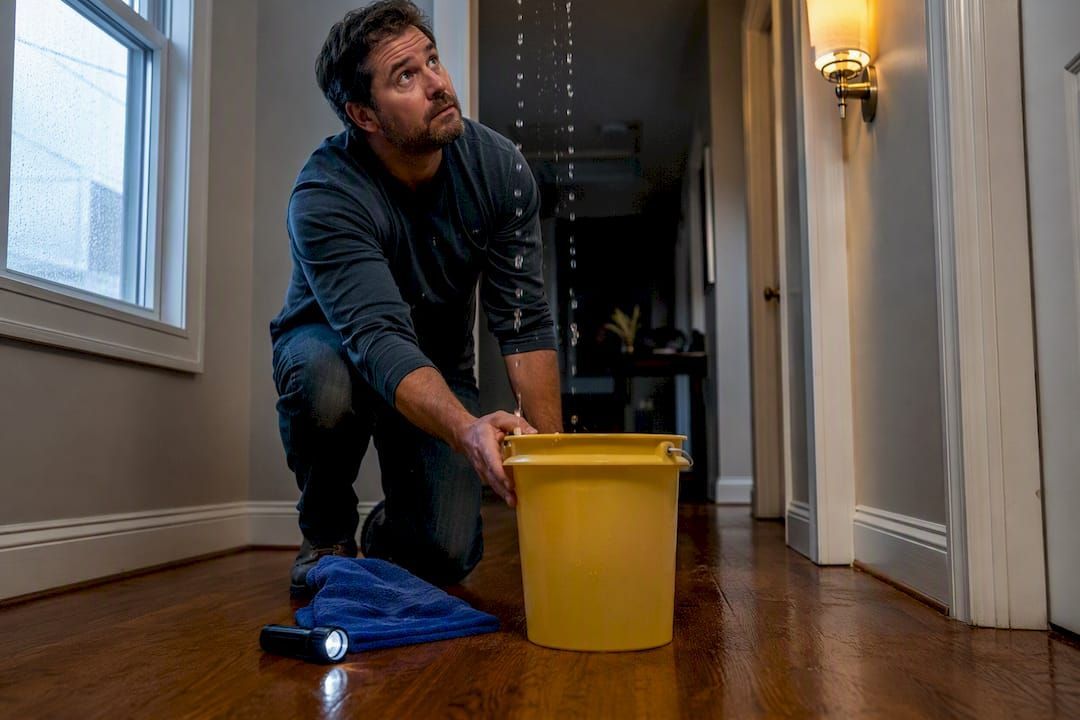
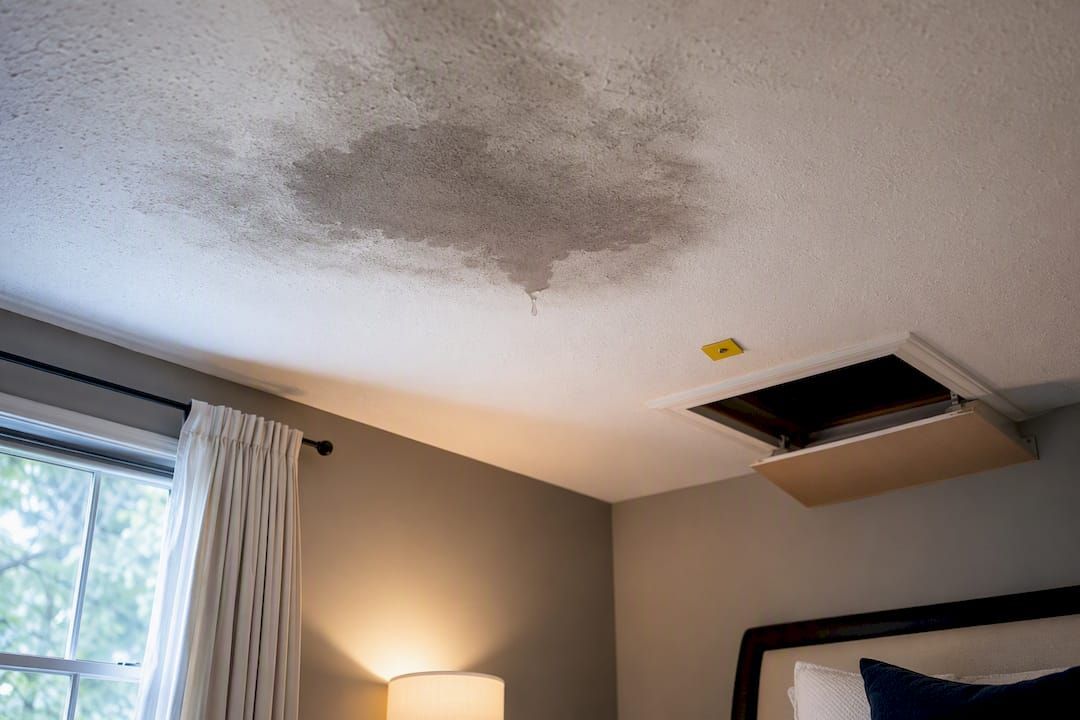
Most building managers inherit a roof that's already been neglected for years. The role of building manager roof inspection goes well beyond calling a roofer when water starts dripping. It covers scheduling, documentation, corrective action, and navigating governance structures that can stall a $500 repair for months. Roof damage that sits undetected for a single season can turn a $2,000 patch job into a $50,000 replacement. This guide breaks down exactly what building managers must know and do to keep roofs in check, records clean, and boards informed.

Key takeaways

Point Details
Biannual inspections are the baseline Commercial roofs need at minimum two professional inspections per year, plus triggered checks after severe weather.
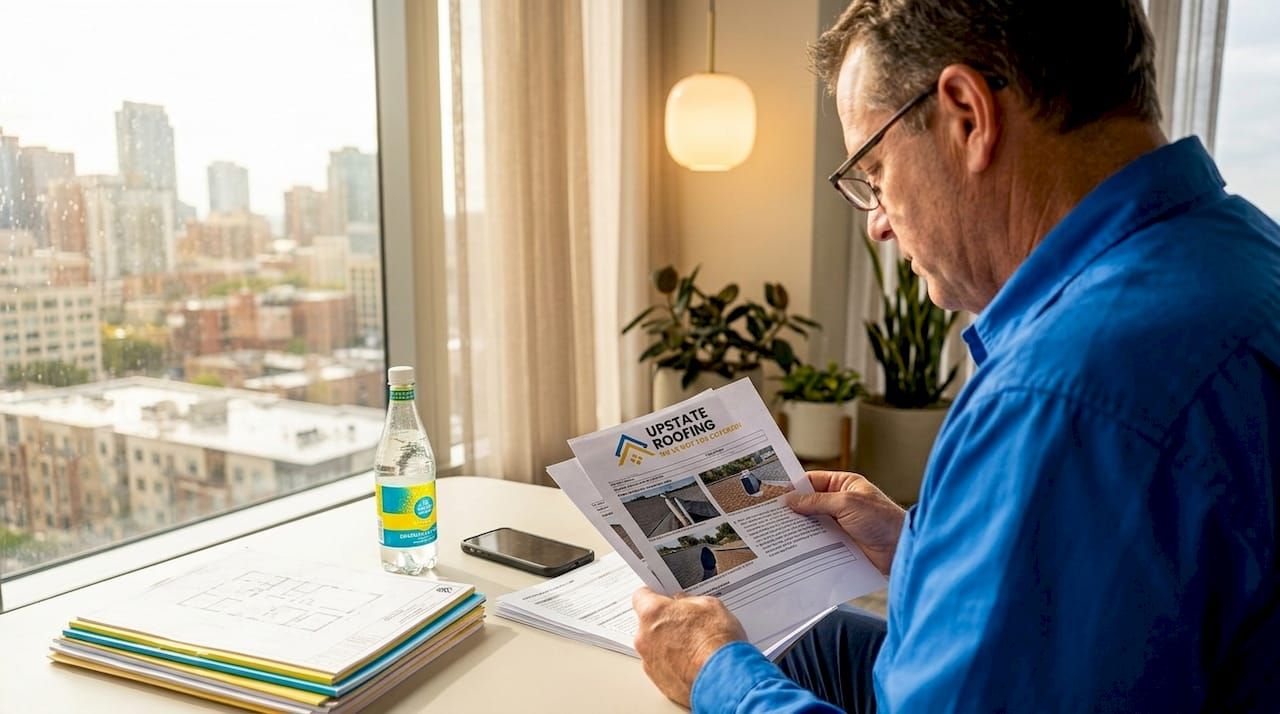
Documentation protects your claims Digital records with geo-tagged photos are required by many insurers and warranty providers in 2026.
Managers coordinate, boards authorize In HOA and condo settings, managers gather bids and schedule inspections, but spending approval belongs to the board.
Layered inspection types prevent gaps Monthly, quarterly, biannual, and triggered inspections work together to catch problems before they compound.
Preparation determines inspection quality Safe roof access, occupant notice, and drone-ready planning directly affect what an inspection can find.

The role of building manager in roof inspections

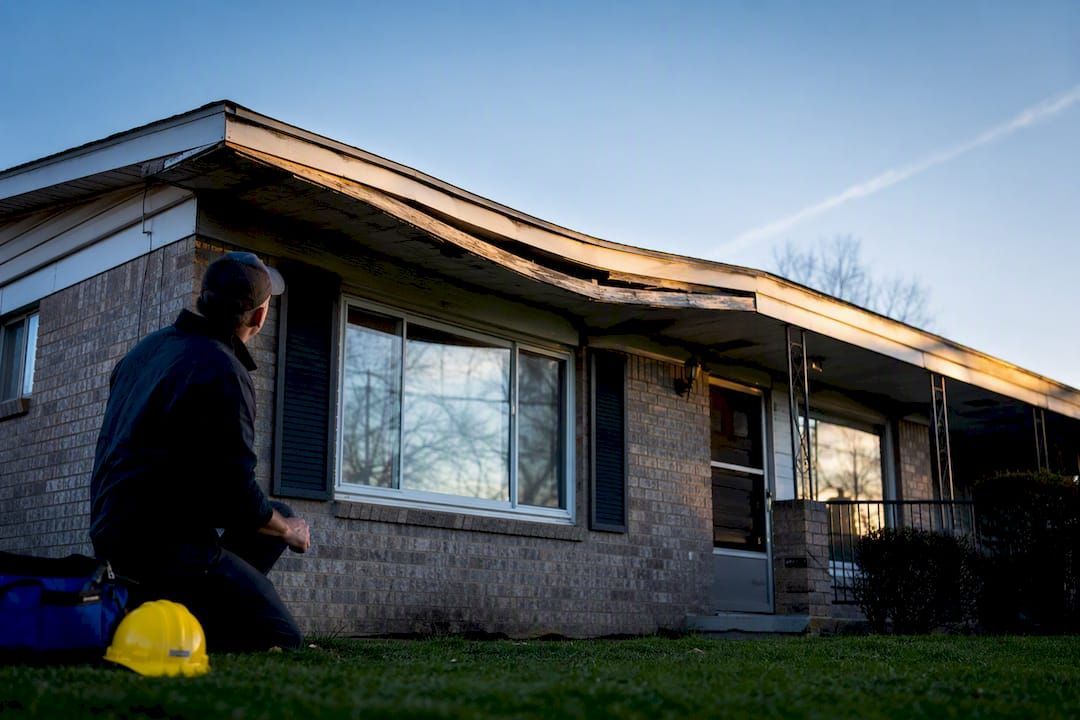
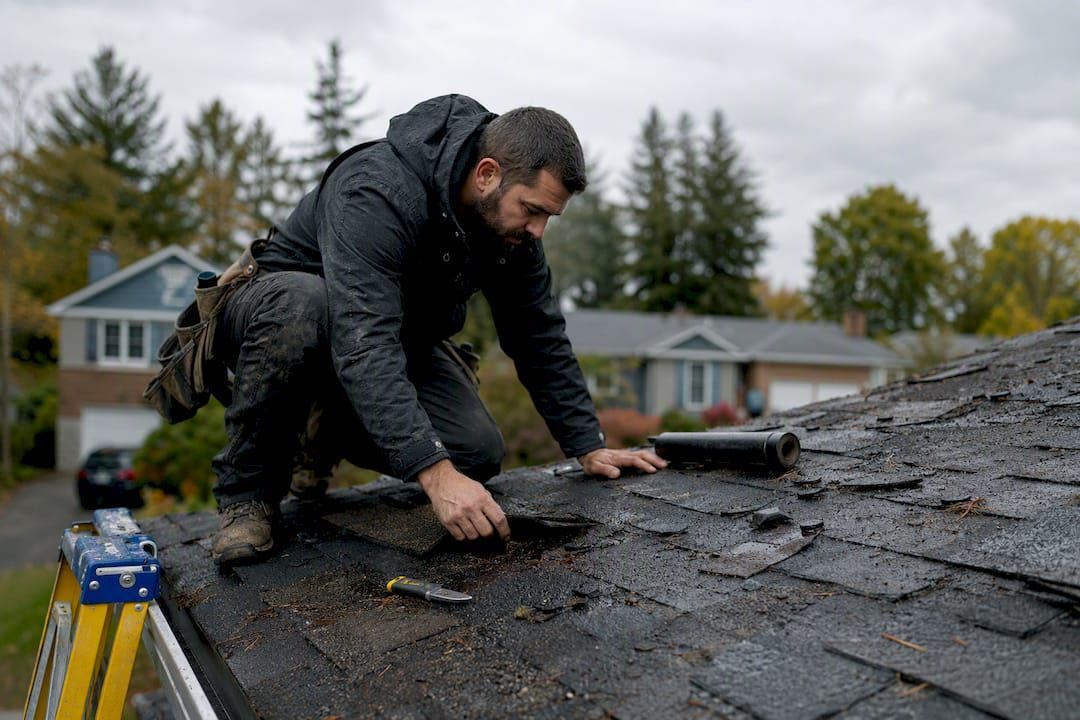
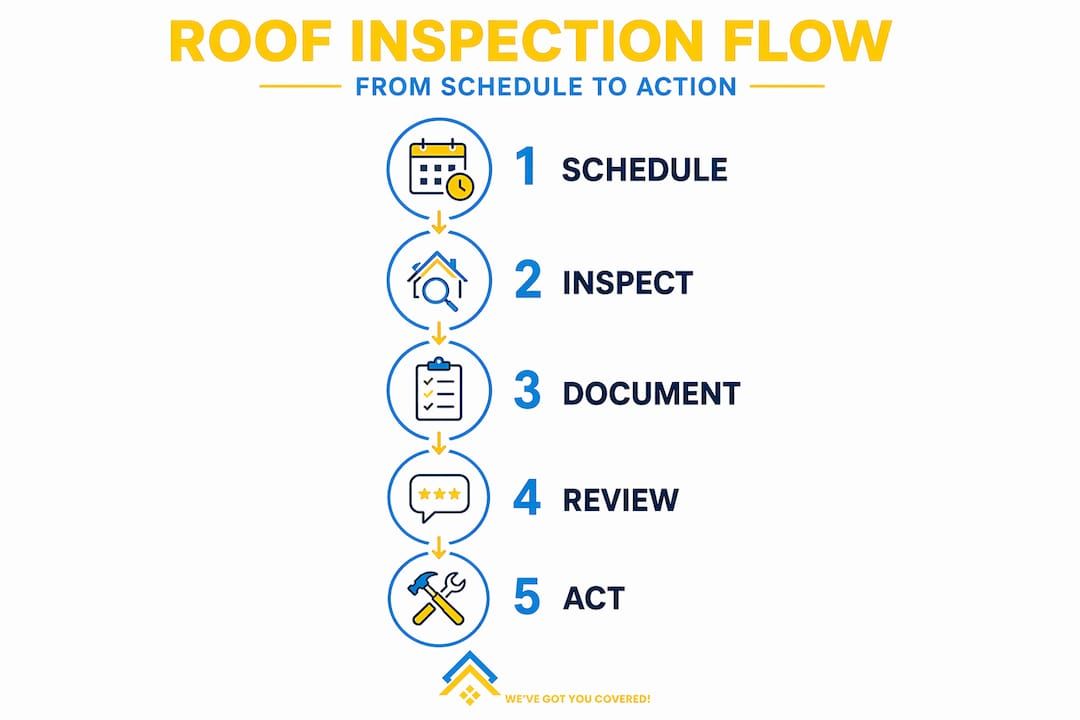
The building manager's job on roof inspections is not to get on the roof with a clipboard and poke at shingles. The real work happens before and after the inspector shows up. Building manager duties in this context span four core areas: planning, coordination, documentation, and follow-through.

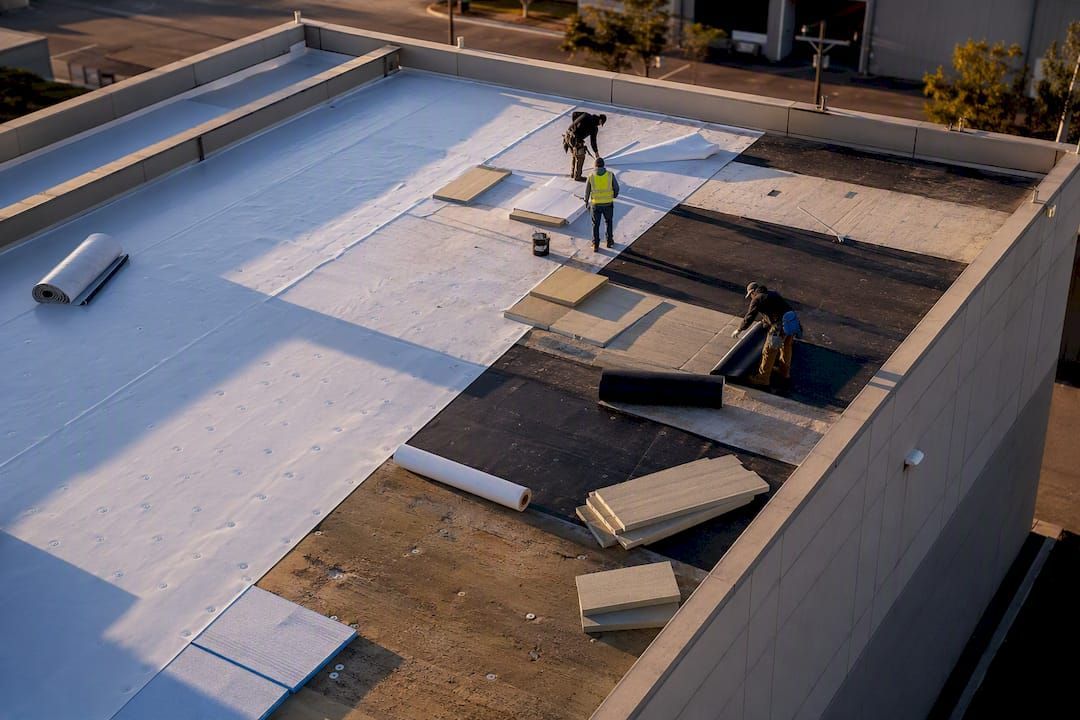
Planning means scheduling inspections at intervals that match industry standards and the specific property type. A 10-story commercial building with HVAC units on the roof needs a very different inspection plan than a 12-unit residential building with a pitched asphalt roof. Managers who treat both properties the same way consistently miss critical failure points.

Coordination involves more moving parts than most people expect. Before any inspector sets foot on site, you need to:

  • Confirm roof access routes and communicate them to the inspector
  • Notify occupants whose spaces border the roof or mechanical rooms
  • Coordinate with facilities and security teams on access permissions
  • Arrange for any HVAC or equipment personnel if rooftop units are part of the scope
  • Review previous inspection reports so the inspector knows which areas to prioritize

When properties fall under HOA governance or condo boards, the coordination role expands to include working with committee chairs and property management companies that may have overlapping jurisdiction.

Pro Tip: Keep a single shared folder with your last three inspection reports, current roof warranty documents, and any open work orders. Hand this to every new inspector before they walk the property. Inspectors who know the history write better, more targeted reports.

How often to schedule roof inspections

The short answer is more often than most managers think. Biannual professional inspections are the minimum standard for commercial properties, timed to catch winter damage in spring and prepare for cold weather stress in fall. Many commercial roof warranties and insurance carriers now require documented proof of these inspections for claims to be valid.

But biannual inspections alone are not enough. A complete layered inspection framework looks like this:

  1. Monthly walkthroughs by in-house maintenance staff to check drains, flashings, and visible membrane areas
  2. Quarterly checks that include gutters, penetrations, and any areas flagged in the previous inspection
  3. Biannual professional inspections conducted in spring (post-winter) and fall (pre-winter)
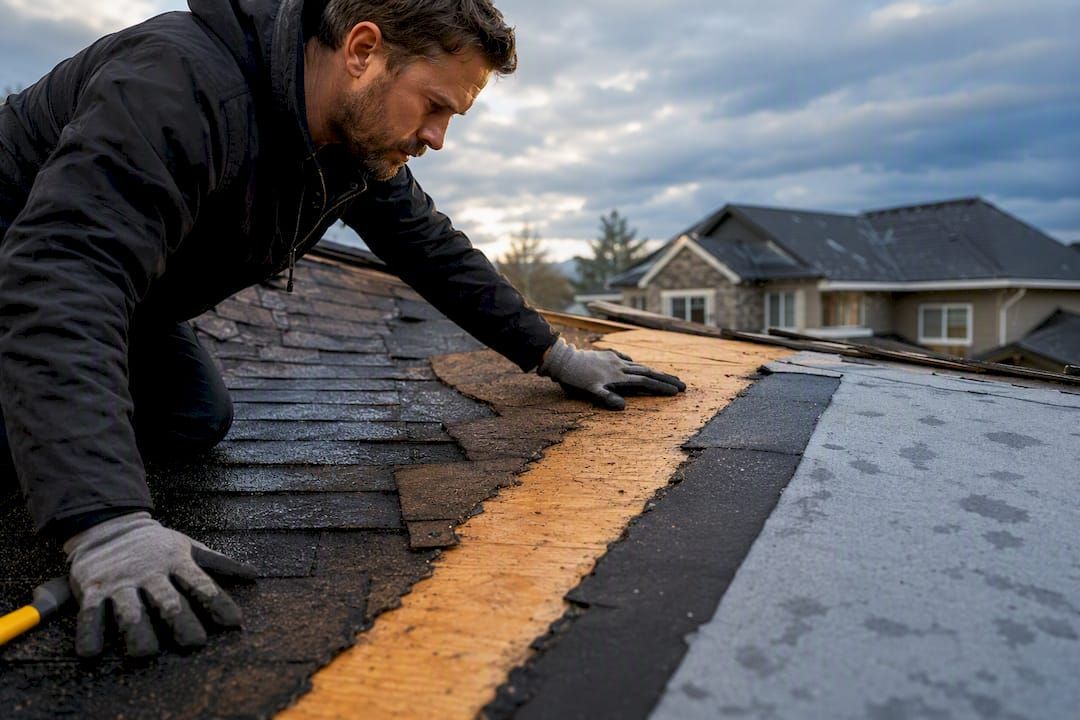
  4. Triggered inspections after hail, high winds, heavy snow loads, or any significant rooftop work like equipment installation

For residential properties, annual inspections are the baseline , with twice-yearly checks strongly recommended. After major storms, a triggered inspection should happen within 72 hours if possible.

Here is a quick reference for inspection frequency by property type:

Property type Minimum frequency Triggered conditions
Commercial flat roof Biannual professional Severe weather, equipment work
Commercial pitched roof Biannual professional Storm damage, debris accumulation
Residential (single or multi-unit) Annual professional Post-major storm, visible damage
HOA or condo common areas Biannual professional Board-mandated triggers

Digital scheduling tools tied to your property management software make it far easier to track these intervals. Calendar reminders alone are not enough. You need a system that creates a paper trail, because that paper trail becomes your evidence when an insurance adjuster calls.

Pro Tip: Set inspection reminders 30 days out, not 7. That lead time gives you space to book the right contractor, pull together prior records, and alert occupants without scrambling.

Converting inspection findings to corrective action

Getting the inspection done is only half the job. What separates strong building managers from reactive ones is what happens after the report lands in their inbox.

Digital records with photo evidence are no longer optional. Insurance adjusters and warranty representatives in 2026 expect geo-tagged images with timestamps tied to specific roof zones. If your inspection reports are just paragraphs of text, you are starting a claims conversation at a disadvantage.

Here is the workflow that works:

  • Translate each deficiency in the inspection report into a work order with a specific roof zone reference, photo attachment, and a priority level (immediate, 30 days, 90 days)
  • Assign each work order to a specific person or contractor with a deadline
  • Use a platform that time-stamps every status update so you can prove when action was taken
  • When work is completed, photograph the repaired area with the same geo-tag reference used during the inspection
  • Archive the before and after records together in a roof asset management system tied to the property file

This approach turns your inspection program into longitudinal evidence. If a manufacturer disputes a warranty claim five years from now, you can show a clean chain of documented inspections, prompt work orders, and completed repairs. Without that structure, CAPEX forecasting and warranty support become guesswork.

Documentation approach Insurance and warranty strength CAPEX forecasting ability
Paper notes only Weak, easily disputed None
Digital text with photos Moderate Limited
Geo-tagged, timestamped, zone-linked Strong, audit-ready Accurate multi-year forecasting

Working with boards and governance bodies

One of the most misunderstood aspects of building manager responsibilities in roof inspections is the question of authority. Managers do not approve spending. Boards do.

Legal frameworks clearly separate the manager's execution role from the board's decision-making authority. The manager schedules the inspection, compiles the report, and collects repair bids. The board reviews those materials and approves contracts and expenditures. Skipping or blurring this line creates disputes, delays, and in some states, legal liability.

The fastest route through this process requires:

  • Submitting inspection reports with visual evidence, not just text summaries
  • Presenting repair bids with clear options at different price points when possible
  • Flagging which repairs are urgent versus deferrable so the board can prioritize
  • Including warranty and insurance implications for deferred repairs in your recommendation

High-quality inspection reports with visual evidence directly accelerate board approvals. Boards rely on defensible, well-organized documentation to justify budget decisions to other owners. A vague report with no photos creates debate. A detailed report with annotated images and a clear cost-to-delay analysis moves quickly.

Pro Tip: When presenting a repair recommendation to a board, always include a one-page summary with three things: the problem, the cost now, and the estimated cost if deferred six to twelve months. Boards respond to financial clarity far faster than technical descriptions.

Preparing for a successful roof inspection

Good preparation is what allows inspectors to do thorough work quickly. Advance occupant communication and meticulous access planning are directly linked to inspection quality and safety compliance.

Follow this sequence before every inspection:

  1. Notify occupants at least 5 business days ahead, specifying which areas may be affected and what to expect
  2. Walk the access route yourself. Identify any hazards, locked gates, or areas requiring escort
  3. Confirm that the inspector has reviewed prior reports before arriving on site
  4. If drone technology will be used, check local airspace restrictions and get written clearance from the property owner or board
  5. Brief your facilities and security teams so they can support access without delays
  6. After the inspection, document your preparation steps. This protects you if access disputes or safety complaints arise later

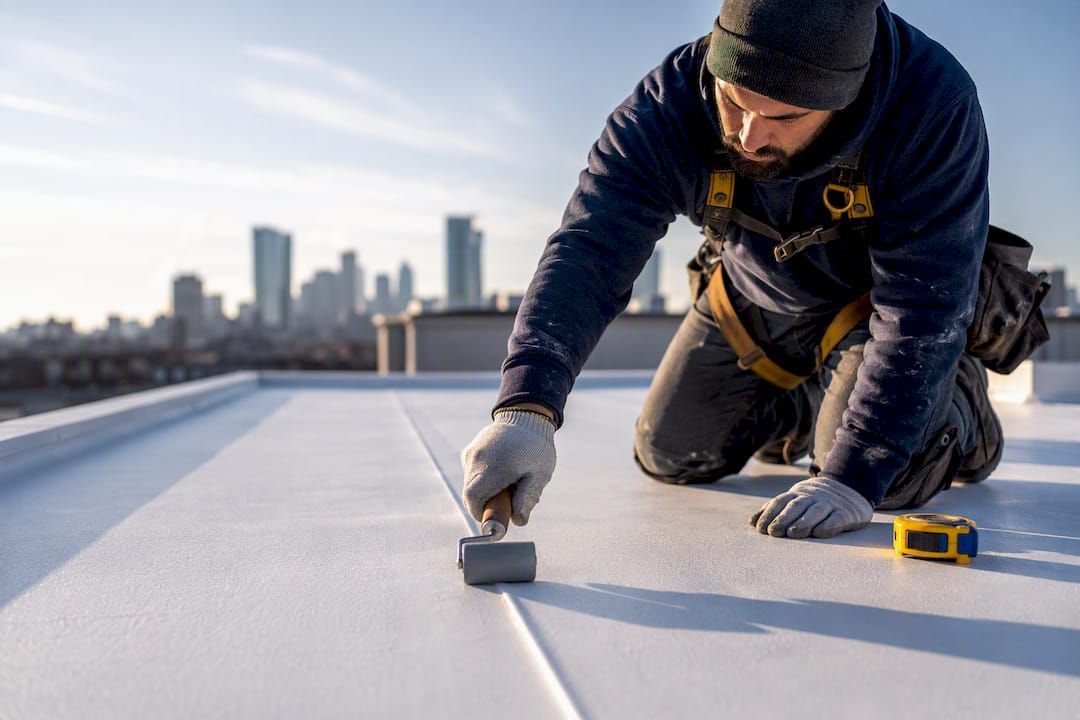
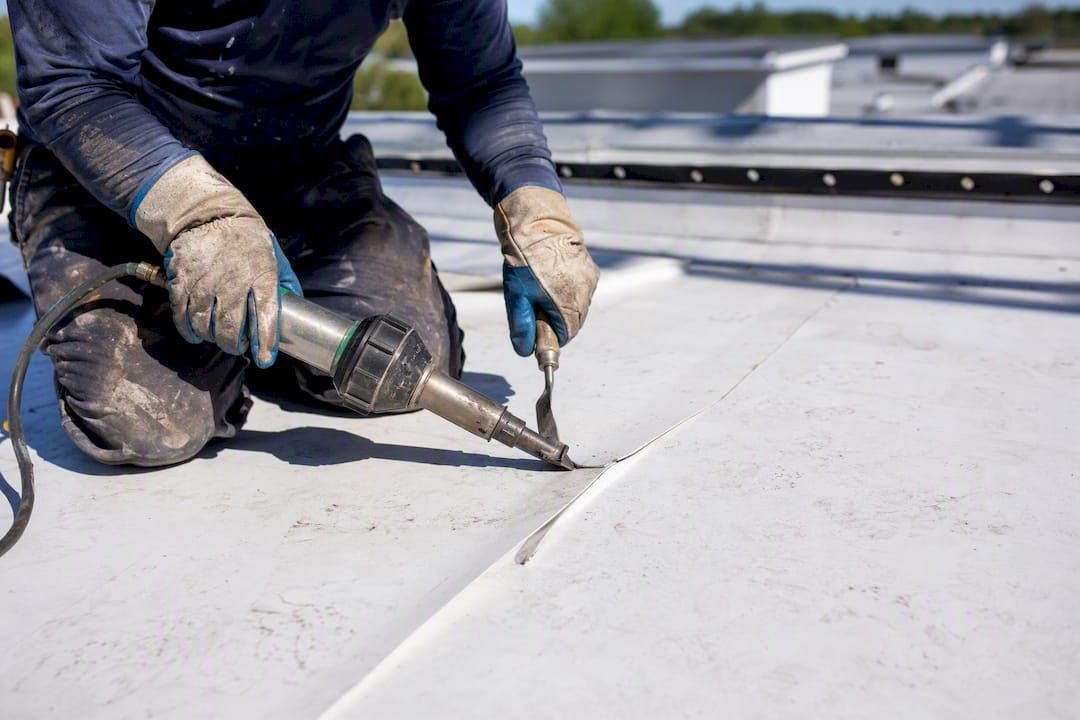
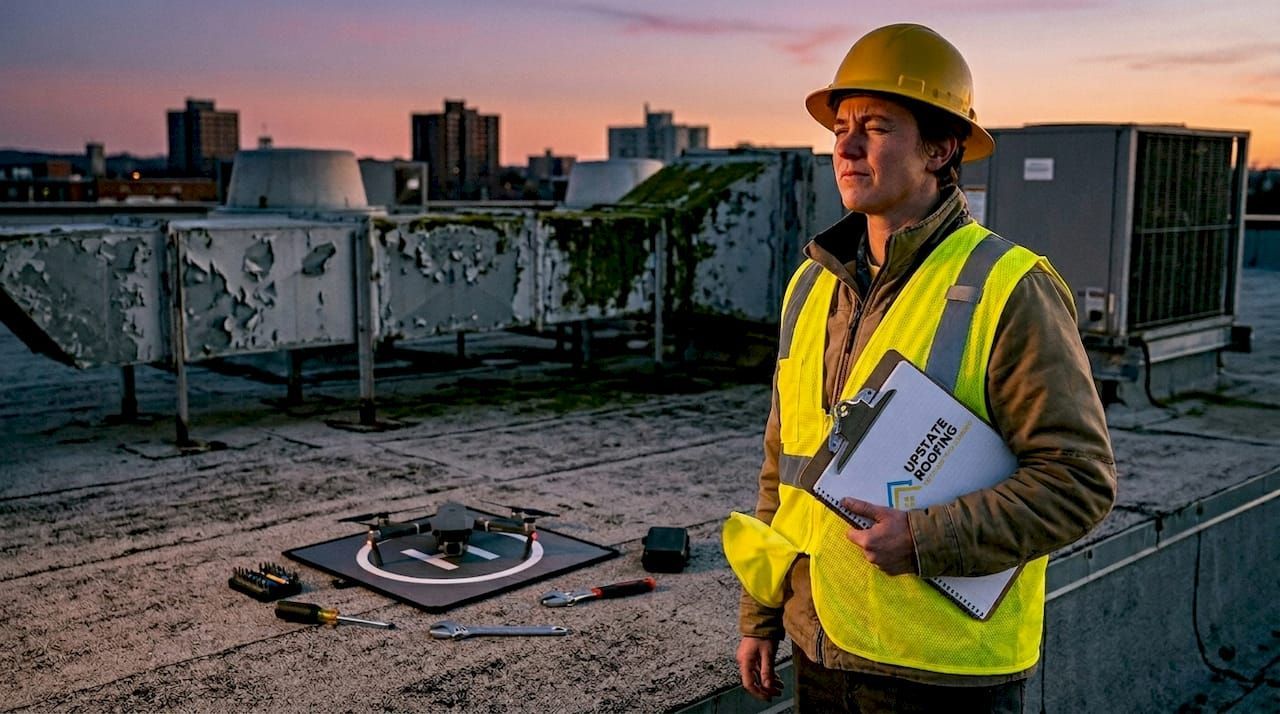
Drone inspections deserve a specific mention. They reduce the need for rooftop access on steep or fragile roof surfaces, which cuts both liability and the risk of inspection-caused damage. For large commercial properties, drones can cover more surface area in less time than a ground-up visual inspection. The tradeoff is that some detail work, like checking seam integrity on a TPO membrane, still requires a trained technician on the roof.

Reviewing a commercial roof inspection checklist before each inspection helps you confirm your inspector is covering every critical area, from drainage and flashings to penetrations and surface wear.

My take on what actually makes these programs work

I've reviewed dozens of roof inspection programs across commercial and residential portfolios, and the ones that fail almost always fall apart for the same reason. Not weather, not budget, not even contractor quality. They fail because nobody owns the follow-through.

Scheduling the inspection is easy. What I've seen managers consistently underestimate is the 10 days after the report arrives. That's when deficiencies sit in inboxes, work orders don't get created, and minor issues quietly become major ones. I've seen a $900 flashing repair turn into a $40,000 interior water damage claim because a work order sat unassigned for two months.

In my experience, the managers who run the best programs treat inspection reports like legal documents from the moment they arrive. Every finding gets logged the same day. Every work order has an owner and a deadline before the week is out. That discipline is rare, but it's what separates a functioning roof asset program from a reactive repair cycle.

The other thing I'd push back on is the instinct to do fewer inspections to save money. The math never works in your favor. The inspection record quality is just as important as the inspection itself when it comes to defending insurance claims and warranty disputes. One documented inspection cycle can save you more than the cost of five years of inspections.

— Cesar

How Upstateroofingpros supports your inspection program

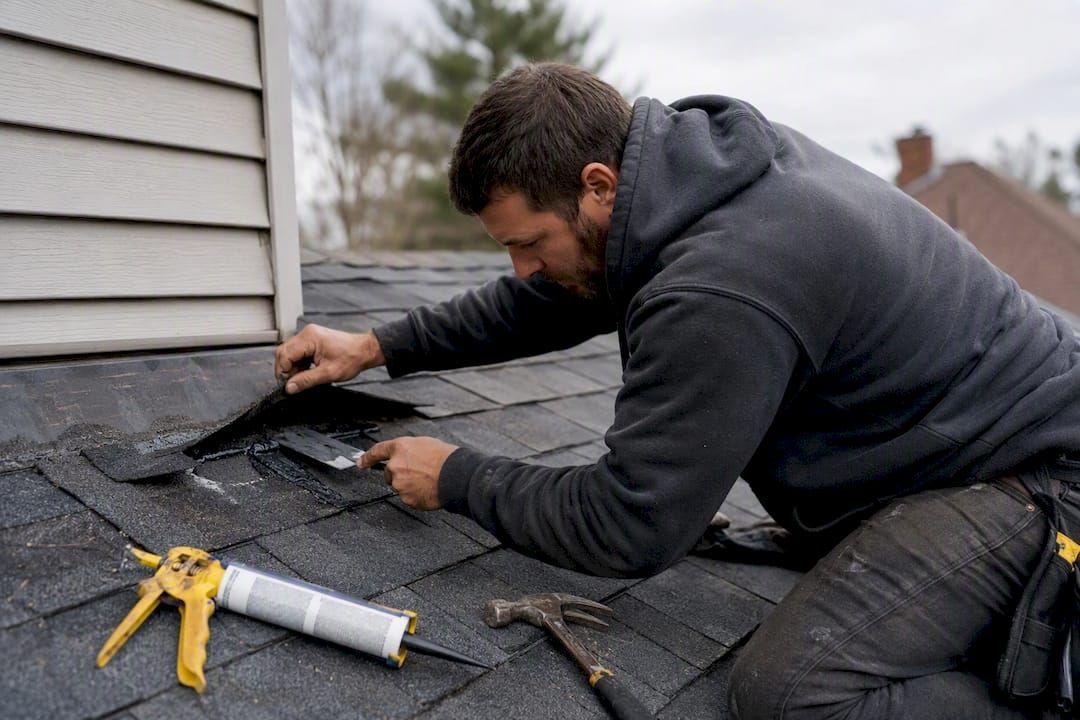
Upstateroofingpros works directly with building managers and property owners across Sacramento, Roseville, and the surrounding area to build inspection programs that hold up under scrutiny. Every professional roof inspection we conduct is documented with detailed photo evidence and zone-specific findings designed to meet insurance and warranty requirements. When inspections reveal damage, our repair services move quickly from work order to completion, with records that tie directly back to the original inspection report. We also offer ongoing roof maintenance plans built around your property's specific schedule and governance structure. Whether you manage one building or a full portfolio, we make it easy to stay on schedule and stay protected.

FAQ

What is the building manager's role in roof inspections?

The building manager is responsible for scheduling inspections, coordinating access and occupant communication, documenting findings, and initiating corrective work orders. They execute the inspection program but typically do not have authority to approve repair contracts or expenditures in multi-party governance settings.

How often should a building manager schedule roof inspections?

Commercial roofs require at minimum two professional inspections per year, plus triggered inspections after severe weather or rooftop work. Residential properties should have at least one annual professional inspection, ideally twice yearly, with additional post-storm checks.

Why do digital records matter for roof inspections in 2026?

Many commercial roof warranties and insurance carriers now require documented inspection records with geo-tagged photos and timestamps for claims to be valid. Without that documentation, both warranty protection and insurance reimbursement can be denied regardless of the quality of the repair work done.

Who approves roof repairs in an HOA or condo building?

The building manager coordinates inspections and collects contractor bids, but the HOA or condo board retains legal authority to approve spending and sign contracts. Providing boards with high-quality visual reports significantly speeds up the approval process.

What should a building manager do immediately after receiving an inspection report?

Convert every deficiency into a tracked work order with a photo, zone reference, and priority level before the end of that business week. Assign each work order to a specific person or contractor with a deadline, and archive the documentation in a system linked to the property file.

Recommended

Recent Posts

men working on a residential roof
May 26, 2026
Discover how residential roof layers explained can save you money. Understand your roof's components for smarter repairs and lasting protection!
Man in yellow jacket inspecting rooftop with plants, orange cone, and city skyline in the background
May 25, 2026
Discover vital commercial gutter system maintenance tips for property managers. Protect your building and ensure compliance with our expert guide!
Woman holding a clipboard in front of a flower-filled house with a blue roof and bicycle nearby
May 24, 2026
Discover what a GAF roofing system truly is. This guide reveals essential components, warranty benefits, and tips for homeowners.
upstate roofing inspection of roof
May 21, 2026
Discover the vital role of gutters on your roof and home. Learn how proper gutter systems protect your property from water damage and maintain its integrity.
May 17, 2026
Discover essential strategies for an effective industrial facility roof inspection. Prevent costly repairs and protect your assets today!
tpo roof experts in sacramento
May 16, 2026
Discover what TPO roofing is and how it benefits your property. Learn about its durability, energy efficiency, and installation tips here!
gutter cleaning and installation in sacramento
May 15, 2026
Discover how gutter cleaning works to protect your home. Learn the essential tools and methods to prevent costly repairs and leaks!
commercial roofing company in sacramento
May 13, 2026
Discover essential roofing system components commercial buildings need. Ensure longevity and compliance with our comprehensive guide!
Leafguard guter service , installaion and maintenance
May 13, 2026
Discover our essential gutter repair DIY guide to prevent costly water damage. Act fast and safeguard your home from expensive repairs!
Man in a yellow shirt using a long-handled tool to clean house gutters beside a garden
May 12, 2026
Discover the role of a roof restoration program in extending your roof's life and saving money. Learn to protect your home today!
Show More