
What Is Full Roof Replacement: a Homeowner's Guide

May 19, 2026

Share this article

What Is Full Roof Replacement: a Homeowner's Guide

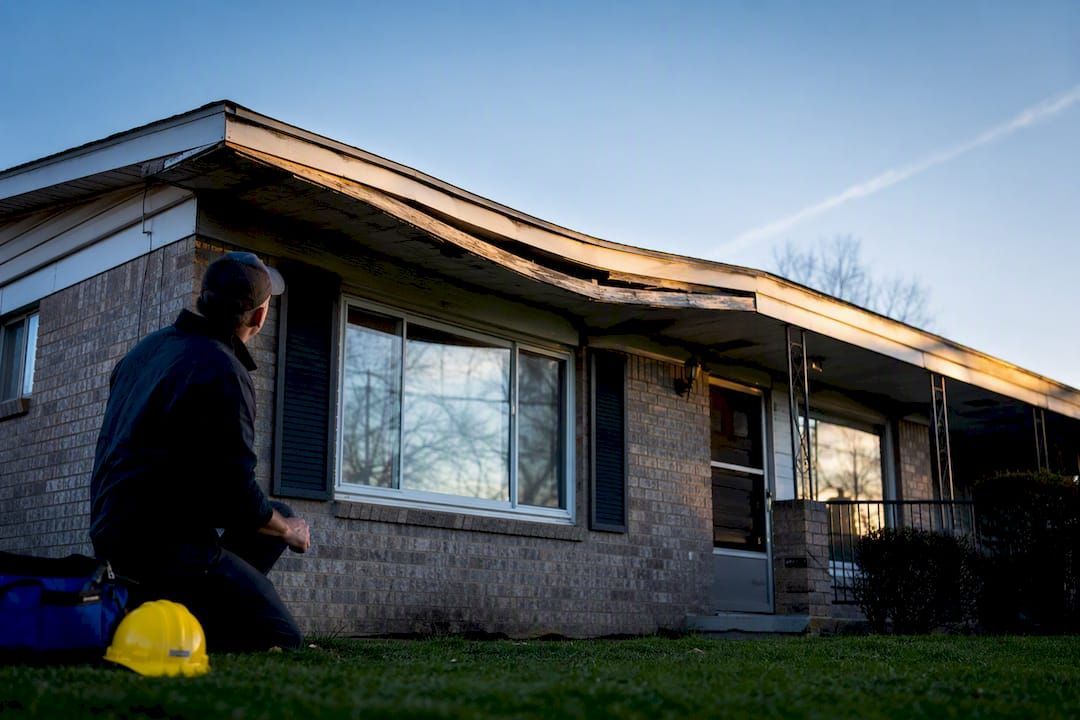
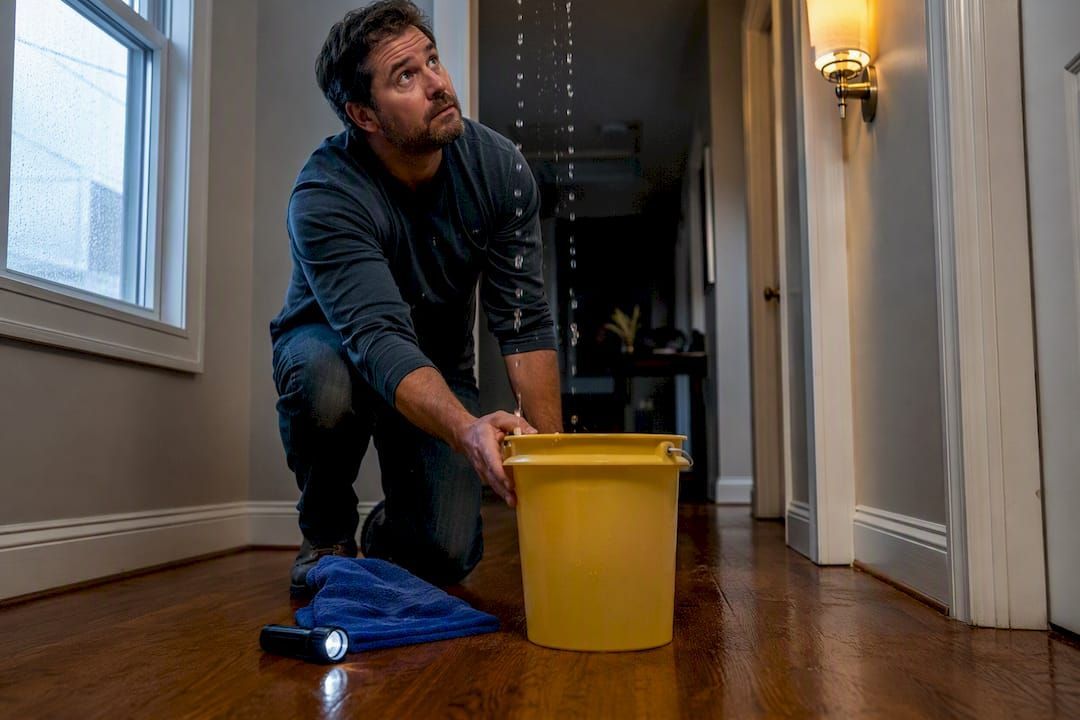
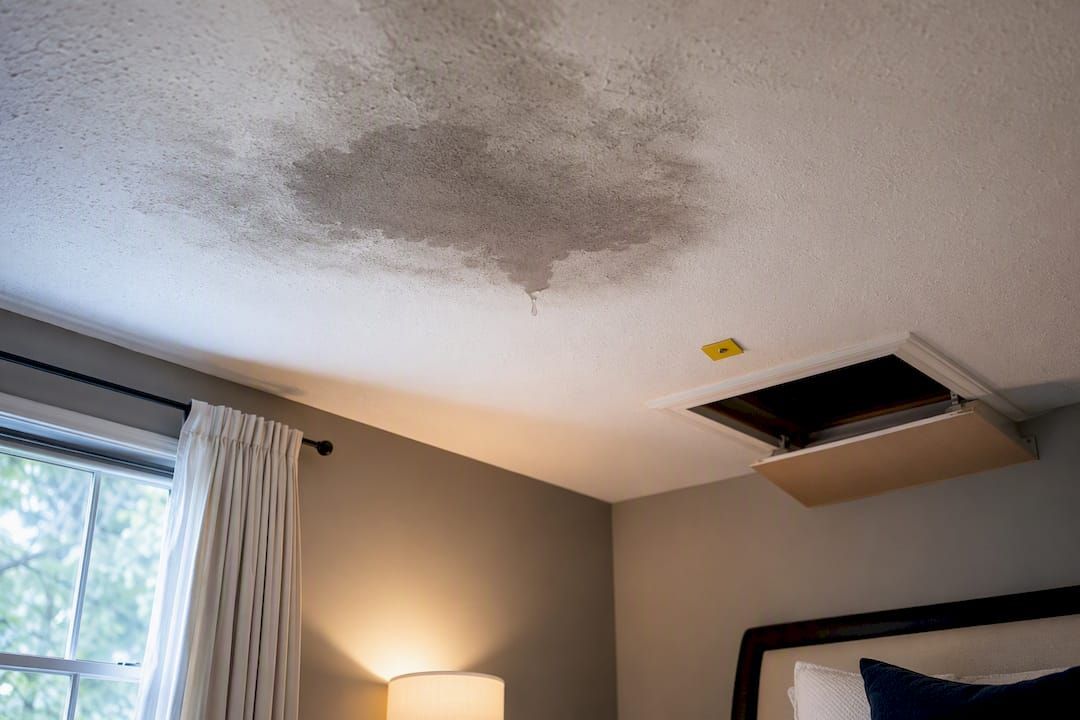
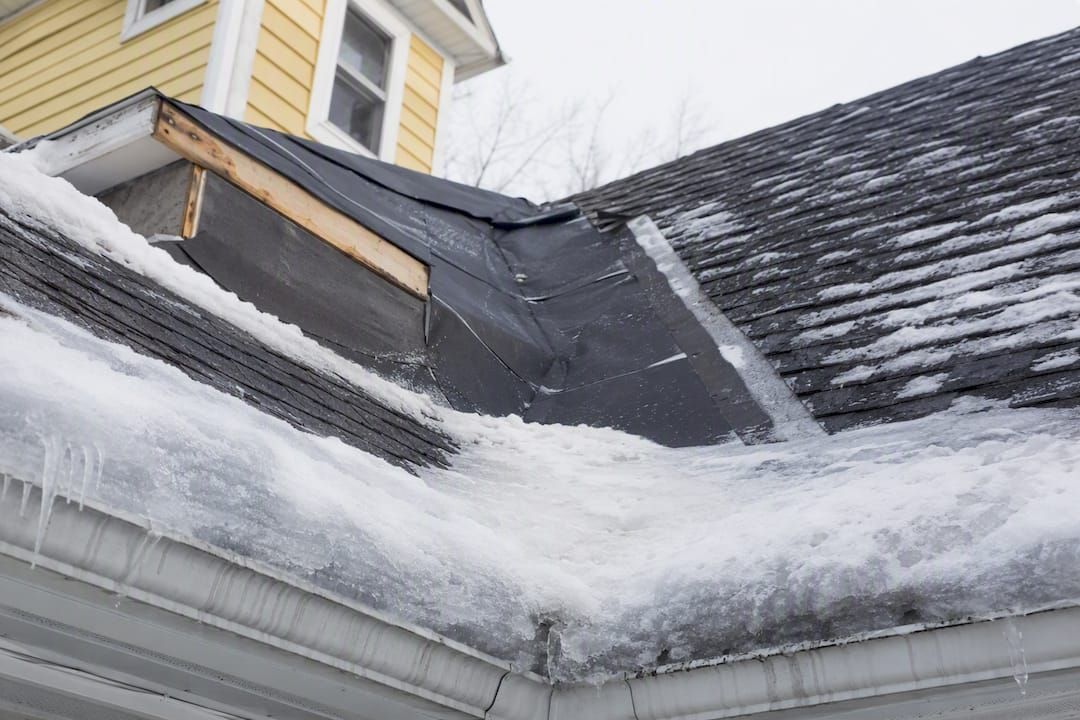
Your roof is leaking again, and you're wondering whether another patch job makes sense or whether it's finally time to replace the whole thing. Understanding what is full roof replacement — and how it differs from a repair or overlay — is the decision that separates a one-time investment from years of recurring costs. This guide covers everything you need: how the process works, what it costs, what building codes require, and how to know when a full replacement is the smarter call.

Key takeaways

Point Details
Full replacement means full tear-off Every layer is removed down to the deck before new materials go on.
The process takes 2 to 6 weeks total Physical installation is 1 to 3 days, but permits and scheduling add time.
Costs range from $10,000 to $26,000 Size, materials, and labor are the biggest price drivers for a 2,000 sq. ft. home.
Code compliance protects your warranty Ice shield, drip edge, and ventilation requirements aren't optional.
The 30 to 50% rule guides your decision When repairs approach half the cost of replacement, replacement wins long term.

What full roof replacement actually means

Most homeowners use "roof replacement" loosely, but the term has a precise meaning in the roofing industry. A full roof replacement means removing every existing layer of roofing material down to the wooden deck beneath. No shingles, no underlayment, nothing stays. That process is called a tear-off, and it's what separates a true replacement from the shortcuts that often cost you more later.

Here's how full replacement compares to the other options you'll hear about:

Option What happens Best for
Full replacement All layers removed; deck inspected; new system installed Aging roofs, extensive damage, worn-out systems
Partial replacement Damaged section replaced; rest stays Isolated storm damage on a newer roof
Roof overlay New shingles laid over old ones Budget-conscious owners with 1 existing layer
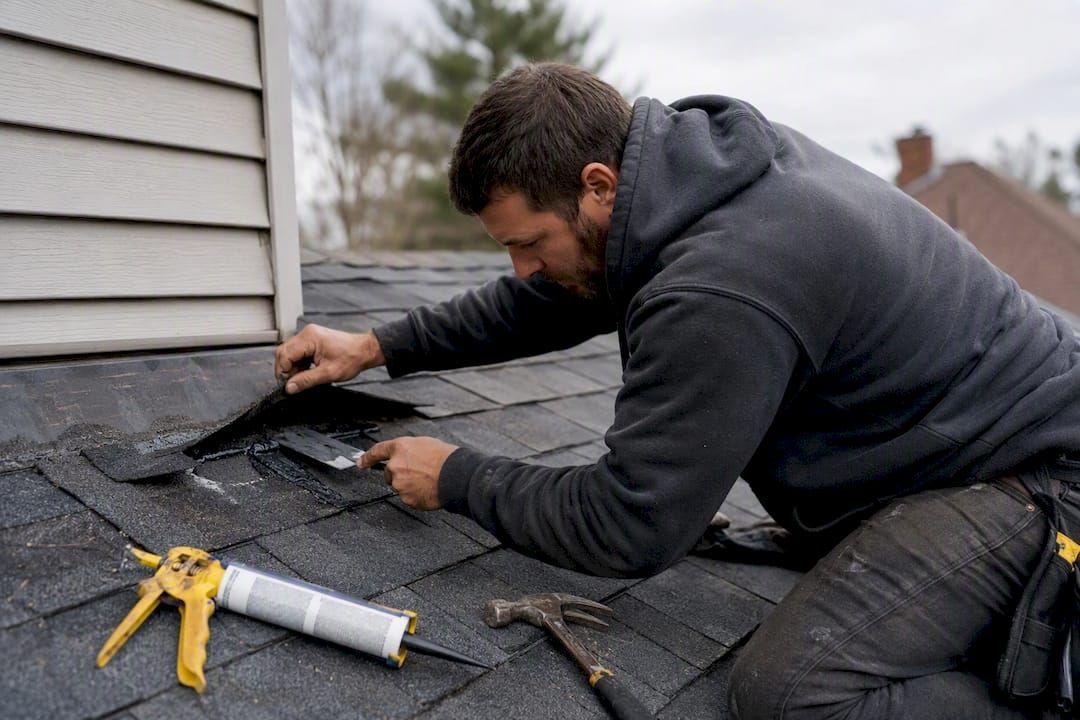
Repair Specific leak or damaged shingles fixed Minor issues on a healthy, younger roof

A roof overlay can look appealing because it skips the tear-off labor cost. The problem is that choosing full replacement resets your roofing system's lifespan and avoids hidden underlying damage that overlays routinely miss. When rotten decking sits under a new layer of shingles, you're paying to cover a problem instead of solve it.

Key terms to know before talking to a contractor:

  • Tear-off: The removal of all existing roofing materials
  • Decking (or sheathing): The wooden boards that form the structural base of your roof
  • Underlayment: A protective layer installed directly over the deck before shingles go on
  • Ice and water shield: A self-adhering membrane that protects vulnerable areas from water intrusion

The roof replacement process, step by step

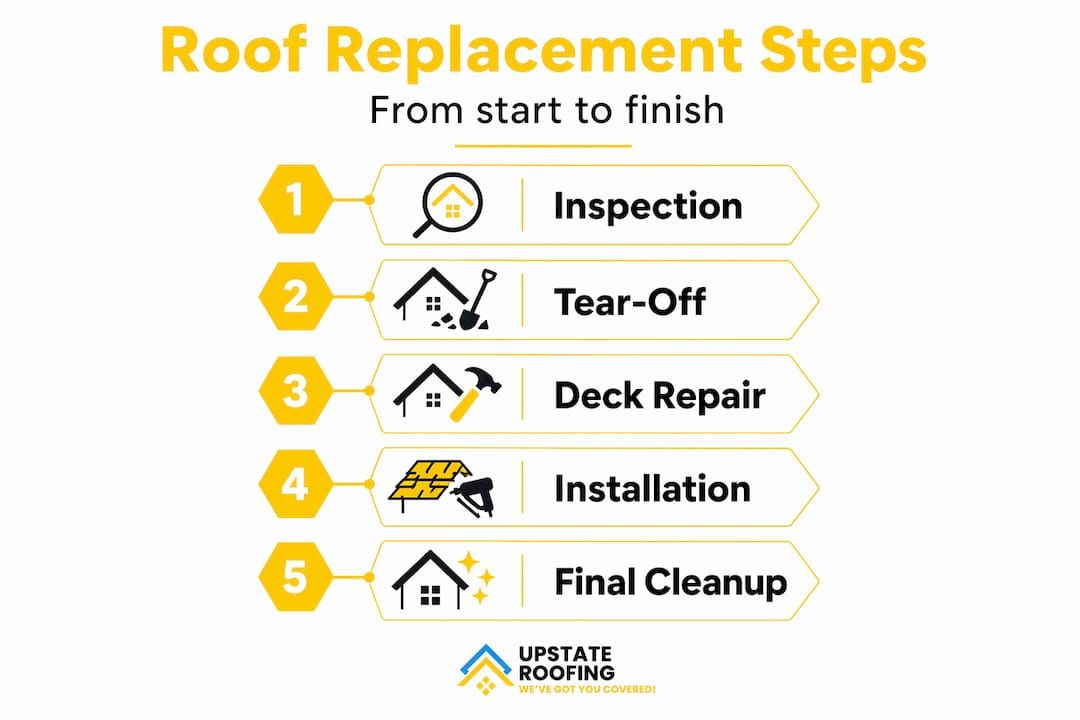
Knowing exactly what happens during a full roofing services project keeps you from being caught off guard. Here's the sequence a reputable contractor follows:

  1. Initial inspection and assessment. A qualified inspector evaluates the condition of your current roof, the deck, flashing, ventilation, and gutters. This sets the scope of work.
  2. Permit acquisition. Most jurisdictions require a permit before work starts. Your contractor handles this, but it adds time to the overall schedule.
  3. Scheduling and material ordering. Materials are ordered and a start date is confirmed. Weather unpredictability affecting installation schedules is real. Asphalt shingles require the right temperature to seal properly, and roofing can't safely proceed in heavy rain or high winds.
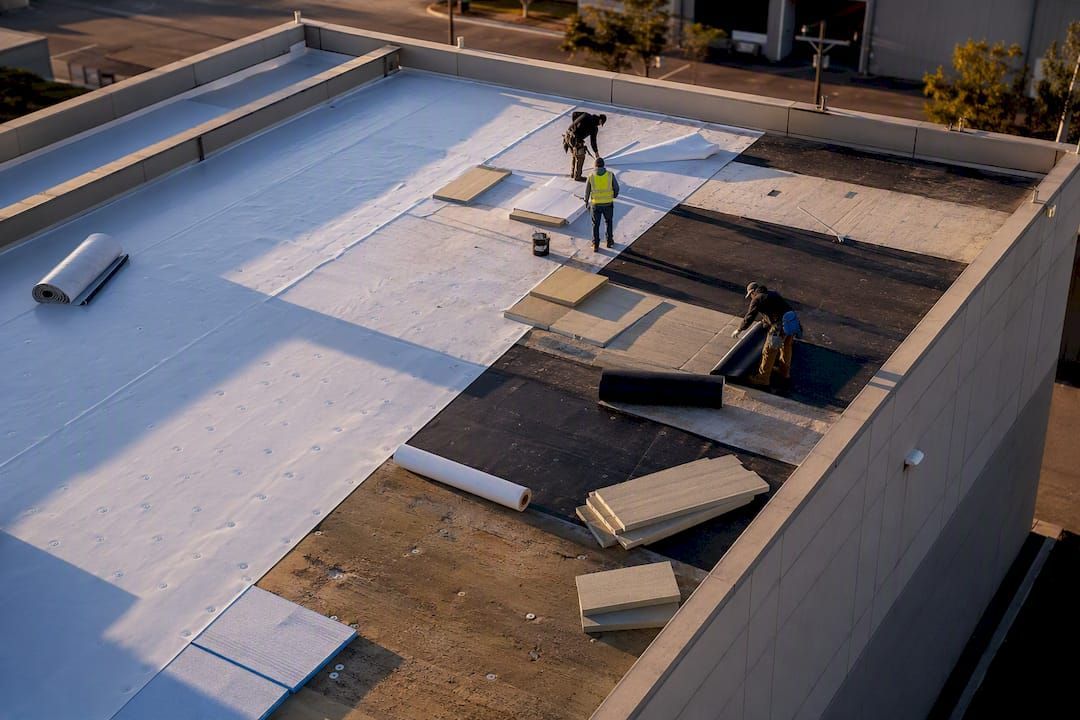
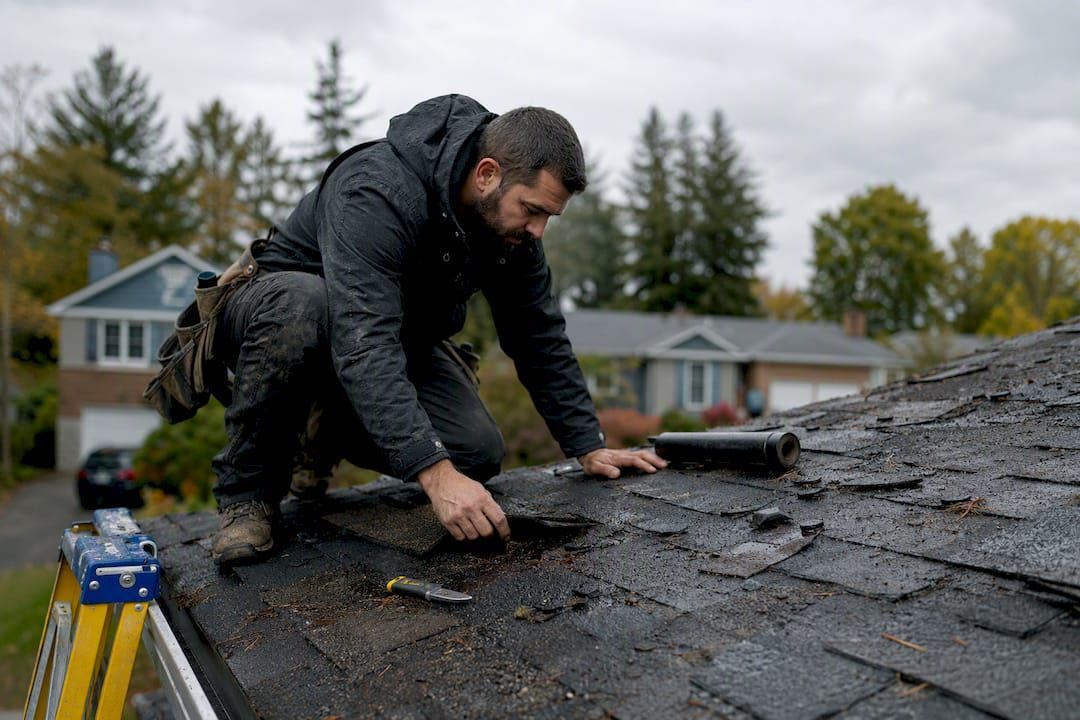
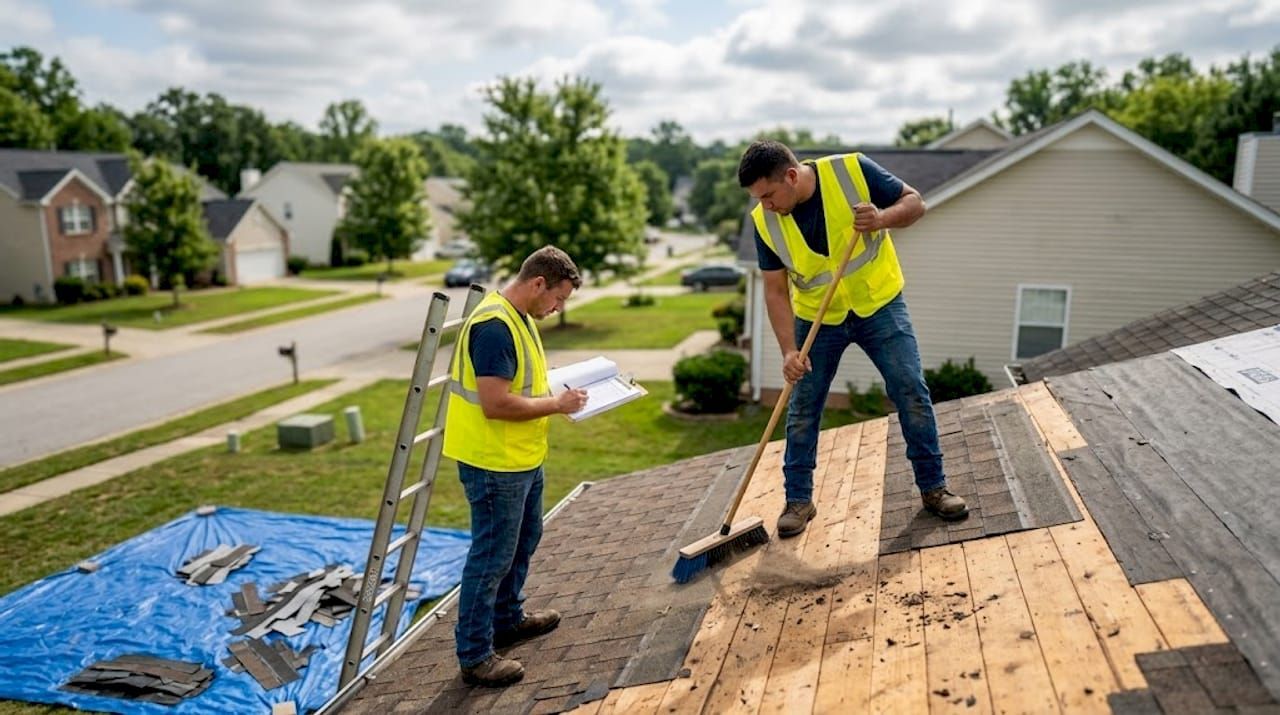
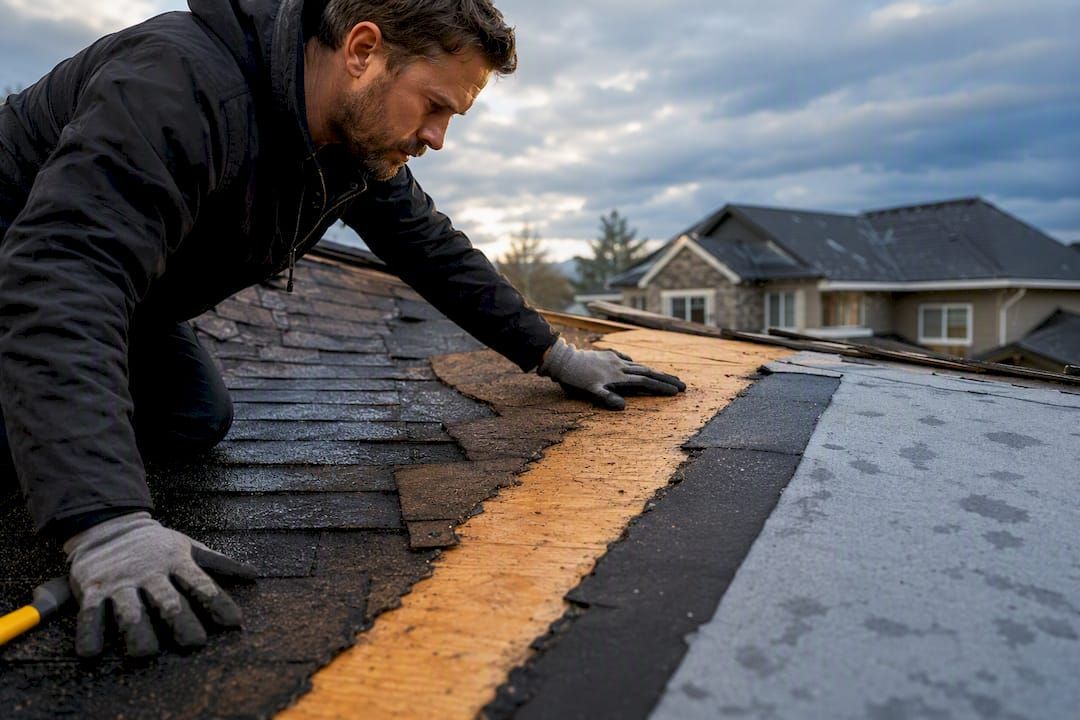
  4. Tear-off. Workers remove all existing shingles, underlayment, and flashing. A full replacement involves complete removal, leaving no hidden layers.
  5. Deck inspection and repair. Once the deck is exposed, contractors check for rot, soft spots, or structural damage. Any compromised sections are replaced before anything else goes on.
  6. Underlayment and code components installation. Ice and water shield goes down at the eaves and valleys. Drip edge is installed along the roof edges. Proper attic ventilation is verified or upgraded to meet code requirements.
  7. New roofing material installation. Shingles, metal panels, or tile go on according to manufacturer specifications. This stage is where your material choice becomes visible.
  8. Final inspection and cleanup. A walkthrough confirms code compliance. Debris, nails, and old materials are removed from your property.

Pro Tip: Ask your contractor upfront how they handle weather delays and what their communication process looks like. Contractors who provide realistic timelines and proactive updates on scheduling and delays are the ones who build real homeowner trust.

The physical installation takes 1 to 3 days, but the full process including permits and scheduling typically spans 2 to 6 weeks. Build that window into your planning.

What drives the cost of roof replacement

The cost of roof replacement doesn't follow a single formula. Several variables push the number up or down, and knowing them helps you evaluate bids without getting surprised.

Material choice is the biggest lever. Here's how common materials compare on both cost and longevity:

Material Typical lifespan General cost range
Composition (3-tab) shingles 20 to 25 years Lower end
Architectural shingles 25 to 30+ years Mid-range
Tile 40 to 50 years Premium
Metal 40 to 70 years Premium to high

Material type impacts both upfront cost and how long before you face this decision again. A homeowner who chooses architectural shingles over 3-tab typically gets a decade more service life from the same job.

Other major cost factors include:

  • Roof size and complexity. Steep pitches, multiple valleys, and dormer windows require more labor and material.
  • Labor rates and permits. Regional variation is real. For a 2,000 sq. ft. home in California, replacement costs range from $10,000 to $26,000 depending on all these factors.
  • Deck repairs. If the inspection reveals rotted sheathing, those repairs are added to the project cost.
  • Disposal fees. Tear-off generates significant debris, and hauling costs vary by market.

Comparing a full replacement quote to the cost of ongoing repairs requires an honest look at your repair history. Spot repairs typically run $350 to $1,800, and multiple repairs in a short span signal that a full replacement would have been the better financial decision. When you're patching the same roof every 18 months, the money is going out without the roof life to show for it. You can explore replacement costs and options for the Sacramento and Roseville area to understand what your specific project might look like.

Building codes and warranties that matter

Code compliance isn't a formality. It directly affects whether your new roof performs as promised and whether your manufacturer warranty stays valid. Skipping required components to save money upfront is one of the most expensive mistakes you can make on a roofing project.

Building codes for full roof replacement commonly require:

  • Ice and water shield at eaves and valleys, protecting the most vulnerable penetration points from water backup
  • Drip edge extending at least 1/4 inch below the sheathing to direct water away from the fascia
  • Attic ventilation at a minimum ratio of 1 square foot per 150 square feet of attic space, which regulates temperature and moisture
  • Permit documentation including photo proof of underlayment and drip edge installation before any materials cover them

The permitting process in many municipalities requires geotagged photos of installation stages as proof of compliance. This isn't just bureaucracy. It creates a documented record that supports your warranty claim if problems arise later.

Pro Tip: Ask your contractor for documentation of every code-required component before they're covered. If a contractor skips this step or tells you the permit isn't necessary, that's a red flag. Your roof warranty coverage depends on verified installation to manufacturer specs.

Roof overlays frequently void manufacturer warranties because they don't meet the installation requirements that premium material warranties demand. If you're investing in quality materials, the installation method has to match.

Repair or replace: how to make the call

This is the decision most homeowners wrestle with, and the answer usually comes down to three factors: roof age, damage extent, and cumulative repair costs.

The standard rule of thumb used across the roofing industry: if repair costs reach 30 to 50% of the full replacement cost, replacement is the more cost-effective choice long term. Run the math before approving another patch job.

Signs that full replacement is the smarter move:

  • Your roof is past or near the end of its expected lifespan
  • You have widespread granule loss, sagging, or multiple leak points
  • Repair costs are stacking up and the intervals between fixes are shrinking
  • An inspection reveals compromised decking beneath the surface
  • Your insurance adjuster has identified storm damage that qualifies for a claim

Repairs still make sense when the roof is relatively young, the damage is isolated to one area, and the rest of the system is structurally sound. A single missing section of shingles after a wind event on a 7-year-old roof doesn't call for full replacement. But recurring leaks on a 22-year-old composition shingle roof almost certainly do.

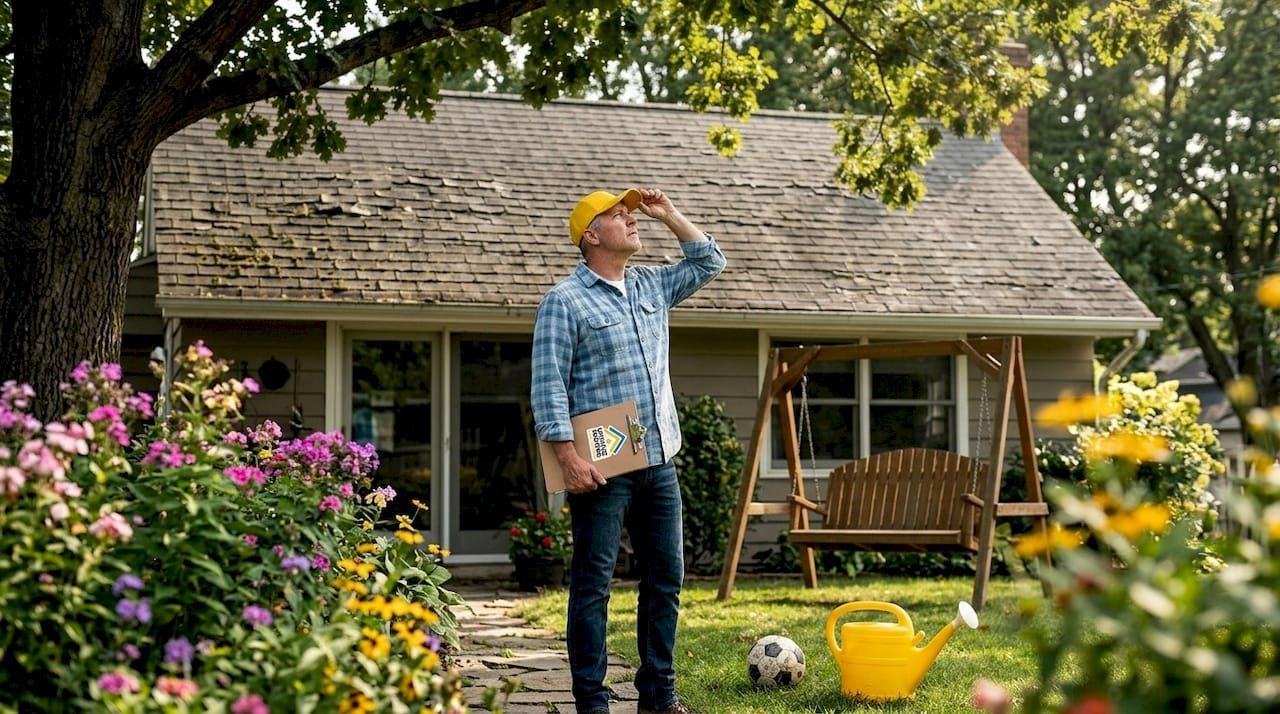
If you're unsure, get a full roof inspection from a licensed contractor before committing to either path. An objective inspection tells you what the roof actually needs, not just what's visible from the ground.

Insurance is another factor worth understanding. Many policies cover full replacement when storm or hail damage is the cause. An inspection report documents the extent of damage, which is exactly what your adjuster needs to process a claim.

My honest take on roof replacement decisions

I've worked in roofing long enough to spot the pattern that costs homeowners the most money. It's not choosing the wrong material or picking a bad contractor. It's waiting.

Homeowners tend to approve one more repair, then another, on a roof that's already past the point where repairs make financial sense. I've seen roofs that had $6,000 in repairs over three years before the owner finally committed to replacement. The replacement they needed from the start would have cost less and delivered a decade more of protection.

The other thing I've learned is that overlays are almost always a false economy. I understand the appeal. You skip the tear-off labor, and the estimate looks better. But when we pull back a second layer of shingles and find rotted decking underneath, the homeowner faces repair costs they weren't budgeting for. A full tear-off is the only way to know exactly what you're working with.

My advice: get a thorough inspection before you agree to any scope of work. If a contractor can't tell you clearly what they found and why the work is needed, keep looking. Quality professionals show you the problem, explain the code requirements, and give you a clear picture of what the job entails before you sign anything. That transparency is what separates a 20-year roof from a 12-year one.

— Cesar

Ready to get a professional assessment?

At Upstateroofingpros, full roof replacement is handled by licensed professionals who manage every step from inspection through final compliance documentation. Whether your home needs a complete tear-off and replacement or targeted repairs, the team brings code-compliant workmanship and clear communication to every project. Serving Sacramento, Roseville, and surrounding areas, Upstateroofingpros offers expert roof replacement services including inspections, material consultations, and transparent pricing. If you're weighing repair against replacement, explore the roof repair options as well. Request your estimate and get a clear picture of what your roof actually needs.

FAQ

What is the difference between a full replacement and an overlay?

A full replacement removes all existing roofing layers down to the deck before installing new materials. An overlay places new shingles on top of old ones, which can hide underlying damage and often voids manufacturer warranties.

How long does the roof replacement process take?

Physical installation typically takes 1 to 3 days, but the complete process including permits, material ordering, and scheduling usually spans 2 to 6 weeks.

How much does a full roof replacement cost?

For a 2,000 sq. ft. home in California, costs typically range from $10,000 to $26,000 depending on materials, roof complexity, labor rates, and any deck repairs needed.

When does it make more sense to replace than to repair?

When your cumulative repair costs reach 30 to 50% of the full replacement cost, or when your roof is at or beyond its expected lifespan, replacement is generally the more cost-effective long-term choice.

Does a full roof replacement require a permit?

Yes, in most jurisdictions a permit is required before work begins. Permitting often includes documentation requirements such as photo proof of code-required components like underlayment and drip edge installation.

Recommended

Recent Posts

commercial roof repair in sacramento
June 5, 2026
Discover why roof maintenance prevents downtime for property owners. Learn effective strategies to protect your investment and avoid costly damage.
tpo roofing companies in sacramento
June 2, 2026
Discover our comprehensive TPO roofing installation overview for 2026. Learn essential steps and tips for a successful, energy-efficient roofing project!
residential roof repair in sacramento
June 1, 2026
Discover how residential roof layers explained can save you money. Understand your roof's components for smarter repairs and lasting protection!
Residential roof inspection sacramento
June 1, 2026
Discover what does roof replacement involve and learn essential steps for a successful project. Make informed choices and protect your investment!
commercial roof inspections in sacramento
June 1, 2026
Discover why commercial buildings need roof surveys to prevent costly repairs, ensure structural integrity, and protect warranties. Act now!
commercial roof gutter
May 31, 2026
Discover vital commercial gutter system maintenance tips for property managers. Protect your building and ensure compliance with our expert guide!
May 31, 2026
Discover why roofs leak after rain and learn effective fixes to prevent costly damage. Protect your home with expert insights today!
May 30, 2026
Discover the roofing maintenance plan benefits: extend your roof's lifespan, lower costs, and prevent emergencies. Invest wisely in your home!
May 29, 2026
Discover the critical role of building manager roof inspection. Learn how proactive checks save money and protect your property.
May 28, 2026
Discover the best roof coating types for commercial buildings. Enhance durability, cut costs, and boost energy efficiency with our 2026 guide!
Show More