
How Leak Detection Works: What Homeowners Must Know
Water leaks cost American homeowners billions of dollars each year, yet most people don't think about leak detection until they're already staring at a ruined ceiling or a flooded basement. Understanding how leak detection works is the difference between catching a slow drip behind your walls before it becomes a $20,000 remediation job and discovering it after the fact. Modern leak detection technology has moved far beyond the simple moisture sensor that beeps when it gets wet. This guide breaks down every major method, explains when each one applies, and gives you the knowledge to protect your property before damage starts.
Key takeaways
| Point | Details |
|---|---|
| Multiple methods exist | Acoustic, thermal, tracer gas, and smart flow sensors each detect different leak types. |
| Smart monitors learn your home | Flow-based systems need time to study usage patterns before they can catch anomalies accurately. |
| Placement determines protection | A single sensor covers only one area. High-risk zones all need coverage. |
| Commercial systems scale up | Multi-zoned acoustic correlators locate leaks within 500 millimeters in large facilities. |
| Professional detection saves time | Non-destructive methods find leaks in less than half the time of traditional excavation. |
How leak detection works: the core technology explained
At its most basic level, leak detection is about identifying where water is escaping a system it should stay inside. But the methods used to find that escape point vary widely depending on the property type, pipe material, leak size, and location. Here is how each major technology actually functions.
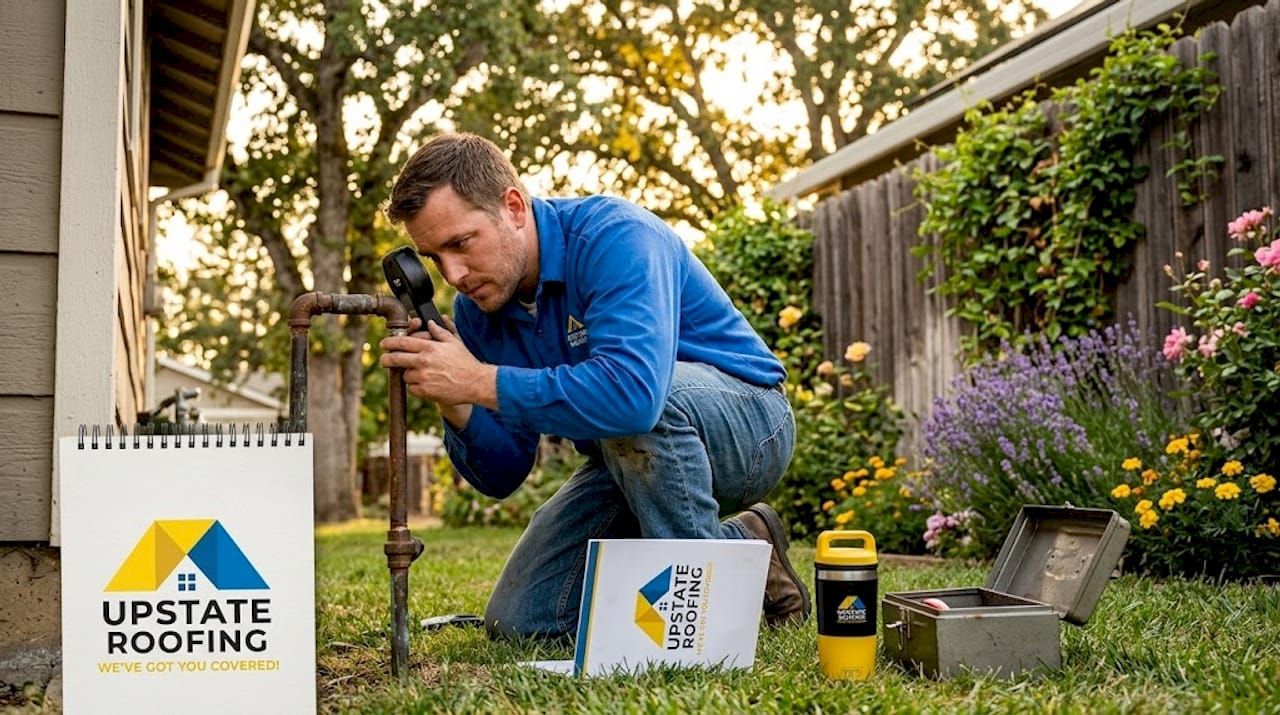
Acoustic detection uses sensitive microphones placed against pipes or on the ground surface above buried lines. Water escaping a pressurized pipe creates a distinct hissing or rumbling sound. Acoustic devices amplify leak sounds and filter out background noise so a trained technician can pinpoint the exact location without opening a single wall. Professionals often use a device called an "elephant foot" shield, which presses directly against a surface to isolate vibrations from ambient interference.
Thermal imaging works on a different principle entirely. A thermal camera detects temperature differences across a surface. A leak behind a wall introduces cooler or warmer water that shows up as a color variation in the camera's display. Effective thermal imaging requires a 10°F temperature differential between the leaking water and the surrounding air, so conditions need to be right. It works exceptionally well for radiant floor heating leaks and flat roof moisture intrusion.
Tracer gas detection is used when you need extreme precision. A non-toxic gas mixture (typically hydrogen and nitrogen) is pumped into a pipe. The gas escapes through any breach and rises to the surface, where a handheld detector sniffs it out. This method works underground and inside concrete slabs where acoustic detection struggles.
- Acoustic sensors: best for pressurized pipes, buried mains, and concealed plumbing
- Thermal imaging: ideal for walls, floors, flat roofs, and radiant heating systems
- Tracer gas detection: top choice for slab leaks, underground lines, and highly sensitive locations
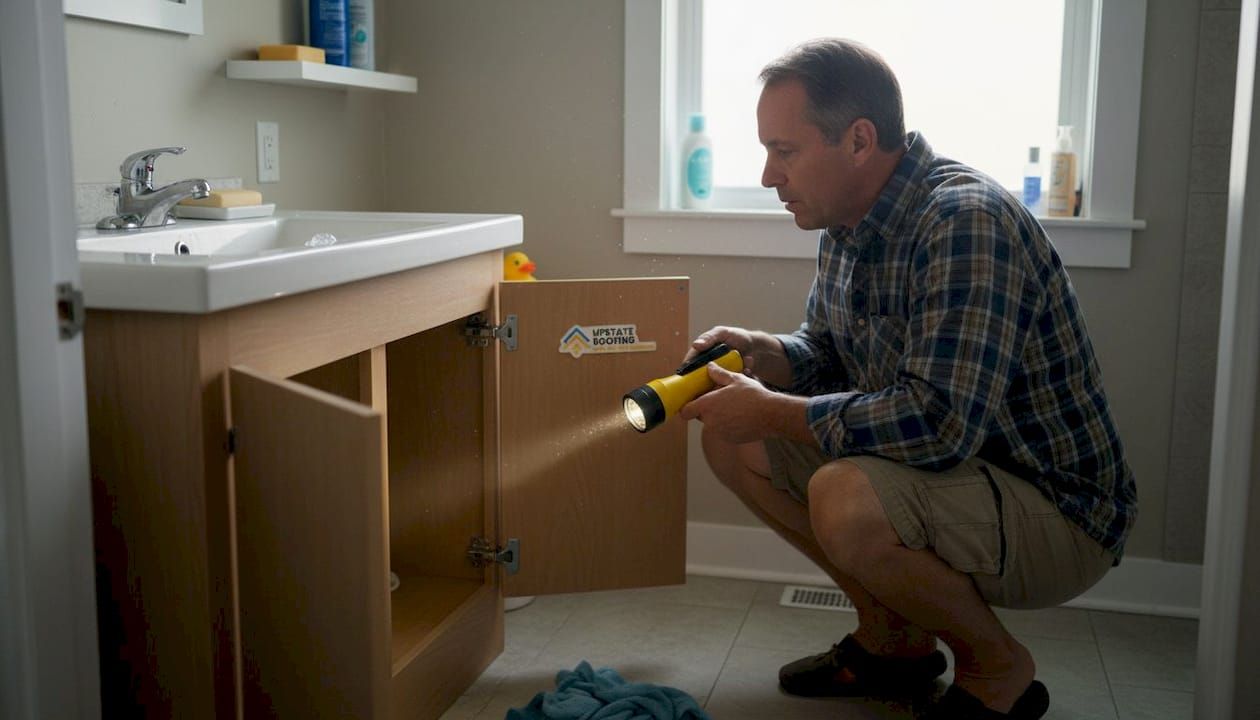
- Moisture sensors: entry-level protection for appliance areas and under-sink cabinets
Pro Tip: Thermal imaging is most effective in the early morning when interior surfaces have had time to equalize in temperature overnight. Running hot water briefly before a scan can make a slow leak much easier to spot.
Smart water monitors and what they actually do
Smart water monitors represent one of the biggest shifts in residential leak detection methods over the past decade. Rather than waiting for water to physically touch a sensor, these devices attach to your main water line and analyze the flow of water through your pipes continuously.
Systems like the Phyn Plus ultrasonic flow technology use paired ultrasonic pulses sent through the water in your pipes to measure flow velocity at thousands of samples per second. By comparing those readings against expected patterns, the system identifies anomalies that suggest a leak. What makes this impressive is the learning phase. Most of these systems require several days to several weeks of data before they can distinguish between you running a bath and a pipe that is slowly weeping inside a wall.
| System type | Detection method | Shutoff capability | Learning phase |
|---|---|---|---|
| Ultrasonic flow monitor | Measures water velocity in pipe | Yes, automatic | Several days to weeks |
| Passive moisture sensor | Detects water contact | No (alert only) | None |
| Flow anomaly detector | Tracks usage patterns | Yes, manual or automatic | Several days |
| Pressure-based monitor | Monitors pressure drop | Partial | Minimal |
Sensitivity and fast shutoff speed are the two metrics that separate a useful smart monitor from one that either misses leaks or triggers false alarms constantly. A system that shuts off your water every time someone fills a pool will get disabled within a week. A system that doesn't catch a slow toilet leak isn't worth the installation cost.
Pro Tip: Install your smart water monitor during a period of normal household activity, not during a renovation or heavy appliance use. The learning phase data shapes the system's baseline, and unusual activity during that window will result in poor calibration.
How commercial leak detection works at scale
Residential and commercial leak detection share the same underlying physics, but the scale, precision requirements, and consequences are entirely different. A property manager overseeing a hospital, office complex, or apartment building cannot afford a slow leak to go unnoticed for weeks.
Commercial leak detection methods rely heavily on acoustic correlators , which are devices that place paired sensors at two points along a pipe and measure the tiny time difference in how long a leak sound takes to reach each sensor. That time difference, combined with the known pipe material and diameter, lets an algorithm triangulate the leak location. Leak noise correlators achieve precision to a few inches, even through asphalt, concrete, and multiple feet of soil.
Here is how a full commercial leak survey typically runs:
- Zone mapping: The facility is divided into monitored zones so any alert can be traced to a specific section rather than the entire system.
- Sensor deployment: Acoustic sensors or correlators are placed at pipe access points, valve covers, and hydrants throughout each zone.
- Overnight data collection: Leak sounds are easiest to detect at night when ambient noise drops. Loggers collect data automatically.
- Data analysis: Specialists review the recordings and correlator output to identify leak signatures and locations.
- Survey reporting: Findings are documented for maintenance planning and regulatory compliance. Annual leak surveys give facility managers documented evidence of their water system's condition and support both compliance and insurance requirements.
Multi-zoned detection systems pinpoint leaks within 500 millimeters , which means a technician can go directly to the problem area without tearing up unnecessary flooring, pavement, or wall space.
Common pitfalls in detecting leaks
The most expensive leak is the one nobody finds until it is already causing structural damage. Understanding where detection fails is as useful as knowing where it succeeds.
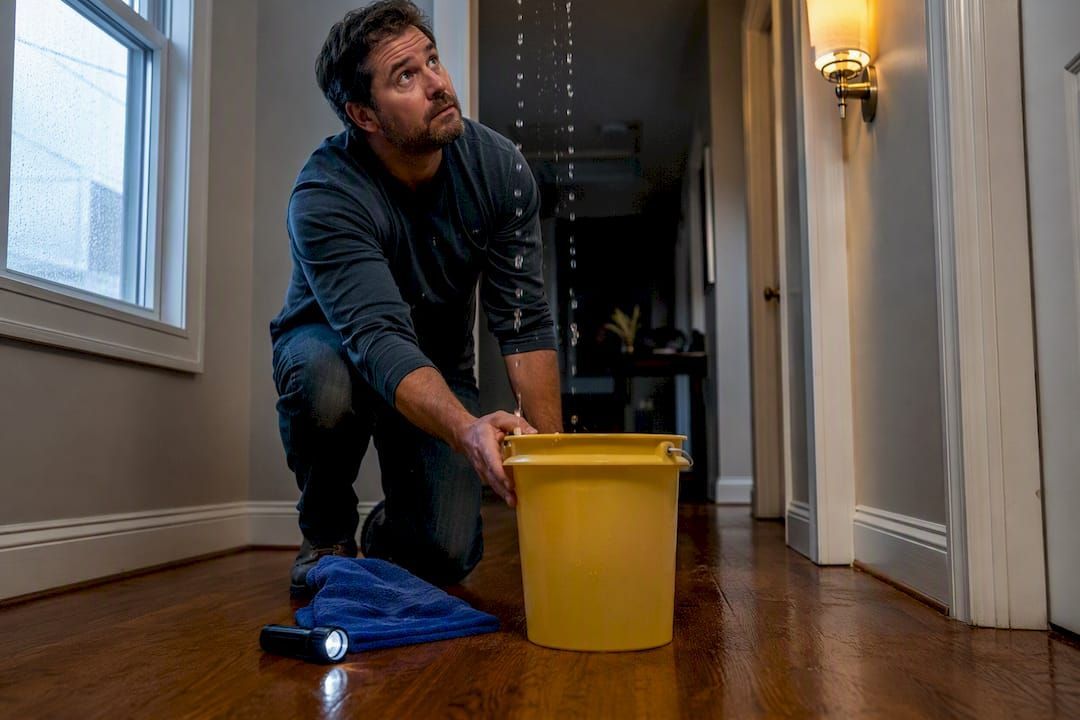
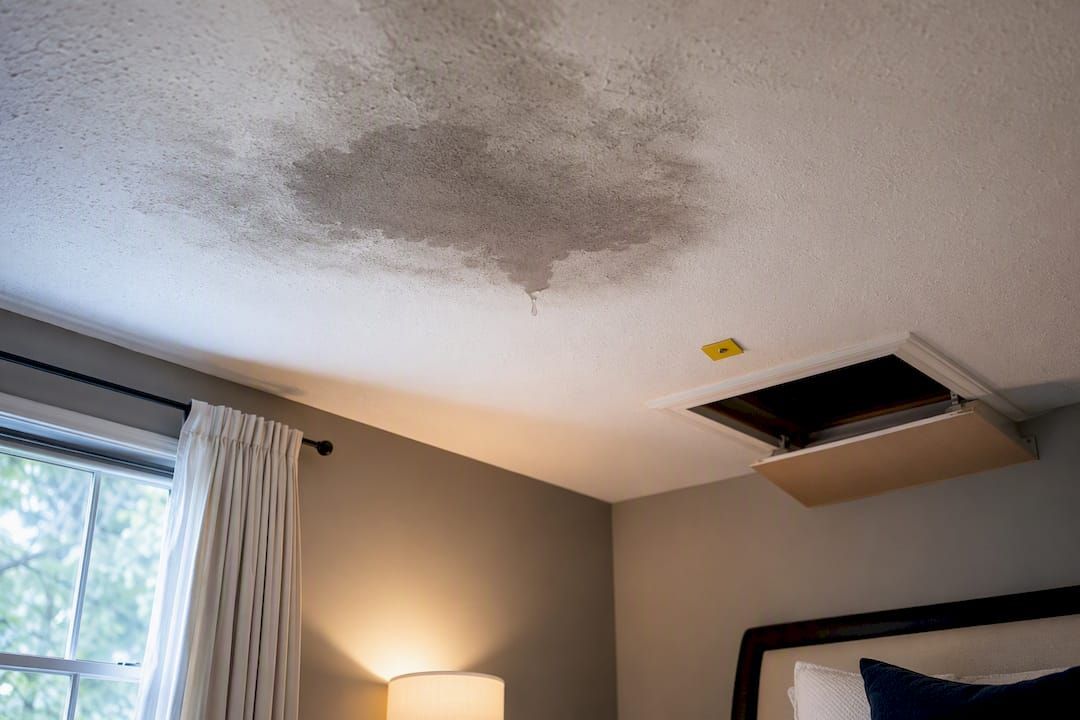
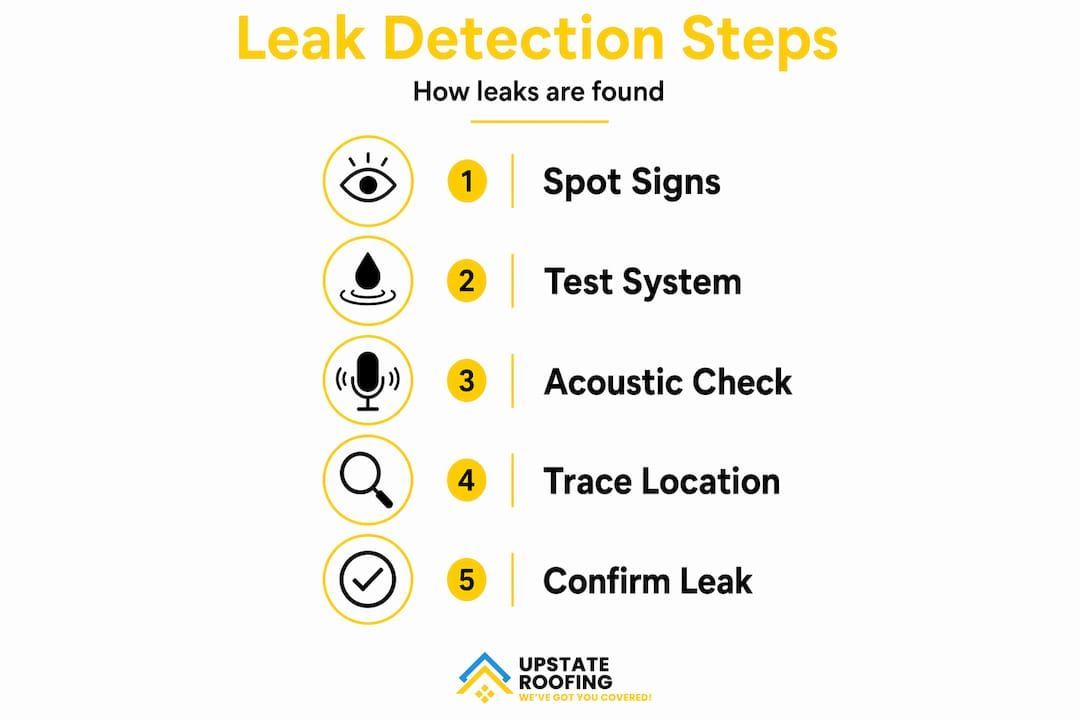
Leak damage often appears as a secondary symptom like a ceiling stain, bubbling paint, or a spike in your water bill. The actual source of that stain may be ten feet away from where water eventually shows up. Water travels along joists, vapor barriers, and pipe hangers before it finds a place to drip. Chasing the symptom without a systematic tracing method means you might open the wrong wall twice before finding the actual breach.
- Single sensors cover only a small radius. A sensor under the kitchen sink does nothing for a leak behind the laundry room wall.
- Acoustic detection can be confused by traffic vibration, HVAC noise, and even the sound of water moving normally through pipes in high-use periods.
- Thermal imaging fails in poorly conditioned spaces where air temperature is already uneven from HVAC cycling.
- DIY moisture meters give point-in-time readings and miss intermittent leaks that only activate during certain usage conditions.
Non-destructive methods find leaks in less than half the time compared to traditional guess-and-dig approaches, which is why calling a professional before opening walls usually costs less than calling one after.
Pro Tip: If your water bill increases unexpectedly but you cannot find a visible source, turn off every fixture in the house and watch your water meter for 15 minutes. Any movement confirms an active leak somewhere in the system.
Putting leak detection into practice
Knowing the technology is only useful if you deploy it correctly. Here is a practical sequence for homeowners and property managers who want real protection rather than partial coverage.
-
Identify your high-risk zones. For homes, these include under sinks, near water heaters, behind washing machines, under refrigerators with ice makers, in crawlspaces, and around toilets. In commercial buildings, add mechanical rooms, HVAC condensate lines, and restroom risers.
-
Install passive sensors at every high-risk point. Passive sensors are inexpensive and require no plumbing work. They create a baseline alert network that catches any water that makes it to the floor.
-
Add a whole-home flow monitor at the main shutoff. This is your second layer. It catches leaks that passive sensors miss because the water has not reached a sensor location yet.
-
Integrate remote shutoff capability. Homes need sensor integration with remote shutoff valves so that when you get an alert while at work, you can stop the flow immediately rather than waiting to get home.
-
Schedule professional inspections annually. Technology catches what is currently happening. A trained professional using acoustic or thermal tools will find what is developing but has not surfaced yet. This is especially critical for roofs, slabs, and buried lines.
-
Review system alerts and logs monthly. Many homeowners install a smart monitor, get one alert they dismiss, and ignore the app afterward. Small anomalies in flow data often precede larger failures by weeks.
My perspective on where most property owners get this wrong
I have worked around leak detection long enough to watch the same mistake repeat itself across hundreds of properties. Homeowners invest in one smart sensor or one smart monitor, declare themselves protected, and move on. The technology gives them confidence they have not fully earned yet.
What I have learned is that effective home protection requires multiple sensor layers working together. A single device at the main line catches flow anomalies, but it cannot tell you that the ice maker line behind your refrigerator has been weeping into the subfloor for six months at a rate too slow to register as abnormal. That is the leak that warps your hardwood, grows mold under the vinyl, and eventually costs $15,000 to fix.
The second thing I tell people is that leak detection technology is only as good as the person reviewing its output. A smart monitor that sends you 40 alerts a week will be ignored. A sensor placed in the wrong spot will never trigger. The human element, knowing where leaks actually start, understanding what a real alert looks like, and acting on it quickly, is irreplaceable.
My honest take is that the future of leak detection is not a single magical device. It is a thoughtful combination of continuous monitoring, scheduled professional surveys, and the discipline to investigate anomalies before they become disasters. The technology is better than it has ever been. The question is whether you use it with enough intention to get real value from it.
— Cesar
Protect your property with professional roof leak detection
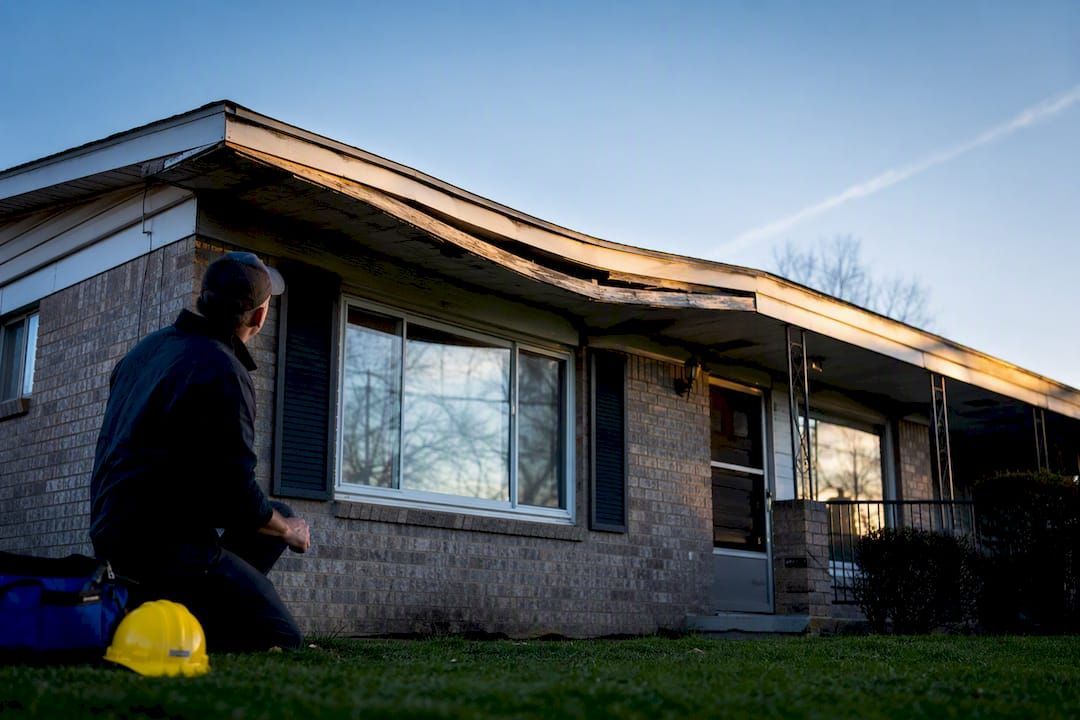
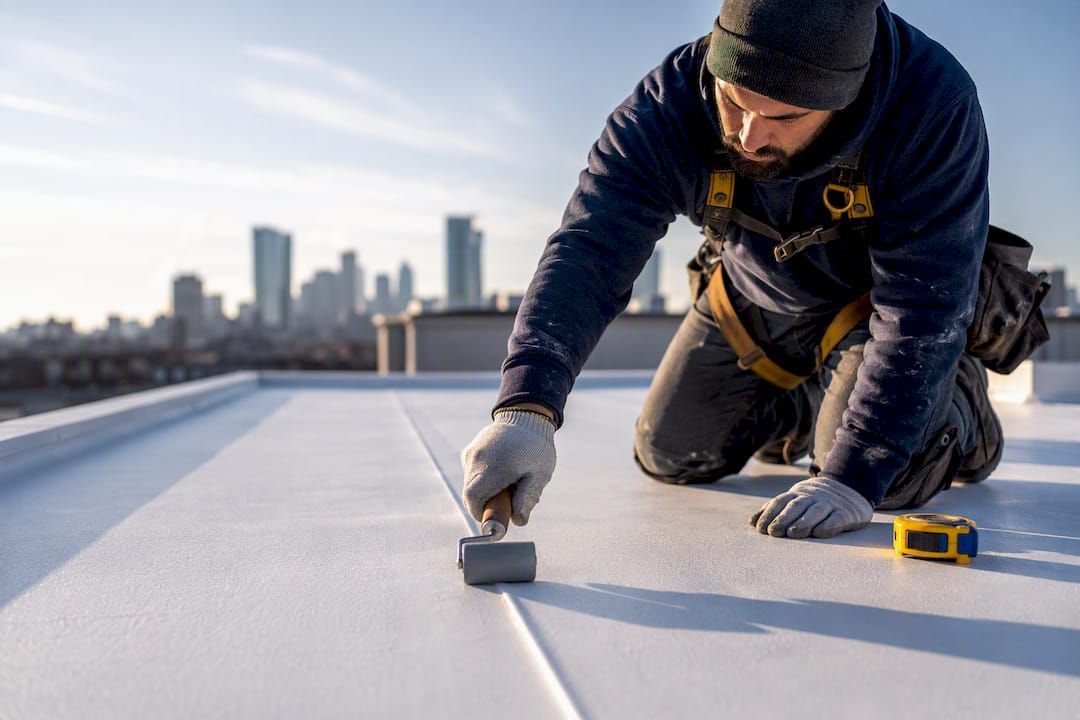
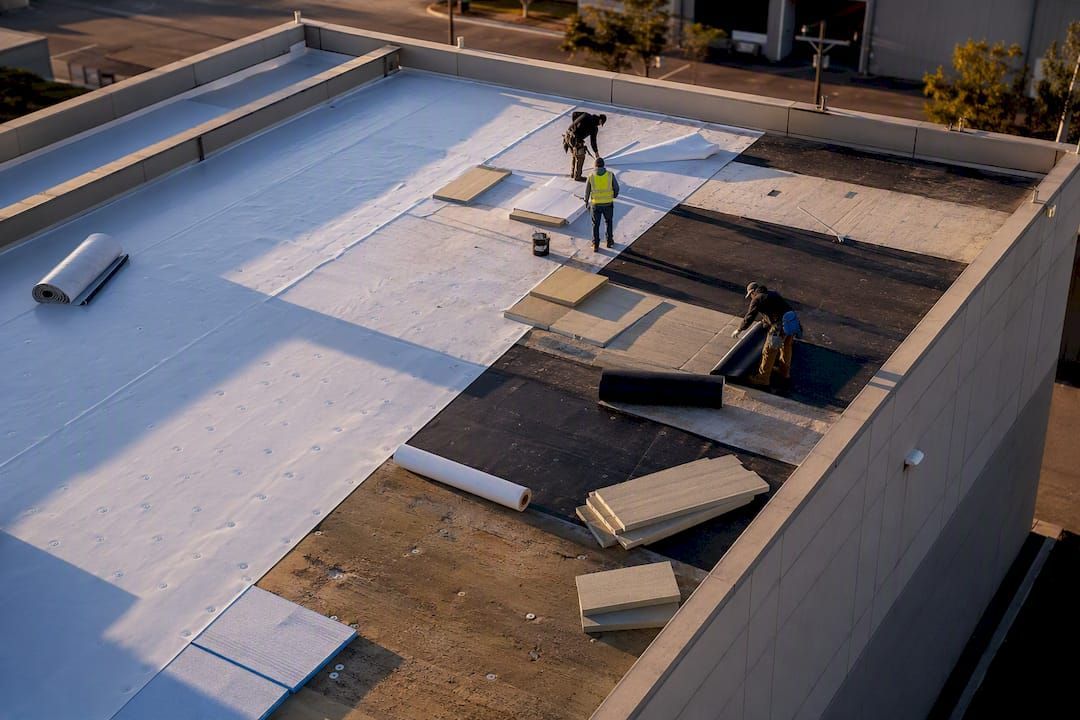
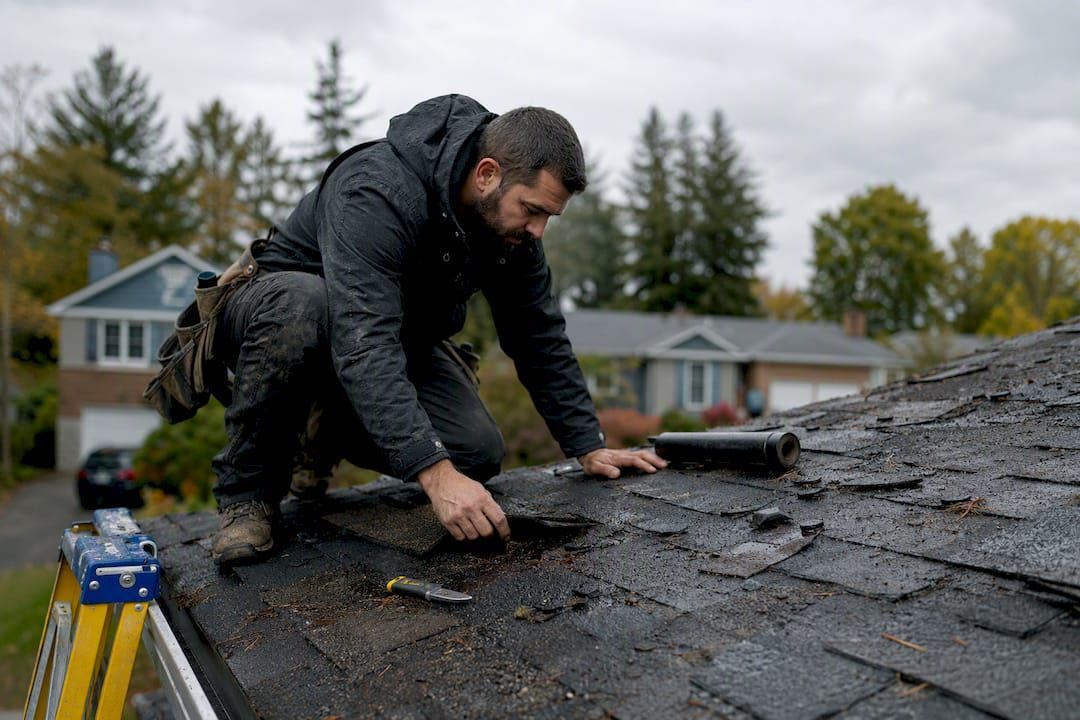
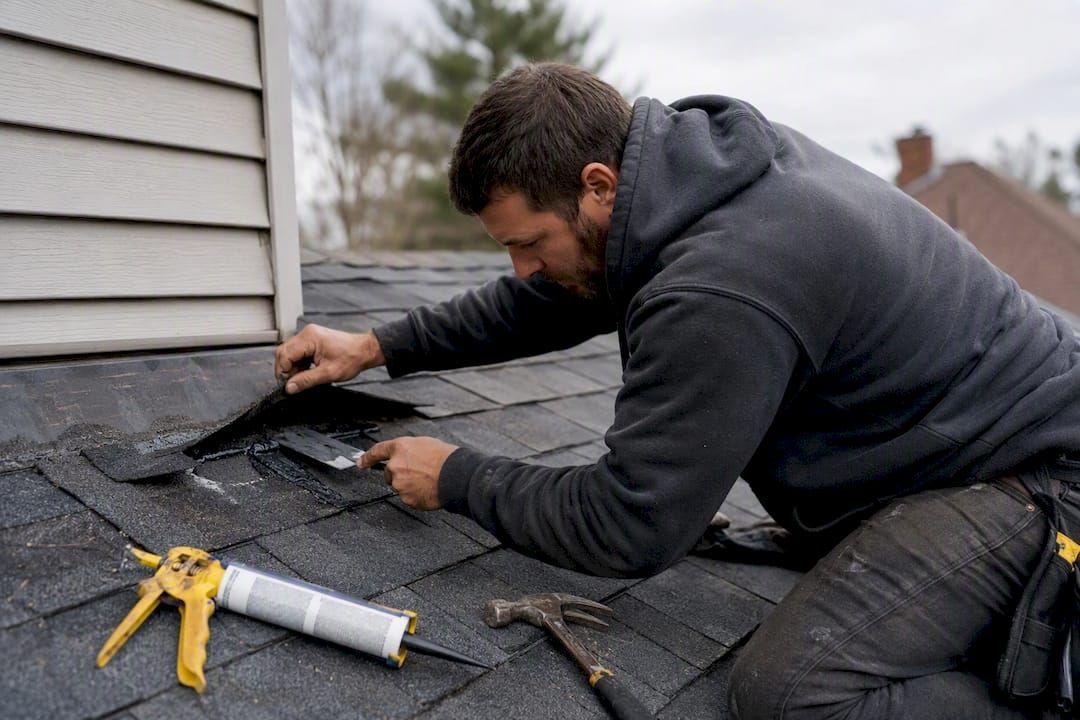
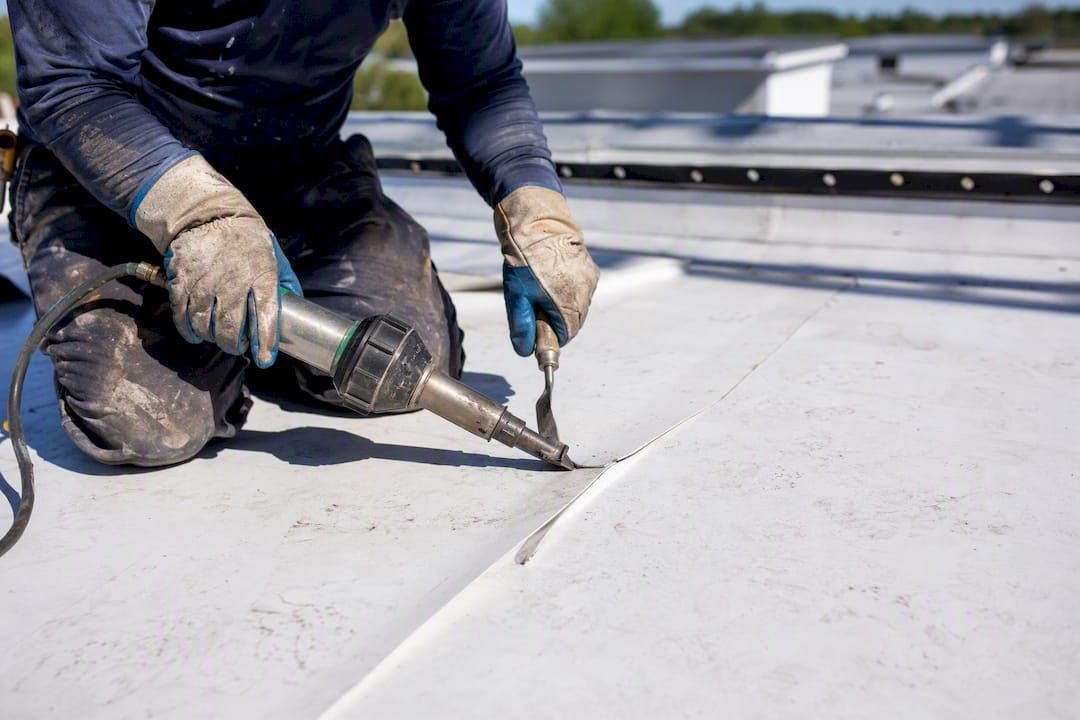
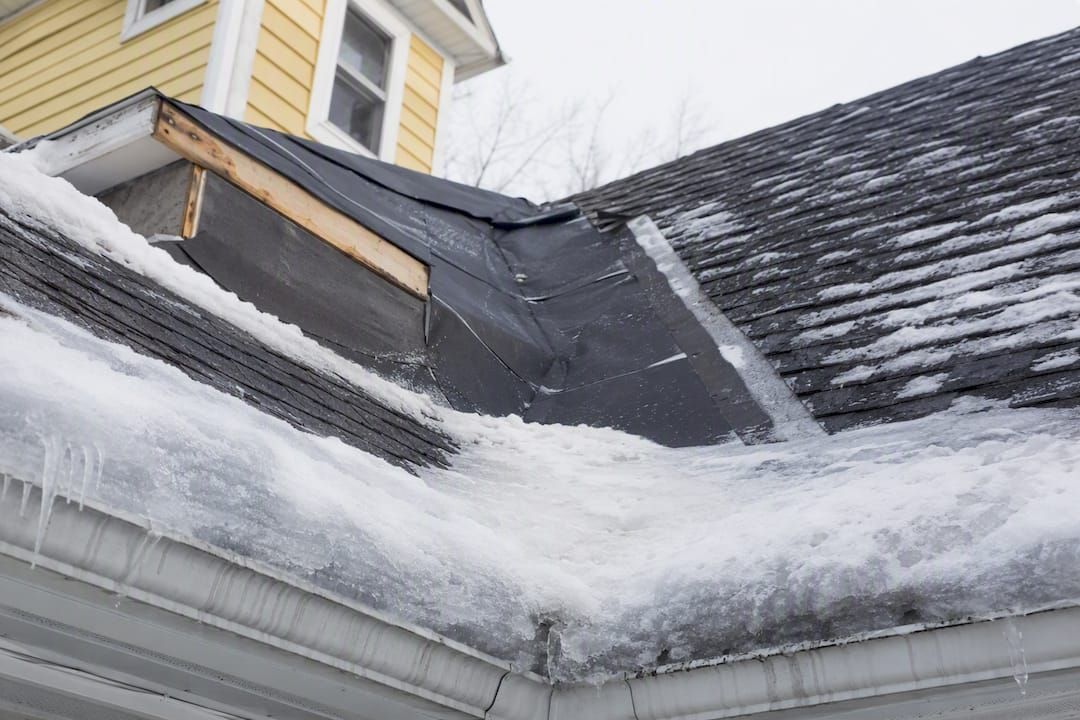
Water damage that originates at the roofline is among the most destructive and most commonly missed category of leaks in homes and commercial properties. A compromised flashing, a cracked shingle, or a failed TPO membrane can allow water to travel deep into a structure before any interior symptom appears.
At Upstateroofingpros, our licensed team uses advanced detection technology to locate roof leaks before they become structural problems. We serve Sacramento, Roseville, and surrounding areas with thorough roof inspections designed to catch what a visual scan misses. Whether you need a targeted leak repair or a full roof maintenance plan , we bring the same commitment to precision that serious property protection requires. Contact Upstateroofingpros today to schedule your inspection and get ahead of your next leak before it finds you.
FAQ
What is leak detection and why does it matter?
Leak detection is the process of locating water escaping from plumbing, roofing, or other building systems using technology such as acoustic sensors, thermal cameras, or flow monitors. It matters because undetected leaks cause structural damage, mold growth, and significant repair costs over time.
How does acoustic leak detection work?
Acoustic leak detection uses microphones or ground sensors to pick up the sound water makes as it escapes a pressurized pipe. The device amplifies and filters those sounds so a technician can pinpoint the leak location without excavation or wall damage.
How accurate are commercial leak detection methods?
Commercial systems using acoustic correlators can locate leaks within a few inches of their true position. Multi-zoned systems achieve precision within 500 millimeters, making it possible to excavate or repair the exact failure point without disturbing surrounding infrastructure.
Can a smart water monitor catch all leaks in my home?
No single device provides complete coverage. Flow-based monitors excel at detecting leaks that change your overall water usage pattern, but slow leaks in isolated areas may require additional passive sensors placed at specific high-risk points throughout the home.
When should I call a professional for leak detection?
Call a professional when your water bill rises unexpectedly without an obvious cause, when you see staining or moisture on ceilings and walls without a clear source, or when you suspect a slab or buried line leak. Professional non-destructive methods locate the problem faster and with far less collateral damage than DIY investigation.