Industrial Facility Roof Inspection: A Facility Manager's Guide
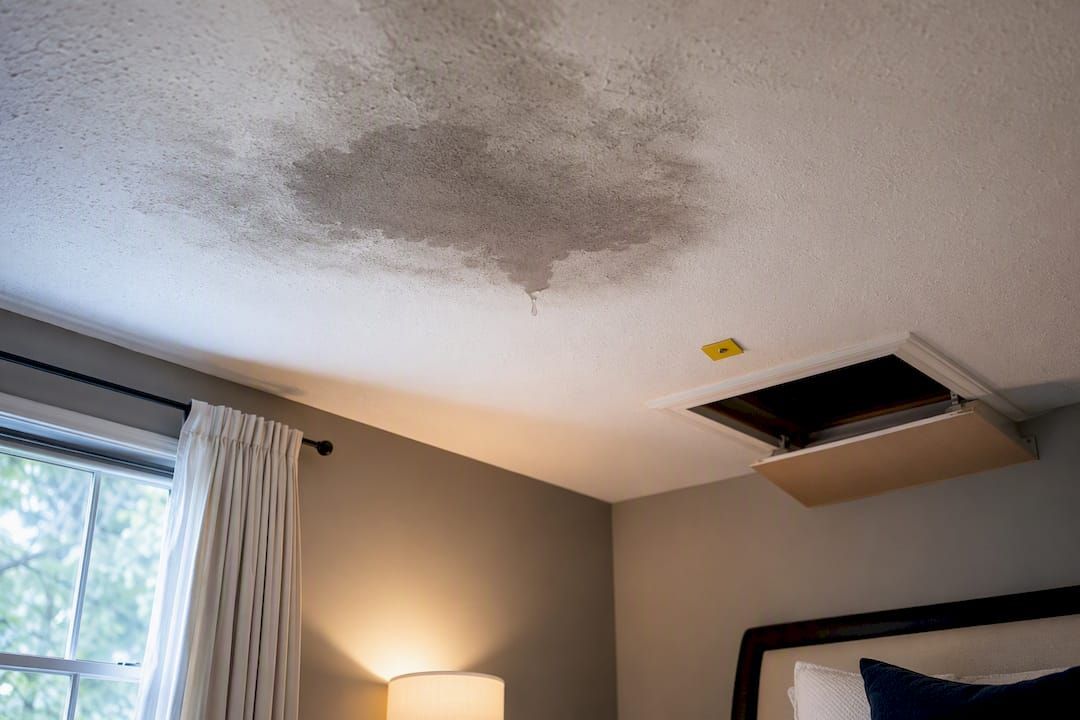
A single undetected membrane failure can turn a $500 patch into a $3,000 replacement before you ever notice a stain on the ceiling. For facility managers and property owners running industrial operations, an industrial facility roof inspection is not a box to check once a year and forget. It is the difference between controlled maintenance spending and a six-figure crisis that shuts down production, triggers insurance disputes, and voids your warranty. This guide walks you through preparation, execution, common pitfalls, and how to turn inspection findings into a real protection plan for your asset.
Key takeaways
| Point | Details |
|---|---|
| Cost of neglect is steep | Undetected moisture can inflate a minor repair into a full replacement costing 4 to 6 times more. |
| Thermal imaging is non-negotiable | IR scanning reveals subsurface moisture months before visible damage appears on the membrane surface. |
| Documentation protects your insurance | Over 80% of insured roof failures occur on properties with no inspection history in the prior 24 months. |
| Inspections must follow storms | Post-weather-event checks are just as critical as scheduled biannual inspections for industrial roofs. |
| Technology reduces cost and disruption | Drone surveys complete detailed roof condition mapping faster and without operational shutdowns. |
What to do before an industrial facility roof inspection
Preparation is where most facility managers lose time and money. Walking onto an industrial roof without the right safety gear, tools, and documentation is not just dangerous. It also produces data you cannot act on.
Safety equipment and site prerequisites
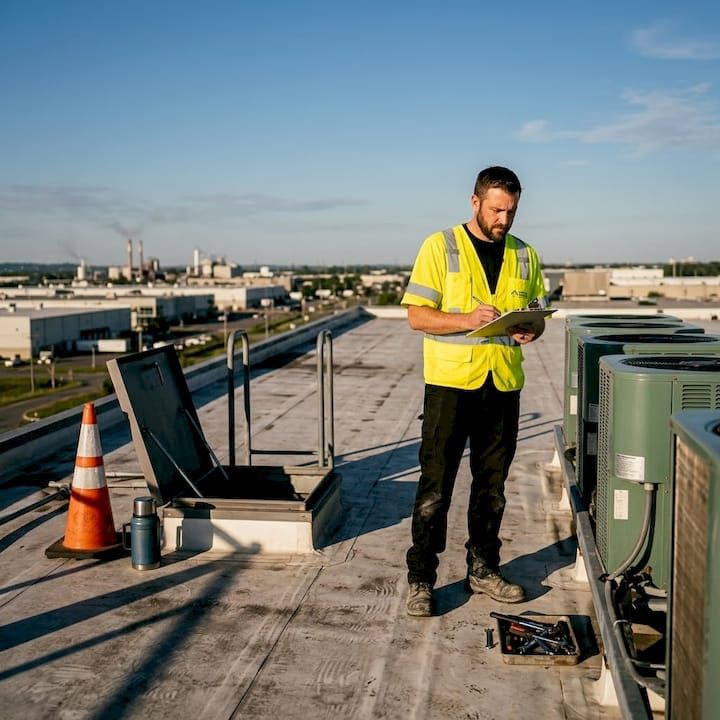
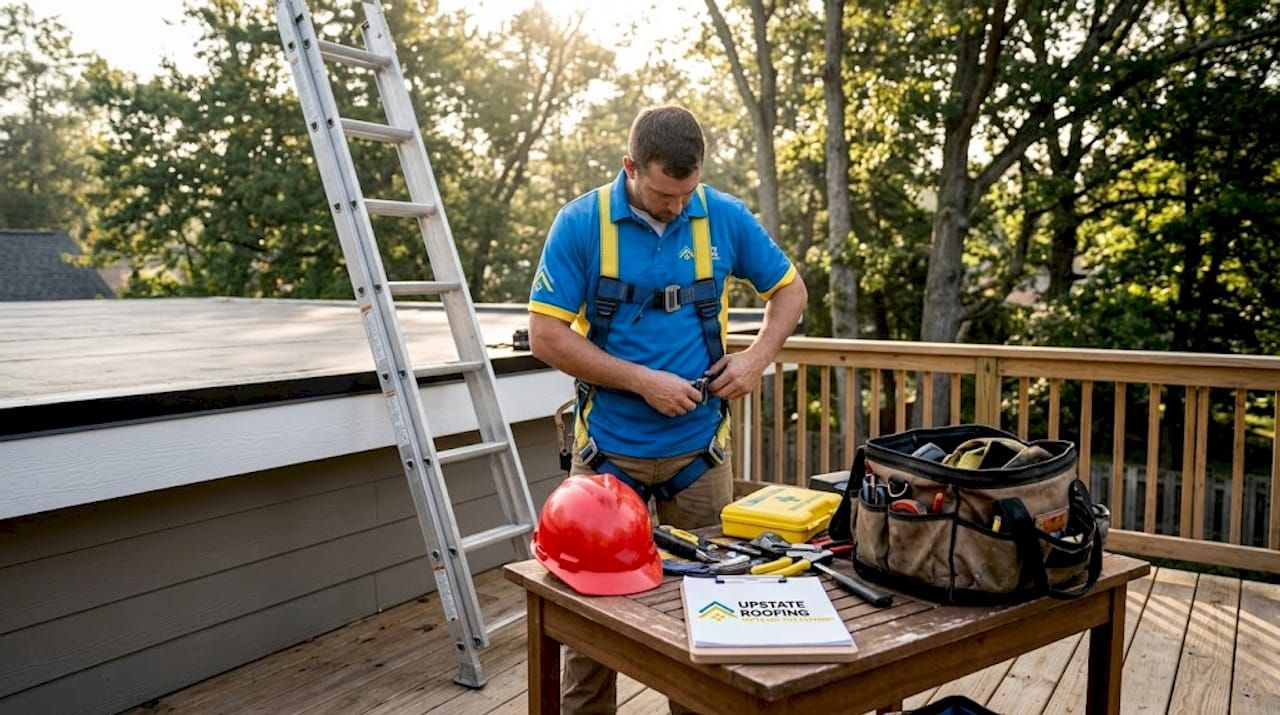
Before anyone accesses the roof, verify that your team has fall protection systems in place, including harnesses, anchor points, and guardrails rated for the roof edge type. OSHA regulations for low-slope roofs on industrial buildings require fall protection at six feet above a lower level. Beyond the gear itself, check your facility's roof access logs and confirm the structural load capacity before bringing equipment up.
You also need a clear pre-inspection checklist. Here is what that includes:
- Current roof drawings or as-built documentation showing drain locations, penetrations, and equipment curbs
- Prior inspection reports and repair records going back at least two years
- Contact for the roofing manufacturer to confirm warranty coverage areas
- Weather forecast confirmation (inspections should not occur during rain or immediately after)
- A digital camera or tablet for timestamped photo documentation
Pro Tip: Before your inspection, pull your roofing warranty document and flag which conditions void coverage. Many manufacturers require biannual inspections as a condition of the warranty, so your inspection schedule is not optional if you want coverage to hold.
Inspection tools and technology
The tools you bring directly determine what you find. A basic visual walkover misses the failures that cost the most.
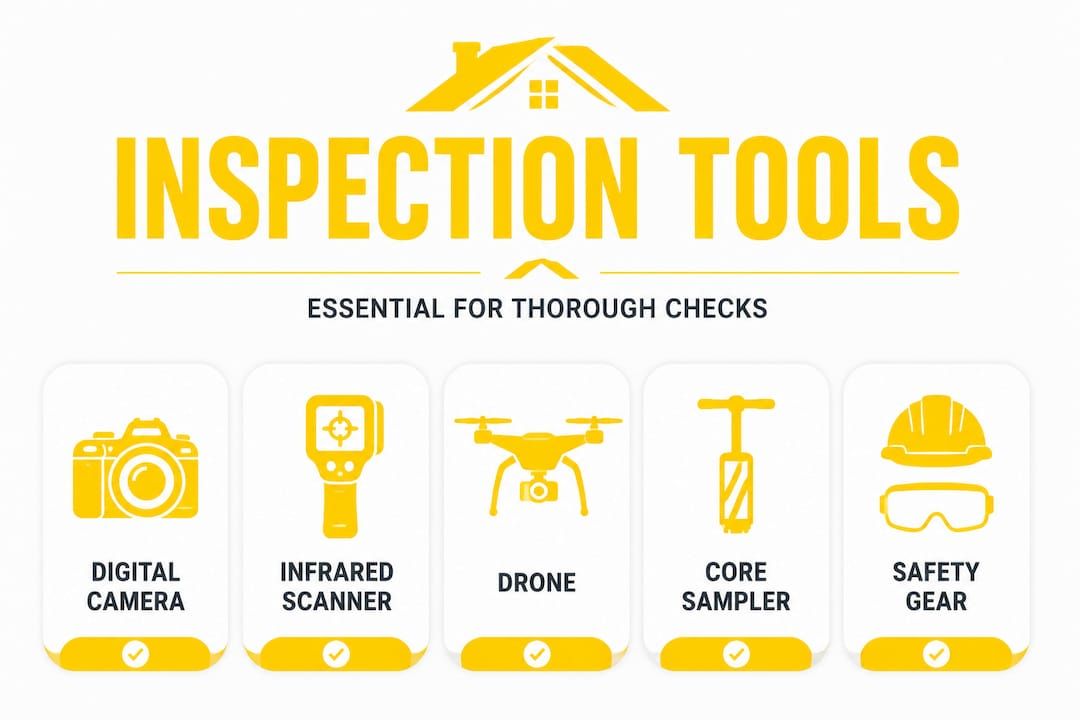
| Tool | Best Use | Estimated Cost |
|---|---|---|
| Digital camera with zoom | Surface defect documentation | Low |
| Moisture meter | Spot-checking suspected wet areas | Low to moderate |
| Infrared thermal camera | Subsurface moisture detection at scale | Moderate to high |
| Drone with thermal payload | Large roof surveys with no foot traffic | Moderate (per survey) |
| Core sampling kit | Confirming insulation and deck condition | $150–$300 per core |
Comprehensive inspections for large industrial facilities typically run $3,000 to $7,000 depending on roof size and method combination. That number sounds high until you compare it to a mold remediation bill of $3,000 to $15,000 from moisture that sat undetected under your membrane.
Understanding your roofing system type matters before you step on the roof. TPO, EPDM, modified bitumen, and built-up roofing all have different failure patterns, seam vulnerabilities, and inspection priorities.
How to conduct a step-by-step roof inspection
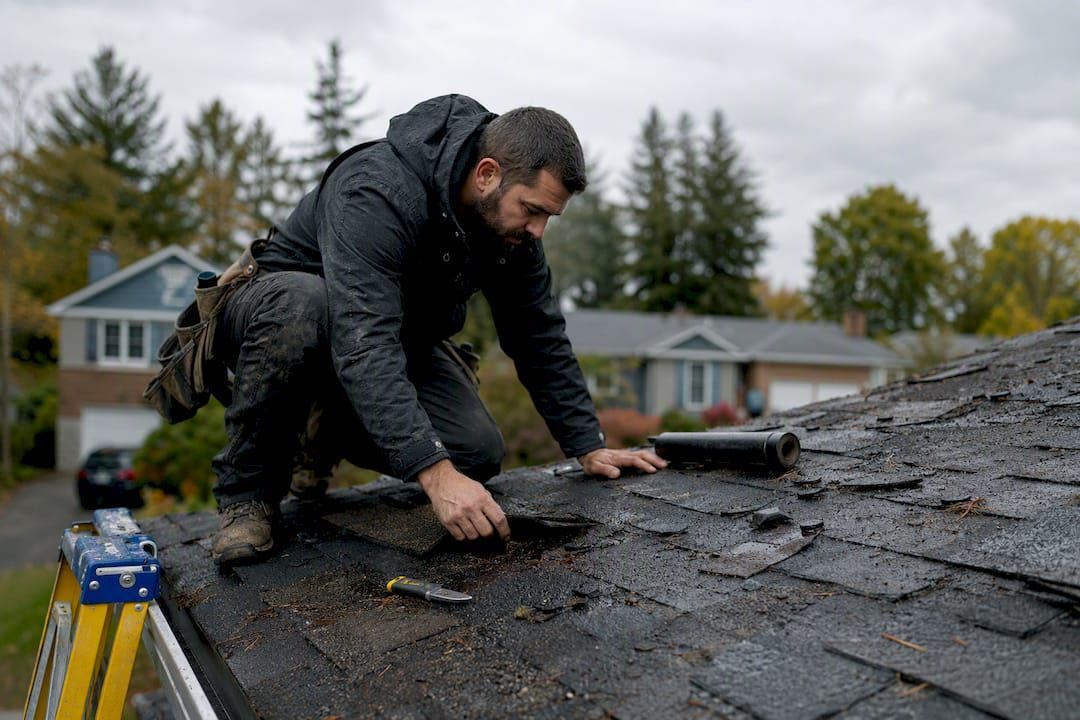
A structured, zone-by-zone approach is what separates a professional factory roof evaluation from a casual walkover that misses the problems already growing beneath the surface.
The inspection sequence
Work systematically. Start at the roof access point and move outward in a grid pattern so you cover every square foot. Here is the sequence that works for industrial and warehouse roofs:
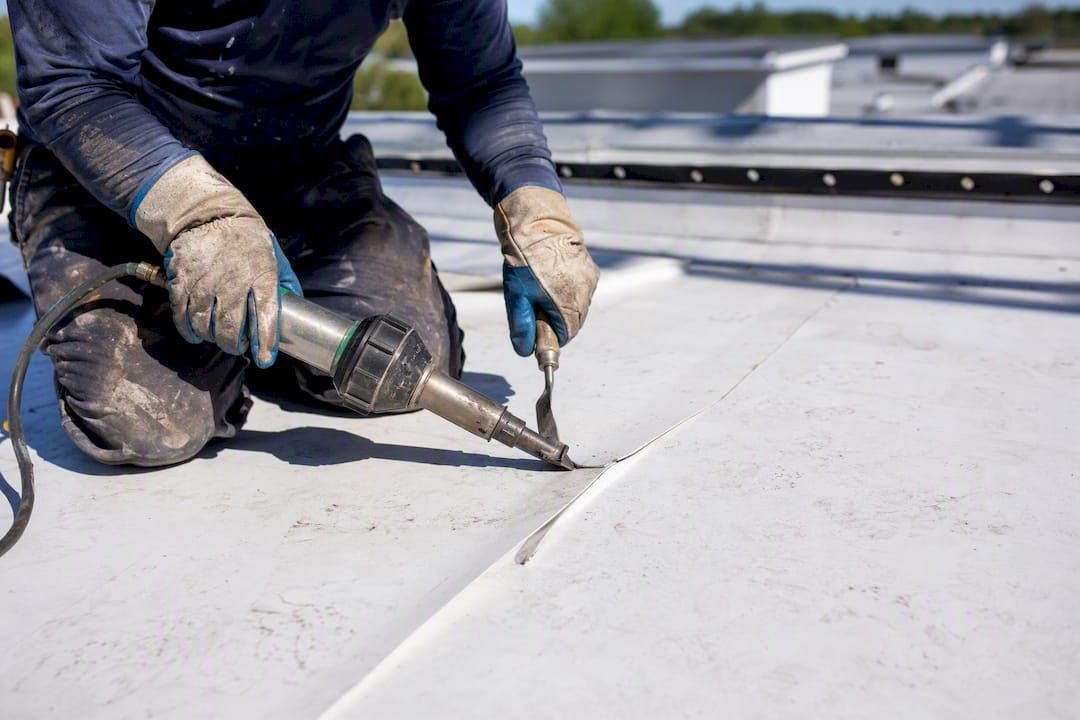
- Membrane surface scan. Look for blistering, alligatoring, punctures, open seams, and surface erosion. On TPO and EPDM systems, seam integrity is your first priority.
- Drainage system check. Clear debris from all drains and scuppers. Standing water is the single fastest accelerant for membrane degradation. Inspect drainage functionality at every low point.
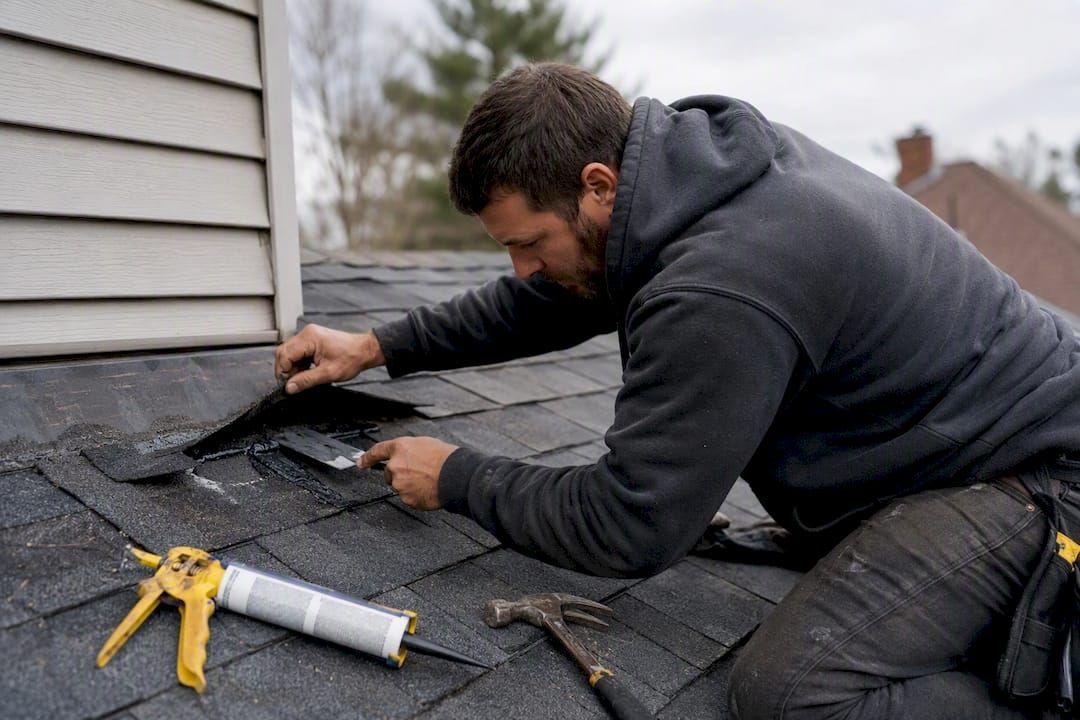
- Flashing and seals inspection. Flashing failures cause 65 to 75% of all commercial roof leaks. Inspect counterflashing, base flashing at walls and curbs, and the sealant condition at every penetration.
- Penetrations and pipe boots. Check every HVAC curb, pipe boot, conduit, and skylight frame for sealant cracking, separation, or uplift damage.
- Perimeter and edge metal. Examine fascia, coping caps, and edge terminations for wind uplift, corrosion, or separation from the substrate.
- Equipment curbs and supports. Industrial roofs carry significant mechanical loads. Confirm that all curb attachments are sealed, supported, and showing no stress cracking in the surrounding membrane.
Pro Tip: Conduct your thermal infrared scan at dusk, not midday. The IR "thermal battery" effect means wet insulation retains heat longer after sunset, making anomalies far more visible and reducing false positives from direct sun heating.
Using thermal imaging and drones effectively
Thermal infrared scanning reveals subsurface moisture months before it produces visible ceiling stains or membrane bubbling. The technology works because wet insulation holds solar heat longer than dry insulation. An IR scan at dusk shows those warm spots clearly against a cooling background.
Drones take this further by covering large industrial and warehouse roofs rapidly with both visual and thermal payloads. Drone surveys take a fraction of the time required by manual walkovers and require no site shutdowns, which matters significantly when your facility operates continuously.
For suspected moisture areas identified during thermal scanning, follow up with core sampling. Core sampling provides definitive confirmation of insulation condition, membrane adhesion quality, and deck status. It is the ground-truth test that makes your IR findings defensible to insurers and owners.
Documentation during the inspection
Every defect gets a timestamped photo linked to a specific roof zone reference. Note GPS coordinates or grid identifiers on your roof drawing. Record the defect type, estimated severity, and your recommended action. This is not optional paperwork. It is the evidence base your repair contractor, insurer, and warranty holder will all reference.
Mistakes that undermine your inspection results
The most expensive inspection is the one that produces a report you cannot use. These are the errors that facility managers make repeatedly.
- Skipping post-storm inspections. Delayed repairs after storm damage can increase expenditure by 4 to 6 times. Every major weather event warrants a targeted inspection of flashings, perimeter edges, and drainage.
- Relying on visual inspection alone. A roof can look fine on the surface and have saturated insulation beneath. Skipping thermal imaging on an industrial roof is skipping the inspection where the real money is hidden.
- Poor report quality. A report without photos, timestamps, zone references, or severity ratings is nearly useless for insurance claims, contractor scoping, or year-over-year trending.
- Deferring escalation decisions. Some findings require a structural engineer, not just a roofer. Deck deflection, major ponding, or widespread membrane delamination are not contractor-level judgment calls.
"The inspection report you file today is the evidence that protects your claim tomorrow. Insurers are scrutinizing maintenance records more closely than ever, and a gap in your inspection history is a gap in your coverage argument." — Upstateroofingpros field team observation
Visit the commercial roof inspection checklist from Upstateroofingpros to ensure your in-house team is not missing any critical categories before they go on the roof.
Interpreting findings and building a maintenance plan
Finding defects is only the first half. What you do with those findings determines whether your inspection program actually protects the building.
Prioritizing repairs by severity
Assign every defect a severity tier. This keeps your repair budget focused where the failure risk is real.
| Severity | Condition | Action Timeline |
|---|---|---|
| Critical | Active leak, open seam, deck damage | Repair within 48 hours |
| High | Flashing separation, drain blockage, pipe boot failure | Repair within 2 weeks |
| Moderate | Surface erosion, minor blistering, sealant cracking | Schedule within 90 days |
| Low | Surface discoloration, minor debris accumulation | Address at next inspection cycle |
Scheduling inspections and maintaining records
NRCA and IIBEC recommend biannual inspections in spring and fall as a baseline, with additional post-storm checks and more frequent inspections on aging roofs in harsh climates. For industrial facilities with high roof traffic from HVAC technicians and equipment crews, quarterly walkovers of high-traffic zones are worth adding.
Your inspection records need to be more than a paper file. Digital record-keeping systems link photos, condition scores, and work orders to specific roof zones, which makes trend analysis actually usable. Over three to five years, you can see where your roof is degrading fastest and get ahead of the replacement cycle rather than reacting to it.
Pro Tip: Document every repair with before-and-after photos linked to the same zone reference used in your inspection report. This creates a repair history that supports warranty claims and gives your roofing contractor context before they quote future work.
Maintaining detailed records also carries a direct financial benefit. Insurance carriers offer 5 to 10% premium discounts for properties with documented annual roof inspections. That is real money returned to your maintenance budget just for keeping records you should be keeping anyway. The warranty protection implications are equally significant, as most manufacturers require documented maintenance to keep coverage valid.
My perspective: what most facility managers get wrong
I have reviewed roof inspection programs at dozens of industrial facilities, and the pattern I see repeatedly is the same. The inspection itself gets done. The follow-through does not.
Facility managers invest in the walkover, file the report, and then treat the moderate and low-severity items as permanent deferrals. Those items compound quietly over 18 to 24 months until one of them becomes a critical failure, usually right before a winter storm or during peak production season. That is not bad luck. It is a predictable outcome of treating an inspection as a compliance task rather than a maintenance decision tool.
The other thing I have seen undervalued consistently is thermal imaging. I have walked roofs that looked completely serviceable from the surface and found wet insulation under 40% of the membrane when we ran the IR scan at dusk. The thermal battery effect is real, and it is the only way to find those failures before they reach the deck. A visual inspection alone on an industrial roof is not a roof inspection. It is a liability inspection at best.
My honest take: the facility managers who get the most value from their inspection programs are the ones who treat the report as a living document, not a deliverable. They update it after repairs, track condition trends over time, and use it as leverage when negotiating with contractors and insurers. That discipline is not complicated. It just requires making the decision that the roof is worth managing, not just monitoring.
— Cesar
Protect your facility with professional roof inspections
Industrial roofs carry more complexity, more traffic, and more risk than any residential system. When you need a professional to assess what your team has found or take over the process entirely, Upstateroofingpros delivers the depth of service your facility actually requires.
Upstateroofingpros performs professional facility roof inspections using drone technology and thermal infrared imaging, producing detailed reports with zone-referenced photos and severity-tiered findings. Every inspection report is built to support warranty compliance, insurance documentation, and repair planning. For facilities that want proactive protection rather than reactive spending, the roof maintenance plan from Upstateroofingpros integrates scheduled inspections with priority repairs, keeping your roof ahead of failure instead of chasing it. Contact the team today to schedule a facility assessment.
FAQ
How often should an industrial facility roof be inspected?
Biannual inspections in spring and fall are the standard baseline, with additional checks required after major weather events. Aging roofs and facilities in harsh climates benefit from quarterly high-traffic zone reviews.
What does a professional industrial roof inspection cost?
Inspection costs range from $0.03 to $0.10 per square foot for visual assessments and $0.05 to $0.15 per square foot for infrared scans, with comprehensive inspections on large industrial roofs typically totaling $3,000 to $7,000.
Can I conduct an industrial roof inspection without thermal imaging?
You can, but you will miss the failures that cost the most. Thermal infrared scanning detects subsurface moisture months before visible damage appears, making it a critical tool for any accurate commercial roof assessment on an industrial property.
What are the most common causes of industrial roof leaks?
Flashing failures and seal deterioration account for 65 to 75% of all commercial roof leaks, followed by penetration failures at pipe boots and equipment curbs. These zones should receive priority attention during every inspection.
Does having inspection records actually affect my insurance?
Yes. Properties with documented annual inspection histories qualify for 5 to 10% premium discounts from many carriers, and over 80% of denied claims involve roofs with no inspection record in the prior 24 months.