What Is TPO Roofing? Your Property Owner's Guide
What Is TPO Roofing? Your Property Owner's Guide
Most property owners hear "TPO roofing" and assume it's just another generic flat roof material. That assumption costs people real money. What is TPO roofing, exactly? It's a single-ply thermoplastic membrane that has become one of the most popular choices for commercial and residential flat roofs in North America, and for good reason. It combines energy efficiency, durability, and relatively straightforward installation at a price point that competes well against older alternatives. This guide covers everything you need to know: what it's made of, how it performs, what installation actually involves, and how to keep it performing for decades.
Key takeaways
| Point | Details |
|---|---|
| TPO is a thermoplastic membrane | Made from polypropylene and ethylene-propylene rubber, designed for flat and low-slope roofs. |
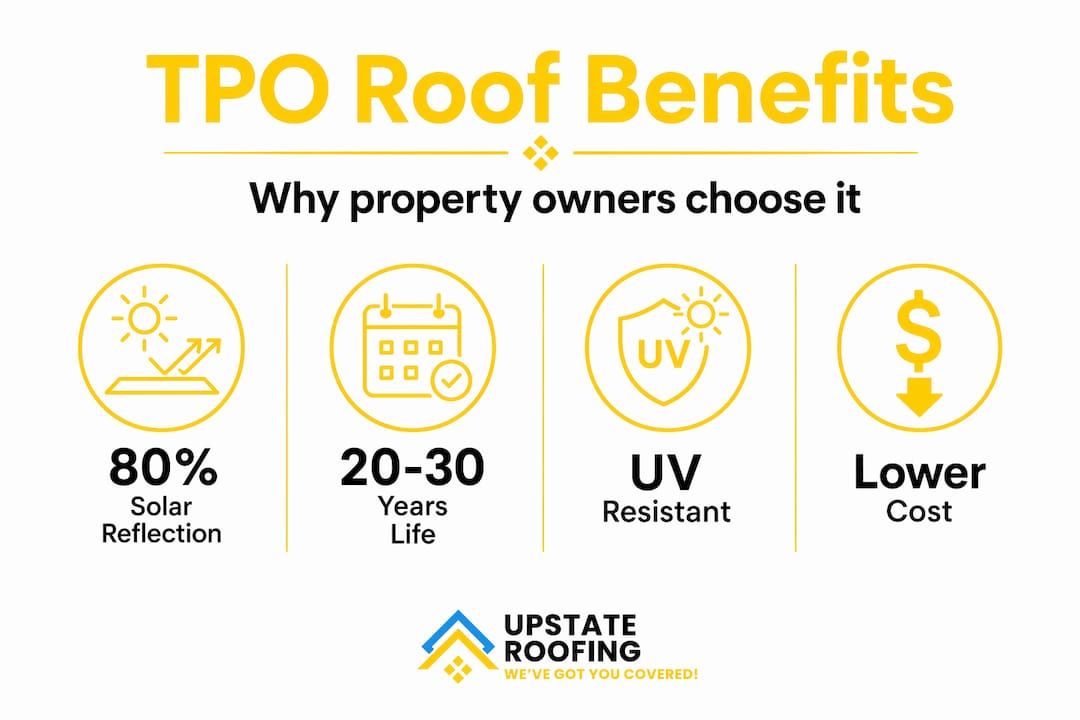
| Reflectivity cuts cooling costs | TPO membranes reflect up to 80% of solar rays, reducing interior temperatures in warm climates. |
| Installation quality determines lifespan | Precise heat welding at the correct temperature is the single biggest factor in how long a TPO roof lasts. |
| Cost ranges from $7 to $14 per square foot | Labor method and roof complexity drive most of the price variation in TPO projects. |
| Drainage design is non-negotiable | Ponding water degrades TPO membranes faster than almost any other factor, so slope planning matters. |
What TPO roofing is and how the material works
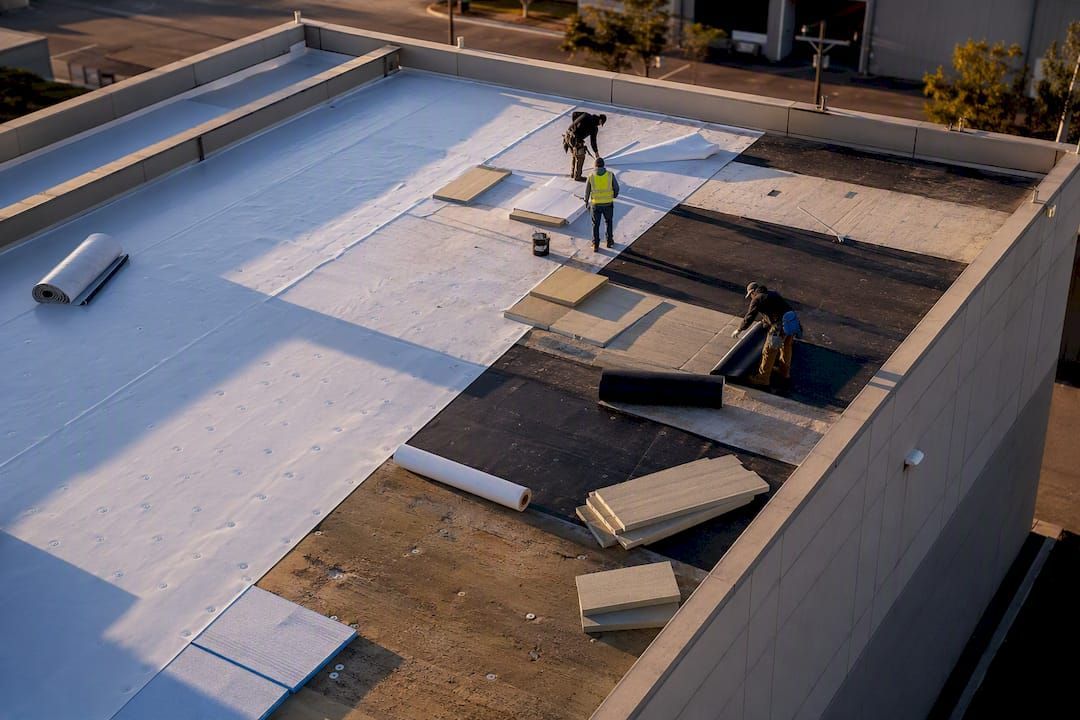
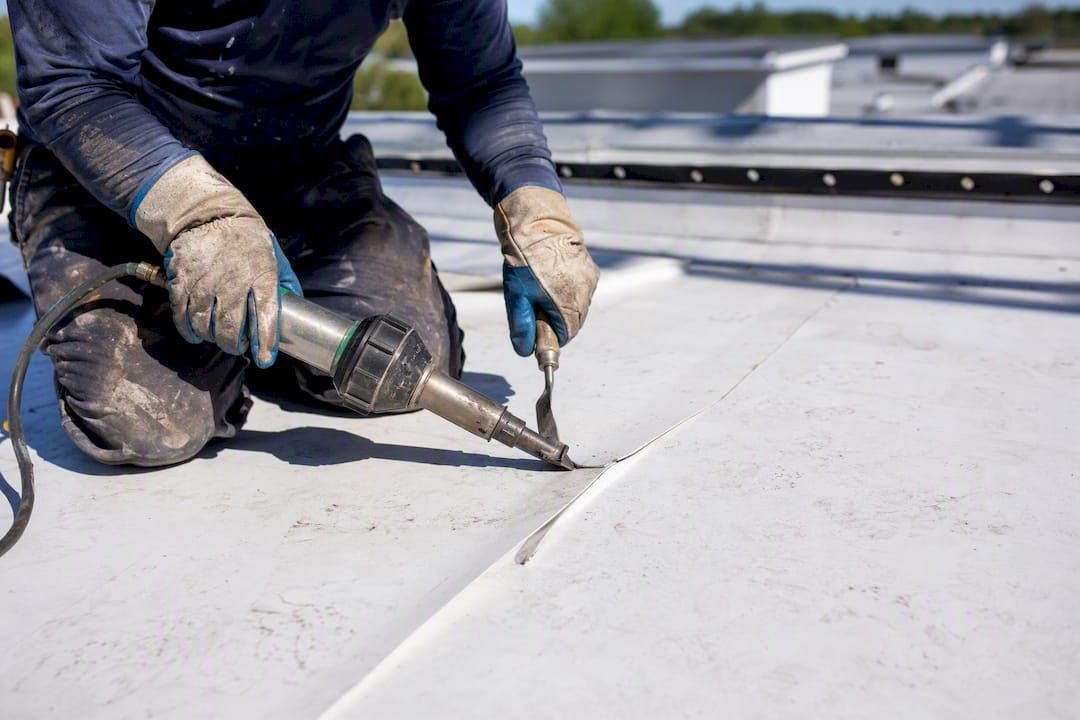
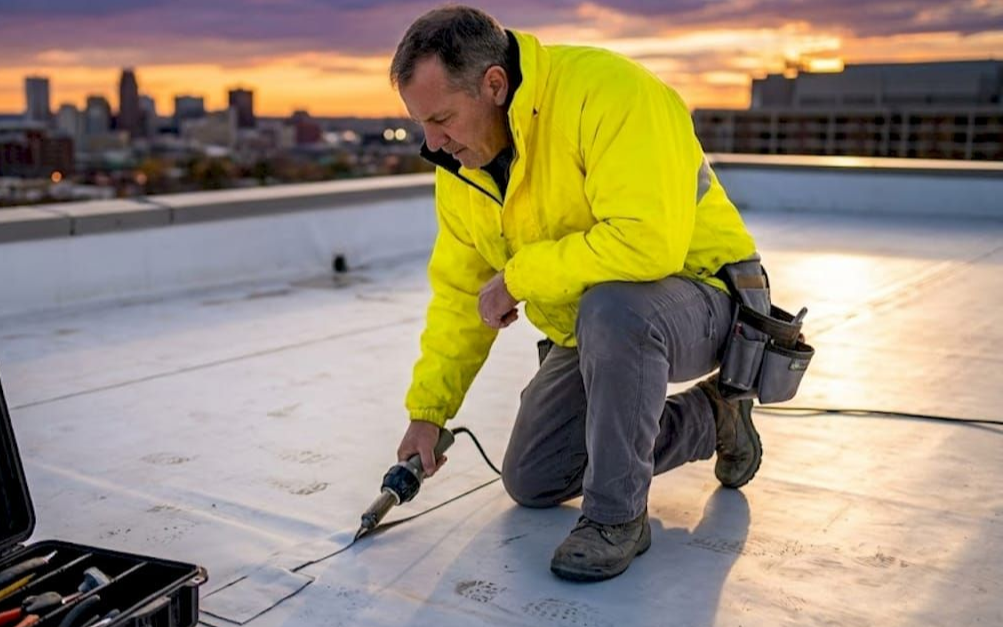
TPO stands for Thermoplastic Polyolefin. It is a single-ply roofing membrane made from a blend of polypropylene and ethylene-propylene rubber, typically manufactured in thicknesses ranging from 45 to 80 mils. Unlike built-up roofing systems that layer asphalt and felt repeatedly, TPO is one continuous sheet that gets heat-welded at its seams to create a watertight bond across the entire roof surface.
The membrane itself has three distinct layers. The bottom layer is a TPO base compound that provides chemical resistance and flexibility. The middle layer is a polyester scrim reinforcement, which gives the membrane its dimensional stability and tear resistance without adding significant weight. The top layer is a UV-stabilized TPO compound with the characteristic bright white surface that gives the material its energy-saving properties.
That white surface is not just aesthetic. It is specifically engineered to reflect solar radiation rather than absorb it. Most TPO membranes are white by default, though gray and tan options exist. White remains the dominant choice because of its thermal performance.
TPO's physical profile makes it exceptionally well suited to low-slope commercial and flat residential applications. It is lightweight, flexible enough to accommodate building movement without cracking, and it can be fabricated into wide sheets that reduce the number of field seams needed during installation.
Here is what defines a quality TPO membrane physically:
- Thickness: 60-mil membranes strike the best balance between cost and durability for most commercial applications; 80-mil membranes add puncture resistance for roofs with foot traffic
- Flexibility: Remains pliable in cold temperatures without becoming brittle, unlike some older single-ply alternatives
- UV resistance: Built-in UV stabilizers protect the membrane from solar degradation over time
- Seam strength: Heat-welded seams fuse the material together molecularly, creating bonds that are often stronger than the membrane itself when done correctly
Benefits and drawbacks of TPO roofing
The case for TPO
Energy efficiency is the headline benefit, and it genuinely delivers. TPO membranes reflect up to 80% of solar radiation, which translates directly to lower cooling loads inside the building. For a warehouse, retail center, or flat-roofed home in a hot climate, that thermal performance has a measurable impact on monthly utility bills. This "cool roof" quality is also one reason TPO qualifies for certain energy efficiency incentives in many states.
Durability is another genuine strength. TPO resists heat, UV radiation, punctures, and biological growth like algae and fungus. Chemical resistance is present but more moderate than PVC, which is a relevant distinction covered in the comparison section below.
From a cost perspective, TPO hits a sweet spot. It is typically less expensive than PVC roofing while offering similar energy performance. EPDM (the black rubber membrane) often costs less upfront but lacks TPO's reflectivity, making TPO the better long-term value in sun-heavy climates.
| Attribute | TPO | PVC | EPDM |
|---|---|---|---|
| Energy efficiency | High (reflective) | High (reflective) | Low (absorbs heat) |
| Chemical resistance | Moderate | Superior | Moderate |
| Typical cost per sq ft | $7–$14 | $10–$16 | $5–$12 |
| Seam method | Heat welded | Heat welded | Adhesive or tape |
| Best climate | Hot, sunny | Industrial, varied | Cooler climates |
Where TPO falls short
No roofing material is perfect. TPO's track record on longevity is shorter than PVC because it is a younger material with less historical data. Some earlier TPO formulations showed premature degradation, though modern membranes have improved considerably.
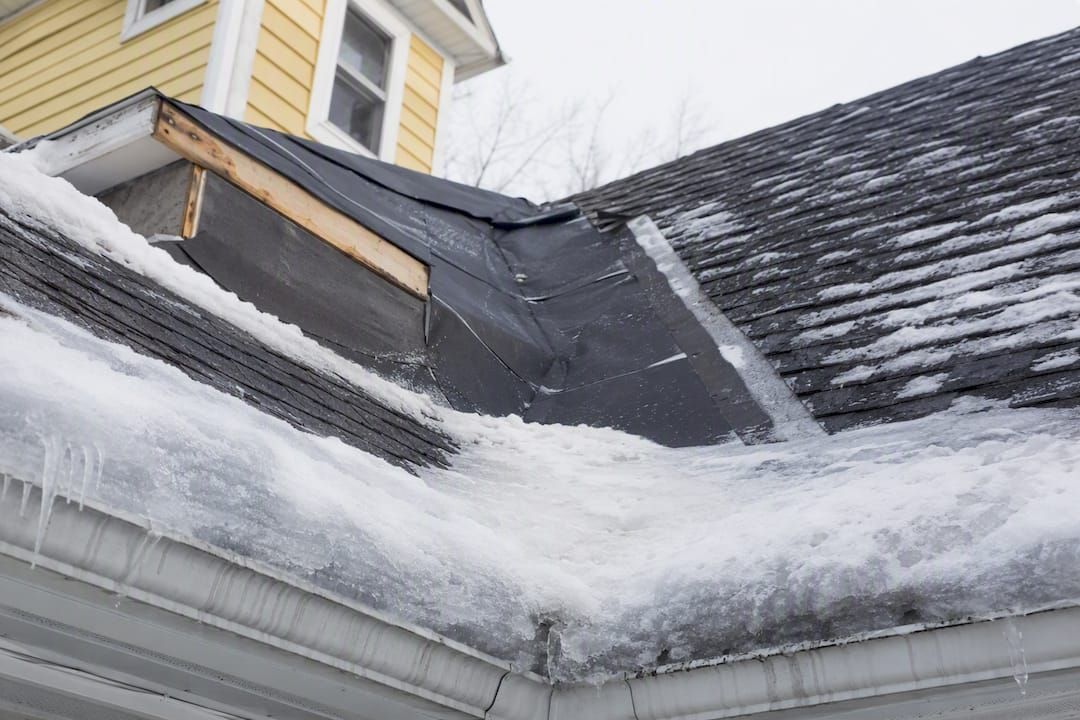
Ponding water is a real vulnerability. When water sits on a TPO surface for extended periods, it accelerates membrane breakdown at seams and field areas. This is a design and installation issue more than a material flaw, but it matters when evaluating your roof's drainage capacity.
Facilities that handle cooking grease or industrial chemicals are generally better served by PVC. TPO can handle mild chemical exposure, but PVC's molecular structure makes it significantly more resistant to grease and industrial byproducts.
Pro Tip: If your building has rooftop HVAC units, kitchen exhaust systems, or heavy foot traffic from maintenance personnel, spend the extra money on an 80-mil membrane or consider PVC for those specific zones.
TPO roofing installation methods
The three attachment systems
TPO installation uses one of three approaches, and the right choice depends on your building's structure, climate, and budget.
- Mechanically attached: Fasteners and plates are driven through the membrane into the roof deck, then the overlapping sheet is heat-welded over them. This is the fastest and least expensive method, though it allows some membrane flutter in high winds.
- Fully adhered: The membrane is bonded directly to the insulation or deck using a water-based or solvent-based adhesive. This eliminates flutter, creates a more uniform appearance, and costs more in labor. Fully adhered labor typically runs $2.75 to $3.50 per square foot on top of material costs.
- Induction welded: A specialized tool heats the fastener plate below the membrane without penetrating it. Less common but useful for specific structural situations.
Cost and timeline realities
Total TPO installation costs typically range from $7 to $14 per square foot, with the gap driven primarily by attachment method, roof complexity, and access difficulty. A straightforward 10,000-square-foot commercial roof can be installed in two to five days under favorable conditions. Add flashings, penetrations, and difficult access points, and that timeline stretches.
Using wider membrane sheets reduces the number of seams and therefore the amount of heat welding required. This cuts installation time and improves roof integrity by minimizing potential failure points.
Why heat welding precision matters more than anything else
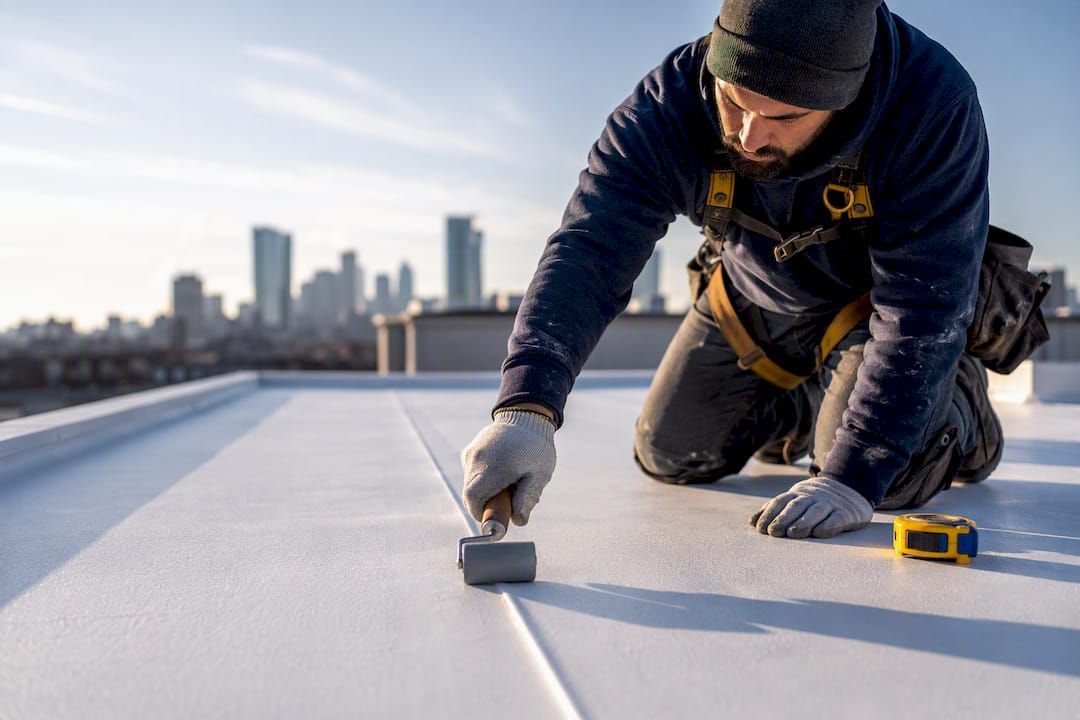
This is where many TPO installations succeed or fail. Proper seam welding requires robot welder temperature settings between 700°F and 900°F, with adjustments made for ambient temperature, humidity, and welding speed. Every competent installer performs destructive seam peel tests before starting the main roof to confirm settings are correct.
A seam welded at the wrong temperature will look fine to the naked eye. It will fail within years instead of decades. This is why installation complexity is consistently underestimated by property owners who treat TPO as a simple commodity purchase.
Pro Tip: Before hiring a contractor, ask specifically whether they perform destructive seam peel tests. If they look confused or dismissive, find someone else.
Maintaining your TPO roof for maximum lifespan
A well-installed TPO roof should perform for 20 to 30 years. Whether it reaches the high end of that range depends almost entirely on maintenance practices. Here is what active maintenance actually involves:
- Biannual inspections: Inspect in spring and fall. Focus on seam edges, flashings around penetrations, and anywhere the membrane meets a vertical surface. These are the areas most likely to fail first.
- Debris removal: Leaves, branches, and dirt hold moisture against the membrane and accelerate biological growth. Clear drains and gutters regularly to prevent water backup.
- Ponding water checks: After heavy rain, walk the roof 48 hours later. Any standing water is a signal that your drainage design has a problem. Tapered insulation creating a slope toward drains is the proper fix, not just clearing the drain opening.
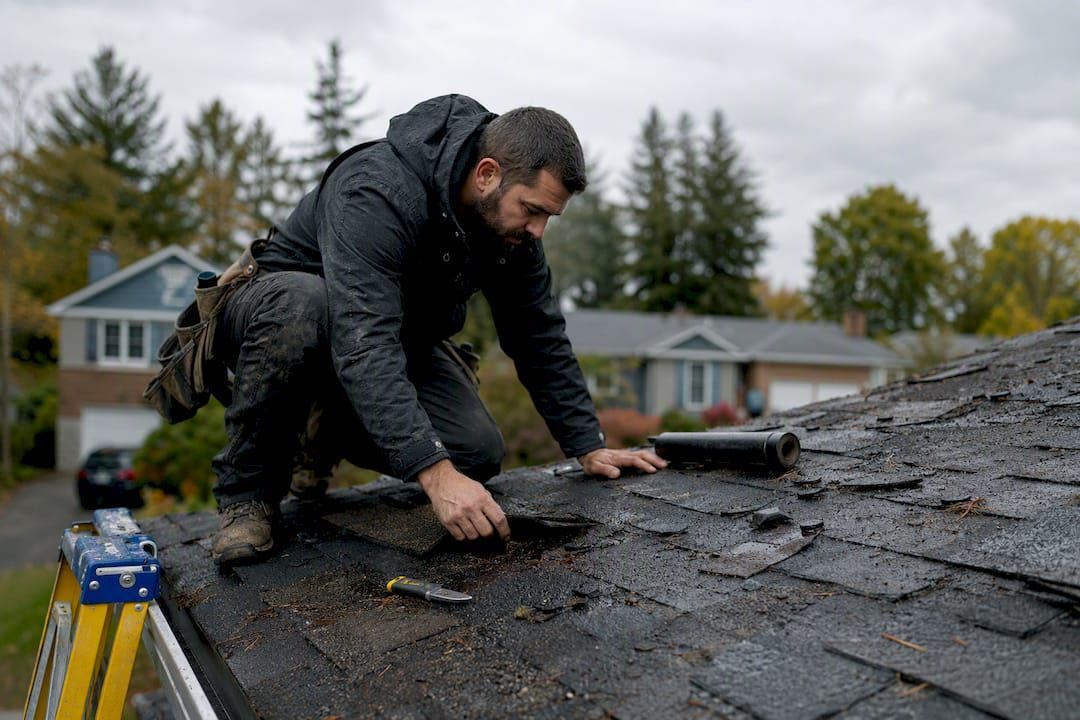
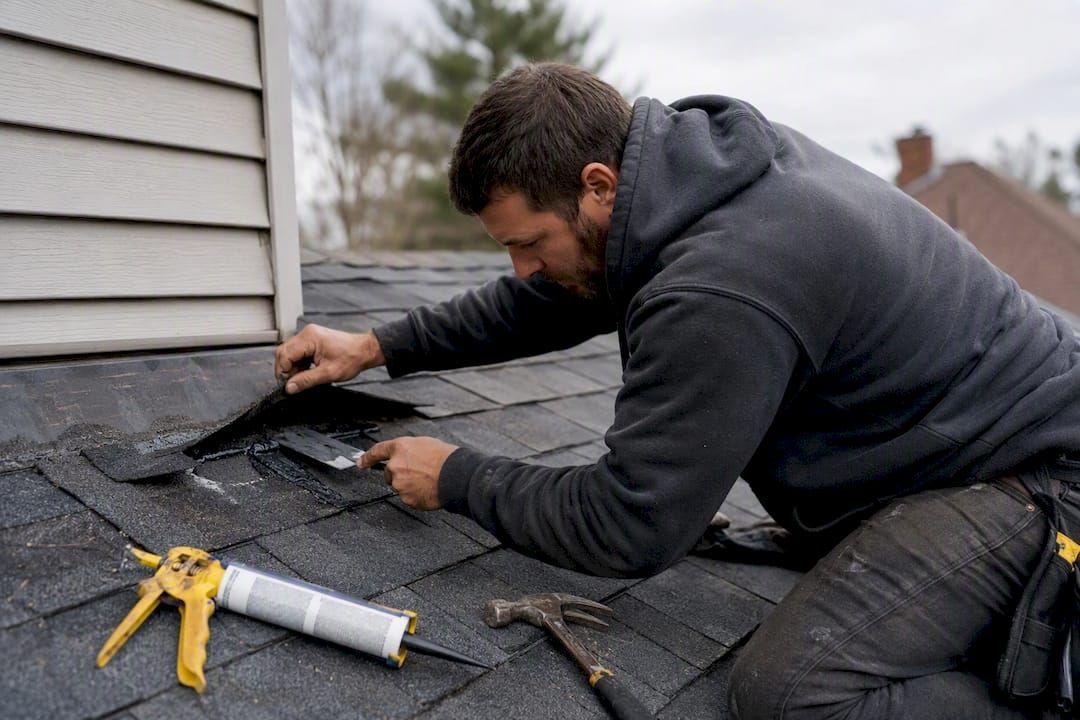
- Seam and flashing integrity: Look for lifted edges, bubbling, or separation at seams. Catch these early and a repair is simple. Ignore them and water infiltration causes structural damage that costs far more to fix.
- Puncture assessment: Foot traffic from HVAC technicians and other maintenance crews is a leading cause of puncture damage. Know who accesses your roof and create designated walking paths using protection boards.
Coating applications can extend membrane life when a TPO roof is approaching the end of its effective years but still structurally sound. A quality commercial roof coating applied over a clean, intact TPO surface refreshes UV protection and seals minor surface wear. This is significantly less expensive than full replacement.
Pro Tip: Document every inspection with photos and a written log. When you eventually need to make a warranty claim or sell the property, that maintenance history is worth real money.
A structured roof maintenance plan removes the guesswork from scheduling and keeps minor issues from turning into expensive failures.
How TPO compares to other roofing materials
When evaluating TPO against alternatives, the decision usually comes down to four factors: climate, building use, budget, and expected foot traffic. No single material wins across all categories.
| Material | Durability | Energy efficiency | Chemical resistance | Cost range |
|---|---|---|---|---|
| TPO | Good | Excellent | Moderate | $7–$14/sq ft |
| PVC | Excellent | Excellent | Superior | $10–$16/sq ft |
| EPDM | Very Good | Poor (black absorbs heat) | Moderate | $5–$12/sq ft |
| Metal roofing | Exceptional | Good | Excellent | $15–$30/sq ft |
PVC's chemical resistance makes it the better choice for restaurants, food processing facilities, and any building where grease or solvents reach the roof surface. Metal roofing outperforms everything on longevity but comes at a significantly higher upfront cost. EPDM remains competitive in northern climates where solar reflectivity is less valuable and low cost is the priority.
For most commercial and flat residential applications in warm to moderate climates, TPO's combination of energy efficiency and cost makes it the practical default. You can find a deeper look at how these materials perform across different building types in this guide to commercial roofing materials.
My honest take after years of TPO projects
I've seen property owners make the same mistakes repeatedly when it comes to TPO roofing, and most of them happen before the first membrane sheet is even unrolled.
The biggest misconception I encounter is that TPO is essentially a commodity. People shop it like they're comparing gas prices, looking purely at per-square-foot material cost. What they're ignoring is that the contractor's skill with heat welding determines whether that roof lasts 12 years or 28 years. The material cost difference between a mediocre and an excellent installer might be zero. The labor difference might be 15%. The lifespan difference could be 10 years. That math is not complicated.
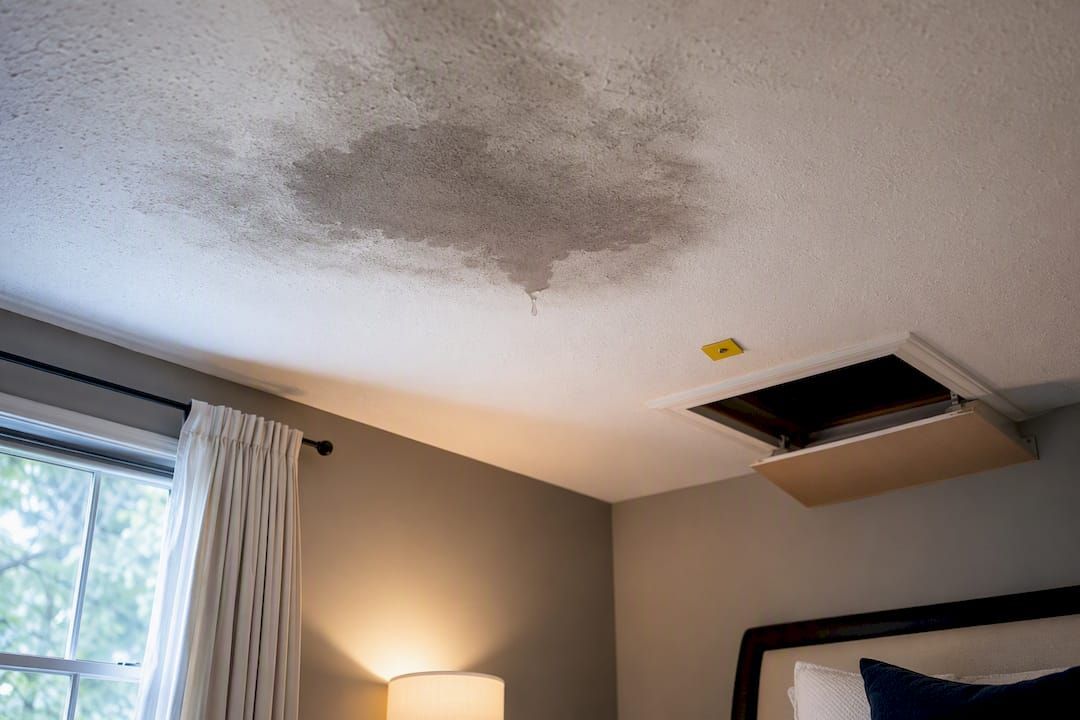
The second thing I see people get wrong is maintenance. Property managers are often reactive, not proactive. A TPO roof that gets walked twice a year by someone who knows what they're looking at will outperform an identical roof that only gets attention when a ceiling tile gets wet. The inspection is the maintenance.
What actually gets overlooked most often is drainage. I cannot count how many times I've seen otherwise solid TPO installations compromised by inadequate slope. The membrane did not fail because of poor material. It failed because water sat on it for days after every rainstorm. Drainage is not glamorous, but it's the difference between a 20-year roof and a 10-year headache.
TPO is genuinely one of the better flat roofing options available today. But it rewards buyers who ask the right questions upfront and stay engaged with maintenance afterward. It is not a set-it-and-forget-it solution.
— Cesar
Get expert TPO roofing help from Upstateroofingpros

Upstateroofingpros works with property owners and facility managers across Sacramento, Roseville, and surrounding areas on TPO installation, repair, and long-term maintenance. Whether you're evaluating TPO for a new build, dealing with an aging membrane, or trying to get ahead of a potential leak, the team brings licensed expertise and premium materials to every project.
From professional roof inspections that identify issues before they become expensive problems to complete roof replacement when a system has run its course, Upstateroofingpros covers every stage of a TPO roof's life. If you need urgent help, their roof repair services address seam failures, punctures, and flashing issues before they compromise your building's interior. Contact the team for a professional assessment and a clear, honest quote.
FAQ
What is a TPO roof made of?
TPO roofing is made from a blend of polypropylene and ethylene-propylene rubber, reinforced with a polyester scrim in the middle layer. It is manufactured as a single-ply membrane in thicknesses between 45 and 80 mils.
How long does a TPO roof last?
A properly installed and maintained TPO roof typically lasts 20 to 30 years. Installation quality, especially seam welding precision, and regular maintenance are the primary factors that determine where a specific roof falls in that range.
Is TPO roofing good for residential homes?
Yes. TPO works well on flat or low-slope residential roofs, particularly in warm climates where its high reflectivity reduces cooling costs. It is lighter and easier to install than built-up systems and performs comparably to PVC at a lower cost for most residential applications.
What is the typical cost of TPO roofing installation?
TPO roofing installation typically costs between $7 and $14 per square foot, including materials and labor. Fully adhered systems cost more in labor than mechanically attached systems, and roof complexity affects the final price.
How does TPO roofing compare to PVC?
Both TPO and PVC are heat-welded single-ply membranes with similar energy efficiency. PVC offers superior chemical resistance, making it the better choice for facilities exposed to grease or industrial chemicals. TPO is generally less expensive and performs equally well in standard commercial and residential applications.
Recommended
Recent Posts