Roof restoration programs: protect and extend your roof's life
Roof restoration programs: protect and extend your roof's life
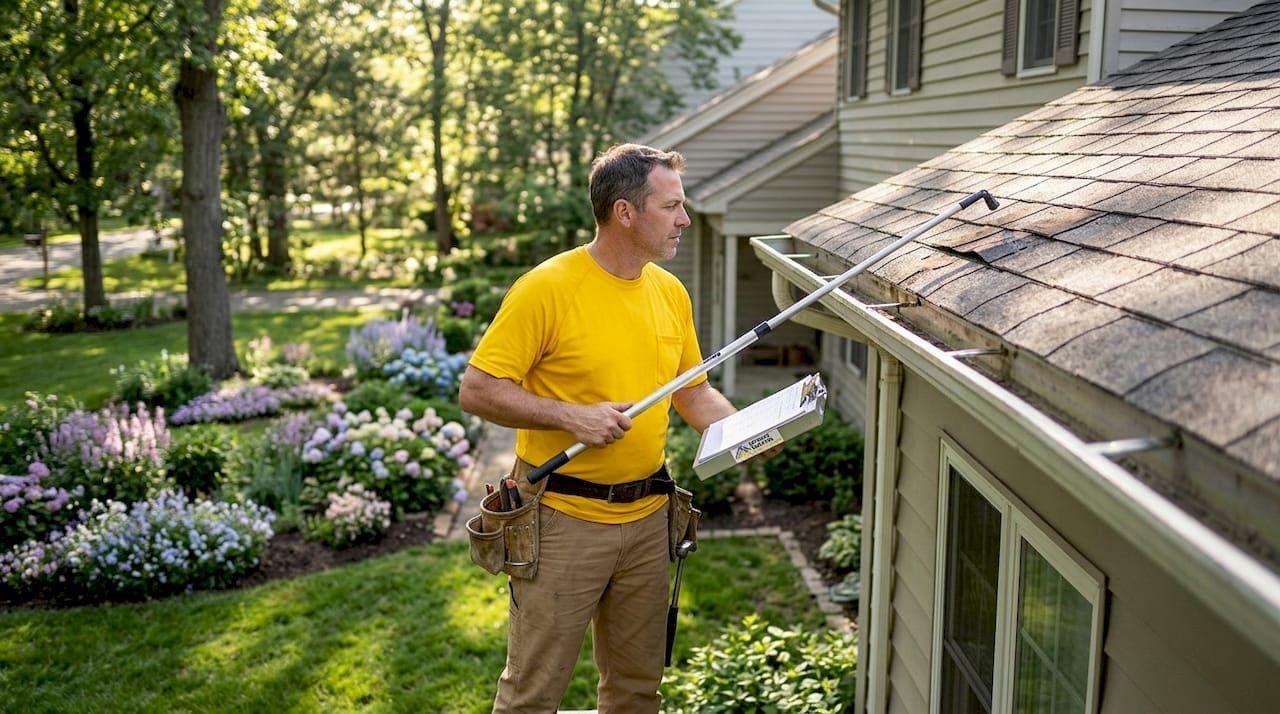
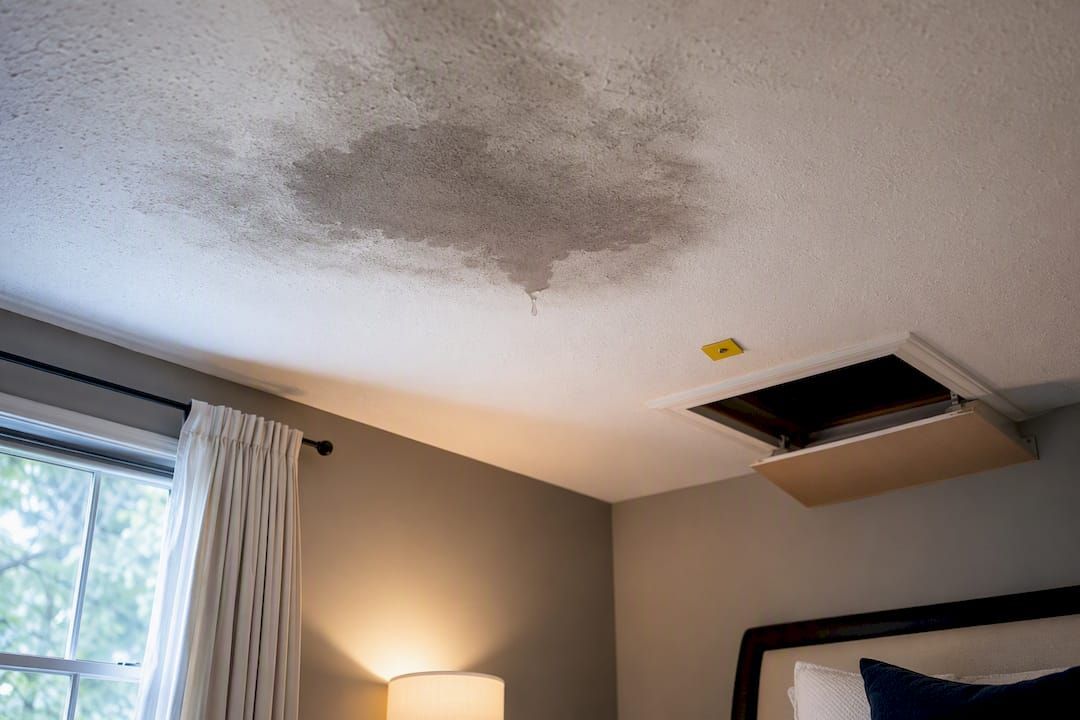
Most homeowners don't think about their roof until water is dripping through the ceiling or shingles are scattered across the yard after a storm. That reactive mindset is understandable, but it's also expensive. Roof restoration programs flip the script entirely, shifting you from crisis management to confident, planned care. In this article, you'll learn exactly what these programs include, why they save money, how they protect your property value, and how to choose the right one for your home or commercial building.
Key Takeaways
| Point | Details |
|---|---|
| Prevention is key | A proactive restoration program stops small problems before they escalate into expensive repairs. |
| Boost property value | Maintaining your roof regularly helps keep your home's value and curb appeal high. |
| Smoother insurance claims | Documented care through a program supports you if you ever need to file a claim. |
| Know your options | Comparing programs ensures you get the best fit and avoid unnecessary costs. |
| Peace of mind | Enrolling in a restoration program gives you security knowing your roof is monitored year-round. |
What is a roof restoration program?
Think of a roof restoration program like a maintenance plan for your car, but for the structure protecting everything you own. Instead of waiting for a breakdown, you schedule regular checkups, catch small problems early, and keep the whole system running efficiently for years longer than it otherwise would.
Roof maintenance plans are structured service agreements that deliver scheduled inspections, targeted minor repairs, and protective coatings designed to push back the need for a full replacement. According to the NRCIA, roof restoration programs for homeowners and property managers involve proactive maintenance plans including regular inspections, minor repairs, and protective coatings to extend roof lifespan and maintain integrity without full replacement.
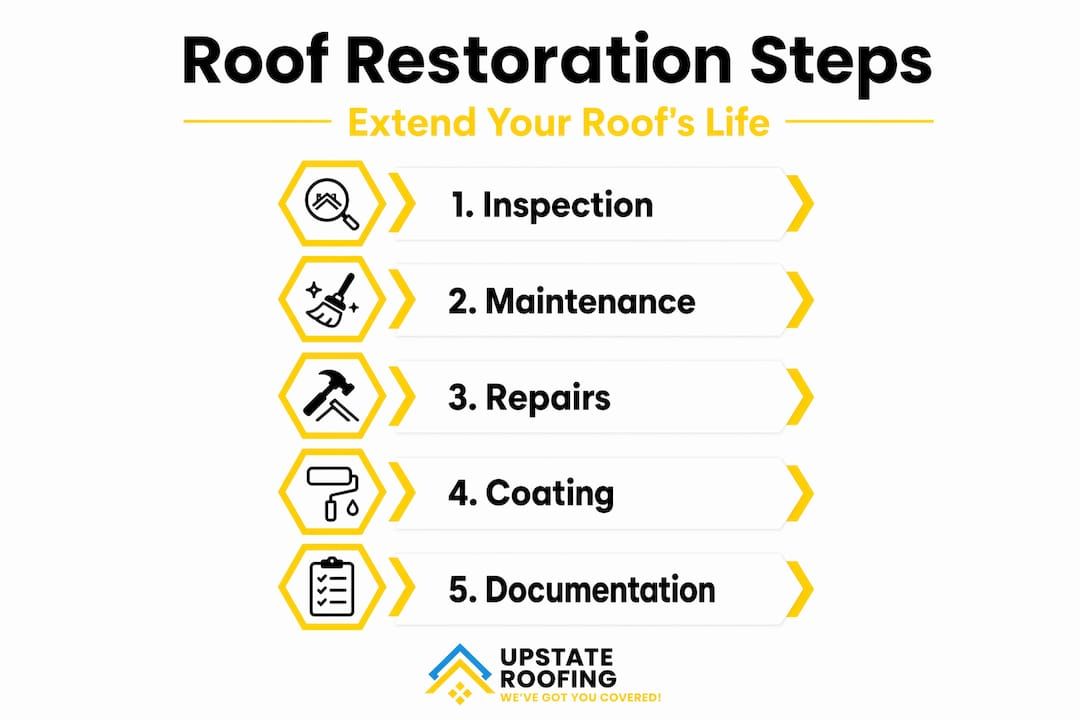
Here's what a typical roof restoration program includes:
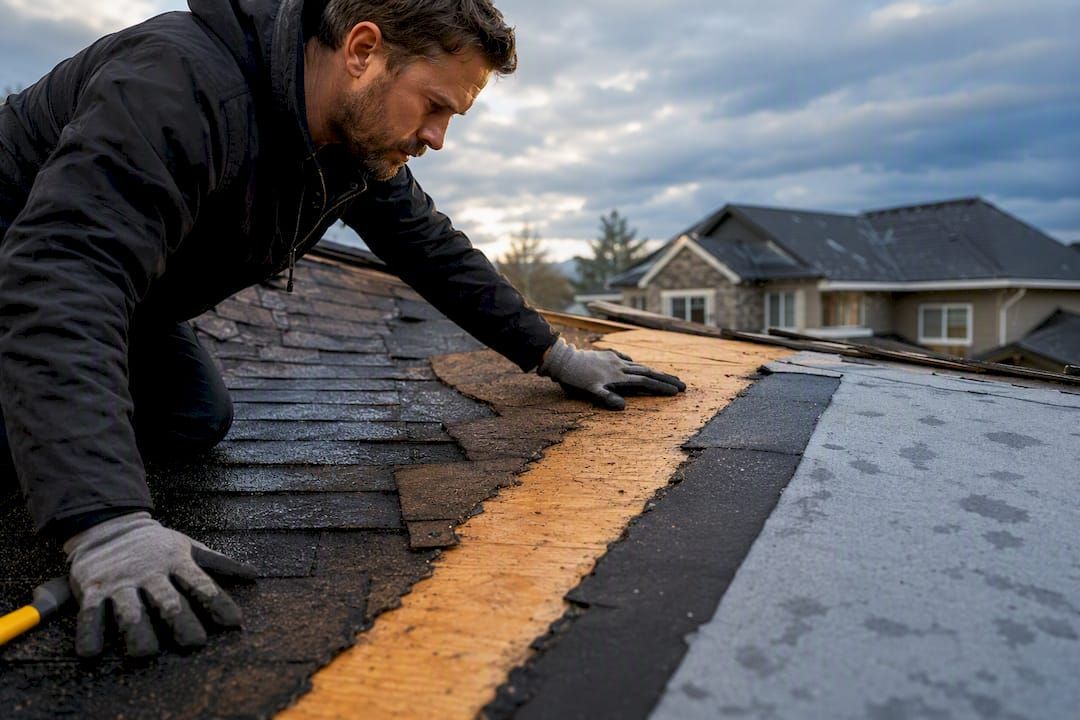
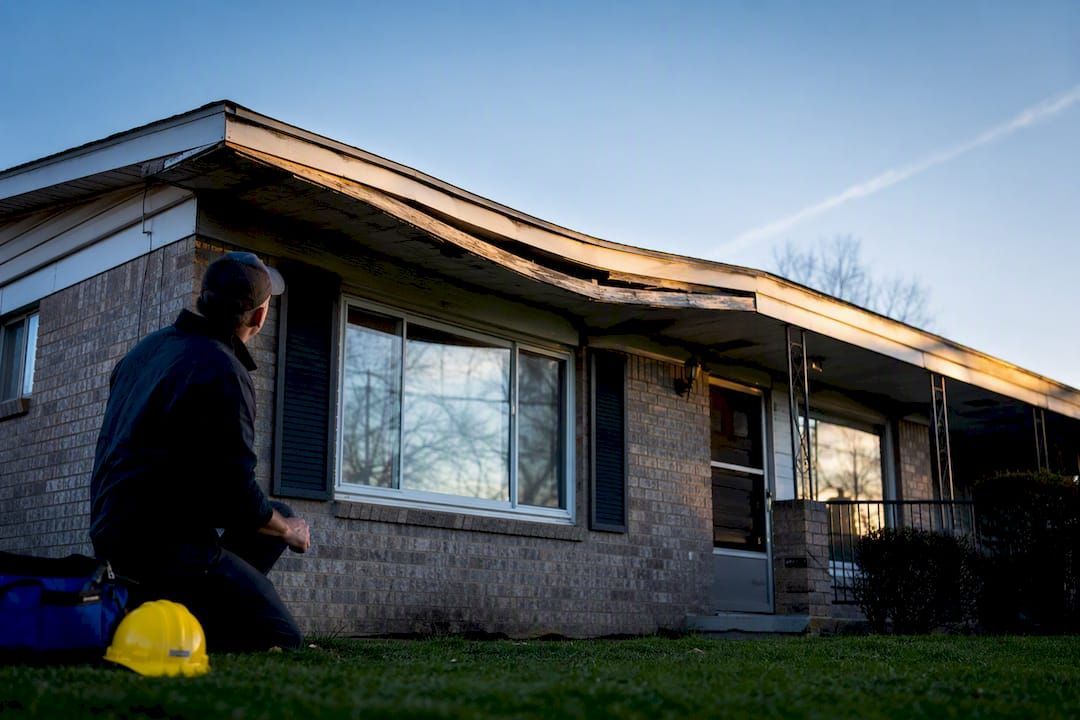
- Initial full-roof inspection to document current condition, take photographs, and identify any existing damage
- Scheduled follow-up visits , usually once or twice per year, to catch new wear before it deepens
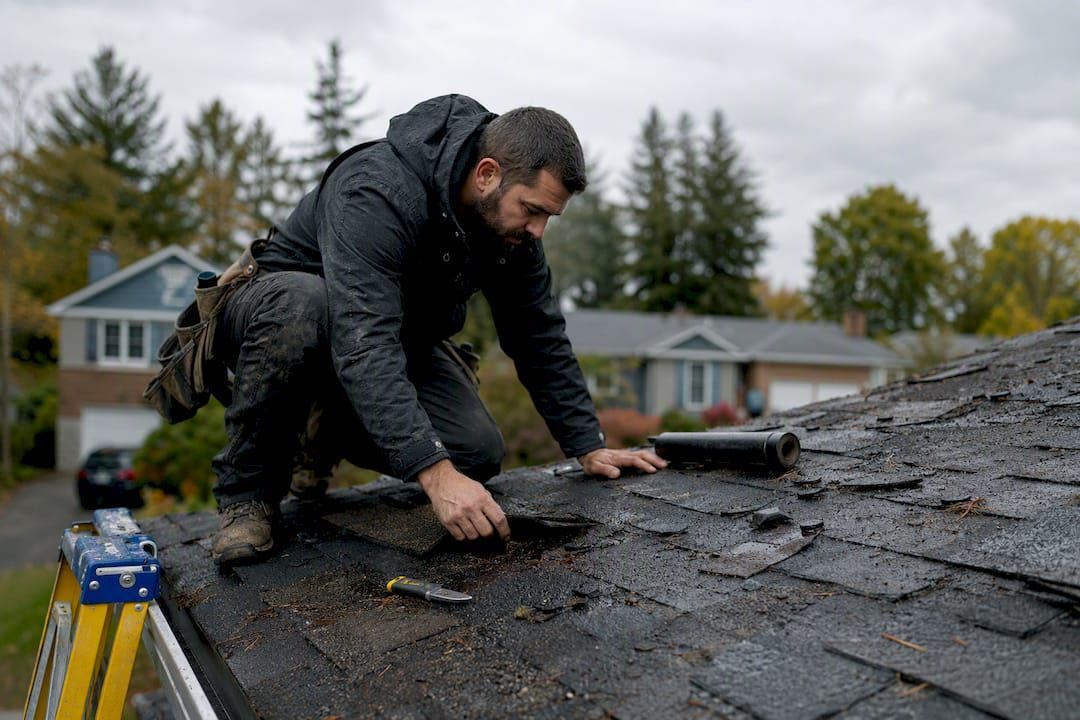
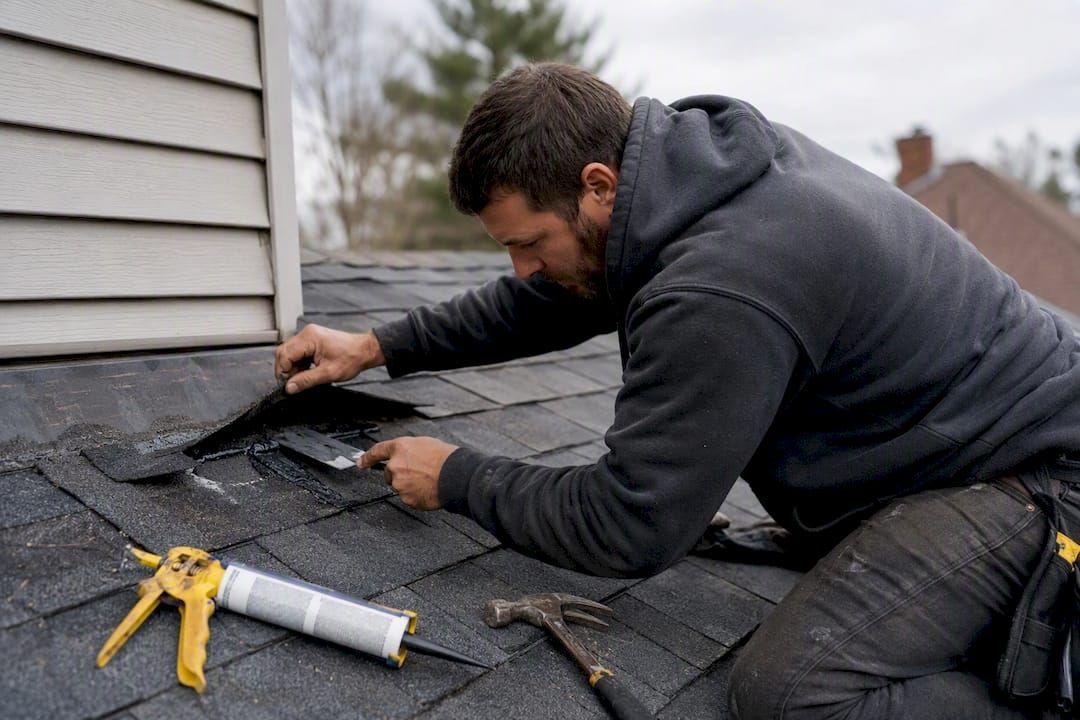
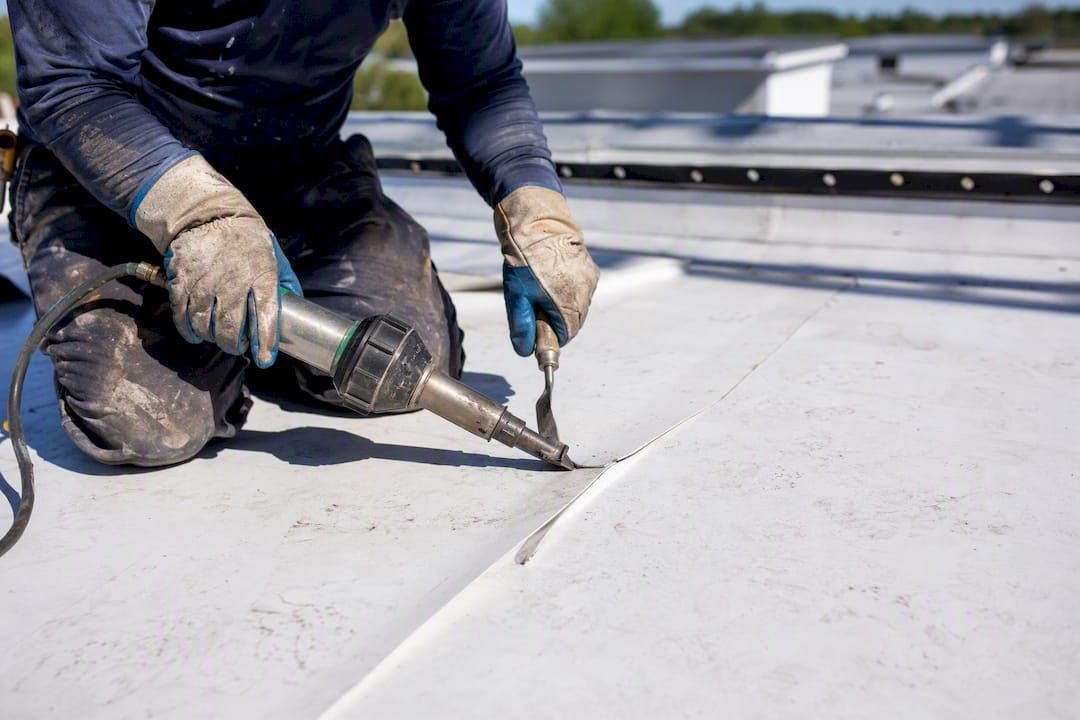
- Minor repair services such as resealing flashing, patching cracked shingles, and clearing blocked drainage points
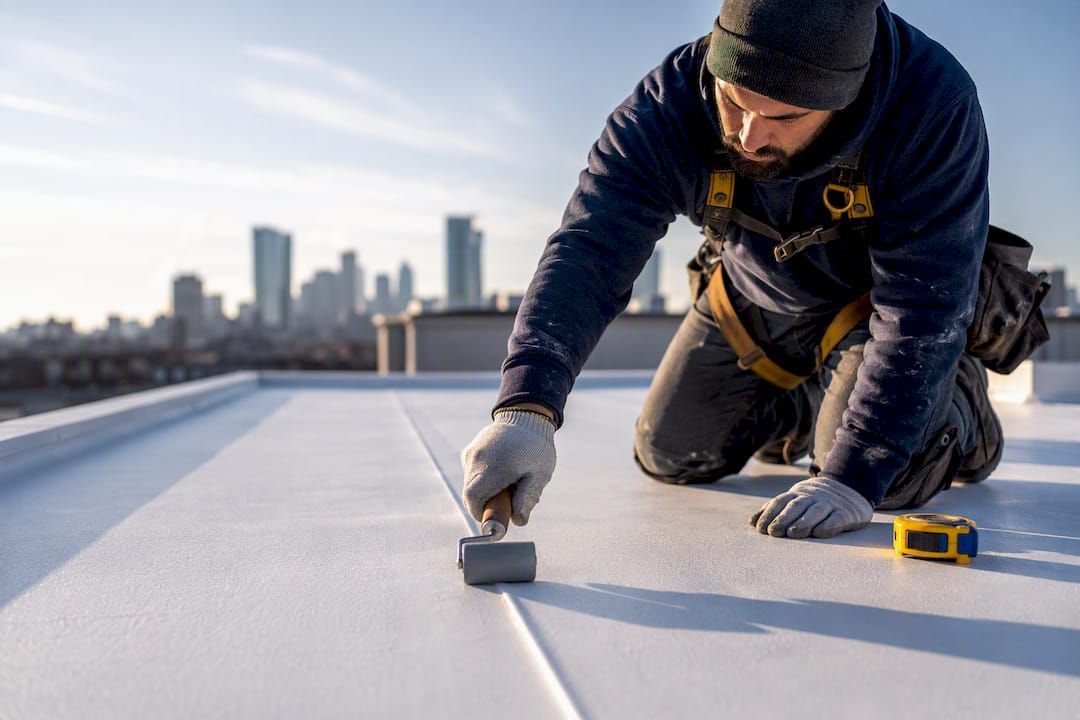
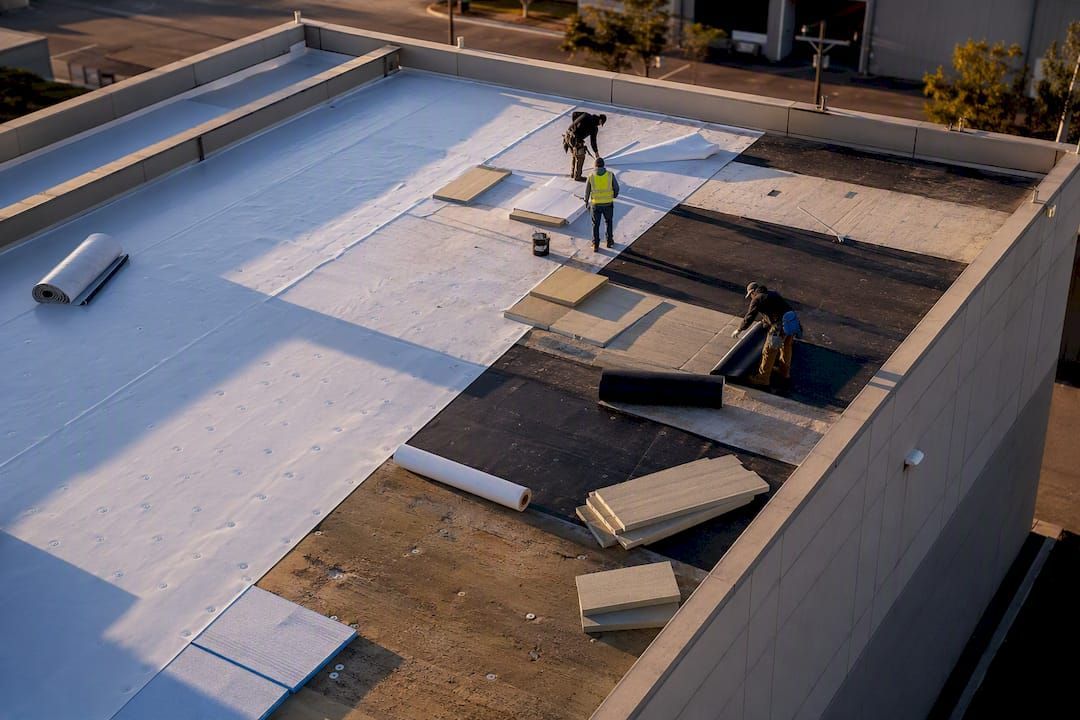
- Protective coating applications that seal the roof surface against UV rays, moisture, and temperature cycling
- Written reports after every visit so you always have a current record of your roof's health
Who uses these programs? Homeowners who want to protect a significant investment. Property managers overseeing multiple buildings who need systematic documentation. Commercial owners looking to avoid expensive shutdowns caused by roof failures.
"A restoration program is not the same as calling a roofer when something breaks. It's a relationship built on prevention, not reaction."
Pro Tip: Ask any potential provider how their restoration program differs from a basic annual inspection. If the answer doesn't include coatings, documented minor repairs, and a written service schedule, it probably isn't a true restoration program.
Key benefits of joining a roof restoration program
With a clear definition in place, it's important to examine why these programs matter for your property. The financial and practical case is stronger than most people realize.
Extended roof life is the headline benefit. A well-maintained asphalt shingle roof that might otherwise need replacement at 15 years can often function effectively for 20 to 25 years with regular restoration care. That difference represents tens of thousands of dollars in deferred costs for the average homeowner.
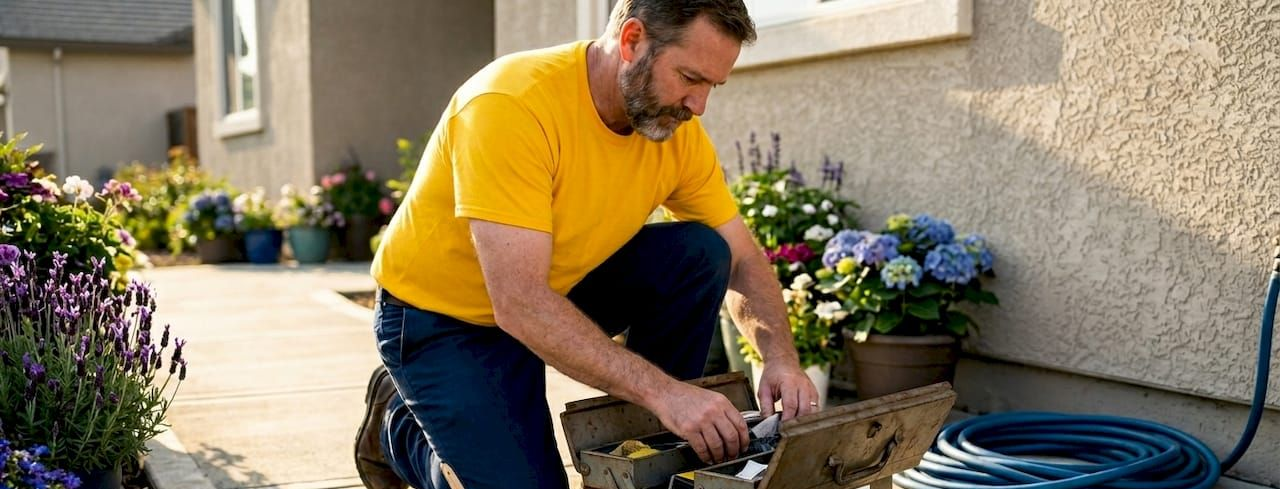
These residential roofing services also affect how your home is valued and insured. The NRCIA notes that proactive preservation programs shift the model from reactive repairs to planned care, which aids insurance documentation for property managers and supports value retention for homeowners. When it comes to resale, homes with documented maintenance histories attract more confident buyers and stronger offers. Explore value retention tips for additional context on how upkeep investments pay off at sale time.
Here is a clear comparison of what you're weighing:
| Factor | With a restoration program | Without a program |
|---|---|---|
| Avg. roof lifespan | 20 to 25+ years | 15 to 18 years |
| Typical annual cost | $300 to $600 | $0 upfront |
| Unplanned repair events | Rare, minor | Frequent, costly |
| Emergency repair bills | Low ($150 to $500) | High ($1,000 to $5,000+) |
| Insurance documentation | Complete, organized | Minimal or none |
| Resale impact | Positive, documented | Neutral or negative |
Other concrete benefits include:
- Fewer surprises. You'll never come home from vacation to a major leak because small vulnerabilities were caught and sealed months earlier.
- Curb appeal maintenance. Moss, algae, and staining are addressed during scheduled visits before they become visible eyesores that affect neighborhood perception.
- Stress reduction. Knowing your roof is being actively monitored removes a major source of homeowner anxiety, especially in regions with harsh seasonal weather.
Pro Tip: Keep every written report from your restoration program visits in a dedicated folder, either physical or digital. This paper trail becomes surprisingly powerful when filing an insurance claim or negotiating a home sale price.
Statistically, the roof inspection process catches the types of issues, like cracked sealant, lifted flashing, and granule loss, that account for the majority of premature roof failures. Identifying and fixing these early costs a fraction of what a full repair or replacement demands.
Step-by-step: What happens in a roof restoration program?
Understanding the benefits, let's look at the program timeline so you know exactly what to expect after enrollment. The process is straightforward, but each phase plays a specific role in protecting your investment.
- Initial inspection and baseline documentation. A licensed roofing professional performs a thorough examination of the entire roof surface, flashing, gutters, and penetration points like vents and chimneys. Photos and a written condition report are created. This is your starting point.
- Customized service plan setup. Based on your roof's age, material type, current condition, and local climate, a tailored schedule is built. A 10-year-old asphalt shingle roof in a region with heavy snow will have different needs than a 5-year-old TPO flat roof in a warmer, drier area.
- First scheduled maintenance visit. Minor repairs identified in the initial inspection are addressed. Protective coatings may be applied depending on the roof type and condition. Drainage systems are cleared.
- Ongoing visits according to your schedule. Typically twice per year, these visits catch new wear before it progresses. After major weather events, many programs include additional rapid-response checks.
- Documented reporting after every visit. You receive a written update noting what was inspected, what was repaired, and what to watch over the coming months. This forms the foundation of your maintenance history.
Here is a general timeline overview for a standard program year:
| Month | Activity |
|---|---|
| Month 1 | Initial inspection and plan setup |
| Month 3 | First scheduled maintenance visit |
| Month 6 | Mid-year inspection and minor repairs |
| Month 9 | Pre-winter protective check |
| Month 12 | Annual summary report and renewal |
These roof warranty options are often supported or even extended when a documented restoration program is in place, since manufacturers and insurers can verify the roof has received consistent professional care. For broader context on planning home upkeep systematically, step-by-step home upkeep guidance can supplement your thinking.
As the NRCIA confirms, proactive maintenance plans including regular inspections, minor repairs, and protective coatings extend roof lifespan and maintain integrity without the disruption or expense of full replacement.
How restoration programs help with insurance and property value
With the service process clear, it's time to focus on how these benefits show up financially and operationally for owners and managers.
One of the most underappreciated advantages of a restoration program is the paper trail it creates. Every inspection report, repair record, and coating application is timestamped and documented. When a storm rolls through and you need to file an insurance claim, you can hand your adjuster a complete history showing your roof was professionally maintained and in good condition before the damage occurred. This speeds up the process and reduces the risk of a denied claim based on alleged pre-existing neglect.
As documented by the NRCIA, restoration programs shift reactive repairs to proactive preservation, directly aiding insurance claims and documentation for property managers and supporting value retention for homeowners. You can see this principle in action through our insurance documentation case study, which illustrates how comprehensive records supported a successful claim outcome.
Key financial and operational advantages include:
- Faster claim processing because you can demonstrate a consistent care history rather than leaving the insurer to question whether damage was pre-existing
- Potential premium reductions as some insurers recognize documented maintenance programs as risk-reducing behavior
- Higher resale valuations since buyers and their inspectors see a roof with a clean, verified maintenance history as a much lower risk than one with unknown history
- Simpler multi-property management for property managers, since each building has its own documented record accessible at any time
"A roof that's been enrolled in a professional restoration program doesn't just last longer. It tells a story of care that buyers, insurers, and tenants all respond to positively."
For property managers, this operational efficiency is significant. Managing the roofs of five or ten buildings reactively is a constant fire drill. A restoration program turns it into a predictable, budgeted line item. Explore how increasing property appeal through consistent maintenance investments creates measurable advantages for rental property owners.
How to choose the right restoration program for your property
Finally, before committing, it's crucial to know how to select a quality program matched to your needs. Not all programs are created equal, and a poorly structured agreement can cost more than it saves.
Start with reputation and track record . Look for providers with verifiable reviews, before-and-after project photos, and references from clients with properties similar to yours. A company with years of documented experience in professional roof inspections will deliver a fundamentally different quality of assessment than one treating inspections as a checkbox.
Next, read the contract carefully . The best programs spell out exactly what is included in each scheduled visit, what triggers an additional charge, and how emergency repairs are handled outside the normal schedule. Vague language like "routine maintenance as needed" should raise your guard.
Here are strong questions to ask any provider before signing:
- What specific tasks are performed at each scheduled visit?
- Are minor repairs included in the flat program fee, or billed separately?
- How do you handle emergency damage between scheduled visits?
- What type of written documentation do I receive after each visit?
- Are your technicians licensed and insured for the work they perform?
Warning signs of a low-quality program:
- No written service schedule or contract
- Prices that seem unusually low without a clear explanation of what's excluded
- Reluctance to provide references from current program clients
- No documentation process or reporting after visits
- Pressure tactics urging you to sign immediately
Pro Tip: Get at least two quotes from different providers and compare not just price but exactly what each program includes. A slightly higher annual fee that covers minor repairs and coatings is almost always better value than a cheaper plan that bills separately for everything. Review home restoration options for additional perspective on comparing service providers.
The NRCIA's standards for roof restoration programs provide a useful benchmark when evaluating whether a program genuinely qualifies as proactive maintenance rather than a basic inspection with a fancier name.
Why a proactive approach beats "fix on failure" for roofs
Here's something we've learned after years of roofing work: most of the damage we repair was preventable. Not because homeowners were careless, but because the problems that cause the biggest bills are almost never visible from the ground until they've already done significant harm.
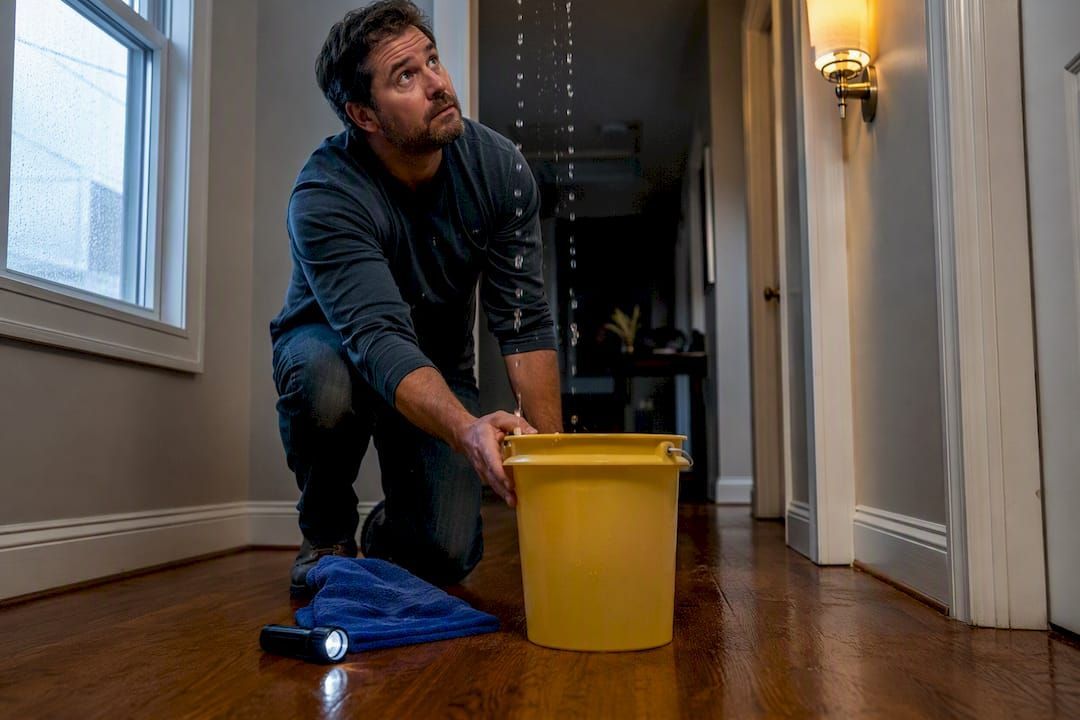
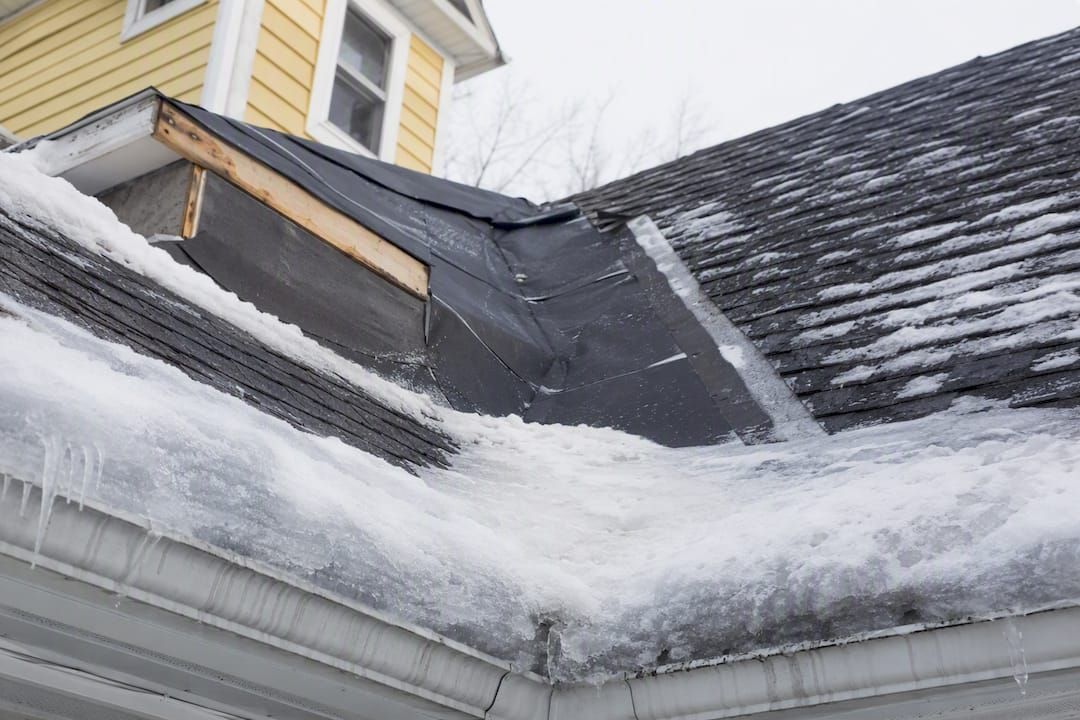
A small section of lifted flashing, a few square inches of cracked sealant around a vent, granule loss in a single valley, these are the things that look minor but quietly let water work its way under your roof system for months or even years. By the time the ceiling stain appears, the structural damage is often already done.
The "fix on failure" model puts you permanently on defense. You're always reacting to problems that have already grown larger than they needed to. Your repair costs are higher, your timelines are compressed, and you have zero leverage because the emergency already exists.
Ongoing roof maintenance through a structured restoration program shifts that power dynamic entirely. You're making informed decisions ahead of weather events. You know your roof's exact condition. You're spending $400 per year to prevent a $4,000 repair rather than discovering that repair after a rainstorm on a December weekend.
There's also a peace-of-mind dimension that's hard to put a dollar figure on. Property owners who invest in proactive programs consistently report feeling more in control of their overall maintenance situation. That confidence isn't just psychological. It translates into better financial planning, stronger insurance positions, and a healthier property over the long run.
Ready to protect your roof with expert help?
If you're set to shift from costly emergency repairs to reliable roof care, here's where to get started.
At Upstate Roofing, our team of fully licensed professionals brings real expertise to every inspection, repair, and coating application. We don't believe in one-size-fits-all programs.
We build every roof maintenance plan around your specific property, roof type, local climate, and budget. Whether you own a single-family home or manage a portfolio of commercial buildings, our residential roofing experts have the tools, experience, and commitment to keep your roof performing year after year. Reach out today to schedule your initial inspection and get a clear picture of your roof's current condition. The best time to start was years ago. The second best time is right now.
Frequently asked questions
How often should a roof restoration program inspect my roof?
Most programs recommend a full inspection at least once per year, with additional visits scheduled after major storms or severe weather events. The NRCIA confirms that proactive maintenance plans include regular inspections as a core component of effective roof care.
What are the signs that a roof needs restoration instead of replacement?
Restoration is the right choice for roofs showing minor leaks, surface wear, or early granule loss but no severe structural damage, widespread sagging, or deck rot. The NRCIA notes that minor repairs and coatings can extend lifespan and maintain integrity without requiring a full replacement.
Can restoration programs improve insurance claim success?
Yes, because the documented history of professional care demonstrates to insurers that damage is weather-related rather than the result of neglect. The NRCIA confirms that these programs aid insurance claims and documentation for both homeowners and property managers.
Are roof restoration programs also suitable for commercial properties?
Absolutely. These programs are structured to serve both residential homeowners and commercial property managers, with plans customized to roof type, building size, and usage. The NRCIA's guidelines for restoration programs specifically address the needs of property managers overseeing multiple buildings.
What's the main difference between roof restoration and simple maintenance?
Simple maintenance typically covers cleaning and basic checks, while restoration programs use specialized coatings, targeted repairs, and documented service records to actively extend the roof's functional life. The NRCIA defines roof restoration programs as including inspections, minor repairs, and protective coatings working together as a complete system.
Recommended
Recent Posts