Top TPO Roofing Benefits for Commercial Buildings
Top TPO Roofing Benefits for Commercial Buildings
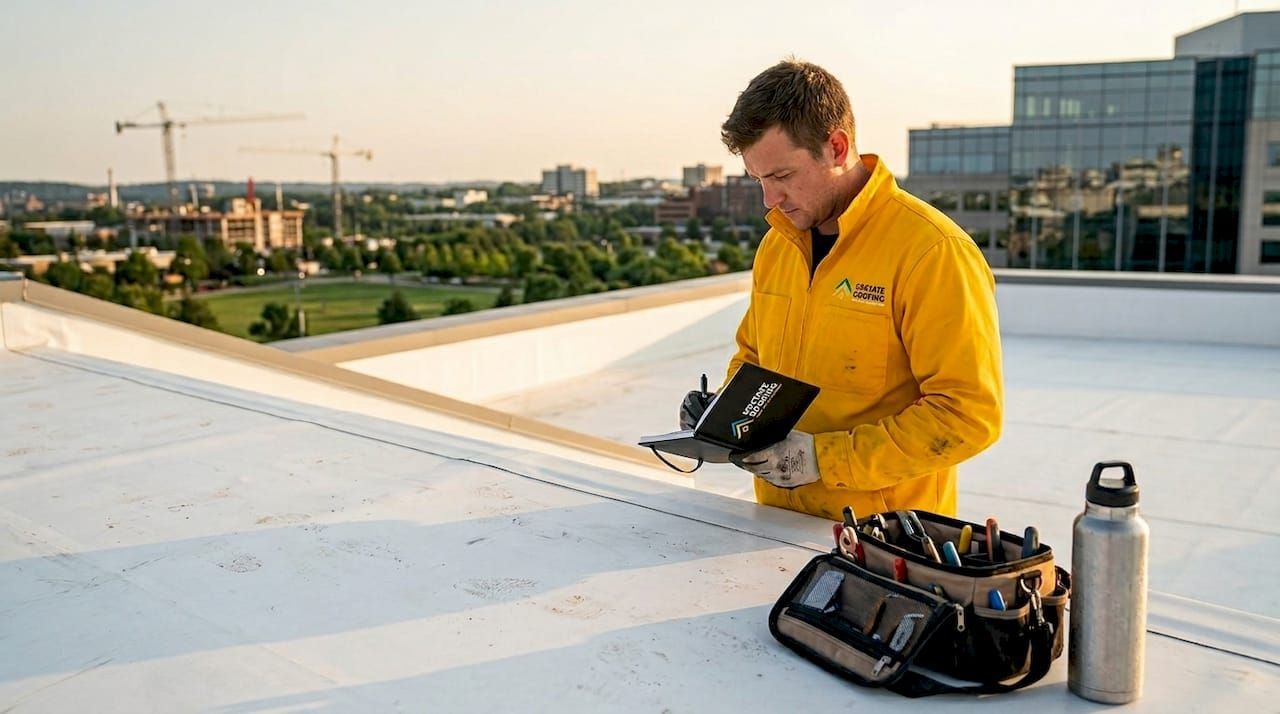
Choosing a commercial roofing system is one of the highest-stakes decisions you will make for your property portfolio. With flat and low-slope buildings, the margin for error is narrow, and the wrong membrane can mean chronic leaks, inflated energy bills, and costly replacements within a decade. TPO (thermoplastic polyolefin) roofing has become the dominant single-ply membrane in North America precisely because it addresses the two things property managers care about most: long-term durability and measurable energy savings. This article breaks down the real-world advantages of TPO, compares it to competing systems, and shows you exactly when it makes the most sense for your buildings.
Key Takeaways
| Point | Details |
|---|---|
| Reflectivity saves energy | TPO's high solar reflectance helps lower cooling costs in commercial buildings. |
| Heat-welded seam durability | Professionally welded TPO seams give long-term watertight performance and reliability. |
| Best with expert care | TPO roofing delivers real value when combined with skilled installation and proactive maintenance. |
| Versatile for projects | TPO adapts to different commercial roof shapes and climates better than many other membranes. |
How to evaluate commercial roofing options
With the selection challenge set, let's break down the core criteria that matter when vetting roofing solutions for your properties.
Commercial roofing decisions carry weight far beyond the initial installation cost. A roof that fails prematurely forces emergency repairs, disrupts tenants, and can trigger warranty disputes that drag on for months. The smarter approach is to evaluate every system against a clear, consistent set of criteria before you ever sign a contract.
The five criteria that matter most:
- Energy performance. Solar reflectance and thermal emittance determine how much heat your roof absorbs and re-radiates into the building. These numbers directly affect cooling loads and utility costs.
- Durability. How does the membrane handle UV exposure, ponding water, foot traffic, and thermal cycling over 20-plus years?
- Installation quality. Even the best membrane fails if the crew lacks the training or tools to install it correctly. Seam integrity and attachment method are everything.
- Maintenance requirements. Some systems demand frequent recoating or resealing. Others are largely hands-off between annual inspections.
- Warranty terms. Manufacturer warranties vary widely in what they actually cover. Read the fine print on labor, materials, and prorated schedules.
One of the most common mistakes property managers make is relying on a manufacturer's marketing materials to compare systems. Brochures use selective data. For energy performance specifically, CRRC-rated solar reflectance and thermal emittance values, both initial and aged, are the benchmarks that energy programs and building codes actually use. Aged values matter because reflectance degrades over time as dirt, algae, and weathering accumulate on the surface.
When you're evaluating commercial roofing methods, insist on seeing the CRRC Directory listing for any membrane under consideration. That third-party rating gives you an apples-to-apples comparison that no sales sheet can replicate.
Pro Tip: Always ask for third-party ratings from the CRRC Directory over manufacturer literature. If a roofing contractor cannot provide those numbers, that tells you something important about how they operate.
Key benefits of TPO roofing for commercial buildings
With evaluation principles in mind, let's explore what makes TPO roofing so attractive for commercial projects.
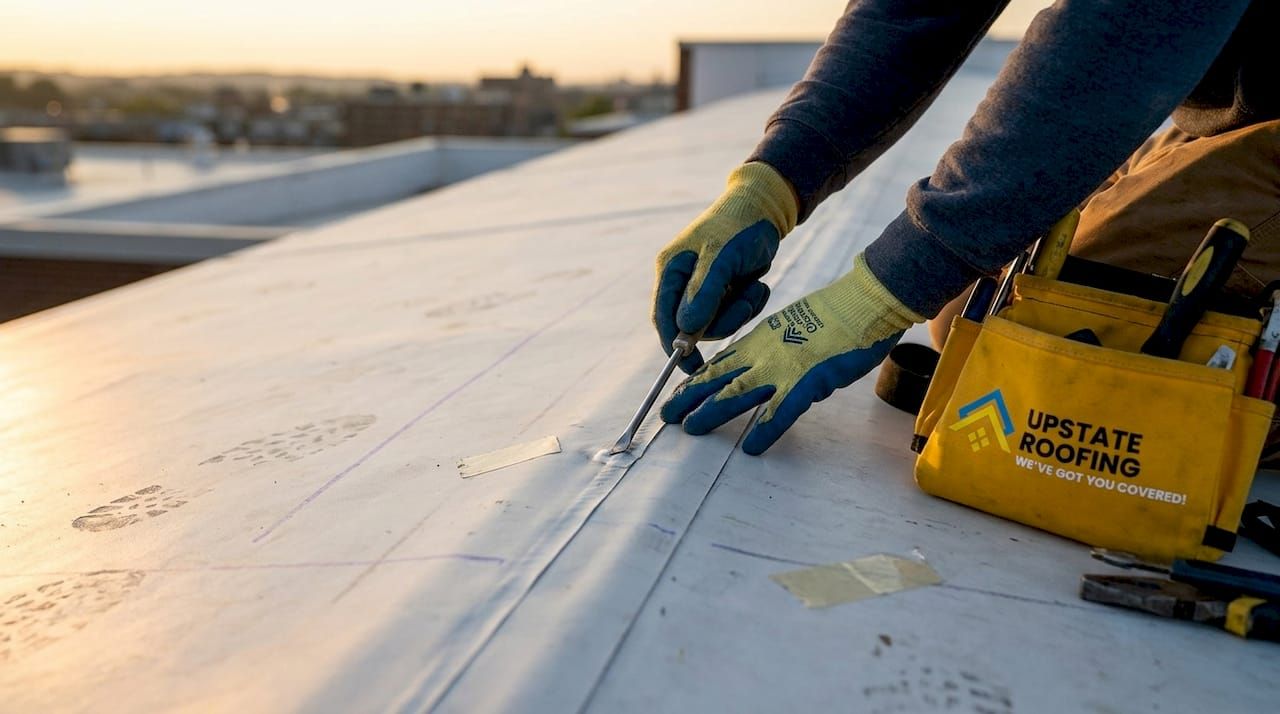
TPO membranes have captured the largest share of the commercial single-ply market for good reason. They combine optical performance, mechanical strength, and installation flexibility in a way that few competing systems can match at a comparable price point.
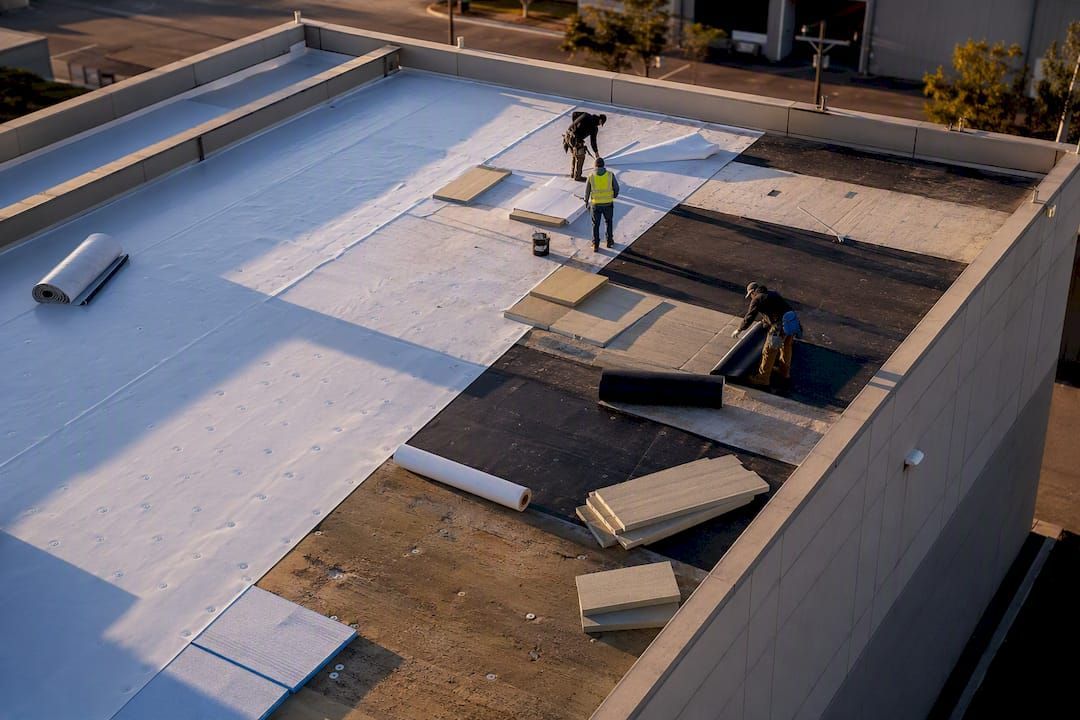
Solar reflectance and energy savings. White TPO membranes typically achieve initial solar reflectance values of 0.80 or higher, meaning they reflect 80 percent or more of incoming solar radiation. For a large flat-roof commercial building in a warm climate, that translates to a meaningful reduction in cooling load. The cool-roof optical performance of TPO, measured against CRRC and ASTM standards, is one of its strongest selling points for property managers pursuing utility rebates or sustainability certifications.
Long-term UV and weather resistance. TPO formulations include UV stabilizers that prevent the membrane from becoming brittle or chalky over time. Unlike some older single-ply materials that required frequent recoating to maintain performance, modern TPO holds up well under prolonged sun exposure without significant degradation to its physical properties.
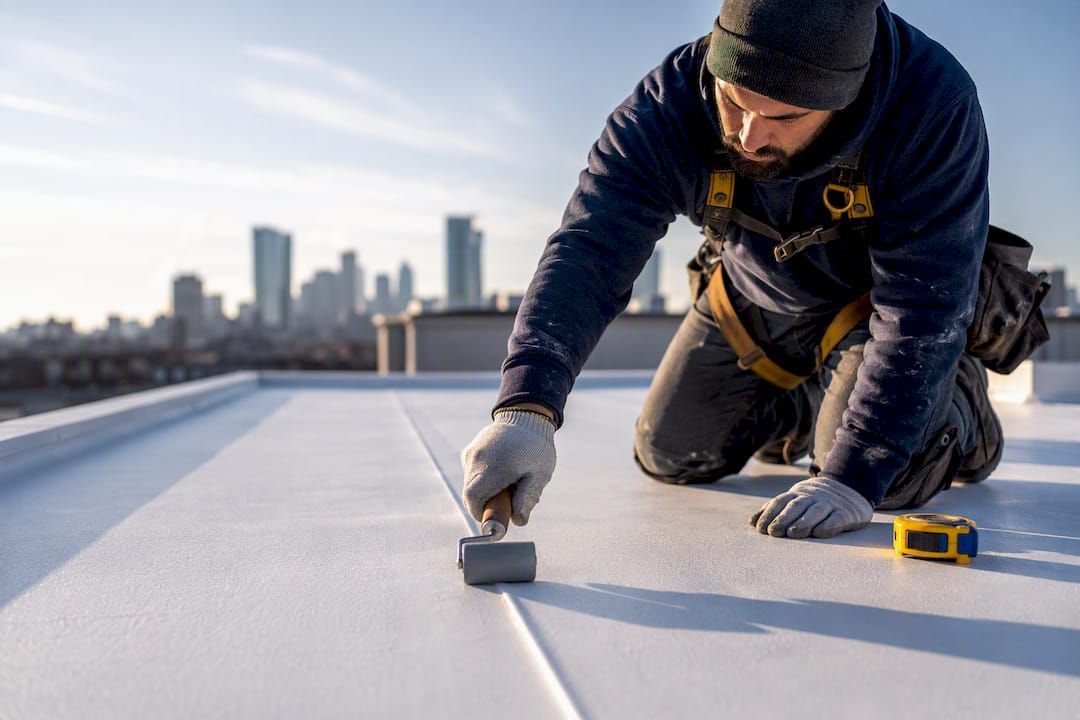
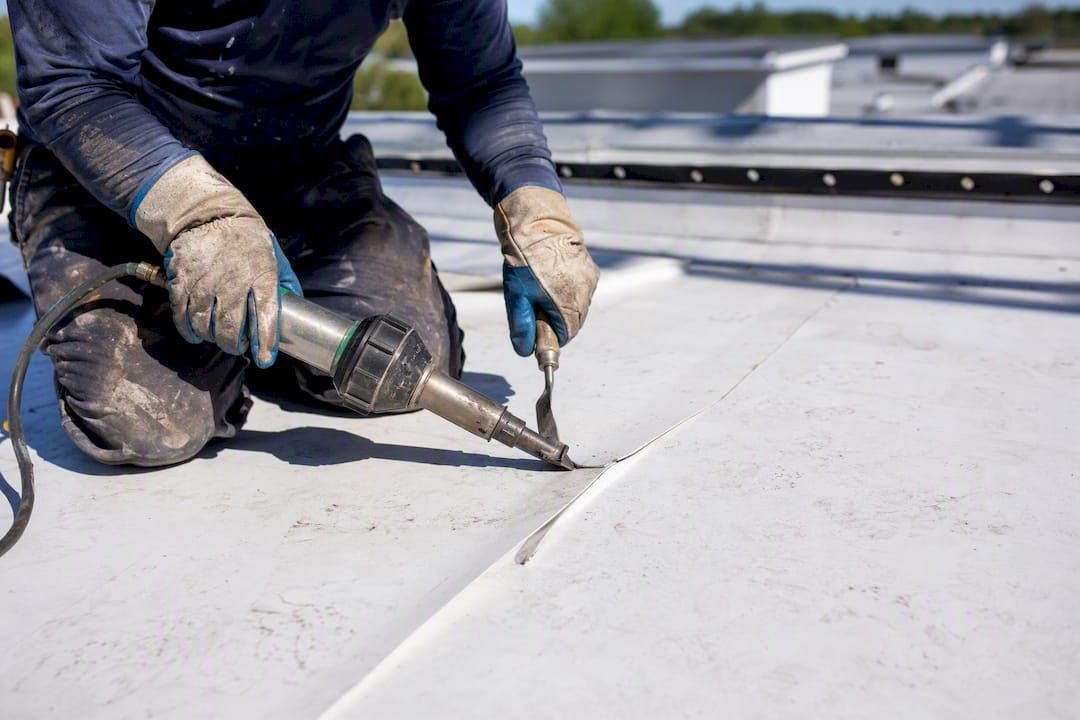
Heat-welded seam strength. This is the feature that separates TPO from older adhesive-bonded systems. Seams are fused using hot air welding equipment, which creates a bond that is actually stronger than the membrane itself when done correctly. Water infiltration through seams is the leading cause of commercial roof failure, so this matters enormously for long-term watertightness.
Installation flexibility. TPO membranes can be mechanically attached, fully adhered, or ballasted depending on the substrate, building height, wind zone, and budget. That flexibility means the system can be tailored to your specific building rather than forcing a one-size approach.
Low maintenance relative to conventional systems. Compared to built-up roofing or modified bitumen systems that require periodic recoating and more frequent inspections, a properly installed TPO roofing system is relatively low maintenance. Annual inspections and prompt repair of any punctures or seam issues are typically all that's required to keep the system performing.
Key TPO benefits at a glance:
- High initial and aged solar reflectance (CRRC-rated)
- Heat-welded seams for superior water resistance
- UV-stabilized membrane for long service life
- Flexible attachment options for varied substrates
- Compatibility with most commercial roof insulation types
- Lighter weight compared to ballasted EPDM systems
TPO roofing performance: Comparing energy and durability factors
Now, let's see how TPO's major benefits hold up against other commercial systems with a side-by-side comparison.
Numbers tell the story better than generalizations. The table below compares TPO against EPDM (ethylene propylene diene monomer) and PVC (polyvinyl chloride), the two other dominant single-ply membranes in commercial roofing.
| Factor | TPO | PVC | EPDM |
|---|---|---|---|
| Solar reflectance (white) | 0.80 to 0.87 | 0.80 to 0.90 | 0.06 to 0.23 (black) |
| Seam method | Heat-welded | Heat-welded | Adhesive or tape |
| Seam strength | Very high | Very high | Moderate |
| Typical lifespan | 20 to 30 years | 20 to 30 years | 15 to 25 years |
| UV resistance | Excellent | Excellent | Good |
| Chemical resistance | Good | Excellent | Good |
| Cost relative to PVC | Lower | Higher | Lower |
| Maintenance needs | Low | Low | Moderate |
A few things stand out in this comparison. EPDM, while cost-effective and widely used, is almost always installed in black, which means it absorbs rather than reflects solar heat. That makes it a poor choice for warm climates or buildings pursuing cool-roof credits. White EPDM exists but is less common and more expensive.
PVC and TPO share the heat-welded seam advantage, and both achieve strong reflectance values. PVC edges out TPO on chemical resistance, which matters for restaurants or manufacturing facilities where grease-laden air contacts the roof surface. For most standard commercial applications, however, TPO delivers comparable performance at a lower material cost.
"Real-world outcomes depend on system design, detailing, and ongoing inspection more than any single product spec. A well-installed EPDM roof will outperform a poorly installed TPO roof every time."
That perspective is worth holding onto as you review specifications. The heat-welded seam methodology that makes TPO so effective only delivers its full benefit when detailing, attachment, and substrate conditions are correctly managed. Product selection and commercial roofing installation quality are equally important variables.
Situational factors: When TPO makes the most sense
Once you know how TPO stacks up overall, it's crucial to consider whether it best fits your unique property challenges.
TPO is not the right answer for every building. Understanding the conditions where it excels helps you make a confident, well-reasoned decision rather than defaulting to whatever a contractor recommends.
Where TPO performs best:
| Building/Climate Type | Best Membrane Choice | Reason |
|---|---|---|
| Flat/low-slope, warm climate | TPO | High reflectance reduces cooling load |
| Flat/low-slope, cold climate | TPO or EPDM | TPO still viable; EPDM competitive |
| Restaurant or food processing | PVC | Superior grease/chemical resistance |
| Green roof or ballasted system | EPDM | Handles weight and moisture well |
| Buildings seeking cool-roof credits | TPO or PVC | Both achieve CRRC-qualifying values |
| High wind zone | Fully adhered TPO | Eliminates mechanical fastener pull-out risk |
Steps to ensure TPO delivers on its promise:
- Verify CRRC ratings before specifying. Confirm both initial and aged reflectance and emittance values for the specific product you are considering. Cool-roof criteria depend on roof slope, climate zone, and program thresholds, so aged values are often what determines eligibility for rebates.
- Specify the correct attachment method. Work with your contractor to match the attachment approach (mechanical, adhered, or ballasted) to your building's wind zone, structural capacity, and substrate condition.
- Require certified installation crews. Most major TPO manufacturers offer contractor certification programs. Certified crews are trained on proper seam welding temperatures, overlap widths, and detail work at penetrations and edges.
- Build a maintenance schedule into your contract. Roof maintenance plans that include annual inspections and documented repairs are often required to keep manufacturer warranties active.
- Confirm program compliance before installation. If you are targeting a utility rebate or sustainability certification, verify that the specific TPO product meets the program's minimum reflectance and emittance thresholds before work begins.
Pro Tip: When evaluating utility rebates or sustainability targets, always request both initial and aged reflectivity and emittance data. Many programs specifically require aged values, and a membrane that qualifies on initial performance alone may fall short once weathering is factored in.
Why TPO's real value is unlocked through expert installation and ongoing care
Judging from side-by-side specs only tells part of the story. Here is what years of commercial roofing projects have taught us about where real-world value actually comes from.
We have seen it happen more times than we can count. A property manager selects a premium TPO system, gets a competitive bid, and assumes the product's reputation will carry the day. Two years later, they are dealing with seam failures at penetrations, ponding water in areas that were never properly sloped, and a warranty claim that the manufacturer is disputing because installation records are incomplete.
The misconception is understandable. When a product has strong specifications and a long track record, it is easy to assume the system will perform regardless of how it is installed. But TPO's advantages, particularly its heat-welded seam strength, are only realized when the crew has the right equipment, the right training, and the discipline to execute every detail correctly. Weld temperature, weld speed, overlap width, and substrate cleanliness all affect seam integrity. A crew that rushes or cuts corners on any of those variables undermines the system's core advantage.
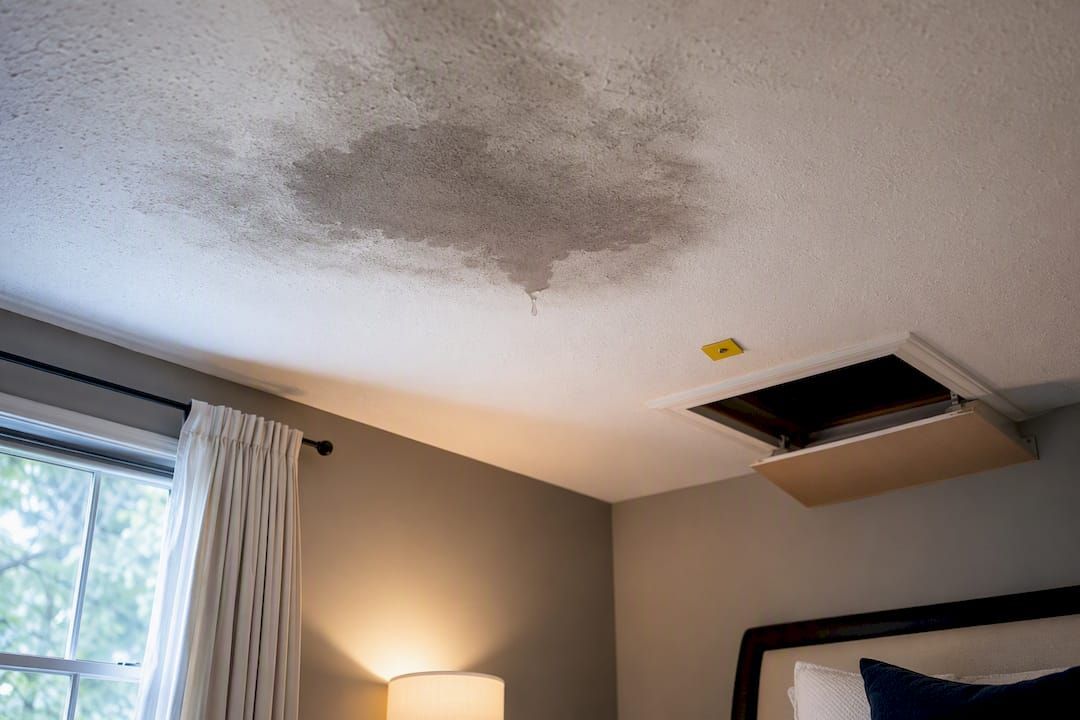
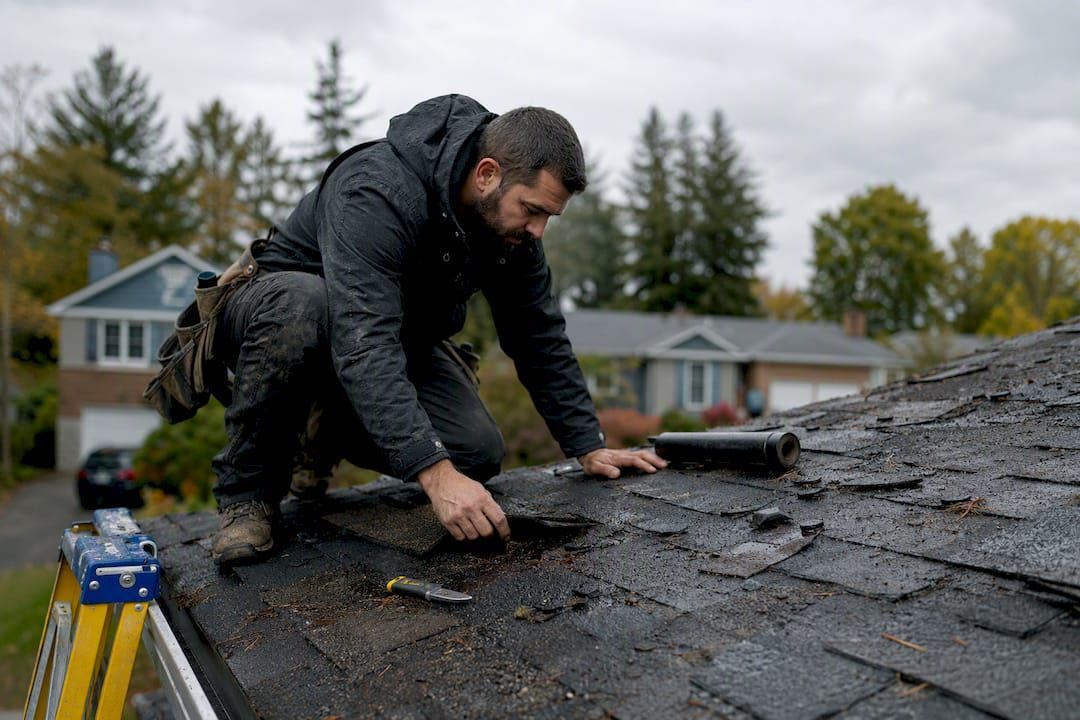
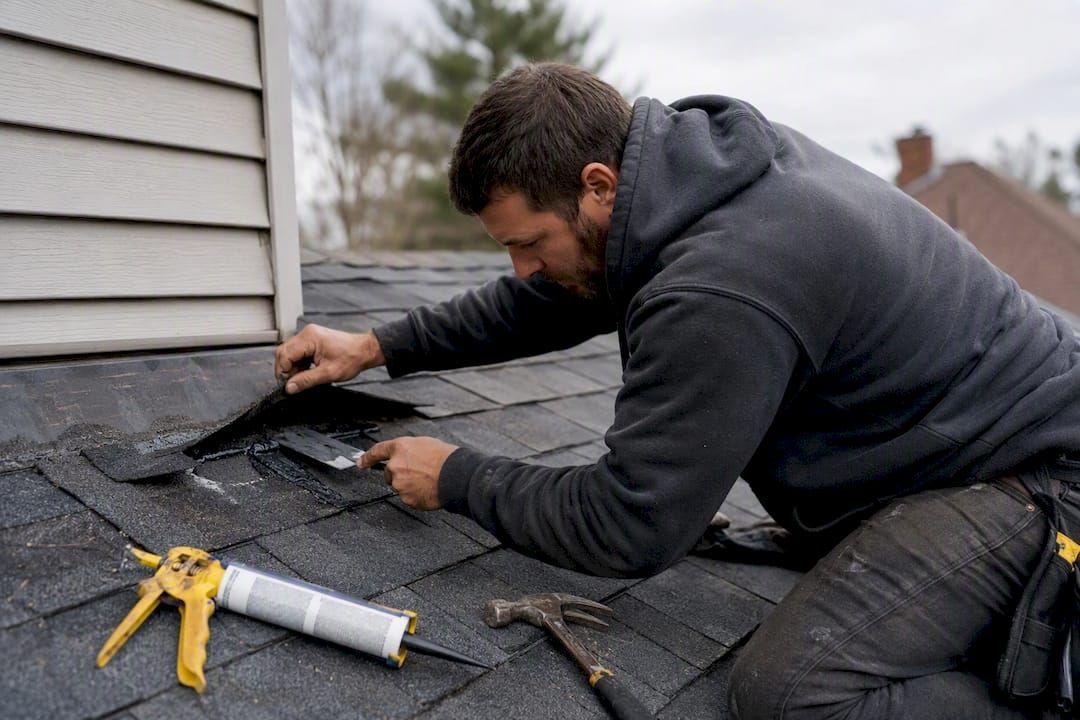
Ongoing inspection is equally critical and equally undervalued. Most TPO failures we encounter are not catastrophic membrane failures. They are small issues: a seam that was not fully welded at a corner, a penetration flashing that has started to lift, a drain that has partially blocked and created a ponding condition. Caught early during an annual inspection, those issues cost a few hundred dollars to fix. Left undetected for two or three years, they can mean full section replacements and interior damage claims from tenants.
Our strong recommendation is to schedule annual third-party inspections even for new TPO roofs, not just when you suspect a problem. Keeping documented inspection records also protects your roof warranty coverage, since most manufacturers require evidence of regular maintenance to honor long-term warranty claims.
The bottom line is this: TPO is an outstanding commercial roofing system. But the property managers who get the most out of it are the ones who treat installation quality and ongoing care as non-negotiable, not as optional upgrades.
Plan your next steps with commercial TPO roofing experts
Armed with these insights, here is how you can take action and protect your commercial property investment.
At Upstate Roofing, our licensed commercial roofing team works with property managers and building owners to design, install, and maintain TPO systems that perform for decades. Whether you are evaluating a new installation, dealing with an aging membrane, or trying to qualify for energy rebates, we bring the technical depth and field experience to get it right.

We offer TPO roof replacement solutions tailored to your building's specific slope, climate, and use requirements, along with custom maintenance plans that keep your warranty intact and your roof performing at its best. Reach out to our team for a professional inspection and a straightforward conversation about what your commercial property actually needs.
Frequently asked questions
How long does a TPO roof typically last on a commercial building?
When professionally installed and maintained, TPO roofs can last 20 to 30 years. Proper seam detailing and attachment are the primary factors that determine where in that range a specific roof lands.
Do TPO roofs help reduce energy costs in hot climates?
Yes, TPO roofs' high solar reflectance significantly lowers cooling costs in warm regions. Energy programs rely on CRRC-rated reflectance and emittance values rather than manufacturer claims to verify those savings.
What maintenance does a commercial TPO roof require?
Regular inspections and prompt repair of seams or punctures are the foundation of good TPO maintenance. The system-level durability of TPO depends on disciplined inspection and maintenance schedules, not just the quality of the membrane itself.
Can TPO roofing qualify my building for energy rebates or programs?
Most programs require CRRC-rated products and evaluate both initial and aged reflectance values. TPO membranes often qualify, but cool-roof program thresholds vary by climate zone and roof slope, so verify compliance with the specific program before installation.
Recommended
Recent Posts