
Gutter guards explained: the ultimate homeowner's guide
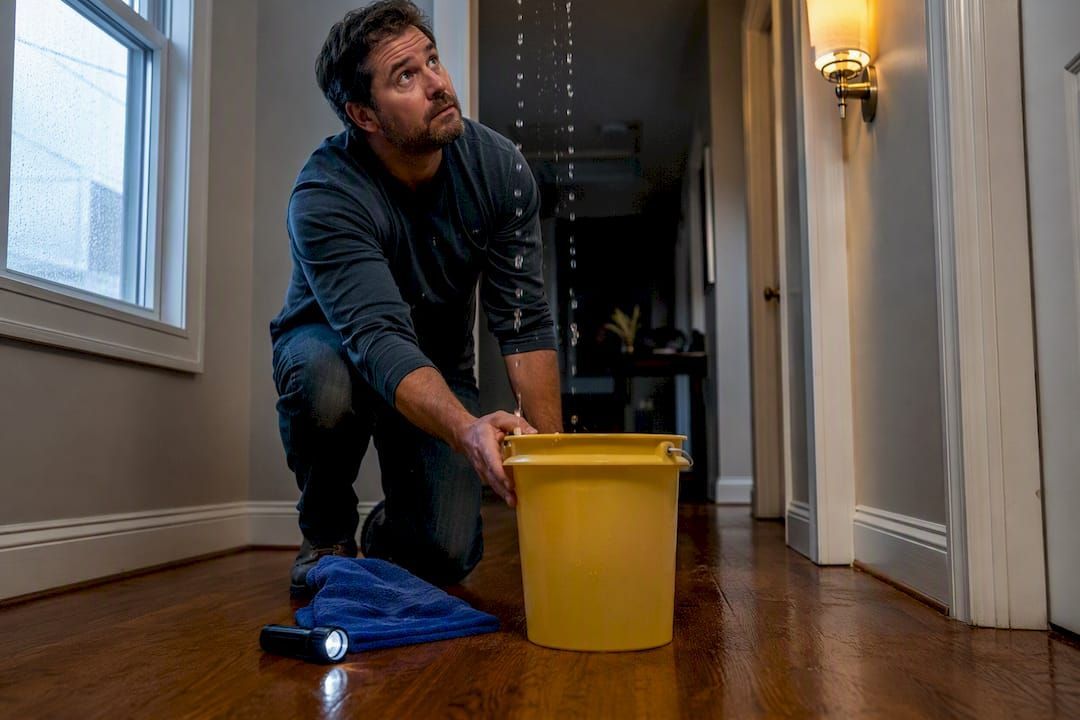
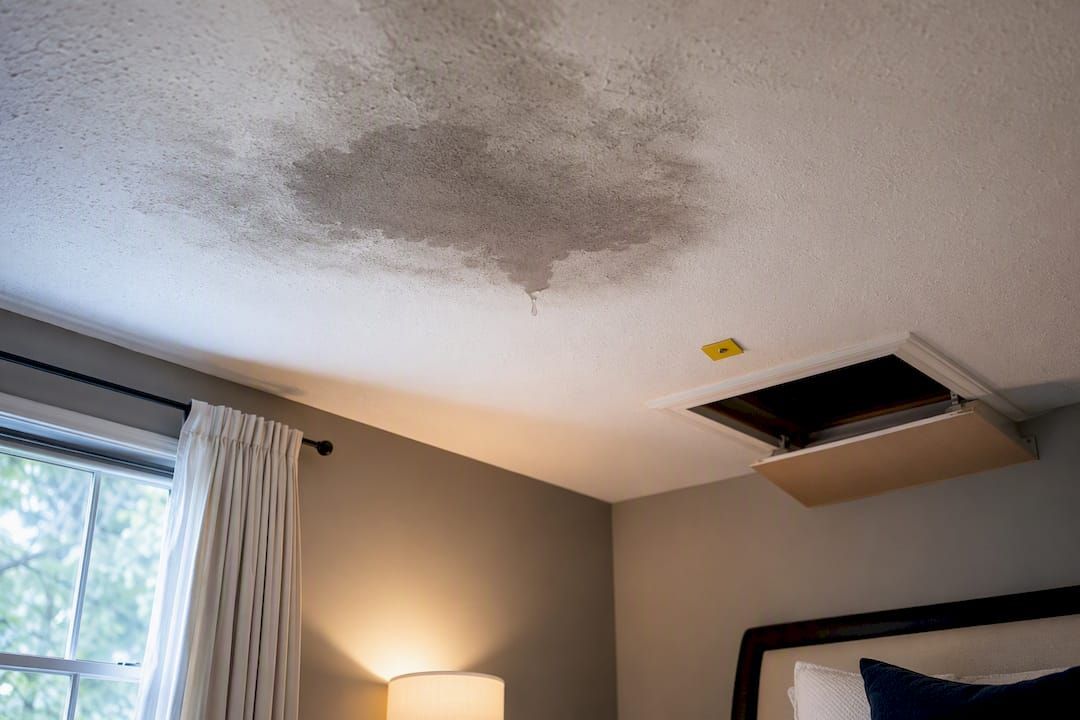
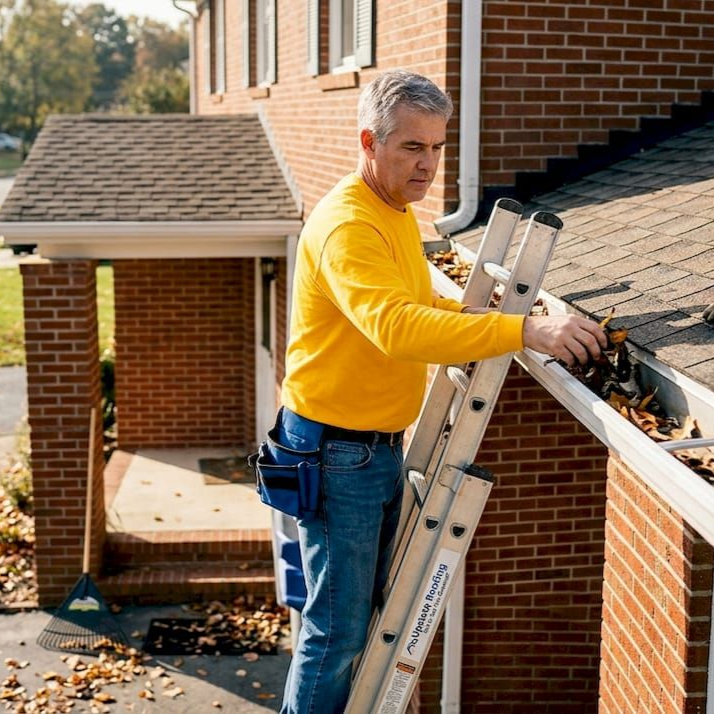
Most homeowners think of gutter cleaning as a twice-a-year chore, something to knock out on a Saturday and forget about. But unprotected gutters are quietly working against your home every time it rains. Water overflow, rotting fascia boards, flooded basements, and cracked foundations are not rare worst-case scenarios. They are the predictable results of gutters that cannot do their job. Gutter guards change that equation entirely, and this guide walks you through everything you need to know, from how they work and which types perform best, to how to choose the right system for your specific home.
Key Takeaways
| Point | Details |
|---|---|
| Gutter guards prevent clogs | Installing gutter guards keeps out leaves and debris, protecting your home from water damage. |
| Reduce maintenance effort | With guards, you will need to clean your gutters far less often, saving time and hassle. |
| Choose the right type | The best gutter guard for you depends on your home's roof, local climate, and sources of debris. |
| Professional installation matters | Hiring experts for installation ensures maximum performance and longevity of your gutter system. |
What is a gutter guard and how does it work?
A gutter guard is a protective cover or insert placed over or inside your gutters to block debris from entering while still allowing rainwater to flow through freely. Think of it as a filter for your roofline. Leaves, twigs, pine needles, seed pods, and even small animals are stopped at the surface, while water passes through into the gutter channel and drains safely away from your home.
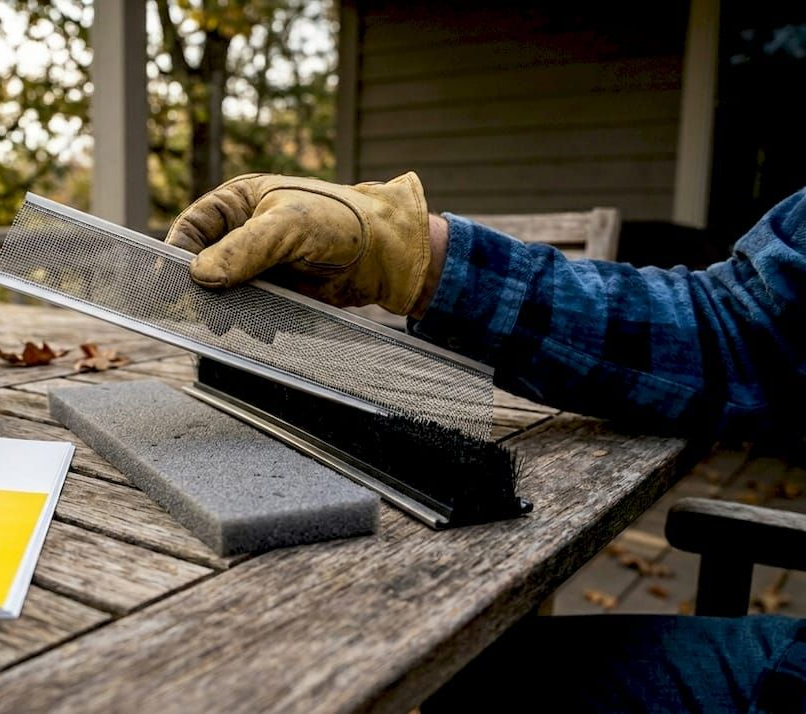
The basic principle is simple, but the engineering behind different guard styles varies quite a bit. Some guards use fine mesh to filter out even small particles. Others rely on surface tension, the natural tendency of water to cling to a curved surface, to guide water into the gutter while debris falls off the edge. Still others use physical barriers like foam or brush inserts that sit inside the gutter channel itself.
Here is why this matters for your residential roofing system as a whole. Your gutters are the drainage layer of your roof. When they clog, water backs up under shingles, saturates fascia boards, and pools around your foundation. Gutter guards keep that drainage path open, which protects not just the gutter itself but the entire structure it serves.
Key functions that a quality gutter guard performs:
- Blocks leaves, twigs, pine needles, and seed pods from entering the gutter channel
- Prevents bird and rodent nesting inside gutters
- Reduces standing water that breeds mosquitoes
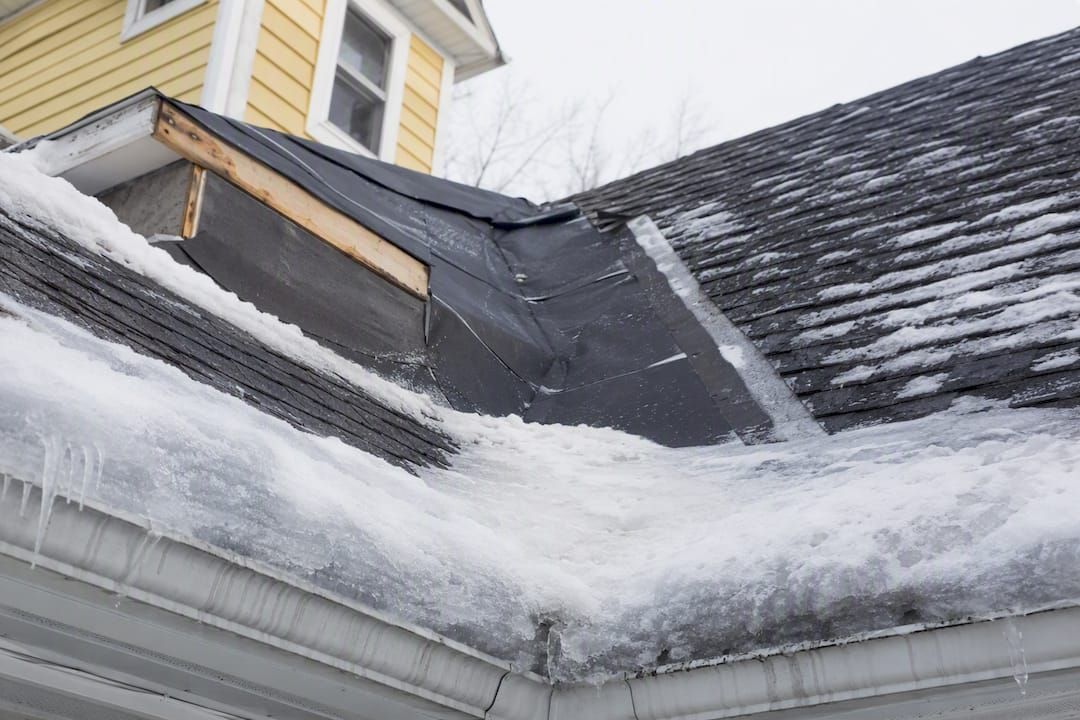
- Minimizes ice dam formation in colder climates by keeping water moving
- Protects fascia boards and soffits from prolonged moisture exposure
- Reduces the frequency of hands-on cleaning at height
Pro Tip: Placement matters as much as the product itself. Guards installed at the wrong angle or without a snug fit against the roof edge can actually direct water over the gutter rather than into it. Always verify that the guard sits flush with both the gutter lip and the roofline before considering installation complete.
Major types of gutter guards: pros and cons
With the basic concept clear, the next step is understanding which type of guard fits your home. There are five main categories, and each has a distinct design philosophy, performance profile, and price point.
-
Mesh screen guards use a fine metal or plastic grid stretched across the top of the gutter. Water passes through the tiny holes while debris sits on top and eventually blows away or dries out. These are widely considered the most effective option for homes surrounded by trees because they block even small particles like shingle grit and pine needles.
-
Reverse curve guards (also called surface tension guards) feature a curved surface that guides water over the top and into a small slot at the gutter edge. Debris is supposed to fall off the outer curve. They work well for heavy rainfall but can struggle with fine debris and may be more visible from the street.
-
Bottle brush guards are cylindrical brushes inserted directly into the gutter channel. Debris sits on top of the bristles while water flows through. They are easy to install but tend to trap small debris and seeds inside the bristles over time, requiring more frequent cleaning than other types.
-
Foam guards are porous foam inserts that sit inside the gutter and allow water to seep through while blocking larger debris. They are inexpensive and easy to install, but foam can harbor mold and plant growth if not maintained, and they tend to degrade faster than metal alternatives.
-
Nylon or micro-mesh guards are a premium variation of mesh guards with even finer filtration. They are particularly effective in climates with heavy snowfall because they resist ice buildup better than coarser options.
| Guard type | Best for | Maintenance level | Approximate cost per linear foot |
|---|---|---|---|
| Mesh screen | Heavy leaf fall | Low | $1 to $4 |
| Reverse curve | High rainfall areas | Medium | $3 to $6 |
| Bottle brush | Light debris areas | Medium to high | $2 to $4 |
| Foam insert | Budget-conscious buyers | High | $1 to $3 |
| Micro-mesh | Mixed debris, snow climates | Very low | $4 to $10 |
The right choice depends on your specific environment. A home surrounded by oak trees needs a different solution than a home in an open suburban lot. Climate also plays a major role. In regions with harsh winters, a micro-mesh guard that resists ice formation is worth the higher upfront cost.
How gutter guards protect your home and save money
Gutter guards are not just a convenience product. They are a structural investment. The damage that flows from clogged gutters is expensive, often running into thousands of dollars before homeowners even realize the source of the problem.
Water damage and foundation risk. When gutters overflow, water does not just spill harmlessly onto the ground. It saturates the soil directly against your foundation, which can lead to basement flooding, foundation cracking, and soil erosion under your landscaping. The average foundation repair in the United States costs between $2,000 and $7,500, and water intrusion is one of the leading causes.
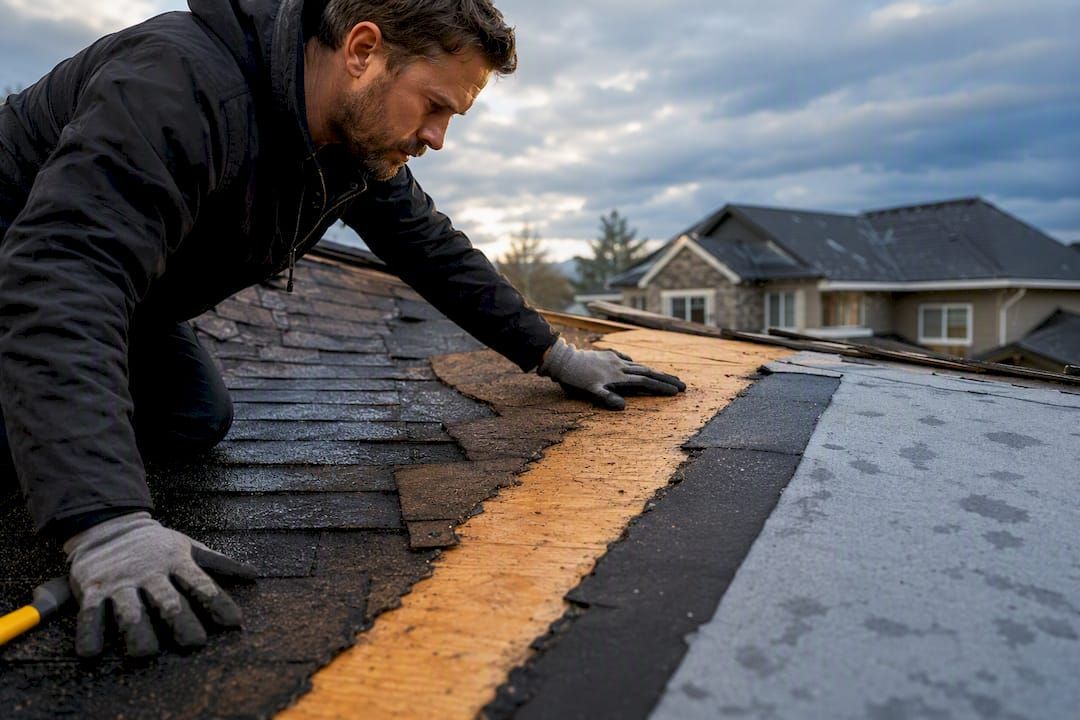
Roof and fascia deterioration. Backed-up water sitting in a clogged gutter puts constant moisture pressure on the fascia boards and roof edge. Over time, this causes wood rot, which can spread into the roof deck itself. Replacing rotted fascia and roof decking is significantly more expensive than preventing the problem in the first place.
Pest infestations. Standing water and decomposing leaf matter in gutters create ideal conditions for mosquitoes, carpenter ants, and even rodents. Gutter guards remove the habitat entirely.
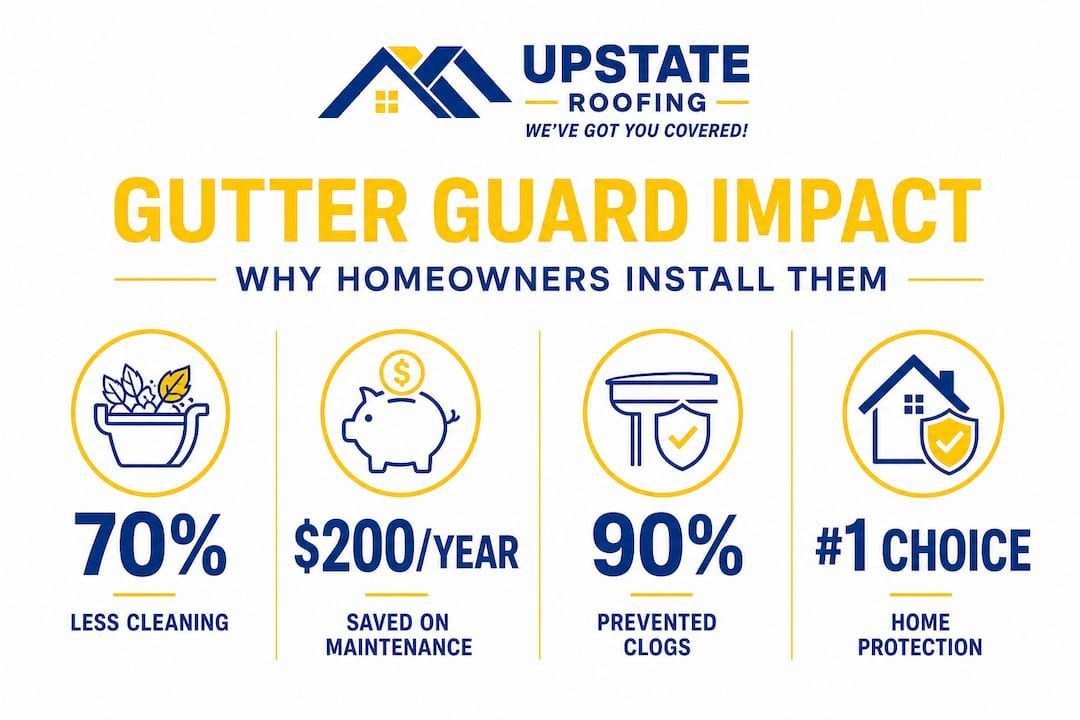
The cost savings of reduced cleaning. Professional gutter cleaning typically runs between $100 and $250 per visit depending on home size and gutter condition. Most unprotected gutters need cleaning two to four times per year. Over ten years, that adds up to $2,000 to $10,000 in service costs alone, not counting any repairs. A quality gutter guard system installed professionally may cost $1,000 to $2,500 for an average home, meaning it often pays for itself within three to five years.
| Scenario | 10-year cost without guards | 10-year cost with guards |
|---|---|---|
| Cleaning only (2x per year at $150) | $3,000 | $600 (occasional checks) |
| One fascia repair | $800 to $1,500 | Likely avoided |
| One foundation drainage fix | $2,000 to $5,000 | Likely avoided |
| Guard installation | $0 | $1,000 to $2,500 |
| Estimated total | $5,800 to $9,500 | $1,600 to $3,100 |
Additional benefits homeowners often overlook:
- Guards reduce the risk of ice dams in winter by keeping water moving rather than pooling and freezing
- Dry, debris-free gutters are far less likely to pull away from the fascia under weight
- Reduced moisture around the roofline lowers the risk of mold growth in attic spaces
- Guards help maintain your home's curb appeal by preventing the overflow staining that appears on siding and driveways
Important: Even with gutter guards installed, gutters can still accumulate fine sediment, shingle granules, and small debris over time. Guards reduce cleaning frequency dramatically, but they do not eliminate the need for periodic inspection entirely.
How to choose and install the right gutter guard for your home
Choosing the right gutter guard is not a one-size-fits-all decision. The best system for your neighbor's home might be a poor fit for yours. Here is a practical framework for making the right call.
-
Assess your debris environment. Walk around your property and note what falls onto your roof. Heavy leaf fall from oak, maple, or sweet gum trees demands a fine mesh or micro-mesh guard. Pine trees drop needles that can slip through coarser guards. Open lots with minimal tree cover may do fine with a basic screen.
-
Consider your climate. Homes in areas with heavy snowfall or frequent freeze-thaw cycles need guards that resist ice formation. Micro-mesh guards with aluminum frames handle this better than foam or brush inserts, which can trap moisture and freeze solid.
-
Match the guard to your roof type. Steep-pitched roofs shed water faster, which means guards need to handle higher water volume without sending it over the edge. Low-slope roofs have different drainage dynamics. Our team has seen this firsthand on projects like this roofing project in Rocklin , where roof pitch and local debris type both shaped the right gutter solution.
-
Decide between DIY and professional installation. Many box-store guard kits are designed for homeowner installation, and for simple single-story homes with standard gutters, DIY can work well. However, two-story homes, complex rooflines, and steep pitches introduce real fall hazards and fitting challenges. Professional installation also typically comes with a warranty on both labor and materials.
-
Set a realistic budget. Entry-level foam and brush inserts start under $1 per linear foot. Premium micro-mesh systems with professional installation can reach $10 to $15 per linear foot. The middle ground, aluminum mesh guards professionally installed, typically offers the best balance of performance and value for most homeowners.
Pro Tip: Time your installation strategically. Installing guards just before peak leaf-fall season in autumn gives you immediate protection when debris volume is highest. In snow-prone regions, getting guards in place before the first freeze prevents ice dam formation from the very start of winter.
Caution: Improperly installed gutter guards can void your roofing warranty if they require lifting shingles during installation. Always confirm installation method with your roofing contractor before proceeding, and ask specifically whether any shingles will be disturbed.
The truth about gutter guards: what most homeowners overlook
Here is something the marketing materials rarely tell you. No gutter guard is truly maintenance-free. We have seen homes where the owners installed premium micro-mesh systems, congratulated themselves on solving the gutter problem forever, and then called us three years later with overflowing gutters and early signs of fascia rot. The guards were fine. The gutters were packed with fine sediment and shingle granules that had slowly accumulated below the mesh.
The "set it and forget it" narrative sells products, but it does not protect homes. The honest reality is that gutter guards shift your maintenance from frequent hands-on cleaning to less frequent but still necessary inspection. That is a genuinely valuable shift. Twice-a-year cleaning becomes once-a-year inspection. But it does not become zero.
The second thing most advice misses is the importance of the installer over the product. A $10-per-foot micro-mesh system installed poorly will underperform a $3-per-foot mesh guard installed correctly. Fit, angle, and integration with the existing gutter profile determine real-world performance. We have repaired gutter systems where the guard itself was excellent but had been installed at the wrong pitch, directing water behind the gutter and straight down the exterior wall.
Our gutter cleaning experts regularly find that homeowners with guards in place are often more surprised by problems than those without, simply because they assumed the system was handling everything. The savvy approach is to treat gutter guards as a major upgrade that still requires a professional eye once a year. Think of it like having a high-quality air filter in your HVAC system. It dramatically reduces the work, but you still check it.
Finally, choose a contractor who understands your full roofline, not just the gutters. Gutter performance is tied directly to roof drainage design, fascia condition, and downspout placement. A specialist who sees the whole picture will spec the right guard and install it in a way that works with your home rather than against it.
Get expert help with gutters and roofing
If this guide has you thinking seriously about upgrading your gutter system or checking on the condition of your current setup, the smartest next step is getting a professional set of eyes on your home.
At Upstate Roofing, our team handles everything from professional roof inspection to full gutter system upgrades. Whether you need a one-time gutter cleaning services visit to assess what you are working with, or you are dealing with water damage that requires roof repair solutions , we bring the same licensed, experienced approach to every job. We use premium materials, stand behind our work, and give you honest recommendations without upselling what you do not need. Reach out today to schedule a consultation and find out exactly what your home needs to stay protected through every season.
Frequently asked questions
How often should gutter guards be cleaned or checked?
Gutter guards should be inspected and lightly cleaned at least once a year, with twice-yearly checks recommended for homes surrounded by heavy tree cover or in climates with significant snowfall.
Can gutter guards eliminate gutter cleaning entirely?
No, gutter guards significantly reduce how often cleaning is needed, but fine debris, sediment, and shingle granules can still accumulate over time and require periodic removal.
Do gutter guards work with all types of roofs?
Most gutter guards are compatible with standard asphalt shingle, metal, and tile roofs, but you should always confirm compatibility with your specific roofing system before purchasing, especially on low-slope or specialty roofs.
Are professional gutter guard installations better than DIY kits?
Professional installation delivers better fit, longer-lasting performance, and typically includes a warranty, making it the stronger choice for two-story homes, steep rooflines, or complex gutter configurations.