

How gutter cleaning works: The homeowner's complete guide

May 15, 2026

Share this article

How gutter cleaning works: The homeowner's complete guide

gutter cleaning company near me

Gutters look like a small detail on your house. They're not. Understanding how gutter cleaning works is one of the most high-value maintenance decisions you can make as a homeowner or property manager, because what's sitting inside those channels right now could be silently routing water toward your foundation, rotting your fascia boards, or setting up your roof for a leak this winter. Most people treat gutter cleaning as a chore to procrastinate. This guide explains exactly how the process works, what tools do it right, and what mistakes turn a simple maintenance task into an expensive repair bill.


Key Takeaways

Point Details
Prevent costly damage Regular gutter cleaning stops water damage to your home's foundation and roof that can cost thousands to fix.
Follow safety rules Use the OSHA 4:1 ladder rule and a stabilizer to avoid falls and protect gutters during cleaning.
Clean properly Remove debris first from gutters then flush downspouts using correct sequences for best results.
Identify structural issues Look for sagging gutters and lost pitch which cause overflow even if gutters are clean.
Use modern tools Long-reach pressure washer wands and leaf blower attachments help clean gutters safely from the ground.

Why gutter cleaning matters: Protecting your home's foundation and roof

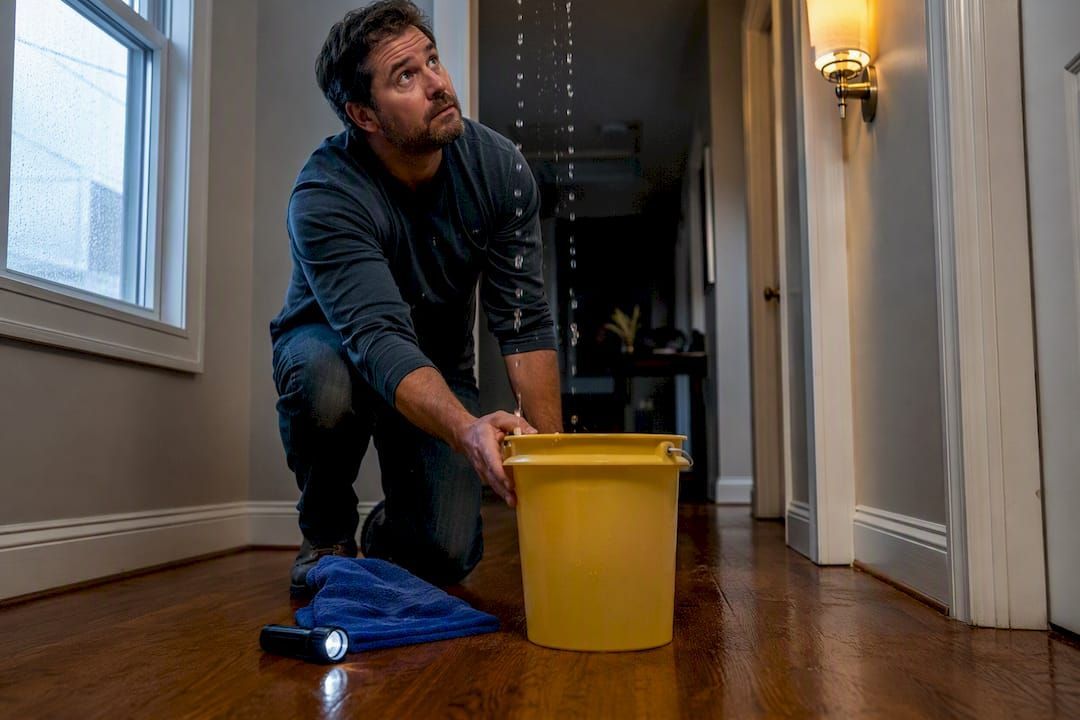
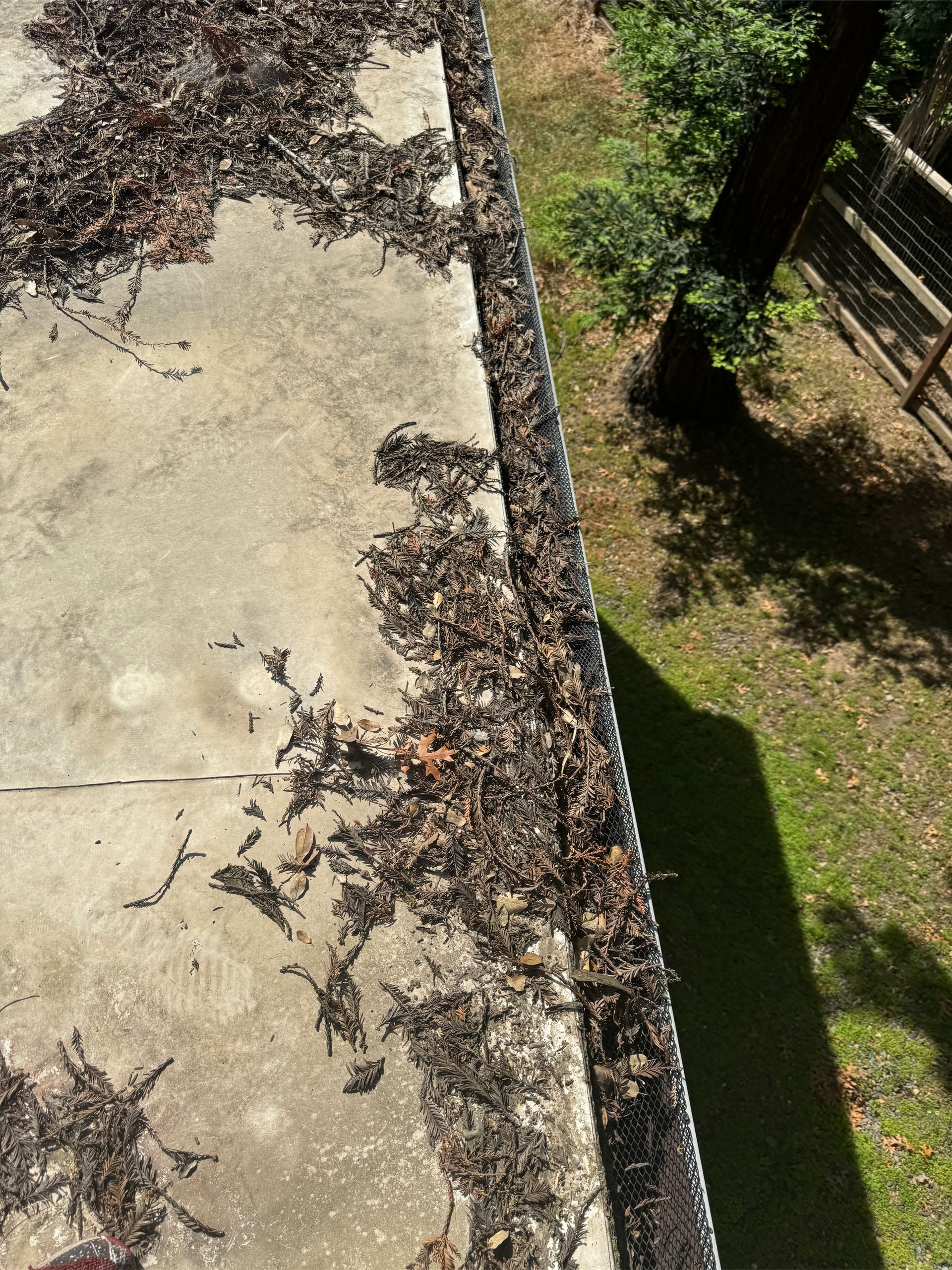
Gutters exist for one reason: to redirect rainwater away from your home's structure. When they clog, that water has nowhere to go except over the edge, straight down against your foundation, or backward under your roofline. Neither option is cheap.

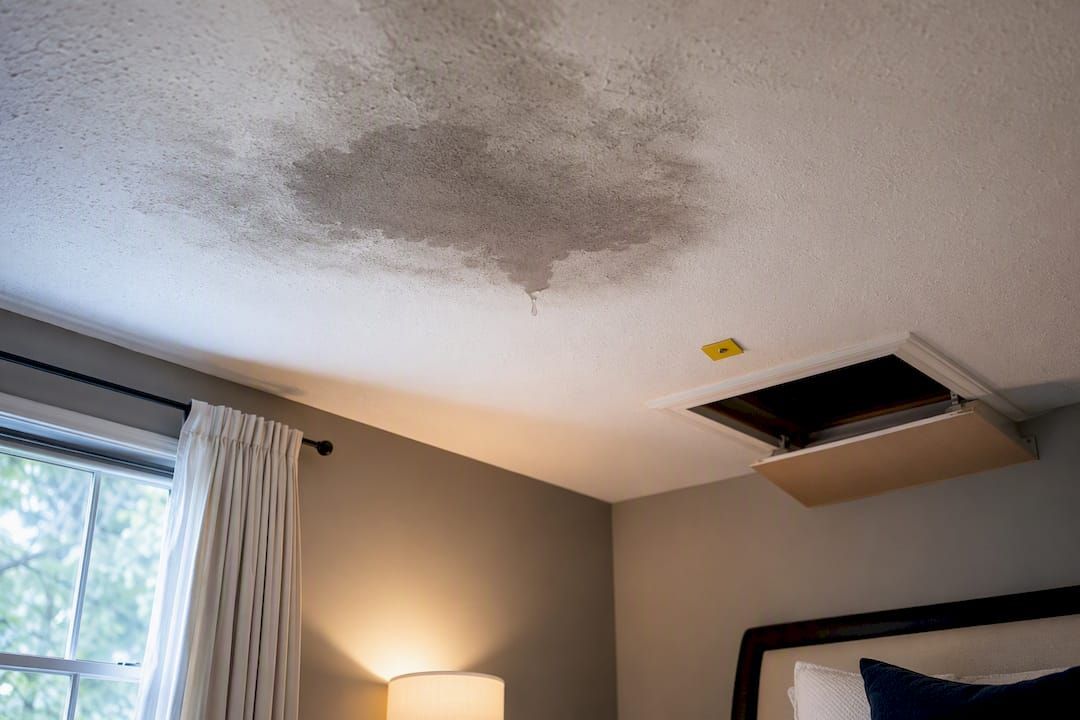
Overflowing gutters force water against your foundation, causing erosion, basement flooding, and structural shifting that costs between $1,000 and $4,500 annually to repair. That's not a one-time hit. That's the kind of damage that compounds quietly over years until the repair bill shocks you.

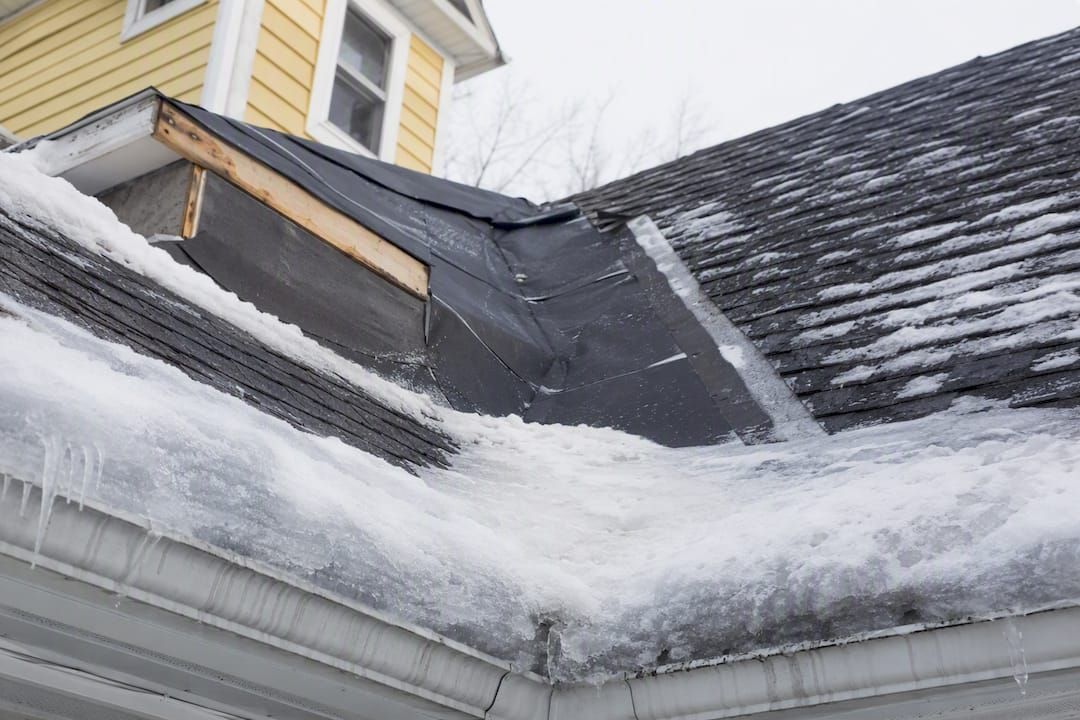
Beyond the foundation, the consequences spread upward. Clogged gutters create conditions for roof damage, pest infestations, and ice dams in colder climates. Ice dams form when trapped water in poorly draining gutters freezes, expands, and forces ice under your shingles, compromising insulation and inviting interior leaks.

Here's what neglected gutters actually damage:

  • Foundation and basement : Overflowing water saturates soil, erodes grading, and hydrostatic pressure (the force of water pressing against a surface) can crack foundation walls
  • Fascia boards : The wood trim behind your gutters rots when standing water sits against it for extended periods
  • Roof shingles and underlayment : Ice dams and water backup cause shingle lifting and rot in the roof deck below
  • Landscaping : Uncontrolled overflow digs channels through mulch, erodes garden beds, and kills plants with waterlogging
  • Pest infestations : Standing water and decomposing leaves attract mosquitoes, carpenter ants, and even rodents

Gutter cleaning is not landscaping maintenance. It is structural maintenance. The cost of skipping it shows up in your foundation, your roof, and your pest control bills, not just in a messy yard.

Pairing your gutter cleaning schedule with a solid roof maintenance plan is the most efficient way to catch problems before they grow.


The step-by-step gutter cleaning process: Tools, safety, and techniques

Knowing how to clean gutters correctly is about more than grabbing a ladder and a garden hose. Sequence matters. Safety matters. The wrong approach either packs debris deeper into your downspouts or puts you in the emergency room.

What you need before you start

Tool Purpose
Extension ladder with stabilizer Safe, stable access above gutter line
Plastic gutter scoop Debris removal without scratching gutter surface
Work gloves Hand protection from sharp debris and bacteria
Safety glasses Protection from debris dislodged during cleaning
Garden hose with spray nozzle Flushing gutters and downspouts after clearing
Plumber's snake (optional) Clearing stubborn downspout blockages
Bucket with S-hook Collecting debris without dropping it into landscaping

The correct cleaning sequence

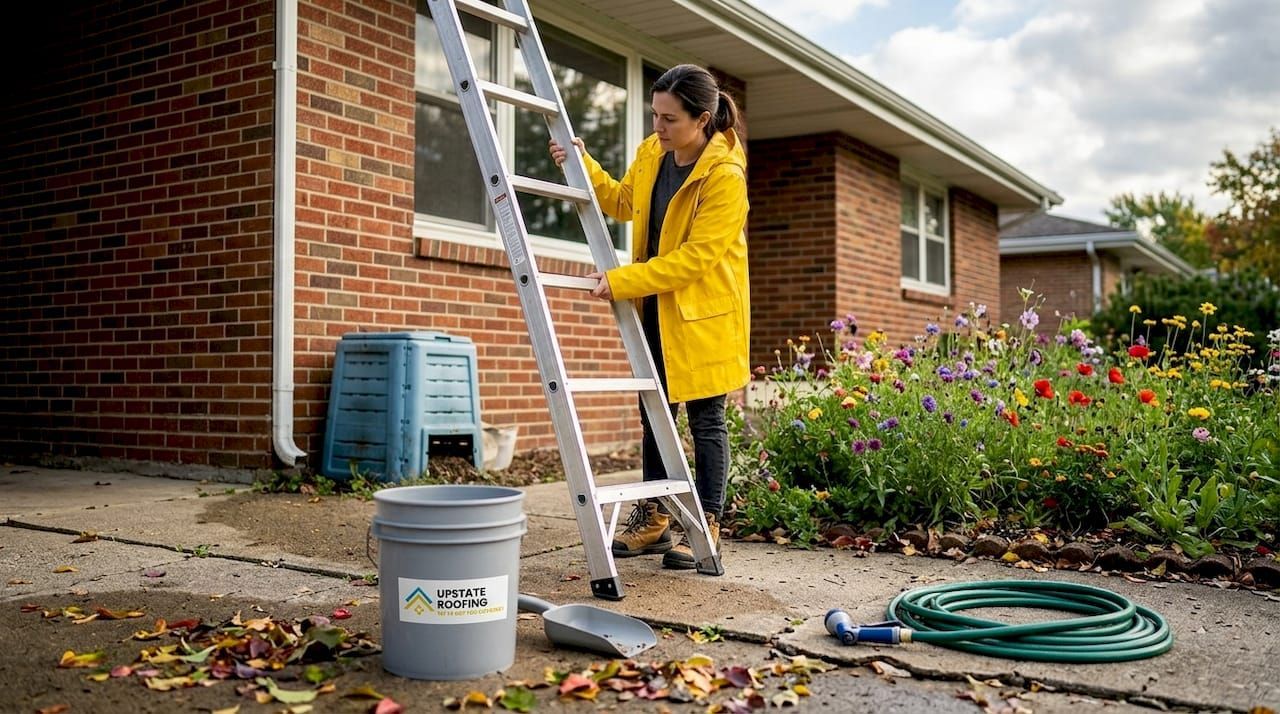
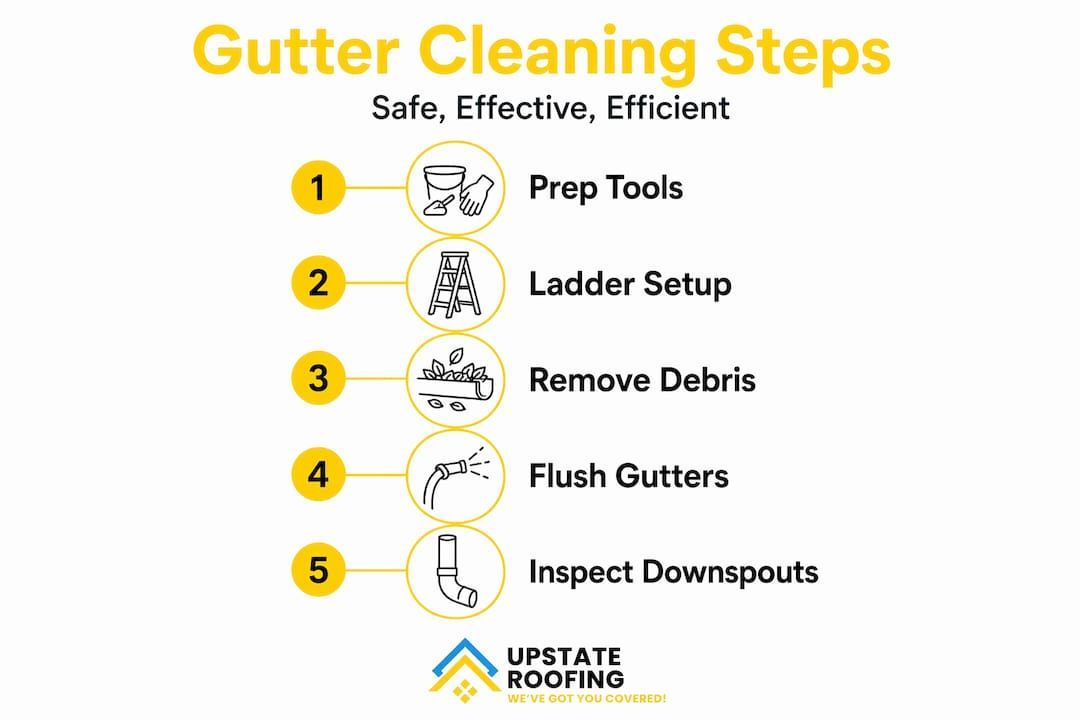
  1. Set your ladder correctly. The 4:1 ladder rule means placing the base one foot out from your house wall for every four feet of vertical height. Use a stabilizer (a V-shaped attachment) positioned above the gutter line, not resting on the gutter itself.
  2. Maintain three points of contact. Two feet and one hand, or two hands and one foot, on the ladder at all times. Never reach sideways more than arm's length. Reposition the ladder instead.
  3. Scoop from the open end toward the downspout. Working in this direction prevents pushing debris into the downspout opening and packing it into a harder clog.
  4. Remove debris by hand and scoop into a bucket. Plastic scoops conform to the gutter's curve without scratching the protective coating. Metal scoops can score the surface and accelerate corrosion.
  5. Flush gutters from the far end toward the downspout. After scooping, run your hose at full pressure from the end opposite the downspout. This confirms water flows correctly and reveals any hidden low spots where water pools.
  6. Test and clear the downspout. Flush downspouts after horizontal clearing to avoid pushing loose debris from the gutter directly into the pipe again. If water backs up, use a plumber's snake from the top down or disconnect the bottom elbow to access the clog directly.
  7. Inspect while you work. Clean gutters give you the best view of cracks, holes, sagging sections, and separated joints. Note anything that needs repair before climbing down.

Pro Tip: Lay a tarp on the ground below where you're working. Drop debris onto the tarp rather than into the garden. Cleanup takes three minutes instead of thirty.

Learning the proper gutter cleaning procedures makes the difference between a two-hour job and a half-day project. It's also worth looking into gutter guard options if you're tired of doing this more than twice a year.


Common gutter problems beyond cleaning: Sagging, clogs, and lost pitch

Here's what most gutter cleaning guides skip: sometimes the overflow problem has nothing to do with leaves. You can clean a gutter perfectly and still have water running over the side because of a structural issue that cleaning alone can't fix.

Pitch is everything. Gutters require a pitch of 1/16 inch per linear foot to drain toward the downspout. When hangers loosen or fail, the gutter sags and that slope reverses. Water pools in the low spot, grows heavy, and spills over. A gutter that overflows despite being clean almost always has a pitch problem.

What to inspect during every cleaning visit:

  • Hanger condition : Look for loose or missing spike-and-ferrule hangers (the metal fasteners that attach the gutter to the fascia). Modern hidden hangers are more reliable and easier to replace.
  • Sags and bows : Stand back and look at the gutter line from ground level. It should run in a straight line with a very slight slope. Any visible dip is a drainage problem.
  • Separated joints : End caps and corner joints that have pulled apart allow water to run down the exterior wall, which is often mistaken for a roof leak.
  • Holes and cracks : Small holes in aluminum gutters can be patched with gutter sealant. Larger failures or rusted sections of steel gutters usually mean replacement.
  • Downspout elbows : The bottom elbow where the downspout curves away from the house is where most residential clogs concentrate. Check it first during any maintenance visit.

Pro Tip: Before you flush your gutters with water, mark any sag locations with a piece of painter's tape on the fascia below. Once water is running, you can see exactly where flow stalls and confirm the pitch problem before climbing down.

Understanding gutter installation standards helps you recognize when what you're seeing is a design problem, not just a maintenance issue.


Innovative tools and techniques for safer, more efficient gutter cleaning

Ladder falls are one of the leading causes of home maintenance injuries among adults. The good news: modern gutter cleaning tools have made it genuinely possible to clean a single-story gutter system and even many two-story systems without ever leaving the ground.

Ground-level gutter cleaning tools worth using:

  • Telescoping pressure washer wands : These extend up to 18 feet with a curved nozzle that directs water flow into the gutter channel from below. Long-reach tools significantly reduce the need for ladder use and cut ladder injury risk.
  • Leaf blower gutter attachments : Extension poles with curved nozzles attach to most leaf blowers and blow debris out of gutters from the ground. Products like ArloCatcher's leaf blower kit are specifically designed for two-story gutters and can also clear downspouts without a ladder.
  • Wet/dry shop vacuums with gutter attachments : Curved tubes connect to your shop vac hose and suction debris out of gutters. This method works best for dry debris and minimizes mess.

Comparison of the best gutter cleaning methods

Method Ladder required? Best for Limitations
Manual scooping + hose Yes Thorough cleaning, inspection Highest ladder time, slower
Pressure washer wand Minimal Wet debris, flushing Can splash debris onto siding
Leaf blower attachment No Dry debris, speed Less thorough, blows debris onto roof or yard
Shop vac attachment No Dry debris, mess control Won't clear downspout clogs

Pro Tip: Carbon fiber extension poles weigh significantly less than aluminum alternatives. For anything over a 12-foot reach, lighter poles reduce arm fatigue enough to make a real difference in how carefully you work.

Investing in good gutter cleaning technology pays for itself the first time it keeps you off a ladder in wet conditions. Pairing these tools with the right gutter guard technology can reduce how often you need to clean at all.


Why most homeowners get gutter cleaning wrong—and what actually works

After years of working on residential and commercial roofs across all seasons, the pattern is consistent. The homes with the worst gutter-related damage are not the ones whose owners never cleaned their gutters. They're the homes where people thought they cleaned their gutters correctly and didn't.

The first and most dangerous mistake is ladder safety. Skipping proper ladder setup and overreaching to avoid repositioning causes the majority of gutter cleaning injuries. No amount of efficiency is worth a fall from 15 feet.

The second mistake is sequence. Scooping toward the downspout instead of away from it, or flushing before scooping, packs debris into the pipe and turns a two-minute downspout flush into an hour-long clog extraction. The cleaning sequence exists for a reason.

The third and least obvious mistake is misdiagnosing overflow. If your gutters overflow and they're clean, you do not have a cleaning problem. You have a pitch or structural failure that requires physical repair. Cleaning it again won't help.

One more thing on frequency: twice a year is a starting point, not a rule. Homes with heavy tree coverage, especially oak and pine, can accumulate enough debris to cause overflow within six to eight weeks of a cleaning. Quarterly visits are not excessive for those properties. They're necessary.

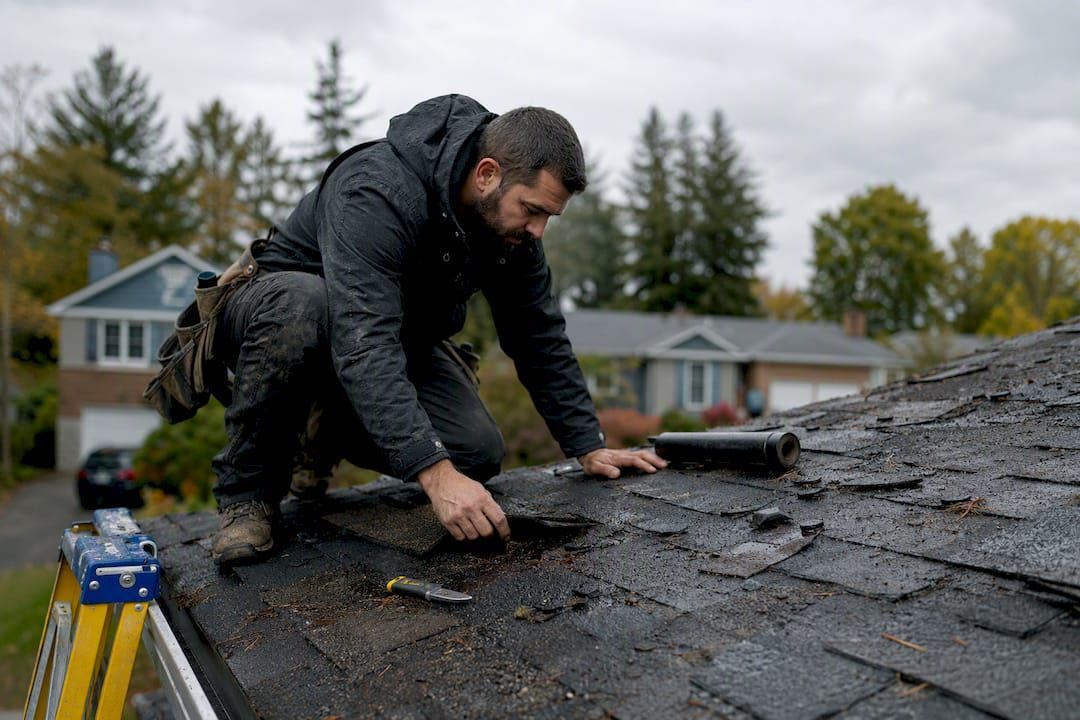
The single most effective habit we recommend: combine every gutter cleaning with a visual roof inspection. You're already on or near the roofline. Looking for lifted shingles, damaged flashing, or moss growth while you're up there takes 10 minutes and catches the kind of early damage that costs hundreds instead of thousands to fix. Connecting gutter maintenance to roof maintenance planning is the discipline that separates reactive homeowners from proactive ones.


Professional gutter cleaning and roof services for lasting home protection

Understanding the gutter cleaning process gives you a real advantage as a homeowner. Applying it correctly is another matter entirely, especially on multi-story properties, complex rooflines, or aging gutter systems that need more than cleaning.

At Upstate Roofing, our licensed team handles professional gutter cleaning with the full sequence: debris removal, downspout clearing, flushing, and a structural inspection that flags pitch loss, failing hangers, and damage before it becomes a repair emergency. We also pair every gutter service with a roofline check, so you're not just cleaning, you're maintaining.

If your roof needs attention beyond what maintenance can address, our roof replacement services and roof inspection services give you the full picture of your property's condition. Reach out to schedule a seasonal service visit and take the guesswork out of home protection.


Frequently asked questions

How often should I clean my gutters?

Most homes need gutter cleaning twice a year, in late spring and late fall, but homes with heavy tree coverage may need quarterly cleaning to prevent overflow between standard service visits.

What is the safest way to use a ladder for gutter cleaning?

Follow the 4:1 ladder rule by positioning the base one foot from the wall for every four feet of height, and always attach a stabilizer above the gutter line rather than resting the ladder directly against the gutter.

How do I clear a clogged downspout?

Start by flushing from the bottom up with a garden hose at full pressure. 90% of residential clogs respond to flushing; for the rest, a plumber's snake or disconnecting the bottom elbow gives you direct access to the blockage.

Can I clean gutters without climbing a ladder?

Yes. Telescoping wands and leaf blower attachments let you clean gutters from the ground, significantly reducing the risk of ladder falls while still effectively clearing debris and flushing downspouts.

Recommended

Recent Posts

tpo roof experts in sacramento
May 16, 2026
Discover what TPO roofing is and how it benefits your property. Learn about its durability, energy efficiency, and installation tips here!
commercial roofing company in sacramento
May 13, 2026
Discover essential roofing system components commercial buildings need. Ensure longevity and compliance with our comprehensive guide!
Leafguard guter service , installaion and maintenance
May 13, 2026
Discover our essential gutter repair DIY guide to prevent costly water damage. Act fast and safeguard your home from expensive repairs!
Man in a yellow shirt using a long-handled tool to clean house gutters beside a garden
May 12, 2026
Discover the role of a roof restoration program in extending your roof's life and saving money. Learn to protect your home today!
Worker in a neon safety vest inspecting a rooftop with tools and equipment nearby
May 11, 2026
Protect your investment with our essential commercial roof inspection checklist. Ensure compliance and avoid costly roof failures today!
Man in kitchen reviewing papers at desk, with text overlay: “Top 4 grandmarkservicecompany.com Alternatives 2026”
May 11, 2026
Discover 4 best grandmarkservicecompany.com alternatives for roofing solutions, comparing options for homeowners and property managers.
Worker in a reflective vest inspecting rooftop HVAC unit on a sunny city rooftop.
May 9, 2026
Explore essential commercial roofing material types to protect your investment. Learn about durability, cost, and ideal applications for your building.
Worker in yellow jacket inspecting a white rooftop with tools and city buildings in the background
May 8, 2026
Discover the top TPO roofing benefits for commercial buildings. Learn how TPO enhances durability and energy savings for your property.
Person walking on a rooftop with city buildings in the background, near large ventilation pipes.
May 7, 2026
Discover how to master the commercial roof coating application. Extend your roof's life and lower costs with our step-by-step guide!
Worker in yellow shirt cleaning roof gutters beside a brick house with a ladder nearby.
May 6, 2026
Discover how gutter guards can protect your home! Our guide on gutter guard explained covers types, benefits, and how to choose the best system.