

Roof Inspection Checklist for Homeowners in 2026
Your roof is doing serious work every day, and most homeowners only notice it when something goes wrong. A solid roof inspection checklist for homeowners takes the guesswork out of maintenance and catches small problems before they become expensive ones. Inspecting your roof twice a year , in spring and fall and after major storms, is the single most effective habit you can build for protecting your home. This guide walks you through every stage of a proper inspection: ground level, on the roof, and inside the attic, plus how to document what you find.
Key takeaways
| Point | Details |
|---|---|
| Inspect twice a year | Schedule roof checks every spring and fall, plus after any significant storm, to catch damage early. |
| Safety before access | Only access a roof with pitch 6:12 or less, dry conditions, proper footwear, and a spotter present. |
| Attic checks reveal hidden damage | Interior inspection spots leaks, moisture stains, and ventilation failures invisible from outside. |
| Document everything with photos | Photograph issues from multiple angles and note compass orientation to help contractors locate problems fast. |
| Rate severity before acting | Categorize findings as minor, moderate, or urgent so you spend repair money where it matters most. |
Roof inspection checklist homeowners should use
A professional roof inspection, formally known in the industry as a comprehensive roofing condition assessment , covers three distinct zones: the exterior at ground level, the roof surface itself, and the attic interior. Most homeowner guides skip the attic entirely. That is a mistake. Each zone tells a different part of the story, and missing any one of them means you could be carrying hidden damage for months without knowing it.
The good news is that a large portion of this work can be done safely from the ground or from inside your attic, which limits your exposure to real physical risk. You do not need to be a roofer to run through this checklist. You do need a plan, the right tools, and realistic expectations about when to call a professional.
Tools and safety prep
What to gather before you start
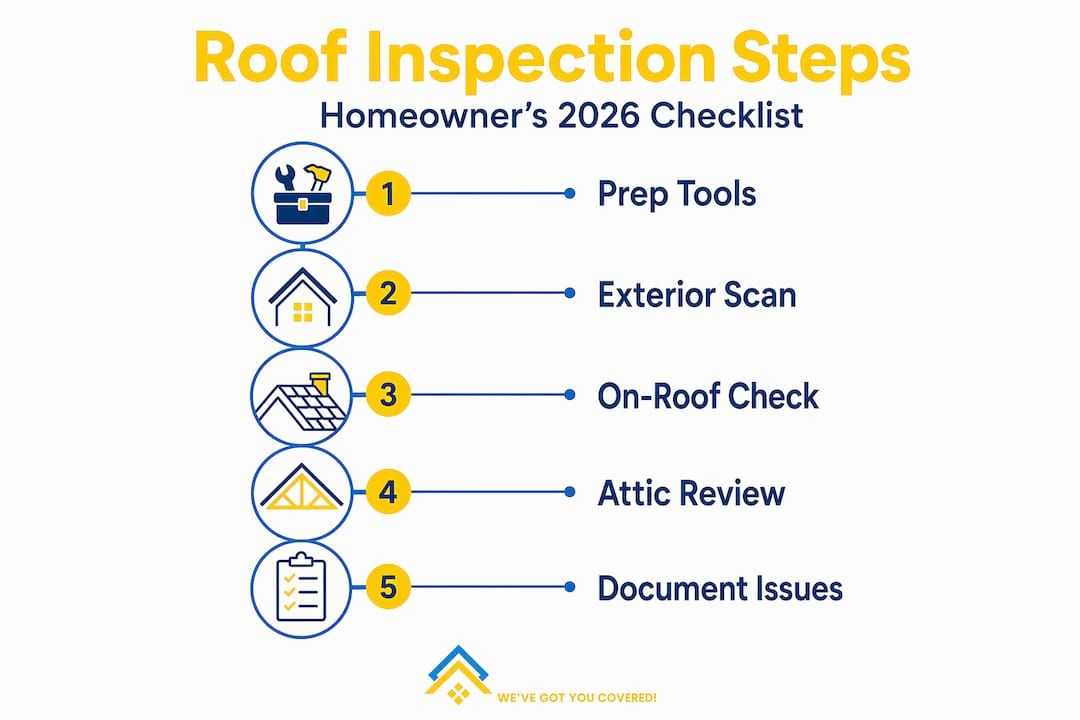
Before you climb anything or even step outside, pull together the following:
- Binoculars for magnified ground-level views of shingles, ridgelines, and flashings
- A digital camera or smartphone with a zoom function for documenting issues
- A stable ladder rated for your weight with non-slip feet
- A flashlight or headlamp for the attic inspection
- A notepad or inspection app for logging findings by roof section
- Rubber-soled shoes if you plan to access the roof surface
Ground-level inspections prevent most risk , and the majority of visible problems can be spotted without setting foot on the roof. Reserve on-roof access for pitches of 6:12 or less, in dry conditions, when the surface is fully cool and not slick from dew.
Pro Tip: Always bring a second person when inspecting your roof. They can steady the ladder, call for help if needed, and act as a second set of eyes on the ground while you are up high.
Never inspect a roof during wet weather, high winds, or extreme heat. Shingles become brittle in cold and slippery in rain. If your roof is steep or you have any doubts about safe access, stay on the ground and call a licensed inspector.
Exterior and ground-level checklist
Step-by-step walkthrough from the ground
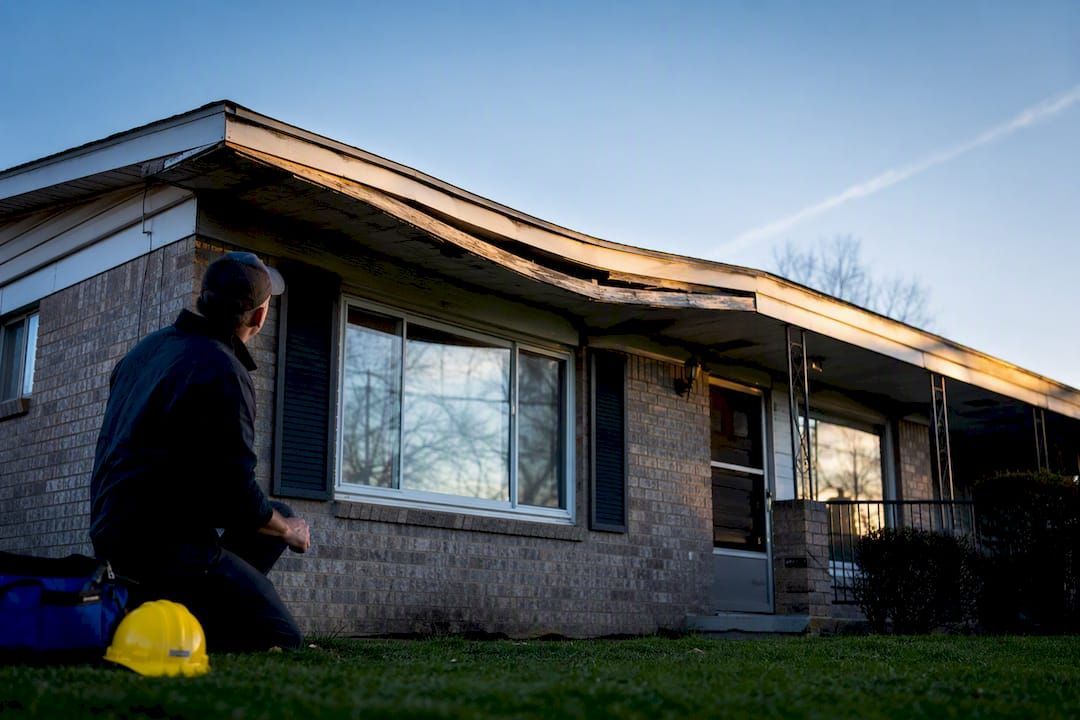
A thorough ground-level pass covers more than most homeowners realize. Walk the full perimeter of your home slowly, using binoculars to zoom in on different roof zones.
- Scan shingles systematically. Work from one end of the roof to the other. Look for missing, curling, or granule-loss shingles that signal aging or ventilation problems. Check gutters for excess granules, which look like coarse sand.
- Check the ridgeline. A straight ridgeline is a healthy one. Any dips, waves, or sagging sections suggest decking issues or structural movement underneath.
- Inspect gutters and downspouts. Blocked gutters cause water to back up under the roof edge. Look for sagging sections, separated joints, or standing water pooling near the foundation. If you notice significant damage, a DIY gutter repair guide can help you decide what to tackle yourself versus what needs a pro.
- Examine the soffit and fascia. These are the boards running under the roof overhang and along the roofline edge. Look for rot, peeling paint, holes, or pest damage.
- Check the chimney. From the ground, look for missing mortar, cracked masonry, and the condition of the metal flashing where the chimney meets the roof plane.
- Look at all roof penetrations. Vent pipes, skylights, and exhaust caps all have flashing that can separate or corrode. Any visible gap or rust staining around a penetration is worth noting.
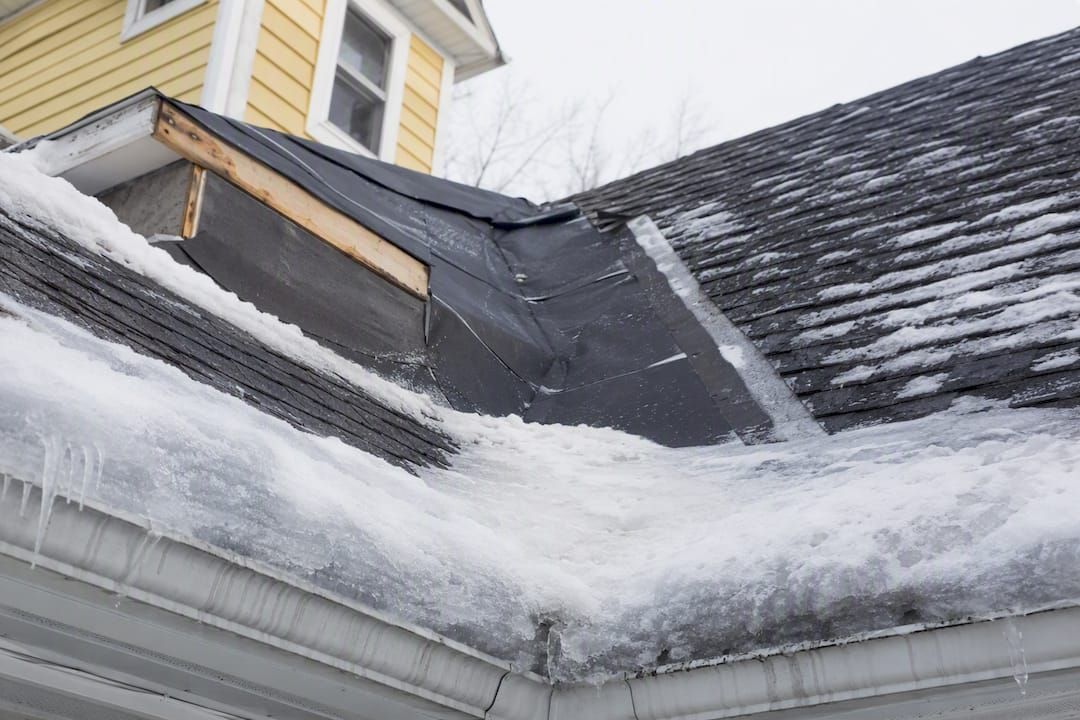
- Assess valley areas. Roof valleys where two planes meet carry heavy water flow. Visible rust on valley metal or lifted edges are red flags.
Pro Tip: Photograph every issue you find with your phone and note the orientation. Something like "north slope, two feet left of the chimney valley" gives a contractor exactly what they need to locate the problem without spending your money on a guessing game.
On-the-roof surface inspection
What to check if you can safely access the roof
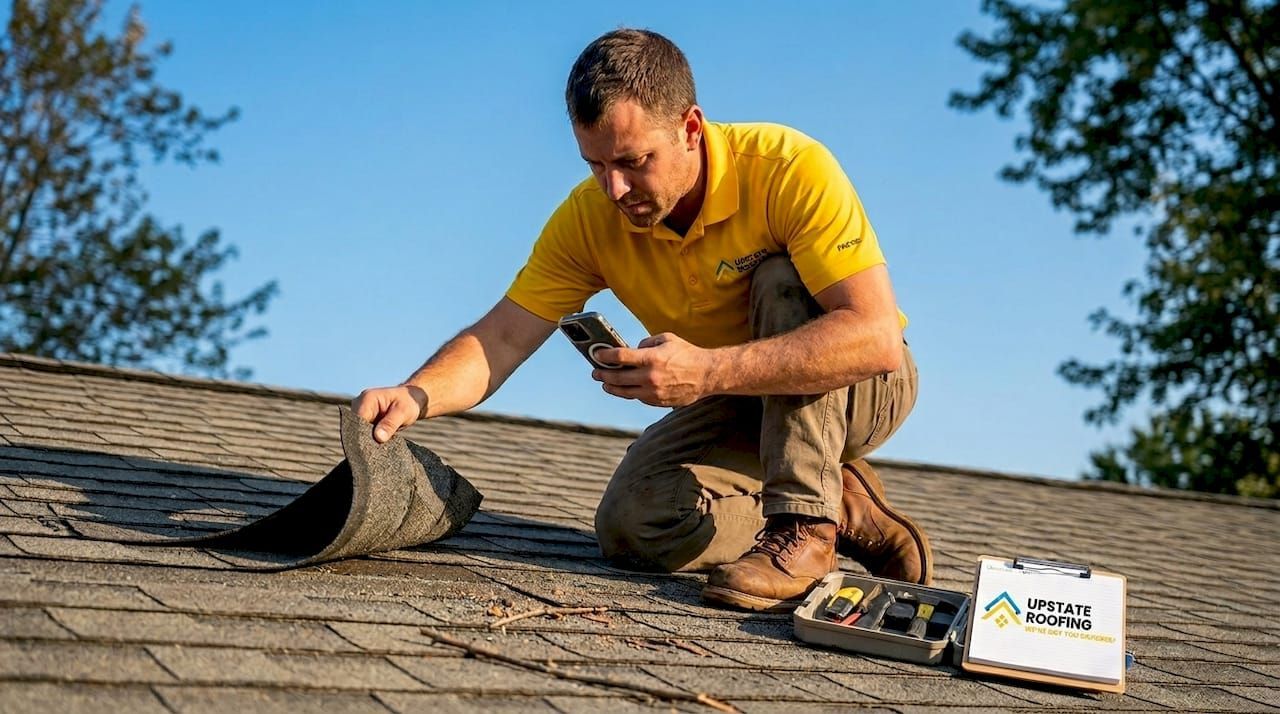
If your roof pitch is manageable and conditions are safe, a closer look at the surface adds meaningful detail to your home roof inspection. This is where you catch things binoculars cannot resolve.
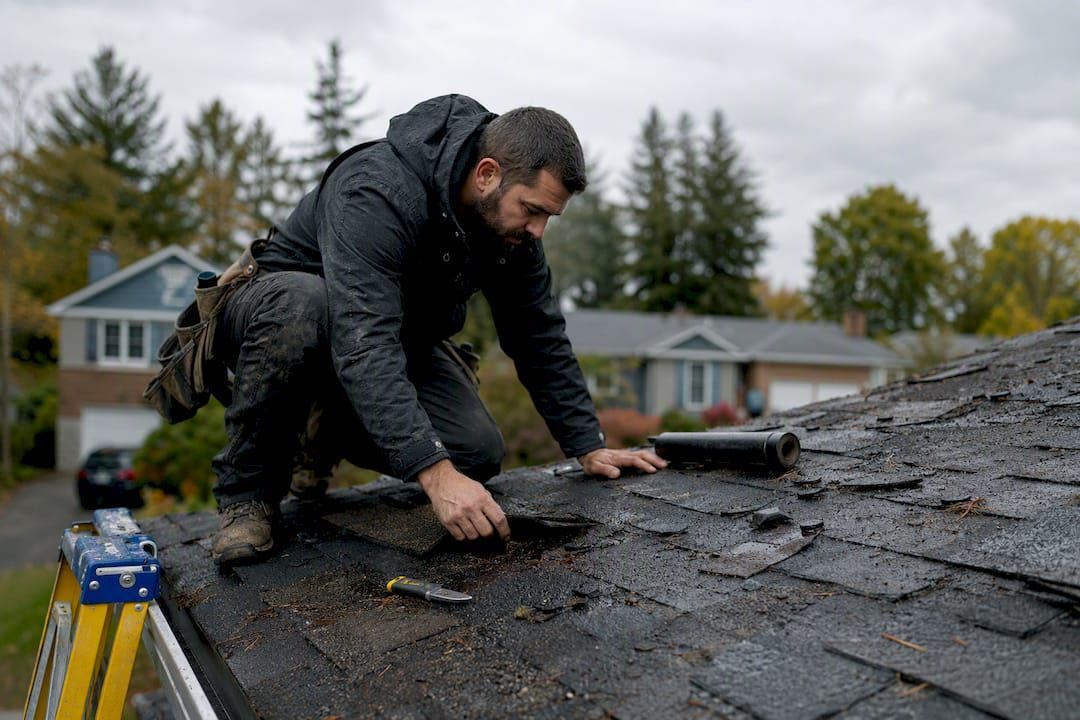
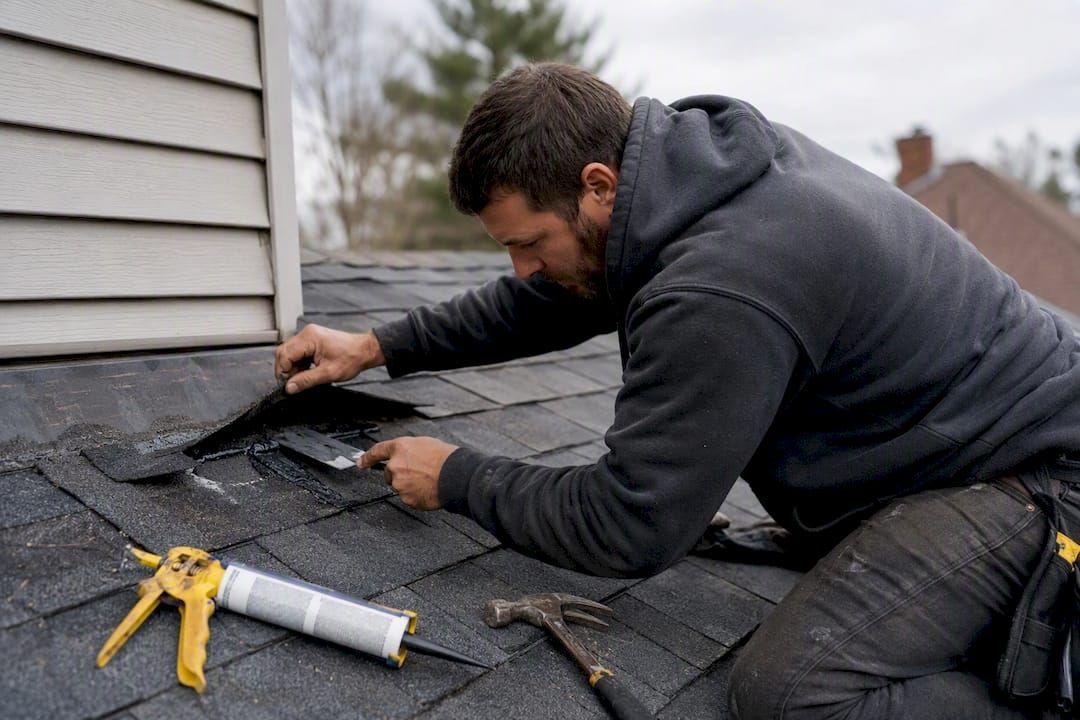
- Inspect shingles by hand. Feel for brittleness, lifting corners, cupping, or soft spots that indicate wet decking underneath. Cracked or blistered shingles may look acceptable from the ground but reveal their true condition up close.
- Check nail pops. Shingle nails that have backed out create small bumps under the shingle surface. These puncture points become leak paths in heavy rain.
- Examine pipe boots. The rubber collar around each plumbing vent pipe cracks and loses flexibility over time. A cracked pipe boot is one of the most common sources of attic leaks that go undiagnosed for years.
- Inspect step flashing along walls. Where your roof meets a vertical wall or dormer, step flashing pieces are layered in with the shingles. Check that none are lifted, rusted, or missing.
- Walk the ridge. Ridge cap shingles take more wind and UV exposure than any other area. Look for cracking, loose tabs, or any gaps where wind could get underneath.
- Check ridge vent condition. Ridge vents should be open and unobstructed. A clogged or crushed ridge vent directly impacts attic ventilation, which shortens shingle life across the entire roof.
Document everything you find with photos from multiple angles. Knowing severity at this stage helps you communicate clearly with a contractor and prioritize repairs intelligently.
Attic and interior inspection
The attic is where your roof inspection guide for homeowners gets real. Surface inspections can look clean while serious moisture damage is happening just below the sheathing. Every complete inspection must include an attic check.
Here is what to look for once you are inside:
- Turn off the lights and look up. Any daylight visible through the decking means structural gaps that water can enter. This requires immediate attention.
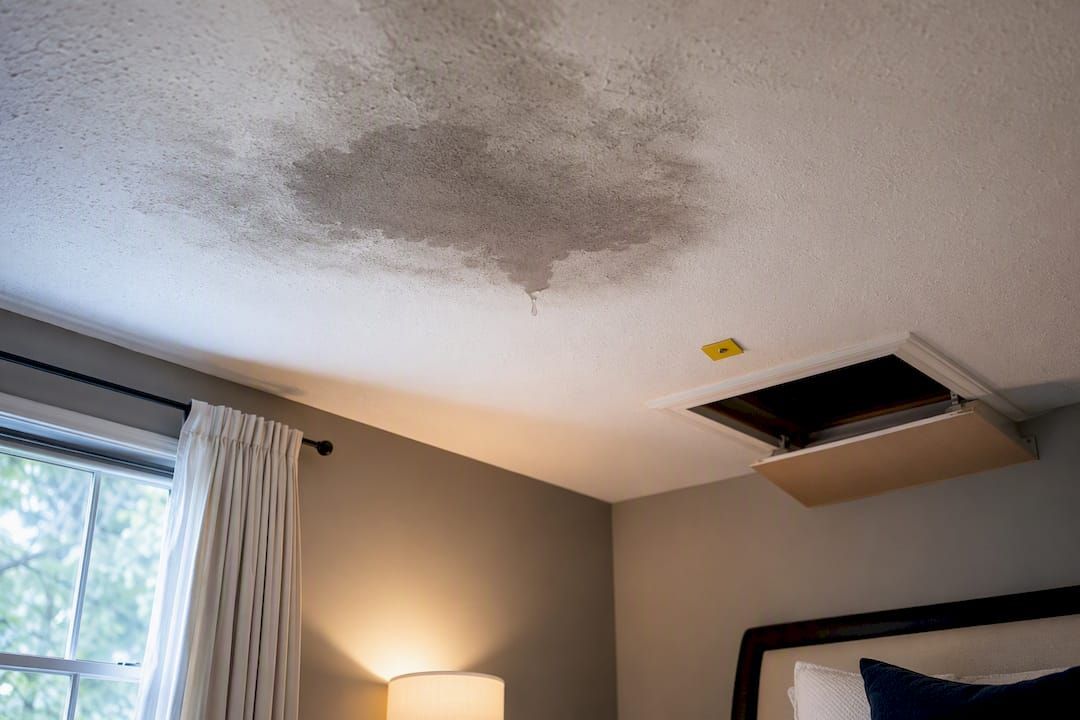
- Check for dark staining or water marks. Brown or gray stains on the sheathing or rafters indicate previous or ongoing water intrusion. Follow the pattern to locate the entry point.
- Smell the air. A musty or damp odor in the attic suggests moisture is being trapped, even if you cannot see visible staining yet.
- Look at the insulation. Wet, compressed, or discolored insulation indicates an active leak above it. Soggy insulation also loses its thermal value, which spikes your energy bills.
- Inspect soffit and ridge vents from inside. Blocked attic ventilation causes moisture to accumulate and shortens shingle lifespan significantly. Make sure air can move freely through both vent types.
- Check for mold or mildew growth. Black or green spotting on wood surfaces means moisture has been present long enough to allow biological growth. This is an urgent finding.
Pro Tip: Bring your phone flashlight and take wide-angle photos of the full attic space before looking at details. That overview shot often reveals staining patterns or wet zones your eyes skip over when moving point to point.
Attic inspections reveal hidden moisture and structural issues that change repair priorities entirely. If you find active moisture, mold, or daylight gaps, call a licensed roofing contractor before the next rain event.
Documenting and acting on your findings
Good inspection habits mean nothing if your findings disappear into a forgotten photo roll. Here is how to turn raw observations into a usable record:
- Organize photos by zone. Create folders labeled by area: front slope, rear slope, left gable, right gable, attic. This makes it easy to track changes over multiple inspections.
- Use three severity levels. Label each finding as minor (monitor at next inspection), moderate (schedule repair within 90 days), or urgent (repair before the next rain or weather event).
- Note compass orientation for every issue. Recording exact roof locations using terms like "north-facing slope near chimney valley" gives contractors the specificity they need to quote accurately.
- Keep a running roof log. A simple spreadsheet or notes app entry dated by inspection covers you for warranty claims, insurance questions, and future sale disclosures.
Detailed inspection reports with photos and written findings by zone support everything from contractor conversations to insurance documentation. Consistent documentation also helps you track whether a minor issue is staying minor or slowly getting worse.
My take on attic inspections being skipped
I have reviewed hundreds of homeowner inspection experiences over the years, and the pattern is always the same. Someone does a reasonable ground-level walkthrough, sees nothing alarming, and calls it done. Then six months later, they are dealing with a full sheathing replacement because a slow leak had been running down a rafter since the previous winter.
In my experience, the attic is where inspections actually earn their value. I have seen roofs that looked practically new from the street with active mold colonies growing across the decking inside. The shingles were fine. The pipe boot was not. That distinction only shows up in an attic check.
What surprises most homeowners is that ventilation failures are just as destructive as physical damage. A roof can be structurally sound with no missing shingles and still be deteriorating faster than it should because hot, moist air is trapped in the attic and cooking the underlayment from below. That does not show up on a ground-level pass. You have to go inside.
My honest recommendation: do not skip the attic, and do not do your inspection alone. A second person costs you nothing and could prevent a serious fall. Schedule seasonal roof maintenance in March and October without exception. And if you find anything that feels beyond your comfort level to interpret, call a professional. An hour of their time is worth far less than the repair bill for a problem that sat unaddressed for a year.
— Cesar
Let Upstateroofingpros do the heavy lifting
Running through a roof inspection checklist yourself is a great starting point. But there are times when fresh eyes and professional tools make the difference between catching a problem early and missing it entirely. At Upstateroofingpros, our licensed team conducts thorough inspections covering every zone discussed in this guide, with written reports, photo documentation, and severity ratings you can act on immediately.
Whether you need a professional roof inspection to verify your own findings, expert roof repairs based on what turns up, or a long-term maintenance plan to keep your roof healthy year after year, our team in Sacramento, Roseville, and surrounding areas is ready to help. Do not wait until a leak becomes a disaster. Reach out to Upstateroofingpros today for an inspection you can trust.
FAQ
How often should homeowners inspect their roof?
Inspect your roof twice a year, ideally in spring and fall, plus after any major storm. Spring checks are especially valuable for catching freeze-thaw cycle damage from winter.
What are the most common roof problems found during inspections?
Curling, missing, or granule-loss shingles are the most visible issues, but cracked pipe boots and blocked attic vents are among the most commonly missed problems that lead to interior leaks.
Can I inspect my roof without getting on it?
Yes. Most damage is visible from the ground with binoculars, and your attic inspection adds significant value without any roof access at all. Only access the roof surface if the pitch is 6:12 or less and conditions are safe.
What should I do if I find daylight in my attic?
Daylight visible through the roof decking is an urgent finding. Contact a licensed roofing contractor before the next rain event, as gaps in the decking allow water intrusion that worsens quickly.
How do I communicate inspection findings to a contractor?
Share organized photos labeled by roof zone, note the compass orientation of each issue, and assign a severity level to each finding. Consistent documentation with location details gives contractors what they need to quote accurately and locate problems without extra site visits.