Roof Coating Types for Commercial Buildings: 2026 Guide

May 28, 2026

Share this article

Roof Coating Types for Commercial Buildings: 2026 Guide

Choosing the right coating for a commercial roof is one of those decisions that looks simple on the surface but carries real consequences for your building's energy bills, maintenance budget, and long-term structural health. The category of roof coating types for commercial buildings covers liquid-applied protective layers, typically 20 to 40 mils thick, that are applied over existing roofs to extend service life rather than replace the membrane entirely. The right choice depends on your climate, roof condition, drainage patterns, foot traffic, and budget. This guide breaks down each major option so you can evaluate them with confidence.

Key takeaways

Point Details
Match coating to climate Acrylic suits dry sunny regions; silicone excels where ponding water or heavy rain is a concern.
Substrate moisture matters Testing for moisture before application prevents adhesion failure and trapped deck damage.
Cost vs. lifecycle tradeoff Coatings cost $2.50 to $6.00 per square foot installed, saving up to 70% compared to full replacement.
Traffic drives material choice Polyurethane is the right pick for roofs with regular foot traffic or exposure to hail.
Specialty systems fill gaps Spray foam, polyurea, and butyl rubber handle scenarios where standard coatings fall short.

1. Roof coating types for commercial buildings: why the choice matters

Before selecting a product, you need a clear framework for evaluation. Roof coatings are not interchangeable. A coating that performs brilliantly on a warehouse in Phoenix will degrade quickly on a distribution center in Seattle if the wrong type is specified.

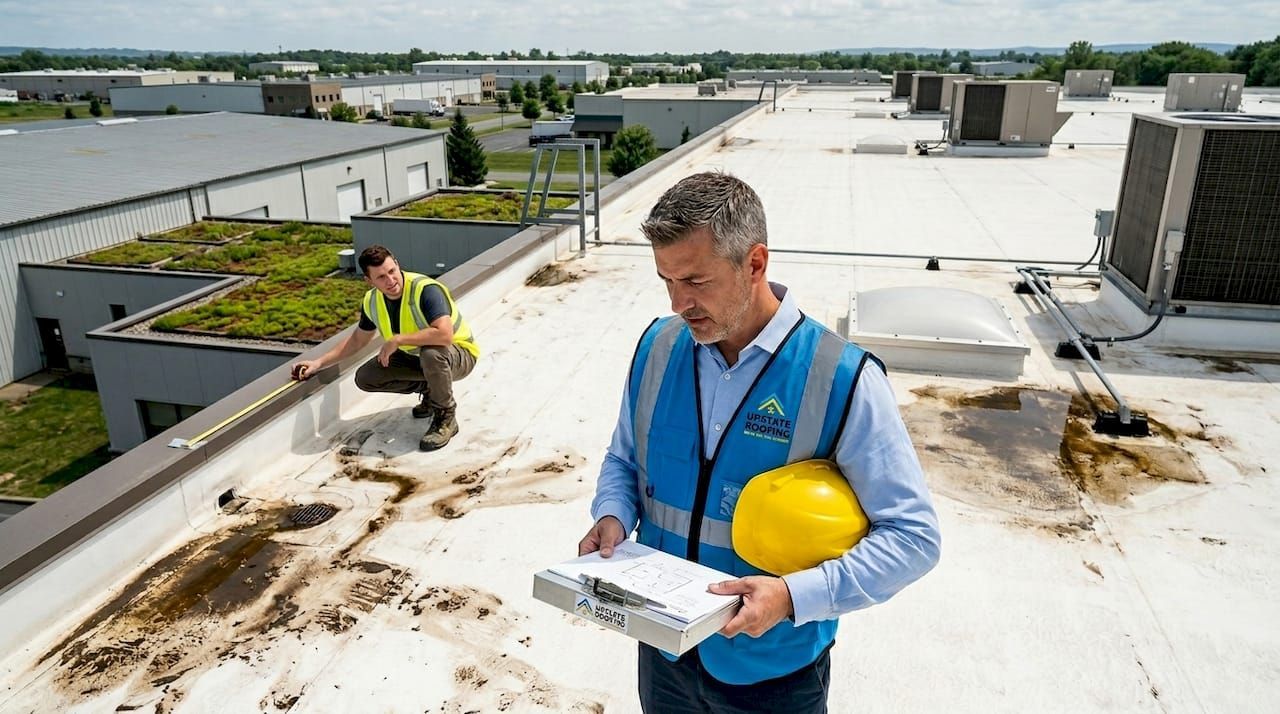
The four criteria that should drive your decision are climate and weather exposure, current roof substrate condition, the level of foot or mechanical traffic on the roof, and your budget for both installation and long-term maintenance. Think of these as filters. Run each coating option through them and the field narrows quickly.

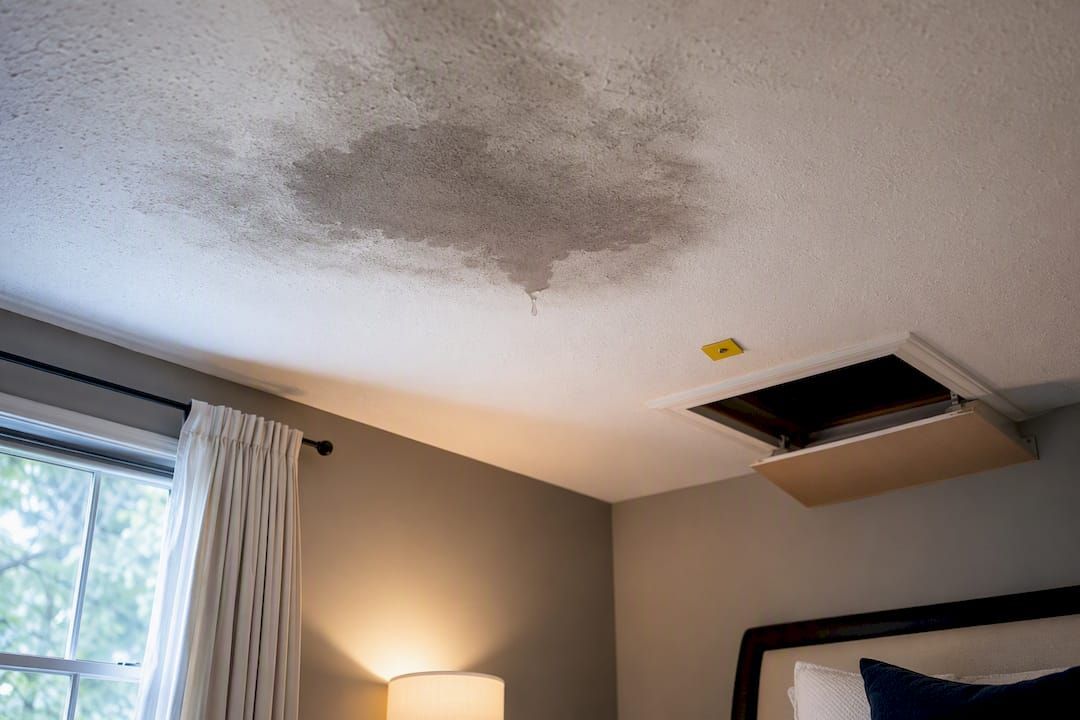
Pro Tip: Before requesting quotes, commission a roof inspection to confirm substrate integrity and check for existing moisture infiltration. Applying any coating over a wet or saturated deck traps moisture and accelerates premature failure , making the investment worthless.

2. Acrylic roof coatings

Acrylic coatings are water-based polymer systems that cure by water evaporation. They are the entry point for most facility managers exploring commercial roof coatings, largely because of their affordable price point and strong UV reflectivity.

Key performance characteristics:

  • Cost: Most affordable option at $2.50 to $3.50 per square foot installed
  • UV resistance: High reflectivity slows heat gain and reduces cooling load on HVAC systems
  • Color retention: Holds white or light pigments well over time, supporting ENERGY STAR compliance
  • Best substrates: Metal, modified bitumen, spray polyurethane foam, and single-ply membranes in good condition
  • Climate fit: Dry, sunny regions with reliable drainage. The Southwest and California are ideal.
  • Weakness: Acrylic softens and can wash off under extended ponding water. Do not specify this product on flat roofs with poor drainage.

The lifespan for a properly applied acrylic system runs 10 to 15 years with routine maintenance, including periodic recoating every 5 to 7 years to maintain film thickness. Recoating is straightforward because acrylics bond well to their own dried film.

Pro Tip: If your roof has minor low spots but drainage generally functions well, an acrylic coating can still work. Address those low spots with a compatible sealant or fill material first, then coat. Skipping that step is the most common reason acrylic systems underperform expectations.

3. Silicone roof coatings

Silicone is the coating that most roofing professionals reach for when a commercial roof has drainage challenges. Its inorganic chemistry means it resists moisture absorption indefinitely , making it the only coating chemistry that withstands ponding water without breaking down.

Performance profile at a glance:

  • Cost: $3.50 to $5.00 per square foot installed
  • Ponding water resistance: Unmatched. Suitable for roofs where water regularly stands 48 hours or more
  • UV resistance: Excellent. Does not chalk or crack under prolonged sun exposure
  • Temperature range: Performs from below-freezing northern climates to humid tropical conditions
  • Application: Rolls on or sprays easily, making it practical on complex commercial sites with difficult access points
  • Drawback: Silicone's surface tackiness attracts dirt and debris faster than acrylics, which can reduce reflectance over time in dusty environments

One practical countermeasure for the dirt-pickup problem is specifying a silicone product formulated with dirt-resistance additives, or scheduling annual cleaning to restore reflectance. Also critical: sealant application at flashings, drains, and penetrations must be done correctly, or the system will leak regardless of how well the field coat performs.

Silicone warranties typically run 10 to 20 years depending on the manufacturer and applied thickness. Recoating with additional silicone is straightforward, though silicone does not adhere well to non-silicone substrates without a primer.

4. Polyurethane roof coatings

Polyurethane is the toughest option in the standard coating family. If your commercial property has rooftop HVAC equipment requiring regular service, a kitchen exhaust area, or sits in a region prone to hail, polyurethane coatings deliver durability the other types cannot match.

What sets this system apart:

  • Cost: $4.00 to $6.00 per square foot installed, the highest in the standard coating category
  • Impact resistance: Bonds aggressively and cures quickly, creating a tough film that withstands foot traffic and equipment movement without cracking
  • Abrasion resistance: Outperforms acrylic and silicone in environments with gravel, debris, or mechanical wear
  • Chemistry: Typically applied in two coats. An aromatic base coat provides the structural strength layer. An aliphatic topcoat is added over it to protect against UV degradation, since aromatic polyurethane yellows and breaks down under direct sun exposure without that protective layer.
  • Adhesion: Excellent on concrete, wood, and most membrane substrates with proper preparation
  • Flexibility: Maintains flexibility through thermal cycling, important for large commercial roof decks that expand and contract seasonally

The two-coat system adds labor time and materials cost, but that upfront investment pays off on roofs that take regular punishment. Specify polyurethane when foot traffic happens more than a few times per year.

5. Side-by-side comparison of major coating options

Reviewing specifications in isolation can be misleading. This table puts the three primary commercial roof coatings against each other on the criteria that matter most for your purchasing decision.

Property Acrylic Silicone Polyurethane
Installed cost per sq. ft. $2.50 to $3.50 $3.50 to $5.00 $4.00 to $6.00
Ponding water resistance Poor Excellent Moderate
UV resistance High High Moderate (base coat)
Impact and abrasion Low Low Excellent
Recoatability Easy Requires primer over non-silicone Moderate
Typical warranty 10 to 15 years 10 to 20 years 10 to 15 years
Best climate Dry, sunny Wet, variable, tropical Any (high-traffic focus)
Foot traffic suitability Light only Light only Heavy

The 50 to 70% savings compared to full roof replacement makes any of these options a financially sound choice when the substrate is still viable. The decision between them comes down to your specific conditions, not a universal ranking.

Pro Tip: Request a roof inspection before locking in a coating type. Moisture surveys or core samples taken at multiple locations will tell you whether the existing insulation is dry enough to coat over. Skipping this step is the single most expensive mistake facility managers make.

6. Additional coating options worth knowing

Beyond the three primary systems, several specialty products and hybrid approaches solve specific problems that acrylic, silicone, and polyurethane cannot address on their own.

  • Polyurea coatings: Fast-curing (often set in seconds), high elongation, and exceptional chemical resistance. Used on industrial roofs, secondary containment areas, and decks requiring rapid return to service. The cure speed makes application highly technique-dependent and typically requires specialized spray equipment.
  • Spray polyurethane foam (SPF) with a coating topcoat: This is not a standalone coating but a system. SPF is sprayed to build up low spots and correct slope, then a silicone or acrylic coating is applied over it for protection. Facility managers use SPF systems to simultaneously fix drainage problems and waterproof the roof. It is one of the most cost-effective restoration strategies for severely ponding flat roofs.
  • Butyl rubber coatings: Water-based or solvent-based, butyl coatings offer strong adhesion to metal and concrete. Often used on expansion joints, gutters, and as a detail coat rather than a full-field application.
  • Aluminum-pigmented asphalt coatings: An older technology still used on built-up roofing (BUR) systems and modified bitumen. They reflect heat moderately and protect asphalt from UV oxidation. Cost-effective for maintaining older roof systems but not a substitute for more advanced chemistries.

Viewing roof restoration as a strategic investment rather than a reactive repair allows you to combine these technologies thoughtfully. The right restoration program often layers solutions: SPF for slope correction, silicone for waterproofing, and a detailed maintenance plan to protect the investment.

My honest take on selecting commercial roof coatings

I've seen facility managers make the same mistake repeatedly: they choose a coating based on price per square foot without accounting for what the roof actually needs. The cheapest acrylic coating applied to a roof with standing water issues will fail within two or three seasons. At that point, you've spent money twice and the substrate may be worse than when you started.

In my experience, the first non-negotiable step is moisture testing. I've walked roofs that looked fine from the surface only to find saturated insulation underneath that made the whole deck ineligible for coating. Skipping that substrate assessment is not a shortcut. It's a liability.

The other misconception I keep encountering is that one coating type is universally superior. It isn't. Silicone is outstanding on ponding water roofs. Polyurethane is the right call for mechanical traffic. Acrylic delivers great value in dry climates with good drainage. Context determines performance, not marketing claims.

My practical advice: treat your coating selection the same way you would a major equipment purchase. Evaluate the full lifecycle cost, not just the installation invoice. A silicone system at $5.00 per square foot that lasts 20 years with one recoat often outperforms a $2.75 acrylic system that needs replacement in ten. Do the math before you sign anything.

— Cesar

Work with Upstateroofingpros on your next coating project

Upstateroofingpros works with facility managers and commercial property owners throughout the Sacramento and Roseville area to assess, specify, and install the right coating system for each building's specific conditions. The process starts with a thorough commercial roof inspection to identify moisture infiltration, substrate condition, and drainage patterns before any product is recommended. From there, the team handles everything from expert roof repair and leak detection to full coating application and ongoing maintenance plans designed to protect your investment for decades. If you are ready to make a coating decision backed by real data rather than guesswork, Upstateroofingpros has the expertise to guide you from inspection through installation.

FAQ

What is the best roof coating for a flat commercial roof?

Silicone is the top choice for flat commercial roofs with poor drainage, since it is the only coating that withstands ponding water indefinitely without degrading. For flat roofs with reliable drainage in sunny climates, acrylic coatings offer strong performance at a lower cost.

How long do commercial roof coatings typically last?

Most commercial roof coatings last 10 to 20 years depending on the product type, application thickness, climate, and maintenance frequency. Silicone systems often reach the longer end of that range, while acrylics typically require recoating every 5 to 7 years to maintain film integrity.

Can I apply a coating over my existing roof?

Yes, in most cases, but only if the existing substrate is dry and structurally sound. A moisture survey or core sample is required before application to confirm the deck is not holding trapped water, which would cause adhesion failure and premature system breakdown.

How much does a commercial roof coating cost?

Installed costs range from $2.50 per square foot for acrylic to $6.00 per square foot for polyurethane systems. Even at the high end, coatings typically save 50 to 70% compared to a full roof replacement while extending service life by 10 to 20 years.

What is the difference between a roof coating and a roof membrane?

A roof coating is a liquid-applied protective layer, typically 20 to 40 mils thick, applied over an existing roof system to extend its life. A membrane is the primary waterproofing layer of the roof assembly itself and requires full installation rather than application over an existing system.

Recommended

Recent Posts

commercial roof repair in sacramento
June 5, 2026
Discover why roof maintenance prevents downtime for property owners. Learn effective strategies to protect your investment and avoid costly damage.
tpo roofing companies in sacramento
June 2, 2026
Discover our comprehensive TPO roofing installation overview for 2026. Learn essential steps and tips for a successful, energy-efficient roofing project!
residential roof repair in sacramento
June 1, 2026
Discover how residential roof layers explained can save you money. Understand your roof's components for smarter repairs and lasting protection!
Residential roof inspection sacramento
June 1, 2026
Discover what does roof replacement involve and learn essential steps for a successful project. Make informed choices and protect your investment!
commercial roof inspections in sacramento
June 1, 2026
Discover why commercial buildings need roof surveys to prevent costly repairs, ensure structural integrity, and protect warranties. Act now!
commercial roof gutter
May 31, 2026
Discover vital commercial gutter system maintenance tips for property managers. Protect your building and ensure compliance with our expert guide!
May 31, 2026
Discover why roofs leak after rain and learn effective fixes to prevent costly damage. Protect your home with expert insights today!
May 30, 2026
Discover the roofing maintenance plan benefits: extend your roof's lifespan, lower costs, and prevent emergencies. Invest wisely in your home!
May 29, 2026
Discover the critical role of building manager roof inspection. Learn how proactive checks save money and protect your property.
May 27, 2026
Ensure your home is protected with our roof inspection checklist for homeowners in 2026. Catch issues early and save money!
Show More