Why Commercial Buildings Need Roof Surveys
Why Commercial Buildings Need Roof Surveys
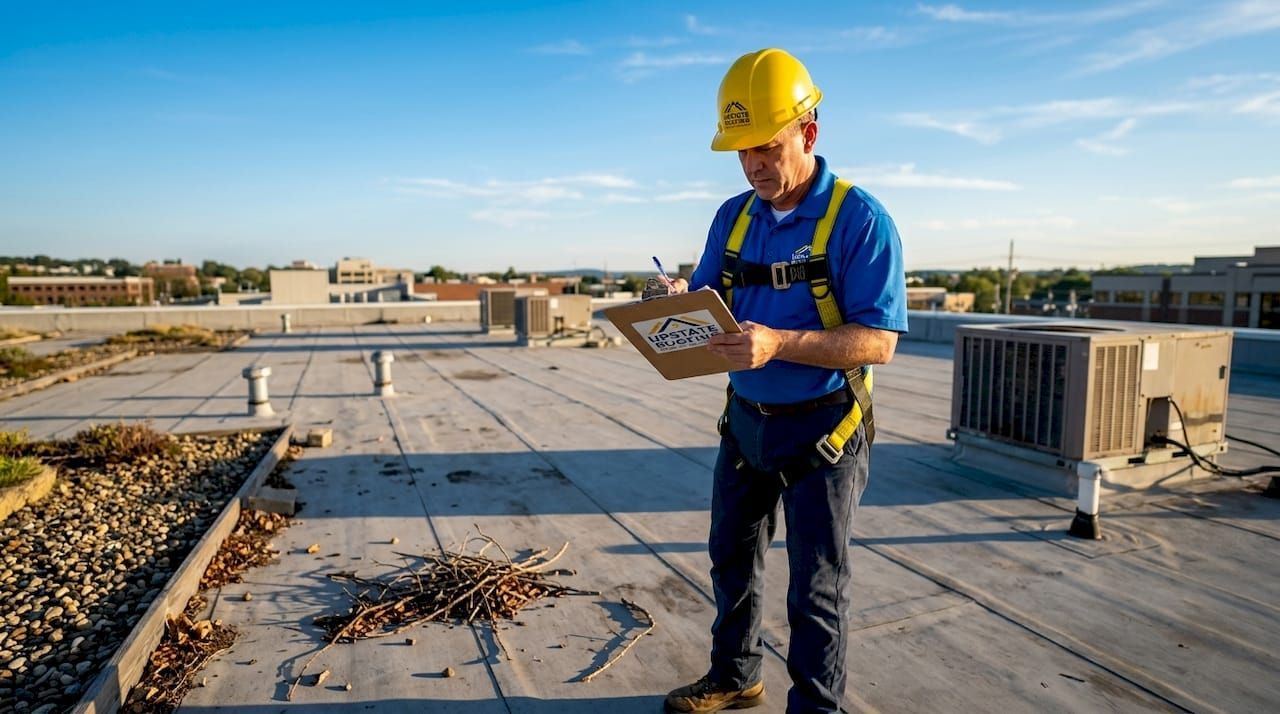
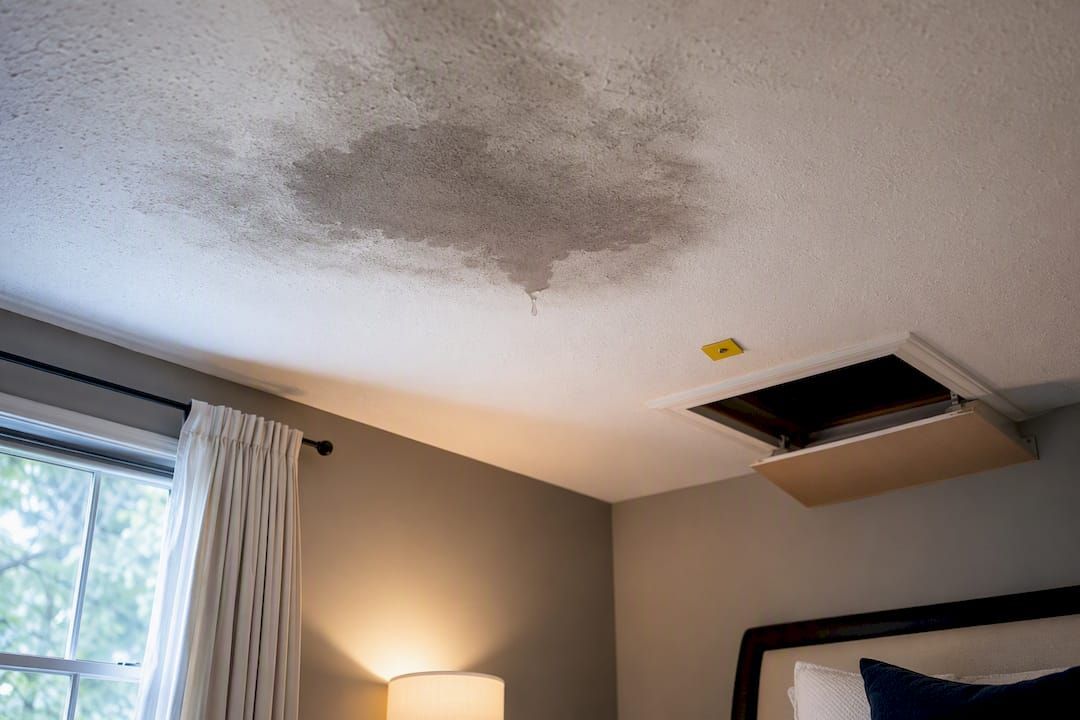
A commercial roof survey is a systematic, documented evaluation of a roofing system's condition, used to verify structural integrity, identify hidden damage, and satisfy the requirements of manufacturers, insurers, and lenders. Property managers who skip these evaluations don't just risk leaks. They risk voided warranties, denied insurance claims, and repair bills that dwarf the cost of a routine inspection. Understanding why commercial buildings need roof surveys starts with recognizing that a roof is not a passive asset. It is a living system that degrades at seams, penetrations, drainage points, and membrane junctions, often invisibly. Technologies like infrared thermography and core sampling now make it possible to detect trapped moisture and failing insulation before a single drop appears on the ceiling below.
Why commercial buildings need roof surveys: the core case
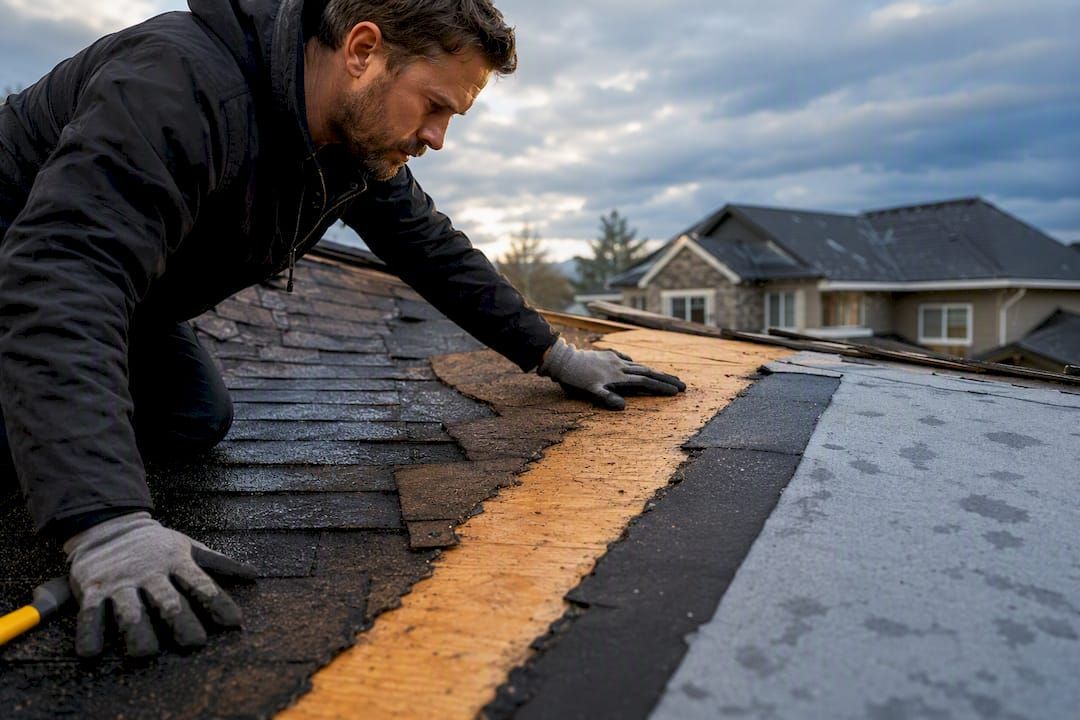
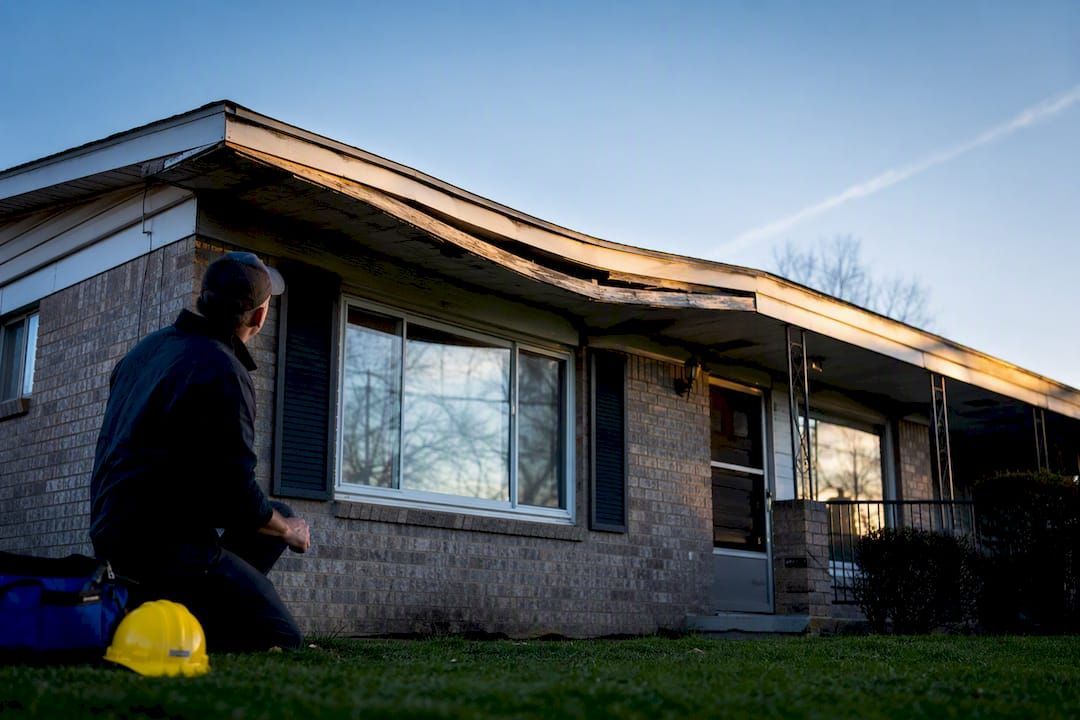
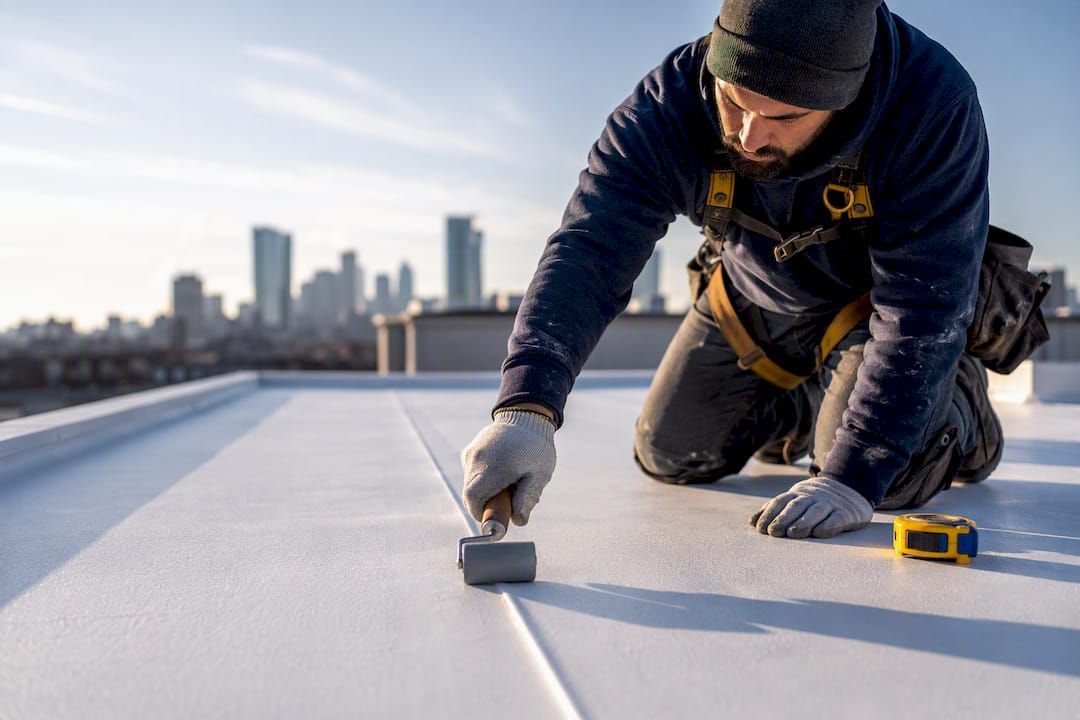
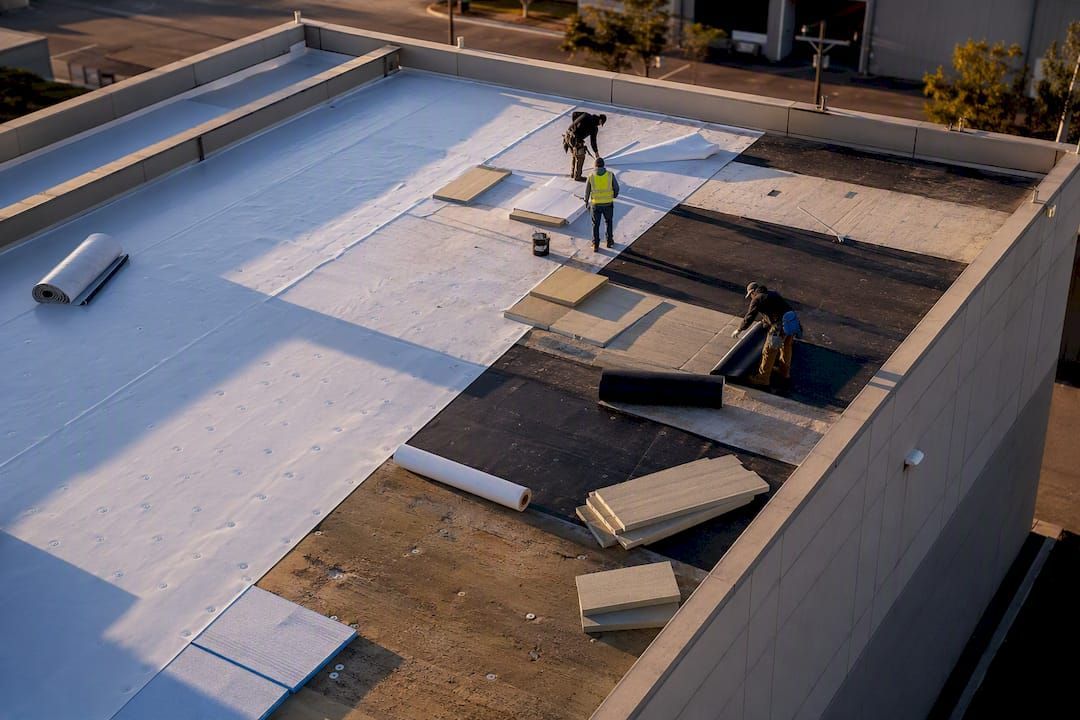
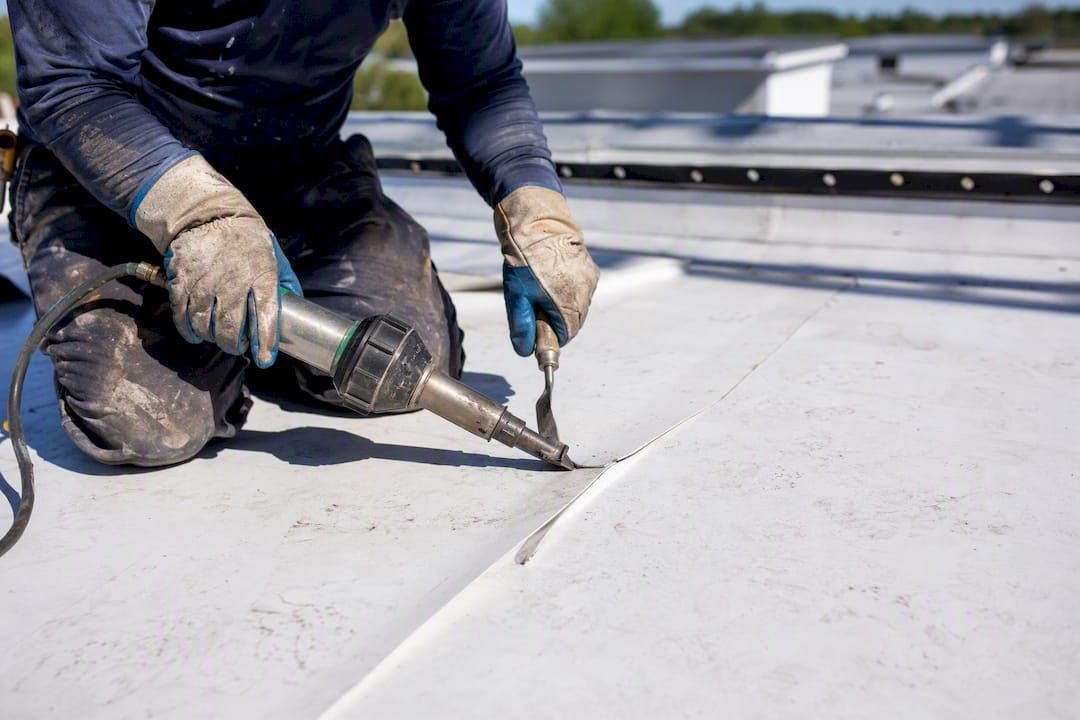
Commercial roof surveys are the documented proof that a building's roofing system is being actively managed, and without that proof, both warranty coverage and insurance protection are at risk. The industry term for this process is a "roof condition survey" or "roof condition assessment," and it goes well beyond a visual walkover. A qualified inspector evaluates membrane integrity, flashing conditions, drainage performance, penetration seals, and the structural deck beneath. On flat and low-slope roofs, which dominate commercial construction, failure points concentrate at seams, junctions, and drainage pathways, making those areas the highest priority during any assessment.
The financial logic is straightforward. Preventive maintenance costs approximately $0.14 per square foot annually, while full roof replacement runs $5 to $16 per square foot. That gap represents the entire business case for regular commercial roofing assessments. A 20,000 square foot roof costs roughly $2,800 per year to maintain proactively. Replacing it prematurely costs between $100,000 and $320,000. Surveys are what keep a building on the maintenance side of that equation rather than the replacement side.

What warranty requirements make roof surveys essential?
Commercial roofing warranties from manufacturers like GAF, Firestone, and Carlisle are not unconditional guarantees. They are contracts with maintenance obligations, and those obligations center on documented, periodic inspections. Manufacturer warranties require biannual inspections and timely maintenance as conditions of coverage. Missing even one inspection cycle, or failing to retain the documentation, gives the manufacturer grounds to deny a claim regardless of the defect's origin.
Here is what those maintenance clauses typically require:
- Biannual inspections conducted in spring and fall, aligned with seasonal stress cycles
- Written reports documenting the condition of all roof components, including flashings, drains, and penetrations
- Prompt repair of any identified deficiencies within a specified timeframe
- Inspections performed or verified by a certified roofing professional
GAF emphasizes that the quality and completeness of inspection documentation matters as much as the inspection itself. A handwritten note from a maintenance technician does not satisfy the same standard as a certified inspector's formal report with photographs, measurements, and repair recommendations. Certified inspectors provide documentation that meets manufacturer and lender standards, which is the difference between a valid warranty and an expensive lesson in contract language.
Pro Tip: Keep a dedicated warranty compliance file for each roof on your portfolio. Store every inspection report, repair receipt, and correspondence with the manufacturer in one location. If a claim arises, that file is your first line of defense.
Review your warranty documents before scheduling any inspection. Some manufacturers require inspections to be conducted by contractors from their certified network, and using an uncertified inspector, even a highly qualified one, can invalidate the coverage. Check the commercial roof inspection checklist from Upstateroofingpros to confirm your inspection process aligns with common manufacturer requirements.
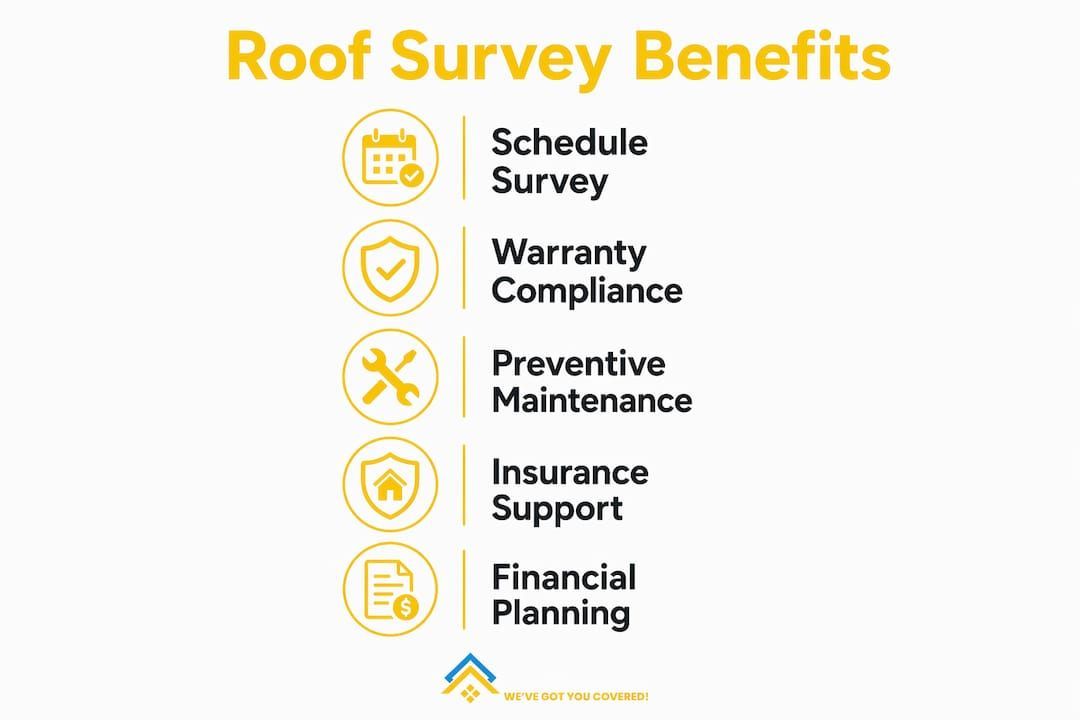
How do roof surveys support insurance coverage and claims?
Insurance carriers have grown significantly more rigorous about roof maintenance records, particularly in markets exposed to hail, high winds, and heavy precipitation. FM Global and NRCA guidelines now explicitly reference inspection history as part of underwriting evaluation and post-event claims verification. A building with no inspection records is a liability that underwriters price accordingly, or decline to cover at preferred rates.
The sequence of events after a storm illustrates exactly why pre-event documentation matters:
- A hail or wind event damages the roof membrane and flashings.
- The insurer sends an adjuster to assess the damage.
- The adjuster identifies areas of deterioration and questions whether the damage is storm-related or the result of deferred maintenance.
- Without a pre-storm inspection report establishing baseline conditions, the insurer attributes damage to neglect and denies the claim.
- The property owner absorbs the full repair cost out of pocket.
Post-storm inspections must be completed within 48 to 72 hours after events like hail or high winds to preserve evidence and meet claim filing windows. That timeline is not a suggestion. Delays allow further deterioration and give insurers grounds to argue that the damage worsened due to inaction. Scheduling a roof inspection in Sacramento or your local area immediately after a significant weather event is one of the most financially protective decisions a property manager can make.
Pre-storm surveys create the baseline that makes post-storm claims defensible. When an inspector documents that a membrane was in sound condition six months before a hail event, the insurer cannot credibly argue that the damage was pre-existing. That documented baseline is worth more than its cost every time a major weather event occurs.
What maintenance and safety benefits come from regular roof surveys?
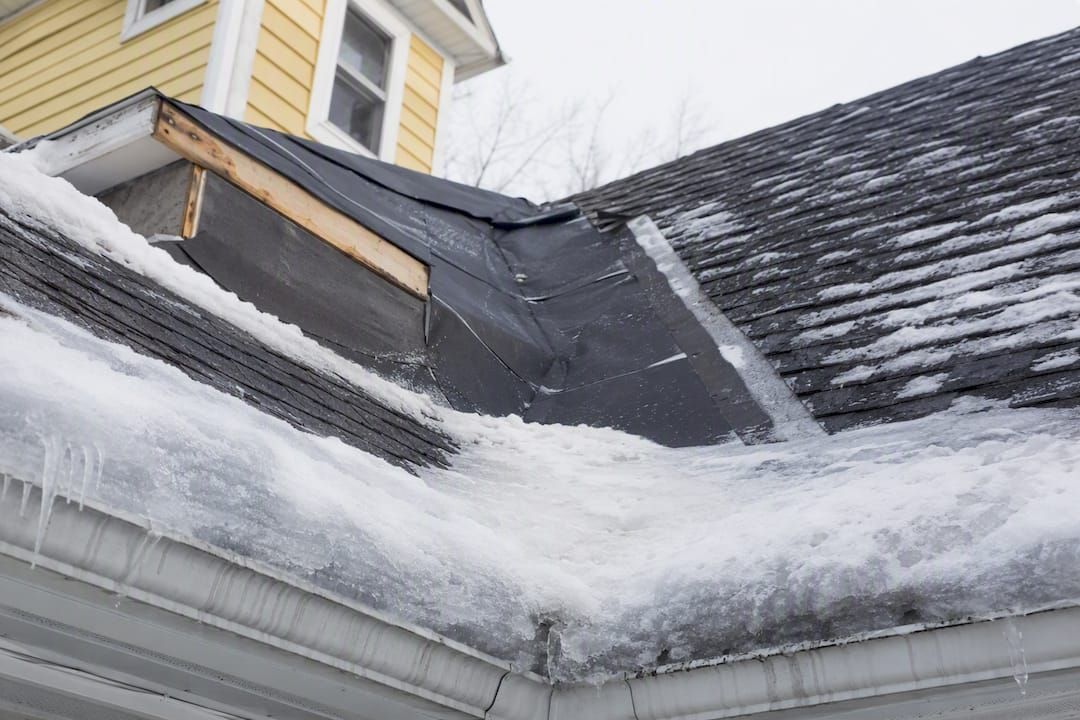
Biannual roof surveys catch the specific failure modes that flat and low-slope commercial roofs develop between major weather events. NRCA recommends spring and fall inspection schedules to address the damage patterns that accumulate through winter freeze-thaw cycles and summer UV exposure. The problems identified in these surveys are rarely dramatic. They are the slow, compounding failures that become expensive precisely because they go unnoticed.
Common issues that surveys detect before they escalate include:
- Blocked or slow-draining roof drains that cause ponding water, which accelerates membrane degradation on flat roofs
- Seal failures at HVAC curbs, pipe penetrations, and parapet walls where water finds its path into the building envelope
- Membrane blistering or delamination caused by trapped moisture beneath the surface layer
- Cracked or separated flashings at roof edges and transitions
"Visible patchwork can conceal deep system failures." Experienced roofing contractors consistently find that surface repairs mask trapped moisture inside roofing assemblies, leading to recurring leaks and structural deck damage that a patch never addresses.
Infrared thermography and core sampling are the two methods that separate a thorough survey from a visual walkover. Infrared scanning detects temperature differentials caused by wet insulation, identifying moisture intrusion that is completely invisible from the surface. Core sampling physically removes a small section of the roofing assembly to confirm insulation condition and moisture content. Together, these methods give property managers an accurate picture of what is actually happening inside the roof system, not just what is visible on top. Complex roofs with HVAC units, solar arrays, or spray foam assemblies may require specialized survey techniques to accurately assess concealed moisture and structural integrity.
How do roof surveys contribute to long-term financial planning?
Roof condition surveys produce data, and that data is the foundation of defensible capital expenditure planning. A well-executed survey assigns a condition rating to each roof section, estimates remaining service life, and prioritizes repairs by urgency. Property managers who use this data can forecast roof-related capital expenditures two to five years out with reasonable accuracy, which is the difference between a budget surprise and a planned line item.
| Approach | Annual Cost per Sq. Ft. | Risk Level | Budget Predictability |
|---|---|---|---|
| Preventive maintenance with surveys | ~$0.14 | Low | High |
| Reactive repairs without surveys | Variable, often $1.00+ | High | Low |
| Premature full replacement | $5.00 to $16.00 (one-time) | Eliminated | N/A |
Roof condition surveys extend roof service life by 25% to 40% when findings are acted upon consistently. For a roof with a 20-year design life, that extension translates to four to eight additional years of service before replacement. At commercial replacement costs, those extra years represent a significant return on the relatively modest investment in regular assessments.
Pro Tip: Build a five-year roof capital plan using survey data. Assign each roof a condition score, estimate its replacement year, and reserve funds accordingly. Lenders and investors view this kind of documented planning as evidence of professional asset management.
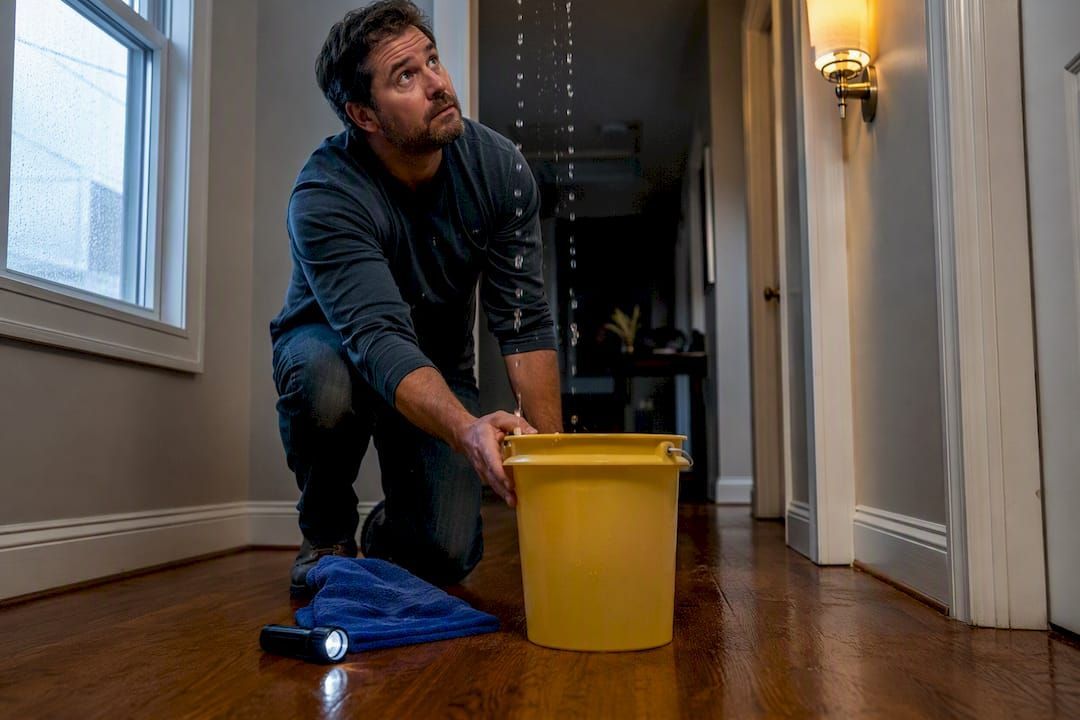
Emergency repairs cost more than planned repairs in every category: labor rates, material availability, and business disruption. A survey that identifies a failing drain seal in October costs a fraction of the water damage remediation, interior repairs, and tenant disruption that follow a January leak. The financial case for roof care is not theoretical. It is arithmetic. Review your commercial roofing materials to understand how different systems age and what survey intervals make sense for each.
Key takeaways
Regular commercial roof surveys are the single most cost-effective tool property managers have to protect warranty coverage, support insurance claims, and prevent the compounding costs of deferred maintenance.
| Point | Details |
|---|---|
| Warranty compliance requires documentation | GAF, Firestone, and Carlisle warranties mandate biannual inspections; missing records is the leading cause of claim denial. |
| Insurance claims depend on baseline records | Pre-storm surveys establish documented conditions that prevent insurers from attributing storm damage to neglect. |
| Surveys detect hidden moisture damage | Infrared thermography and core sampling identify wet insulation and failing assemblies invisible to surface inspection. |
| Preventive maintenance saves significant money | At $0.14 per square foot annually versus $5 to $16 for replacement, surveys pay for themselves many times over. |
| Survey data drives capital planning | Condition ratings and service life estimates allow property managers to forecast roof expenditures two to five years ahead. |
What I've learned from watching property managers skip roof surveys
After years of working with commercial property owners, the pattern I see most often is this: a building goes five or six years without a formal roof survey, a significant storm hits, and the owner discovers simultaneously that the warranty is void, the insurance claim is contested, and the roof has moisture damage that a survey would have caught two years earlier. All three problems trace back to the same decision to defer the inspection.
The mistake I see most often is treating a roof survey as an expense rather than a data collection exercise. The report you get from a qualified inspector is an asset. It tells you what you own, what it is worth maintaining, and what it will cost you if you don't. Property managers who use that data to build capital plans and negotiate with insurers operate from a position of knowledge. Those who skip surveys operate on assumption, and assumptions are expensive when a roof fails.
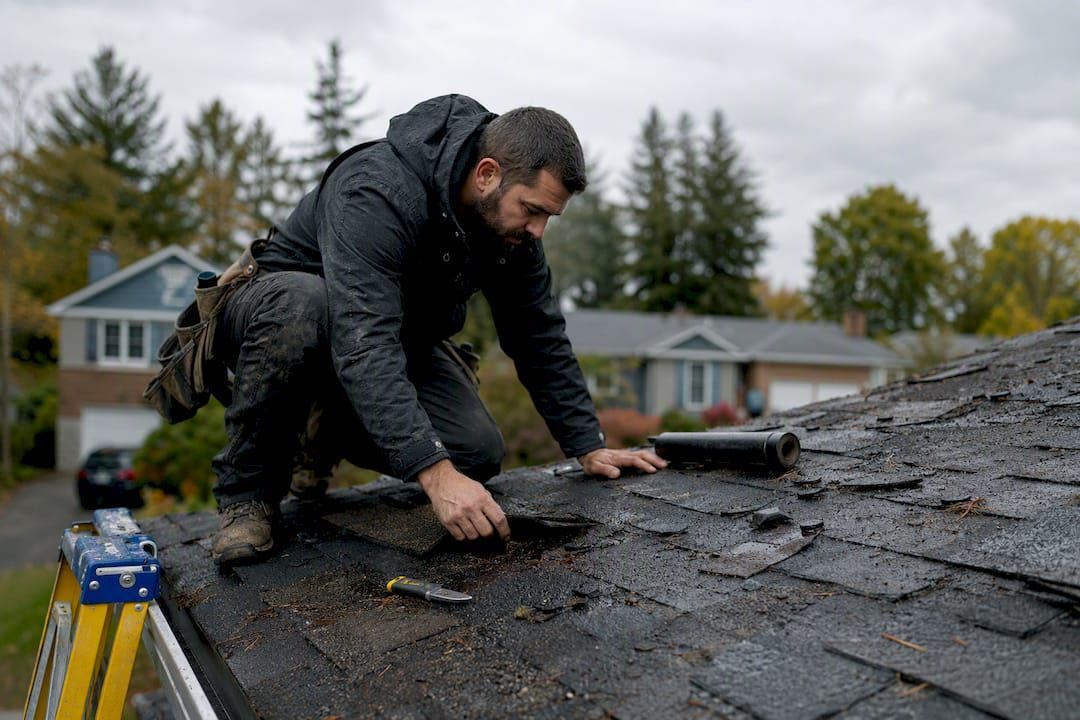
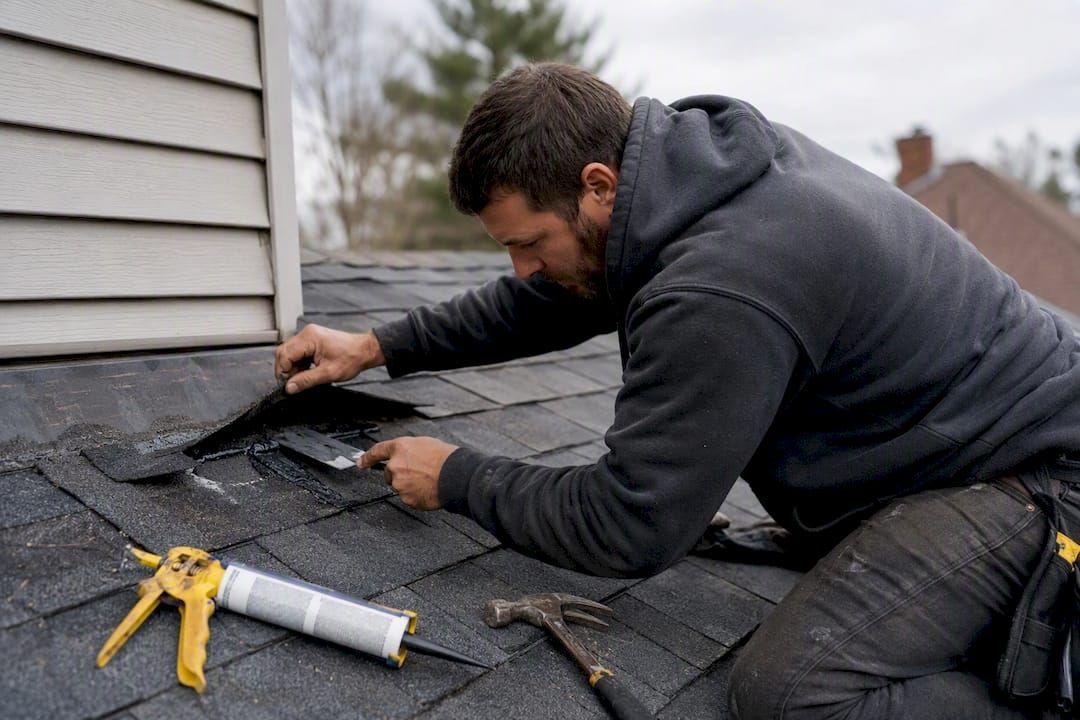
My strongest caution is against relying on patch repairs as a substitute for full system evaluation. Patch repairs frequently fail to address trapped moisture inside the roofing assembly. You fix the visible symptom and leave the underlying problem to worsen. A survey tells you whether a patch is sufficient or whether the system has deteriorated to the point where targeted repairs are just postponing a larger expense.
Select your inspector carefully. Certification from a recognized body matters, not because it guarantees perfection, but because it means the documentation will meet manufacturer and insurer standards. An uncertified inspection that produces an informal report may satisfy your curiosity but will not protect your warranty or support a claim.
— Cesar
Protect your commercial roof with Upstateroofingpros
Upstateroofingpros provides certified commercial roof inspections for property managers and building owners throughout Sacramento, Roseville, and surrounding areas. Every inspection produces detailed written documentation that meets manufacturer warranty requirements and insurer standards, giving you the records you need before a claim ever arises. The team uses infrared scanning and core sampling where appropriate to identify hidden moisture damage that visual inspection alone cannot detect. For ongoing protection, Upstateroofingpros offers structured roof maintenance plans designed to keep your warranty active, your insurer satisfied, and your roof performing at full service life. Contact Upstateroofingpros to schedule your next commercial roof assessment.
FAQ
How often should commercial buildings get a roof survey?
The NRCA recommends biannual inspections in spring and fall to address seasonal stress cycles. Most manufacturer warranties from GAF, Firestone, and Carlisle require this same frequency as a condition of coverage.
What does a commercial roof survey include?
A thorough survey covers membrane condition, flashing integrity, drain performance, penetration seals, and parapet walls. Advanced assessments also use infrared thermography and core sampling to detect hidden moisture inside the roofing assembly.
Can a roof survey help with insurance claims?
Pre-storm surveys establish documented baseline conditions that prevent insurers from attributing storm damage to pre-existing neglect. Post-storm inspections should be completed within 48 to 72 hours to preserve evidence and meet claim filing deadlines.
What happens if I skip required warranty inspections?
Missing a documented inspection cycle gives manufacturers grounds to deny warranty claims regardless of the defect's cause. Absence of inspection records is the primary reason commercial roof warranty claims are denied.
How much does preventive roof maintenance cost compared to replacement?
Preventive maintenance averages $0.14 per square foot annually, while full roof replacement costs $5 to $16 per square foot. Regular surveys that catch issues early keep buildings on the maintenance side of that cost gap rather than the replacement side.
Recommended
Recent Posts