
Why Roofs Leak After Rain: Causes and Fixes

May 31, 2026

Share this article

Why Roofs Leak After Rain: Causes and Fixes

Roofs leak after rain primarily because of compromised flashing at penetrations, damaged or missing shingles, and blocked drainage systems that allow water to breach the roofing assembly. These are not random failures. They follow predictable patterns tied to material age, installation quality, and maintenance gaps. Water can enter at one point on your roof and travel several feet along rafters or decking before dripping onto your ceiling, which is why the wet spot you see inside rarely marks the actual leak source. Understanding why roofs leak after rain is the first step toward stopping recurring damage before it reaches your insulation, drywall, or structural framing.

Why roofs leak after rain: the main entry points

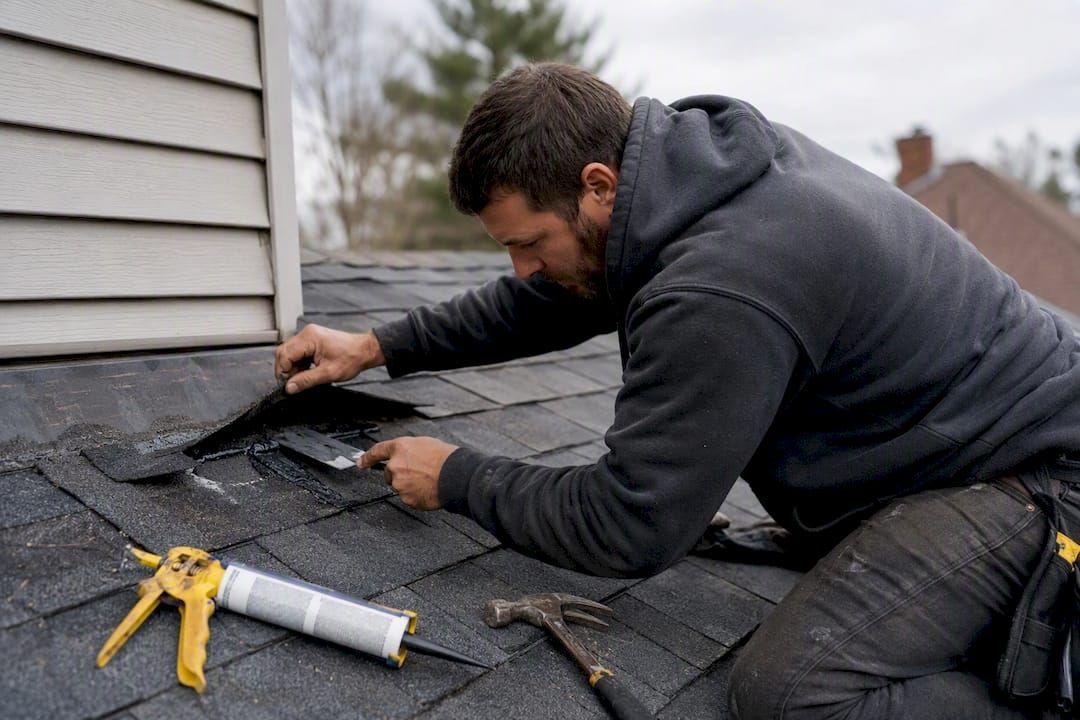
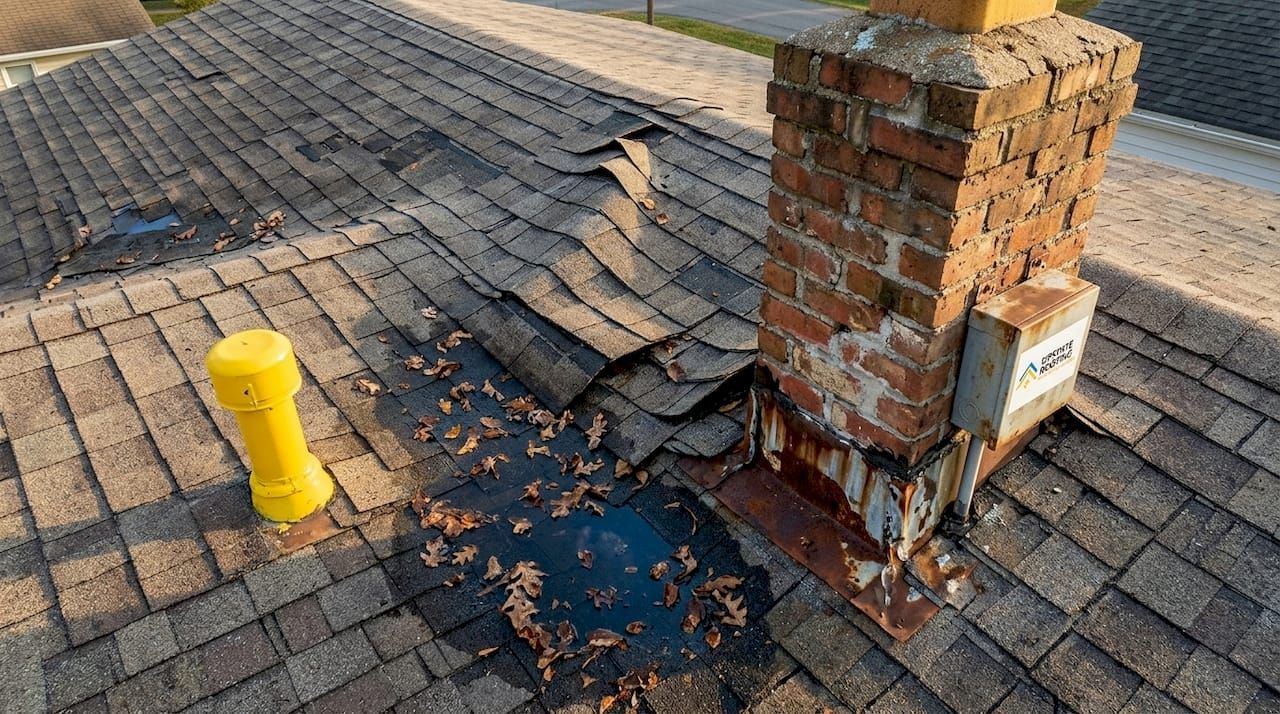
Flashing failures at penetrations are the leading cause of active roof leaks after rain. Flashing is the thin metal or membrane material installed around chimneys, vent pipes, skylights, and wall-to-roof junctions to seal the gap between roofing materials and vertical surfaces. When sealants crack from UV exposure or metal corrodes and separates, rain drives directly into the gap. The National Roof Authority identifies these transition zones as the primary leak points in pitched roofing because they combine two different materials under constant thermal movement.

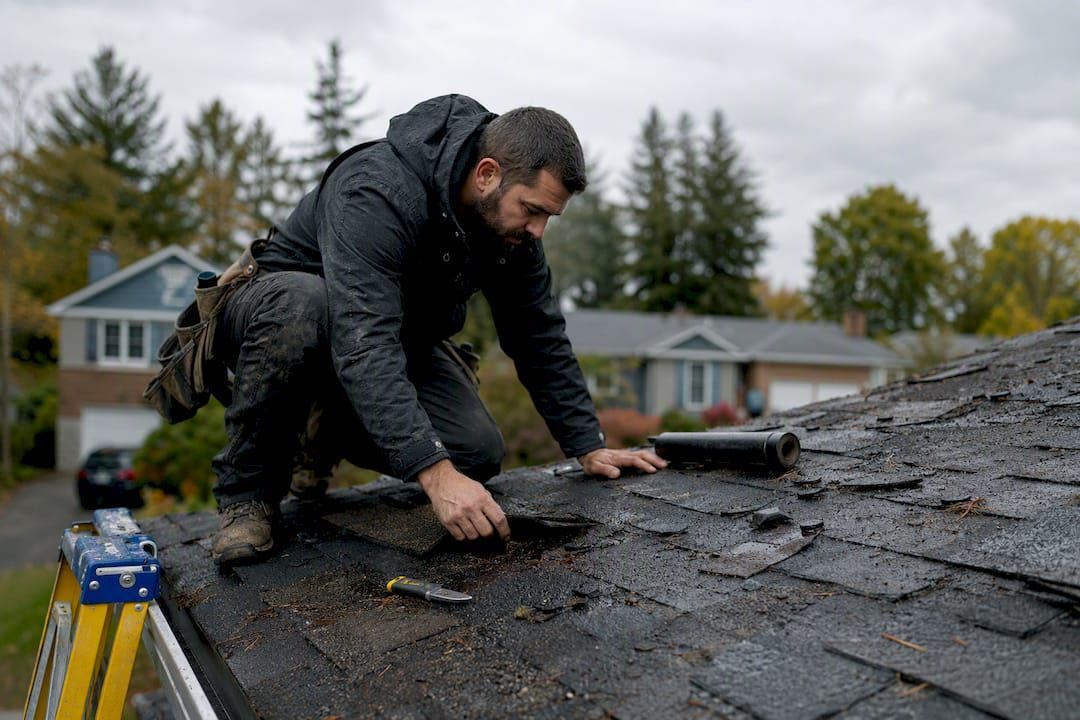
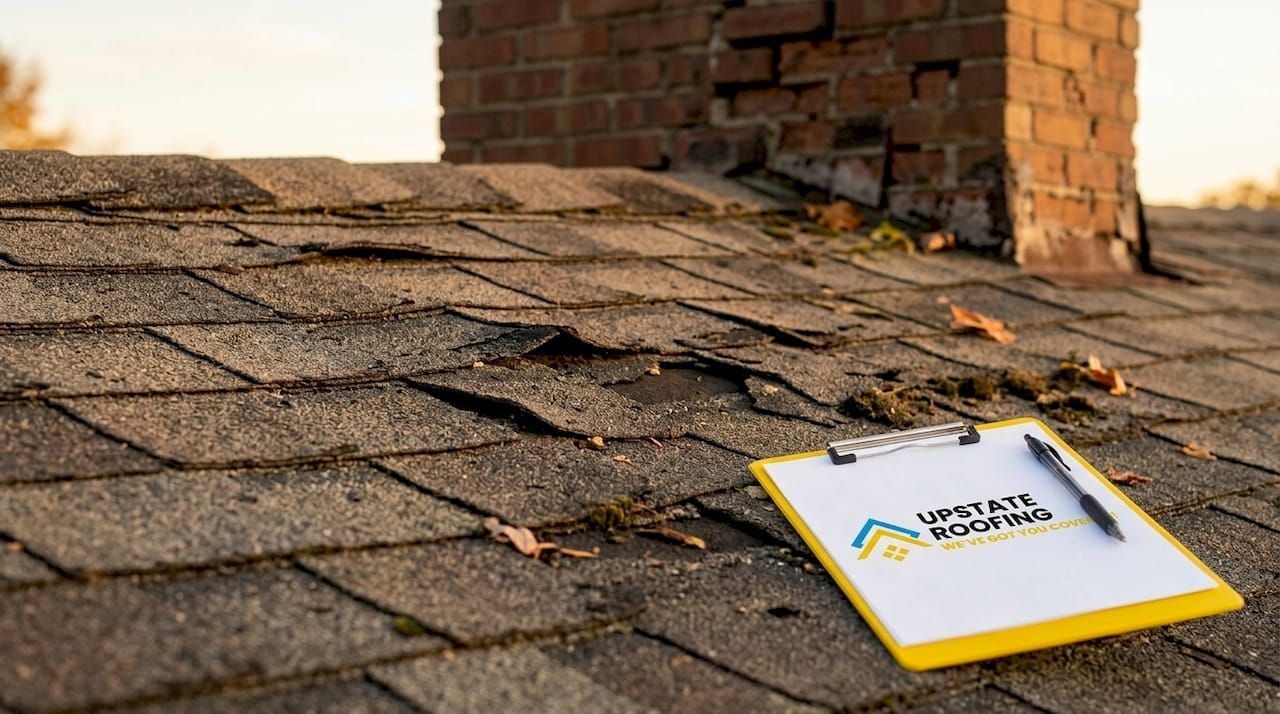
Damaged, missing, or curled shingles are the second most common roof leak cause. Asphalt shingles lose granules over time, which accelerates UV degradation and makes the surface brittle. Once a shingle cracks or lifts at the edge, the underlayment beneath it is exposed to every rainstorm. A single missing shingle can allow gallons of water into the roof deck during a moderate rain event.

Roof valleys concentrate water flow from two roof planes into a single channel, making them one of the highest-risk areas on any roof. The IRC 2018 standard specifies metal thickness, membrane underlayment, and clearance requirements for valley flashing precisely because inadequate installation leads to leaks under heavy rain. Debris like leaves and pine needles collects in valleys, holding moisture against the metal and accelerating corrosion.

Clogged gutters back water up beneath shingles along the eaves, causing leaks that homeowners often misattribute to shingle failure. When gutters overflow or drain too slowly, water pools at the roof edge and wicks under the bottom course of shingles. This is one of the most preventable rain and roof problems, and it is fixed with a ladder and a garden hose rather than a roofing contractor.

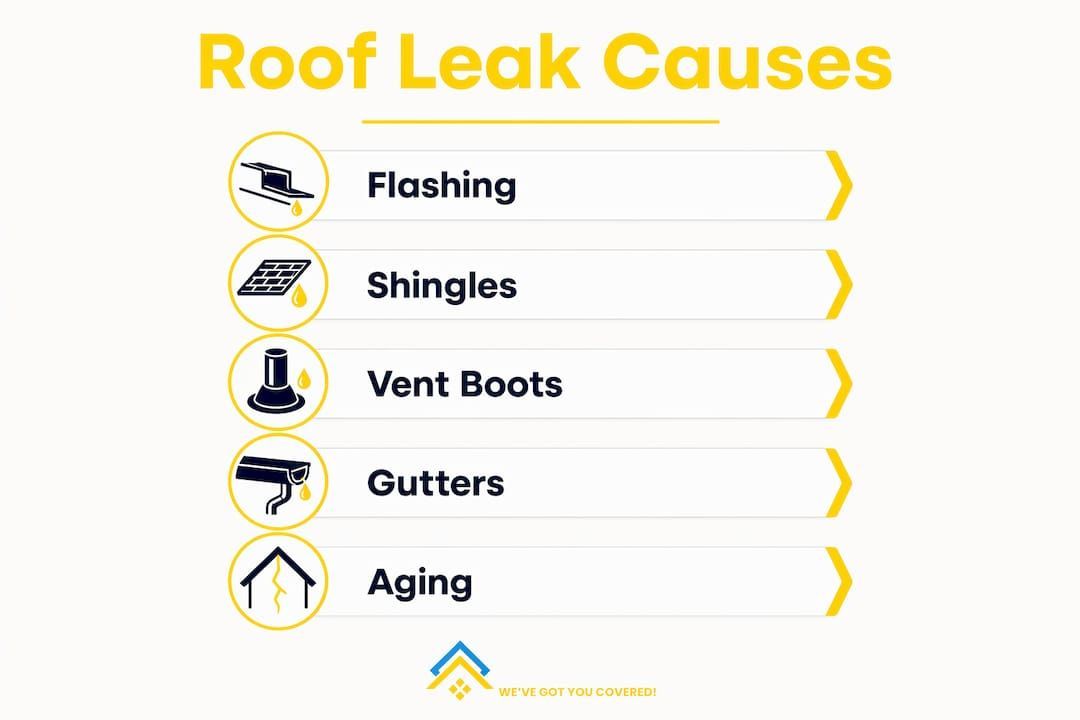
  • Flashing at chimneys, vents, and skylights: Sealant cracks and metal separates from thermal cycling, creating direct water entry paths.
  • Damaged or missing shingles: Exposed underlayment absorbs water and transfers it to the roof deck within minutes of rainfall.
  • Roof valleys: Debris dams and insufficient flashing allow water to back up under shingles on both sides of the valley.
  • Clogged gutters: Water backup along eaves mimics shingle failure and soaks fascia boards and soffit over time.
  • Vent pipe boots: Vent pipe boots degrade from UV and temperature cycles, losing watertightness after 10 to 15 years.

Pro Tip: Inspect vent pipe boots every five years starting at year eight of your roof's life. A cracked rubber collar around a plumbing vent is one of the cheapest fixes in roofing and one of the most commonly missed.

How water travels inside your roof before you see it

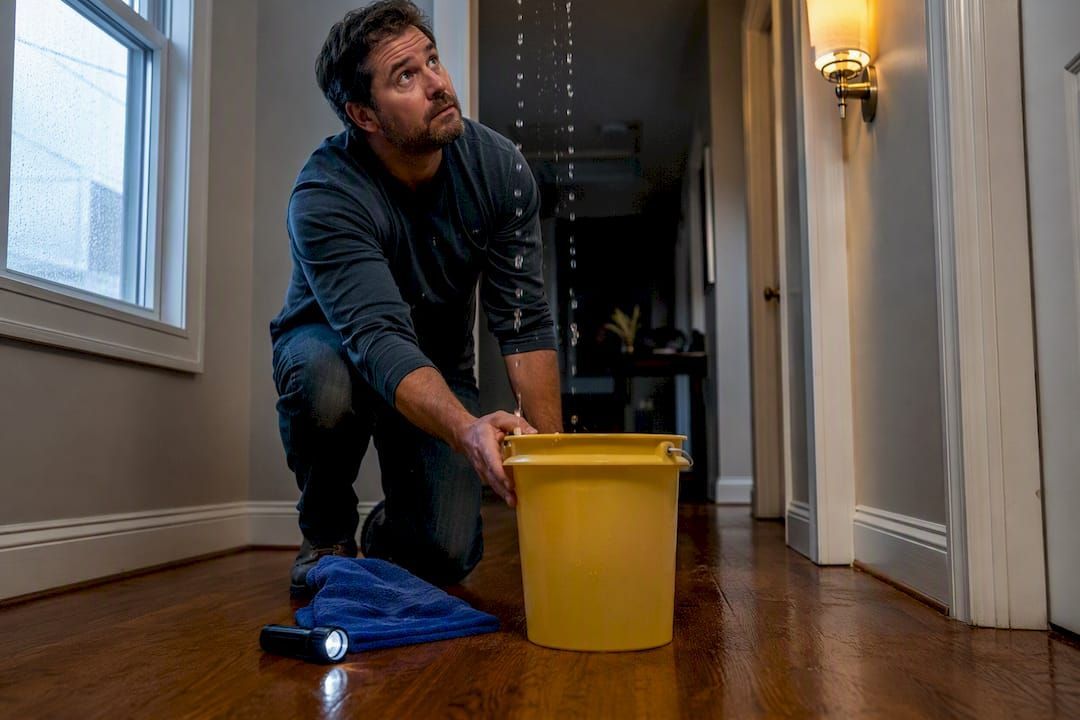
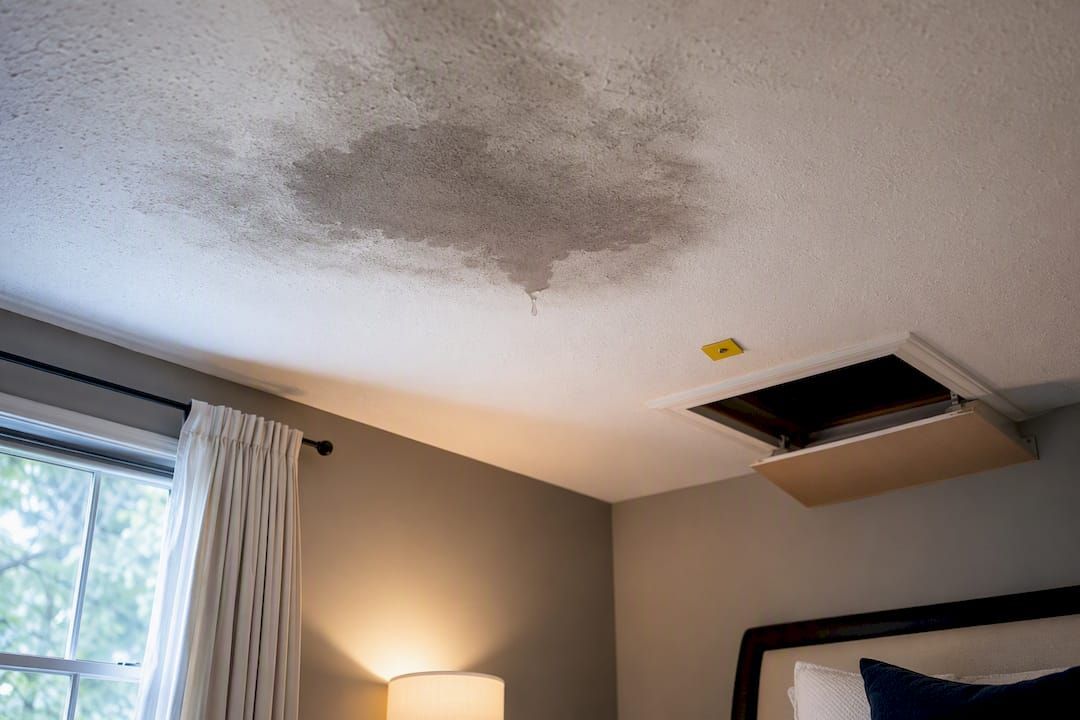
The visible stain on your ceiling is almost never directly below the leak source. Water travels along roof decking , rafters, and even electrical wiring before it finds a low point and drips through. This means a flashing gap at your chimney could produce a water stain six feet away near a light fixture. Homeowners who patch only the stained drywall without tracing the path upslope will see the same leak return with the next rainstorm.

Moisture can saturate insulation and structural components long before any interior drip appears. A slow leak at a nail pop or a hairline flashing crack can wet your attic insulation for weeks before you notice a ceiling stain. By that point, the insulation R-value is compromised and mold conditions may already exist in the cavity.

Here is a practical sequence for tracing a roof leak from the inside:

  1. Start at the stain and move upslope. Water always travels downhill. The entry point is higher on the roof than where it drips inside.
  2. Check the attic after rain. Bring a flashlight and look for wet wood, dark staining on rafters, or daylight visible through the decking.
  3. Follow the rafter line. Water often runs along the top edge of a rafter before dripping at a low point like a knot or a nail.
  4. Identify the nearest penetration upslope. A chimney, vent pipe, or skylight within six feet of the stain is the most likely source.
  5. Use a controlled water test. Have someone run a garden hose over specific roof sections while you watch from the attic. Start low and move up in sections.

"The visible leak location inside often misleads homeowners. The leak origin is frequently at flashing or penetration points upslope, not directly above the stain." — National Roof Authority

Wind-driven rain adds another layer of complexity. Water can enter gaps that would never leak during a vertical downpour but fail under the lateral pressure of a 40 mph wind. If your leak only appears during storms with strong wind, check the upwind side of every penetration and the rake edges of your roof where shingles meet the fascia.

What maintenance actually prevents leaks after heavy rain

Prevention is not complicated, but it requires consistency. Most roof leaks that Upstateroofingpros diagnoses trace back to deferred maintenance that would have cost under $300 to address before it became a $3,000 repair. The four highest-return maintenance tasks are gutter cleaning, valley clearing, flashing re-sealing, and attic inspection.

Here is how each task maps to leak prevention:

Maintenance task What it prevents Recommended frequency
Gutter cleaning Water backup under eaves shingles Twice per year (spring and fall)
Valley debris removal Moisture dams and metal corrosion Annually after leaf season
Flashing re-sealing Water entry at chimneys, vents, skylights Every 5 to 7 years
Attic inspection after rain Early detection before interior damage After every major storm
Shingle replacement Underlayment exposure and deck saturation As needed when damage is found

Gutters deserve special attention because they are the most neglected component in residential roofing. A gutter cleaning guide will show you that the process takes under two hours for most homes and eliminates one of the most common sources of eave leaks. If your gutters are pulling away from the fascia or have visible rust, cleaning alone is not enough. The DIY gutter repair steps for reattaching hangers and sealing joints are within reach for most homeowners.

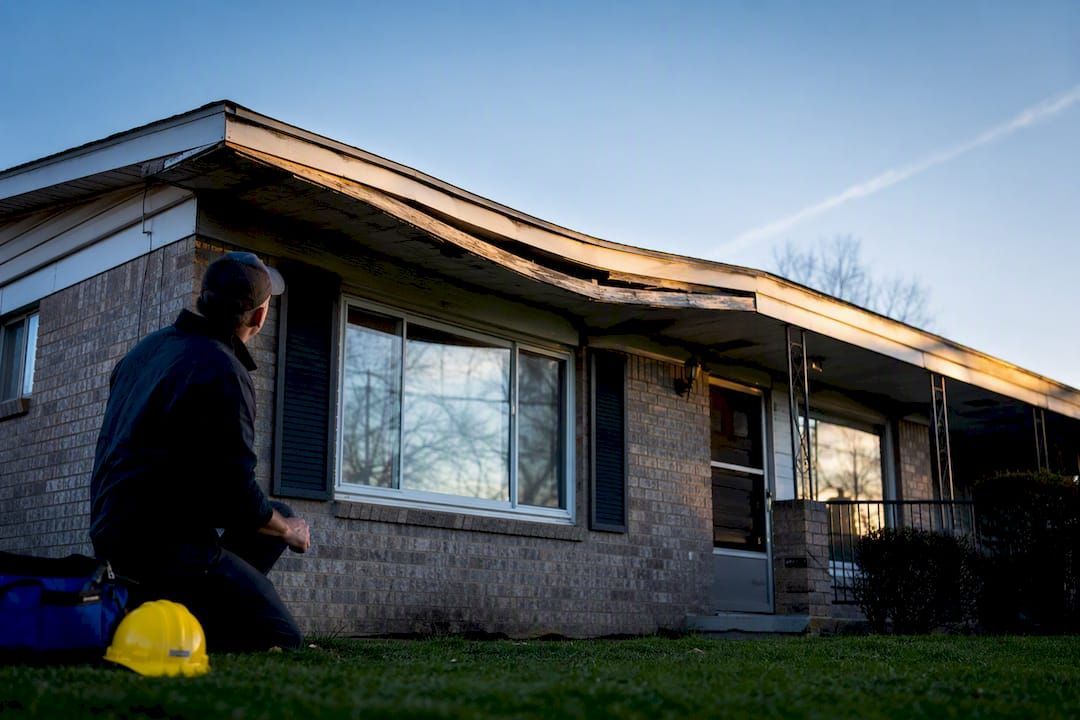
  • Inspect shingles from the ground with binoculars after every major storm. Look for lifted corners, missing tabs, or dark patches where granules have washed away.
  • Check skylight seals for cracking or separation from the frame. Silicone sealant around skylights typically lasts 10 to 15 years before it needs replacement.
  • Clear debris from valleys before the rainy season. Even a thin mat of wet leaves holds enough moisture to corrode metal flashing within one season.
  • Inspect the attic for dark staining, wet insulation, or soft spots in the decking after the first heavy rain of the season.

Pro Tip: Never pressure wash an asphalt shingle roof. The force strips granules, voids most manufacturer warranties, and can drive water under shingles, creating the exact leak conditions you are trying to prevent.

How age, weather, and climate accelerate roof leaks

Roof age is the single biggest predictor of leak frequency. Aging roofs with granule loss and brittle shingles are significantly more vulnerable to wind uplift and storm damage. An asphalt shingle roof past 20 years will show leaks after storms that a 10-year-old roof would handle without issue, because the shingles have lost flexibility and the sealant strips that bond tabs together have hardened.

UV exposure and temperature cycling degrade both shingles and flashing independently of rain. In climates with hot summers and cold winters, metal flashing expands and contracts repeatedly, eventually pulling away from the sealant bead that holds it against a chimney or vent collar. This process is invisible until rain arrives and finds the gap.

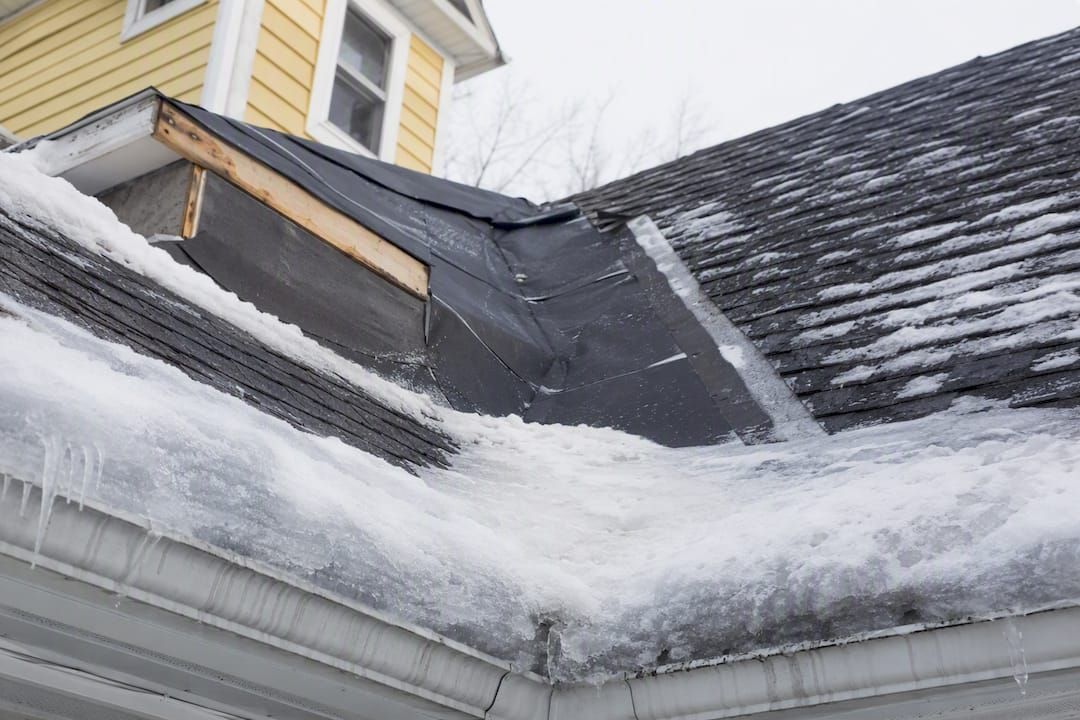
Ice dams in cold climates force meltwater under shingles at the eaves during thaw-freeze cycles, producing leaks along the interior perimeter of the roof. Ice dams form when heat escaping through a poorly insulated attic melts snow on the upper roof, which refreezes at the cold eaves. The pooled water has nowhere to drain and backs up under the shingles. This is a ventilation and insulation problem as much as a roofing problem.

Poor attic ventilation causes moisture to accumulate inside the roof structure, producing damage patterns that look identical to an active leak. Condensation on cold decking in winter can drip from rafters and wet insulation without a single drop of rain entering from outside. If your "leak" only appears in cold weather and you cannot find a flashing failure, check your attic ventilation ratio before scheduling a roof repair.

Older roofs may hide damage until heavy rains reveal weaknesses caused by previously unnoticed lifted shingles or flashing cracks. A storm that would be routine for a newer roof can expose years of accumulated degradation in a single event.

Key takeaways

Roofs leak after rain because water finds the weakest point in the assembly, and that point is almost always flashing, a damaged shingle, a clogged gutter, or an aging sealant rather than a catastrophic structural failure.

Point Details
Flashing is the primary leak source Inspect chimneys, vents, and skylights first when diagnosing any active leak after rain.
Water travels before it drips The ceiling stain is rarely below the entry point; trace upslope along rafters to find the source.
Gutters cause eave leaks Clean gutters twice yearly to prevent water backup that mimics shingle failure along the roof edge.
Age accelerates all failure modes Roofs past 20 years need annual professional inspection because granule loss and brittle flashing multiply leak risk.
Attic checks catch leaks early Inspecting the attic after heavy rain reveals moisture before it reaches drywall and becomes a costly repair.

What 15 years of leak diagnoses taught me

I have walked thousands of roofs after rain calls, and the pattern is consistent: homeowners focus on where the water appears inside, and contractors who do not look carefully enough patch that spot and leave. Three months later, the same homeowner calls back with the same leak. Recurring leaks almost always indicate a missed flashing or structural issue, not a failed patch.

The most underrated diagnostic tool is a flashlight in the attic, not a ladder on the roof. You can see water trails, stained wood, and wet insulation from below that are invisible from above. I tell every homeowner to spend 10 minutes in their attic with a flashlight after the first heavy rain of the season. That single habit catches more problems early than any annual inspection.

The other thing I have learned is that homeowners underestimate how much a $15 tube of roofing sealant and an hour of their time can extend a roof's life. Re-sealing a vent pipe boot or a skylight frame is not glamorous work, but it eliminates two of the most common leak sources before they become water damage claims. Document what you find with photos and dates. When you do call a professional, that record cuts diagnostic time in half and keeps repair costs honest.

If your roof is past 15 years and you have had more than one leak in the past two seasons, the math on repair versus roof replacement starts to shift. Patching individual failures on a roof that is broadly degraded is expensive over time. A professional inspection gives you the data to make that decision clearly rather than reactively.

— Cesar

Stop the leak before the next rainstorm

If you are dealing with an active leak or you have found staining in your attic after rain, the time to act is before the next storm, not after it.

Upstateroofingpros provides precise leak detection and repair across Sacramento, Roseville, and nearby areas, using advanced diagnostic methods to locate hidden entry points that visual inspection misses. The team addresses flashing failures, shingle damage, gutter issues, and vent boot replacements as part of a single service visit. For roofs showing broader wear, Upstateroofingpros also offers roof maintenance plans that keep gutters, seals, and flashings in working condition year-round. Schedule a professional roof repair or inspection estimate today and get a clear picture of what your roof needs before the rain returns.

FAQ

Why does my roof only leak during heavy rain?

Light rain may not generate enough water volume or pressure to breach a small flashing gap or lifted shingle, but heavy rain overwhelms the marginal seal. Wind-driven rain during storms also forces water laterally into gaps that vertical rain would miss.

How do I find where my roof is leaking?

Start in the attic after rain with a flashlight and trace any wet wood or staining upslope toward the nearest penetration. The leak origin is typically at flashing around a chimney, vent, or skylight rather than directly above the interior stain.

Can clogged gutters really cause roof leaks?

Yes. Blocked gutters allow water to back up beneath the bottom course of shingles along the eaves, causing leaks that look identical to shingle failure. Cleaning gutters twice a year eliminates this cause entirely.

How long do roof flashings last?

Metal flashings can last 20 to 30 years when properly installed, but the sealant holding them in place typically needs replacement every 5 to 10 years. Vent pipe boots made of rubber degrade faster and usually need replacement after 10 to 15 years.

When should I replace my roof instead of repairing it?

If your roof is past 20 years, shows widespread granule loss, and has had multiple leaks in recent seasons, repairs become a cycle of diminishing returns. A professional inspection from Upstateroofingpros can assess whether targeted repairs or full replacement delivers better value for your specific roof condition.

Recommended

Recent Posts

commercial roof repair in sacramento
June 5, 2026
Discover why roof maintenance prevents downtime for property owners. Learn effective strategies to protect your investment and avoid costly damage.
tpo roofing companies in sacramento
June 2, 2026
Discover our comprehensive TPO roofing installation overview for 2026. Learn essential steps and tips for a successful, energy-efficient roofing project!
residential roof repair in sacramento
June 1, 2026
Discover how residential roof layers explained can save you money. Understand your roof's components for smarter repairs and lasting protection!
Residential roof inspection sacramento
June 1, 2026
Discover what does roof replacement involve and learn essential steps for a successful project. Make informed choices and protect your investment!
commercial roof inspections in sacramento
June 1, 2026
Discover why commercial buildings need roof surveys to prevent costly repairs, ensure structural integrity, and protect warranties. Act now!
commercial roof gutter
May 31, 2026
Discover vital commercial gutter system maintenance tips for property managers. Protect your building and ensure compliance with our expert guide!
May 30, 2026
Discover the roofing maintenance plan benefits: extend your roof's lifespan, lower costs, and prevent emergencies. Invest wisely in your home!
May 29, 2026
Discover the critical role of building manager roof inspection. Learn how proactive checks save money and protect your property.
May 28, 2026
Discover the best roof coating types for commercial buildings. Enhance durability, cut costs, and boost energy efficiency with our 2026 guide!
May 27, 2026
Ensure your home is protected with our roof inspection checklist for homeowners in 2026. Catch issues early and save money!
Show More