
Roofing Maintenance Plan Benefits for Homeowners
A roofing maintenance plan is defined as a contracted schedule of professional inspections, minor repairs, gutter clearing, and documented condition reports designed to protect your roof from premature failure. The roofing maintenance plan benefits are concrete: extended roof lifespan, lower repair costs, warranty compliance, and fewer emergency calls. For homeowners and property managers in Sacramento, Roseville, and surrounding areas, a structured preventive roofing maintenance program is one of the highest-return investments you can make in your property.
1. How roofing maintenance plans extend the lifespan of your roof
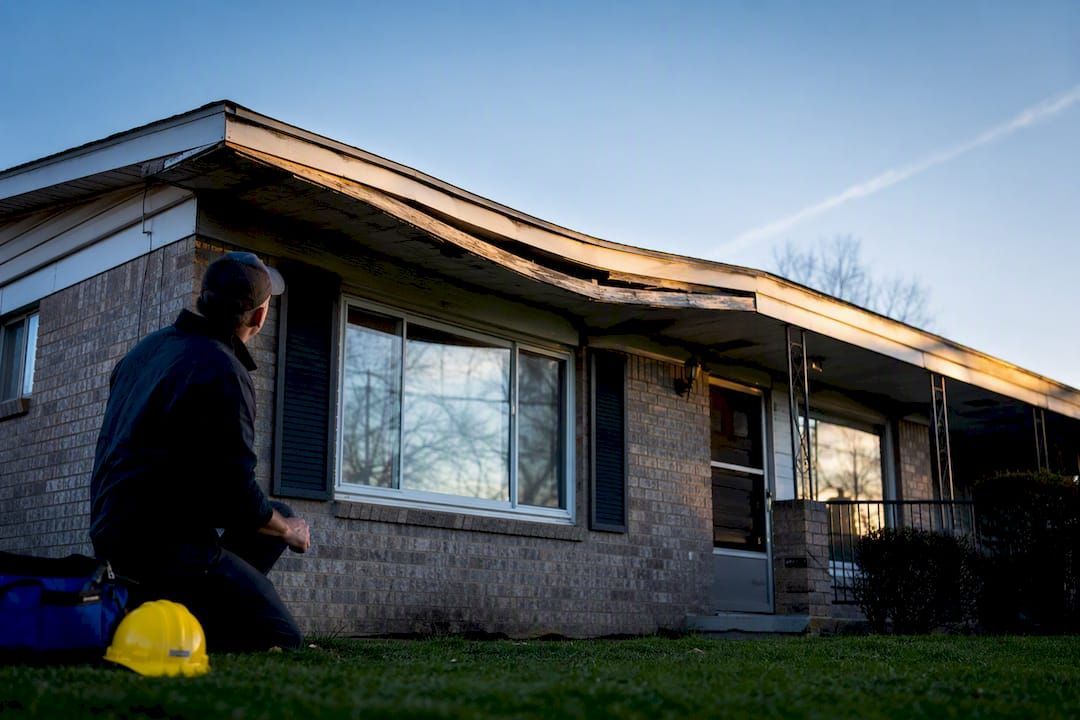
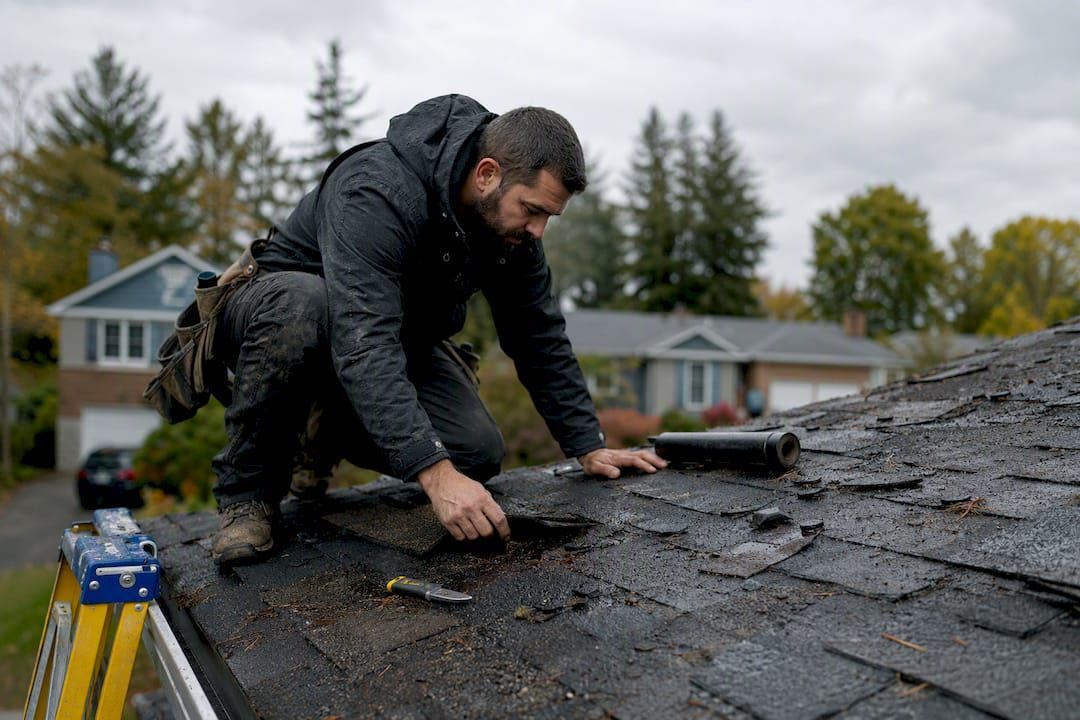
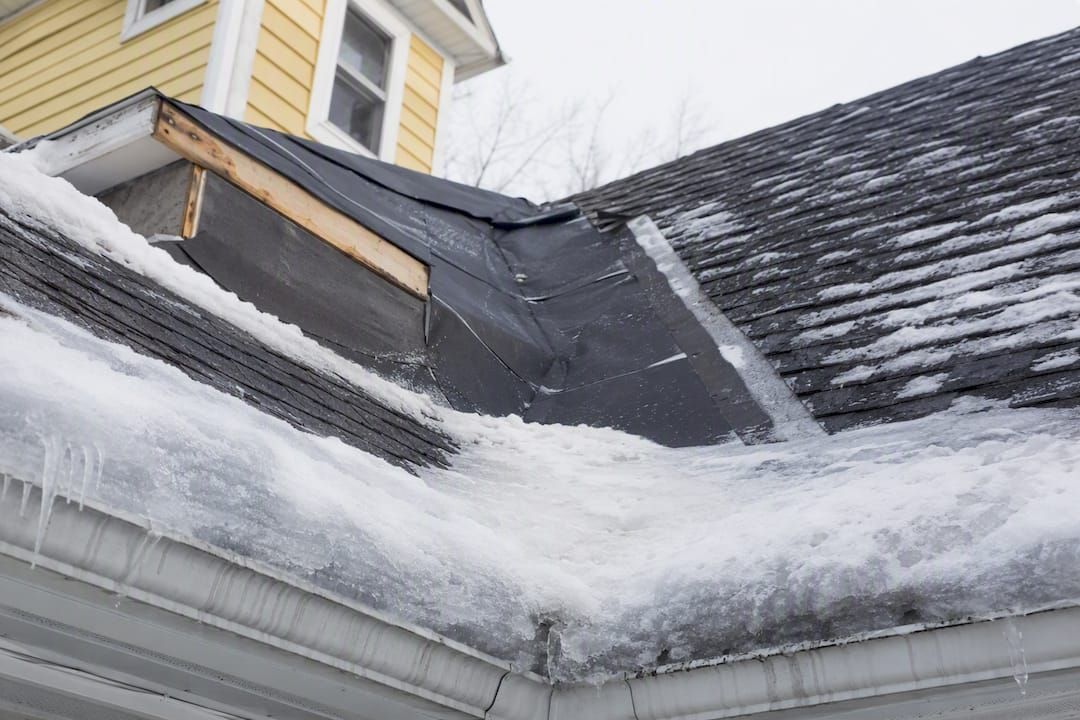
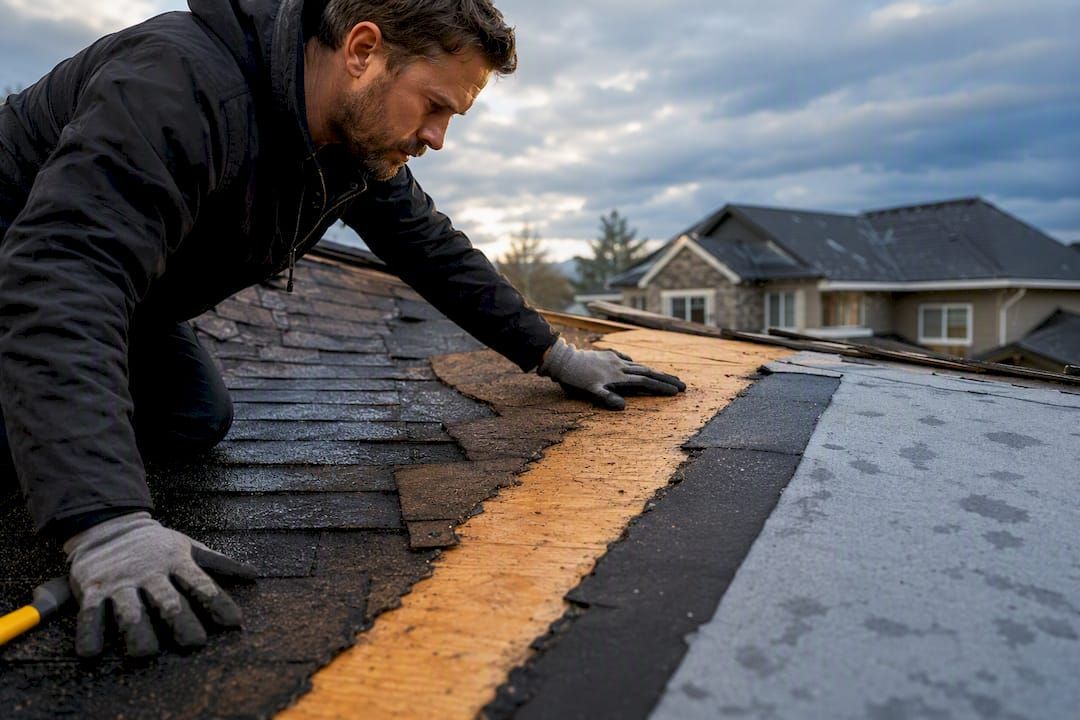
Regular roof inspections catch minor issues before they escalate into structural damage, water intrusion, or full replacement scenarios. A cracked flashing seal, a handful of lifted shingles, or a clogged valley drain each cost under $200 to fix when caught early. Left unaddressed, those same defects can drive water into your decking and insulation, turning a $150 repair into a $12,000 replacement.
Maintenance tasks that directly extend roof life include:
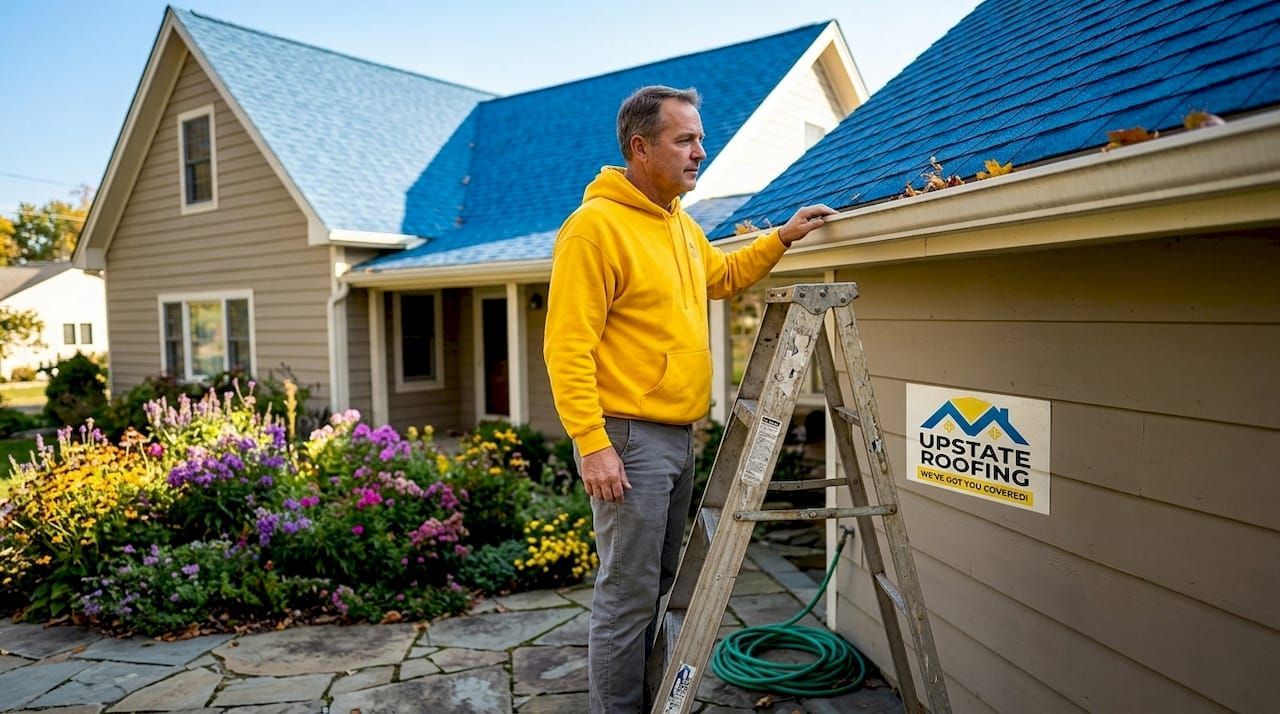
- Gutter and downspout clearing to prevent water backup under shingles
- Debris removal from valleys and flat sections where moisture pools
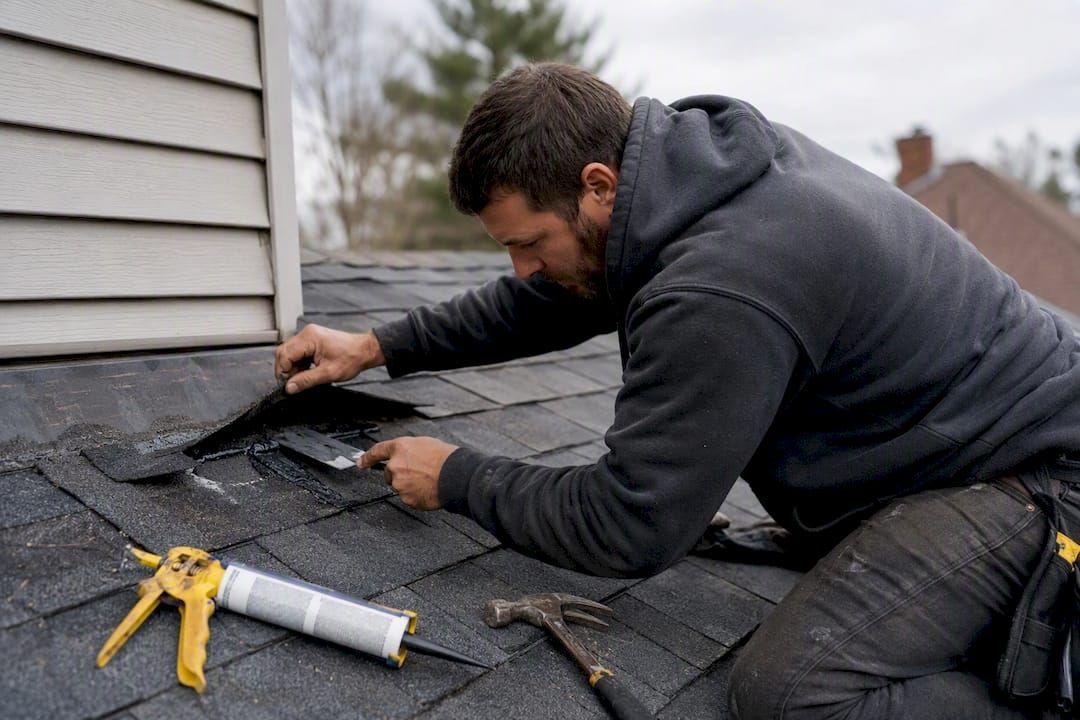
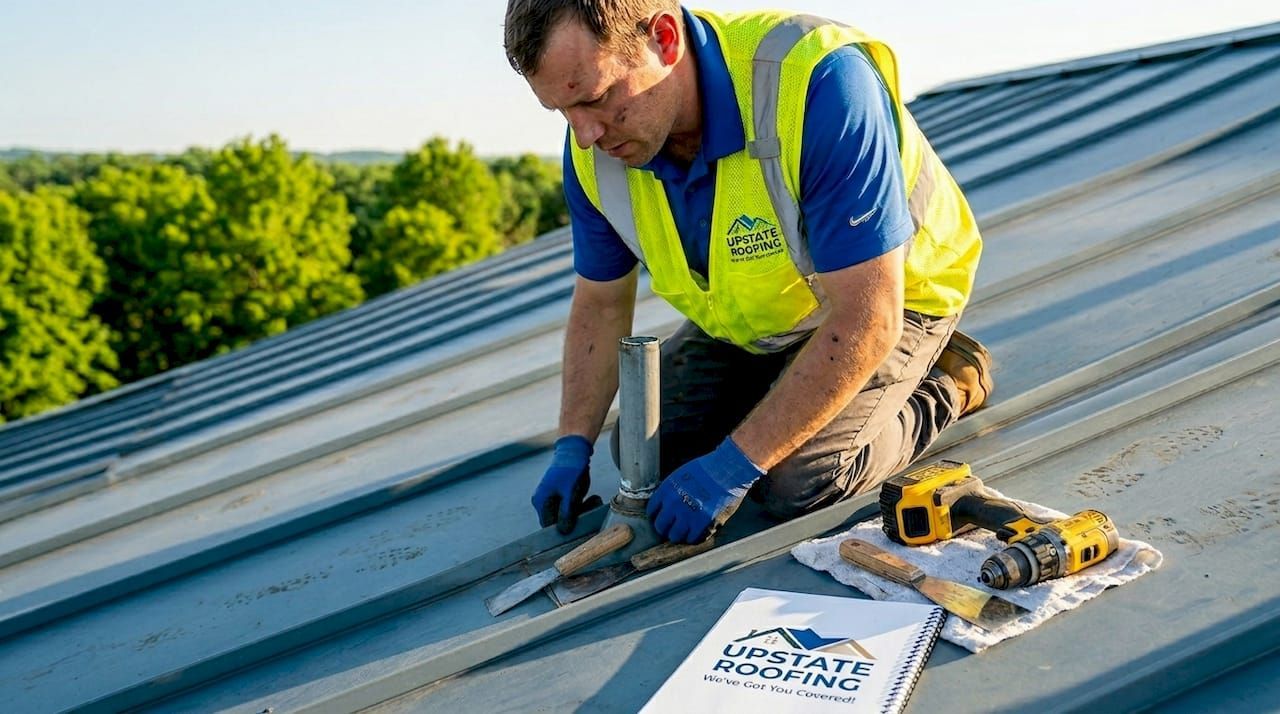
- Sealant inspection and reapplication around penetrations, chimneys, and skylights
- Shingle or tile realignment after wind events
- Flashing integrity checks at all roof-to-wall transitions
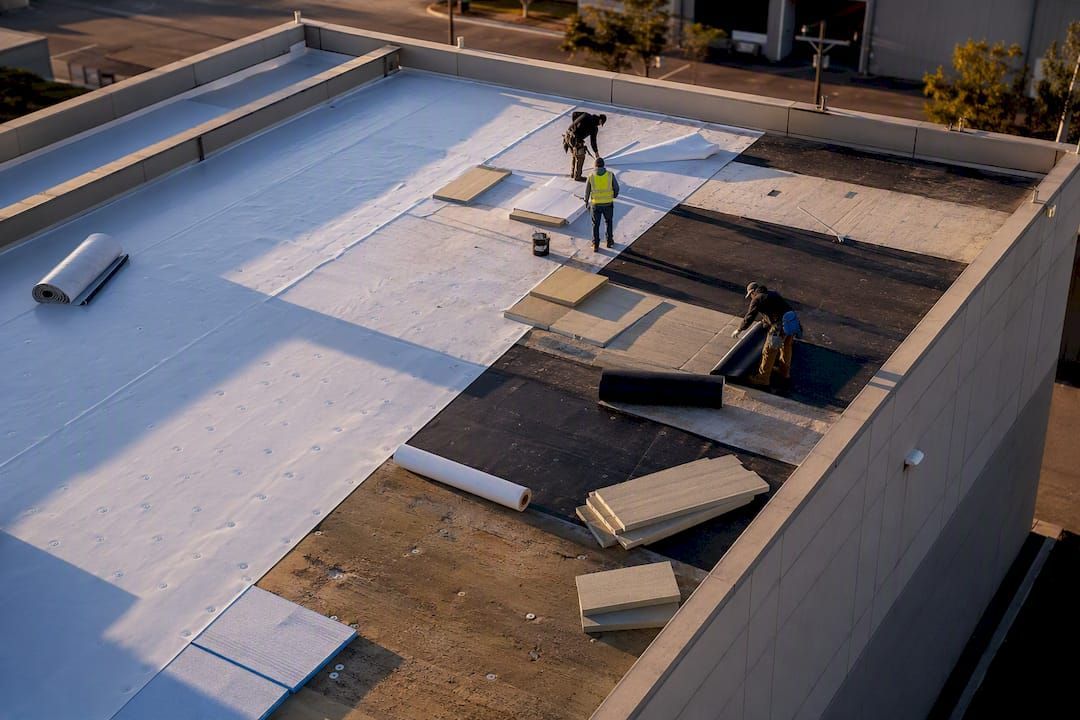
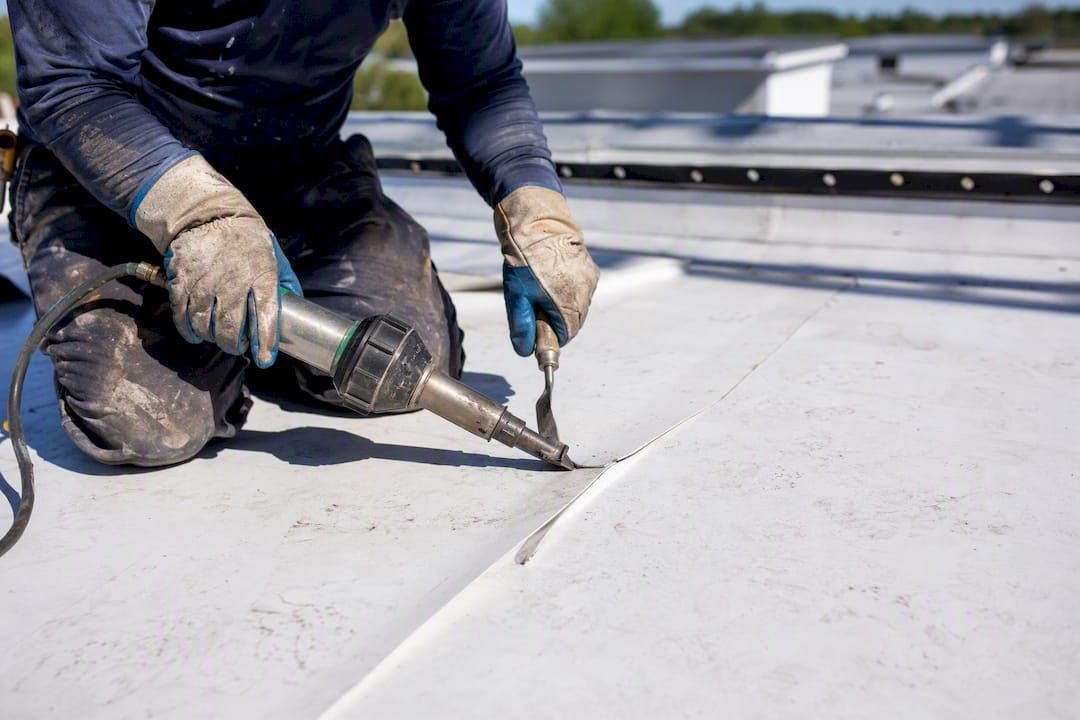
Asphalt shingles, concrete tile, and metal roofing all benefit from scheduled care, though the specific tasks differ by material. A metal roof needs fastener checks and coating inspections; asphalt shingles need granule-loss monitoring; tile roofs need mortar and underlayment assessments. Preventive maintenance can reduce repair costs by 30 to 50% compared to reactive approaches, and professional inspections typically cost $150 to $350 per visit.
Pro Tip: Ask your maintenance provider for a written condition report with photos after every visit. That documentation is your proof of compliance if a manufacturer warranty claim ever comes into question.
Annual maintenance contracts include documented service history that directly supports warranty compliance. Many manufacturers require evidence of reasonable preventive care before honoring a claim. Without that paper trail, a legitimate damage event can result in a denied claim.
2. Cost savings and financial advantages of a maintenance program
Preventive roof care is a budgeting tool as much as it is a protection strategy. Maintenance plans typically cost between $299 and $599 annually depending on coverage scope, roof size, and included services. Compare that to the average full roof replacement cost of $8,000 to $20,000, and the math is straightforward.
Here is how the financial advantage compounds over time:
- Lower per-incident repair costs. Small repairs caught during scheduled visits cost a fraction of emergency call-out rates, which include after-hours labor premiums and expedited material sourcing.
- Reduced emergency repair frequency. Preventive maintenance addresses leaks before they spread, cutting the number of reactive repair calls significantly.
- Insurance premium leverage. Some carriers offer discounts or more favorable claim outcomes when you can demonstrate a documented maintenance history. A clean service record signals lower risk.
- Delayed replacement timelines. Every year you extend a roof's functional life before replacement is a year of capital expense deferred. On a $15,000 replacement, even a two-year delay represents real financial value.
- Predictable annual spending. A fixed plan fee replaces unpredictable repair bills, making it easier to budget for property operating costs.
Property managers benefit especially from this predictability. Mid-year roof assessments help separate routine maintenance spending from capital replacement decisions, reducing unplanned expenditures and improving annual budget accuracy. For a portfolio of properties, that separation is the difference between a controlled operating budget and a reactive one.
The largest financial benefit of roof maintenance comes from catching small issues early before they cause water intrusion or structural damage. — SERVPRO
3. Energy efficiency, curb appeal, and peace of mind
A well-maintained roof does more than keep water out. It keeps conditioned air in. Gaps around penetrations, deteriorated ridge venting, and compromised underlayment all allow thermal transfer that forces your HVAC system to work harder. Sealing those gaps during routine maintenance visits directly reduces heating and cooling costs, which compounds over years of service.
The advantages of roof maintenance extend to property value as well. A roof with visible moss growth, missing shingles, or stained fascia boards signals deferred maintenance to buyers, appraisers, and neighbors. A documented maintenance history and clean roof condition support higher appraisal values and faster sale timelines. For rental property managers, a well-maintained exterior reduces tenant turnover by signaling that the property is professionally managed.
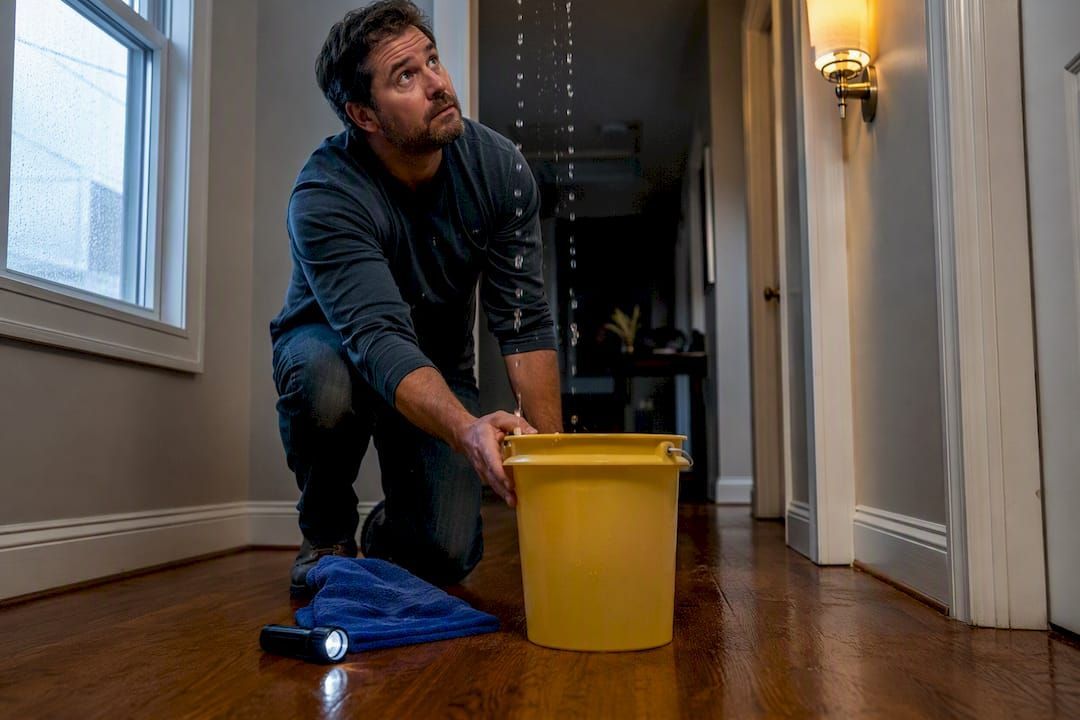
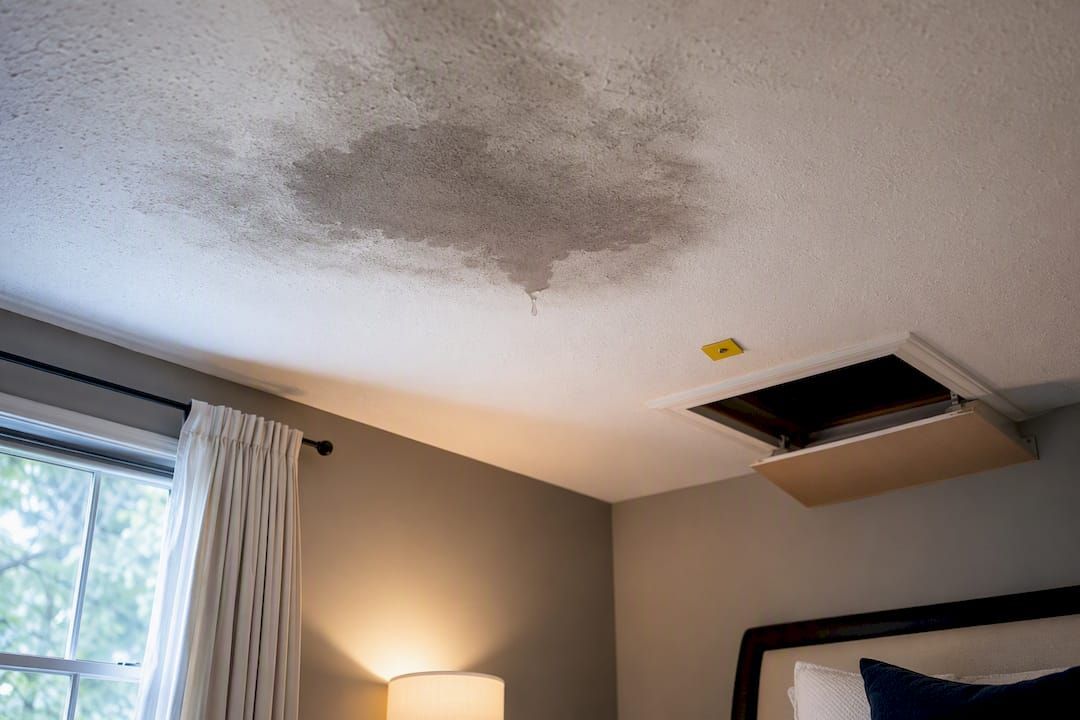
Water intrusion from a neglected roof also creates secondary damage that is far more expensive than the roof repair itself. Mold remediation, drywall replacement, and insulation removal each add thousands of dollars to a claim. Preventive maintenance eliminates most of those scenarios before they start.
The peace-of-mind factor is real and underrated. Homeowners who carry a maintenance plan know their roof has been professionally evaluated within the past six to twelve months. That confidence matters most before storm season, during a property sale, or when filing an insurance claim.
4. Comparing roofing maintenance plans: what to look for
Not all plans deliver equal value. Understanding what separates a strong plan from a weak one helps you spend your maintenance budget where it counts.
Standard plan inclusions to expect:
- Two annual inspections (spring and fall)
- Minor repairs up to a defined dollar cap, typically $150 to $300 per visit
- Gutter clearing and downspout flushing
- Written condition report with photographs
- Priority scheduling for emergency service calls
Factors that increase plan value for your specific roof:
The value of a maintenance contract is higher for roofs with risk factors like heavy tree debris, complex geometry, multiple penetrations, or systems in the 10 to 20 year age range. A simple gable roof on a new home in an open lot needs less frequent attention than a hip roof with three skylights surrounded by mature oak trees.
Annual vs. biannual plans:
Annual plans work well for newer roofs in low-risk environments. Biannual plans, with visits in spring and fall, are the standard recommendation for most residential roofs in climates with distinct wet and dry seasons. Fall visits catch debris accumulation before winter rains; spring visits assess any damage from freeze-thaw cycles or storm events.
À la carte services vs. contracted plans:
À la carte inspections make sense for roofs under five years old with no known issues. Once a roof passes the ten-year mark or shows any history of repairs, a contracted plan almost always delivers better value. The documented service history alone, which supports both warranty and insurance positioning, justifies the annual fee.
Pro Tip: When comparing plans, ask specifically whether the condition report includes photos and a written priority ranking of identified issues. A report without photos provides almost no protection in a warranty or insurance dispute.
For homeowners comparing home service maintenance programs across categories, the structure of a recurring maintenance plan in adjacent industries like HVAC shows how annual contracts create both cost predictability and service priority benefits.
Key takeaways
A roofing maintenance plan delivers its highest return by catching small defects early, before water intrusion triggers structural repairs that cost ten to fifty times more than the original fix.
| Point | Details |
|---|---|
| Lifespan extension | Scheduled inspections and minor repairs prevent premature failure across asphalt, tile, and metal roofs. |
| Cost reduction | Preventive care cuts repair costs by 30 to 50% compared to reactive approaches and delays costly replacements. |
| Warranty and insurance support | Documented service history with photos is required for many warranty claims and strengthens insurance positions. |
| Budgeting predictability | Fixed annual plan fees replace unpredictable repair bills, improving operating budget accuracy for property managers. |
| Energy and value gains | Sealed penetrations and maintained ventilation reduce HVAC load and support higher property appraisal values. |
What I've learned after years of watching roofs fail prematurely
The most common mistake I see homeowners make is treating their roof as a set-it-and-forget-it system. They replace it, feel good about the investment, and then do nothing for fifteen years. By year twelve, what should have been a $250 flashing repair has become a $4,000 decking replacement because water had two years to work its way through.
The second mistake is choosing a maintenance plan based on price alone. A $99 annual inspection that produces a one-page checklist with no photos is not a maintenance plan. It is a liability shield for the contractor. The real value of documented care comes from detailed condition reports that can be presented to a manufacturer or insurance adjuster. Warranty compliance depends on the quality of that documentation, not just the fact that someone walked your roof.
I also push back on the idea that maintenance plans only make sense for older roofs. A roof in its fifth to eighth year is often the highest-risk window for undetected issues. The original installation defects have had time to manifest, but the roof still looks fine from the street. That is exactly when a professional inspection catches problems at their cheapest point.
Tailor your maintenance frequency to your actual risk profile. If you have mature trees overhanging your roof, you need at least two visits per year. If your roof has multiple valleys, skylights, or a flat section, the same applies. A rigid once-a-year calendar schedule ignores the variables that actually drive roof deterioration.
— Cesar
Protect your roof with Upstateroofingpros
Upstateroofingpros serves homeowners and property managers across Sacramento, Roseville, and nearby areas with fully licensed roofing professionals who bring real expertise to every visit. The team's roof maintenance plan covers professional inspections, minor repairs, gutter clearing, and detailed condition reports that protect your warranty and insurance standing. If your roof hasn't been professionally evaluated in the past twelve months, now is the right time to schedule a roof inspection and get a clear picture of where your roof stands. Upstateroofingpros also handles roof repairs when maintenance visits identify issues that need immediate attention.
FAQ
What does a roofing maintenance plan typically include?
A standard plan includes two annual inspections, minor repairs up to a set dollar cap, gutter clearing, and a written condition report with photographs. Some plans also include priority scheduling for emergency service calls.
How much does a roofing maintenance plan cost?
Plan pricing typically ranges from $299 to $599 annually depending on coverage scope, roof size, and included services. That cost is a fraction of the $8,000 to $20,000 average for a full roof replacement.
Does roof maintenance affect my warranty?
Yes. Many manufacturers require documented evidence of preventive maintenance before honoring a warranty claim. Failure to maintain your roof per warranty terms can result in a denied claim even for legitimate damage events.
How often should a roof be professionally inspected?
Most residential roofs benefit from two inspections per year, in spring and fall. Roofs with heavy tree cover, complex geometry, or systems older than ten years should follow a biannual schedule at minimum.
Can roof maintenance lower my energy bills?
Yes. Sealing gaps around penetrations and maintaining proper ventilation during routine maintenance visits reduces thermal transfer, which lowers the load on your HVAC system and cuts heating and cooling costs over time.