Roof Inspection After Purchase: What New Owners Must Know
Roof Inspection After Purchase: What New Owners Must Know
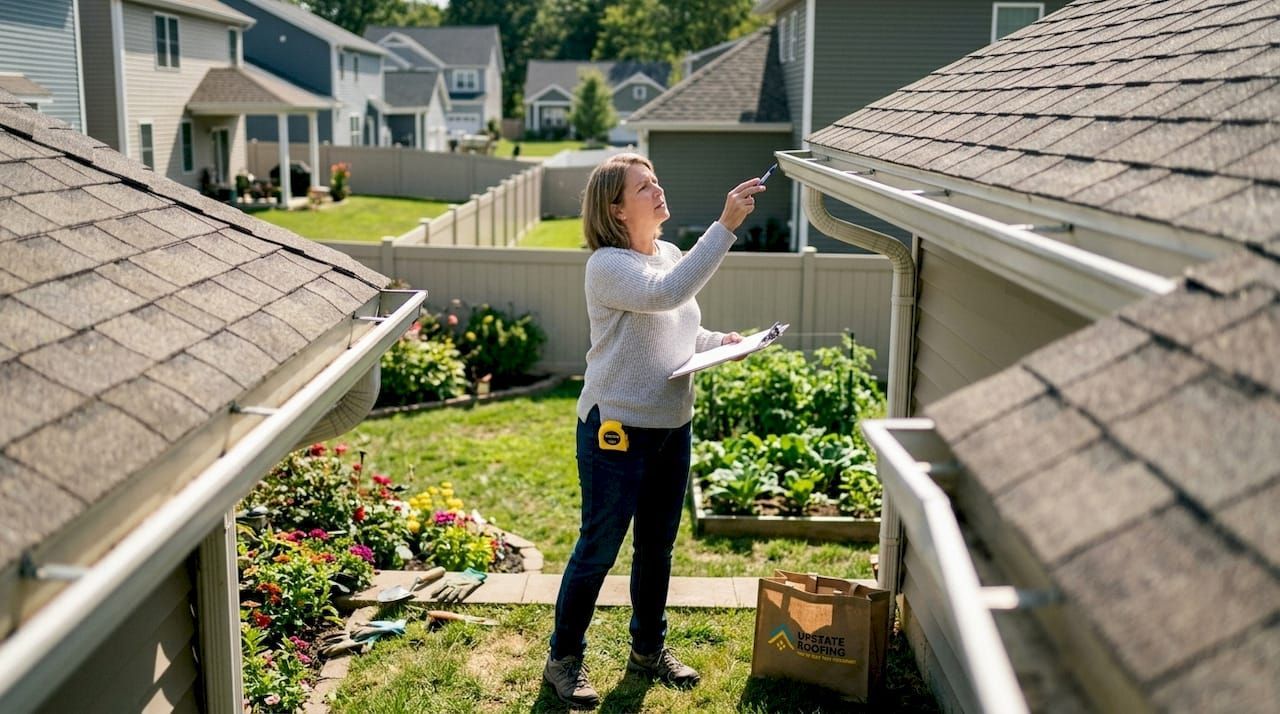
A roof inspection after purchase is a formal condition assessment performed by a licensed roofing professional to document the structural integrity, remaining lifespan, and defect status of a home's roof system. Unlike the cursory check included in a standard home inspection, a dedicated post-purchase roof assessment uses thermal imaging, moisture meters, and HAAG-certified testing methods to produce a Roof Condition Report that protects your investment from day one. Skipping this step is one of the most expensive mistakes new homeowners make. The roof is the single most costly system in a residential structure, and hidden defects can surface within months of closing.
What does a roof inspection after purchase actually involve?
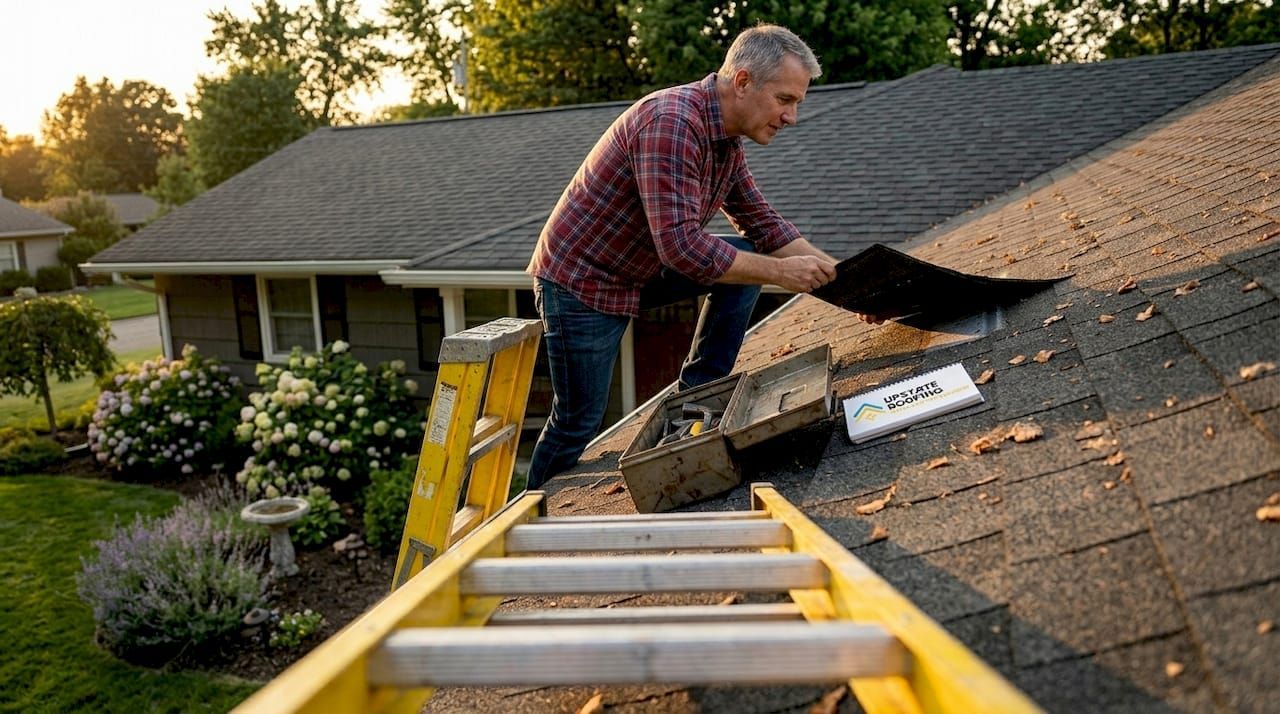
Most buyers assume the general home inspection covers the roof. It does not. General home inspectors spend 10 to 15 minutes on the roof, typically from the ground or the edge of a ladder, missing subtle but critical defects. That is not negligence on their part. It reflects the scope of a general inspection, which covers dozens of systems in a few hours.
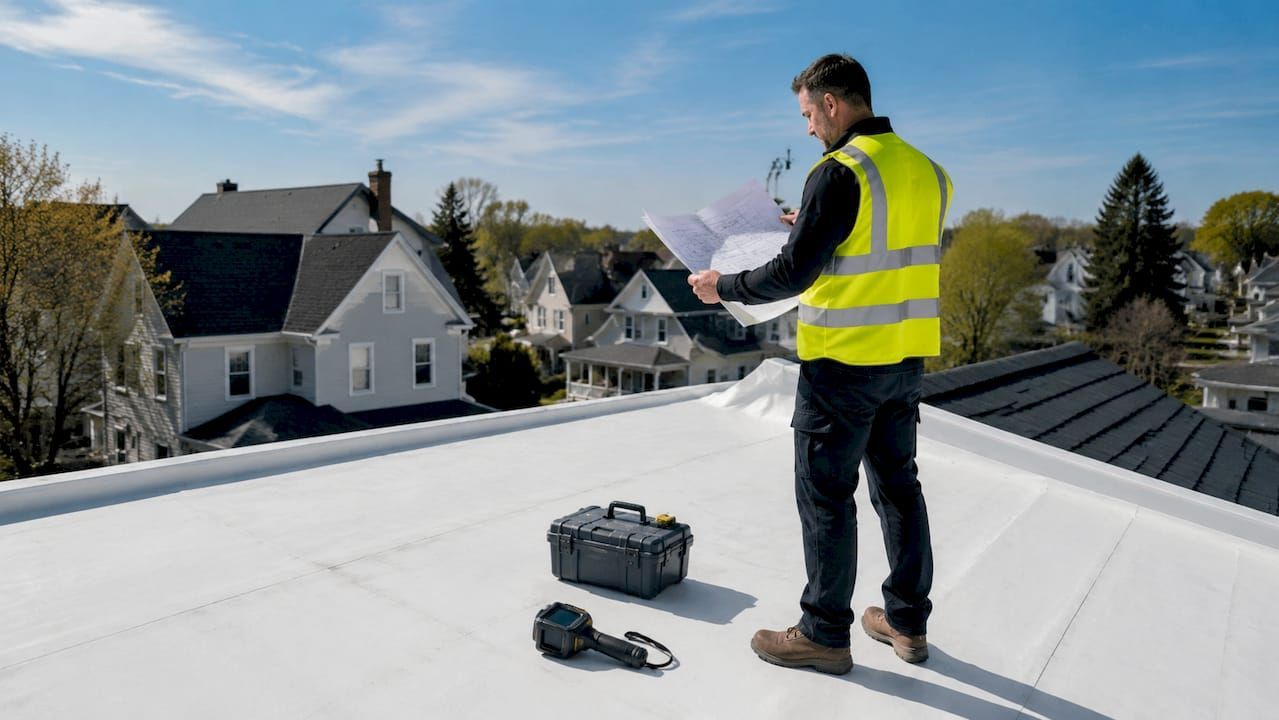
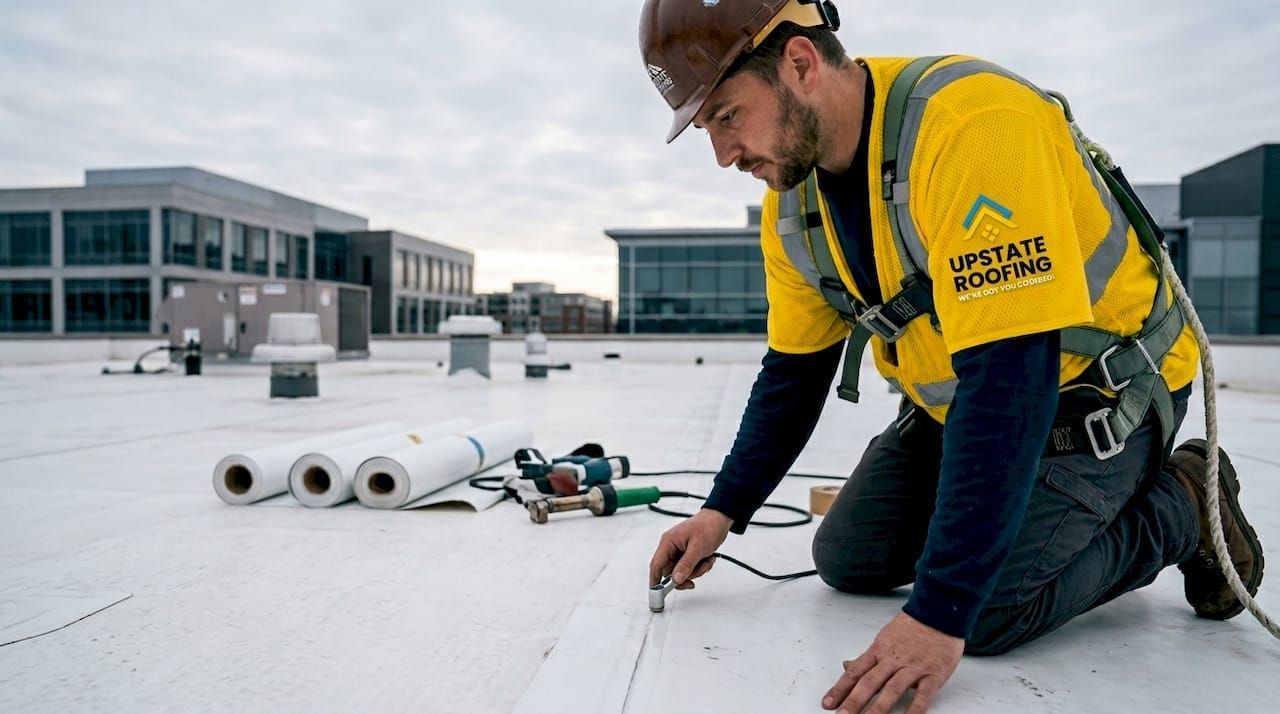
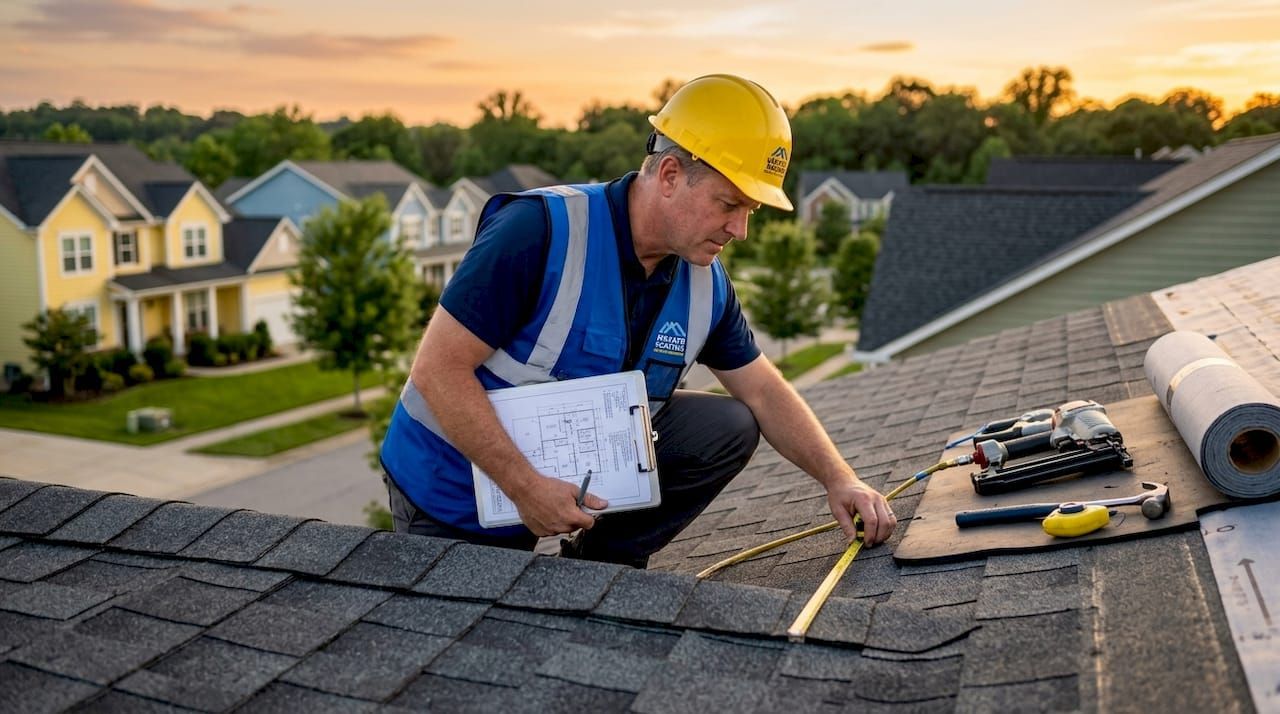
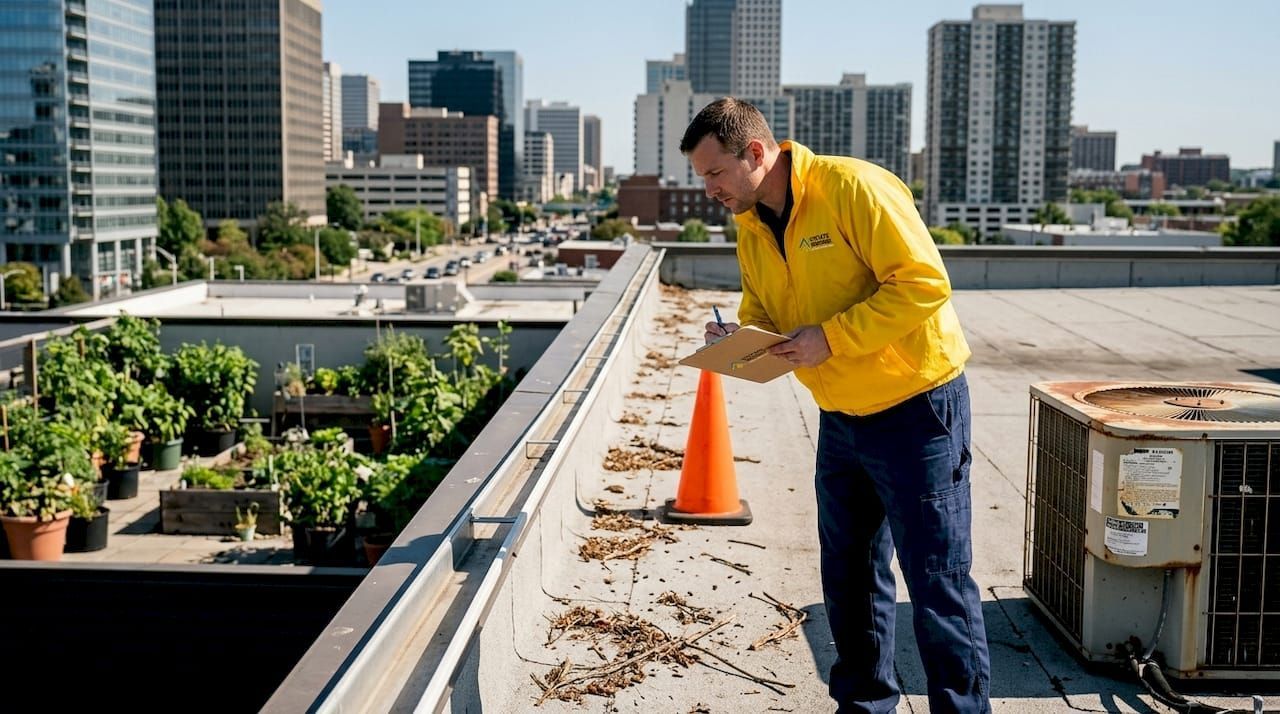
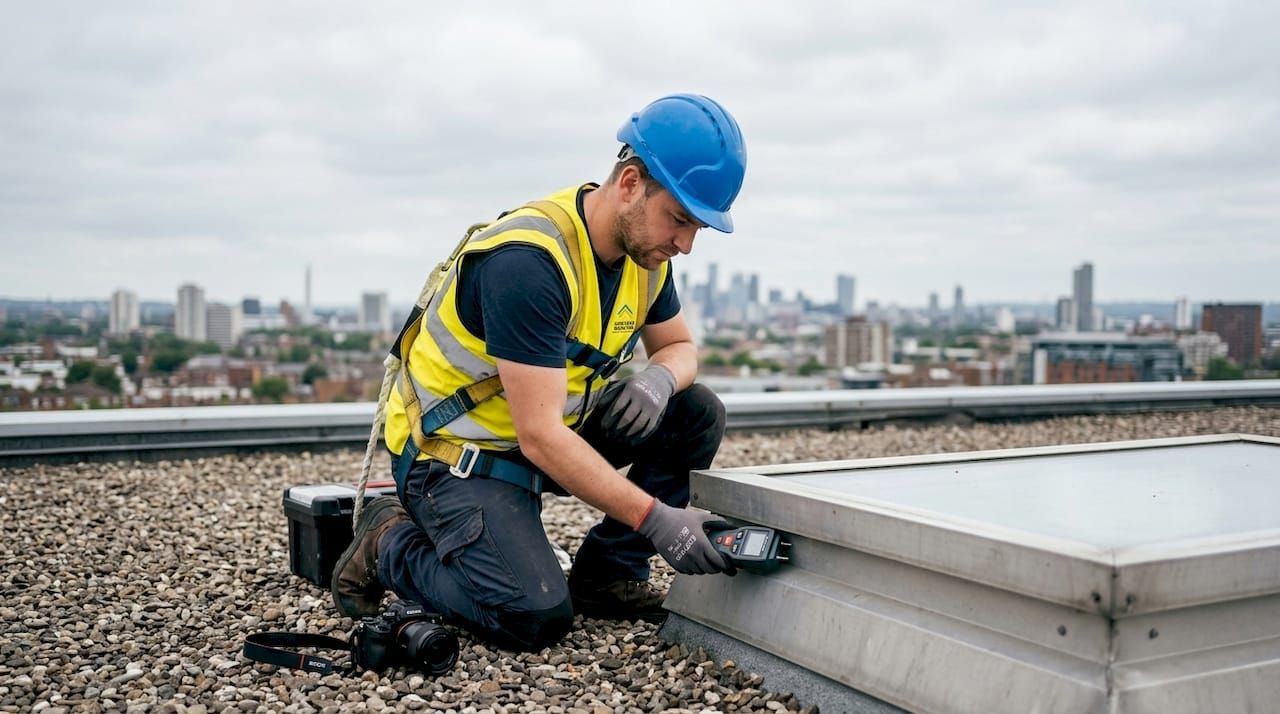
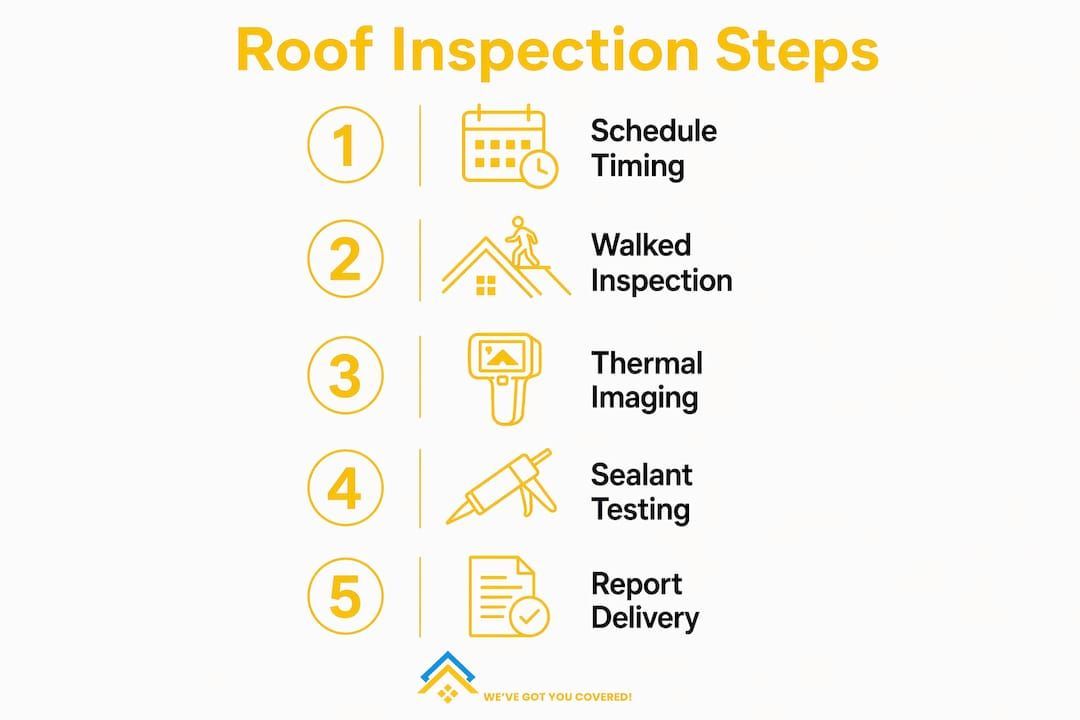
A dedicated buyer's roof inspection is a different service entirely. It is a forensic-level assessment tailored to lender, insurance, and closing requirements. The inspector walks the roof surface, enters the attic, and uses specialized tools to find problems invisible to the naked eye. The output is a formal Roof Condition Report, not a checkbox on a general inspection form.
The distinction matters financially. A general inspection might note "roof appears serviceable." A dedicated inspection might find saturated insulation, failed flashing at every valley, and a remaining useful life of three years. Those two findings lead to very different decisions at the closing table.
When to schedule your post-purchase roof inspection
Timing is the most underestimated factor in a buyer's roof inspection. The inspection contingency window typically runs 5 to 14 days after offer acceptance. Completing your roof inspection within that window preserves your full negotiation leverage and your insurance eligibility. Miss the window, and you lose both.
Here is how to approach the scheduling process:
- Book immediately after offer acceptance. Reputable inspectors in competitive markets fill their calendars fast. Contact a licensed roofing contractor the same day your offer is accepted, not after the general inspection.
- Schedule the roof inspection alongside or just after the general inspection. This lets you cross-reference findings without duplicating effort.
- Confirm the inspector's credentials. HAAG certification is the gold standard for residential roof inspections. Ask specifically whether the inspector performs walked inspections or relies on binoculars and drones.
- Request the Roof Condition Report in writing before closing. Verbal summaries are not sufficient for insurance carriers or lenders.
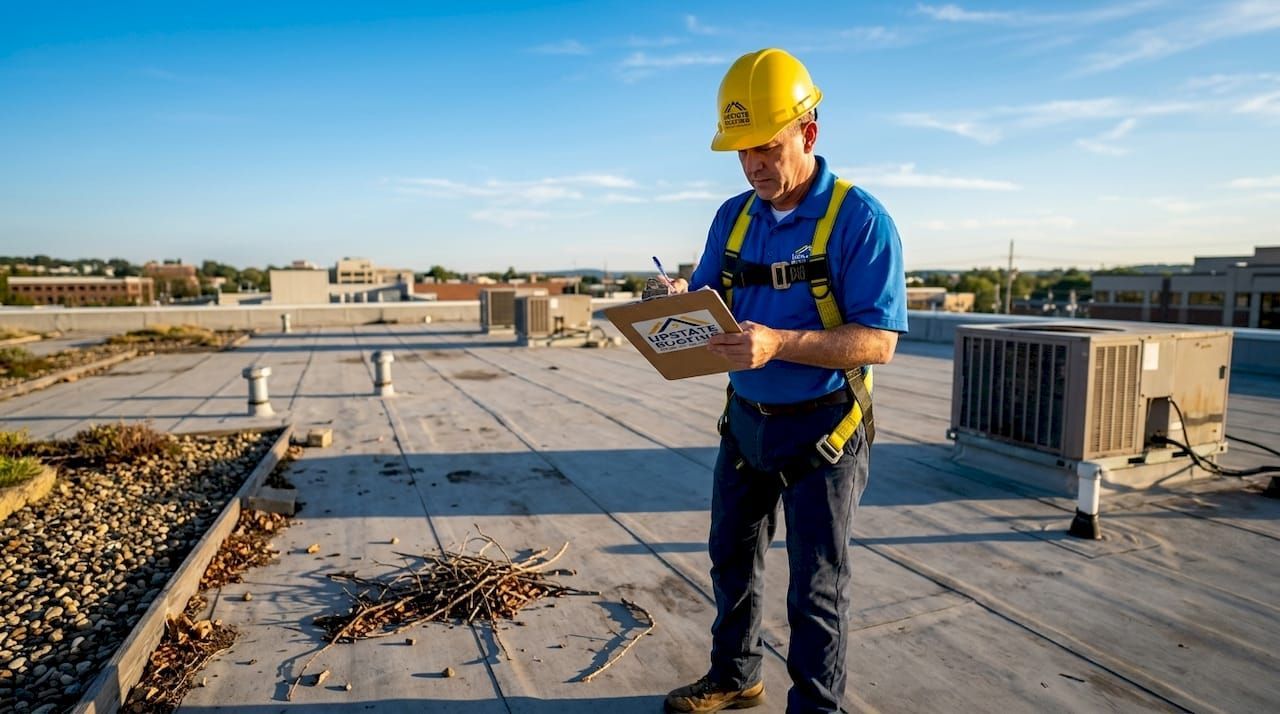
A thorough roof inspection typically lasts 60 to 90 minutes. That duration reflects the time needed to walk the roof, inspect the attic, test flashing seals, and document findings photographically. Anything shorter should raise questions about the depth of the assessment.
Cost is a common concern. Paid independent inspections run $300 to $600, depending on roof size, pitch, and complexity. Some local contractors offer free buyer-focused inspections as a relationship-building service. Free inspections can be legitimate, but confirm the inspector has no financial stake in recommending unnecessary repairs.
Pro Tip: Ask your real estate agent to recommend inspectors who have worked with buyers in your specific neighborhood. Local inspectors know regional weather patterns, common installation shortcuts used by local builders, and which roofing materials age poorly in your climate.
What a thorough roof inspection covers
A rigorous post-purchase roof assessment goes well beyond looking at shingles. Here is what a qualified inspector examines:
- Roof surface: Shingle condition, granule loss, cracking, blistering, and evidence of prior patchwork repairs
- Flashing: Condition at chimneys, skylights, valleys, and wall transitions, where most leaks originate
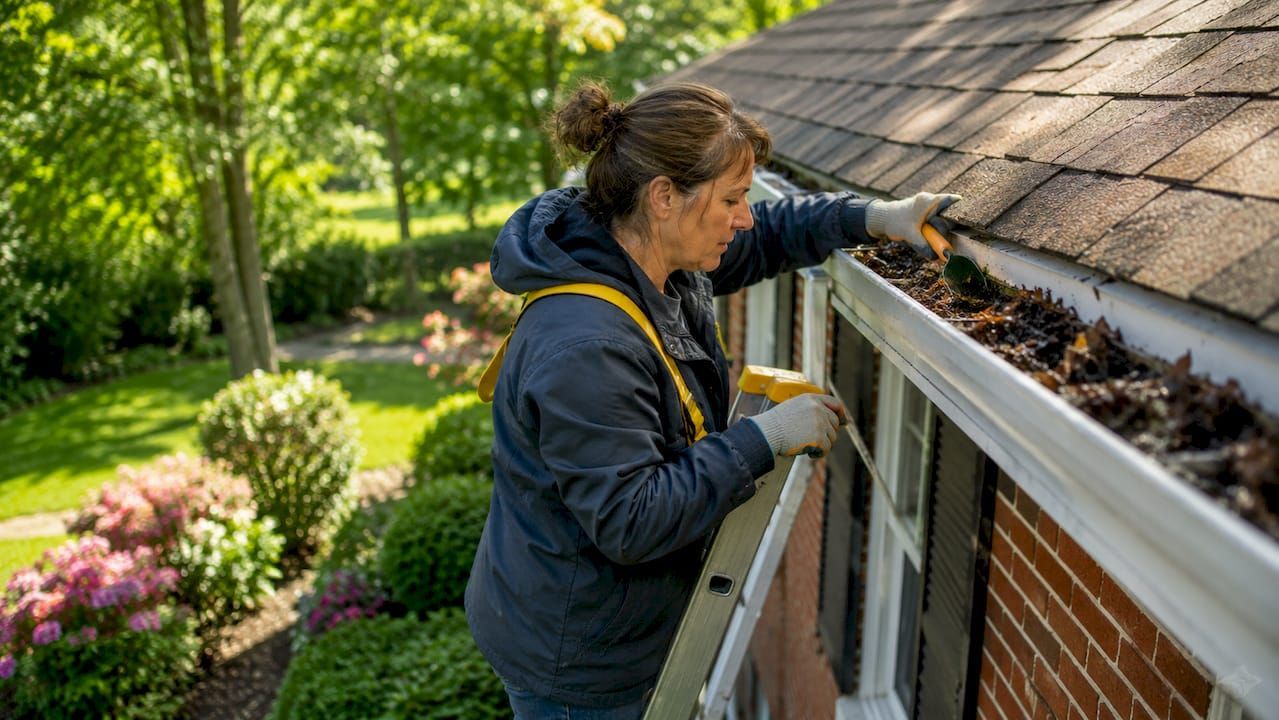
- Drainage system: Gutters, downspouts, and slope adequacy to prevent ponding water
- Attic interior: Moisture readings, ventilation balance, insulation saturation, and signs of prior leaks
- Decking: Soft spots indicating rot or delamination beneath the surface layer
- Penetrations: Pipe boots, vents, and HVAC curbs, which are frequent failure points
The attic component is where thermal imaging earns its value. Thermal imaging detects active moisture and ventilation imbalances that are completely invisible from the roof surface. Saturated insulation, for example, shows no visible signs from above but registers clearly on an infrared camera. Left unaddressed, it leads to mold, structural rot, and dramatically higher energy bills.
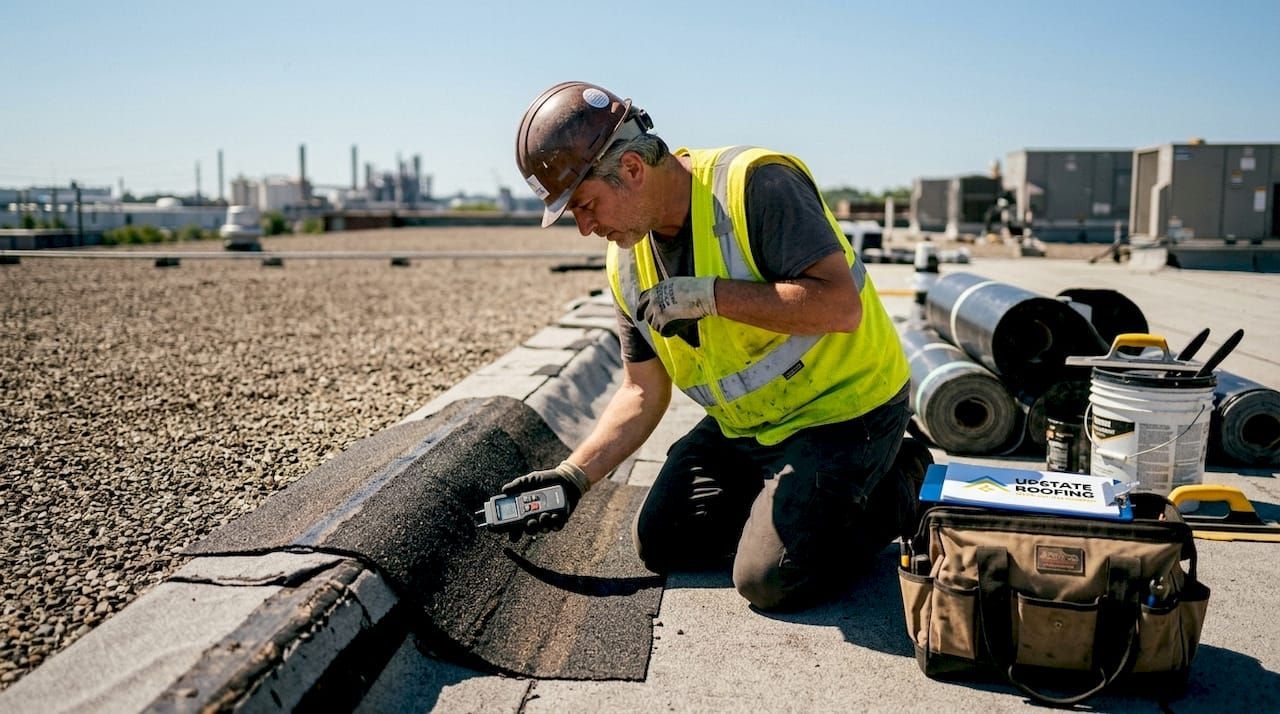
HAAG-certified inspections add another layer of rigor. HAAG-certified inspectors perform hand-lift sealant bond testing, moisture-meter readings at specific grid points, and manufacturer-compliance ventilation calculations. These methods produce findings that hold up with insurance carriers and in legal disputes, which matters more than most buyers realize until they need to file a claim.
The formal Roof Condition Report ties everything together. A quality report includes photographic documentation, a remaining lifespan estimate , and ventilation calculations. That document becomes your baseline record for insurance, warranty claims, and future maintenance scheduling. Keep it with your closing documents permanently.
| Inspection component | What it reveals |
|---|---|
| Walked surface inspection | Shingle damage, flashing gaps, ponding risk |
| Attic thermal imaging | Hidden moisture, insulation saturation, ventilation failure |
| Moisture-meter readings | Active water intrusion at specific deck points |
| Ventilation calculations | Code compliance and manufacturer warranty validity |
| Roof Condition Report | Remaining lifespan, repair priorities, insurance documentation |
Pro Tip: Request that your inspector photograph every defect with a measurement reference in the frame. Insurance adjusters and contractors both respond faster to documented evidence than to written descriptions alone.
Common roof issues found after buying a home
Post-purchase roof assessments consistently surface the same categories of problems. Knowing what to expect helps you interpret findings without panic or complacency.
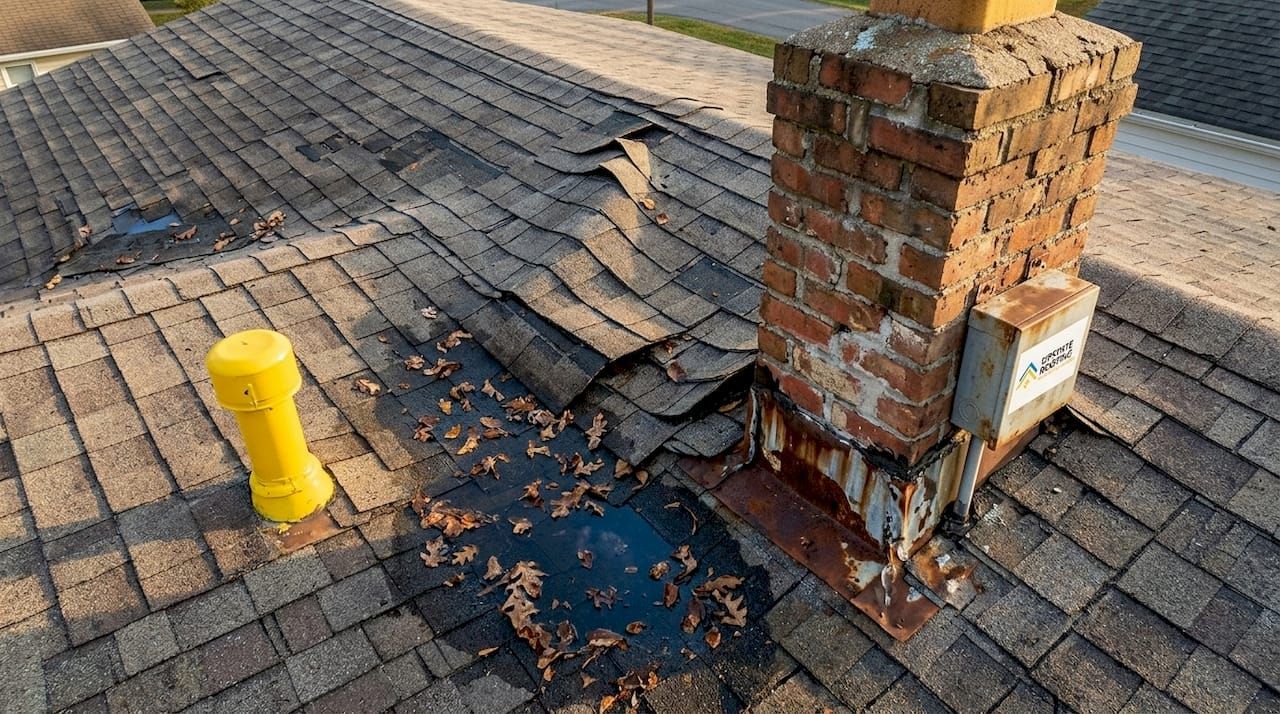
Common defects include ponding water, cracked or missing shingles, flashing failure at transitions, soft decking from long-term moisture intrusion, and prior patchwork repairs that signal a roof has been managed reactively rather than maintained properly. Each of these carries different financial implications.
- Flashing failure is the most common source of active leaks and is frequently underrepresented in general inspections. Replacing flashing at a chimney or skylight costs $200 to $500. Ignoring it for two years can mean $8,000 in interior water damage.
- Soft decking indicates the structural substrate beneath the shingles has absorbed moisture over time. This requires partial or full deck replacement before re-roofing, adding significant cost to what might otherwise be a straightforward shingle replacement.
- Prior patchwork repairs are a red flag for deferred maintenance. Multiple generations of patch repairs suggest the roof has been managed to delay replacement rather than maintain performance. Budget accordingly.
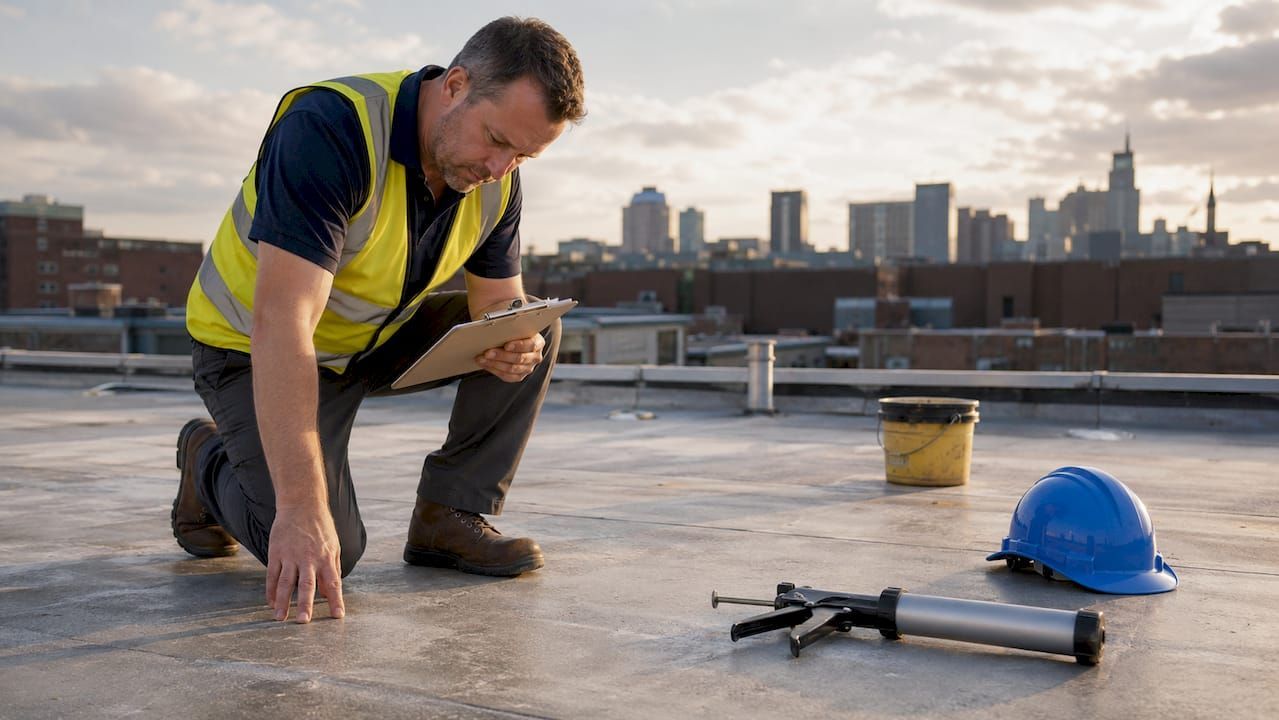
- Ponding water on flat or low-slope sections accelerates membrane degradation and adds structural load. It also signals drainage design problems that shingle replacement alone will not fix.
Hidden defects can also affect your insurance coverage directly. Inspection documentation supports insurance carrier roof acceptance letters and lender requirements. Without it, carriers may exclude pre-existing conditions from your policy, leaving you exposed on the most expensive system in the home.
How to use your inspection findings after closing
The Roof Condition Report is not just a record. It is a financial planning tool and a negotiation instrument. Here is how to put it to work:
- Negotiate before closing when possible. A documented inspection report anchors requests for price reductions, seller-paid repairs, or closing credits. Findings with photographs and cost estimates are far more persuasive than verbal concerns.
- Request escrow holdbacks for deferred repairs. If the seller cannot complete repairs before closing, an escrow holdback sets aside funds from the sale proceeds to cover documented work after closing. This is a standard mechanism that many buyers do not know to request.
- Submit findings to your insurance carrier immediately. Carriers use the report to establish coverage terms and exclusions. Submitting it proactively prevents disputes over whether damage was pre-existing.
- Use the remaining lifespan estimate to build a replacement budget. If the report shows seven years of useful life remaining, you have a planning horizon. Set aside a monthly reserve so replacement does not arrive as a financial emergency.
- Schedule your first follow-up inspection within 12 months. Roof conditions change with weather events and seasonal cycles. A routine maintenance inspection one year after purchase confirms whether any defects have progressed and keeps your documentation current for insurance purposes.
The post-inspection negotiation phase is where buyers most often leave money on the table. A roof inspection shifts the negotiation into a phase focused on concrete outcomes: seller credits, repair arrangements, or escrow holdbacks. Buyers who skip the inspection have no leverage and no documentation. Buyers who complete it have both.
| Negotiation outcome | When to use it |
|---|---|
| Seller-paid repairs | Defects found before closing with time to complete work |
| Closing credit | Seller cannot complete repairs; buyer takes funds at closing |
| Escrow holdback | Repairs needed but closing timeline is fixed |
| Price reduction | Major defects that affect long-term value, not just repair cost |
Key takeaways
A roof inspection after purchase is the single most effective step a new homeowner can take to protect their investment, establish insurance coverage, and avoid unbudgeted repair costs.
| Point | Details |
|---|---|
| Schedule within the contingency window | The 5 to 14 day window after offer acceptance preserves negotiation leverage and insurance eligibility. |
| Demand a walked inspection | General home inspectors spend 10 to 15 minutes on the roof; a dedicated inspection takes 60 to 90 minutes and covers the attic. |
| Require a formal Roof Condition Report | The written report with photos and lifespan estimates is your tool for insurance, lender, and negotiation needs. |
| Know the common red flags | Flashing failure, soft decking, and patchwork repairs signal deferred maintenance with real cost implications. |
| Use findings to plan and negotiate | Inspection results support seller credits, escrow holdbacks, insurance submissions, and long-term replacement budgeting. |
What I've learned from years of post-purchase roof inspections
Most buyers treat the roof inspection as a formality. They schedule it because their real estate agent told them to, skim the report, and file it away. That approach costs them money within the first two years of ownership more often than I can count.
The finding that surprises buyers most consistently is ventilation failure. A roof can look perfect from the street, with clean shingles and no visible damage, and still be destroying itself from the inside because the attic is running 20 degrees hotter than it should. Manufacturer warranties on architectural shingles are routinely voided by ventilation ratios that fall outside specification. Buyers who do not know this buy a roof with five years of warranty left on paper and zero years of warranty left in practice.
The second misconception I see constantly is that a general home inspection is sufficient. It is not, and the gap is not minor. A general inspector covering a full house in three hours cannot give a roof the attention it requires. That is not a criticism of general inspectors. It is a structural limitation of the service. A dedicated roof inspection is a different product, and the $300 to $600 cost is among the best money a buyer can spend.
My honest advice: treat the Roof Condition Report the way you treat the title search. It is not optional documentation. It is the foundation of your ownership record for the most expensive component of the home you just bought.
— Cesar
Get a professional roof inspection from Upstateroofingpros
New homeowners in Sacramento, Roseville, and surrounding areas trust Upstateroofingpros for post-purchase roof assessments that go beyond the surface. The Upstateroofingpros team performs walked inspections with thermal imaging, delivers formal Roof Condition Reports, and provides the documentation your insurance carrier and lender require. If the inspection reveals defects, the same team handles professional roof repairs with no handoff delays. For buyers who need a complete picture before or after closing, Upstateroofingpros offers scheduled roof inspections with fast turnaround and detailed written findings. Contact Upstateroofingpros today to book your inspection and protect your investment from day one.
FAQ
How soon after buying a home should I get a roof inspection?
Schedule your roof inspection within the contract's inspection contingency window, which typically runs 5 to 14 days after offer acceptance. Completing it within this window preserves your right to negotiate repairs or credits before closing.
What is the difference between a home inspection and a dedicated roof inspection?
A general home inspector spends roughly 10 to 15 minutes on the roof, usually from the ground or ladder edge. A dedicated roof inspection takes 60 to 90 minutes, includes attic evaluation with thermal imaging, and produces a formal Roof Condition Report with a remaining lifespan estimate.
How much does a post-purchase roof inspection cost?
Independent roof inspections typically cost $300 to $600, depending on roof size and complexity. Some local contractors offer free buyer-focused inspections, though you should confirm the inspector has no financial incentive tied to the findings.
Can I use the roof inspection report to negotiate with the seller?
Yes. A documented Roof Condition Report with photographs and cost estimates supports requests for price reductions, seller-paid repairs, closing credits, or escrow holdbacks. Without documentation, buyers have no factual basis for negotiation.
What happens if defects are found after closing?
Use the Roof Condition Report to submit findings to your insurance carrier and establish coverage terms. For repairs, prioritize flashing failures and active moisture intrusion first, as these cause the fastest secondary damage. Schedule a follow-up inspection within 12 months to track whether any documented defects have progressed.
Recommended
Recent Posts