Energy Efficient Roofing Options That Cut Utility Bills

June 17, 2026

Share this article

Energy Efficient Roofing Options That Cut Utility Bills

cutting utilites by choosing the right roof for your home

Energy efficient roofing options are materials and systems designed to minimize heat gain and loss, reducing energy consumption and lowering utility bills. The industry term for the leading category is "cool roofing," measured by the Solar Reflectance Index (SRI), a scale from 0 to 100+ where higher numbers mean more heat reflected away from your building. The Cool Roof Rating Council (CRRC) certifies products with verified SRI data, and that certification is what separates genuine performers from marketing claims. Whether you manage a commercial property in Sacramento or own a home in Roseville, the right roof can cut cooling costs by 10–30% annually.

1. What are cool roofs and how do they work?

Cool roofs are defined by two measurable properties: high solar reflectance and high thermal emittance. Solar reflectance measures how much sunlight bounces off the surface. Thermal emittance measures how quickly the roof releases absorbed heat. The SRI combines both values into a single number, with most cool roof standards requiring minimums in the high 70s.

The CRRC tests and labels products with both initial and aged performance values. Aged values matter more than initial ones because weathering and dirt accumulation reduce reflectance over time. A product that starts at SRI 90 may drop to SRI 75 after three years of exposure. Always check the aged value before purchasing.

Cool roofs reduce the heat transferred into your building, which directly lowers air conditioning demand. Cooling energy savings of 10–30% are typical in warm climates, translating to $0.10–$0.40 per square foot annually on commercial buildings. For a 3,000 square foot home in a hot climate, that adds up fast.

Pro Tip: Ask your supplier for the CRRC product ID and look up the aged reflectance value directly on the CRRC database before committing to any cool roof product.

Common cool roof materials include:

  • White TPO membranes: Solar reflectance of 0.80–0.88, thermal emittance above 0.90
  • PVC membranes: Similar performance to TPO, widely used on flat commercial roofs
  • Elastomeric coatings: Applied over existing roofs, aged reflectance of 0.65–0.75
  • Cool asphalt shingles: Designed with reflective granules for sloped residential roofs

2. How metal, tile, and asphalt roofing compare

Not all popular roofing materials perform equally on energy efficiency. Here is how the three most common options stack up.

Metal roofing has naturally high solar reflectance but low thermal emittance in bare form. That means it reflects sunlight well but holds onto absorbed heat longer than ideal. The fix is factory-applied cool pigment coatings. Kynar or SMP coatings on metal panels can push SRI above 78, meeting most code and rebate thresholds. Metal roofs also last 40–70 years, making the upfront premium easier to justify over time.

Tile roofing works differently. Clay and concrete tiles create a natural air gap between the tile and the roof deck, allowing heat to dissipate before it reaches your living space. This passive ventilation effect gives tile roofs strong thermal performance without relying solely on reflectance. The trade-off is cost. Tile installations run significantly higher than asphalt upfront, though the lifespan often exceeds 50 years.

Cool asphalt shingles are the budget-friendly entry point. Standard dark asphalt shingles can reach surface temperatures above 150°F on a hot day. Cool asphalt shingles lower attic temperatures by roughly 20°F and reduce cooling costs by 7–15%. They also meet California Title 24 SRI requirements, making them a practical choice for homeowners who want compliance without a full material upgrade.

Pro Tip: If you are replacing a roof in California, confirm your shingle's CRRC product ID before installation. Title 24 compliance requires documented aged reflectance, not just a "cool roof" label on the package.

Material Typical cost per sq. ft. Energy savings Lifespan
White TPO/PVC $5–$10 10–30% cooling reduction 20–30 years
Metal with cool coating $10–$18 10–25% cooling reduction 40–70 years
Clay/concrete tile $12–$25 8–20% cooling reduction 50+ years
Cool asphalt shingles $4–$8 7–15% cooling reduction 20–30 years

3. Solar shingles, coatings, and green roofs

Beyond the standard material categories, three supplemental solutions deserve attention for homeowners and property managers looking to push performance further.

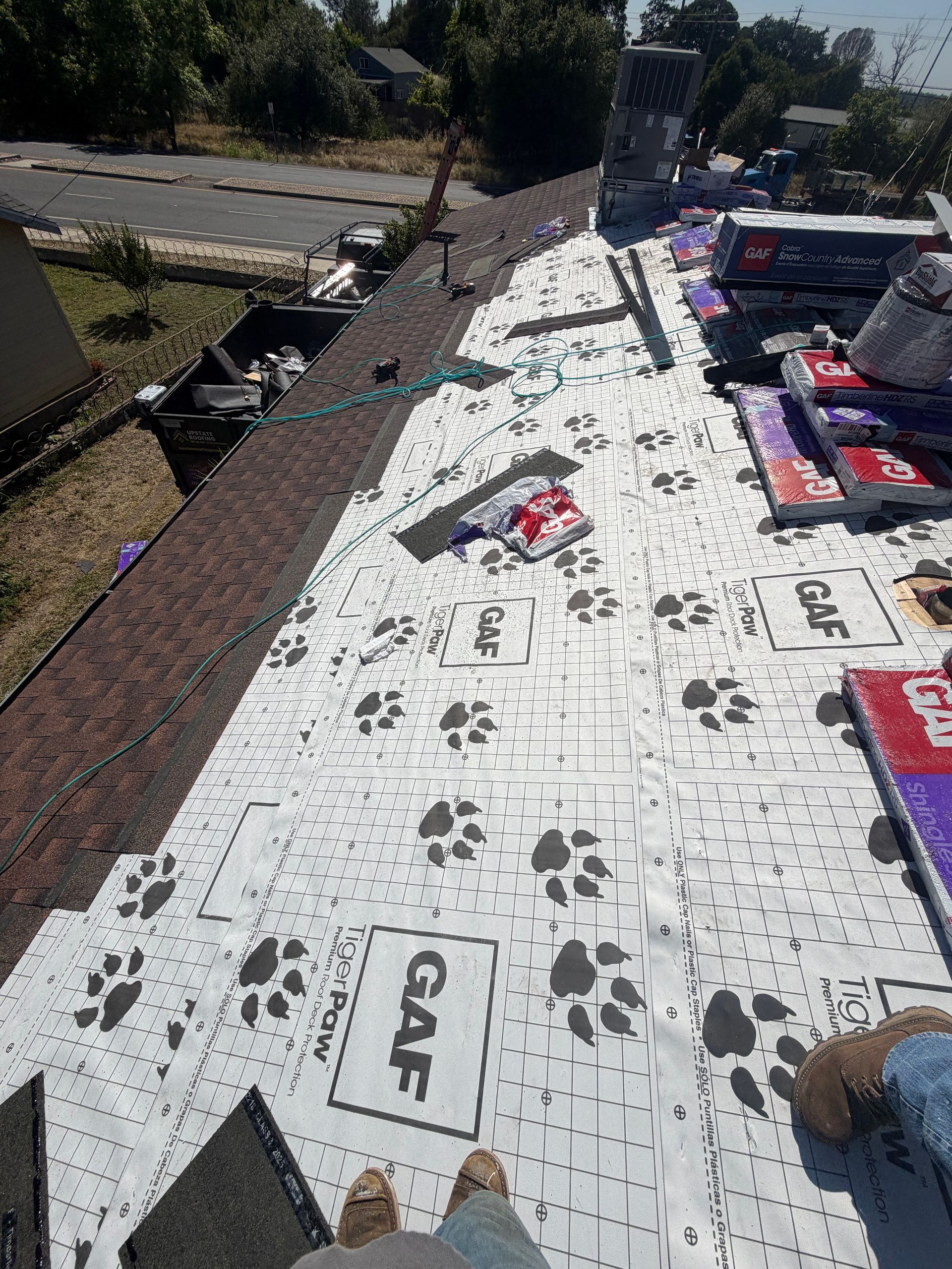
GAF Solar Shingles serve a dual purpose: they function as a roofing surface and generate electricity simultaneously. Unlike traditional solar panels mounted above a roof, solar shingles integrate directly into the roof deck. Upstateroofingpros installs GAF Solar Shingles as part of its residential roofing services, making them a practical option for homeowners in the Sacramento and Roseville areas who want energy generation built into their roof replacement.

Elastomeric and silicone coatings are the retrofit option. If your existing EPDM or metal roof is structurally sound, a white silicone coating can bring solar reflectance up to 0.80–0.88 at initial application, with aged values settling around 0.65–0.75. CRRC-rated coatings qualify for utility rebates in many jurisdictions. The key requirement is substrate compatibility. A coating applied over a failing roof membrane will not hold, so a professional inspection comes first. For a detailed breakdown of coating types, the roof coating guide for property managers covers the process step by step.

Green roofs go beyond energy performance. A vegetated roof layer insulates the building, absorbs stormwater, and reduces the urban heat island effect. They are most common on flat commercial roofs in urban settings. The trade-offs are real: installation costs are high, structural load requirements must be verified, and ongoing maintenance is more demanding than a standard membrane. For property managers focused on tenant appeal and sustainability credentials, green roofs deliver value beyond the energy bill.

4. How climate and local codes shape your choices

Climate zone is the single biggest variable in how much you save with an energy efficient roof. Hot, sunny regions like California's Central Valley see the greatest cooling energy reductions. Mixed-humid climates in the Southeast still benefit, but the savings are more moderate. In northern climates, cool roofs can actually increase heating loads slightly in winter, so the net benefit depends on your annual energy profile.

California's Title 24 building code sets the most detailed requirements in the country for residential and commercial roofing. Here is how compliance works:

  1. Prescriptive path: Your roofing material must meet specific SRI thresholds based on roof slope and climate zone. Most cool asphalt shingles and white membranes qualify directly.
  2. Performance path: If your chosen material does not meet the prescriptive SRI threshold, you can compensate with additional attic insulation of R-5 to R-10 or a radiant barrier. This path requires compliance software such as CBECC-Res or EnergyPro, and consultant documentation fees typically run $200–$800.
  3. Documentation: Either path requires CRRC-rated product data submitted at permit. Aged reflectance values, not just initial values, are what the code and rebate programs verify.

Pro Tip: If you are in California and your preferred roof color does not meet prescriptive SRI thresholds, the performance path with added attic insulation is often cheaper than switching materials entirely. Get a quote for both before deciding.

Many jurisdictions outside California also require CRRC-rated products for rebate eligibility. Check with your local utility before purchasing materials.

5. Cost, tax credits, and payback periods

The upfront cost of energy efficient materials runs higher than standard options in most categories. The financial case depends on your climate, energy rates, and available incentives.

Federal tax credits cover up to 30% of the cost of qualifying energy efficient roofing systems. That credit directly reduces your net investment and shortens the payback period. Combined with utility rebates available in many California jurisdictions, the effective out-of-pocket cost drops substantially.

Key financial considerations:

  • Payback period: In hot climates with high cooling loads, cool roofs typically pay back in 3–7 years through energy savings alone. In milder climates, payback extends to 10–15 years.
  • Utility rebates: Many California utilities offer rebates for CRRC-certified cool roofs. Rebate amounts vary by product and utility district, so verify eligibility before installation.
  • Documentation requirement: To claim both the federal tax credit and utility rebates, you need the CRRC product ID, the installer's invoice, and in some cases a signed compliance form. Keep all paperwork.
  • Long-term value: A metal roof with cool coatings that lasts 50 years costs less per year of service than a standard asphalt roof replaced twice in the same period, even before factoring in energy savings.

The TPO roofing benefits article on the Upstateroofingpros blog breaks down the commercial side of this math in more detail for property managers evaluating flat roof replacements.

Key takeaways

The most effective way to reduce building energy costs through roofing is to select a CRRC-certified material with strong aged reflectance values, match it to your climate zone, and document everything for tax credits and rebates.

Point Details
SRI is the core metric Check aged SRI values from the CRRC database, not just initial product ratings.
Cool roofs cut cooling costs Savings of 10–30% on cooling energy are typical in warm climates like California.
Federal credits cover 30% Tax credits plus utility rebates significantly reduce the net cost of qualifying materials.
Climate drives savings Hot, sunny zones see the greatest returns; mixed climates still benefit with proper design.
Documentation is non-negotiable CRRC product IDs and installer invoices are required to claim rebates and tax credits.

What I have learned after years of roofing in the Sacramento area

One thing I see constantly: homeowners pick a roof color they like, then ask if it qualifies as a cool roof. That is the wrong order. Start with the CRRC database, find products that meet the aged reflectance threshold for your climate zone, and then choose from those options. The color range is wider than most people expect.

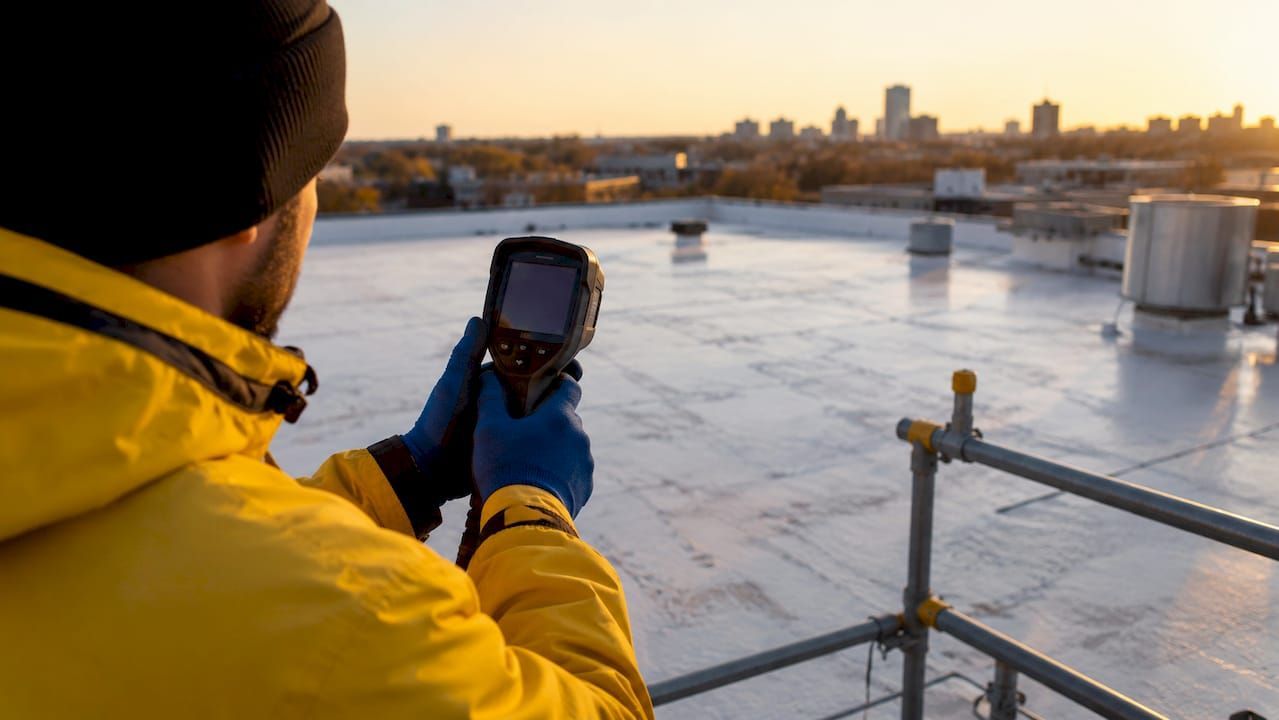
The other mistake I see is treating the roof as an isolated decision. A cool roof on top of a poorly insulated attic is leaving money on the table. The two systems work together. When we do a roof inspection at Upstateroofingpros, we always look at attic ventilation and insulation at the same time. Adding R-10 insulation alongside a cool roof replacement often doubles the energy savings compared to the roof upgrade alone.

On the compliance side, I have seen homeowners lose rebate eligibility because their installer did not submit the CRRC product ID at permit. That paperwork step costs nothing but gets skipped more often than it should. Choose an installer who knows the documentation process, not just the installation process.

Finally, maintenance matters more than most people realize. A cool roof that goes three years without cleaning in a dusty climate loses meaningful reflectance. A roofing maintenance plan that includes periodic cleaning and inspection keeps your SRI values close to the rated performance and protects your rebate eligibility on future upgrades.

— Cesar

How Upstateroofingpros helps you get the most from your roof

Upstateroofingpros works with homeowners and property managers across Sacramento, Roseville, and surrounding areas to install and maintain energy efficient roofing systems that meet California Title 24 requirements and qualify for available rebates.

Our team handles everything from initial roof inspection and CRRC product selection to full roof replacement with documented compliance paperwork. We install white TPO membranes, cool asphalt shingles, metal roofing with cool coatings, and GAF Solar Shingles. If your current roof needs attention before a full replacement, our roof repair services address leaks and damage that undermine energy performance. Contact Upstateroofingpros for a free consultation and find out which solution fits your building, budget, and climate.

FAQ

What is the Solar Reflectance Index?

The Solar Reflectance Index (SRI) is a scale from 0 to 100+ that combines solar reflectance and thermal emittance into a single number. Higher SRI values mean a roof absorbs less heat and transfers less energy into your building.

Which roofing material saves the most energy?

White TPO and PVC membranes deliver the highest measured energy savings, with solar reflectance of 0.80–0.88 and cooling cost reductions of 10–30% in warm climates. Metal roofing with cool pigment coatings is the top performer for sloped roofs.

Do cool roofs qualify for tax credits?

Yes. Federal tax credits cover up to 30% of qualifying energy efficient roofing system costs. You need the CRRC product ID and installer documentation to claim the credit.

What does California Title 24 require for roofing?

California Title 24 requires cool roofs to meet specific SRI thresholds based on climate zone and roof slope. Products must carry CRRC certification with documented aged reflectance values submitted at permit.

How long does it take for a cool roof to pay for itself?

In hot climates like California's Central Valley, most cool roofs pay back their cost premium in 3–7 years through energy savings. In milder climates, payback typically extends to 10–15 years depending on energy rates and available rebates.

Recommended

Recent Posts

June 12, 2026
Discover the essential gutter cleaning benefits home owners must know! Protect your property from costly water damage and maintain value.
June 9, 2026
Don't overlook a roof inspection after purchase! Ensure your new home is sound with expert assessments that protect your investment.
June 7, 2026
Discover what is built up roofing and how its durable, waterproof design benefits your flat or low-slope roof. Learn more now!
commercial roof repair in sacramento
June 5, 2026
Discover why roof maintenance prevents downtime for property owners. Learn effective strategies to protect your investment and avoid costly damage.
tpo roofing companies in sacramento
June 2, 2026
Discover our comprehensive TPO roofing installation overview for 2026. Learn essential steps and tips for a successful, energy-efficient roofing project!
residential roof repair in sacramento
June 1, 2026
Discover how residential roof layers explained can save you money. Understand your roof's components for smarter repairs and lasting protection!
Residential roof inspection sacramento
June 1, 2026
Discover what does roof replacement involve and learn essential steps for a successful project. Make informed choices and protect your investment!
commercial roof inspections in sacramento
June 1, 2026
Discover why commercial buildings need roof surveys to prevent costly repairs, ensure structural integrity, and protect warranties. Act now!
commercial roof gutter
May 31, 2026
Discover vital commercial gutter system maintenance tips for property managers. Protect your building and ensure compliance with our expert guide!
May 31, 2026
Discover why roofs leak after rain and learn effective fixes to prevent costly damage. Protect your home with expert insights today!
Show More